
Jeder Rundballenpressbetrieb kauft Rundballenpressnetz-Umhüllung Mehrmals pro Saison wird die Folie benötigt, doch die Kaufentscheidung reduziert sich fast immer auf den Preis pro Rolle. Die Kosten pro Rolle sind jedoch nur ein Bestandteil der tatsächlichen Kosten pro Ballen – diese umfassen auch die Anzahl der Ballen pro Rolle, die Einsparungen bei der Lagerung durch den ordnungsgemäßen Oberflächenschutz und die Haltbarkeit der Folie, bevor UV-bedingte Schäden zu Verlusten führen. Rundballenpressnetz-Umhüllung Der Leitfaden erläutert alle vier Parameter, sodass Ihr Auswahl an Ballennetzen Dadurch werden tatsächlich die Kosten pro Ballen gesenkt, nicht nur die Rechnung pro Rolle.
Was Rundballenpressen-Netzfolie leistet – mehr als nur die Formstabilität der Ballen zu gewährleisten
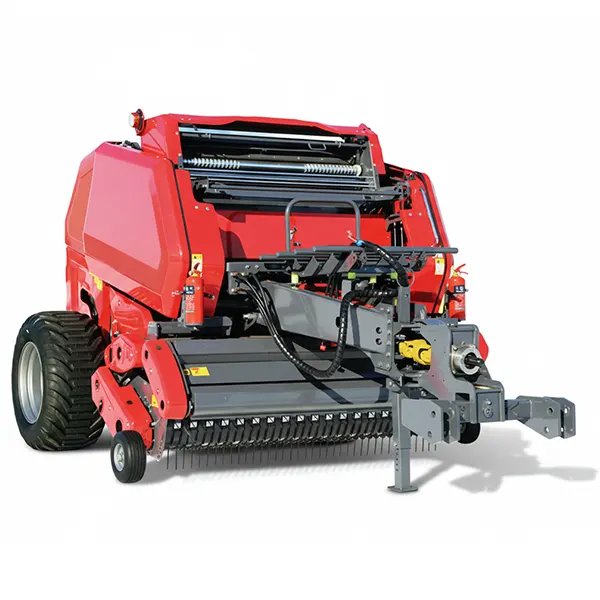
Die sichtbarste Funktion von Rundballenpressnetz-Umhüllung Die Formstabilität des Ballens ist wichtig – das Netz hält das komprimierte Erntegut beim Auswerfen des Ballens in zylindrischer Form. Die wichtigere Funktion für im Freien gelagertes Heu ist jedoch die Oberflächenabdeckung: Das Netz umhüllt 55 bis 65 Prozent der Ballenseitenfläche mit einem halbdurchlässigen Gewebe, das Niederschlag abweist, die UV-bedingte Zersetzung der äußeren Heuschicht reduziert und das Eindringen von Feuchtigkeit von regengesättigten Bodenkontaktstellen in das Balleninnere begrenzt.
Netzverpackungsspezifikationen entschlüsselt: Breite, Denier, Grammatur (GSM) und UV-Schutzklasse
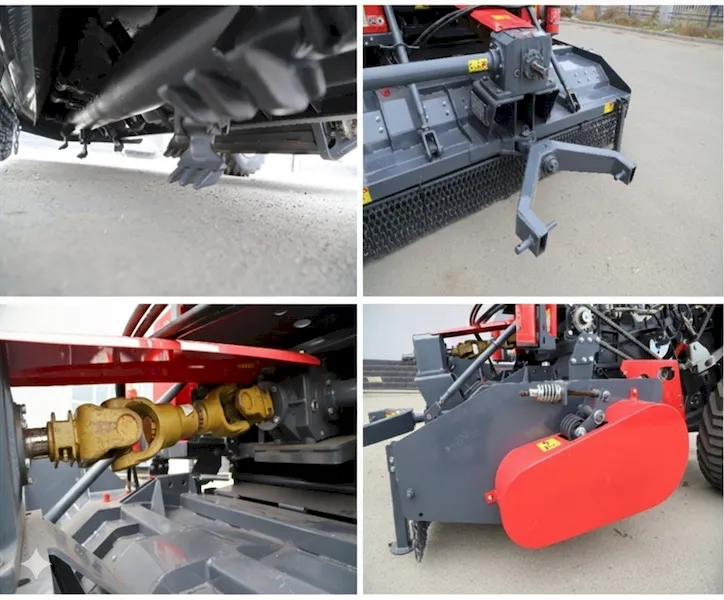
Dicke des Ballennetzes Es handelt sich nicht um eine einzelne Messgröße, sondern um eine Kombination aus Denier, Flächengewicht (GSM) und UV-Stabilisatorklasse, die gemeinsam die strukturelle Leistungsfähigkeit und die Haltbarkeit im Außenbereich bestimmen. Der folgende Spezifikationsvergleich umfasst die vier Produktstufen, die US-amerikanischen Heuproduzenten am häufigsten zur Verfügung stehen.
Denier misst das Gewicht einzelner HDPE- oder Polypropylenfäden; je höher der Denierwert, desto schwerer der Faden und desto reißfester der Faden. GSM (Gramm pro Quadratmeter) misst das Gesamtgewicht des Gewebes über die Maschenweite. Beide Werte steigen in höheren Klassen, da eine höhere Fadendichte auch die Maschendichte erhöht. Die Klassifizierung des UV-Stabilisators der Netzumhüllung bestimmt die Haltbarkeit im Außenbereich: Klasse 1 eignet sich für Ballen, die innerhalb derselben Saison verfüttert werden; Klasse 2 ist für alle Ballen erforderlich, die länger als 10 Monate im Freien gelagert werden.
Einstellung für Wicklungen pro Ballen: Ermitteln Sie die Zahl, die zu Ihrem Programm passt
Die Einstellung „Wicklungen pro Ballen“ an Ihrer Ballenpresse steuert, wie viele vollständige seitliche Durchgänge die Presse durchführt. Rundballenpressnetz-Umhüllung Der Wickelarm bewegt sich über die gesamte Ballenbreite, während sich der Ballen während des Wickelvorgangs einmal vollständig dreht. Diese Zahl – typischerweise zwischen 1,0 und 3,0 Wicklungen einstellbar – ist die wichtigste Einstellung vor Ort, die die Ballenoberflächenabdeckung und die Nettowickelkosten pro Ballen gleichzeitig bestimmt.
Tatsächliche Kosten pro Ballen: Netto-Lebenszeitwertanalyse

Die tatsächlichen Kosten pro Ballen Rundballenpressnetz-Umhüllung Beinhaltet die Nettokosten für das Verpackungsmaterial zuzüglich des vermiedenen Materialverlusts im Vergleich zur Alternative. Diese kombinierte Kennzahl – und nicht der Preis pro Rolle – sollte die Kaufentscheidung beeinflussen.
| Kostenkomponente | Schnur | Netzverpackung (Standard) | Netzverpackung (Premium) |
|---|---|---|---|
| Materialkosten pro Ballen | $0,35–0,55 | $0,20–0,28 | $0,28–0,38 |
| Trockenmasseverlust bei Lagerung im Freien (6–9 Monate) | 18–30% | 6–14% | 4–10% |
| DM-Verlustkosten pro $80-Ballen | $14.40–$24.00 | $4.80–$11.20 | $3.20–$8.00 |
| Kombinierte tatsächliche Kosten/Ballen | $14.75–$24.55 | $5.00–$11.48 | $3.48–$8.38 |
Die prozentualen Trockenmasseverluste basieren auf veröffentlichten Forschungsergebnissen zur Lagerung von Rundballen im Freien. Die Nettokosten für das Wickelmaterial betragen 2,0 Wicklungen pro Ballen; die Kosten für das Bindegarn werden standardmäßig mit zwei Strängen verwendet. Die tatsächlichen Gesamtkosten setzen sich aus den Materialkosten und dem Wert des Trockenmasseverlusts zusammen – beides fällt an, unabhängig davon, ob die einzelnen Kosten separat erfasst werden.
Der Netzwickel-Auswurfarm an kommerziellen Ballenpressen wird von demselben angetrieben landwirtschaftliches Antriebsgetriebe Das Getriebe treibt die Ballenkammer und die Ballenaufnahme an. Die Synchronisation zwischen dem Netzwickelarm und der Ballenrotationsgeschwindigkeit wird vom Getriebe gesteuert. Deshalb hängt die Gleichmäßigkeit der Netzwickelapplikation während der gesamten Saison vom Ölstand und -zustand des Getriebes ab und nicht nur von der Einstellung der Folienspannung.
Probleme mit der Net Wrap-Anwendung und deren Behebung

Fehler bei der Netzwickelapplikation unterscheiden sich von den allgemeineren mechanischen Problemen der Ballenpresse, die in den Fehlerbehebungsleitfäden behandelt werden. Sie entstehen spezifisch im Netzwickelzuführungsmechanismus – den Spannwalzen, dem Kernhalter, dem Vorschneider und der Messereinheit – und weisen jeweils ein erkennbares Symptom, eine spezifische Ursache und eine gezielte Lösung auf.
| Problem | Grundursache | Feldfix |
|---|---|---|
| Das Netzfolien-Zuführen beginnt nicht mit dem Pressvorgang nach Fertigstellung des Ballens. | Netzspitze nicht durch den vorgefertigten Führungsschlitz geführt; Kernhalterfeder zusammengedrückt und Walze dreht sich nicht frei; Netzende nach dem vorherigen Schnitt zu kurz. | Fädeln Sie die Netzspitze gemäß Bedienungsanleitung erneut durch alle Führungen; prüfen Sie die Feder des Kernhalters; stellen Sie sicher, dass das Netzende vor Beginn des Wickelvorgangs 15–20 cm über den Vorschneider hinausragt. |
| Das Netzgewebe reißt während des Wickelvorgangs. | Grat oder scharfe Kante der Zuführwalze, die das Netz verhakt; Spannung über der Nennlast der aktuellen Netzsorte eingestellt; hervorstehender Erntestängel auf der Ballenoberfläche, der sich beim ersten Überwurf verhakt. | Prüfen Sie die Zuführwalze mit einem Lappen auf Grate – ein Fadenriss deutet auf einen Grat hin; reduzieren Sie die Spannung um eine Stufe; wechseln Sie zu einem Netz mit höherer Denierzahl, falls das Einreißen auch bei minimaler Spannung anhält. |
| Ungleichmäßige Netzabdeckung – auf einer Seite locker | Netzrolle nicht zentriert im Kernhalter; Kalibrierungsabweichung des Wickelarm-Verfahrwegschalters – Arm erreicht nicht den vollen Verfahrweg nach links oder rechts; Rollenkern durch Feuchtigkeitsschäden beschädigt | Zentrieren Sie die Walze im Kernhalter und prüfen Sie, ob sie sich frei dreht; prüfen Sie die Endschalter des Armwegs an beiden Enden; tauschen Sie die Walze aus, wenn der Kern verformt oder nass ist. |
| Netz schneidet nicht sauber – Netzfaden über 30 cm lang | Messerschneide über die Verschleißgrenze hinaus abgenutzt; Messertaktung nicht mit dem Sensor für vollständiges Ballenpressen abgestimmt; Nettofolienspannung zum Zeitpunkt des Schnitts zu gering (Folie gefaltet statt straff beim Messerkontakt) | Prüfen Sie das Messer gemäß der Zustandsbeschreibung (siehe Bedienungsanleitung der Ballenpresse); überprüfen Sie das Timing zwischen Sensor und Messer; erhöhen Sie die Netzspannung leicht, um eine straffe Folie am Messerkontaktpunkt zu gewährleisten. |
| Netzkern rutscht beim Wickeln im Halter herum | Feder des Kernhalters ermüdet – Klemmkraft für die aktuelle Nettospannung unzureichend; Walzenkern-Innendurchmesser für den Halterdurchmesser dieses Ballenpressenmodells zu klein. | Kernhalterfeder austauschen; Kerninnendurchmesser mit dem für das Ballenpressenmodell angegebenen Halterdurchmesser (typischerweise 75 mm oder 100 mm) vergleichen; Netzrollen mit der korrekten Kerngröße bestellen |
Ersatz-Netzwickelmessersätze, Kernhalterfedern und Zuführwalzen werden für alle Modelle unserer Ballenpressen noch am selben Tag aus unserem Lager in Kalifornien versandt. Die korrekte Vorgehensweise zum Messerwechsel und die Sicherheitsverriegelungssequenz entnehmen Sie bitte der jeweiligen Bedienungsanleitung Ihrer Ballenpresse.
Netzwickelbreite und Rollenkompatibilität: Passend zu Ihrem Ballenpressenmodell
Rundballen-Netzwickel Die Netzrolle muss so dimensioniert sein, dass sie sowohl der Breite der Ballenkammer als auch dem Durchmesser des Kernhalters Ihrer Ballenpresse entspricht. Eine zu schmale Netzrolle schützt die Ballenenden nicht; eine zu breite Rolle führt dazu, dass sich das Netz in den Endzonenführungen verheddert und ist die häufigste Ursache für den oben beschriebenen Fehler „Netz startet nicht“.
Nettorollenbreite: 1,23 m
Kerndurchmesser: 75 mm
Empfohlen: Standard-Tier, 2,0 Wicklungen
Nettorollenbreite: 1,23 m
Kerndurchmesser: 75 mm
Empfohlen: Standard oder Premium, 2,0–2,5 Wraps
Nettorollenbreite: 1,25 m
Kerndurchmesser: 100 mm
Empfohlen: Premium- oder Hochleistungs-Silagefolie, 2,0–2,5 Lagen.
Der häufigste Kompatibilitätsfehler bei der Bestellung von Netzgewebe für eine neue Ballenpresse oder beim Lieferantenwechsel ist der Kerndurchmesser (75 mm vs. 100 mm). Bitte überprüfen Sie den Kerndurchmesser anhand der Bedienungsanleitung Ihrer Ballenpresse, bevor Sie größere Mengen bestellen. Unser Team prüft die Kompatibilität, bevor wir Ihre Netzgewebebestellung zusammen mit einer Ballenpresse versenden. Weitere Informationen finden Sie in unserem vollständigen Service. Rundballenpressen-Modelle Seite mit vollständigen Netzwickelspezifikationstabellen nach Modell.
Häufig gestellte Fragen: Rundballenpressen-Netzwickel
Kompatibilität mit der Netzverpackung bestätigen – wird vor jeder Bestellung geprüft
Net Wrap Supply – Lager in Kalifornien
Rollenbreite, Kerndurchmesser und Güteklasse werden vor jeder Lieferung mit Ihrer Ballenpresse abgeglichen.
Wir bestätigen Rundballenpressnetz-Umhüllung Bitte prüfen Sie vor dem Versand die Rollenbreite und den Kerndurchmesser anhand Ihres Ballenpressenmodells. Standard-, Premium- und Heavy-Duty-Ausführungen sind ganzjährig auf Lager. Bestellungen während der Saison werden noch am selben Tag versandt. Ersatzmessersätze, Kernhalterfedern und Zuführwalzen werden zusammen mit Netzwickelbestellungen versandt.
Budget / Standard / Premium / HD
Breite + Kerndurchmesser geprüft
Bestellungen vor 14:00 Uhr pazifischer Zeit
Herausgeber: Cxm


