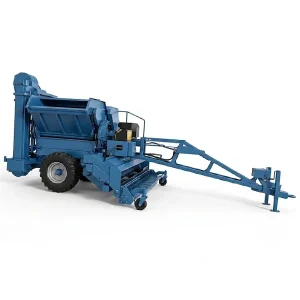
9YCM-850 Silageballenpresse mit Wickelfunktion | 30–40 Ballen/Std.
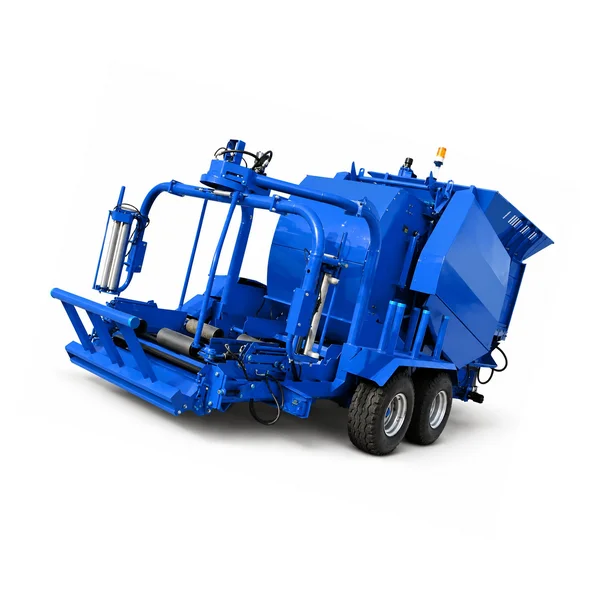
Der 9YCM-850 Silageballenpresse Das System komprimiert frisches, feuchtes Erntegut und verpackt es in Stretchfolie in einem einzigen Arbeitsgang – ohne Anhalten, ohne zweite Maschine und ohne dass Sauerstoff in den Ballen eindringen kann. Mit 30 bis 40 verpackten Ballen pro Stunde ist es die leistungsstärkste Silagekonservierungslösung in unserem Sortiment. Sie ist ideal für Milchviehbetriebe mit großflächigen Gras- und Maissilageprogrammen, Lohnunternehmen, die mehrere Kunden pro Woche bedienen, und Rinderzuchtbetriebe, die von Trockenheu auf fermentierte Silage für die Winterfütterung umstellen.
Silage-Wissenschaft: Warum Minuten zwischen Ballenpressen und Einwickeln entscheidend sind
Die integrierte Bauweise der 9YCM-850 ist keine bloße Komfortfunktion, sondern eine direkte Antwort auf die Fermentationsbiologie von Futterpflanzen mit hohem Feuchtigkeitsgehalt. Das Verständnis dafür, warum die Wickelmaschine unmittelbar nach der Ballenpresse und nicht erst mit Verzögerung erfolgen muss, erklärt, warum eine integrierte Maschine messbar bessere Silage produziert als ein Zweimaschinen-Workflow mit einer Zeitverzögerung zwischen Pressen und Wickeln.
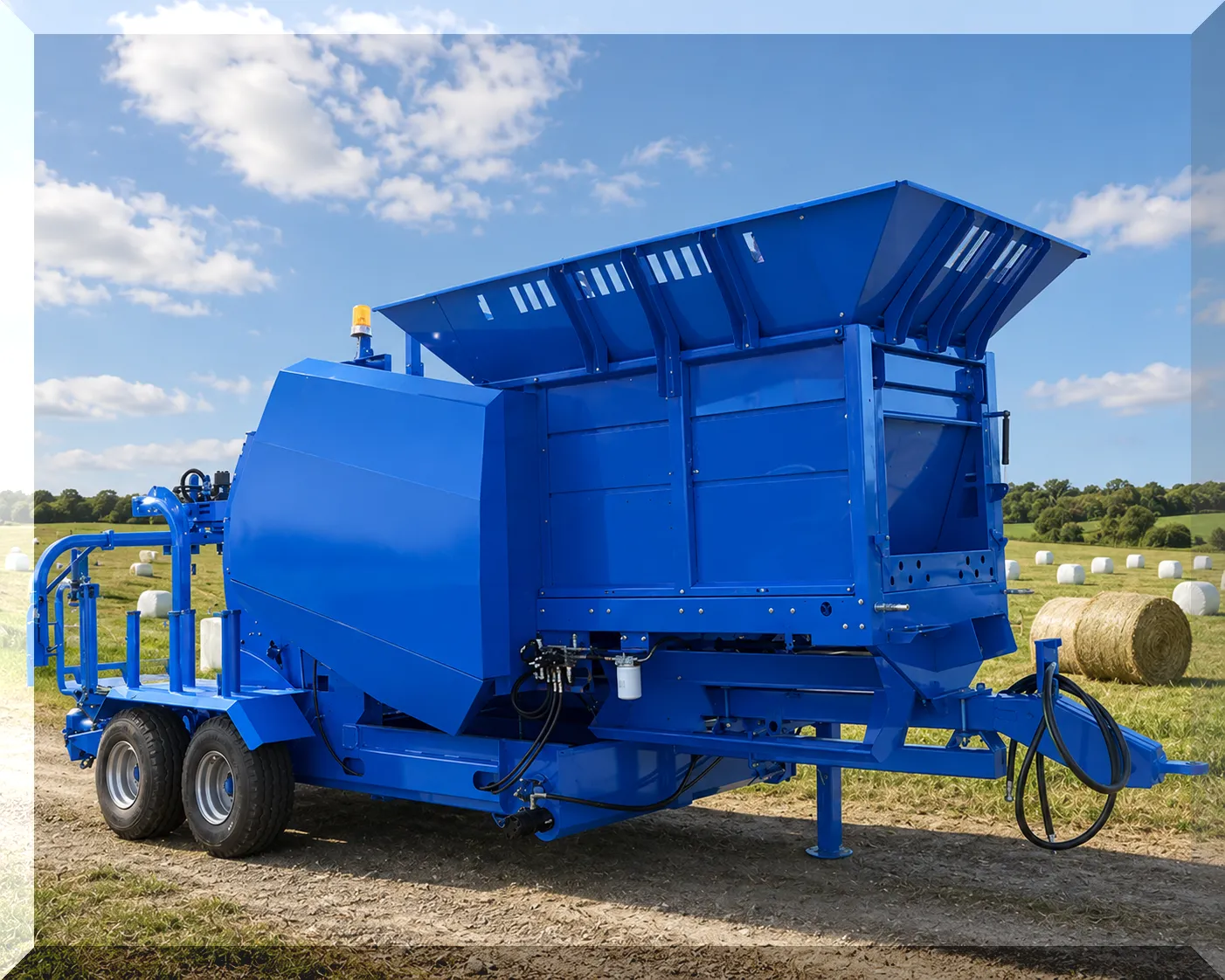
Sauerstoff wird zwischen dem Pflanzenmaterial eingeschlossen. Die aerobe Atmung durch Pflanzenzellen und Schimmelpilzsporen beginnt und verbraucht wasserlösliche Kohlenhydrate – den primären Brennstoff für erwünschte Milchsäurebakterien.
Die Aktivität von Hefen und Schimmelpilzen beschleunigt sich. Die CO₂-Bildung erhöht die Temperatur im Inneren des unverpackten Ballens. Jeder Temperaturanstieg um 1 °C über 30 °C in der Fermentationsphase reduziert den Trockenmassegehalt der Silage um 0,3–0,5 Prozentpunkte.
Sauerstoff wird innerhalb von Sekunden nach Fertigstellung des Ballens ausgeschlossen. Restlicher Sauerstoff wird innerhalb von 24–48 Stunden von aeroben Bakterien verbraucht. Milchsäurebakterien (LAB) erreichen rasch anaerobe Bedingungen und produzieren Milchsäure, die den pH-Wert auf 4,0–4,5 senkt und den Trockenmassegehalt (TM) bei 90–95 % des theoretischen Maximalwerts hält.
Grundlage: Empfehlungen des Nationalen Instituts für Lebensmittel und Landwirtschaft (NIFA) des US-Landwirtschaftsministeriums (USDA) zum optimalen Zeitpunkt für das Einwickeln von Silageballen. Empfohlener Wickelabstand: unter 4 Stunden nach dem Pressen; unter 60 Minuten für maximale Trockenmasseerhaltung bei hohem Feuchtigkeitsgehalt (>701 µg/kg).
Die 9YCM-850 eliminiert das Belichtungsfenster vollständig: Der Ballen wird in der festen Kammer fertiggestellt, automatisch auf den integrierten Wickeltisch transportiert und im selben Arbeitsgang mit Stretchfolie versiegelt – die maximale Belichtungszeit zwischen Ballenpressabschluss und Versiegelungsbeginn beträgt im Normalbetrieb weniger als 60 Sekunden. Dies ist mit einem separaten Arbeitsablauf aus Ballenpresse und eigenständiger Wickelmaschine nicht möglich, da die Ballen je nach Bedienerkapazität und Feldkonfiguration typischerweise 30 Minuten bis mehrere Stunden liegen bleiben.
Technische Spezifikationen
Der 9YCM-850 wird über die Dreipunktaufhängung, die 540 U/min-Heckzapfwelle und zwei Hydraulikanschlüsse (1/2" und 3/4") an den Traktor angeschlossen. Die elektronische Steuerung wird über einen 12-V-Gleichstromanschluss an das Bordnetz des Traktors mit Strom versorgt. Bitte prüfen Sie vor der Bestellung, ob alle vier Anschlussarten – Zapfwelle, Dreipunktaufhängung, Hydraulik und 12 V – an Ihrem Traktor verfügbar sind.
| NEIN. | Parameter | Einheit | Wert |
|---|---|---|---|
| 1 | Produkt | / | 9YCM-850 Integrierte Ballenpresse-Wickelmaschine |
| 2 | Ballengröße (Durchmesser × Länge) | cm | Φ 85–90 × 85 cm |
| 3 | Ballenvolumen | m³ | 0,48–0,54 |
| 4 | Trichtervolumen | m³ | 2.5 |
| 5 | Erforderliche Traktorleistung | PS (kW) | ≥ 120 PS (≈88 kW) |
| 6 | Äußere Abmessungen (L×B×H) | m (ft) | 7,00 × 2,19 × 3,03 (23,0 × 7,2 × 9,9 Fuß) |
| 7 | Reifengröße | / | 295/60-15 |
| 8 | Zapfwellendrehzahl | U/min | 540 |
| 9 | Hydraulische Anforderungen | / | 1 × ½ Zoll + 1 × ¾ Zoll Ausgänge |
| 10 | Elektrische Anforderungen | / | 12 V Gleichstrom (Traktorbatteriekreis) |
| 11 | Steuerungssystem | / | Elektronisch (Anzeige für Ballen- und Wickelanzahl) |
| 12 | Produktivität | Ballen/h | 30–40 |
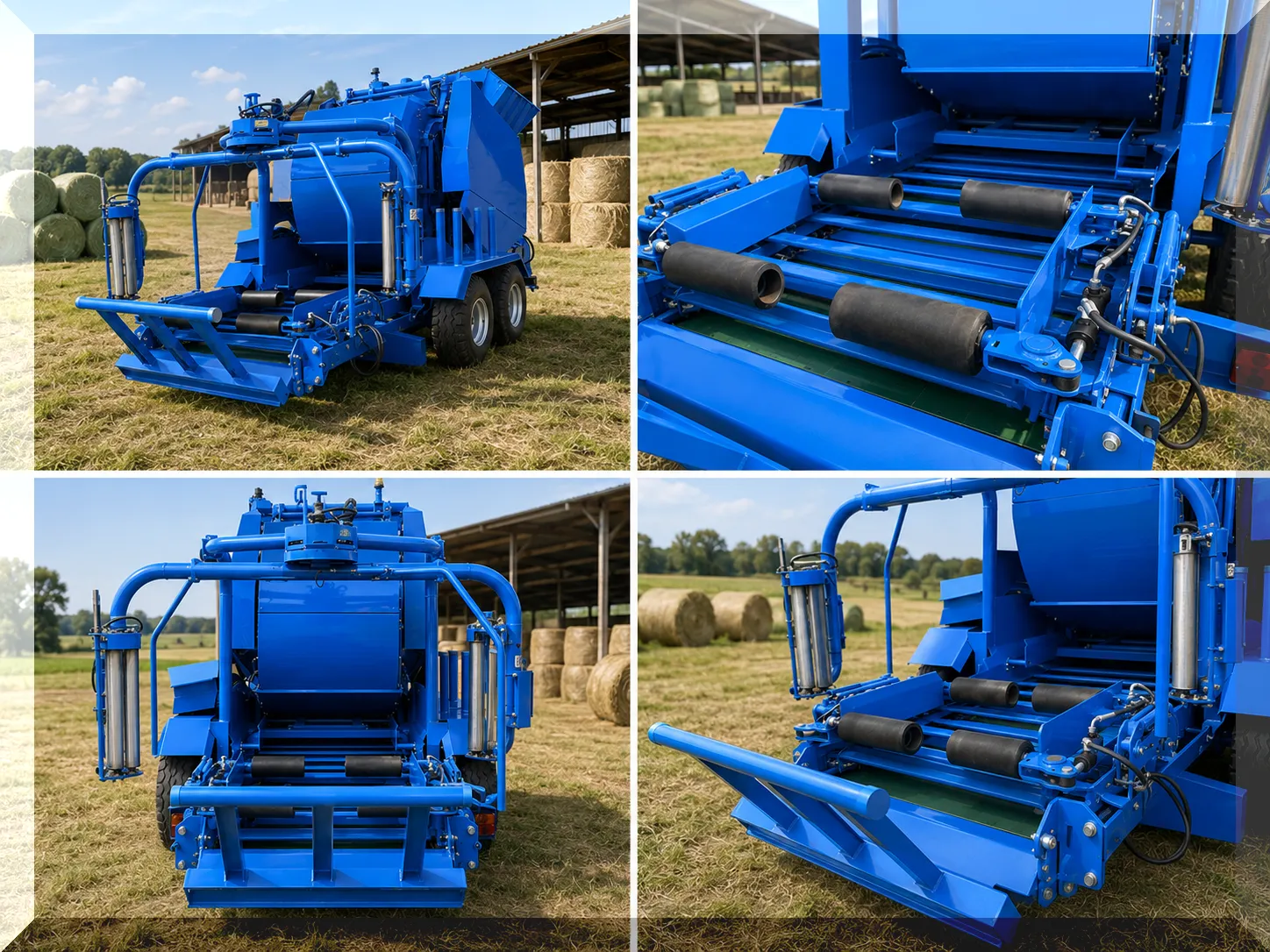
Der vierstufige kontinuierliche Zyklus: Laden → Ballenpressen → Wickeln → Auswerfen
Anleitung zum Aufbringen von Frischhaltefolie: Lagen nach Pflanzenart und Lagerdauer
Die Anzahl der Folienlagen ist die vom Bediener beeinflussbare Variable mit dem größten Einfluss auf die Silagequalität während der Lagerung. Zu wenige Lagen ermöglichen mit der Zeit das Eindringen von Sauerstoff durch Mikroverletzungen durch Feldreste und UV-Strahlung; zu viele Lagen erhöhen die Folienkosten über das für die Fermentationsqualität notwendige Maß hinaus. Die folgende Tabelle enthält die branchenüblichen Empfehlungen für die wichtigsten Kulturarten und Lagerungsszenarien.
| Ernte / Material | Feuchtigkeit bei Ballenbildung | Mindestanzahl Filmschichten | Speicherdauer | Anmerkungen |
|---|---|---|---|---|
| Frisch geschnittene Grassilage | 65–75% | 6 | 6–12 Monate | Häufigster Anwendungsfall; 6 Lagen sind das von der NRCS empfohlene Minimum für die ganzjährige Lagerung im Freien. |
| Maissilage (ganze Pflanze) | 60–68% | 6–8 | 6–18 Monate | Die Ränder der Maisstängel können die Folie durchstechen – 8 Lagen werden empfohlen, wenn die Stängel bei der Ernte nicht gehäckselt werden. |
| Luzerne-/Leguminosensilage | 55–65% | 4–6 | 3–8 Monate | Geringere Feuchtigkeit reduziert den Fermentationsdruck auf die Folie; 4 Lagen reichen für eine Lagerung von unter 6 Monaten. |
| Getreide mit hohem Feuchtigkeitsgehalt (HMG) | 25–35% | 8 | Bis zu 18 Monate | Lange Lagerdauer erhöht das Risiko von UV-Strahlung und mechanischen Beschädigungen; 8 Lagen sind für die gesamte Saison erforderlich. |
| Heusilage / Heulage | 45–60% | 4–6 | 3–6 Monate | Teilweise angewelktes Material; höherer Trockenmassegehalt bedeutet niedrigeren Innengasdruck – 4 Schichten für den kurzfristigen Einsatz geeignet |
Die 9YCM-850 verarbeitet handelsübliche, UV-beständige weiße oder schwarze Stretchfolienrollen (750 mm × 1.500 m). Weiße Folie ist für die Langzeitlagerung im Freien vorzuziehen, da sie die Sonneneinstrahlung reflektiert und die Temperatur im Inneren der Ballen senkt. Schwarze Folie reduziert zwar die UV-Strahlung, erhöht aber im Sommer die Wärmeaufnahme. Klären Sie mit Ihrem Folienlieferanten ab, ob das Streckverhältnis 50–70% beträgt – unterdehnte Folie verliert unter der Ballenkompression ihre Barrierefunktion.
Wer profitiert am meisten vom One-Pass-System?
Ein-Pass-Verfahren vs. Zwei-Maschinen-Verfahren: Die Ökonomie der Integration
Die 9YCM-850 ersetzt zwei separate Maschinen – eine Rundballenpresse und eine separate Ballenwickelmaschine. Der Vergleich der Investitionskosten ist der Ausgangspunkt, aber die Wirtschaftlichkeit im Betrieb über einen 5-Jahres-Zyklus hinweg stärkt die Argumentation für eine integrierte Lösung.
Upstream-Ausrüstung: Aufbau eines kompletten Silagesystems
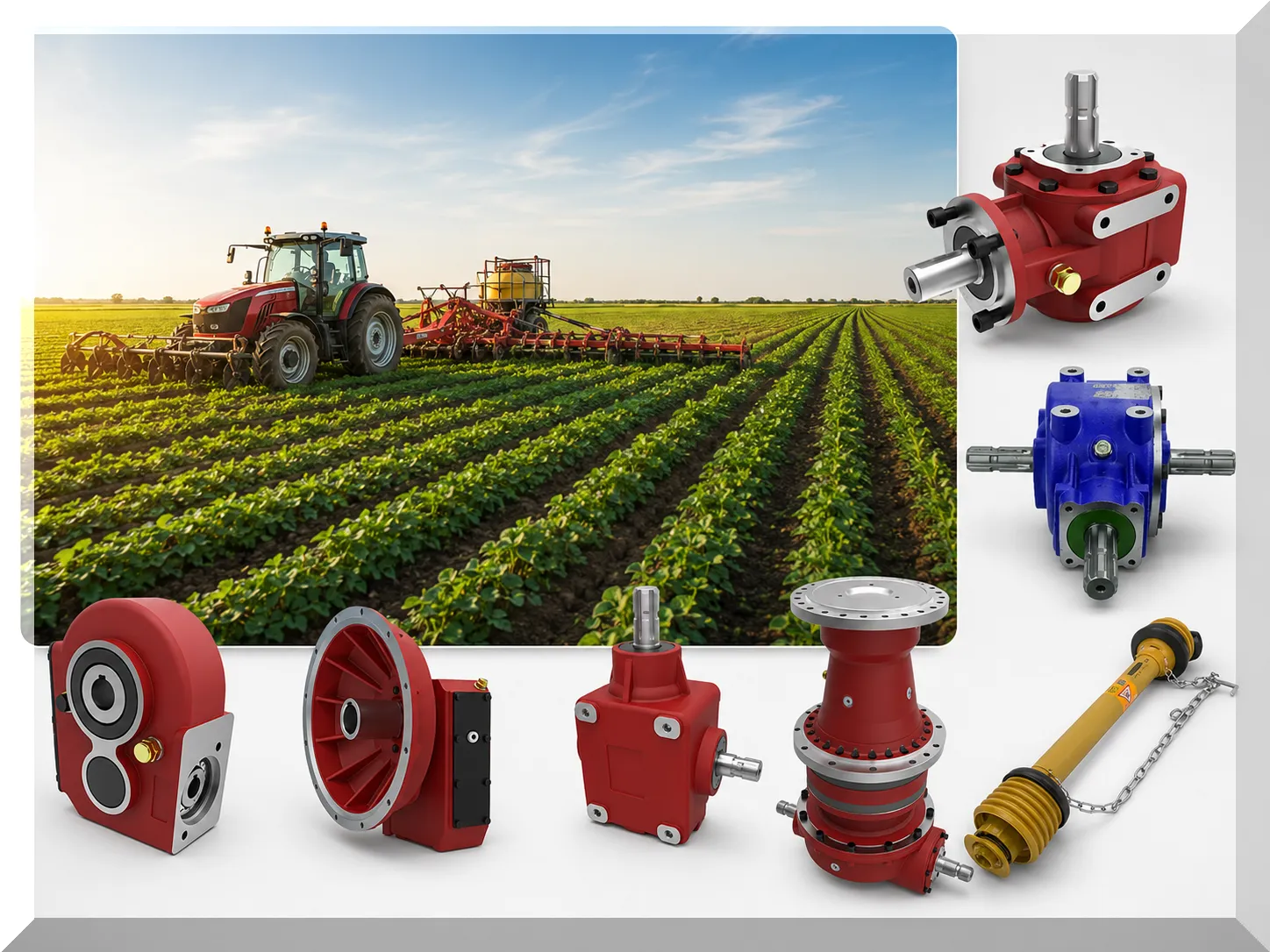
Die 9YCM-850 verarbeitet bereits geschnittenes und in Schwaden aufbereitetes Material. Die Qualität dieser vorgelagerten Verarbeitung entscheidet darüber, ob der Trichter einen sauberen, gleichmäßigen oder einen problematischen Materialfluss erhält. Drei Komponenten der vorgelagerten Verarbeitung sind dabei besonders wichtig:
Mähgeräte: Sauber geschnittenes, aufbereitetes Material gelangt gleichmäßiger in den Trichter des 9YCM-850 als unaufbereitetes Schwadmaterial. Mähgeräte Beinhaltet Scheiben- und Balkenmäher für die in den USA üblichen Erntebreiten und Feldbedingungen bei Silagebetrieben.
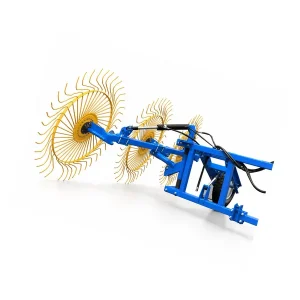
Vorbereitung der Mieten: Ein ordnungsgemäß geformter, gleichmäßig dichter Schwad verhindert das sprunghafte Zuführungsmuster, das zu Schwankungen der Ballendichte in der Kammer 9YCM-850 führt. Heurechen-Aufstellung erzeugt gleichmäßige Schwaden mit einer Schnittbreite von 5 bis 12 Metern, abgestimmt auf die Arbeitsgeschwindigkeiten, bei denen Silage mit hohem Feuchtigkeitsgehalt ohne übermäßigen Blattverlust gewendet wird.
Antriebsstrang mit über 120 PS: Bei einer Zapfwellenleistung von über 88 kW erzeugt der 9YCM-850 sowohl ein kontinuierliches Verdichtungsdrehmoment als auch kurzzeitige Lastspitzen, wenn dichtes Schwadmaterial mit Feldgeschwindigkeit in die Kammer strömt. Eine korrekt dimensionierte Landwirtschaftliches Getriebe mit hohem Drehmoment Die Zapfwellenantriebswelle gleicht diese Spannungsspitzen aus und sorgt gleichzeitig für eine konstante Drehzahl des Förderbandes und der Verdichtungswalze – entscheidend, da Schwankungen der Ballendichte während des Verdichtungszyklus den Trockenmassegehalt der Silage und die Gleichmäßigkeit der Fermentation beeinflussen. Für den Eingangsleistungsbereich von über 88 kW des 9YCM-850 sollte das Getriebe für ein Dauerdrehmoment von über 1.000 Nm mit einer Spitzentoleranz von über 2.000 Nm ausgelegt sein.
Checkliste zur Saisonvorbereitung und Wartung
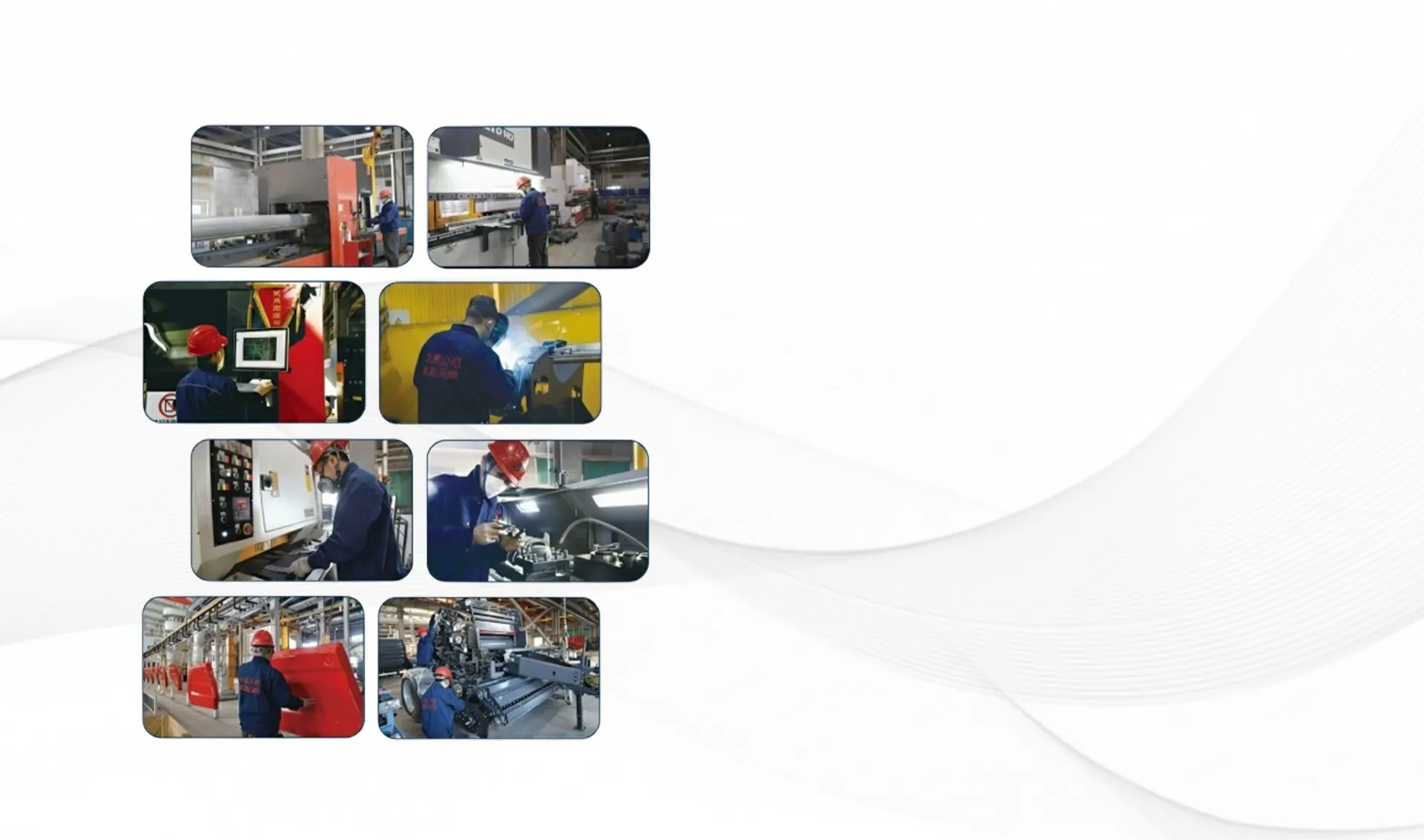
Die 9YCM-850 kombiniert eine Ballenpresse, ein Folienzuführungssystem und ein elektronisches Steuermodul – drei mechanische Teilsysteme, die jeweils vor Saisonbeginn überprüft werden müssen. Gehen Sie diese Checkliste vor dem ersten Schnitt jeder Saison durch:
🔩 Ballenpressmechanismus
🎞 Filmlieferungssystem
💡 Elektronisches Bedienfeld
🔧 Zwischensaison (jeweils alle 100 Ballen)
Warum US-amerikanische Silageproduzenten foragebaler.com wählen
Häufig gestellte Fragen
Wie lange können versiegelte Ballen vor der Verfütterung gelagert werden?
Gut verschlossene Ballen mit mindestens sechs Lagen UV-beständiger Folie lassen sich im Freien zuverlässig 12 bis 18 Monate lagern. Die Fermentation ist innerhalb von drei bis sechs Wochen nach dem Pressen abgeschlossen. Anschließend werden die Ballen anaerob gelagert. Kontrollieren Sie die Außenseite der gelagerten Ballen monatlich. Beschädigungen durch Einstiche oder Vögel sollten umgehend mit Reparaturklebeband ausgebessert werden, um aeroben Verderb an der Schadensstelle zu verhindern.
Welche Filmrollenabmessungen akzeptiert die 9YCM-850?
Standardmäßig werden Silofolienrollen mit den Maßen 750 mm Breite × 1.500 m Länge und einer Nenndicke von 25 Mikron verwendet. Der Folienarm und die Vorstreckwalzen der Maschine sind für diese internationale Standardabmessung ausgelegt, die in den nordamerikanischen Agrarlieferketten am weitesten verbreitet ist. Bei Verwendung von abweichenden Breiten oder ultradünnen Folien (unter 22 Mikron) ist vor dem Einsatz im Feld Rücksprache mit dem US-Supportteam erforderlich.
Benötigt die Maschine einen separaten Bediener für den Verpackungsbereich?
Nein – das elektronische Steuerungssystem regelt den Ballentransport von der Presskammer zum Wickeltisch und startet den Wickelvorgang automatisch, sobald der fertige Ballen den Übergabesensor auslöst. Der Traktorfahrer steuert die Maschine über das Bedienfeld in der Kabine. Unter normalen Feldbedingungen ist keine zweite Person erforderlich, obwohl manche Landwirte am ersten Tag der Saison einen Helfer abstellen, der den Zustand der ausgeworfenen Ballen überwacht.
Kann die Ballenpresse auch ohne die Wickelvorrichtung zum Pressen von trockenem Heu verwendet werden?
Ja – die Ballenpresse arbeitet unabhängig mit 540 U/min Zapfwellendrehzahl für die konventionelle Heuballenpressung. Die Wickelvorrichtung kann über das elektronische Bedienfeld deaktiviert werden, wenn mit Garn oder Netz gebundene Heuballen hergestellt werden. Dadurch ist die 9YCM-850 eine Mehrzweckmaschine: Silagewickeln während der Erntezeit mit hohem Feuchtigkeitsgehalt und konventionelles Ballenpressen während der Heuerntezeit – alles mit demselben 120-PS-Traktor.
Wie lange dauert die Montage nach der Lieferung?
Die 9YCM-850 wird für den Transport teilmontiert geliefert. Die Montage vor Ort umfasst das Anschließen der Zapfwelle, das Verbinden der Hydraulikschläuche mit den entsprechenden Traktoranschlüssen (½ Zoll für die Ballenpresse, ¾ Zoll für die Wickelvorrichtung), den Anschluss des 12-V-Kabelbaums und das Einsetzen der Folienrolle. Die Montage dauert mit Hilfe der bebilderten Montageanleitung 2 bis 3 Stunden und wird von zwei Bedienern durchgeführt. Das US-Team steht Ihnen telefonisch für Echtzeit-Unterstützung bei der Reihenfolge der Hydraulikanschlüsse zur Verfügung, da dieser Schritt die größte Bedienererfahrung erfordert.
Was passiert, wenn der Film mitten im Spiel abbricht?
Das elektronische Bedienfeld zeigt die ungefähre Anzahl der verbleibenden Wicklungen anhand der Ballenanzahl und der Rollenlänge an. Der Bediener erhält eine Warnung, bevor die Folie aufgebraucht ist. Sobald eine Rolle zu Ende ist, stoppt die Wickelmaschine, der Bediener legt eine neue Rolle ein (mit etwas Übung in unter 3 Minuten), und der Zyklus wird fortgesetzt. Teilweise gewickelte Ballen sollten sofort mit einer neuen Rolle fertiggestellt oder von Hand gewickelt werden, bevor sie eingelagert werden – teilweise gewickelte Silageballen dürfen nicht auf dem Feld liegen bleiben.
Wie schneidet die 9YCM-850 im Vergleich zum Kauf einer separaten Ballenpresse und Wickelmaschine ab?
Das integrierte Design senkt die Gesamtinvestitionskosten um 20–301 TP5T im Vergleich zum separaten Kauf einer Rundballenpresse und einer separaten Ballenwickelmaschine. Neben den Investitionskosten entfallen die Logistik und der Personalaufwand für eine zweite Maschine, die Trockenmasseverluste durch verzögertes Wickeln werden reduziert und der Bedarf an Ersatzteilen und Wartungskosten halbiert. Bei Betrieben, die mehr als 500 gewickelte Ballen pro Saison produzieren, amortisiert sich allein durch die verbesserte Trockenmasseerhaltung – typischerweise 5 bis 10 Prozentpunkte gegenüber verzögertem Wickeln – ein erheblicher Teil der Maschinenkosten durch die eingesparte Futtermenge bereits in den ersten beiden Saisons.
Fünf Silageproduzenten: Saisonergebnisse
Wir melken 320 Holstein-Kühe, und Silagegras macht 601 % unserer Basisfutterration aus. Vor der Anschaffung der 9YCM-850 haben wir mit einer separaten Ballenpresse gepresst und am nächsten Morgen verpackt – immer 12 bis 18 Stunden zu spät. Stichproben unserer Fütterungsberaterin zur Fermentation zeigten konstant niedrige Milchsäurewerte. In der ersten Saison mit der 9YCM-850, bei gleichem Gras und gleichem Schnittplan, verbesserten sich die Werte deutlich. Die einstufige Versiegelung macht einen messbaren Unterschied im Endprodukt, das wir der Herde verfüttern.
Maßgeschneiderter Silagewickelservice für 28 Kundenbetriebe in den Landkreisen Columbia und Greene. Dank der 9YCM-850 konnte ich jeden Betrieb noch am selben Tag bedienen – vorher musste ich für das Wickeln zusätzliche Fahrten einplanen. Die Kundenzufriedenheit stieg, und ich konnte in dieser Saison sechs weitere Betriebe als Kunden gewinnen, ohne zusätzliche Maschinen anschaffen zu müssen. Mit einer Leistung von 30 bis 40 Ballen pro Stunde schaffe ich eine 20 Hektar große Wiese inklusive Umsetzen in unter vier Stunden.
Wir produzieren auf unserem Hof in Zentralpennsylvania Maissilage für 450 Jungrinder. Um flexibel zu sein und nur so viel Maissilage öffnen zu können, wie wir täglich benötigen, sind wir von einem Fahrsilo auf gewickelte Rundballen umgestiegen. Der 9YCM-850 hat diesen Herbst in zwei Tagen 380 Maissilageballen gepresst. Kein lästiges Voranpassen der Siloöffnung, keine Verschwendung durch Überhitzung beim Öffnen zu großer Flächen, und das Bestandssystem pro Ballen ermöglicht uns die genaue Kontrolle unseres Futterbudgets. Vier Sterne, da die Transporthöhe von 3 Metern eine sorgfältige Routenplanung auf unseren Landstraßen erfordert.
Wir sind ein 120 Hektar großer, biozertifizierter Milchviehbetrieb im Treasure Valley. Wir pressen verschiedene Futterpflanzen – Weidelgras, Triticale und eine Gras-Leguminosen-Mischung – in kleinen Mengen pro Sorte. Der elektronische Ballenzähler und die Möglichkeit, den Pressvorgang anzuhalten und die Ballen sortenspezifisch zu kennzeichnen, erleichtern die Bestandsverfolgung für unsere Bio-Zertifizierungsunterlagen. Dank der Doppelfunktion – wir pressen im Sommer konventionelles Trockenheu und im Frühjahr und Herbst Silage mit derselben Maschine – ist die 9YCM-850 fast die ganze Saison über im Einsatz. Wir sind sehr zufrieden.
Wir betreiben einen kleinen Ziegenmilchbetrieb auf 80 Hektar gemischter Dauerweide in Sonoma County. Wir produzieren kleine Mengen von 15 bis 25 Ballen, verschiedene Sorten und führen genaue Aufzeichnungen über unseren Futtermittelbestand für den Direktvertrieb. Die 9YCM-850 wurde speziell angeschafft, da sich der Einsatz zweier separater Maschinen in dieser Größenordnung nicht lohnen würde. Die Integration ermöglicht uns Silage in kommerzieller Qualität bei kleinen Betriebsmengen. Das US-Supportteam unterstützte uns bei der Konfiguration des Bedienfelds für unsere drei verschiedenen Futterprogramme – eine hervorragende Beratung vor dem Kauf.
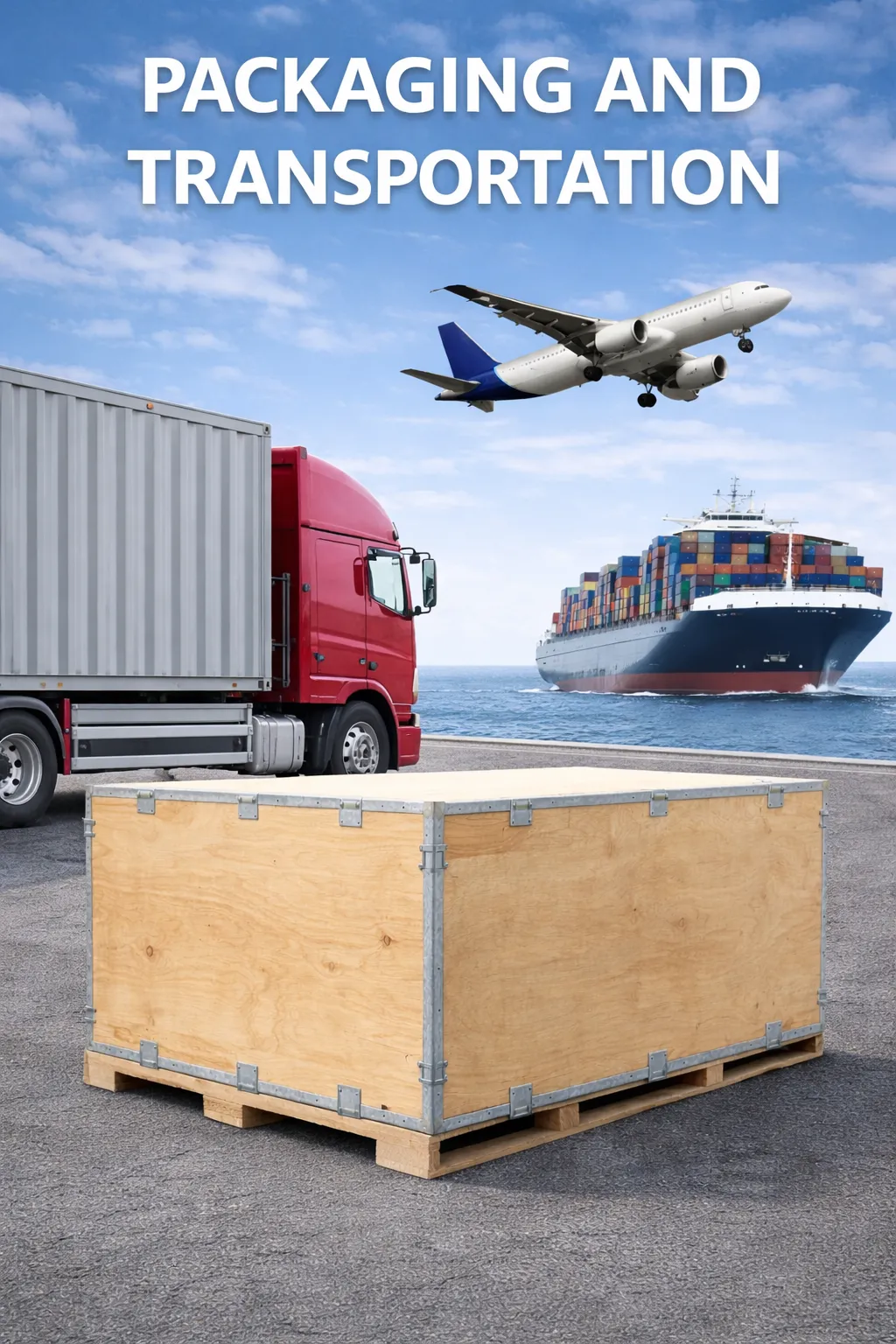
Versiegeln Sie Ihre Silage im selben Arbeitsgang, in dem Sie sie pressen.
Unverbindliches Angebot für die Silageballenpresse 9YCM-850. Traktorkompatibilität (Zapfwelle, Hydraulikanschlüsse, 12-V-Anschluss) wird vor dem Versand geprüft. Direktpreise ab Werk, Dokumentation gemäß Section 179, US-Support inklusive.
America Ever-Power Forage Baler Equipment INC. | 1401 21st ST STE R, Sacramento, CA 95811
Zusätzliche Informationen
| Editor | Cxm |
|---|