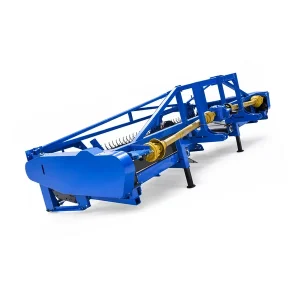
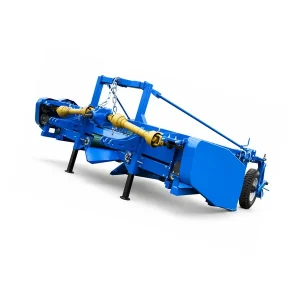
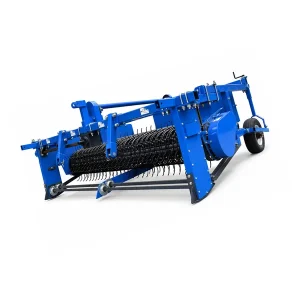
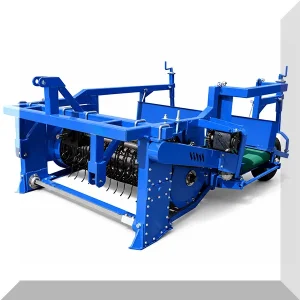
4BYH-3.25 5-reihige Kidneybohnen-Erntemaschine | 1,95–3,25 ha/h
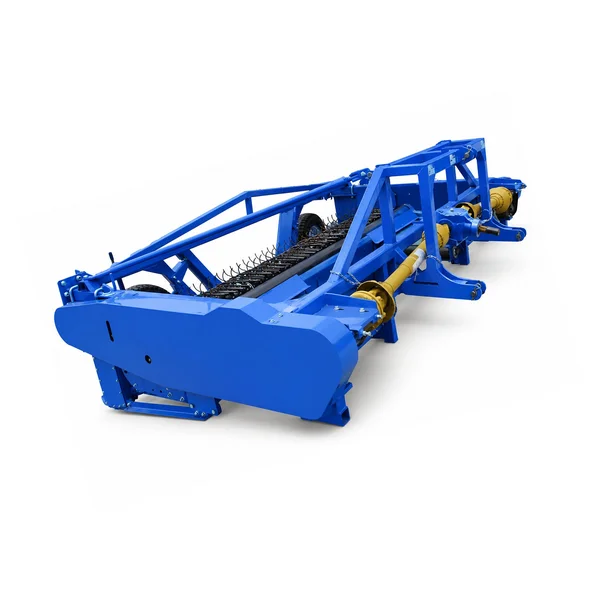
Der 4BYH-3.25 Kidneybohnen-Pflücker Dieses Modell positioniert sich im optimalen Bereich unseres Sortiments. Mit 5 Reihen und 3,25 Metern Arbeitsbreite erzielt es pro Arbeitsgang 251 t/5 t mehr Erntegut als die 4-reihigen Modelle, ohne dabei die 180–200 PS des 6-reihigen Flaggschiffs zu benötigen. Für Betriebe mit 120 bis 320 Hektar Trockenbohnen, die mit Traktoren mit 140–180 PS bewirtschaftet werden, ist die Rechnung einfach: höherer Durchsatz pro Traktorstunde, weniger Gesamtbetriebsstunden und eine Maschine, die sich durch die Einsparungen bei den Personalkosten innerhalb von zwei Saisons amortisiert.
Der optimale Bereich von 5 Reihen: Durchsatzberechnungen für Betriebe mit einer Fläche von 300–800 Acre
Betrachten wir einen 200 Hektar großen Bestand an Pintobohnen. Eine vierreihige Maschine benötigt bei maximaler Leistung (2,5 ha/h) 78 Stunden. Die 4BYH-3.25 mit 3,2 ha/h schafft die Ernte in 63 Stunden – ein Zeitgewinn von 15 Stunden. Im kurzen Wetterfenster im September im Red River Valley kann dies den entscheidenden Unterschied ausmachen, ob die Ernte vor dem ersten starken Regen abgeschlossen ist oder erst danach. Hinzu kommt, dass Sie denselben Traktor und denselben Fahrer einsetzen. Die Mehrkosten der fünfreihigen Maschine gegenüber der vierreihigen amortisieren sich bereits in der ersten Saison allein durch den Zeitgewinn von 15 Stunden, ohne Berücksichtigung etwaiger Überstundenzuschläge für die Ernte unter Zeitdruck.
Der Kidneybohnenpflücker-Aufstellung Bei foragebaler.com dreht sich alles um diese Art von Betriebsrechnung – die richtige Reihenanzahl für die richtige Flotte, nicht die größte Maschine, die technisch an einen Traktor angebaut werden kann.
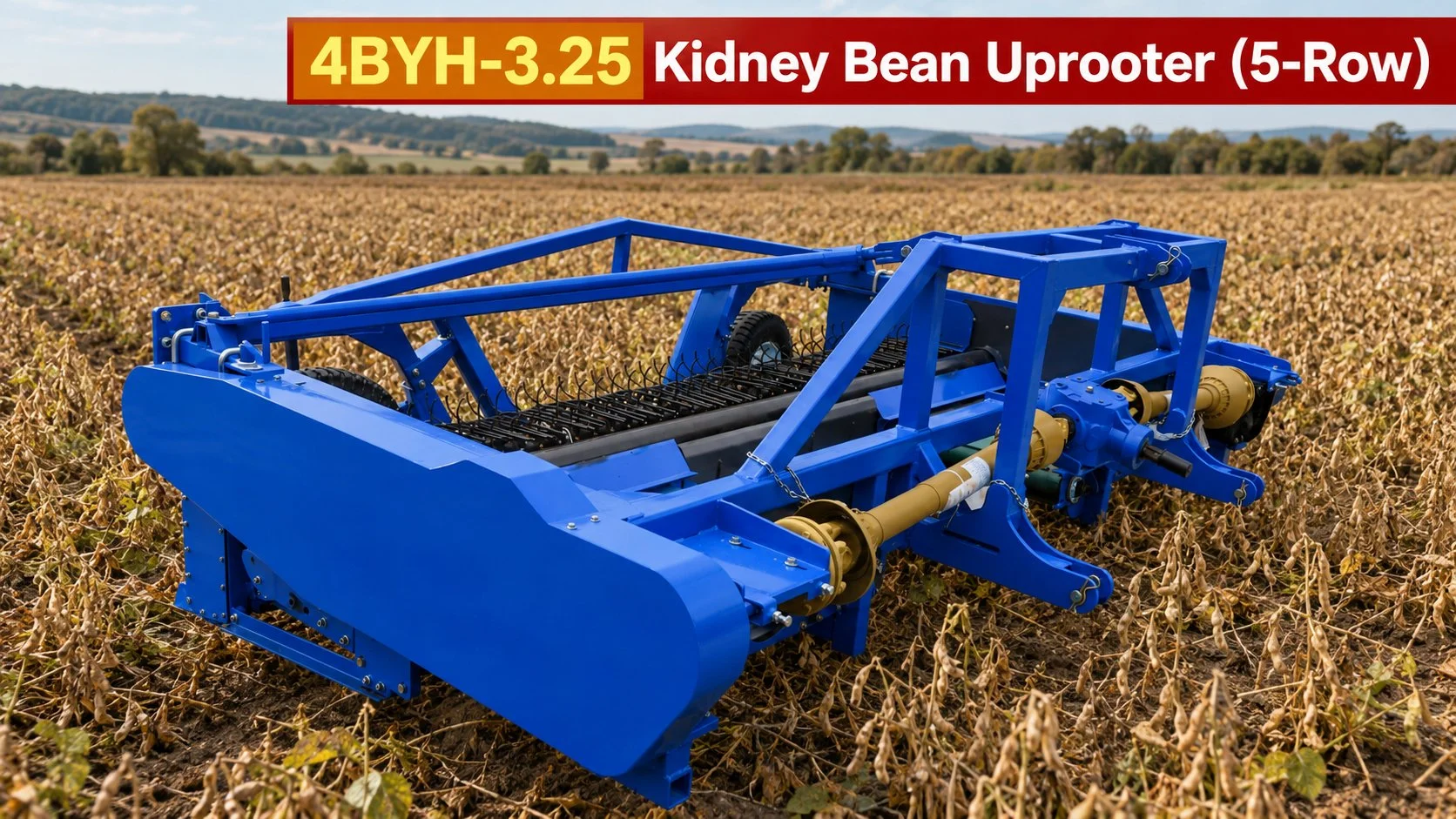
Technische Spezifikationen
Der 4BYH-3.25 ist über eine abnehmbare Adapterbuchse für Unterlenker der Kategorie II (28-mm-Bolzen) oder Kategorie III (36-mm-Bolzen) geeignet. Bei einem Traktorgewicht von 1.540 kg muss die Heckhydraulik Ihres Traktors für eine Kugelkupplungslast von mindestens 2.000 kg ausgelegt sein.
| NEIN. | Parameter | Einheit | Wert |
|---|---|---|---|
| 1 | Modell | / | 4BYH-3.25 Kidneybohnen-Entferner |
| 2 | Anhängertyp | / | 3-Punkt-Aufhängung (hinten), Kat. II/III |
| 3 | Pickup-Typ | / | Federzinken |
| 4 | Arbeitsbreite | m (ft) | 3,25 (10,7 Fuß) |
| 5 | Erforderliche Traktorleistung | kW (PS) | 103–132 (140–180 PS) |
| 6 | Arbeitsgeschwindigkeit | km/h (mph) | 6–10 (3,7–6,2 mph) |
| 7 | Arbeitsabmessungen (L×B×H) | mm (ft) | 3800×3400×1500 (12,5×11,2×4,9 Fuß) |
| 8 | Zapfwellendrehzahl | r/min | 540 |
| 9 | Spurweite | mm (in) | 3.250 (127,9 Zoll) |
| 10 | Flächenproduktivität | ha/h (ac/h) | 1,95–3,25 (4,8–8,0 ac/h) |
| 11 | Bediener erforderlich | Personen | 1 |
| 12 | Strukturmasse | kg (lb) | 1.540 (3.395 lb) |
Wissenschaft hinter der Kapselzerstörung: Die Technik hinter einem Verlust von ≤4% auf 5-reihiger Skala
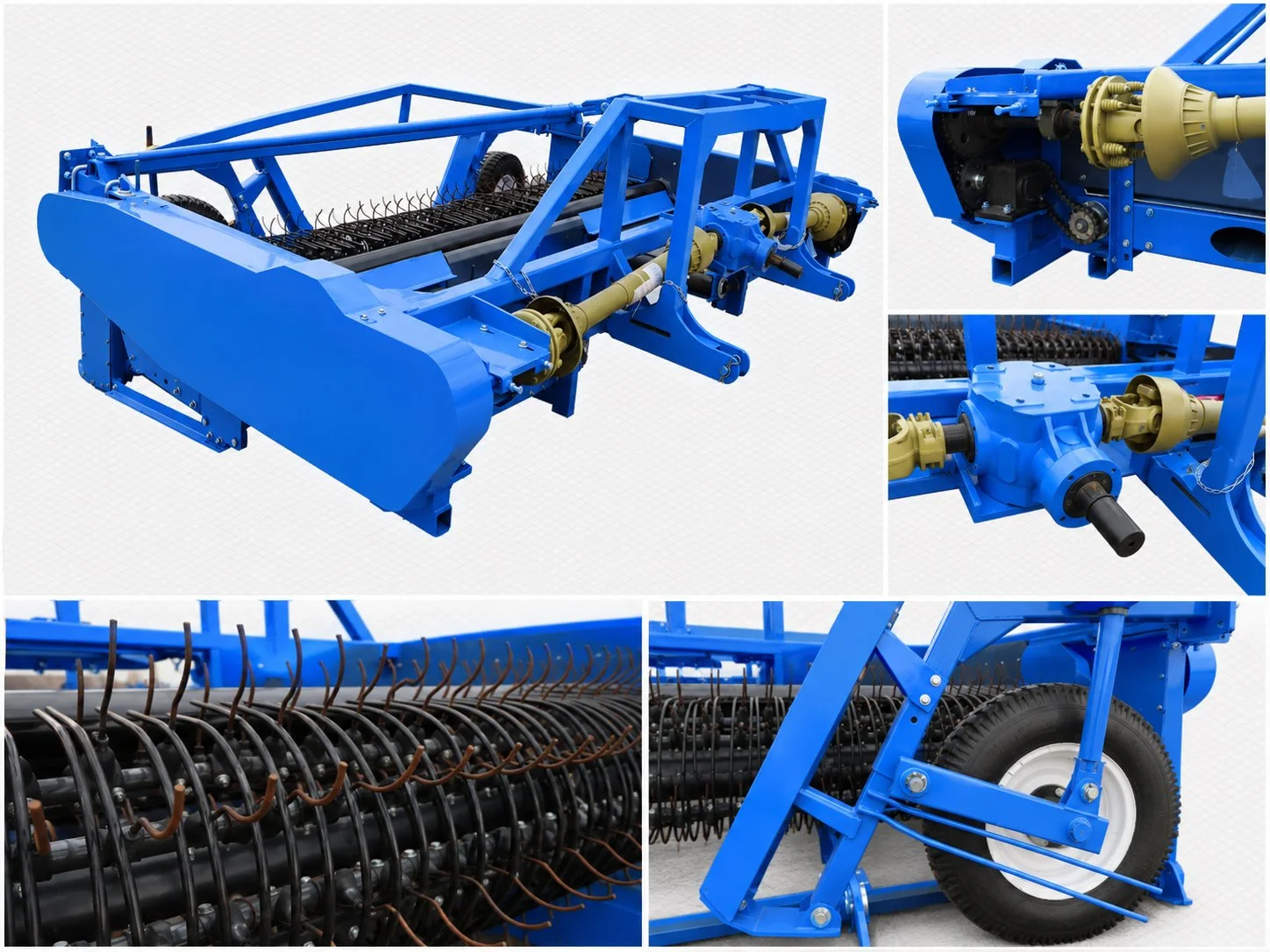
Das Aufplatzen der Hülsen bei der Ernte ist kein Zufall. Es hängt von drei Faktoren ab: der Aufprallkraft, der Krafteinwirkungsgeschwindigkeit und der Zugfestigkeit der Hülsenwand im Moment des Aufpralls. Die Federzinkengeometrie des 4BYH-3.25 berücksichtigt alle drei Faktoren gleichzeitig – das Verständnis dieser Konstruktion hilft dem Bediener, die Fahrgeschwindigkeit so einzustellen, dass die Hülsen unter verschiedenen Bodenbedingungen und bei unterschiedlichen Pflanzensorten innerhalb des sicheren Bereichs bleiben.
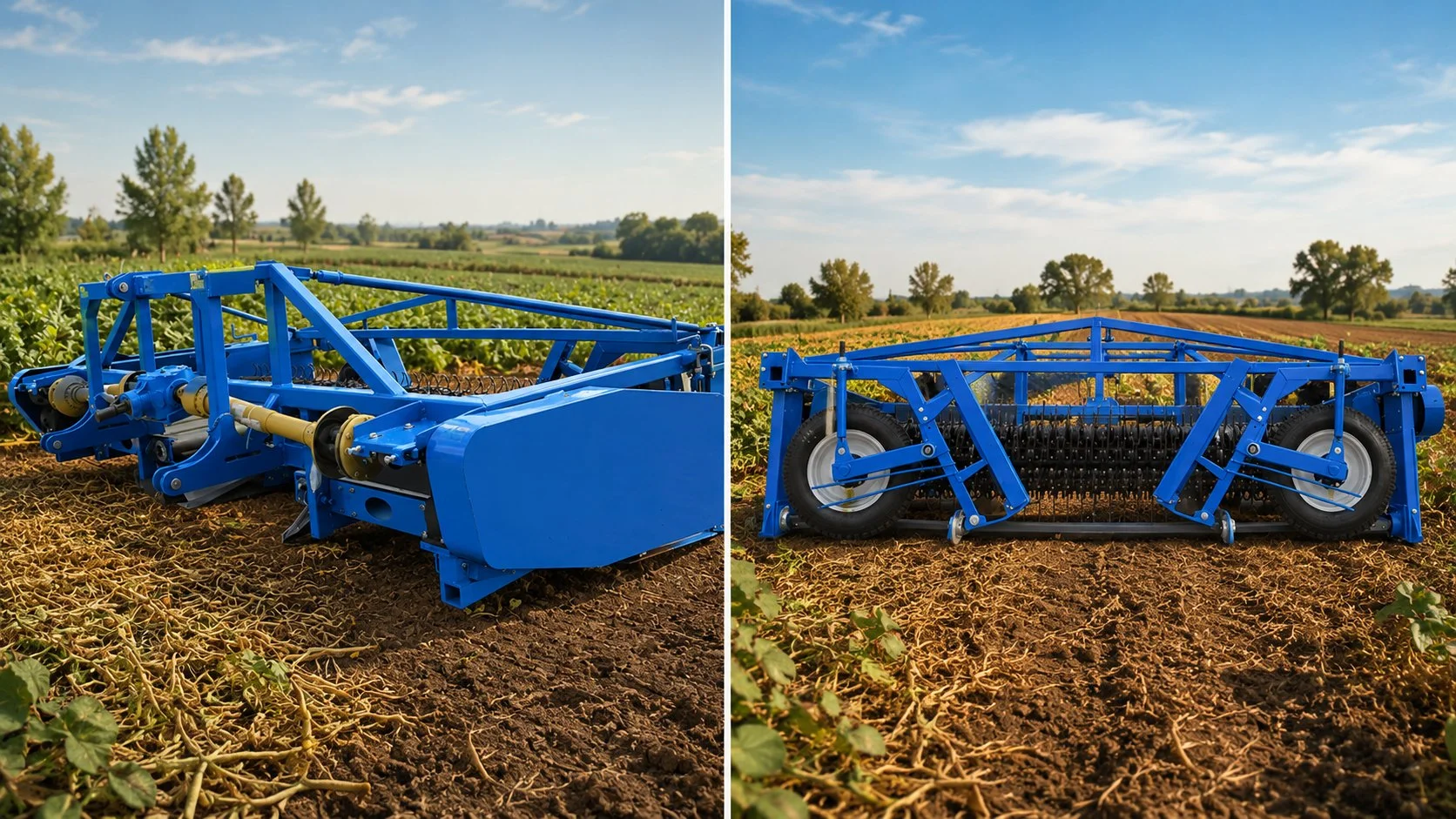
Zinkenabstand: 65 mm Mitte-zu-Mitte
Die Zinken sind so weit auseinander, dass die Hülsenstände ungehindert hindurchpassen – und gleichzeitig so schmal, dass auch dünne Triebteile angehoben werden können. Dieser Abstand ist nicht willkürlich, sondern basiert auf der Geometrie der Trennzone von Pinto- und Navy-Bohnen, den beiden Bohnensorten, die im Mittleren Westen der USA am anfälligsten für das Brechen von Bohnen sind und dort kommerziell angebaut werden.
Drahtdurchmesser und Biegewinkel: 8–12° unter normaler Belastung
Der Durchmesser des Zinkendrahts und die Härte der Wärmebehandlung sind so kalibriert, dass sie unter normalem Wurzelwiderstand eine Durchbiegung von 8–12 Grad erzeugen. Diese Biegung absorbiert die Energie, die andernfalls als schlagartiger Laststoß auf die Hülsenwand im Trennbereich einwirken würde. Ein zu steifer Zinken überträgt die volle Wurzelwiderstandskraft auf die Hülse; ist er zu weich, kann er sie nicht effizient anheben.
Fahrgeschwindigkeit: Die vom Bediener gesteuerte Variable
Bei 6–10 km/h bleibt die Aufprallgeschwindigkeit der Zinken für alle gängigen Handelssorten unterhalb der Bruchschwelle. Oberhalb von 10 km/h treffen die Trauben am Austritt des Rollkäfigs schneller aufeinander, als das Förderband sie verarbeiten kann, was zu vermehrtem Bruch am Austrittspunkt führt. Der Betrieb innerhalb des Nenngeschwindigkeitsbereichs hält den Bruchanteil bei 3,2–4,81 TP5T – deutlich unter dem vertraglich festgelegten Maximalwert von 51 TP5T.
Leitfaden zur Bodenverträglichkeit: So finden Sie den passenden 4BYH-3.25 für Ihren Boden
Die verschiedenen Anbauregionen für Trockenbohnen in den USA stellen unterschiedliche Bodenanforderungen an einen 5-reihigen Breitrahmen-Bohnenzieher. Die folgende Tabelle ordnet die häufigsten Bodentypen in den wichtigsten Bohnenanbauregionen den empfohlenen Betriebseinstellungen des 4BYH-3.25 zu.
| Region | Dominanter Bodentyp | Rahmenverhalten | Empfohlene Einstellung |
|---|---|---|---|
| Michigan Thumb | Sandiger Lehm (Spinks, Ottokee) | Geringer Widerstand, minimale Biegebelastung | 8–10 km/h, Standardtiefe |
| Red River Valley, ND/MN | Schwerer Lehmboden (Fargo, Bearden) | Hohe Seitenlast an den äußeren Stellplätzen – erwägen Sie ein Upgrade auf 6-reihige 4BYHD-Traktoren für über 1.000 Acre/Saison. | 6–8 km/h; Schweißnähte der Halterung bei 150 ac prüfen. |
| Idaho Snake River Ebene | Sandiger Lehm bis schluffiger Lehm, furchenbewässert | Aalprofil; Einzelradaufhängung passt sich gut an die Kontur an | 7–9 km/h; Tiefe über Bergrücken hinweg vor Vollfeldmessung überprüfen. |
| Nebraska Panhandle | Sandiger Lehm bis lehmiger Sand | Geringer Abrieb, hohe Geschwindigkeit möglich | 8–10 km/h; Verschleiß der Schrottkappen alle 50 km überprüfen. |
| Minnesota / Wisconsin | Lehm bis toniger Lehm (Nicollet, Webster) | Mittlerer Widerstand; mäßige Wurzelknollen | 7–9 km/h; Zinkenzwischenräume alle 30 Hektar in Feuchtgebieten reinigen |
Wer kauft den 4BYH-3.25 und warum?
Vier verschiedene Betriebsarten bevorzugen den 4BYH-3.25 gegenüber vergleichbaren Modellen aus unserem Sortiment. Sie alle treffen dieselbe Entscheidung: höhere Durchsatzleistung als ein 4-reihiges Modell, ohne die hohen Flotteninvestitionen, die ein 6-reihiges Modell erfordert.
Kommerzielles Pinto-Gürtel — Red River Valley (300–600 Acres)
Betriebe in den Countys Cass und Richland (North Dakota) sowie Wilkin und Clay (Minnesota), die Pintobohnen im Wechsel mit Mais und Sojabohnen anbauen, setzen in der Regel einen Reihenkulturtraktor mit 140–180 PS als Hauptmaschine ein. Der 4BYH-3.25 lässt sich direkt in diesen Fuhrpark integrieren. Die Erntezeit im Tal ist kurz – die Ernte von 500 Acres in 8 bis 9 Tagen im Vergleich zu 12 bis 14 Tagen mit einem vierreihigen Traktor schützt vor Frostschäden Anfang Oktober, die ungeerntete Bohnen einschließen können.
Vertragsanbau von schwarzen Bohnen in Michigan (400–600 Acres)
Die Landwirte im Saginaw Valley, die Verträge für Speisebohnen (schwarze Bohnen) abgeschlossen haben, unterliegen strengen Qualitätsvorgaben für ihre Proben. Der 4BYH-3.25 mit seinem 5-reihigen Rollenkorb erzeugt eine gleichmäßigere Schwaddichte als eine 4-reihige Maschine. Dies führt zu besser vorhersagbaren Aufnahmegeschwindigkeiten des Mähdreschers und einem geringeren Leergewicht am Elevator. Mehrere Vertragslandwirte berichten, dass die Umstellung von 4-reihig auf 5-reihig ihre Ergebnisse bei den Elevatorproben verbessert hat, da die Schwaddichteschwankungen im Schwad reduziert wurden.
Bio-Kichererbsen- und Adzuki-Anbaubetriebe in Idaho (300–500 Acres)
Zertifizierte Bio-Bohnenanbauer im Magic Valley benötigen eine hohe Durchsatzleistung, um ihre gesamte Bio-Anbaufläche innerhalb des Zertifizierungszeitraums selbst zu ernten, ohne konventionelle Lohnunternehmer beauftragen zu müssen. Die Leistung des 4BYH-3.25 von 4,8 bis 8,0 Acres pro Stunde auf dem sandigen Lehmboden Idahos ermöglicht es typischerweise, einen 400 Acres großen Bio-Kichererbsenbestand in 5 bis 7 Tagen zu ernten – vollständig innerhalb des Zertifizierungszeitraums und ohne das Risiko einer Kontamination der Dokumentation durch externe Lohnmaschinen.
Custom Bean Contractors — Midwest Multi-Farm Route (500–900 ac/Saison)
Lohnunternehmer in Iowa, Illinois und Indiana, die pro Saison 10 bis 20 Kundenbetriebe mit Heu und Bohnen betreuen, stellen fest, dass der 4BYH-3.25 ihnen ermöglicht, mehr Kunden pro Woche zu bedienen als eine vierreihige Maschine mit vergleichbarer Traktorleistung. Dank der hydraulischen Klappfunktion lassen sich die Felder schnell wechseln. Mehrere Lohnunternehmer aus Wisconsin berichten, dass sie nach dem Umstieg von einer vierreihigen auf eine fünfreihige Maschine ihre Vertragsfläche pro Saison um 20 bis 30 Prozent steigern konnten, ohne einen zweiten Traktor oder Fahrer einsetzen zu müssen.
Wo der 4BYH-3.25 im Sortiment positioniert ist
Der 4BYH-3.25 ist die richtige Wahl, wenn Ihre Flotte eine Spitzenleistung von 140–180 PS erreicht und Ihre jährliche Anbaufläche für Bohnen zwischen 300 und 800 Acres liegt. Unterhalb dieses Flächenbereichs ist der 4BYH-2.6 Kidneybohnen-Erntemaschine Bietet ausreichenden Durchsatz bei geringeren Maschinenkosten. Auf Flächen ab 700–800 Acres mit 180–200 PS starken Maschinen bietet das 6-reihige Flaggschiff zusätzliches Durchsatzpotenzial, das die Investition in die Leistung rechtfertigt.
| Spezifikation | 4BYH-3.25 (Dieses Modell) | 4BYHD/4BYHS-3.9 | 4BYH-2.6 |
|---|---|---|---|
| Reihen | 5 | 6 | 4 |
| Produktivität (Spitzenwert) | 8,0 ac/h | 9,6 ac/h | 6,4 ac/h |
| Traktor PS | 140–180 PS | 180–200 PS | 90–120 PS |
| Maschinenmasse | 1.540 kg | 1.675–1.780 kg | 1.100 kg |
| Beste Grundstücksgröße | 300–800 Acres | 500–1.200+ Acres | 100–500 Acres |
Antriebsstrang bei 140–180 PS: Die Getriebespezifikation ist entscheidend
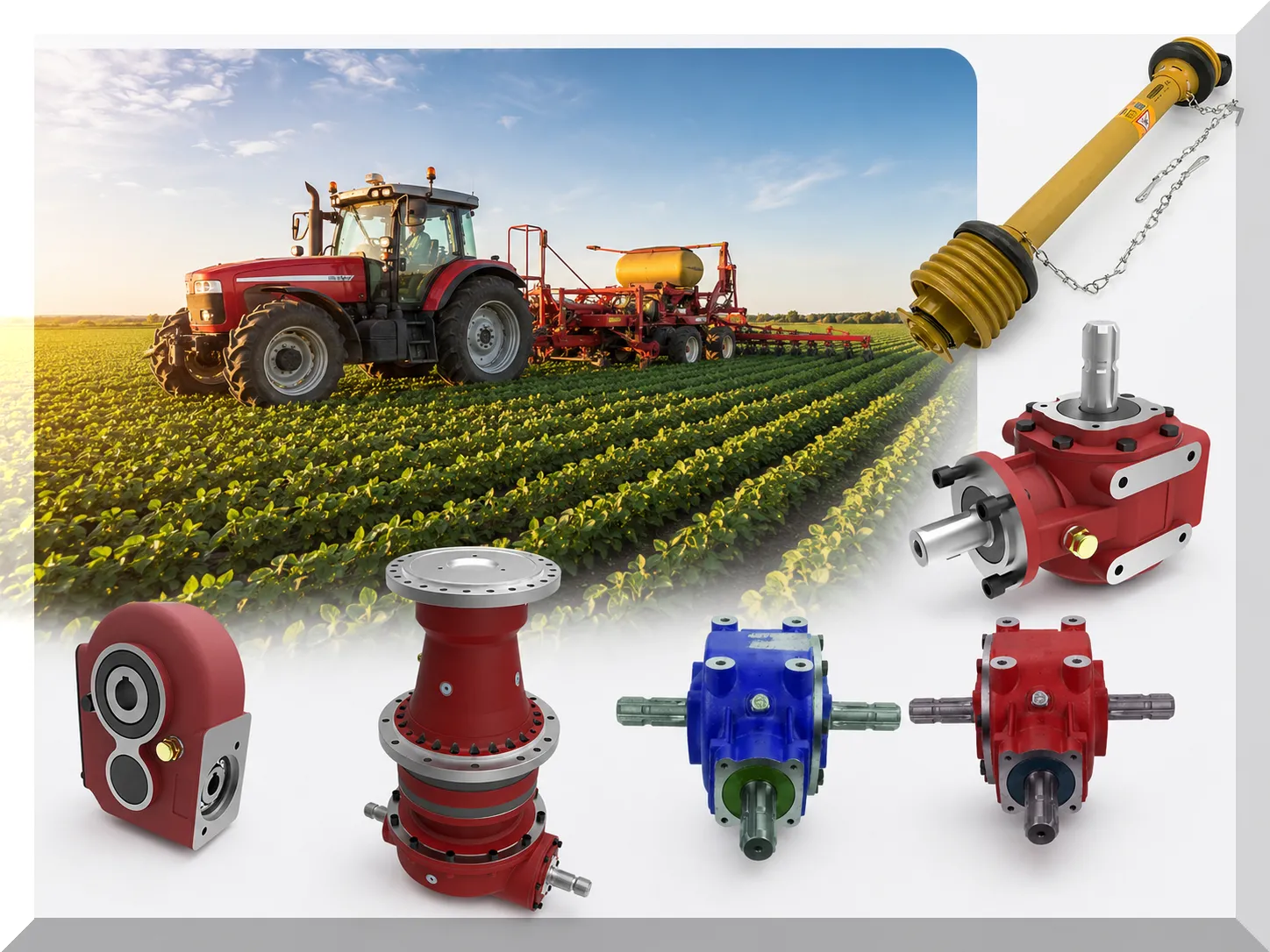
Bei einer Eingangsleistung von 103–132 kW erzeugt der 4BYH-3.25 40–60% höhere Dauerlasten im Antriebsstrang als die 4-reihigen Modelle. Das interne Verteilergetriebe bewältigt diese Lasten mit einem Spiralkegelradsatz, der für ein dauerhaftes Eingangsdrehmoment von über 800 Nm ausgelegt ist und eine Spitzentoleranz von 1.600 Nm für Überlastereignisse aufweist, die durch plötzlichen Wurzelmassenkontakt bei verkehrsgerechter Fahrgeschwindigkeit entstehen. Eine korrekt spezifizierte Hochleistungs-Landwirtschaftsgetriebe Dies verhindert die fortschreitende Ermüdung des Zahnradeingriffs, die sich zunächst durch erhöhte Getriebegeräusche und schließlich durch Zahnausfälle während der kritischsten Erntestunden bemerkbar macht. Die Zapfwellen-Überlastkupplung ist auf 600–650 Nm voreingestellt – höher als bei den 4-reihigen Modellen –, um ein höheres Dauerdrehmoment ohne störendes Durchrutschen zu ermöglichen und gleichzeitig vor Drehmomentspitzen zu schützen.
Saisonaler Wartungskalender
Warum sich kommerzielle Bohnenproduzenten für foragebaler.com entscheiden

Häufig gestellte Fragen
Warum ist die 4BYH-3.25 für einen Betrieb mit 600 Hektar Fläche besser geeignet als zwei 4-reihige Maschinen?
Zwei vierreihige Maschinen benötigen zwei Bediener, zwei Traktoren, doppelte Versicherungskosten, doppelten Wartungsaufwand und doppelt so viele Ersatzteile. Die 4BYH-3.25 mit einem 140–180 PS starken Traktor übertrifft den Durchsatz von zwei 90–120 PS starken Traktoren, die gleichzeitig vierreihige Maschinen betreiben – und das bei einer Reduzierung der Gesamtbetriebskosten um etwa 55–601 TP5T. Der Punkt, an dem eine einzelne fünfreihige Maschine wirtschaftlicher ist als zwei vierreihige, liegt typischerweise bei etwa 200 Acres pro Saison.
Benötigt der 4BYH-3.25 eine Anhängerkupplung der Kategorie III oder reicht Kategorie II aus?
Entweder Kategorie II (28-mm-Bolzen) oder Kategorie III (36-mm-Bolzen) über eine mitgelieferte, abnehmbare Adapterbuchse. Bei einem Gewicht von 1.540 kg muss eine Kategorie-II-Kupplung für eine Kugelkopflast von mindestens 2.000 kg ausgelegt sein. Die meisten Traktoren mit 140–180 PS sind für Kategorie II mit 4.000–7.000 kg ausgelegt. Kategorie III bietet zusätzliche Stabilität in schwerem Lehmboden, wo die seitlichen Rahmenbelastungen am höchsten sind.
Wie viele Federzinken hat der 4BYH-3.25?
300 Zinken – 60 Zinken pro Reihe über alle fünf Reihen. Jeder Zinken ist einzeln mit einer 2-Schrauben-Klammer befestigt und kann ausgetauscht werden, ohne benachbarte Zinken zu beeinträchtigen. Ein kompletter Satz mit 300 Ersatzzinken sowie zwei Ersatzschare werden jeder neuen Maschine kostenlos beigelegt. Ersatzpackungen mit 60 Zinken (eine Reihe) oder 300 Zinken (kompletter Satz) sind ab unserem US-Lager mit Versand am selben Tag erhältlich.
Kann die 4BYH-3.25 sowohl mit einem Reihenabstand von 60 cm als auch mit dem Standardabstand von 65 cm umgehen?
Die Scharpositionen lassen sich pro Schar um ±40 mm seitlich im Bereich von 60–70 cm verstellen. Bei Reihenabständen außerhalb dieses Bereichs ist vor der Bestellung eine Rücksprache mit dem Hersteller erforderlich, um sicherzustellen, dass die geänderte Scharpositionierung keine Beeinträchtigung der Zinkenbaugruppe am breiteren 3,25-m-Rahmen verursacht.
Wie breit ist der Schwad des 5-reihigen Förderbandes, und ist es mit meinem Mähdrescher-Schneidwerk kompatibel?
Der Rollkäfig erzeugt einen 1,0–1,5 m breiten Schwad. Die meisten handelsüblichen Mähdrescher-Auffangvorrichtungen für Bohnen (3–6 m) können nach einem bodengetriebenen Konsolidierungsschwad zwei benachbarte 4BYH-3,25-Schwaden pro Mähdrescherüberfahrt ernten – wodurch die Anzahl der Mähdrescherüberfahrten im Vergleich zur Ernte einzelner Schwaden um etwa 40% reduziert wird.
Anbauer, die auf 5-reihigen Reis umgestiegen sind
„620 Acres Pinto-Mais im Red River Valley auf lehmigem Boden – die 4BYH-3.25 war in 9 Tagen fertig. Im Vorjahr benötigte sie mit einer 4-reihigen Sämaschine 13 Tage. Das uns zur Verfügung stehende Wetterfenster betrug 11 Tage. Der höhere Durchsatz rettete buchstäblich die Erntemarge auf diesem Feld. Der John Deere 6145R bewältigte den Zug problemlos. Die Korngröße betrug 3,61 TP5T in der Getreidesilo-Probe.“
Keith Halverson – Cass County, ND (Mitte 2025)
„480 Acres schwarze Bohnen im Rahmen eines Verarbeitungsvertrags. Die 5-reihige Schwaddichte ist gleichmäßiger als die der vorherigen 4-reihigen – das fiel dem Mähdrescherfahrer sofort auf. Unsere Tara-Probe war die sauberste in den sechs Jahren des Vertrags. Der Case IH Maxxum 150 passt perfekt dazu.“
Carol Schoenherr – Bay County, MI (Anfang 2025)
„550 Hektar Pinto-Zypressen im Nebraska Panhandle. Ein Fahrer, eine New Holland T6.180, ersetzte zwei veraltete zweireihige Maschinen. Die Arbeitsersparnis allein in der ersten Saison überstieg die Maschinenkosten deutlich. Die Maschine wurde montiert geliefert und war innerhalb weniger Stunden einsatzbereit.“
Wayne Christoffersen — Scotts Bluff County, NE (Ende 2024)
„Auf 400 Acres Kichererbsen und 180 Acres weißen Bohnen wurden im Magic Valley Furchenbewässerungsfeld angebaut. Die unabhängige Scharaufhängung folgte den Furchen und Dämmen gleichmäßig. Nur vier Sterne, weil die Maschine so schwer ist, dass bei steilen Terrassenböschungen eine sorgfältige Geschwindigkeitskontrolle erforderlich ist. Auf flachen und sanften Hängen: hervorragend.“
Thomas Park – Twin Falls County, Idaho (Mitte 2025)
„Auf 530 Acres (ca. 214 Hektar) in Zentral-Minnesota wurden weiße Bohnen auf sandig-lehmigen und tonigen Übergangsböden angebaut. Der 4BYH-3.25 arbeitete auf beiden Bodentypen gleichmäßig, wobei nur geringfügige Anpassungen der Arbeitstiefe zwischen den Feldern erforderlich waren. Der Massey Ferguson 6718S harmoniert gut mit ihm. Der Anruf vor dem Kauf zur Überprüfung der Traktorspezifikationen war ein wirklich hilfreicher Service – dabei wurde vor der Auslieferung ein Problem mit der Frontballastkonfiguration entdeckt.“
Jennifer Stordahl – Otter Tail County, Minnesota (Anfang 2025)
Mehr Hektar pro Traktorstunde in dieser Saison bearbeiten
Unverbindliches Angebot für den Bohnenzieher 4BYH-3.25 für Ihren Betrieb. Traktorkompatibilität vor Versand geprüft. Direktpreise ab Werk, Dokumentation gemäß Section 179, US-Support inklusive.
America Ever-Power Forage Baler Equipment INC. | 1401 21st ST STE R, Sacramento, CA 95811
Zusätzliche Informationen
| Editor | Cxm |
|---|