
4BYH-2.6 Extracteur de haricots rouges à 4 rangs | Éliminateur de haricots secs
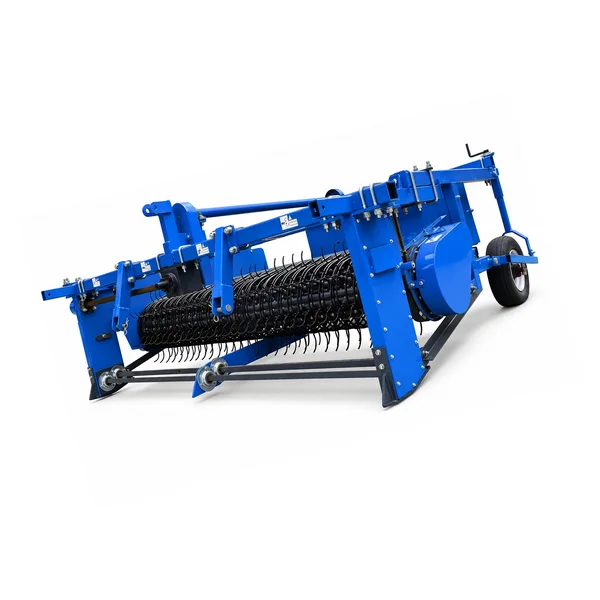
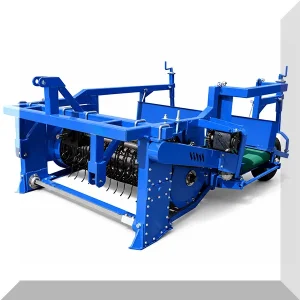
Le 4BYH-2.6 arrache-haricots Ce modèle à quatre rangs, de milieu de gamme dans notre série d'arracheuses de haricots à montage arrière, est spécialement conçu pour les exploitations agricoles américaines de haricots secs cultivés sur 40 à 200 hectares (100 à 500 acres) de haricots pinto, blancs, rouges ou noirs. Ses quatre socs de levage à ressort couvrent une largeur de travail de 2,6 mètres (8,5 pieds), offrent un rendement d'andains propres de 1,56 à 2,6 ha/h et sont compatibles avec les tracteurs d'une puissance de 66 à 88 kW (90 à 120 ch) que la plupart des exploitations agricoles commerciales possèdent déjà.
Présentation du produit : La solution commerciale pour les exploitations de haricots secs de 100 à 500 acres
Lorsqu'une exploitation de haricots secs dépasse le seuil de 100 acres, les calculs relatifs à une arracheuse à deux rangs changent rapidement. À la productivité maximale de la 4BYH-1.3, soit 1,04 ha/h, la récolte de 200 acres nécessite environ 200 heures de fonctionnement avant même de prendre en compte les manœuvres, les déplacements de champ et les pannes – un délai qui place la récolte en dehors de la période optimale d'humidité du sol dans la plupart des régions productrices de haricots secs aux États-Unis. 4BYH-2.6 arrache-haricots double le nombre de rangs et double presque la capacité de surface, couvrant les mêmes 200 acres en 77 à 128 heures et laissant une marge de temps significative pour les retards dus aux conditions météorologiques ou les exigences de passage.
Positionnement au sein de notre série de récolteuses de haricots rougesLe modèle 4BYH-2.6 se situe entre l'arracheuse de haricots 4BYH-1.3, modèle d'entrée de gamme, et le modèle 4BYH-3.25 à 5 rangs. C'est le modèle le plus populaire de la gamme auprès des agriculteurs commerciaux américains, car sa puissance de 66 à 88 kW correspond à celle des tracteurs utilitaires et de moyenne puissance (90 à 120 ch) qui constituent l'essentiel des parcs agricoles américains dédiés à la culture du haricot sec. La machine se connecte via un attelage arrière trois points de catégorie II, fonctionne à une prise de force standard de 540 tr/min et ne nécessite aucun raccordement électrique ou circuit hydraulique spécifique, hormis la fonction de contrôle de profondeur d'attelage.
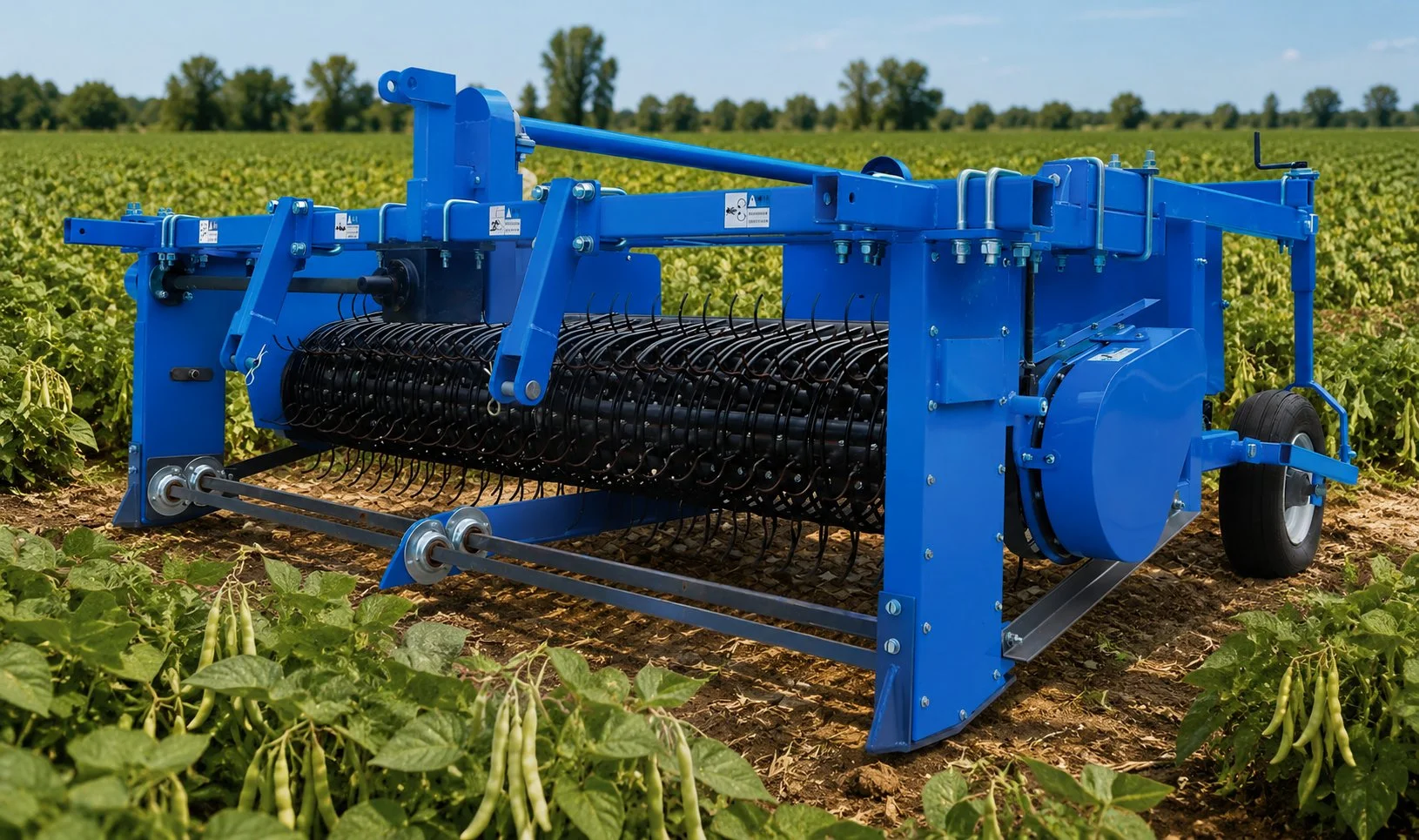
La configuration à traction arrière place l'action de traction derrière et sous le tracteur, ce qui correspond à l'orientation classique pour la plupart des opérations d'attelage tracteur-outil aux États-Unis. Le champ de vision de l'opérateur s'étend vers l'avant, au-dessus du capot du tracteur, et vers l'arrière, en direction de la machine, grâce aux rétroviseurs ou à une caméra de recul. Les opérateurs expérimentés utilisent ces dispositifs pour contrôler l'alignement des rangs et la qualité de l'andain pendant le travail. Pour les producteurs qui préfèrent observer directement le rang de semis depuis l'avant, l'arracheuse de haricots 4BYQ-2.6 à montage frontal offre la même couverture de 4 rangs, orientée vers l'avant ; les deux modèles présentent des caractéristiques techniques identiques.
Spécifications techniques
Toutes les valeurs indiquées correspondent aux données de production en usine. Avant de commander, vérifiez la capacité de levage de l'attelage trois points arrière de votre tracteur (minimum 1 400 kg à la boule d'attelage), la vitesse de rotation de la prise de force arrière (540 tr/min) et le diamètre de l'axe du troisième point (catégorie II). Notre équipe technique américaine peut confirmer la compatibilité à partir du modèle et de la fiche technique de votre tracteur.
| Non. | Paramètre | Unité | Valeur |
|---|---|---|---|
| 1 | Modèle | / | 4BYH-2.6 Extracteur de haricots rouges |
| 2 | Type d'attelage | / | Attelage 3 points (traction arrière) |
| 3 | Type de ramassage | / | Spring-Tine |
| 4 | Largeur de travail | m (pi) | 2,6 (8,5 pi) |
| 5 | Puissance requise du tracteur | kW (HP) | 66–88 (≈ 90–120 HP) |
| 6 | Vitesse de travail | km/h (mph) | 6–10 (3,7–6,2 mph) |
| 7 | Dimensions utiles (L × l × H) | mm (pi) | 2333 × 2870 × 1182 (7,7 × 9,4 × 3,9 pi) |
| 8 | Vitesse de prise de force | r/min | 540 |
| 9 | Voie de roue | mm (po) | 2 600 (102,4 pouces) |
| 10 | Productivité aréale | ha/h (ac/h) | 1,56–2,6 (3,9–6,4 ac/h) |
| 11 | Opérateurs requis | personnes | 1 |
| 12 | Masse structurale | kg (lb) | 1 100 (2 425 lb) |
Principe de fonctionnement : Quatre socs, un andain
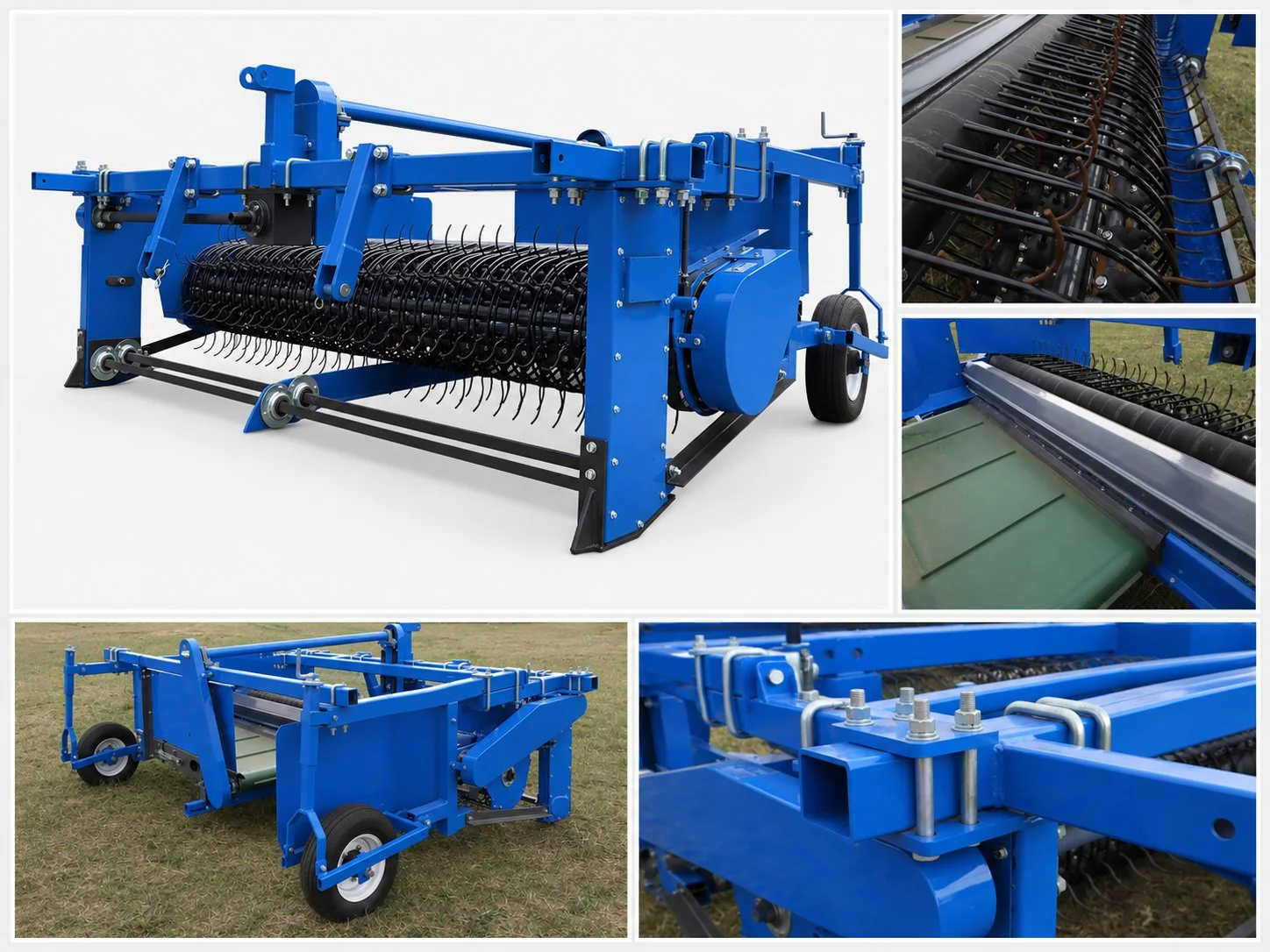
La 4BYH-2.6 évolue par rapport à la configuration à deux rangs en déployant quatre socs de levage suspendus indépendamment sur une largeur de travail de 2,6 mètres. Chaque soc fonctionne selon le même principe mécanique, mais est équipé d'un système de réglage de profondeur indépendant, permettant à l'opérateur de compenser les variations de niveau du sol en un seul passage sur quatre rangs. La compréhension des quatre phases du cycle d'arrachage aide les opérateurs à optimiser la vitesse et la profondeur pour minimiser l'égrenage des gousses, quelle que soit la variété cultivée.
Saisie parallèle du sol Share-Point
Quatre socs en acier trempé pénètrent simultanément dans le sol, sous le collet des plants de haricot, à une profondeur déterminée par le relevage trois points du tracteur. Les socs se déplacent horizontalement, coupant les racines latérales qui ancrent la tige tout en laissant la tige et la grappe de gousses entièrement au-dessus du plan de coupe. L'entrée simultanée sur quatre rangs assure une progression constante et continue du tracteur ; il n'y a ni décalage entre les rangs ni engagement séquentiel susceptible d'entraîner une tension de traction inégale sur le châssis.
Levage à ressort sur quatre rangées
Derrière chaque soc, une rangée de dents incurvées en acier à ressort s'engage dans la plante démêlée par le bas, se fléchissant au contact pour absorber la résistance des racines. L'action du ressort empêche la force d'impact rigide qui brise les gousses des variétés à légumineuses à parois fines. Lorsque les dents se soulèvent et pivotent vers l'arrière, la terre meuble s'écarte à travers les espaces entre elles, et la vigne est acheminée vers le haut, dans le convoyeur transversal à cage roulante qui couvre les quatre rangs.
Convoyeur à cage roulante transversale
La 4BYH-2.6 est équipée d'une section de cage de roulement transversale, absente du modèle à deux rangs. Après le déracinage de chaque plant par les dents, la cage de roulement déplace les ceps latéralement sur toute la largeur de la machine, regroupant ainsi quatre rangs de levée distincts en un seul andain centré. La vitesse de rotation de la cage est synchronisée avec la prise de force (540 tr/min) et la vitesse d'avancement pour assurer un flux continu et régulier des ceps. Ce regroupement transversal permet de transformer quatre bandes de 65 cm de large en un andain uniforme de 0,9 à 1,3 mètre, largeur optimale pour une récolte propre en un seul passage avec une barre de ramassage standard.
Placement en andain arrière
Le flux de sarments agrégés sort du convoyeur à cage et est déposé en un seul andain derrière la machine, centré entre les traces des pneus arrière du tracteur. L'andain est surélevé par rapport au sol, permettant ainsi la circulation de l'air autour des ceps pendant les 3 à 5 jours de maturation nécessaires avant la récolte. Un andain correctement formé par le 4BYH-2.6 permet à une plateforme de moissonneuse-batteuse pleine largeur — généralement de 6 à 9 mètres — de récolter trois andains agrégés ou plus par passage, selon la densité de la culture et les conditions du terrain.
Quatre avantages intégrés à la conception à 4 rangées
Avec un rendement de 1,56 à 2,6 ha/h, la 4BYH-2.6 couvre deux à quatre fois la surface journalière des équipes d'arrachage manuel et offre une productivité environ deux fois supérieure à celle d'une arracheuse à deux rangs, le tout avec un seul opérateur. Pour une exploitation de haricots pinto de 120 hectares, cela se traduit par une arrachage terminée en 115 à 192 heures à pleine capacité, et ce, dans un délai de 10 jours, quelles que soient les conditions météorologiques.
La géométrie de l'espacement des dents à ressort est calibrée pour fléchir avant de se rompre. À la vitesse de fonctionnement recommandée de 6 à 10 km/h, le cycle de flexion et de reprise maintient la force d'impact sur chaque gousse en dessous du seuil d'égrenage pour les variétés de haricots pinto, blancs, rouges et noirs. Les agriculteurs qui sont passés des arracheuses à doigts rigides à ce système constatent systématiquement des pertes par égrenage inférieures à 5 % du rendement total.
La plage de puissance de 66 à 88 kW couvre les tracteurs de moyenne puissance les plus couramment utilisés dans les exploitations de haricots secs américaines : John Deere 6110R, Case IH Maxxum 110, New Holland série T5, Massey Ferguson 5700S et Kubota M7-132. Aucune mise à niveau de tracteur n’est nécessaire : la machine est conçue pour s’adapter à votre matériel actuel.
Le convoyeur transversal à cage roulante regroupe quatre rangs de récolte individuels en un seul andain de 0,9 à 1,3 m. Ainsi, le pick-up de votre moissonneuse-batteuse peut effectuer moins de passages par champ, réduisant le tassement du sol et la consommation de carburant lors de la récolte finale. Cela simplifie également la planification de l'andainage : un passage du tracteur équivaut à un passage de la moissonneuse-batteuse sur votre plan de parcelle final.
Scénarios d'application : Production commerciale de haricots secs aux États-Unis
Ceinture de haricots pinto du Michigan
Les comtés de Huron, Tuscola et Sanilac, dans le Michigan, produisent parmi les plus importants volumes de haricots pinto et de haricots blancs du pays sur des sols sablo-limoneux qui réagissent bien à l'action des dents à ressort du semoir 4BYH-2.6. La période de récolte des haricots dans le Michigan est notoirement courte : les nuits fraîches de septembre et les pluies du début octobre peuvent la réduire à moins d'une semaine. La productivité de 3,9 à 6,4 acres/heure offre à un producteur de 400 acres une chance réaliste de terminer la récolte en 63 à 103 heures, bien avant les dates habituellement propices aux intempéries. Les producteurs du Michigan indiquent également que la machine s'adapte au profil de sol en billons typique des champs de la région du Thumb sans sauter excessivement de billons.
Fermes de haricots blancs de la vallée de la rivière Rouge
Les sols argileux lourds et plats de la vallée de la rivière Rouge, au Dakota du Nord et au Minnesota, permettent une production à grande échelle de haricots blancs. La forte argile représente un défi particulier pour tout outil de battage : les mottes de racines soulèvent de grosses mottes de terre qui contaminent l’andain et augmentent le poids de la récolte. La flexibilité des dents à ressort du modèle 4BYH-2.6, combinée au convoyeur à cage roulante, permet à la plupart des mottes de se briser et de tomber avant que la tige n’atteigne l’andain, ce qui garantit des échantillons plus nets que les modèles à dents rigides sur le même type de sol. Les producteurs qui visent des prix plus élevés pour leurs haricots blancs de qualité alimentaire constatent que l’andain plus propre réduit directement les frais de quai à l’élévateur.
Récolte de pois chiches et de garbanzos de l'Idaho
Dans le sud de l'Idaho, la Magic Valley et la région de Palouse produisent une part croissante des pois chiches consommés aux États-Unis, cultivés sur des terres irriguées par sillons présentant une topographie marquée de billons et de sillons. Le système de suspension indépendante des socs du 4BYH-2.6 permet à chacun des quatre socs de suivre indépendamment le profil du sol, s'élevant sur la butte d'irrigation et retombant dans le sillon sans que les socs adjacents ne perdent le contact avec le sol. Les producteurs de l'Idaho qui récoltent entre 80 et 160 hectares de pois chiches en septembre, période où l'humidité est faible, indiquent que la configuration à quatre rangs leur permet de terminer l'arrachage sans embaucher de main-d'œuvre supplémentaire ni dépendre des plannings d'opérateurs agricoles.
Production de haricots noirs dans la vallée de Saginaw
Dans la vallée de Saginaw, au Michigan, les haricots noirs sont cultivés sur des sols plus lourds et retenant davantage l'humidité que dans la région de Thumb. Les récoltes plus tardives, souvent de fin septembre à début octobre, impliquent que la machine peut fonctionner dans des conditions partiellement humides. À la limite inférieure de sa plage de vitesse de fonctionnement (6 km/h), la 4BYH-2.6 fonctionne parfaitement même lorsque l'humidité du sol est légèrement supérieure à l'optimum, car la vitesse d'avancement réduite permet au convoyeur à cage de traiter chaque plant sans que les tiges ne s'agglutinent. Les producteurs de la région de Saginaw qui utilisent la machine en conditions humides recommandent d'inspecter et de nettoyer les écartements des dents tous les 8 à 12 hectares afin d'éviter l'accumulation de terre humide à leur extrémité.
Soins des capsules de culture : comment la géométrie des dents de ressort permet de limiter la fragmentation à moins de 5%
L'égrenage des gousses lors de la récolte mécanique représente la principale cause de pertes de rendement évitables dans la production de haricots secs aux États-Unis. Le système de dents à ressort du modèle 4BYH-2.6 permet de lutter contre l'égrenage grâce à trois choix d'ingénierie judicieux.
Premièrement, l'écartement des dents est fixé à 65 mm d'axe en axe : suffisamment large pour que les grappes de gousses passent entre les dents sans être coincées et écrasées, mais suffisamment faible pour soulever efficacement même les segments de tige de petit diamètre. Deuxièmement, le diamètre et la dureté du fil des dents sont calibrés pour produire un angle de déviation de 8 à 12 degrés sous la résistance normale des racines. Cette flexibilité absorbe l'énergie qui, autrement, se transmettrait sous forme de pic de force dans la paroi de la gousse au niveau de la zone d'abscission, là où se produit l'éclatement. Troisièmement, la géométrie de l'extrémité des dents est conçue avec une courbe progressive vers l'intérieur plutôt qu'un crochet aigu, de sorte que la plante se soulève en un arc de cercle fluide plutôt que par à-coup.
Lors d'essais en plein champ menés dans le Michigan, le Dakota du Nord et l'Idaho à des vitesses de 6 à 10 km/h, la combinaison de ces trois caractéristiques de conception des dents a permis de réduire les pertes par égrenage à 3,2 à 4,8 % du rendement total, soit systématiquement en dessous du seuil de 5 % considéré comme acceptable pour la plupart des contrats de récolte de haricots aux États-Unis. Pour une culture de 121 hectares (300 acres) avec un rendement moyen de 907 kg/ha (2 000 lb/acre), maintenir l'égrenage en dessous de 5 % par rapport à un modèle concurrent à 8 % représente un gain de plus de 1 TP6T36 par acre en revenus supplémentaires, pour un prix du haricot blanc de 1 TP6T0,30 $/lb.
4BYH-2.6 à traction arrière vs 4BYQ-2.6 à montage avant : quelle configuration convient le mieux à votre activité ?
Les modèles 4BYH-2.6 (à traction arrière) et 4BYQ-2.6 (à poussée frontale) présentent des caractéristiques mécaniques identiques : même conception des dents à ressort, même largeur de travail de 2,6 m, même puissance requise de 66 à 88 kW et même masse de 1 100 kg. La seule différence opérationnelle réside dans la position de montage et ses conséquences sur la visibilité de l’opérateur, les manœuvres en bout de champ et l’adéquation au type de parcelle.
| Facteur de décision | 4BYH-2.6 Traction arrière (Ce modèle) |
4BYQ-2.6 Montage frontal (pousser) |
|---|---|---|
| Ligne de visée de l'opérateur pour partager la rangée | Par le rétroviseur ou la caméra | Direct, tourné vers l'avant |
| Type de champ | Champs ouverts à rangées régulières — le meilleur choix pour la plupart des opérations | rangées de contour, plates-bandes surélevées, promontoires irréguliers |
| rayon de braquage en pointe | Standard — virages plus courts qu'à l'avant | Un rayon de courbure plus large est nécessaire, en fonction du dégagement de l'essieu avant. |
| charge de l'essieu avant du tracteur | distribution normale | Ajoute un lest avant nécessaire (vérifier les spécifications du tracteur) |
| transport routier | Rehaussé à l'arrière avec harnais 3 points — largeur standard | Monté à l'avant, il augmente la longueur totale du véhicule. |
| Profil de fonctionnement optimal | Champs de haricots rectangulaires de 100 à 500 acres, opérateurs expérimentés | Champs plus petits, semis en courbes de niveau, opérateurs moins expérimentés |
Pour la plupart des exploitations agricoles américaines de haricots secs sur des parcelles rectangulaires plates ou légèrement vallonnées, la moissonneuse-batteuse arrière 4BYH-2.6 est le choix le plus pratique grâce à son rayon de braquage plus court en bout de champ et à la moindre contrainte exercée sur l'essieu avant du tracteur. Si votre exploitation présente des rangs fortement incurvés, des bouts de champ étroits ou si les agriculteurs préfèrent une vérification visuelle de l'alignement des rangs, la moissonneuse-batteuse avant 4BYQ-2.6 offre la même capacité de couverture dans cette configuration.
Programme d'entretien et pièces d'usure
Le modèle 4BYH-2.6 nécessite un entretien minimal compte tenu de sa surface de couverture. Trois intervalles d'entretien suffisent pour la saison complète dans la plupart des exploitations agricoles américaines.
| Intervalle | Article de service | Action | Source de pièces |
|---|---|---|---|
| Tous les 40 à 60 acres | dents de ressort (48 pièces) | Inspectez l'usure des embouts; remplacez-les individuellement au besoin. | Entrepôt aux États-Unis, expédition le jour même |
| Tous les 80 à 120 acres | Points de partage (4 pièces) | Vérifiez le tranchant ; remplacez le tranchant lorsqu'il atteint un rayon de 2 mm. | Entrepôt américain, lot de 4 |
| Tous les 200 acres ou saisonniers | Roulements à cage (4 pièces) | Graisser à nouveau avec de la graisse multi-usages NLGI-2 via les graisseurs. | Roulement agricole standard — n'importe quel revendeur |
| Tous les 200 acres ou saisonniers | Chaîne à rouleaux #60 | Vérifier la tension ; ajuster au niveau du pignon tendeur ; lubrifier | Chaîne agricole standard — n'importe quel concessionnaire ou entrepôt américain |
| Pré-saison | embrayage de surcharge de l'arbre de transmission de la prise de force | Vérifier le réglage du couple de glissement (450–500 Nm) ; regraisser l’arbre télescopique | Entrepôt américain |
| Pré-saison | Goupilles et bagues d'attelage trois points | Vérifier l'usure et le jeu ; remplacer si le jeu de la goupille dépasse 2 mm | Matériel standard Cat II — n'importe quel revendeur |
Achèvement de la chaîne de récolte : transmission et logistique post-récolte
Intégrité de la transmission de la prise de force
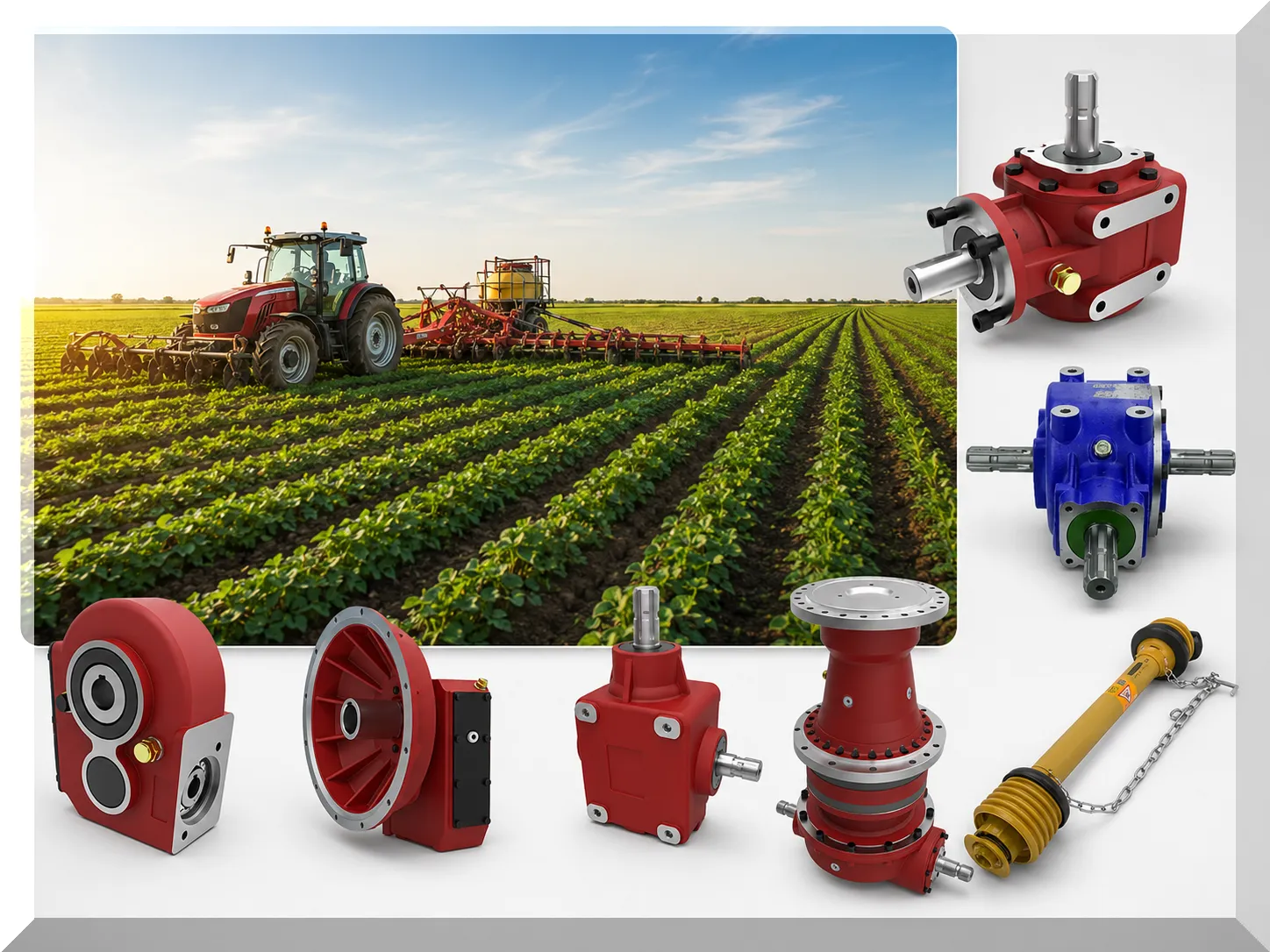
Le 4BYH-2.6 fonctionne à une prise de force de 540 tr/min et transmet le couple via un arbre de transmission adapté avec précision à un réducteur de transfert interne à angle droit qui répartit la puissance entre le convoyeur à cage roulante et l'arbre d'entraînement des dents. En fonctionnement normal, la charge est constante, mais la transition entre un sol sec et ferme et des zones soudainement humides ou compactées génère des pics de surcharge qui dépassent largement les valeurs de couple en régime permanent. Un outil sous-dimensionné ou usé boîte de vitesses agricole à angle droit Sous l'effet de ces cycles de pics répétés, la fatigue se manifestera généralement d'abord par un bruit au niveau de l'engrènement avant la rupture des dents. Le catalogue de transmissions Ever-Power comprend des réducteurs adaptés à la vitesse d'entrée de 540 tr/min et au profil de couple d'une arracheuse de haricots à quatre rangs à dents à ressort. Des kits complets de remplacement de roulements et de joints sont disponibles depuis l'entrepôt américain pour une livraison dans la semaine pendant la saison des récoltes.
Gestion des andains après arrachage
Après la formation des andains par la 4BYH-2.6, de nombreuses exploitations regroupent deux ou trois andains adjacents en un seul rang plus large pour optimiser le rendement de la moissonneuse-batteuse à chaque passage. Cette étape de regroupement, si elle est mal réalisée, engendre des pertes de temps et de passages supplémentaires pour le tracteur. Chez US Forage Baler Equipment Co., nous proposons un service de conseil complet sur la chaîne de récolte afin d'aider les producteurs à séquencer les étapes d'arrachage, de séchage, de regroupement des andains et de moissonneuse-batteuse en fonction de la configuration de leurs parcelles et de leur parc de machines. Contactez l'équipe US pour une analyse gratuite et sans engagement de votre plan de récolte, à tout moment avant ou pendant la saison.
Pourquoi les producteurs de haricots commerciaux choisissent foragebaler.com
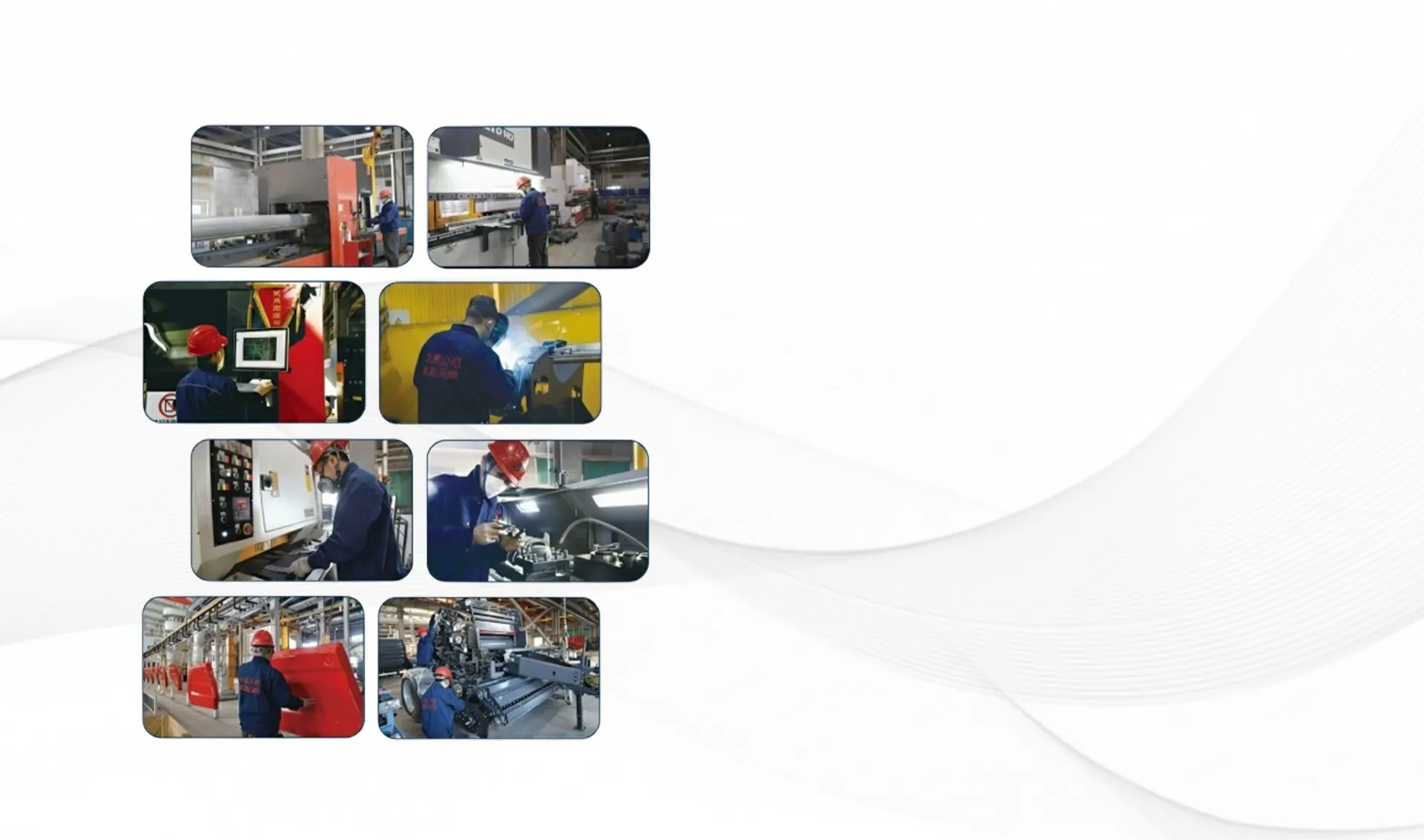
- ✔Assistance en anglais basée aux États-Unis. Notre équipe basée en Californie répond à toutes les demandes pendant les heures ouvrables américaines. Un service d'assistance technique est disponible sur appel pendant la haute saison des récoltes pour toute question relative au réglage de la profondeur, au remplacement des dents et à la compatibilité de la boîte de vitesses.
- ✔Fabrication certifiée ISO 9001. Chaque unité est livrée avec une documentation complète attestant de la qualité des matériaux, du contrôle des soudures, de la vérification dimensionnelle et de la validation de l'assemblage en usine. La documentation relative au programme USDA est disponible sur demande.
- ✔Disponibilité des pièces détachées dans les entrepôts américains. Points de partage, kits de dents à ressort, kits de roulements à cage d'écureuil et composants d'arbre de transmission de prise de force disponibles toute l'année. Les commandes passées avant 14 h (heure du Pacifique) sont expédiées le jour même ; la plupart des adresses aux États-Unis reçoivent leurs pièces sous 2 à 5 jours ouvrables.
- ✔Documentation fiscale de l'article 179. Un dossier complet de factures pour la déduction des dépenses de première année en vertu de l'article 179 et pour tout programme d'incitation fiscale applicable à l'équipement agricole de l'État est fourni avec chaque commande sur demande.
- ✔Prix direct usine. Aucune marge entre l'usine et l'acheteur, que ce soit pour un revendeur ou un distributeur. Le prix reflète le coût de la machine plus les frais de logistique aux États-Unis ; il est systématiquement inférieur à celui des équipements comparables vendus par les concessionnaires.
- ✔Aide à la planification des récoltes. L'équipe américaine offre gratuitement des consultations de pré-saison sur la séquence d'utilisation du matériel, l'optimisation de la vitesse de traction et les stratégies de consolidation des andains. Visitez notre site web. À propos de nous page présentant l'historique de l'entreprise.
Foire aux questions
Dans quelle mesure l'arracheuse de haricots rouges 4BYH-2.6 est-elle plus productive que le modèle à 2 rangs ?
À productivité nominale, la 4BYH-2.6 couvre de 1,56 à 2,6 ha/h, tandis que la 4BYH-1.3 à 2 rangs couvre de 0,65 à 1,04 ha/h, soit environ 2,4 fois plus de rendement en pointe. Sur un champ de haricots secs de 121 hectares (300 acres), la 4BYH-2.6 termine la phase d'arrachage en 115 à 192 heures, contre 288 à 461 heures pour le modèle à 2 rangs. Ce gain de productivité s'explique par la puissance supplémentaire requise du tracteur (66 à 88 kW contre ≥ 40 kW) et le poids plus élevé de la machine (1 100 kg contre 600 kg).
Quelle est la différence entre le 4BYH-2.6 et le 4BYQ-2.6 ?
Les deux modèles présentent des caractéristiques mécaniques identiques : même largeur de travail, même conception des dents, même productivité et même puissance requise. Le 4BYH-2.6 se fixe à l’attelage trois points arrière et se tracte derrière le tracteur. Le 4BYQ-2.6 se fixe à l’attelage trois points avant et se déplace devant le tracteur, offrant ainsi à l’opérateur une visibilité directe sur le rang de labour. Privilégiez le 4BYH-2.6 pour les grands champs rectangulaires et les méthodes de travail standard ; optez pour le 4BYQ-2.6 pour les rangs en courbes de niveau, les planches surélevées ou lorsque la visibilité directe du rang de labour est primordiale. Les deux modèles sont disponibles dans notre entrepôt américain.
Le modèle 4BYH-2.6 fonctionne-t-il avec un espacement entre les rangs de 60 cm, ou seulement avec l'espacement standard de 65 cm ?
La configuration standard est optimisée pour un espacement entre les rangs de 65 cm, correspondant à une voie totale de 2 600 mm (4 rangs × 650 mm par rang). Pour un espacement de 60 cm, la position des socs peut être ajustée latéralement jusqu'à ±40 mm par soc au niveau des supports du châssis. Pour un espacement inférieur à 60 cm ou supérieur à 70 cm, il est nécessaire de consulter l'usine avant de passer commande afin de vérifier que la géométrie du châssis permette d'accueillir l'espacement modifié sans interférence entre les groupes de dents adjacents.
À quelle vitesse au sol les pertes dues à l'éclatement des capsules restent-elles inférieures à 5% ?
Des essais menés sur le terrain au Michigan, au Dakota du Nord et en Idaho ont révélé des pertes par égrenage de 3,2 à 4,8 % pour des vitesses de récolte comprises entre 6 et 10 km/h. L'égrenage augmente sensiblement au-delà de 10 km/h, la vitesse d'impact des dents de la moissonneuse-batteuse étant alors supérieure à la capacité de flexion et de reprise de la paroi de la gousse. En conditions humides ou lorsque les vignes sont fragilisées par la sécheresse, il est conseillé de réduire la vitesse à 6-7 km/h. Dans des conditions idéales, sur un sol sablo-limoneux, avec des vignes turgescentes et bien séchées, une vitesse de 9 à 10 km/h est acceptable sans dépasser le seuil d'égrenage de 5 %.
Comment puis-je vérifier que la capacité de levage de l'attelage arrière de mon tracteur est suffisante pour la machine de 1 100 kg ?
Le 4BYH-2.6 pèse 1 100 kg. La capacité de levage de l'attelage trois points arrière de votre tracteur (indiquée dans le manuel d'utilisation sous l'appellation « levage maximal à la boule d'attelage » ou « capacité de levage de catégorie II ») doit être supérieure à 1 400 kg afin de garantir une marge de sécurité suffisante en conditions de travail. La plupart des tracteurs de 90 à 120 ch destinés aux cultures en rangs ont une capacité de levage de catégorie II comprise entre 3 000 et 5 000 kg, largement supérieure à la limite requise. Si les spécifications de votre tracteur ne sont pas facilement accessibles, veuillez communiquer le modèle et l'année à l'équipe d'assistance américaine qui confirmera la compatibilité à partir des spécifications du constructeur.
Combien de dents à ressort le 4BYH-2.6 comporte-t-il et comment sont-elles remplacées ?
La faucheuse 4BYH-2.6 est équipée de 48 dents à ressort au total, soit 12 dents par rangée sur quatre rangées. Chaque dent est fixée individuellement au porte-dents par deux boulons, ce qui permet de la remplacer une à une sans démonter les dents adjacentes. Le remplacement prend moins de 3 minutes par dent avec une clé standard. Un jeu de 12 dents de rechange est livré avec chaque machine neuve. Des paquets de 12 ou 48 dents de rechange sont disponibles auprès de l'entrepôt américain ; toute commande passée avant 14 h 00 (heure du Pacifique) est expédiée le jour même.
Le 4BYH-2.6 peut-il être utilisé pour des cultures autres que les haricots rouges ?
Oui. Le mécanisme d'arrachage à dents à ressort est compatible avec toutes les légumineuses à croissance déterminée ou semi-déterminée présentant une structure racinaire similaire à celle du haricot rouge. Les cultures compatibles incluent les haricots pinto, les haricots blancs, les haricots noirs, les haricots blancs du Nord, les haricots azuki et les pois chiches, semés à un écartement standard de 65 cm entre les rangs. La machine n'est pas conçue pour les légumineuses grimpantes à croissance indéterminée ni pour les cultures semées en rangs plus étroits que 60 cm ou plus larges que 70 cm sans modification de la position des socs.
Avis clients des opérations de production de haricots secs aux États-Unis
Les avis suivants proviennent de propriétaires de 4BYH-2.6 ayant utilisé la machine pendant au moins une saison de récolte complète. Les régions, les types de cultures et les conditions des champs sont indiqués afin de permettre une comparaison avec votre propre situation.
Brad Zimmermann, producteur de haricots Pinto, comté de Huron, Michigan (mi-2025)
★★★★★
Nous cultivons 154 hectares de haricots pinto dans la région de Thumb, sur un sol sablo-limoneux dont la compaction varie de très légère à moyenne selon l'endroit dans le champ. La moissonneuse-batteuse 4BYH-2.6 a géré toutes ces conditions sans aucun problème de soc sauté ni d'emmêlement des fanes. Le champ entier a été récolté en six jours et demi, soit plus d'un jour d'avance sur la période météorologique prévue cette année. Le taux de pertes par égrenage dans notre échantillon prélevé à l'élévateur s'élève à 4,1 %, le meilleur résultat obtenu depuis le passage à la récolte mécanique. Mon tracteur John Deere 6110R tire la machine sans problème, et le rendement de la cage de roulement est un andain net et régulier. Mon conducteur de moissonneuse-batteuse a déclaré que c'était le champ de haricots le plus facile à récolter de toute la saison.
Kevin Sondergaard, producteur de haricots blancs, comté de Richland, Dakota du Nord (début 2025)
★★★★★
L'argile de la vallée de la rivière Rouge est impitoyable pour les machines agricoles : les mottes qu'elles soulèvent avec les racines peuvent être importantes. La section à cage de roulement du 4BYH-2.6 brise ces mottes avant qu'elles n'atteignent l'andain, et le poids à vide de notre échantillon à l'élévateur était sensiblement inférieur à celui des années précédentes. Nous cultivons environ 113 hectares de haricots blancs et la machine a couvert toute la superficie en quatre jours et demi à environ 8 km/h. Le tracteur Case IH Maxxum 110 auquel nous l'avions attelée a supporté la charge sans problème. Un conseil : dans les coins humides du champ, il faut ralentir à 6 km/h et nettoyer les dents après chaque parcelle de 12 hectares. Nous avons suivi ce conseil et n'avons rencontré aucun problème.
Teresa Ochoa, entrepreneure spécialisée dans la récolte de haricots à façon, comté de Scotts Bluff, Nebraska (fin 2024)
★★★★☆
Je travaille à la récolte des haricots pour une vingtaine d'exploitations agricoles dans la région du Nebraska Panhandle : haricots noirs, haricots pinto et quelques haricots Great Northern. Après une saison complète d'utilisation, ma moissonneuse-batteuse 4BYH-2.6 est devenue ma machine principale. Sa configuration à quatre rangs me permet de couvrir 80 hectares en une journée et demie et de passer ensuite chez le client suivant sans me presser. Le rendement de l'andaineur à cage roulante est propre et régulier ; mes clients sont satisfaits du résultat avant le passage de la moissonneuse-batteuse. Je ne lui attribue que quatre étoiles car j'aurais souhaité que les dents de rechange soient disponibles chez les concessionnaires régionaux en plus de l'entrepôt, mais le délai de livraison de quatre jours depuis la Californie était acceptable, même en période de forte activité.
Douglas Carpenter, producteur de pois chiches, comté de Gooding, Idaho (mi-2025)
★★★★★
La récolte des pois chiches dans la Magic Valley se pratique sur des terres irriguées par sillons, caractérisées par un relief marqué de crêtes et de sillons. J'ai utilisé plusieurs arracheuses à quatre rangs au fil des ans, et la plupart d'entre elles patinent au fond des sillons, là où le tracteur s'enfonce. La suspension indépendante des socs de l'arracheuse 4BYH-2.6 maintient les quatre socs au sol sur toute la longueur des rangs, même lorsque le tracteur s'enfonce dans un sillon. Nous avons récolté 89 hectares à une vitesse moyenne de 8 km/h et obtenu les andains les plus propres que nous ayons jamais produits. Pour la première fois en trois saisons, les pertes dues à la boue et aux échardes dans l'élévateur étaient inférieures au seuil contractuel. La machine est arrivée pré-assemblée et était opérationnelle aux champs quelques heures seulement après la livraison.
Thomas Engel, producteur de haricots secs, comté de Park, Wyoming (début 2025)
★★★★★
Nous cultivons environ 60 hectares de haricots pinto et rouges dans le bassin de Bighorn et avons toujours fait appel à une équipe de salariés pour la récolte. Le coût de la main-d'œuvre et les difficultés d'organisation nous ont poussés à rechercher une solution automatisée. La 4BYH-2.6 a résolu ces deux problèmes. Un seul opérateur, aux commandes de notre Kubota M7-132, couvre la totalité de la surface en 58 à 96 heures environ, selon les conditions. Les économies réalisées sur le coût de la main-d'œuvre ont amorti le prix d'achat, ajusté selon l'article 179, dès la première saison. J'ai également apprécié la réactivité de l'équipe d'assistance, qui m'a rappelé dans les deux heures suivant une question concernant le réglage de la profondeur de semis en plein champ. Un tel niveau de service pour un engin provenant d'un entrepôt californien est inattendu, mais il a fait toute la différence pendant la récolte.
Jill Hanson, productrice de haricots blancs et de haricots pinto, comté d'Otter Tail, Minnesota (fin 2025)
★★★★★
Nous avons semé environ 105 hectares de haricots blancs et de haricots pinto sur trois parcelles aux sols de textures différentes. La moissonneuse-batteuse 4BYH-2.6 a géré les trois parcelles avec les mêmes réglages, ne nécessitant qu'un léger ajustement de hauteur en trois points entre la parcelle sableuse et celle à la terre plus lourde. La qualité des andains était constante sur les trois parcelles : serrés, surélevés et propres. Nous avons pu démarrer la moissonneuse-batteuse quatre jours seulement après la fin de l'arrachage, ce qui représente le délai le plus court entre l'arrachage et la récolte en cinq ans de culture de haricots. Le système de fusion par cage roulante est la caractéristique que je tiens à souligner : il produit un andain de ramassage nettement supérieur à tout ce que nous avons utilisé auparavant.
Prêt à arracher 4 rangs et à réduire de moitié votre période de récolte ?
Obtenez un devis gratuit pour l'arracheuse de haricots rouges 4BYH-2.6, livrée directement à votre exploitation. Prix direct usine, assistance technique basée aux États-Unis et documentation conforme à l'article 179 incluses avec chaque commande.
America Ever-Power Silage Baler Equipment INC. | 1401 21st ST, STE R, Sacramento, CA 95811, États-Unis
Informations complémentaires
| Éditeur | Cxm |
|---|
Produits similaires
-
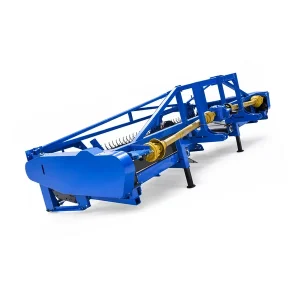
4BYHD/4BYHS-3.9 Arracher les haricots à 6 rangs | Élévateur robuste
-
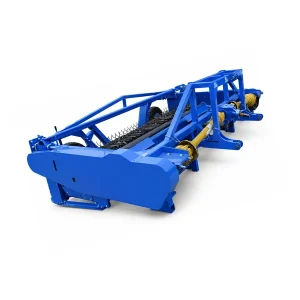
4BYH-3.25 Arracheuse de haricots rouges à 5 rangs | 1,95–3,25 ha/h
-
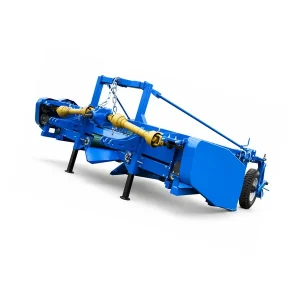
Extracteur de haricots rouges à montage frontal 4BYQ-2.6 | Élévateur à 4 rangées à poussée
-
4BYH-1.3 Extracteur de haricots rouges | Élévateur de haricots secs à 2 rangs


