
Broyeur à fourrage 9F-70 | Broyeur à marteaux à prise de force
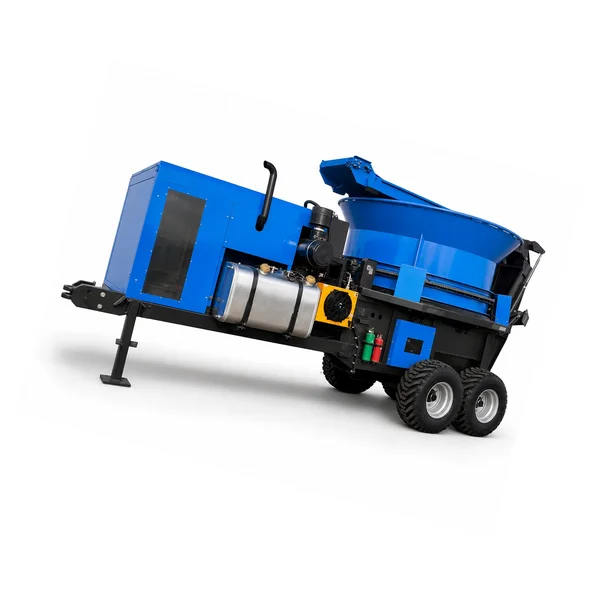
Le Broyeur à fourrage 9F-70 Le broyeur à marteaux 9F-70 constitue le dernier maillon d'un système complet de transformation du fourrage, du champ à l'auge. Après la coupe, le ratissage et la mise en balles du fourrage, puis son stockage hivernal, ce broyeur à marteaux entraîné par prise de force transforme les balles en particules fines et uniformes, directement consommables par le bétail sans tri, mélangeables à la ration totale mélangée (RTM) ou incorporables aux rations complémentaires, sans nécessiter l'ajout d'une ensileuse dédiée. Avec un débit de 3 à 8 tonnes par heure de foin et de paille secs, le 9F-70 traite en deux à trois heures de fonctionnement quotidien une quantité de fourrage suffisante pour nourrir un troupeau de 300 bovins pendant toute la saison d'alimentation hivernale.
Où le 9F-70 trouve sa place : Votre chaîne complète de production fourragère.
La plupart des exploitations d'élevage disposent déjà de l'essentiel de la chaîne fourragère : une faucheuse, un andaineur et une presse à balles. Le 9F-70 comble le dernier manque entre les balles entières stockées et le fourrage transformé prêt à l'emploi. Sans un équipement dédié concasseur d'alimentsCe manque est comblé par l'un des trois compromis suivants : nourrir le bétail à la main avec des balles entières (ce qui entraîne un tri et du gaspillage), acheter une ensileuse séparée (ce qui est coûteux et nécessite du temps), ou acheter des aliments transformés au détail (ce qui élimine l'intérêt économique de posséder son propre système de production de fourrage).
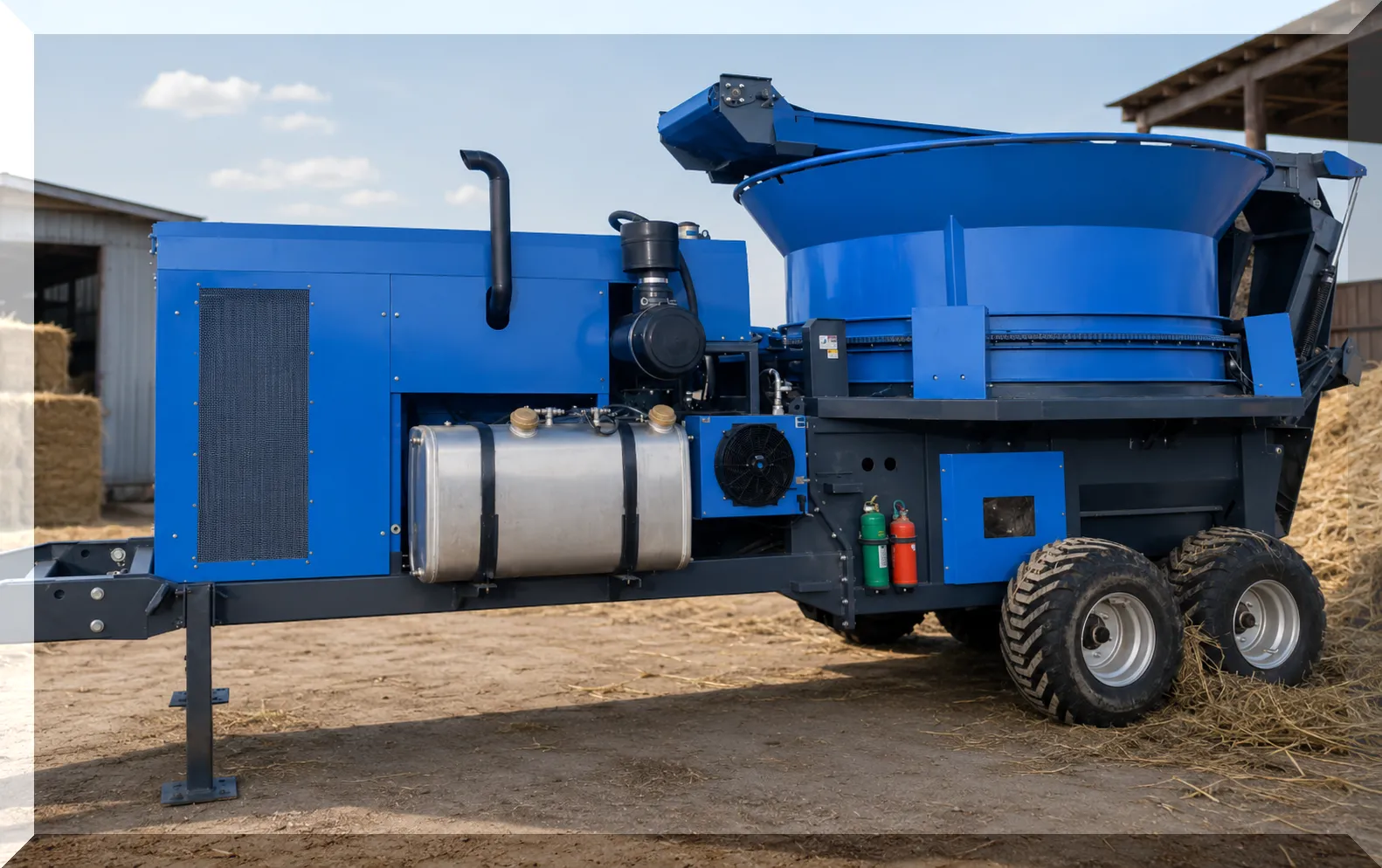
Ajout d'un dédié broyeur de fourrage L'intégration d'un système comme le 9F-70 à un système de production fourragère établi est la méthode la plus rentable pour valoriser les balles stockées. Cette chaîne complète – depuis notre alignement des râteaux à foin par notre gamme de presses à balles rondes pour le broyeur d'aliments 9F-70 — peut être approvisionné auprès d'un seul fournisseur, entretenu à partir d'un seul entrepôt de pièces détachées américain et pris en charge par une seule équipe technique qui comprend comment chaque composant se connecte au suivant.
Spécifications techniques
Le 9F-70 se connecte à la prise de force arrière du tracteur à 540 tr/min et est compatible avec l'attelage trois points arrière de catégorie I ou II. Il ne nécessite aucune sortie hydraulique à distance ; son fonctionnement est entièrement mécanique une fois la prise de force engagée. L'équipe américaine vérifie la compatibilité avec votre tracteur à partir de son modèle et de son numéro de série avant la livraison. concasseur de fourrage navires.
| Non. | Paramètre | Unité | Valeur |
|---|---|---|---|
| 1 | Modèle | / | Broyeur à fourrage 9F-70 |
| 2 | Type de lecteur | / | Prise de force (arrière), 540 tr/min |
| 3 | Puissance requise du tracteur | kW (HP) | ≥ 37 (≥ 50 HP) |
| 4 | Diamètre du rotor/tambour | mm (po) | 700 (27,6 po) |
| 5 | Quantité de marteaux | pièces | 36 (4 rangées × 9 pièces, oscillant librement) |
| 6 | Matériau du marteau | / | Acier à ressort 65Mn, dureté Rockwell C 48–52 |
| 7 | Diamètre des trous de la grille (sélectionnable) | mm (po) | 8 / 10 / 12 / 16 mm (0,31–0,63 po) |
| 8 | Largeur d'entrée d'alimentation | mm (po) | 700 (27,6 po) |
| 9 | Productivité — Foin sec / Paille | t/h | 3 à 8 t/h |
| 10 | Productivité — Tiges de maïs | t/h | 4 à 10 t/h |
| 11 | Dimensions hors tout (L × l × H) | mm (pi) | 1 450 × 1 150 × 1 320 (4,8 × 3,8 × 4,3 pi) |
| 12 | Poids de la machine | kg (lb) | 520 (1 146 lb) |
| 13 | Type d'attelage | / | Attelage 3 points (arrière), Cat I / II |
| 14 | Opérateurs requis | personnes | 1 |
Calcul des besoins alimentaires : L'aliment 9F-70 couvre-t-il les besoins quotidiens de votre troupeau ?
Avant de préciser quoi que ce soit concasseur d'alimentsIl est nécessaire de confirmer la capacité de production par rapport aux besoins quotidiens réels en fourrage. Le tableau ci-dessous établit un calcul inverse, partant de la taille du troupeau, jusqu'à la durée de fonctionnement quotidienne du broyeur : cette dernière détermine si vous pouvez couvrir l'intégralité des besoins fourragers de votre troupeau en une seule matinée ou si plusieurs passages sont nécessaires.
| Type de bétail | Nombre de personnes | Besoins quotidiens en fourrage (t/jour) | Balles/jour (600 kg) | Durée de fonctionnement 9F-70 (h/jour) | Verdict |
|---|---|---|---|---|---|
| Vaches laitières | 100 | 2,4 t | 4 | ~0,5 h | ✔ Facile |
| Vaches laitières | 300 | 7,2 t | 12 | ~1,3 h | ✔ Un seul passage |
| Vaches à viande (vache-veau) | 200 | 2,6 t | 4–5 | ~0,5 h | ✔ Facile |
| Vaches à viande (vache-veau) | 500 | 6,5 t | 11 | ~1,2 h | ✔ Un seul passage |
| Jeunes bovins en croissance (parc d'engraissement) | 400 | 4,0 t | 7 | ~0,7 h | ✔ Un seul passage |
| Moutons / chèvres | 800 | 1,8 t | 3 | ~0,3 h | ✔ Facile |
Contrôle de la taille des particules : Choisir le bon tamis pour votre programme d'alimentation
La taille des particules de sortie du 9F-70 broyeur de fourrage Le choix de la grille dépend de celle installée. Les grilles sont interchangeables (le remplacement prend environ 15 minutes) et quatre diamètres de perforation standard sont disponibles. Le choix approprié dépend de l'espèce animale, du système d'alimentation (distribution directe ou mélangeuse TMR) et de la façon dont le fourrage transformé sera utilisé : mélangé à des céréales ou distribué seul.
Principe de fonctionnement : Comment le broyeur à marteaux 9F-70 traite le fourrage
Le 9F-70 concasseur d'aliments fonctionne sur l'arbre horizontal à rotation libre broyeur à marteaux Le principe repose sur la même base mécanique que celle utilisée dans les broyeurs à marteaux industriels pour les céréales, adaptée aux caractéristiques de faible densité et d'humidité élevée du fourrage. La compréhension du cycle de traitement en trois phases explique pourquoi la conception à marteaux oscillants surpasse systématiquement les broyeurs à lames fixes, même avec des fourrages de densité variable.
Phase 1 — Entrée en alimentation et impact initial
Le fourrage, qu'il s'agisse de foin en vrac introduit par l'entrée supérieure ou de fragments de balles acheminés par un tracteur chargeur frontal, pénètre dans l'orifice d'alimentation situé en haut du carter. Le rotor de 700 mm, entraîné par la prise de force, est doté de 36 marteaux en acier trempé disposés sur quatre rangées décalées. Le premier impact d'un marteau fracture la structure de la tige fourragère dans le sens des fibres naturelles, et non perpendiculairement au grain. C'est pourquoi le fourrage broyé au marteau présente une surface particulaire plus rugueuse et plus absorbante que le fourrage coupé par disques, une caractéristique qui influe à la fois sur le mélange de la ration totale mélangée (RTM) et sur la vitesse de fermentation ruminale.
Phase 2 — Circulation et impacts répétés
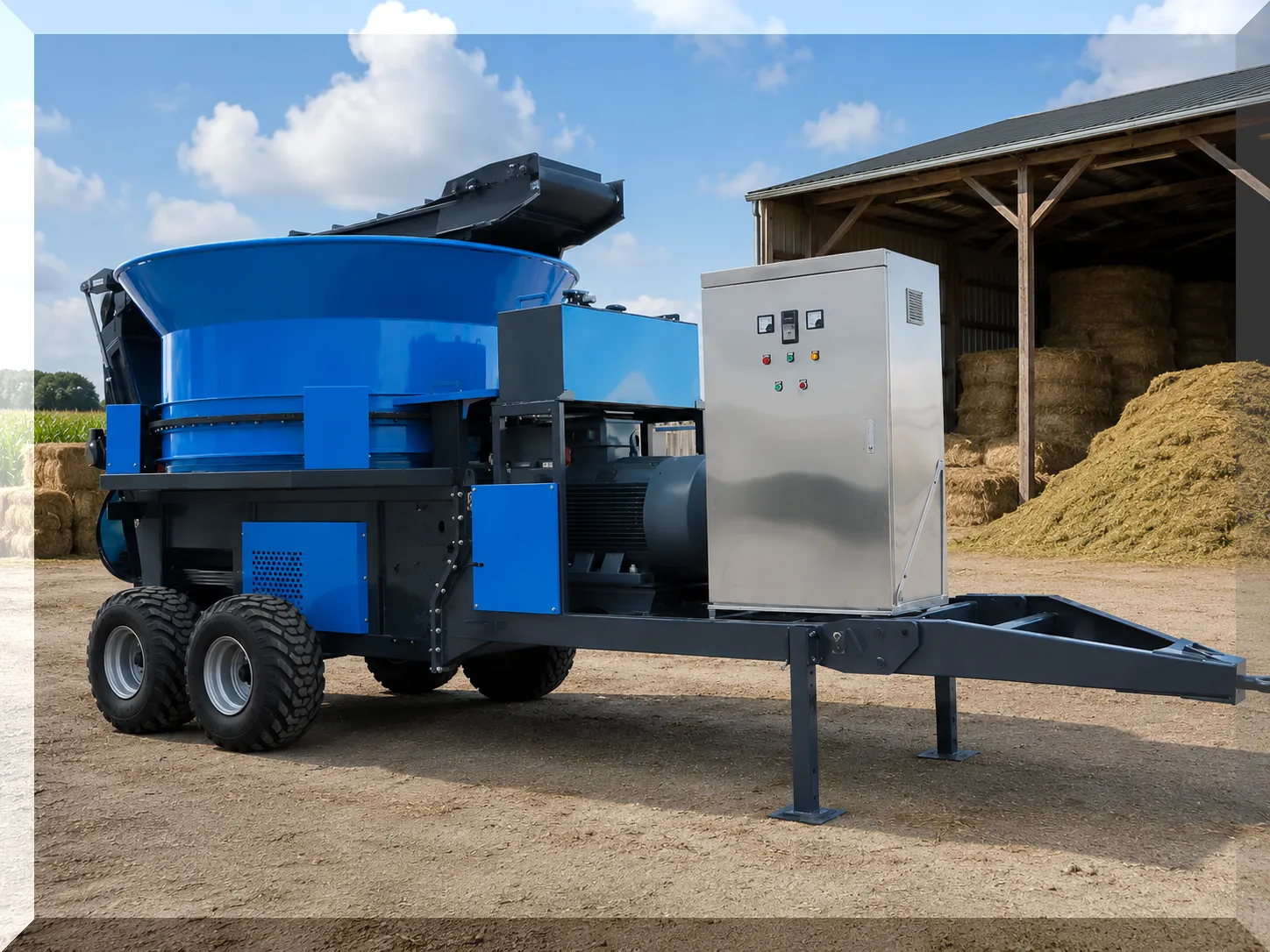
Les matières qui ne passent pas immédiatement à travers le tamis après le premier impact des marteaux circulent à l'intérieur du carter, subissant de multiples impacts à chaque tour. Le support pivotant de chaque marteau est mécaniquement essentiel : lorsqu'un marteau frappe un nœud dense ou une partie dure d'une tige de foin, ce support lui permet de dévier momentanément vers l'arrière, absorbant ainsi le choc sans le transmettre sous forme de force de choc à travers l'arbre du rotor et dans le circuit d'entraînement de la boîte de vitesses. Les broyeurs à lames fixes transmettent toutes ces charges directement au mécanisme d'entraînement, ce qui explique pourquoi les broyeurs à marteaux ont une durée de vie nettement supérieure à celle des broyeurs à lames fixes avec des fourrages durs et irréguliers.
Phase 3 — Classification et sortie de l'hôpital
Seules les particules dont la taille est inférieure au diamètre des trous de la grille traversent cette dernière et sortent du boîtier. Les particules surdimensionnées restent à l'intérieur et continuent de subir l'impact des marteaux. Ce système d'auto-classification garantit que le diamètre de la grille correspond également à la taille maximale des particules en sortie : aucune particule surdimensionnée ne contourne la grille. Le produit classé est évacué par le bas, généralement dans un tas au sol, un convoyeur ou directement dans la cuve d'une bétonnière.
Compatibilité des types de balles : Ce que le modèle 9F-70 accepte
Le 9F-70 concasseur de fourrage Cette machine traite tout type de fourrage pouvant être introduit par son orifice d'entrée de 700 mm. La méthode la plus courante consiste à ouvrir ou à découper la balle à l'aide d'un couteau, puis à introduire les sections dans l'orifice d'entrée à l'aide d'un chargeur frontal ou d'un tracteur à godet. La largeur d'entrée de 700 mm permet d'introduire des sections de balles rondes de tout diamètre : la balle est positionnée sur le chargeur frontal, le filet ou la ficelle est retiré, et le tracteur pousse les sections dans l'orifice d'entrée à un rythme qui maintient une pression d'entrée constante sans surcharger le rotor.
| Type de balle | Poids typique des balles | Méthode de traitement | Temps de traitement approximatif | Notes |
|---|---|---|---|---|
| Balle ronde de foin sec (1,0 m) | 300–450 kg | Alimentation par section par chargeur | 3 à 6 min | Retirer le filet d'emballage avant transformation ; la luzerne et l'herbe conviennent toutes deux à une humidité de 14 à 181 TP5T |
| Balle ronde de foin sec (1,25 m) | 550–750 kg | Alimentation par section par chargeur | 5 à 9 min | Taille standard des balles commerciales ; format le plus courant pour cette machine aux États-Unis. |
| Balle de paille (ronde ou grande carrée) | 400–600 kg | Alimentation par section par chargeur | 4 à 8 min | La paille est le matériau présentant la plus faible résistance ; débits les plus élevés ; excellent pour la production de litière à tamis de 8 mm |
| Balle de tiges de maïs (ronde) | 500–700 kg | Alimentation par sections ; retirer les tiges pointant vers l’extérieur avant de nourrir. | 4 à 7 min | Une teneur élevée en silice accélère l'usure des pointes des marteaux ; inspectez et remplacez les marteaux toutes les 60 à 80 balles de maïs. |
| Foin sec en vrac (distribué dans une trémie) | Alimentation continue | Alimentation par gravité ou par convoyeur vers l'entrée supérieure | Continu | Nécessite une trémie ou un élévateur séparé ; débit soutenu maximal — convient aux grands lots commerciaux |
Quatre exploitations d'élevage qui tirent le plus grand profit du 9F-70
🐄 Intégration des rations mixtes mélangées (TMR) dans les élevages laitiers commerciaux
Les grandes exploitations laitières qui élèvent de 200 à 600 vaches avec un programme d'alimentation à ration totale mélangée (RTM) sont confrontées à un défi de transformation constant : le foin en balles entières ne peut pas être chargé directement dans une remorque RTM, et la longueur des particules de fourrage après floconnage manuel est trop variable pour les formules de ration spécifiées par le nutritionniste. Le 9F-70 concasseur d'aliments Un tamis de 12 mm produit une mouture courte et homogène qui se mélange uniformément aux céréales et aux compléments protéiques dans la remorque, éliminant ainsi le tri qui réduit l'ingestion de matière sèche chez les troupeaux laitiers sélectifs en fibres. Les exploitations laitières du Wisconsin et du Minnesota, comptant de 250 à 400 vaches, traitent couramment la totalité de leurs besoins quotidiens en fourrage en une seule séance matinale de 90 minutes avant la traite.
🐂 Vaches et veaux de boucherie — Efficacité de l'alimentation hivernale
Les élevages de vaches allaitantes dans les plaines du Nord et les États des montagnes Rocheuses qui nourrissent leurs animaux en hiver avec de l'herbe indigène et du foin de prairie stocké en balles rondes sont confrontés à un défi logistique particulier : l'alimentation avec des balles entières génère de 15 à 301 tonnes de déchets fourragers (TP5T) dus au tri et au piétinement, ce qui, sur 120 à 150 jours d'alimentation hivernale, représente une perte importante de fourrage. Le traitement par la machine 9F-70 concasseur de fourrage Un tamis de 8 à 10 mm réduit le tri en fournissant des particules uniformes que les bovins consomment sans les trier, diminuant ainsi les pertes de foin d'hiver de 20 à 25 tonnes 500 g (TP5T) pour les balles entières à moins de 8 tonnes 500 g (TP5T) pour le fourrage transformé. Pour un troupeau de 300 vaches recevant 4 balles par jour, cette réduction des pertes se traduit par 20 à 35 balles de moins nécessaires par hiver, amortissant ainsi la machine en deux à trois saisons grâce aux seuls gains de fourrage.
🌾 Supplément de fourrage grossier pour l'élevage et les parcs d'engraissement
Les exploitations d'engraissement et de grossissement de bovins en Iowa, au Nebraska et au Kansas, qui utilisent des rations de croissance riches en céréales, nécessitent un apport contrôlé de fourrage grossier pour maintenir la santé du rumen. Le 9F-70 concasseur d'aliments Le traitement du foin stocké, tamisé à 16 mm, permet d'obtenir des particules courtes qui peuvent être pesées et mélangées à des céréales moulues ou à des drêches de distillerie selon le pourcentage de fourrage spécifié, sans nécessiter de tri à l'auge. L'homogénéité de la granulométrie lors de l'incorporation dans la ration est essentielle pour prévenir l'acidose ruminale subaiguë (SARA) dans les programmes d'élevage à forte concentration. Or, cette homogénéité n'est possible que si le fourrage est transformé à la longueur de particule cible, et non réduit en flocons à partir de balles entières.
🐑 Exploitations d'élevage de petits ruminants et d'animaux d'élevage spécialisés
Les élevages de moutons, de chèvres, d'alpagas et de chevaux qui achètent ou produisent des balles rondes de foin sont confrontés à un décalage entre le format des balles commerciales (produites en balles de 500 à 750 kg pour les élevages bovins) et les besoins journaliers en fourrage des petits ruminants. Une balle de luzerne de 600 kg nourrit 400 brebis pendant une journée, mais une balle entière ne peut être stockée à l'air libre sans risque d'infiltration d'humidité et de moisissures. Le 9F-70 broyeur de fourrage Elle transforme une balle par session en une quantité journalière de foin haché court qui peut être pesée avec précision dans des plateaux d'alimentation individuels ou mélangée à des suppléments minéraux, le fourrage transformé restant étant scellé dans des sacs pour une utilisation le lendemain sans le risque de détérioration d'une balle entière ouverte.
Six avantages techniques qui font du 9F-70 le choix pratique
Marteaux 65Mn à rotation libre
Les marteaux en acier à ressort 65Mn, traités thermiquement à une dureté Rockwell C de 48 à 52, sont réversibles : lorsqu’une face est usée en dessous du seuil critique, il suffit de retourner le marteau pour exposer la face non usée et reprendre son utilisation optimale. Chaque marteau a une durée de vie d’environ deux utilisations complètes avant d’être remplacé.
Écrans interchangeables — Changement en 15 minutes
Quatre options de diamètre de perforation (8, 10, 12 et 16 mm) sont disponibles sur la même machine. Changez de grille selon les programmes d'alimentation, les espèces animales ou la production de litière sans modifier l'outillage, à l'aide d'une simple clé. Conservez les quatre grilles dans votre boîte à outils et changez-les au besoin pour la ration du jour.
Aucune exigence hydraulique
Le 9F-70 fonctionne entièrement grâce à la prise de force arrière : il ne comporte ni distributeurs hydrauliques arrière, ni faisceau électrique au-delà de l’arbre de transmission de la prise de force. Tout tracteur de 50 ch et plus équipé d’une prise de force arrière fonctionnelle à 540 tr/min peut l’utiliser, y compris les tracteurs de flotte plus anciens dépourvus de système hydraulique fonctionnel ou ceux réservés à des tâches spécifiques ne nécessitant pas d’hydraulique.
Taille maximale des particules garantie par tamisage
Contrairement aux broyeurs à disques et aux broyeurs à cuve, le mécanisme de tamisage garantit qu'aucune particule dont le diamètre dépasse celui des trous du tamis ne sort de la machine. Les nutritionnistes qui élaborent les rations complètes mélangées (RCM) peuvent spécifier le réglage du tamis comme paramètre de granulométrie dans les calculs de ration — un niveau de précision que les systèmes à broyeur ne peuvent offrir.
Faible sensibilité à l'humidité
La 9F-70 traite le fourrage sur toute la gamme d'humidité, du fourrage sec (12%) à l'ensilage d'herbe moyennement humide (45%). Au-delà de 45%, le fourrage a tendance à s'agglomérer sur la grille au lieu de passer proprement ; pour le traitement d'ensilage plus humide, utilisez la 9F-70 avec le enrubanneuse-presse à ensilage 9YCM-850 pour préserver intacts les matériaux à forte teneur en humidité en vue d'un traitement séparé à un taux d'humidité inférieur.
Profil de maintenance simple
La machine comporte trois points d'entretien : contrôle de l'usure des marteaux (retournement ou remplacement), graissage des paliers de l'arbre du rotor (NLGI-2, toutes les 50 heures) et lubrification de l'arbre de transmission de la prise de force. Le mécanisme de concassage des noyaux ne comporte ni courroies, ni chaînes, ni vérins hydrauliques, ni capteurs électroniques. L'entretien annuel prend moins de deux heures.
Prise de force à pleine charge continue
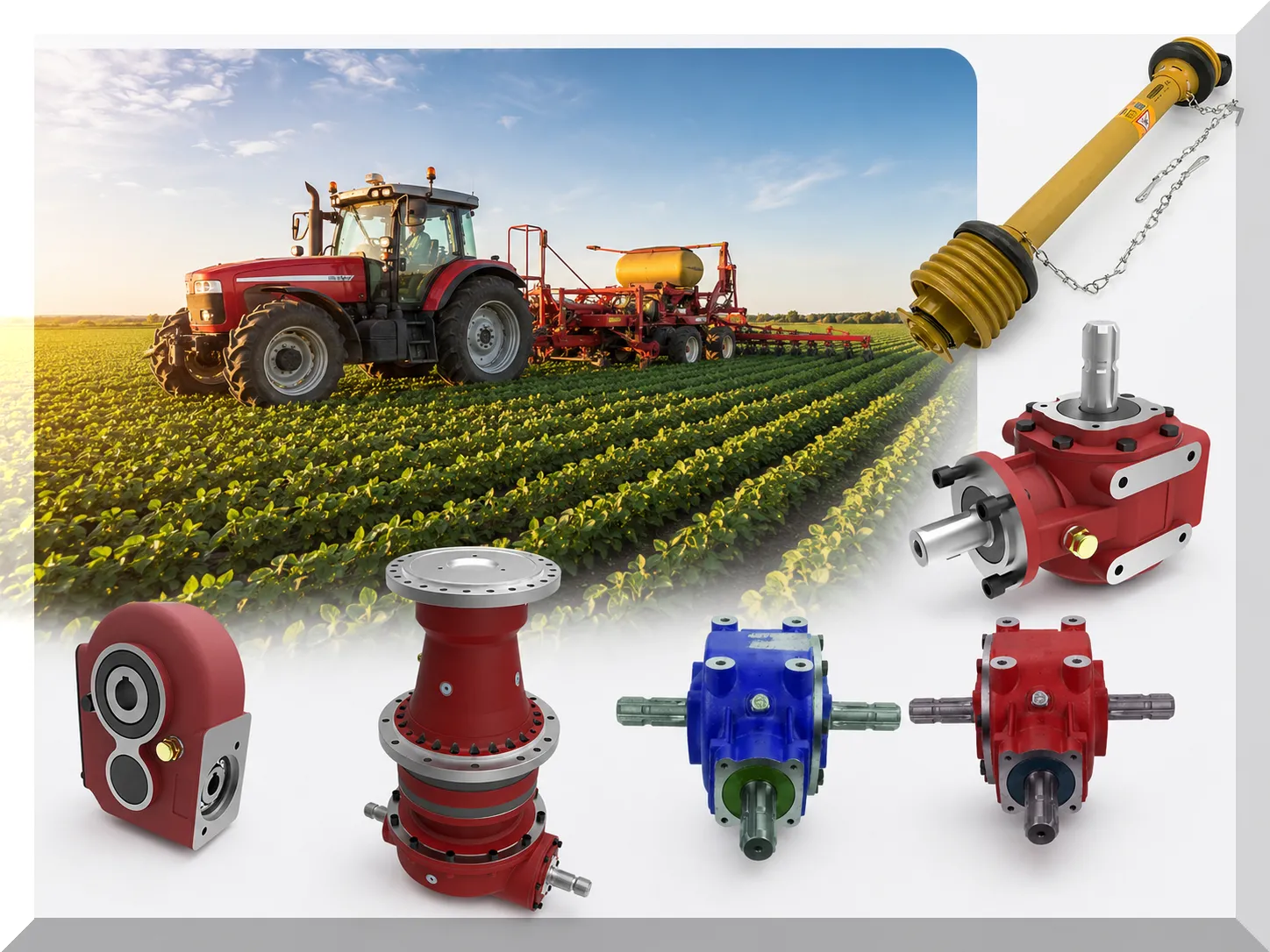
Le 9F-70 broyeur de fourrage Il s'agit d'une machine à forte inertie : le rotor de 700 mm de diamètre conserve une masse en rotation importante une fois lancé, mais le couple requis au démarrage et les pics de couple lors de l'entrée de fourrage dense dans la chambre sont considérables. La transmission par engrenages coniques internes entre l'arbre de prise de force et l'arbre du rotor doit supporter à la fois le couple en régime permanent d'une alimentation continue à pleine capacité et le couple de pointe généré par un nœud dense ou une section dure pénétrant dans le rotor à plein régime.
Une spécification correcte boîte de vitesses robuste pour le traitement du fourrage Pour cette application, le système est conçu pour un couple d'entrée continu supérieur à 800 Nm grâce à des engrenages coniques à denture hélicoïdale cémentés, une lubrification par bain d'huile étanche et des roulements à rouleaux coniques supportant les charges axiales et radiales combinées générées par le rotor à forte inertie à 540 tr/min. Le limiteur de couple de l'arbre de prise de force doit être préréglé entre 700 et 750 Nm afin de protéger la boîte de vitesses des pics de couple, rares mais importants, qui surviennent lors du passage d'un matériau particulièrement dur (une touffe de chardon desséché, un bord de balle contaminé par la terre) à travers le rotor en un seul passage.
Programme de maintenance
Le 9F-70 concasseur d'aliments Elle présente le profil d'entretien le plus simple de toute notre gamme. Trois composants nécessitent une attention régulière ; pour le reste, un simple contrôle visuel en début de saison suffit.
| Intervalle | Composant | Action |
|---|---|---|
| Toutes les 60 à 80 balles (foin/paille) | Embouts de marteau (36 pièces) | Mesurez l'épaisseur de la pointe. Lorsqu'elle est usée en dessous de 4 mm, retournez le marteau sur sa face non usée. Remplacez-le lorsque les deux faces sont usées en dessous de 4 mm. |
| Toutes les 30 à 50 balles (tiges de maïs) | pointes de marteau | La teneur en silice des tiges de maïs accélère l'usure. Réduisez l'intervalle d'inspection et remplacez plus fréquemment les marteaux lors du traitement des tiges de maïs. |
| Toutes les 50 heures de fonctionnement | Roulements d'arbre de rotor (2 pièces) | Graissez les graisseurs à l'aide de graisse multi-usages NLGI-2. Ne pas surgraisser : 2 à 3 coups de pompe par graisseur. |
| Toutes les 50 heures ou de façon saisonnière | section télescopique de l'arbre de transmission de la prise de force | Appliquez de la graisse EP-2 sur le profilé. Vérifiez l'intégrité du dispositif de sécurité ; remplacez-le s'il est fissuré ou si des fixations sont manquantes. |
| Pré-saison | Huile de boîte de vitesses (SAE 90 GL-5) | Vidanger et remplir à nouveau. Avant de remplir l'huile, vérifier l'absence de particules métalliques ou de décoloration. |
| Pré-saison | État de l'écran | Vérifiez que les trous du tamis ne sont ni déformés ni agrandis ; des trous usés laissent passer des particules trop grosses. Remplacez le tamis si le diamètre d’un trou dépasse de plus de 2 mm le diamètre nominal. |
| Pré-saison | axes de pivot du marteau | Vérifiez l'usure du diamètre de l'axe de pivot ; remplacez-le si le jeu latéral du marteau dépasse 2 mm. Les marteaux qui ont du jeu sur leur pivot ne pivotent pas librement et perdent en efficacité de frappe. |
Pourquoi les éleveurs américains choisissent foragebaler.com
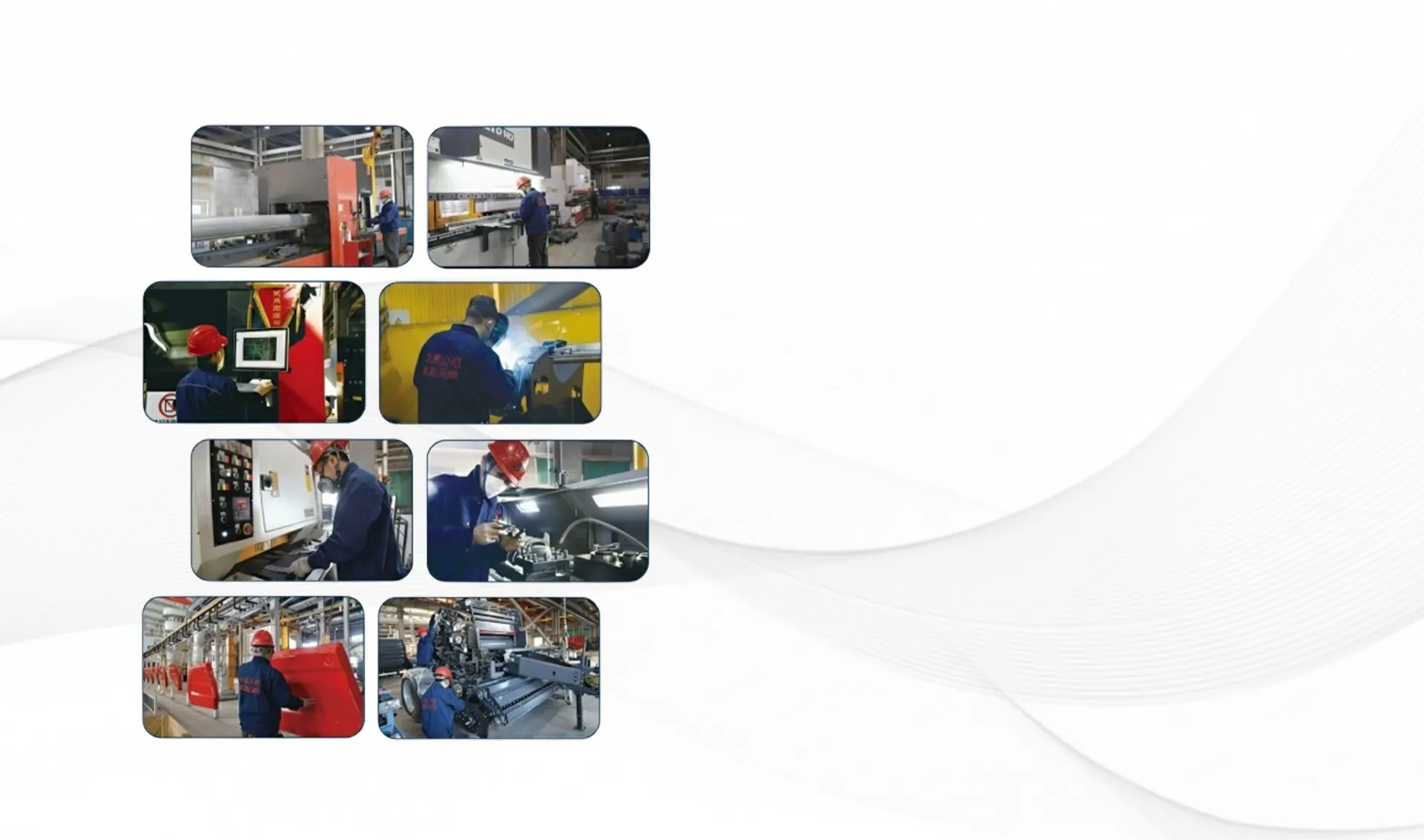
- ✔Système complet, un seul fournisseur. Le 9F-70 concasseur de fourrage Il s'agit de l'étape finale d'un système complet de gestion du fourrage, qui commence avec nos équipements de fauche et d'andainage, se poursuit avec nos presses à balles rondes et se termine à la mangeoire. Les pièces détachées pour chaque machine de la chaîne sont expédiées du même entrepôt californien, lors d'une même commande : une seule facture, un seul transport, une seule équipe d'assistance.
- ✔Pièces détachées en entrepôt aux États-Unis — Expédition le jour même. Nous avons en stock toute l'année des kits de marteaux (rotors complets de 36 pièces), des kits d'axes de pivot, des grilles de rechange (dans les quatre tailles disponibles), des kits de roulements d'arbre de rotor et des composants d'arbre de transmission de prise de force. Les commandes passées avant 14 h (heure du Pacifique) sont expédiées le jour même (jours ouvrables).
- ✔Compatibilité avec la prise de force vérifiée avant expédition. Avant toute expédition, l'équipe américaine vérifie la puissance de la prise de force arrière de votre tracteur (540 tr/min), la catégorie d'attelage et les spécifications de l'embrayage de surcharge à partir du modèle et du numéro de série de votre tracteur. Le problème d'installation le plus fréquent sur les broyeurs à marteaux entraînés par prise de force (un réglage incorrect du couple de glissement de l'embrayage) est identifié et résolu avant la livraison de la machine à votre exploitation.
- ✔Documentation qualité ISO 9001. Un dossier complet de certification de qualité, incluant la traçabilité des matériaux, les résultats des essais de dureté au marteau et la documentation relative au contrôle du remplissage d'huile de la boîte de vitesses, est disponible sur demande. Pour en savoir plus, consultez notre site web. À propos de nous page.
- ✔Article 179 admissible. Le formulaire 9F-70 est considéré comme un bien corporel admissible en vertu de l'article 179 du Code des impôts américains (IRS). La documentation complète relative à la facturation pour la première année d'amortissement est fournie sur demande. Pour une machine dont le prix se situe dans la catégorie moyenne des équipements, le coût effectif net d'impôt de la première année peut considérablement améliorer le calcul du retour sur investissement pour les opérations réalisées au cours d'un exercice rentable.
Transport et livraison
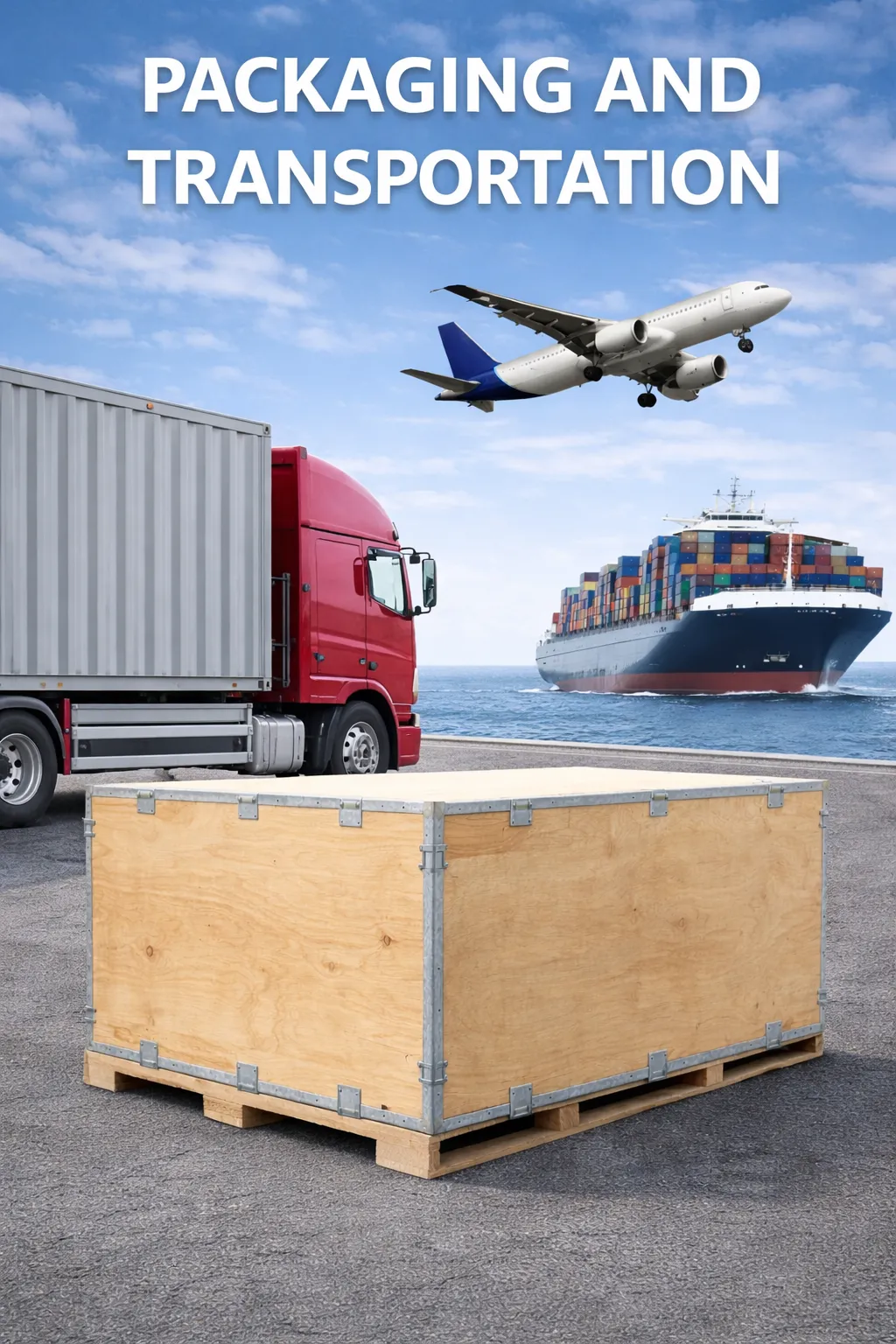
Le 9F-70 concasseur de fourrage Ce véhicule pèse 520 kg et est expédié par transport de lots partiels (LTL) depuis notre entrepôt californien. À ce poids, il bénéficie généralement d'un tarif de transport standard sur palette, sans frais supplémentaires pour les équipements hors gabarit. La livraison aux États-Unis prend entre 6 et 10 jours ouvrables pour la plupart des adresses. La machine arrive entièrement assemblée ; l'installation consiste à fixer les goupilles d'attelage trois points, à installer l'arbre de transmission de la prise de force et le pare-étincelles de démarrage – environ 30 à 45 minutes pour une personne. Le jour de la livraison, notre équipe américaine vous accompagne par téléphone pour le réglage de l'embrayage de la prise de force et la procédure de première mise en marche.

Foire aux questions
Les opérateurs qui utilisent quotidiennement le 9F-70
★★★★★
Nous élevons 340 vaches Holstein avec un programme complet de ration totale mélangée (RTM). Avant l'acquisition du broyeur 9F-70, nous faisions appel à un voisin équipé d'un broyeur à tambour pour traiter une semaine de foin à la fois, puis nous stockions le fourrage broyé en vrac dans l'étable. La qualité chutait considérablement après trois jours de stockage. Désormais, nous traitons le fourrage frais chaque matin – environ 80 minutes avec un broyeur Kubota M7060 de 65 CV. Le tamis de 12 mm assure un mélange homogène dans notre mélangeuse verticale RTM, sans aucun problème de tri dans la mangeoire. Notre nutritionniste a constaté une amélioration de la distribution des fibres sur le séparateur Penn State dès le deuxième mois. C'est le meilleur investissement en équipement que nous ayons réalisé depuis trois saisons.
★★★★★
Dans le bassin de Big Horn, nous avons nourri 480 vaches avec du foin de prairie naturelle pendant l'hiver. Auparavant, nous constations un gaspillage de foin de 22 à 25 % avec les balles entières distribuées au sol (piétinement, détérioration, sélectivité). Dès le premier hiver avec le broyeur 9F-70 équipé d'un tamis de 8 mm, le gaspillage a chuté à moins de 9 %, mesuré en pesant le foin non consommé après 24 heures. Cela représente environ 35 balles de foin en moins pour toute la saison d'alimentation, ce qui est loin d'être négligeable sur un stock hivernal de 600 balles. La machine a traité notre foin avec un tracteur de 58 CV que nous possédions déjà. Aucun investissement supplémentaire n'a été nécessaire, hormis le broyeur lui-même.
★★★★★
Nous élevons 620 brebis et 180 chèvres dans un élevage mixte de l'est du Kansas. Le décalage entre la quantité de foin disponible en balles rondes de 600 kg et la consommation de nos petits ruminants avant que les balles ouvertes ne moisissent était un problème récurrent. La machine 9F-70 nous permet de traiter la quantité exacte nécessaire chaque jour et de conditionner le reste en sacs d'alimentation. Le gaspillage de foin est passé d'environ 18 % avec l'alimentation en balles entières à moins de 5 %. La grille de 12 mm convient parfaitement aux deux espèces : suffisamment longue pour une bonne digestion des fibres, mais suffisamment courte pour limiter la sélectivité des animaux à l'auge. J'avais initialement attribué quatre étoiles à ma commande en raison d'un délai de livraison de 10 jours ; la machine, quant à elle, est conforme à la description.
★★★★★
370 veaux d'engraissement reçoivent une ration de croissance riche en concentrés, contenant de 10 à 12 % de foin. Le tamis 9F-70 de 16 mm produit des particules qui se mélangent parfaitement à la ration sans former de grumeaux dans la vis sans fin du mélangeur. Auparavant, l'incorporation de foin en flocons entiers créait des poches dans la remorque et une répartition inégale dans l'auge. L'incidence de l'acidose ruminale subaiguë dans l'enclos a diminué de façon significative dans le deuxième groupe après le passage au foin concassé. L'équipe américaine a confirmé la compatibilité de notre John Deere 5075E avant la commande ; aucune mauvaise surprise à la livraison.
★★★★☆
Nous sommes une écurie de 40 chevaux située dans les contreforts de la Sierra Nevada. Nous utilisons 2 à 3 balles rondes de dactyle par jour et les effritions manuellement. La machine 9F-70 traite une balle entière en moins de huit minutes avec un tamis de 12 mm, puis nous pesons les portions pour la ration quotidienne de foin de chaque cheval. Je lui attribue quatre étoiles car elle nécessite un chargeur frontal pour l'alimentation ; j'ai dû en louer un la première semaine avant qu'un voisin ne nous prête le sien définitivement. Une fois ce problème logistique résolu, la machine s'est avérée excellente. La consistance des particules est nettement plus uniforme qu'avec du foin effrité à la main, et les chevaux les moins bien classés mangent mieux car ils refusent moins les brins de foin à tiges courtes.
★★★★★
Nous engraissons à façon 500 jeunes bovins sous contrat pour trois clients du nord-est du Nouveau-Mexique. La production de litière de tiges de maïs a motivé l'achat du broyeur 9F-70 : nous devions traiter 8 à 12 balles de tiges par semaine pour la litière des enclos. Le tamis de 8 mm produit une excellente litière à texture fine à un débit de 8 à 10 t/h sur les tiges avec le Massey Ferguson 6718S. Nous utilisons également un tamis de 12 mm pour la distribution quotidienne de fourrage grossier lors de la même session. Je ne m'attendais pas à ce que cette double utilisation sur la même machine, le même jour, fonctionne aussi bien. L'usure des marteaux sur les tiges est perceptible – nous les remplaçons environ toutes les 200 balles de tiges – mais le coût des marteaux par tonne traitée reste bien inférieur à ce que nous facturaient auparavant les services de traitement sous-traitants.
Boucler la boucle : du stockage des balles à l'auge d'alimentation
Compatibilité de la prise de force vérifiée avec votre modèle de tracteur avant expédition. Expédition le jour même des pièces détachées depuis les États-Unis, documentation qualité ISO 9001, factures conformes à l'article 179 et assistance complète pour la tonte et l'alimentation du bétail incluses avec chaque commande.
America Ever-Power Forage Baler Equipment INC. | 1401 21st ST STE R, Sacramento, CA 95811
Informations complémentaires
| Éditeur | Cxm |
|---|
Produits similaires
-
Moissonneuse-batteuse de haricots rouges 4DQ-5 | Batteuse traînée à 5 rangs
-
Transporteur de balles rondes 9JYY-4.5 | Transporteur de 4 500 kg
-
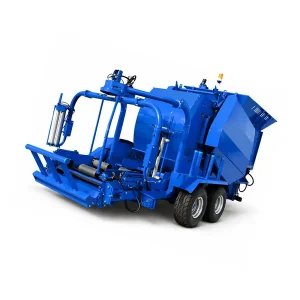
Combinaison presse-enrubanneuse 9YCM-850 | 30 à 40 balles/heure
-
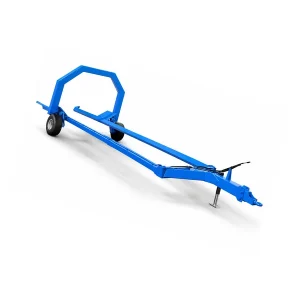
Remorque porte-balles rondes compacte 9JYY-2.5
-
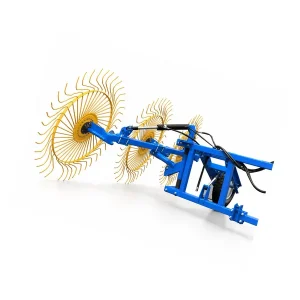
Faneuse à doigts pliable hydraulique 9FZ-2.0 | 3 roues


