फसल कटाई के अवशेषों के लिए मार्गदर्शिका · मक्का उत्पादक क्षेत्र · बिस्तर सामग्री · चारा · जैव ऊर्जा
कॉर्न स्टोवर बेलिंग के लिए संपूर्ण गाइड
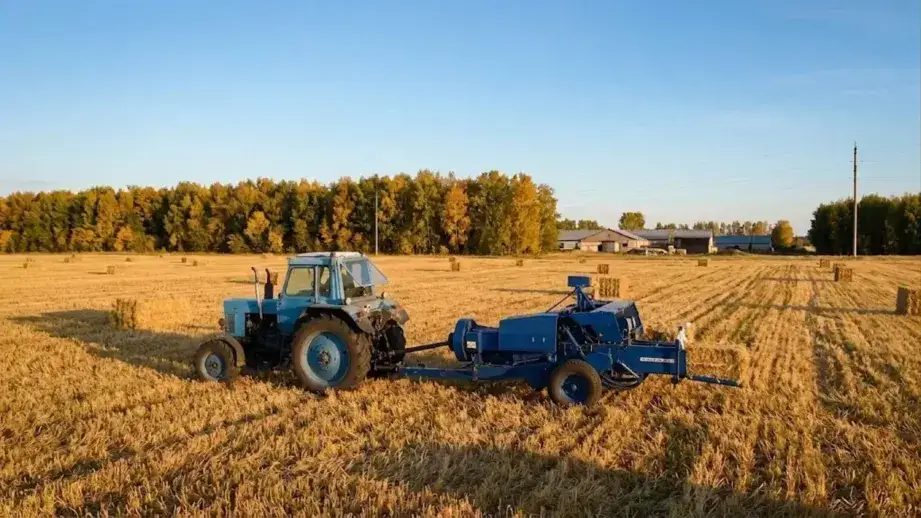
अनाज की कटाई के बाद बचे हुए डंठल, पत्तियां, छिलके और भुट्टे, जिन्हें कॉर्न स्टॉवर कहा जाता है, अमेरिका के कॉर्न बेल्ट में उपलब्ध जैव द्रव्यमान के सबसे बड़े स्रोतों में से एक हैं। पशुओं के बिस्तरों, चारे या जैव ऊर्जा के लिए स्टॉवर की गांठें बनाने के लिए विशिष्ट उपकरणों का चयन और संचालन प्रक्रियाएं आवश्यक होती हैं, जो घास की गांठें बनाने से काफी भिन्न होती हैं। यह मार्गदर्शिका समय, नमी प्रबंधन, उपकरण चयन और परिचालन संबंधी समायोजनों को शामिल करती है, जो यह निर्धारित करते हैं कि स्टॉवर की गांठें बनाना कुशल है या निराशाजनक।
इसमें शामिल विषय हैं: भूसे के बाजार · उपकरण संबंधी आवश्यकताएं · गांठ बनाने का समय · नमी के लक्ष्य · अवरोधन की रोकथाम · मिट्टी का संघनन · पोषक तत्वों का निष्कासन · घनत्व और भंडारण
मक्के के डंठल का बाज़ार: किन चीज़ों की गांठें बनाई जाती हैं और क्यों
पशुओं के लिए बिस्तर
कॉर्न बेल्ट में मक्के के भूसे की गांठों का सबसे बड़ा एकल बाजार। भूसा बिछाने के लिए उत्कृष्ट सामग्री है - यह अवशोषक, कम लागत वाला और कटाई के तुरंत बाद उपलब्ध होता है। लक्षित गांठ: 22-30 किलोग्राम, मध्यम घनत्व वाली, बिछाने के वितरण के लिए थोड़ी ढीली। बिछाने के लिए 15-25 लीटर के बीच की कोई भी नमी स्वीकार्य है।
निम्न गुणवत्ता वाला चारा
पशुओं के चारे के पूरक के रूप में मक्का का भूसा - यह उनका मुख्य आहार नहीं है, बल्कि घास की कमी के समय चारे का एक स्रोत है। पोषक मूल्य: 4–71 TP5T कच्चा प्रोटीन, 55–651 TP5T TDN। आमतौर पर कुल आहार के शुष्क पदार्थ के 30–401 TP5T तक सीमित मात्रा में खिलाया जाता है। गांठों को 18–221 TP5T नमी पर बांधना सर्वोत्तम है ताकि वे अच्छी तरह से बंधे रहें।
बायोएनर्जी फीडस्टॉक
कुछ क्षेत्रों में सेलुलोसिक इथेनॉल और बायोमास विद्युत संयंत्र एक निश्चित प्रति टन दर पर भूसे की गांठें खरीदते हैं। विनिर्देशों के अनुसार, अधिकतम नमी 201 TP 5T, न्यूनतम गांठ का वजन 24 किलोग्राम और वितरित शुष्क पदार्थ 801 TP 5T से अधिक होना चाहिए। सघन गांठें (25-35 किलोग्राम) प्रति इकाई ऊर्जा परिवहन लागत को कम करती हैं।
मशरूम सब्सट्रेट
कृषि मशरूम उत्पादन में ऑयस्टर और किंग ऑयस्टर मशरूम उगाने के लिए मक्के के भूसे के गट्ठों का उपयोग किया जाता है। खरीदार के अनुसार विशिष्टताएँ भिन्न हो सकती हैं — आमतौर पर खरीद के समय नमी की मात्रा 18–22% होती है, मिट्टी में कोई संदूषण नहीं होता और कोई रासायनिक उपचार नहीं किया जाता। कुछ क्षेत्रों में यह एक विशिष्ट लेकिन बढ़ता हुआ बाजार है।
मानक हे बेलर को कॉर्न स्टोवर से निपटने में कठिनाई क्यों होती है?
मक्के के भूसे की भौतिक विशेषताएं घास से इस प्रकार भिन्न होती हैं कि मानक स्प्रिंग-टूथ पिकअप बेलर के लिए लगातार समस्याएं उत्पन्न होती हैं:
समस्या 1
प्रवेश द्वार पर पुल का निर्माण। मक्के के डंठल खोखले, कठोर बेलनाकार होते हैं - घास के तनों के विपरीत जो लचीले होकर फीडर के प्रवेश द्वार में बह जाते हैं, मक्के के डंठल फर्श के समानांतर स्थित होते हैं और प्रवेश द्वार के ऊपर एक पुल की तरह बने रहते हैं। यह पुल अपने ऊपर फसल का भार संभालता है और फीडर के दांतों को अगले दाने को अंदर जाने से रोकता है। मानक स्प्रिंग-दांत वाले पिकअप में इन पुलों को लगातार तोड़ने की पर्याप्त शक्ति नहीं होती है।
समस्या 2
कणों की लंबाई परिवर्तनशील होती है। कंबाइन मशीन से निकलने वाले भूसे के कण 1 मीटर लंबे साबुत डंठलों से लेकर 5 सेंटीमीटर के टुकड़ों तक हो सकते हैं - यह कंबाइन चॉपर की सेटिंग पर निर्भर करता है। लंबाई में इस भिन्नता के कारण फीडर में सामग्री का भार एक समान नहीं होता, क्योंकि लंबे टुकड़े छोटे टुकड़ों से अलग तरीके से जुड़ते हैं। प्रत्येक प्लंजर स्ट्रोक सामग्री की अलग मात्रा और ज्यामिति से टकराता है, जिससे गांठों का घनत्व एक समान नहीं होता।
समस्या 3
चटाई बिछाने की सामग्री। कंबाइन मशीन के चलने के बाद, अक्सर भूसा मिट्टी की सतह पर गुच्छेदार रूप में पड़ा रहता है - विशेष रूप से पत्तियां जो चपटी होकर मिट्टी के साथ आंशिक रूप से दब जाती हैं। मानक स्प्रिंग-दांत वाले टाइन इस गुच्छेदार भूसे को साफ तरीके से उठाने में कठिनाई का सामना करते हैं, क्योंकि सतह के बहुत करीब चलने के कारण टाइन अत्यधिक मिट्टी उठा लेते हैं।
इन तीनों समस्याओं का समाधान श्रेडर बेलर में है। श्रेडर तंत्र आने वाले भूसे को फीडर इनलेट तक पहुंचने से पहले ही एकसमान, छोटे आकार के कणों में बदल देता है - जिससे रुकावट कम होती है, प्रवाह बेहतर होता है और प्रत्येक प्लंजर स्ट्रोक पर फीडर में अधिक एकसमान मात्रा में भूसा पहुंचता है। भूसे की गांठें बनाने के गंभीर कार्यों के लिए, मानक 9YF-2200 की तुलना में 9YF-2200S (सिंगल श्रेडर) या 9YFS-2.2 (डुअल श्रेडर) बेहतर विकल्प हैं।
मक्का के डंठल के लिए उपकरण चयन
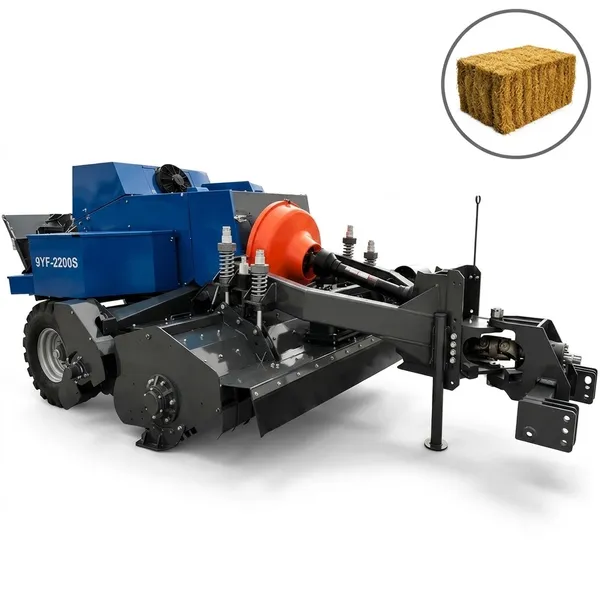
9YF-2200S — स्टोवर के लिए प्राथमिक अनुशंसा
हैमर-क्लॉ पिकअप वाला सिंगल-श्रेडर मॉडल गंभीर मक्का के भूसे की गांठें बनाने के लिए शुरुआती स्तर का उपकरण है। हैमर-क्लॉ टाइन फैले हुए भूसे को तेज़ी से उठाते हैं; एकीकृत श्रेडर भूसे को 5-15 सेमी के एकसमान कण आकार में संसाधित करता है, इससे पहले कि वह अंदर प्रवेश करे। 2200S पर टचस्क्रीन घनत्व नियंत्रण विभिन्न नमी स्तरों पर भूसे के बदलते घनत्व गुणों के लिए सटीक समायोजन की अनुमति देता है। आवश्यक HP: न्यूनतम 99HP।
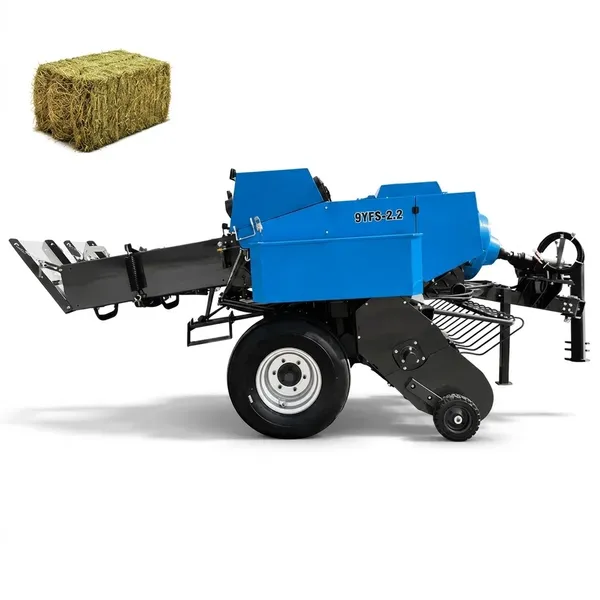
9YFS-2.2 — स्टोवर का अधिकतम प्रदर्शन
फैन सिस्टम वाला ड्यूल-श्रेडर मॉडल अधिक मात्रा में भूसे के प्रसंस्करण के लिए सबसे संपूर्ण समाधान प्रदान करता है। ड्यूल-श्रेडर चरण भूसे को और भी छोटे और एकसमान कणों में संसाधित करता है, और फैन सिस्टम बारीक मिट्टी के कणों और धूल को हटा देता है जो भारी कंबाइन भूसे में अक्सर पाए जाते हैं। जैव ऊर्जा या मशरूम सब्सट्रेट बाजारों के लिए जहां नमी नियंत्रण और संदूषण संबंधी विनिर्देश सख्त हैं, 9YFS-2.2 भूसे के प्रसंस्करण में सिंगल-श्रेडर मॉडल से लगातार बेहतर प्रदर्शन करता है।
मक्का की कटाई के बाद गांठें बनाने का सबसे उपयुक्त समय
मक्के के भूसे की गांठें बनाने के लिए कटाई का समय दो परस्पर विरोधी कारकों द्वारा निर्धारित होता है: कंबाइन हार्वेस्ट के बाद भूसे की नमी का गांठें बनाने की सीमा (15-25%) तक गिर जाना; और मिट्टी की स्थिति का गांठें बनाने वाली मशीनरी के लिए पर्याप्त रूप से मजबूत रहना, बिना अत्यधिक संघनन या गड्ढों के नुकसान के।
| कटाई के बाद के दिन |
सामान्य स्टोवर नमी |
गांठ बनाने की उपयुक्तता |
| 0-2 दिन (कटाई के तुरंत बाद) |
35–501टीपी5टी |
बहुत अधिक गीला होने पर गांठों में फफूंदी लग जाएगी |
| 3-7 दिन |
25–351टीपी5टी |
केवल बिस्तरों के लिए उपयुक्त, चारे के लिए परिरक्षक युक्त। |
| 7-14 दिन (मानक अवधि) |
15–251टीपी5टी |
सभी बाजारों के लिए सर्वोत्तम |
| 14-21 दिन |
12–181टीपी5टी |
स्वीकार्य है, लेकिन गांठों का जुड़ाव कम होने लगता है। |
| 21+ दिन |
12% से नीचे |
बहुत सूखा होने के कारण - जुड़ाव कमजोर होता है, धूल अधिक उड़ती है, गांठें टूट जाती हैं |
व्यवहार में, कॉर्न बेल्ट (इलिनॉय, आयोवा, इंडियाना, ओहियो) में भूसे की गांठें बनाने का सबसे अच्छा समय सामान्य अक्टूबर-नवंबर मौसम वाले वर्ष में कटाई के बाद 7-14 दिन होता है। अक्टूबर के अंत में पड़ने वाले पाले के बाद, हवा और तापमान के आधार पर भूसे की नमी 4-6 दिनों में 35% से गिरकर 18% तक हो सकती है। खेत में प्रोब मीटर से भूसे की नमी की निगरानी करें - गांठें बनाना कब शुरू करना है, इसका महत्वपूर्ण निर्णय कैलेंडर दिनों की तुलना में माप द्वारा अधिक सटीक रूप से लिया जा सकता है, क्योंकि कैलेंडर दिनों की संख्या मौसम की स्थिति के अनुसार हर साल बदलती रहती है।
नमी के लक्ष्य और गांठों का सामंजस्य
बहुत गीला — 28% से ऊपर
गांठें अत्यधिक गर्म हो जाती हैं और भंडारण के 7-14 दिनों के भीतर उनमें फफूंदी लग जाती है। गांठों की बाहरी सतह पर सफेद, नीली या काली फफूंदी फैल जाती है। यदि ये ताज़ी हों तो ही इन्हें ढककर बिछाने के लिए उपयुक्त हैं; इस नमी की मात्रा पर ये पशुओं के चारे या जैव ऊर्जा बाजारों के लिए उपयुक्त नहीं हैं।
इष्टतम — 16–24%
भूसा लचीला होता है, बेलर में आसानी से चला जाता है और अच्छी तरह से बंध जाता है। गांठें अपना आकार अच्छी तरह बनाए रखती हैं। सुरक्षित भंडारण में फफूंद लगने का खतरा न्यूनतम होता है। सभी बाजारों के लिए उपयुक्त। जैव ऊर्जा खरीदार अक्सर इस श्रेणी के ऊपरी सिरे (20–24%) को पसंद करते हैं, जिसे कटाई के बाद की अवधि में आसानी से प्राप्त किया जा सकता है।
बहुत सूखा — 13% से नीचे
भूसा भंगुर होता है। फीडर और प्लंजर की क्रिया से डंठल टुकड़े-टुकड़े हो जाते हैं। धूल अधिक उत्पन्न होती है। गांठों का जुड़ाव कमजोर होता है - बांधने के बाद गांठें ढीली पड़ जाती हैं और संभालने के दौरान बिखर जाती हैं। भंडारण में गांठों की सतह की मजबूती कम हो जाती है।
20% से अधिक नमी वाले और दीर्घकालिक भंडारण के लिए तैयार किए गए भूसे के गट्ठों के लिए: गट्ठों को पैलेट पर या ऊँची जगह पर रखें और हवा के प्रवाह के लिए गट्ठों के बीच 50 सेमी की दूरी रखें। 20% से अधिक नमी वाले भूसे के गट्ठों को 4 परतों से अधिक ऊँचा न रखें - भीतरी गट्ठे को इन्सुलेट करने वाली बाहरी गट्ठर परत से उत्पन्न आंतरिक ताप 55°C से अधिक तापमान तक पहुँच सकता है और अत्यधिक घने, उच्च-नमी वाले भूसे के गट्ठों में आग लगने का खतरा पैदा कर सकता है। अत्यधिक आंतरिक ताप के कारण भूसे के गट्ठों में आग लग चुकी है - यह खतरा वास्तविक है और गट्ठों को रखने से पहले नमी प्रबंधन आवश्यक है।
कॉर्न स्टोवर बेलिंग में रुकावट को रोकना
रोकथाम 1
प्रत्येक खेत के खंड में भूसे के घनत्व और कण की लंबाई के अनुसार आगे बढ़ने की गति को समायोजित करें। जिन हिस्सों में कंबाइन मशीन ने भूसे को बारीक काट दिया है (छोटे डंठल वाले टुकड़े), उन्हें 4-6 किमी/घंटा की गति से गठ्ठियों में बांधा जा सकता है। लंबे, कम कटे हुए भूसे वाले हिस्सों के लिए 3-4 किमी/घंटा की गति आवश्यक है ताकि श्रेडर को इनलेट तक पहुंचने से पहले लंबे टुकड़ों को संसाधित करने के लिए पर्याप्त समय मिल सके। खेत में गति को नियंत्रित करना, श्रेडर मॉडल में भी, रुकावटों को रोकने का मुख्य उपाय है।
रोकथाम 2
यदि भूसा असमान रूप से वितरित हो तो गांठें बनाने से पहले भूसे को पंक्तियों में इकट्ठा कर लें। संकीर्ण पंक्ति वाले अटैचमेंट के साथ कंबाइन मशीनें पट्टी-वितरित भूसा उत्पन्न करती हैं जो कटाई पट्टी में सघन होता है और पंक्तियों के बीच अनुपस्थित होता है। एक समान विंडरो (75-80% पिकअप चौड़ाई) में रेकिंग करने से फीडर लोडिंग की स्थिरता में सुधार होता है और घनत्व में अचानक होने वाली वृद्धि को कम करता है जो रुकावट का कारण बनती है।
रोकथाम 3
गांठें बनाने के लिए कंबाइन चॉपर की सेटिंग्स को समायोजित करें। यदि खेत में गठ्ठे बनाने हों, तो कंबाइन ऑपरेटर को चॉपर को डंठल काटने की अधिकतम लंबाई पर सेट करने का निर्देश दें — श्रेडर बेलर के लिए 5-10 सेमी के टुकड़े आदर्श होते हैं। कंबाइन चॉपर की लंबी सेटिंग (15-25 सेमी), जो तब उपयुक्त होती है जब भूसा मिट्टी में मिलाने के लिए खेत में ही छोड़ दिया जाता है, उससे रुकावट पैदा होती है जिससे मशीन जाम हो जाती है।
रोकथाम 4
स्टोवर सेशन के दौरान पीटीओ को पूरे 540 आरपीएम पर रखें। पुआल को बारीक पीसने के लिए पीटीओ की पूरी गति आवश्यक है — श्रेडर तंत्र 500 आरपीएम से कम गति पर अपनी कार्यक्षमता खो देता है और पीसने के बजाय आपस में उलझने लगता है। यदि ट्रैक्टर पुआल के अधिक भार वाले हिस्सों के दौरान 540 आरपीएम बनाए नहीं रख पाता है, तो पीटीओ की गति कम होने देने के बजाय आगे की गति कम कर दें।
मिट्टी के संघनन और पोषक तत्वों के निष्कासन संबंधी विचार
मिट्टी के संघनन का जोखिम
मक्के के भूसे की गांठें बनाने से उन खेतों में मशीनों की आवाजाही बढ़ जाती है जहां पहले से ही कंबाइन मशीनें चल चुकी होती हैं। गीली शरद ऋतु में - जो कटाई के समय मध्य कॉर्न बेल्ट में आम है - अतिरिक्त मशीनरी आवाजाही से ऊपरी 20-30 सेंटीमीटर परत में मिट्टी का काफी संघनन हो जाता है। चिकनी मिट्टी और गाद-चिकनी मिट्टी विशेष रूप से प्रभावित होती हैं।
सर्वोत्तम अभ्यास: केवल तभी गांठें बनाएं जब मिट्टी में स्पष्ट गड्ढे न हों और उपकरण आसानी से चल सकें। 50 मिमी से अधिक गहरे गड्ढे यह संकेत देते हैं कि मिट्टी में नमी उपकरण के सुरक्षित संचालन और अतिरिक्त संघनन के लिए बहुत अधिक है। गांठें बनाने का काम तब तक रोकें जब तक खेत की मिट्टी अच्छी तरह से जम न जाए - अक्टूबर की सामान्य परिस्थितियों में, कटाई के बाद 2-3 दिन की बारिश आमतौर पर मिट्टी को गांठें बनाने वाले उपकरणों के लिए पर्याप्त रूप से मजबूत करने के लिए पर्याप्त होती है।
पोषक तत्वों का निष्कासन
खेत से निकाले गए प्रत्येक टन सूखे मक्के के भूसे के साथ लगभग 7-8 किलोग्राम नाइट्रोजन, 1.5-2 किलोग्राम फॉस्फोरस पेंटोक्साइड और 15-20 किलोग्राम पोटेशियम ऑक्साइड की कमी हो जाती है - साथ ही वह कार्बनिक पदार्थ भी जो भूसे ने मिट्टी की सतह में मिलाया होता। यदि भूसे को नियमित रूप से निकाला जाता है, तो अगली फसल के वर्षों में उर्वरक के प्रयोग से इन पोषक तत्वों की भरपाई करनी होगी। अधिकांश विश्वविद्यालय विस्तार कृषि वैज्ञानिकों की सामान्य सलाह यह है कि मिट्टी में कार्बनिक पदार्थ को बनाए रखने और पोषक तत्वों की कमी को सीमित करने के लिए 50 टन से अधिक भूसा न निकालें। क्षतिपूर्ति कार्बनिक पदार्थ डाले बिना अधिकांश कॉर्न बेल्ट की मिट्टी पर प्रति वर्ष 100 टन भूसा निकालना कृषि की दृष्टि से संभव नहीं है।
पोषक तत्व प्रतिस्थापन दिशानिर्देश
20 किलोग्राम शुष्क भार (20 टन शुष्क भूसा) वाले प्रत्येक 1,000 गांठों के लिए, अगले वर्ष की उर्वरक योजना में लगभग 140-160 किलोग्राम नाइट्रोजन, 30-40 किलोग्राम फास्फोरस और 300-400 किलोग्राम पोटेशियम (K2O) की प्रतिस्थापन लागत का बजट बनाएं। इस पैमाने पर वार्षिक रूप से भूसा निकालने वाले कार्यों के लिए, भूसा की गांठें बनाने से प्राप्त वास्तविक शुद्ध लाभ का निर्धारण करने के लिए पोषक तत्वों की प्रतिस्थापन लागत को भूसे के मूल्य की गणना में शामिल किया जाना चाहिए।
गांठों के घनत्व के लक्ष्य और भंडारण
| बाज़ार |
लक्ष्य वजन |
भंडारण आवश्यकता |
| पशुओं के लिए बिस्तर |
20–28 किलोग्राम |
यदि गांठ बनाते समय नमी का स्तर 20% से कम था, तो इसे तिरपाल से ढके पैलेटों पर बाहर रखा जा सकता है। 6 महीने के भीतर उपयोग करें। |
| पशुओं का चारा |
22–28 किलोग्राम |
सूखे स्थान पर भंडारण आवश्यक है। गांठ बनाते समय नमी का स्तर 18% से कम होना चाहिए ताकि फफूंद लगने का खतरा न हो। 12 महीनों के भीतर पशुओं को खिलाएं। |
| बायोएनर्जी फीडस्टॉक |
26–35 किलोग्राम |
अधिकतम घनत्व। यदि गांठ बनाते समय वजन 20% से कम हो तो इसे खुले में ढेर के रूप में संग्रहित किया जा सकता है। खरीदार आमतौर पर पिकअप का समय निर्धारित करता है। |
| मशरूम सब्सट्रेट |
20–26 किलोग्राम |
सूखे, ढके हुए स्थान पर भंडारण आवश्यक है। मिट्टी का कोई संदूषण नहीं होना चाहिए। खरीदार की विशिष्टताएँ भिन्न हो सकती हैं - गांठें बनाने से पहले पुष्टि कर लें। |
सभी प्रकार के भूसे के गट्ठों के भंडारण के लिए: उन्हें पैलेट या लकड़ी के स्टैंड पर कम से कम 100 मिमी की ऊंचाई पर रखें। भूसे के गट्ठों को सीधे मिट्टी या कंक्रीट पर न रखें — नमी ऊपर की ओर गट्ठे में रिसकर फफूंद पैदा कर देती है जो धीरे-धीरे पूरे गट्ठे में फैल जाती है। तिरपाल के बिना खुले में रखे भूसे के गट्ठों में बारिश, बर्फ जमने और पिघलने के चक्र और सूर्य की किरणों के संपर्क में आने से ऊपरी सतह के क्षरण के कारण एक सर्दी में 15–251 टन शुष्क पदार्थ नष्ट हो जाता है — तिरपाल से ढकने पर यह नुकसान 3–81 टन तक कम हो जाता है।
स्टोवर बेलिंग के लिए पीटीओ और ड्राइव संबंधी आवश्यकताएँ
श्रेडर मॉडल से स्टोवर बेलिंग करने पर हे बेलिंग की तुलना में पीटीओ पर अधिक निरंतर भार पड़ता है — श्रेडर तंत्र को आने वाले डंठल सामग्री को संसाधित करने के लिए निरंतर बिजली की आवश्यकता होती है। इस उच्च निरंतर भार के तहत पीटीओ ड्राइवशाफ्ट के सीवी जोड़ों का निरीक्षण प्रत्येक स्टोवर सीजन से पहले और प्रत्येक सत्र में ग्रीसिंग के बाद आवश्यक है। पूर्ण विनिर्देश: पीटीओ ड्राइवशाफ्ट और सीवी जॉइंट साइजिंग गाइड.
अक्सर पूछे जाने वाले प्रश्न — मक्का के डंठल की गांठें बनाना
क्या मैं स्टैंडर्ड स्प्रिंग-टूथ पिकअप बेलर से मक्के के भूसे की गांठें बना सकता हूँ?+
एक मानक स्प्रिंग-टूथ पिकअप बेलर अनुकूल परिस्थितियों में मक्के के भूसे की गांठें बना सकता है — विशेष रूप से तब जब कंबाइन चॉपर ने भूसे को बहुत छोटे टुकड़ों (8 सेमी से कम) में काट दिया हो, जब नमी 18–22% की इष्टतम सीमा में हो, और जब आगे बढ़ने की गति बहुत कम (2.5–3.5 किमी/घंटा) रखी जाए। इन परिस्थितियों में, अनुभवी ऑपरेटर मानक बेलरों से स्वीकार्य परिणाम प्राप्त करते हैं। हालांकि: प्लगिंग दर श्रेडर मॉडल की तुलना में काफी अधिक होती है, आवश्यक कम गति के कारण उत्पादकता काफी कम होती है, और गांठों के घनत्व में एकरूपता नहीं होती है। पूरे सीज़न के संचालन के एक छोटे से हिस्से के रूप में कभी-कभार भूसे की गांठें बनाने के लिए, ऑपरेटर के धैर्य और उपरोक्त परिस्थितियों पर ध्यान देने के साथ एक मानक स्प्रिंग-टूथ मॉडल का उपयोग किया जा सकता है। भूसे की गांठें बनाना प्राथमिक या महत्वपूर्ण राजस्व गतिविधि होने पर, उत्पादकता और विश्वसनीयता में अंतर के कारण श्रेडर मॉडल में निवेश करना उचित है।
जब मैं अपने मक्के के भूसे के गट्ठों को हिलाने की कोशिश करता हूँ तो वे क्यों बिखर जाते हैं?+
हैंडलिंग के दौरान जो स्टोवर बेलें टूट जाती हैं, वे लगभग हमेशा 13% से कम नमी पर बनाई जाती हैं — इतनी कम नमी पर कि स्टोवर के कण आपस में गुंथ नहीं पाते और रस्सी के तनाव के कारण बेल की संरचना को सहारा नहीं दे पाते। इस नमी के स्तर पर, स्टोवर के डंठल पूरी तरह से कठोर और भंगुर हो जाते हैं, और दबाने पर उनमें रेशों का कोई जुड़ाव नहीं होता। जब तक रस्सी बंधी रहती है, बेल अपना आकार बनाए रखती है, लेकिन रस्सी काटने या बेल को ज़ोर से संभालने पर तुरंत ढीली हो जाती है। इसका उपाय: 16–22% नमी पर बेलें बनाएं। यदि आप बेलें बनाने के समय लगातार स्टोवर को बहुत सूखा पाते हैं — 12% से कम — तो आप कटाई के बाद बहुत देर से आ रहे हैं। बेलें बनाने का समय पहले कर दें ताकि 16–22% नमी का स्तर मिल सके, जो आमतौर पर अधिकांश वर्षों में कटाई के 7-12 दिन बाद होता है। गांठों के ढीले होने का दूसरा कारण: गांठ बांधने वाले की गलत तरीके से गांठ बांधना जिससे एक रस्सी खुली रह जाती है - गांठ खेत में तो सही-सलामत दिखती है लेकिन बंधी हुई रस्सी के खिंचने और खुली हुई तरफ के फैलने पर ढीली हो जाती है।
मैं प्रति वर्ष खेत से कितनी मात्रा में भूसा सुरक्षित रूप से हटा सकता हूँ?+
अधिकांश विश्वविद्यालय विस्तार कृषि विज्ञानी मिट्टी में कार्बनिक पदार्थ का स्तर बनाए रखने के लिए प्रतिवर्ष 25 से 50 टन से अधिक ऊपरी भूसा न हटाने की सलाह देते हैं। इस सीमा का निचला स्तर (25 टन) कटाव-प्रवण खेतों, गहन जुताई वाले खेतों या प्राकृतिक रूप से कम कार्बनिक पदार्थ वाले खेतों के लिए उपयुक्त है। 50 टन भूसा हटाने पर, हटाए गए नाइट्रोजन, फास्फोरस और पोटेशियम की भरपाई के लिए उर्वरक के माध्यम से पोषक तत्वों की पूर्ति आवश्यक है। क्षतिपूर्ति के लिए कार्बनिक पदार्थ डाले बिना 100 टन भूसा पूरी तरह से हटाने से अधिकांश कॉर्न बेल्ट की मिट्टी में 3-5 वर्षों के भीतर मिट्टी के कार्बनिक पदार्थ में उल्लेखनीय कमी आ जाती है। व्यावहारिक मार्गदर्शन: एक सामान्य 200 बुशेल मक्का के खेत में, जो प्रति हेक्टेयर लगभग 12 टन सूखा भूसा पैदा करता है, 50 टन भूसा हटाने का अर्थ है प्रति हेक्टेयर 6 टन की गांठें बनाना। 20 किलो की गांठों के हिसाब से, यह प्रति हेक्टेयर 300 गांठें होती हैं। यदि आपकी गांठ बनाने की योजना में प्रति हेक्टेयर इससे अधिक की आवश्यकता है, तो कृषि संबंधी लागत को आर्थिक गणना में शामिल करें।
क्या गांठें बनाने से पहले मुझे भूसे को इकट्ठा करना होगा?+
अधिकांश परिस्थितियों में, रेकिंग से पुआल की गांठें बनाने की दक्षता में सुधार होता है — विशेष रूप से तब जब कंबाइन मशीन पुआल को हेडर की पूरी चौड़ाई में फैला देती है, बजाय इसके कि उसे मशीन के पीछे एक संकीर्ण ढेर में इकट्ठा कर दे। पुआल का एक चौड़ा, पतला वितरण कुशलतापूर्वक उठाना मुश्किल होता है और इससे फीडर में असमान लोडिंग होती है क्योंकि पिकअप बारी-बारी से घनी और विरल सामग्री से टकराता है। 70–80 टन की पिकअप चौड़ाई पर ढेर बनाकर रेकिंग करने से सामग्री का प्रवाह सामान्य हो जाता है और घनत्व में स्थिरता आती है। रेकिंग की लागत एक अतिरिक्त खेत चक्कर है — जिससे मिट्टी के संघनन की चिंता बढ़ जाती है। यदि मिट्टी मजबूत है और खेत एक चक्कर सहन कर सकता है, तो सर्वोत्तम परिणामों के लिए रेकिंग और गांठें बनाना बेहतर है। यदि मिट्टी कमजोर है और संघनन का जोखिम अधिक है, तो अतिरिक्त रेकिंग से होने वाले मिट्टी के नुकसान की तुलना में बिना रेकिंग के सीधे पिकअप करना बेहतर है।
क्या मैं सर्दियों के दौरान बिना किसी पूरक आहार के मवेशियों के चारे के रूप में मक्के के डंठल की गांठों का उपयोग कर सकता हूँ?+
केवल मक्के का भूसा पशुओं के संपूर्ण आहार के लिए अपर्याप्त है, लेकिन प्रोटीन और ऊर्जा के साथ पूरक आहार के रूप में 30–401 TP 5T कुल शुष्क पदार्थ की मात्रा के साथ यह उपयुक्त चारा है। मक्के के भूसे की पोषक संरचना: लगभग 5–71 TP 5T कच्चा प्रोटीन, 55–651 TP 5T TDN, 35–421 TP 5T ADF। यह प्रोफाइल सूखी गायों, धीरे-धीरे बढ़ने वाले बछड़ों या प्रजनन काल के अलावा परिपक्व सांडों के लिए पर्याप्त है, जब उन्हें प्रति पशु प्रति दिन 1–2 किलोग्राम 30–401 TP 5T कच्चे प्रोटीन का पूरक आहार दिया जाता है और उन्हें अपनी इच्छानुसार खनिज पदार्थ उपलब्ध कराए जाते हैं। यह दुधारू गायों, तेजी से बढ़ने वाले पशुओं या प्रजनन के मौसम में सांडों के लिए एकमात्र चारा नहीं है - इन पशुओं को केवल भूसे से मिलने वाले प्रोटीन और ऊर्जा से अधिक की आवश्यकता होती है। कई गाय-बछड़ा पालन केंद्र सूखी गायों के लिए सर्दियों में मुख्य चारे के स्रोत के रूप में भूसे का सफलतापूर्वक उपयोग करते हैं, साथ ही उन्हें मक्के के भूसे के चरागाह तक पहुंच या खरीदे गए प्रोटीन ब्लॉक पूरक के रूप में प्रदान करते हैं।
भूसे की गांठों को बांधने के लिए मुझे कौन सी रस्सी का इस्तेमाल करना चाहिए - क्या वही रस्सी इस्तेमाल करनी चाहिए जो घास के लिए होती है?+
110-130 किलोग्राम गाँठ की मजबूती वाली मानक पॉलीप्रोपाइलीन डोरी 20-28 किलोग्राम के भूसे के गट्ठों के लिए उपयुक्त है। जैव ऊर्जा बाजारों के लिए 28-35 किलोग्राम के गट्ठे बनाने के लिए अधिकतम घनत्व सेटिंग्स पर, 140-160 किलोग्राम की मजबूती वाली डोरी का उपयोग करें - संपीड़ित घने भूसे के गट्ठे से उत्पन्न उच्च निष्कासन बल निष्कासन चक्र के चरम भार पर हल्की डोरी की सुरक्षित कार्य सीमा से अधिक हो सकता है। भूसा, घास की तुलना में डोरी के लिए अधिक घर्षणकारी होता है - सिलिका युक्त कटे हुए डंठल की सतह संपीड़न के दौरान डोरी के रेशों को थोड़ा घर्षण कर सकती है। भूसे के गट्ठे बनाने के लिए खुली रील के बजाय सीलबंद रील बैग से डोरी का उपयोग करें - कटाई के बाद खेत की धूल और भूसे के भूसे से रील को सुरक्षित रखने से गट्ठे बनाने के दौरान रील की बाहरी सतह पर घर्षणकारी धूल जमा होने से डोरी की सतह समय से पहले कमजोर नहीं होती है।
कॉर्न बेल्ट में मक्के के भूसे की गांठों का प्रति टन मूल्य क्या है?+
क्षेत्र और बाजार के अनुसार मक्के के भूसे की गांठों की कीमतों में काफी अंतर होता है। 2024-2025 के लिए एक मोटे अनुमान के अनुसार: बिछाने योग्य भूसे (किसी भी नमी, किसी भी घनत्व) का व्यापार आमतौर पर मध्य कॉर्न बेल्ट में $25–$45 प्रति शुष्क टन के बराबर होता है — 80% शुष्क द्रव्य वाले 20 किलोग्राम की गांठ के लिए, यह $0.40–$0.72 प्रति गांठ के बराबर है। चारे के लिए उपयुक्त भूसे (20% से कम नमी, एक समान घनत्व) का व्यापार $35–$60 प्रति शुष्क टन के बराबर होता है — समान मापदंडों पर $0.56–$0.96 प्रति गांठ के बराबर। जैव ऊर्जा अनुबंध मूल्य, जहां वे मौजूद हैं, आमतौर पर $35–$55 प्रति शुष्क टन वितरित के बराबर होते हैं। शुद्ध लाभ निर्धारित करने के लिए इन कीमतों की तुलना गांठ बनाने की पूरी लागत (ईंधन, रस्सी, श्रम, मशीन का मूल्यह्रास, पोषक तत्वों का प्रतिस्थापन) से की जानी चाहिए। अधिकांश कॉर्न बेल्ट परिदृश्यों में, कम दूरी पर बिछाई जाने वाली भूसी से लाभ लाभ-मुक्त से अधिक होता है; वर्तमान अनुबंधित कीमतों पर लंबी दूरी पर बायोएनर्जी भूसी का लाभ परिवहन लागत के आधार पर नगण्य होता है।
क्या मक्के के डंठलों की गांठों को पूरी सर्दी भर बाहर रखा जा सकता है?+
यदि भूसे की गांठों में नमी का स्तर 20°C से कम हो, तो उन्हें तिरपाल से ढककर खुले में रखा जा सकता है। तिरपाल के बिना, सर्दियों में खुले में रखने से बारिश के पानी के अवशोषण, जमने और पिघलने से सतह पर दरारें पड़ने और धूप से भूसे की सतह के खराब होने के कारण गांठ की बाहरी परत से 15-25°C शुष्क पदार्थ की हानि होती है। यह हानि पोषक तत्वों और गांठ के भौतिक वजन दोनों को दर्शाती है। सही ढंग से लगाए गए हवादार तिरपाल से शुष्क पदार्थ की हानि 3-8°C तक कम हो जाती है। भूसे की गांठों को पैलेट या लकड़ी के स्टैंड पर रखें, तिरपाल को जमीन तक पूरी तरह ढकें और हवा से बचाने के लिए बांध दें। जहां बहुत अधिक बर्फबारी होती है, वहां सुनिश्चित करें कि ढेर बर्फ की अधिकतम संभावित गहराई को सहन कर सके। भूसे की गांठें बर्फ के भार के नीचे घास की गांठों की तुलना में काफी अधिक दब जाती हैं, जिससे भारी बर्फबारी वाली सर्दियों में ढेर झुक सकता है या गिर सकता है। जैव ऊर्जा बाजार में आपूर्ति के लिए, जिसमें डिलीवरी के समय विशिष्ट नमी की आवश्यकता होती है: तिरपाल से ढककर रखें और डिलीवरी से पहले गांठों की नमी को फिर से मापें - सर्दियों में खुले में भंडारण करने से आमतौर पर गांठ बनाने के समय की नमी 2-51 TP5T तक कम हो जाती है, जिससे सीमा रेखा पर मौजूद उच्च नमी वाली गांठें वसंत तक स्वीकार्य डिलीवरी सीमा में आ सकती हैं।
अपने स्टोवर ऑपरेशन के लिए सही बेलर प्राप्त करें
मक्के के भूसे की गांठें बनाने के लिए, 9YF-2200S या 9YFS-2.2 श्रेडर मॉडल सही उपकरण विकल्प हैं। हमें अपने भूसे की मात्रा, लक्षित बाजार और ट्रैक्टर की हॉर्सपावर बताएं, हम आपको सही मॉडल और विशिष्टताओं की पुष्टि करेंगे।
संपादक: सीएक्सएम