
Pasal 179 dari Kode Pendapatan Internal adalah salah satu ketentuan yang paling menguntungkan petani dalam hukum pajak AS. Ketentuan ini memungkinkan bisnis untuk mengurangi seluruh biaya pembelian peralatan yang memenuhi syarat — termasuk mesin pengepak jerami, mesin pemotong rumput, penggaruk, mesin pengering rumput, dan peralatan pakan ternak lainnya — pada tahun peralatan tersebut mulai digunakan, daripada memulihkan biaya tersebut selama jadwal penyusutan MACRS 7 tahun yang seharusnya berlaku. Bagi petani dan operator jasa yang membiayai pembelian peralatan, pengurangan di muka ini dapat menghasilkan penghematan pajak langsung yang secara efektif mengurangi biaya bersih setelah pembiayaan untuk peralatan baru pada tahun pembelian.
Apa Itu Pasal 179 dan Mengapa Penting bagi Pembeli Peralatan
Tanpa Pasal 179, mesin pengepres jerami $45.000 yang dibeli pada tahun 2026 akan disusutkan berdasarkan jadwal MACRS 7 tahun: kira-kira $6.400 pada tahun ke-1, $11.000 pada tahun ke-2, $7.900 pada tahun ke-3, dan seterusnya. Biaya penuh $45.000 pada akhirnya akan dipulihkan — tetapi manfaat pajaknya tersebar selama 7 tahun, memberikan pengurangan kecil di setiap tahun tersebut daripada pengurangan besar pada tahun pembelian.
Pasal 179 memungkinkan petani untuk memilih untuk membebankan seluruh $45.000 pada tahun pertama. Jika pertanian tersebut berada dalam kelompok pajak penghasilan federal 24%, pengurangan langsung sebesar $45.000 menghasilkan penghematan pajak sebesar $10.800 pada tahun pembelian — uang yang seharusnya dibayarkan pada bulan April. Konsekuensinya adalah tidak ada lagi pengurangan penyusutan yang tersedia pada tahun ke-2 hingga ke-7, karena seluruh biaya pokok telah dibebankan pada tahun pertama. Total manfaat pajak selama masa pakai peralatan tetap sama, baik dengan cara apa pun — Pasal 179 hanya memindahkan sebagian besar manfaat tersebut ke tahun pertama ketika arus kas keluar untuk peralatan tersebut paling tinggi.
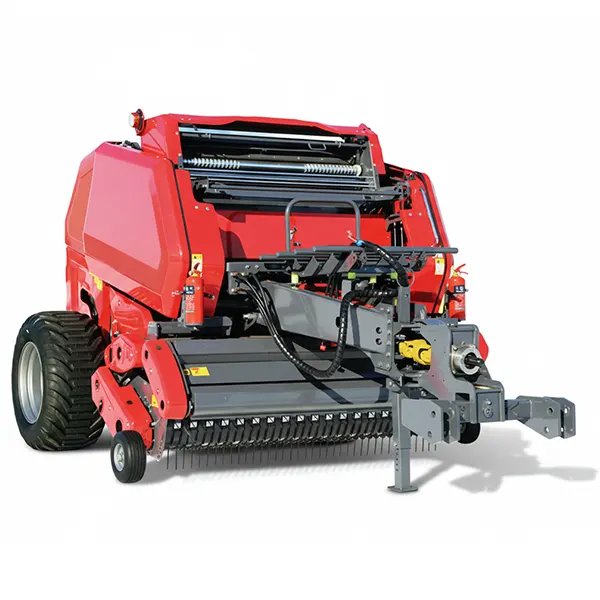
Peralatan Jerami dan Pakan Ternak Mana yang Memenuhi Syarat untuk Bagian 179 pada Tahun 2026?
Sebagian besar harta benda pribadi berwujud yang digunakan dalam usaha pertanian memenuhi syarat untuk Pasal 179. Untuk usaha jerami dan pakan ternak, ini termasuk:
Mesin pengepak jerami bundar, mesin pengepak jerami persegi besar, dan kombinasi mesin pengepak dan pembungkus silase yang digunakan dalam usaha pertanian memenuhi syarat sebagai harta benda Bagian 179. Mesin pemotong cakram, mesin pemotong sabit, mesin pemotong dan pengondisi, penggaruk jerami, mesin pengering jerami, dan pengangkut bal jerami semuanya memenuhi syarat sebagai harta benda pribadi berwujud yang digunakan dalam pertanian.
Mesin pemanen kacang merah, mesin penghancur pakan ternak, dan peralatan tanaman khusus lainnya juga memenuhi syarat jika digunakan dalam operasi pertanian yang berorientasi keuntungan. Peralatan tersebut harus baru atau bekas — baik peralatan baru maupun bekas memenuhi syarat untuk Bagian 179 (tidak seperti penyusutan bonus, yang memiliki aturan khusus untuk properti bekas).
Syarat-syarat yang memenuhi syarat adalah: properti tersebut merupakan harta benda pribadi berwujud; digunakan lebih dari 50% untuk tujuan bisnis; mulai digunakan selama tahun pajak; dan bisnis tersebut memiliki pendapatan kena pajak yang cukup untuk menyerap pengurangan tersebut. Ambang batas penggunaan bisnis 50% berarti peralatan yang sebagian digunakan untuk keperluan pribadi (seperti traktor yang kadang-kadang digunakan untuk membersihkan salju pribadi) hanya dapat memenuhi syarat berdasarkan persentase penggunaan bisnisnya.
2026 Batasan Bagian 179 dan Aturan Penyusutan Bonus
Batas pengurangan Pasal 179 untuk tahun pajak 2026 adalah $1.220.000 (diindeks dari basis $500.000 untuk inflasi). Ini berarti usaha pertanian dapat membebankan biaya hingga $1.220.000 untuk peralatan yang memenuhi syarat dalam satu tahun pajak berdasarkan Pasal 179, dengan tunduk pada batasan pendapatan usaha. Pengurangan bertahap dimulai pada $3.050.000 dari total properti yang memenuhi syarat yang mulai digunakan — artinya pengurangan berkurang secara bertahap setelah total peralatan yang mulai digunakan melebihi ambang batas tersebut dalam setahun. Bagi sebagian besar usaha pertanian perorangan yang membeli satu hingga beberapa peralatan, kedua batasan tersebut bukanlah kendala praktis.
Batasan pendapatan usaha merupakan kendala yang mengikat bagi banyak pertanian kecil: Pasal 179 tidak dapat menghasilkan kerugian operasional bersih. Jika usaha pertanian Anda memiliki pendapatan kena pajak sebesar $30.000 dan Anda membeli mesin pengepak jerami seharga $45.000, Anda dapat membebankan $30.000 berdasarkan Pasal 179 (menyerap sepenuhnya pendapatan kena pajak) tetapi harus membawa sisa $15.000 ke tahun-tahun mendatang. Ini berbeda dengan penyusutan bonus, yang dapat menciptakan atau menambah kerugian operasional bersih dan dapat dibawa ke belakang atau ke depan.
Penyusutan bonus pada tahun 2026 beroperasi pada 40% dari basis yang disesuaikan setelah Pasal 179 (turun dari 60% pada tahun 2024 dan secara bertahap menurun setiap tahun menuju 0% pada tahun 2027 berdasarkan hukum saat ini). Penyusutan bonus berlaku untuk basis yang tersisa setelah Pasal 179 dan berlaku secara otomatis kecuali jika bisnis memilih untuk tidak menggunakannya. Kombinasi Pasal 179 dan penyusutan bonus memungkinkan sebagian besar pertanian untuk mengurangi 80% atau lebih dari pembelian peralatan baru pada tahun pembelian berdasarkan aturan tahun 2026 saat ini.
Contoh Perhitungan: Biaya Setelah Pajak pada Tiga Titik Harga Peralatan
Tiga skenario berikut menggambarkan bagaimana Pasal 179 dan penyusutan bonus 40% digabungkan untuk mengurangi biaya efektif peralatan jerami pada tahun pajak 2026. Semua skenario mengasumsikan tarif pajak efektif gabungan federal dan negara bagian 24% dan pendapatan bisnis yang cukup untuk menyerap pengurangan Pasal 179 secara penuh.
| Langkah Perhitungan | Skenario A Mesin pengepak jerami kompak $20.000 |
Skenario B Mesin pengepres jerami kelas menengah $45,000 |
Skenario C Sistem lengkap $85,000 |
|---|---|---|---|
| Harga pembelian peralatan | $20,000 | $45,000 | $85,000 |
| Pengurangan Pasal 179 (pilihan dasar penuh) | $20,000 | $45,000 | $85,000 |
| Penghematan pajak pada tingkat efektif 24% | $4,800 | $10,800 | $20,400 |
| Biaya peralatan bersih setelah pajak | $15,200 | $34,200 | $64,600 |
| Pengurangan harga yang efektif | 24% | 24% | 24% |
Diasumsikan pemilihan penuh Pasal 179 pada peralatan yang digunakan untuk bisnis (100%) dengan pendapatan bisnis yang cukup untuk menyerap pengurangan tersebut. Tarif efektif gabungan 24% bersifat ilustratif — penghematan pajak aktual bergantung pada tarif marginal Anda, kesesuaian negara bagian dengan Pasal 179, dan struktur bisnis. Interaksi penyusutan bonus tidak ditampilkan di atas (berlaku pada sisa dasar jika Pasal 179 penuh tidak dipilih). Konsultasikan dengan profesional pajak untuk situasi spesifik Anda.
Kesimpulan praktisnya cukup jelas: dengan tarif pajak efektif gabungan federal dan negara bagian sebesar 24%, Pasal 179 mengurangi biaya bersih peralatan jerami sekitar $0,24 untuk setiap $1,00 yang dibelanjakan. Untuk kelompok pajak yang lebih tinggi (28 hingga 32%), penghematannya secara proporsional lebih besar. Pengurangan harga efektif inilah yang menyebabkan banyak produsen jerami mengatur waktu pembelian peralatan utama pada tahun-tahun dengan pendapatan kena pajak yang lebih tinggi — semakin tinggi tarif marjinal, semakin berharga pengurangan langsungnya.
Memilih Waktu yang Tepat untuk Pembelian Peralatan Anda guna Mendapatkan Potongan Pajak Maksimal

Persyaratan waktu untuk Pasal 179 adalah bahwa peralatan harus mulai digunakan — artinya tersedia untuk digunakan dalam bisnis — selama tahun pajak di mana pengurangan tersebut diklaim. Untuk pertanian yang menggunakan tahun kalender, ini berarti peralatan yang dibeli dan diterima paling lambat tanggal 31 Desember tahun tersebut memenuhi syarat untuk pengurangan tahun itu, meskipun musim penggunaan pertama dimulai pada tahun berikutnya. Pesanan yang dilakukan pada bulan November dengan pengiriman yang dikonfirmasi paling lambat tanggal 31 Desember memenuhi persyaratan mulai digunakan untuk tahun pajak tersebut dalam sebagian besar kasus.
Pembelian peralatan di akhir tahun untuk mempercepat pengurangan Pasal 179 ke tahun-tahun dengan pendapatan tinggi adalah perencanaan pajak pertanian standar. Jika Anda memproyeksikan pendapatan pertanian yang jauh lebih tinggi pada tahun 2026 daripada tahun 2027 — karena harga tanaman yang lebih tinggi, musim pengemasan jerami yang kuat, atau penjualan lahan — membeli peralatan sebelum 31 Desember dan memilih Pasal 179 akan memaksimalkan nilai pengurangan tersebut ketika tarif marginal Anda paling tinggi.
Strategi sebaliknya juga berlaku: jika Anda memproyeksikan tahun yang merugi atau pendapatan yang jauh lebih rendah, menunda pembelian peralatan ke tahun berikutnya mempertahankan pengurangan pajak untuk tahun ketika Anda memiliki pendapatan yang dapat dilindungi. Pasal 179 tidak dapat menghasilkan kerugian operasional bersih — pengurangan pajak terbatas pada pendapatan kena pajak — sehingga pembelian pada tahun dengan pendapatan mendekati nol atau merugi menghasilkan nilai pajak langsung yang lebih rendah daripada pembelian yang sama pada tahun dengan pendapatan tinggi.
Menggabungkan Pasal 179 dengan Pembiayaan Pertanian
Salah satu aspek yang paling efisien dari segi pajak dalam Pasal 179 adalah bahwa peralatan yang dibiayai memenuhi syarat dengan harga pembelian penuh pada tahun pembelian. Jika Anda membiayai mesin pengepak jerami ($45,000) dengan uang muka $5,000 dan pinjaman peralatan selama 4 tahun untuk sisa $40,000, Anda masih dapat memilih Pasal 179 atas seluruh $45,000 pada tahun pembelian — bukan hanya uang muka $5,000. Penghematan pajak sebesar $10,800 (pada 24%) terealisasi segera, sementara pengeluaran tunai dari sisa $40,000 disebar selama 4 tahun pembayaran pinjaman.
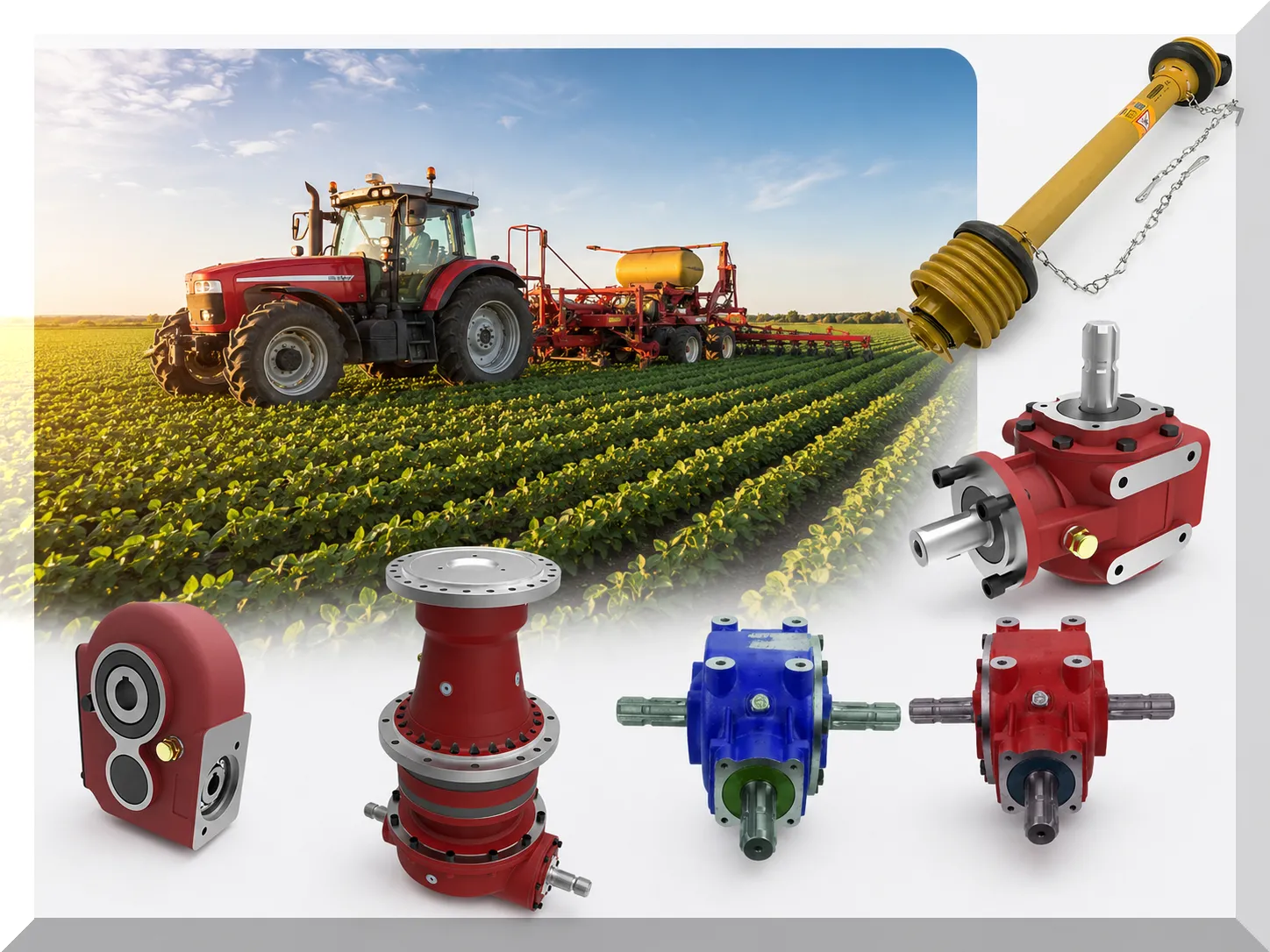
Kombinasi ini — pengurangan penuh langsung pada pembelian yang dibiayai — adalah struktur yang menghasilkan profil arus kas paling menguntungkan untuk pembelian peralatan. Biaya bersih setelah pajak di tahun pertama adalah uang muka ditambah pembayaran pinjaman tahun pertama dikurangi penghematan pajak. Dalam banyak kasus, ini membuat biaya tunai efektif tahun pertama untuk peralatan baru jauh lebih rendah daripada yang ditunjukkan oleh harga pembelian. Peralatan penggerak dan girboks pertanian yang merupakan bagian dari sistem mesin pengepres juga memenuhi syarat secara terpisah sebagai harta benda pribadi berwujud yang memenuhi syarat Pasal 179 dalam sebagian besar skenario pembelian komponen.
Dokumen yang Diperlukan untuk Klaim Pasal 179
Pasal 179 dipilih pada Formulir IRS 4562 (Penyusutan dan Amortisasi), yang diajukan bersama Formulir 1040 Jadwal F (untuk pemilik usaha perseorangan) atau Formulir 1065/1120 (untuk kemitraan atau korporasi). Persyaratan dokumentasi untuk mendukung pemilihan Pasal 179 pada peralatan pertanian adalah:
Faktur pembelian atau surat jual beli yang menunjukkan deskripsi peralatan, harga pembelian, tanggal pembelian, dan informasi penjual. Untuk peralatan yang dibeli, ini adalah faktur komersial standar yang disertakan dengan setiap pembelian peralatan — tidak diperlukan dokumentasi tambahan selain yang biasanya diberikan oleh penjual. Bukti penggunaan bisnis — yang untuk peralatan pertanian yang ditempatkan di alamat pertanian umumnya sudah jelas dan didukung oleh catatan pendapatan pertanian Jadwal F yang menunjukkan penggunaan peralatan jerami dan pakan ternak oleh usaha tersebut. Untuk peralatan dengan penggunaan campuran pribadi dan bisnis, catatan jam penggunaan bisnis dan pribadi yang dibuat pada saat itu mendukung persentase penggunaan bisnis yang diklaim.
Untuk pembelian peralatan dari perusahaan kami, kami menyediakan faktur komersial standar yang berisi deskripsi peralatan, nomor identifikasi kendaraan (VIN) atau nomor seri, harga pembelian, dan tanggal pembelian — semua informasi yang diperlukan untuk mendukung pemilihan Pasal 179 pada laporan pajak Anda. Dokumentasi Pasal 179 disertakan dengan setiap pesanan tanpa biaya tambahan.
Jelajahi jajaran mesin pengepak jerami bundar kami untuk melihat model-model yang tersedia beserta spesifikasi dan harganya yang dapat digunakan oleh profesional pajak Anda untuk perencanaan Pasal 179 terlebih dahulu sebelum keputusan pembelian diselesaikan.

Pertanyaan yang Sering Diajukan
Dokumen Bagian 179 disertakan dengan setiap pesanan peralatan.
Setiap pembelian peralatan dari perusahaan kami disertai dengan faktur komersial yang berisi semua informasi yang dibutuhkan akuntan publik Anda untuk mendukung pemilihan Pasal 179: deskripsi peralatan, nomor seri, harga pembelian, dan tanggal pengiriman. Harga langsung dari pabrik tanpa mark-up dari dealer berarti lebih banyak dari harga pembelian dialokasikan untuk biaya peralatan yang dapat dikurangkan dan lebih sedikit untuk margin perantara.
America Ever-Power Forage Baler Equipment INC. | 1401 21st ST STE R, Sacramento, CA 95811
Editor: Cxm


