
Siapa Sebenarnya yang Membutuhkan Mesin Pengepak Jerami Bundar Mini? Empat Profil Petani
Istilah "mesin pengepak jerami bundar mini" mencakup berbagai macam jenis — mulai dari mesin yang menghasilkan bal jerami seberat 30 pon pada traktor kompak 20 HP hingga model sub-komersial yang menghasilkan bal jerami seberat 400–700 pon pada traktor 35–50 HP. Sebelum membandingkan spesifikasi, pertanyaan yang lebih bermanfaat adalah profil pertanian mana yang sebenarnya mendapat manfaat dari kepemilikan mesin ini. Jawabannya sangat berbeda tergantung pada luas lahan, jenis ternak, dan struktur operasional.
Tenaga Kuda, Berat Traktor, dan Kecepatan PTO: Angka-angka yang Sulit Dicocokkan
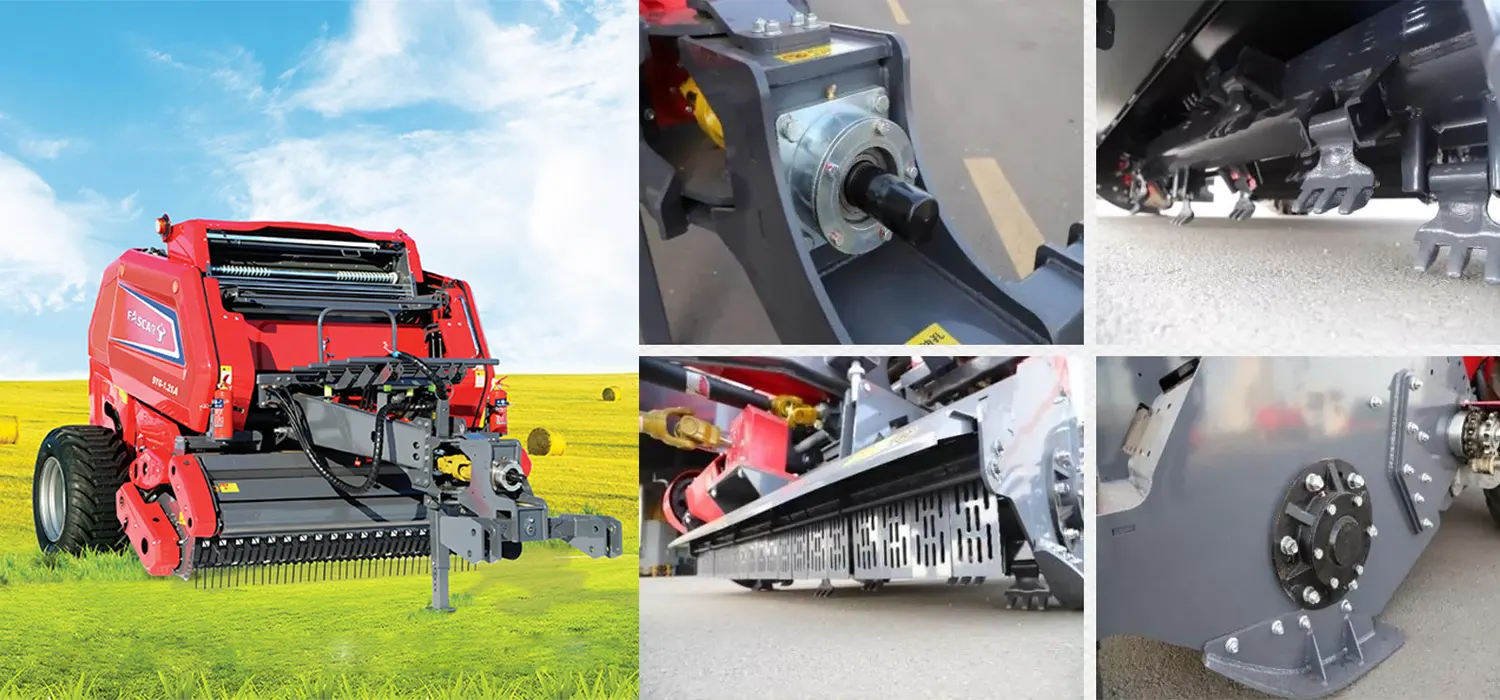
Kesalahan paling mahal dalam pemilihan mesin pengepak jerami untuk pertanian kecil adalah mencocokkan mesin pengepak dengan tenaga kuda mesin traktor, bukan dengan tenaga kuda PTO dan berat operasinya. Kedua spesifikasi ini—bukan angka tenaga kuda mesin pada stiker di kap mesin—menentukan apakah mesin pengepak benar-benar berfungsi dalam kondisi lapangan yang sebenarnya.
| Kelas ukuran mesin pengepak | PTO Minimum HP | Rekomendasi PTO HP | Berat traktor minimum | Hasil bal |
|---|---|---|---|---|
| Mikro (3×3, 2×2 kaki) | 18–22 | 25–30 | 2.400 pon | Balok jerami seberat 30–70 pon; hanya untuk penggunaan rumah tangga/hobi. |
| Kompak (3×4, 4×4 kaki) | 28–38 | 38–50 | 3.500 pon | Balok jerami seberat 400–650 lb; kelas utama untuk pertanian kecil. |
| Komersial ringan (4×5 kaki) | 45–60 | 60–80 | 5.500 pon | Balok jerami seberat 700–900 pon; skala komersial tingkat pemula. |
Daya kuda mesin (HP) dan daya kuda PTO (PTO) berbeda sebesar 10–18% karena kehilangan daya pada sistem penggerak. Traktor dengan daya kuda mesin 40 biasanya menghasilkan daya kuda PTO 33–36 pada porosnya. Mesin pengepak jerami kompak dengan daya kuda minimum 35 HP mengacu pada daya kuda PTO — bukan daya kuda mesin. Selalu bandingkan kebutuhan daya kuda PTO mesin pengepak jerami dengan daya kuda PTO traktor, yang tercantum secara terpisah dalam buku panduan operator dan lembar spesifikasi.
Mesin pengepak jerami kompak pada kompresi puncak menghasilkan daya tarik dan torsi PTO yang besar secara bersamaan. Traktor yang memiliki daya kuda minimum tetapi di bawah berat minimum untuk mesin pengepak jerami akan menyebabkan ban berputar dalam kondisi jerami basah — sehingga tidak mentransfer kapasitas PTO tersebut ke gerakan maju. Berat pemberat (pemberat roda, ban berisi cairan) sama pentingnya dengan daya kuda saat mencocokkan mesin pengepak jerami dengan traktor kompak yang mendekati batas spesifikasi.
Kerangka kerja pencocokan traktor-baler yang lengkap — termasuk kategori pengait, persyaratan aliran hidrolik, dan kecepatan PTO (540 vs 1000 RPM) — terdapat di panduan mencocokkan mesin pengemas jerami bundar dengan traktor.
Model Titik Impas: Pengemasan Jerami Sendiri vs. Jasa Pengemasan Jerami di Bawah 100 Hektar
Ini adalah perhitungan yang paling sering dilewati oleh panduan peralatan — karena terkadang menyimpulkan bahwa membeli bukanlah solusi yang tepat. Model titik impas yang jujur membandingkan biaya kepemilikan peralatan tahunan yang sebenarnya dengan biaya menggunakan kontraktor pengemasan jerami. Keputusan tersebut bergantung pada tiga variabel: volume pengemasan jerami tahunan Anda, tarif pengemasan jerami lokal, dan total biaya kepemilikan peralatan.
Penyusutan ($18.000 ÷ 10 tahun) = $1.800
Estimasi pemeliharaan = $400
Asuransi = $180
Biaya keuangan (6,5%) = ~$620
Total: ~$3,000/tahun
Tingkat tipikal: $8–$14/bal
Dengan harga $11/bal × 300 bal = $3.300/tahun
Dengan harga $11/bal × 250 bal = $2.750/tahun
Titik impas: ~275–300 bal/tahun
Premi jerami kuda: +$0.25–$0.50/bal nilai jual kembali
Untuk 300 bal = +$75–$150 keuntungan tambahan
Pengendalian organik: kualitatif tetapi nyata
Titik impas efektif: ~220–260 bal/tahun
Tarif bervariasi menurut wilayah. Selalu jalankan model ini dengan tarif pengemasan khusus lokal Anda — hubungi 2–3 kontraktor untuk mendapatkan penawaran harga terkini sebelum membeli.
- Jumlah bal tahunan melebihi titik impas sebesar 20%+
- Kontraktor kustom di daerah Anda tidak dapat diandalkan atau sudah penuh dipesan.
- Anda memproduksi jerami kuda premium atau jerami organik.
- Anda ingin mengontrol waktu pengemasan jerami relatif terhadap kondisi cuaca yang tepat.
- Jumlah bal jerami tahunan kurang dari 150–200
- Anda kekurangan traktor yang sesuai di armada Anda.
- Lahan Anda hanya membutuhkan satu kali pemotongan per tahun.
- Modal lebih baik dialokasikan untuk peternakan atau perbaikan lahan.
Analisis ROI lengkap — termasuk perhitungan volume bal, kurva depresiasi, dan perbandingan NPV 5 tahun — ada di dalam panduan analisis investasi ROI mesin pengepres bal bundar.
Keputusan Ukuran Bal untuk Operasi Kecil: 4×4 vs 4×5
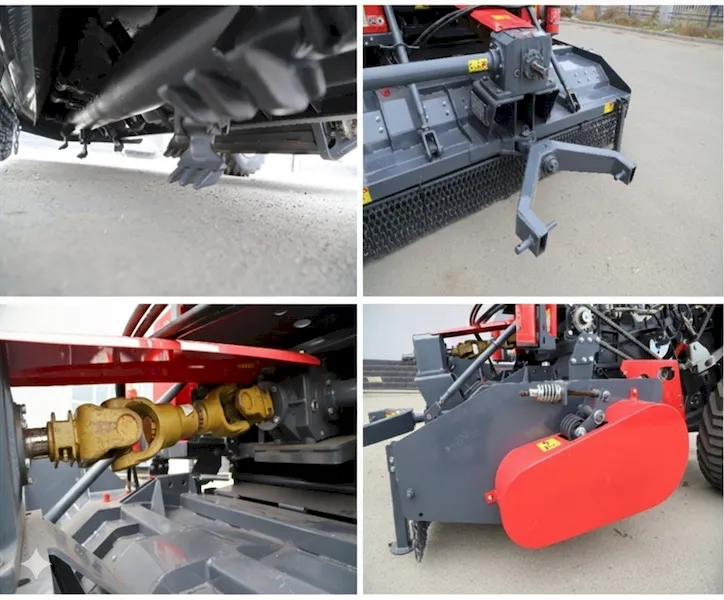
Berat: 400–600 lbs tergantung pada jenis tanaman dan kepadatan. Dapat dikelola dengan loader yang lebih kecil — loader depan dengan kapasitas 900 lbs pada jangkauan penuh dapat menangani kendaraan 4x4 dengan nyaman. Memberi makan secara efisien di tempat pakan standar untuk kuda atau sapi. Membutuhkan tenaga kuda yang lebih sedikit untuk pembentukan (28–40 tenaga kuda PTO sudah cukup). Pilihan yang tepat untuk sebagian besar operasi di bawah 50 hektar dengan traktor kompak dan kelompok ternak kecil (kurang dari 15 ekor).
Berat: 700–900 lbs. Standar untuk penjualan jerami komersial — sebagian besar pembeli jerami, elevator, dan pedagang kuda mengharapkan ukuran 4x5 atau lebih besar. Membutuhkan daya PTO minimal 40–60 HP; loader berkapasitas 1.400+ lbs. Jika tujuan pertanian kecil Anda termasuk menjual jerami secara komersial, konfigurasi 4x5 sepadan dengan kebutuhan daya traktor tambahan karena pembeli akan memberikan penalti pada ukuran bal jerami yang tidak standar dalam hal harga dan kesediaan untuk mengangkut.
Pembungkus Jaring vs Tali pada Volume Rendah: Perhitungannya Berubah pada Skala Kecil
Perdebatan antara jaring pembungkus dan tali pengikat memiliki jawaban yang berbeda untuk operator pertanian kecil dibandingkan dengan operasi komersial. Dengan produksi 300–500 bal per tahun, pertimbangan ekonomi dan operasional bergeser dengan cara yang tidak dibahas oleh sebagian besar panduan skala komersial. Tantangan spesifiknya: gulungan jaring pembungkus dijual dalam jumlah 9.000–12.000 kaki linier — lebih dari yang digunakan oleh operasi produksi 300 bal dalam satu musim penuh dengan cakupan standar 2 putaran. Gulungan yang tidak lengkap akan rusak jika disimpan dengan buruk.
Realita Pemeliharaan untuk Operator Pertanian Kecil Mandiri
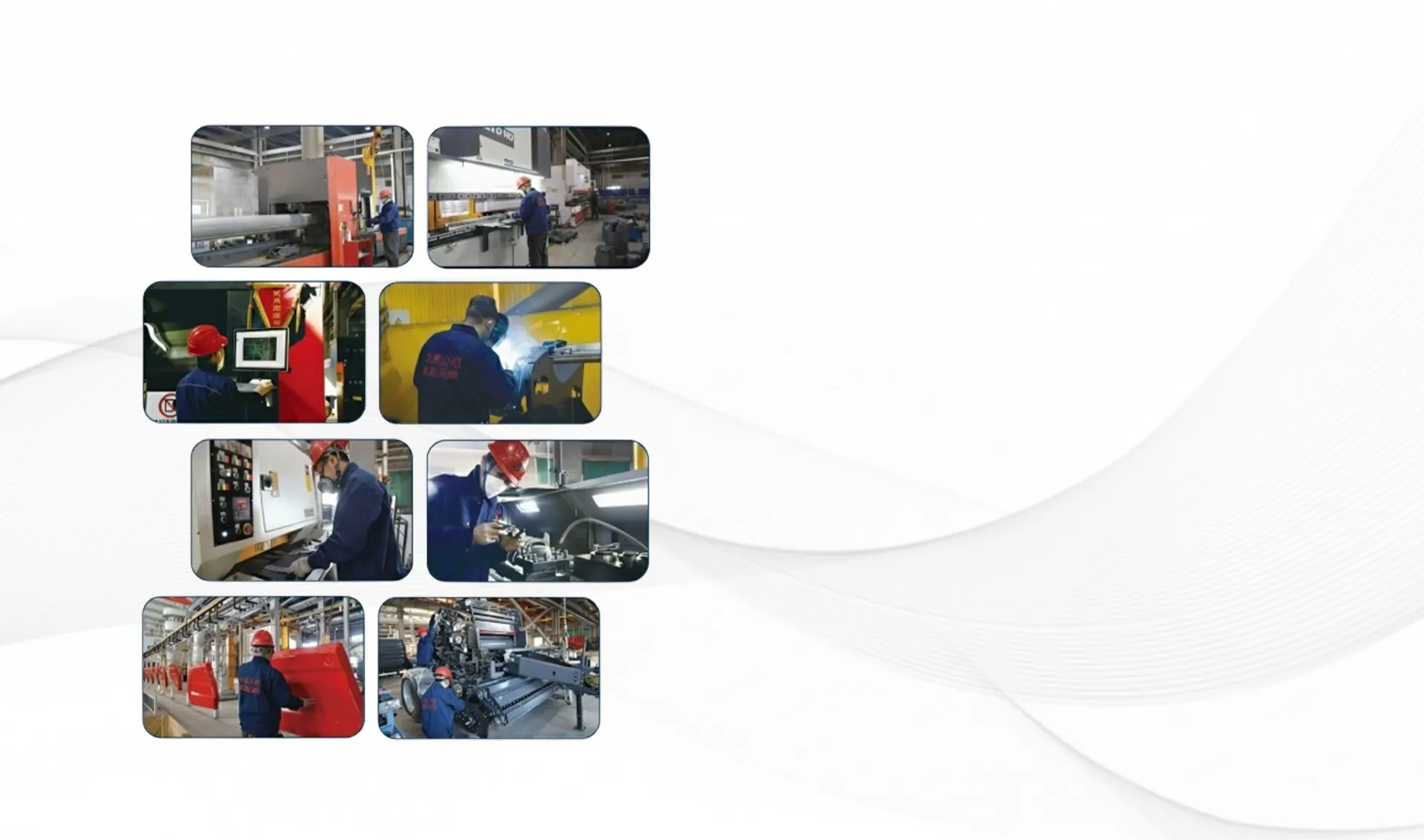
Usaha pertanian jerami komersial dapat mendistribusikan perawatan di antara kru dan waktu yang khusus. Seorang operator pertanian kecil yang bekerja sendiri adalah operator mesin pemotong rumput, operator mesin pengepak jerami, teknisi perawatan, dan pencari suku cadang. Pencatatan waktu perawatan yang jujur merupakan bagian penting dari keputusan kepemilikan.
Pengukuran pemanjangan sabuk, pemeriksaan rantai, pelumasan semua titik pelumas, pengecekan oli gearbox, pemeriksaan selang hidrolik, penggantian pisau pembungkus jaring: biasanya 3–5 jam Untuk seseorang yang merawat peralatannya sendiri dengan menggunakan buku panduan operator. Pemilik tahun pertama: alokasikan waktu 6–8 jam.
Lumasi zerk hub cakram, periksa pisau secara visual (mesin pemotong rumput), periksa pelacakan sabuk sebelum bal pertama, bersihkan jalur pengumpanan pembungkus jaring: biasanya 20–35 menit/hariIni tidak bisa ditawar — operator yang melewatkan pelumasan harian menyebabkan 80% kegagalan bantalan.
Bahan habis pakai (pisau pembungkus jaring, gigi pengumpul, baut geser, gemuk, oli): $120–$240/tahun pada volume 300 bal. Suku cadang dan perbaikan tak terduga: anggaran rata-rata $300–$600/tahun untuk mesin yang terawat. Total realistis: $420–$840/tahun pada 300 bal.
Jadwal servis tahunan lengkap — dengan daftar periksa per interval yang mencakup sabuk, rantai, bantalan, hidrolik, dan pelumasan — terdapat di daftar periksa perawatan musiman mesin pengepak jerami bundarSpesifikasi sistem penggerak PTO untuk konfigurasi baler kompak pertanian kecil terdapat di Spesifikasi komponen gearbox pertanian dan sistem penggerak PTO..
Membeli Mesin Pengepak Jerami Mini Bekas: Delapan Poin Pemeriksaan yang Melindungi Pembelian Anda
Pasar mesin pengepak jerami kompak bekas adalah tempat sebagian besar pembeli pertanian kecil melakukan pembelian pertama mereka — dan di situlah kesalahan paling mahal terjadi. Mesin pengepak jerami bekas yang "hanya perlu sedikit perbaikan" dapat dengan mudah menghabiskan biaya $2.000–$4.000 lebih dari harga pembeliannya untuk diperbaiki agar dapat beroperasi dengan andal. Protokol inspeksi berikut membutuhkan waktu 45–60 menit dan dapat mendeteksi mode kegagalan yang paling mungkin menimbulkan masalah setelah pembelian.
Pengukuran pemanjangan sabuk: Ukur 12 mata rantai pada setiap sabuk. Ambang batas penggantian adalah 2,0% di atas spesifikasi sabuk baru. Satu set sabuk lengkap harganya $300–$600 — pertimbangkan ini dalam negosiasi harga jika sabuk memiliki elongasi 1,8% atau lebih tinggi.
Jumlah dan kondisi gigi pengumpul: Hitung setiap gigi garpu. Gigi garpu yang hilang atau bengkok lebih dari 15° harus segera diganti. Satu set gigi garpu lengkap untuk mesin pengepak jerami kompak berjumlah $80–$160; pertimbangkan jika lebih dari 20% berada di bawah spesifikasi.
Pengujian putaran tangan bantalan rol: Buka pintu belakang dan putar secara manual setiap rol penggerak yang dapat diakses. Setiap kekasaran, gesekan, atau hambatan yang tidak merata menunjukkan bantalan yang perlu diganti ($25–$80 masing-masing, ditambah biaya tenaga kerja).
Pemeriksaan kondisi oli dan seal gearbox: Cabut sumbat pengisian oli transmisi dan periksa level serta tampilan oli. Partikel logam dalam oli menunjukkan keausan gigi transmisi. Perhatikan adanya cincin sisa oli di sekitar seal poros — seal yang bocor perlu diganti sebelum musim dimulai.
Pengoperasian pintu belakang dan penahan hidrolik: Operasikan pintu belakang melalui 3 siklus penuh. Buka dan tahan — ukur pergeseran selama 15 menit. Pergeseran lebih dari 4–5 inci menunjukkan masalah pada seal silinder atau katup kontrol.
Simulasi sistem pembungkus jaring/tali: Masukkan sebagian kecil bahan pembungkus dan jalankan sistem tanpa bal di dalam ruang. Bahan pembungkus harus masuk dan terpotong dengan bersih. Pisau yang gagal memotong dengan bersih membutuhkan biaya perbaikan $10–$25; mekanisme pengumpanan yang macet dapat membutuhkan biaya diagnosis dan perbaikan $200–$500.
Penghitung dan pemantau Bale: Pastikan monitor penghitung bal menunjukkan total yang benar. Ini adalah alat yang paling mendekati odometer pada mesin pengepak bal — mesin pengepak bal dengan klaim penghitung 2.000 bal tetapi sebenarnya menunjukkan 8.500 bal telah dipalsukan secara sengaja. Pada mesin pengepak bal dengan penghitung yang tidak dapat direset, ini adalah panduan yang andal untuk riwayat servis yang sebenarnya.
Uji lapangan bal pertama: Jika penjual mengizinkan (mintalah), buatlah satu bal jerami dalam kondisi tanaman normal. Mesin pengebal jerami yang menghasilkan bal pertama berbentuk telur atau sangat lunak dalam kondisi normal memiliki masalah pada sabuk, pelacakan, atau pengaturan kepadatan yang perlu diselidiki sebelum pembelian.
Keamanan Mesin Pengepak Jerami di Pertanian Skala Kecil: Daftar Periksa Pra-Lapangan yang Sering Diabaikan
Periksa pelindung PTO pada setiap pemeriksaan pra-musim dan ganti bagian yang retak atau hilang. Jauhkan pakaian longgar dari zona PTO dan selalu matikan PTO serta matikan mesin sebelum turun dari traktor untuk alasan apa pun. Jangan pernah mendekati mesin pengepak jerami saat PTO sedang aktif.
Ladang kecil seringkali memiliki medan yang tidak rata, berbeda dengan ladang komersial. Mesin pengepak jerami yang bermuatan penuh di lereng dengan kemiringan 15° atau lebih menciptakan risiko terguling yang signifikan. Jangan mencoba mengepak jerami melintasi lereng kontur yang curam — lebih baik kendarai mesin tersebut naik dan turun lereng, dengan pola ladang yang lebih panjang. Beri pemberat di bagian depan dengan tepat untuk pekerjaan di lereng.
Jangan pernah berdiri di belakang mesin pengepak jerami selama proses pengeluaran jerami. Jerami seberat 500 pon yang menggelinding dari pintu belakang di lereng dapat menempuh jarak lebih dari 30 kaki. Pastikan jalur pengeluaran jerami aman sebelum membuka pintu belakang. Di lereng, selalu posisikan mesin untuk mengeluarkan jerami ke arah bawah dari pintu belakang, jangan pernah langsung di belakangnya.
Pertanyaan yang Sering Diajukan (FAQ) tentang Mesin Pengepak Bal Mini Bundar untuk Pertanian Kecil
Dapatkan Spesifikasi Mesin Pengepak Bal yang Tepat untuk Ukuran Lahan Pertanian dan Traktor Anda
Beri tahu kami daya PTO traktor Anda (HP), perkiraan jumlah bal jerami tahunan Anda, serta tanaman dan pasar utama Anda. Kami akan mengkonfirmasi kelas ukuran baler mana yang sesuai dengan operasi Anda dan menandai masalah kompatibilitas traktor apa pun sebelum Anda membuat komitmen.
Editor: Cxm


