
9LZY-9.0 Rake Jerami Roda Jari | V-Rake 15 Roda 9m
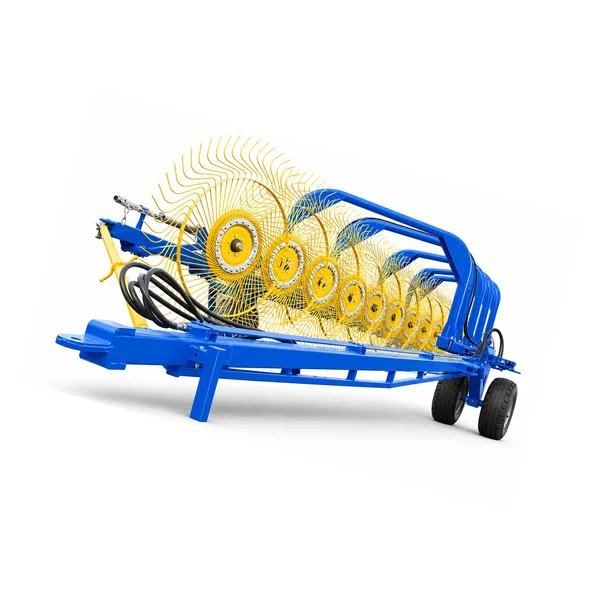
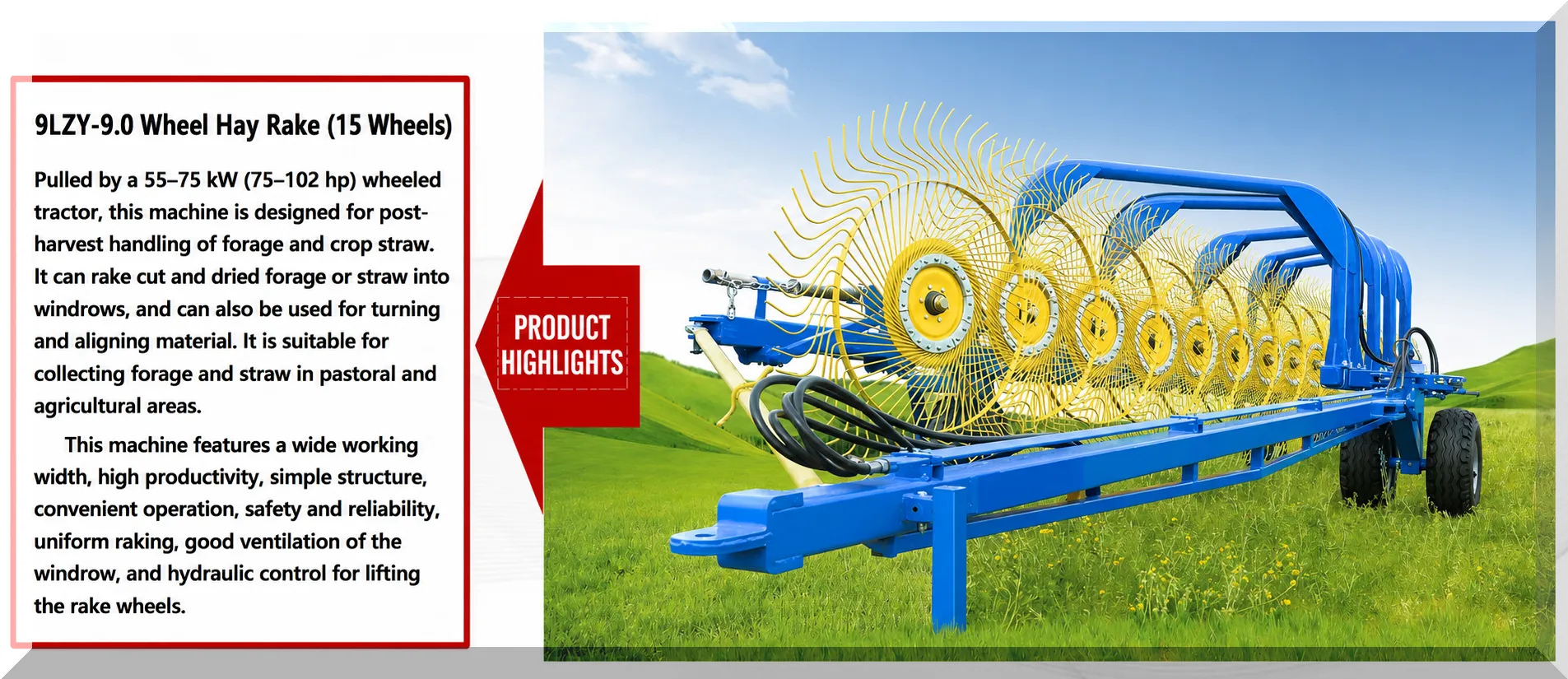
Itu 9LZY-9.0 penggaruk jerami roda jari adalah derek 15 cakram penggaruk jerami Mesin ini mampu mencakup area seluas 9,0 meter dalam sekali jalan dengan 900 gigi pegas yang tersebar di 15 cakram yang mengambang secara independen. Kebutuhan daya traktor sebesar 50–55 kW (≈68–75 HP) dan produktivitas puncak 7,2 hingga 9,0 hektar per jam menempatkan mesin ini di pusat komersial keluarga mesin penggaruk — spesifikasi yang tepat untuk program pakan ternak tahunan seluas 300 hingga 700 hektar di mana lebar kerja 9 meter yang konsisten dibutuhkan tanpa biaya modal dan kompleksitas perawatan dari desain cakupan padat 17 roda. Tanpa poros PTO. Satu sambungan batang penarik. Cakram digerakkan sepenuhnya oleh kontak tanah.
Di mana posisi 9LZY-9.0 dalam keluarga penggaruk roda jari kami?
Paling penggaruk jerami Pembeli memulai proses pemilihan dari tempat yang salah — mereka melihat spesifikasi terlebih dahulu, daripada mengidentifikasi kelas mesin mana yang sebenarnya dibutuhkan untuk operasi tersebut. Perbandingan tiga model di bawah ini memulai percakapan itu dengan benar: lebar 9 meter tersedia dalam dua konfigurasi (15 atau 17 cakram), dan memilih di antara keduanya penggaruk jerami roda jari Yang perlu dipertimbangkan bukanlah soal mengeluarkan lebih banyak uang untuk mendapatkan yang lebih baik, tetapi tentang menyesuaikan kepadatan cakram dengan kondisi lapangan yang sebenarnya.
Spesifikasi Teknis
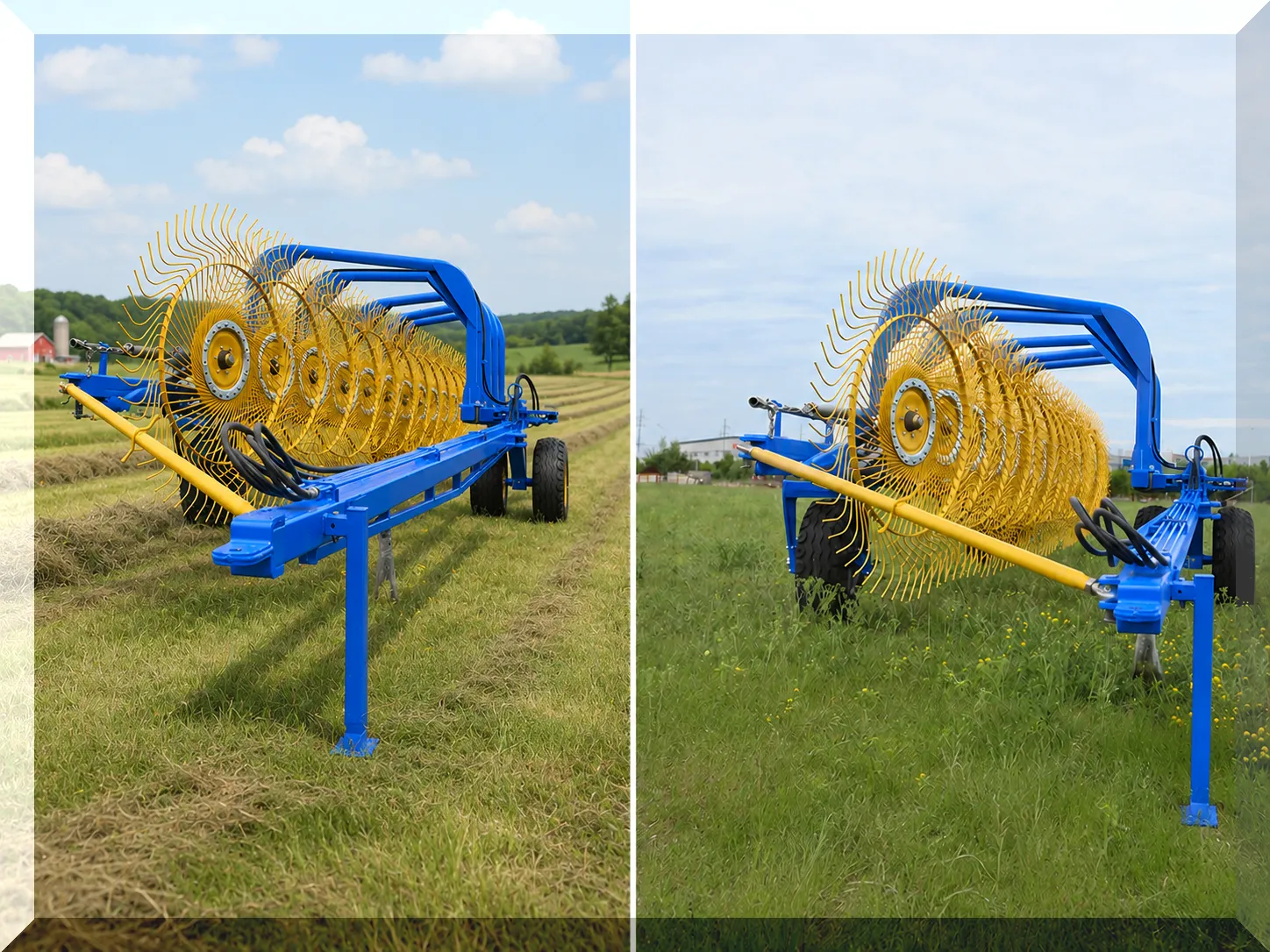
Semua nilai adalah nilai standar pabrik. Nilai-nilai tersebut 9LZY-9.0 penggaruk jerami Hanya membutuhkan pengait penarik dan hidrolik traktor standar untuk kontrol pengangkatan/penurunan. Tidak memerlukan poros PTO — semua 15 cakram berputar dari kontak tanah. Tidak ada rangkaian kabel listrik selain penerangan opsional.
| TIDAK. | Parameter | Satuan | Nilai |
|---|---|---|---|
| 1 | Model | / | 9LZY-9.0 |
| 2 | Jenis Pengait | / | Batang penarik (yang ditarik) |
| 3 | Jenis Penggerak | / | Digerakkan oleh roda — tidak memerlukan PTO (Power Take-Off). |
| 4 | Lebar Kerja | m (kaki) | 9,0 (29,5 kaki) |
| 5 | Jumlah Cakram (Roda) | buah-buahan | 15 |
| 6 | Gigi Pegas per Cakram | buah-buahan | 60 |
| 7 | Jumlah Gigi Pegas | buah-buahan | 900 |
| 8 | Lebar Tumpukan Angin | m (inci) | 0,8–1,2 (31,5–47,2 inci) |
| 9 | Tenaga Traktor yang Dibutuhkan | kW (HP) | 50–55 (≈ 68–75 HP) |
| 10 | Kecepatan Kerja | km/jam (mph) | 7–12 (4,3–7,5 mph) |
| 11 | Produktivitas | ha/jam (ac/jam) | 7,2–9,0 (17,8–22,2 ac/jam) |
| 12 | Tingkat Kerugian Penggarukan | % | ≤ 2 |
| 13 | Berat Mesin | kg (lb) | 1.100 (2.425 lb) |
Perencanaan Kapasitas Komersial: Program Tahunan vs Jam Mesin
Memahami bagaimana Penggaruk roda jari 9LZY-9.0Spesifikasi produktivitas diterjemahkan ke dalam program tahunan aktual Anda — total jam mesin per tahun, hari per pemotongan, hari kerja yang dibutuhkan sepanjang musim — adalah apa yang mengubah lembar spesifikasi menjadi keputusan operasional. Tabel di bawah ini menggunakan tingkat menengah konservatif 7,5 ha/jam (antara minimum 7,2 dan puncak 9,0) untuk memberikan angka perencanaan yang realistis.
| Program Tahunan | Stek/tahun | Total Luas Area Penggarukan/tahun | Jam Mesin/tahun | Hari Kerja/tahun (@ 8 jam/hari) |
Catatan Operator |
|---|---|---|---|---|---|
| Ladang seluas 200 ha, alfalfa | 3 | 600 hektar | 80 jam/tahun | ~10 hari/tahun | Pemanfaatan ringan — satu alat penggaruk menangani program dengan waktu luang; tidak ada tekanan pada jendela cuaca. |
| Ladang seluas 400 ha, rumput campuran | 3 | 1.200 hektar | 160 jam/tahun | ~20 hari/tahun | Kecepatan komersial yang nyaman. Satu mesin penggaruk sudah cukup; unit kedua menjadi berharga jika risiko cuaca mempersempit waktu panen di bawah 3 hari/pemotongan. |
| Ladang seluas 500 ha, alfalfa + rumput | 3 | 1.500 hektar | 200 jam/tahun | ~25 hari/tahun | Program komersial lengkap — penggaruk utama ditambah unit cadangan sangat direkomendasikan untuk wilayah yang sensitif terhadap perubahan cuaca. |
| Ladang seluas 700 ha, jerami komersial. | 2–3 | 1.400–2.100 hektar | 187–280 jam/tahun | ~23–35 hari/tahun | Pengoperasian unit tunggal kelas atas. Dua unit 9LZY-9.0 yang beroperasi secara paralel memungkinkan setiap jendela pemotongan dibersihkan dalam 10–12 hari, bukan 20–25 hari, sehingga secara substansial mengurangi risiko cuaca. |
Geometri Tumpukan Rumput V-Rake: Mengapa Konfigurasi V Menghasilkan Tumpukan Rumput yang Lebih Baik Dibandingkan dengan Penggaruk Samping
Itu 9LZY-9.0 penggaruk jerami Ini adalah penggaruk berbentuk V — kedua deretan cakramnya dimiringkan membentuk pola V, dengan ujung terbuka menghadap ke depan dan titik pengeluaran V berada di tengah di belakang mesin. Kedua deretan cakram menyapu ke arah tengah, menumpuk jerami menjadi satu barisan yang terpusat di sepanjang jalur mesin. Geometri ini berbeda secara mendasar dari penggaruk pengiriman samping (yang menumpuk barisan jerami ke satu sisi) dalam tiga hal yang penting untuk efisiensi pengemasan jerami selanjutnya.
📐 Tumpukan jerami berada tepat di tengah jalur traktor
Tumpukan jerami yang terpusat memungkinkan operator mesin pengepak jerami untuk mengemudi langsung di atas pusat tumpukan jerami pada setiap lintasan tanpa koreksi kemudi untuk pergeseran tumpukan jerami. Pada jalur penggarukan selebar 9 meter, mesin pengepak jerami mengikuti jalur tengah penggaruk dengan tepat — tidak ada akumulasi kesalahan pergeseran sistematis di ratusan lintasan di lahan yang luas. Penggaruk pengiriman samping mengharuskan operator mesin pengepak jerami untuk menyelaraskan diri dengan tumpukan jerami yang ditempatkan sekitar 2 hingga 4 meter di satu sisi jalur tengah penggaruk, yang memerlukan penyesuaian pergeseran kecil secara terus-menerus.
⚖️ Profil Tumpukan Simetris
Kedua bank cakram menyapu area yang sama dari jalur pemotongan ke arah tengah. Tumpukan jerami yang dihasilkan menerima material yang sama dari kedua sisi, menghasilkan penampang simetris daripada profil miring yang dihasilkan oleh desain pengiriman samping ketika material dari satu sisi terlipat di atas sisi lainnya. Profil tumpukan jerami simetris meningkatkan konsistensi kepadatan bal — ruang pengebalan terisi secara simetris di seluruh lebar pengambilan, yang menghasilkan bal yang lebih bulat dengan distribusi kepadatan yang lebih merata di seluruh penampang bal.
🔄 Penggabungan Alami dari Hamparan yang Berdekatan
Dengan lebar kerja 9 meter, jalur 9LZY-9.0 dapat tumpang tindih sekitar 0,5 hingga 1 meter di setiap sisi untuk secara alami menggabungkan barisan jerami yang berdekatan menjadi barisan ganda. Penggabungan ini menghasilkan barisan jerami yang lebih berat dan lebih efisien untuk mesin pengepak jerami komersial yang bekerja pada volume tinggi — mesin pengepak jerami menghabiskan lebih sedikit waktu untuk berputar dan lebih banyak waktu untuk mengepak. Pembentukan barisan ganda pada alat pengumpul jerami berbentuk V selebar 9 meter secara efektif menggandakan beban per jalur pengepak jerami dibandingkan barisan standar, yang berarti lebih sedikit jalur pengepak jerami per hektar dan pembersihan lahan secara keseluruhan lebih cepat.
Jarak Antar Cakram dan Kepadatan Pakan: Mengapa Jarak 600 mm Merupakan Spesifikasi yang Tepat untuk Sebagian Besar Operasi
Itu 9LZY-9.0 penggaruk jeramiLima belas cakram pada lebar kerja 9,0 meter menghasilkan jarak rata-rata antar pusat cakram sekitar 600 mm. Jarak ini bukan sembarang jarak — jarak ini mewakili desain optimal untuk kisaran kepadatan hijauan yang dihasilkan oleh sebagian besar operasi jerami komersial di AS: 3 hingga 6 ton bahan kering per hektar per pemotongan pada alfalfa, dan 2 hingga 4 ton pada program rumput komersial.
Jarak antar cakram 600 mm berarti setiap cakram bertanggung jawab atas kolom hijauan yang dipotong sepanjang 600 mm saat mesin lewat. Pada kepadatan jerami komersial tipikal (3 hingga 5 t/ha bahan kering), kolom ini berisi sekitar 180 hingga 300 gram bahan tanaman kering per meter perjalanan maju — volume yang ditangani dengan bersih oleh cakram 60 gigi tanpa gigi-gigi tersebut menjembatani bagian-bagian lapisan yang padat atau membiarkan material melewati celah antar cakram tanpa tersentuh. Pada kepadatan hijauan di atas 6 hingga 8 t/ha (batas atas panen pertama alfalfa irigasi dengan hasil luar biasa), jarak 600 mm mendekati batas praktisnya — dan di sinilah jarak 530 mm pada 9LZD-9.0 dengan 17 cakram memberikan manfaat yang terukur.
| Tanaman / Kondisi | Hasil DM Khas (t/ha/potong) | 9LZY-9.0 (15-disc) | Kecepatan yang Disarankan | Catatan |
|---|---|---|---|---|
| Jerami rumput (campuran, lahan kering) | 1,5–3,5 | Bagus sekali | 10–12 km/jam | Hasil panen ringan, kecepatan gerak tinggi, hasil harian maksimal. Ideal untuk aplikasi 9LZY-9.0. |
| Alfalfa, potongan ke-2 ke atas (standar) | 3.0–5.0 | Bagus sekali | 9–11 km/jam | Aplikasi komersial utama. Jarak 600 mm menangani alas dengan rapi tanpa terjadi penyumbatan. |
| Alfalfa, panen pertama (diairi) | 5.0–7.0 | Bagus | 8–10 km/jam | Lapisan tebal — kurangi kecepatan. Performa bagus; 9LZD-9.0 memberikan sedikit keuntungan di atas 6,5 t/ha. |
| Rumput asli yang lebat (CRP, musim dingin) | 2.0–4.5 | Bagus sekali | 9–11 km/jam | Matras biasanya memiliki kepadatan lebih rendah; 9LZY-9.0 sangat cocok untuk jenis tanaman ini. |
| Rumput gandum/jerami gandum | 3,5–6,0 | Bagus | 8–11 km/jam | Tanaman berbatang tinggi; kurangi kecepatan di bagian yang padat. Batang yang panjang terkadang dapat melilit saat melaju dengan kecepatan rendah — pertahankan kecepatan minimum 8 km/jam. |
| Sisa jerami/sereal | 2.0–4.0 | Bagus sekali | 10–12 km/jam | Material ringan dan rapuh. Kecepatan tinggi, beban gigi rendah, produktivitas maksimum. Aplikasi ideal untuk penumpukan jerami. |
Cara Kerjanya: Penjelasan tentang Teknik Menggaruk Jari-Cakram yang Digerakkan Tanah
Itu Penggaruk roda jari 9LZY-9.0 Beroperasi sepenuhnya berdasarkan prinsip mekanis tanpa koneksi PTO (Power Take-Off) pada titik mana pun dalam siklus operasinya. Fisika sistem ini sederhana namun penting untuk dipahami, karena secara langsung menjelaskan karakteristik kinerja mesin dan kemudahan perawatannya.
Kontak dengan Tanah dan Rotasi Bebas Berputar
Masing-masing dari 15 cakram dipasang pada bantalan hub yang berputar bebas. Saat traktor bergerak maju, gigi pegas melengkung pada setiap cakram bersentuhan dengan permukaan tunggul dan sisa tanaman secara bersamaan. Gesekan antara ujung gigi dan tanah/tanaman menghasilkan reaksi torsi yang menyebabkan setiap cakram berputar bebas pada bantalannya. Semakin cepat traktor bergerak, semakin cepat setiap cakram berputar — kecepatan tanah secara langsung mengontrol frekuensi kontak gigi pada titik tertentu di hamparan jerami.
Rotasi yang digerakkan oleh kecepatan tanah ini berarti operator mengontrol intensitas penggarukan hanya dengan menyesuaikan kecepatan tanah — tidak diperlukan penyesuaian mekanis pada alat. Tanaman ringan pada kecepatan 12 km/jam menghasilkan rotasi cakram yang cepat dengan tekanan gigi yang ringan. Hamparan tanah yang padat pada kecepatan 8 km/jam menghasilkan rotasi cakram yang lebih lambat dengan tekanan gigi yang lebih berat per putaran. Konstruksi gigi baja pegas menyerap benturan dari ketidakrataan tanah, bebatuan, dan bagian tanah keras melalui defleksi elastis — setiap gigi membengkok di bawah benturan daripada mentransmisikan beban secara kaku ke bantalan hub, yang secara dramatis mengurangi kelelahan bantalan di bawah jam operasi tahunan skala komersial.
Aliran Tanaman Lateral dan Pembentukan Tumpukan Tanaman
Setiap cakram dipasang pada sudut tetap (biasanya 15 hingga 20 derajat) relatif terhadap arah pergerakan mesin. Sudut ini menciptakan komponen kecepatan lateral pada gigi yang berputar: saat setiap gigi mengangkat bahan pakan, ia memberikan gerakan ke samping yang membawa tanaman menuju pusat pembuangan barisan. Besarnya kecepatan lateral bergantung pada sudut cakram dan kecepatan putaran cakram — keduanya diatur oleh parameter teknik pabrikan, bukan oleh penyesuaian operator pada mesin ini.
Pada konfigurasi V 9LZY-9.0, deretan cakram sebelah kiri diatur miring untuk menyapu material ke kanan-tengah, dan deretan cakram sebelah kanan menyapu ke kiri-tengah. Kedua aliran tersebut bertemu di garis tengah mesin, menghasilkan satu barisan tumpukan di tengah. Lebar tumpukan (0,8 hingga 1,2 m) dikendalikan oleh sudut cakram yang tepat dan tingkat tumpang tindih material antara kedua deretan di titik tengah — parameter yang ditetapkan selama perakitan di pabrik. Lebar tumpukan di lapangan terutama disesuaikan dengan menaikkan atau menurunkan ketinggian kerja mesin melalui pengaturan ketinggian pengait batang penarik traktor, yang mengubah sudut kontak efektif gigi pada tanah.
Menyesuaikan Tumpukan Jerami Anda dengan Lebar Pengambilan Mesin Pengepak Jerami Anda
Itu 9LZY-9.0 penggaruk jeramiLebar tumpukan jerami yang dihasilkan, yaitu 0,8 hingga 1,2 m, dirancang agar sesuai dengan lebar header pengumpul standar pada jajaran mesin pengepak jerami bundar — khususnya header pengumpul pegas selebar 1,4 m dan 1,6 m yang digunakan pada mesin pengepak jerami komersial ukuran menengah dan besar. Mendapatkan hubungan yang tepat antara lebar tumpukan jerami dan lebar mesin pengepak jerami adalah salah satu keputusan operasional yang paling berdampak langsung dalam rantai pembuatan jerami. Tumpukan jerami yang terlalu kecil dibandingkan dengan lebar pengumpul mesin pengepak jerami menghasilkan bal jerami dengan tepi luar yang berdensitas rendah; tumpukan jerami yang terlalu besar menyebabkan penumpukan jerami di sisi header.
| Model Baler | Lebar Pengambilan | 9LZY-9.0 Windrow Match | Penyesuaian Tumpukan Angin | Catatan Operasional |
|---|---|---|---|---|
| 9YG-1.0C (kompak) | ~1,2 m | ✔ Pertandingan langsung | Tumpukan ideal berukuran 1,0–1,1 m. | Kombinasi terbaik antara mesin pengepak jerami dan mesin pengepak jerami untuk pengguna mesin pengepak jerami kompak. |
| 9YG-1.25 / 1.25A | ~1,4 m | ✔ Cocok sekali | Tumpukan jerami setinggi 1,0–1,2 m | Sedikit lebih lebar pada tanaman lebat — gabungkan dua barisan jerami pada tanaman tipis untuk produktivitas baler maksimum. |
| 9YG-2.24D komersial | ~1,6–1,8 m | ▸ Pertimbangkan penggabungan | Penggabungan barisan ganda direkomendasikan | Satu tumpukan jerami 9LZY-9.0 terlalu kecil untuk mesin pengepak jerami komersial — gabungkan jalur yang berdekatan untuk mempertahankan produktivitas mesin pengepak jerami pada kapasitas nominalnya. |
Untuk mesin pengepak komersial 9YG-2.24D, prosedur operasi standar adalah menjalankan 9LZY-9.0 pada lebar kerja 9 m dalam pola paralel, kemudian melakukan penggabungan dengan penggaruk pada perpindahan setengah lebar — atau menjalankan mesin pengering khusus pada hari pertama dan penggaruk pada hari kedua sebagai barisan gabungan yang lebih berat. Prosedur yang sama berlaku untuk mesin pengepak ini. peralatan pemotong rumput Tata letak yang menghasilkan pola pemotongan tanaman juga menentukan berapa kali penggaruk diperlukan untuk membangun barisan jerami yang kompatibel dengan mesin pengepak untuk setiap kelas mesin.
Mesin pengepak jerami bundar yang memproses tumpukan jerami di hilir mengoperasikan poros penggerak PTO 540 rpm pada mekanisme pengambilan dan ruang pengepakannya. Spesifikasi yang tepat gearbox penggerak pertanian Sirkuit PTO pada mesin pengepak jerami menangani beban pemadatan berkelanjutan dan lonjakan pengambilan yang terjadi ketika tumpukan jerami padat yang terbentuk dengan baik dari 9LZY-9.0 memasuki ruang pengepak dengan kecepatan penuh.
Enam Alasan Mengapa Produsen Jerami Komersial Memilih 9LZY-9.0
Tanpa PTO — Fleksibilitas Traktor Penuh
Rotasi cakram yang digerakkan oleh tanah pada ini penggaruk roda jari Artinya, poros PTO belakang traktor sepenuhnya bebas selama operasi penggarukan. Pada operasi traktor tunggal di mana mesin yang sama juga menangani pengemasan jerami, pemotongan rumput, dan pengangkutan, hal ini penting: pasang penggaruk, garuk ladang, lepaskan, pasang mesin pengemas jerami — tidak ada konfigurasi ulang PTO di titik mana pun. 9LZY-9.0 hanya membutuhkan sambungan batang penarik dan satu set kopling hidrolik untuk pengangkatan/penurunan.
Tingkat Kerugian Raking ≤2%
Itu penggaruk jeramiDesain cakram roda jari mengangkat hijauan dari permukaan tanah tanpa aksi menyeret yang agresif seperti pada penggaruk gulung horizontal, yang mengikis material dari bagian atas tunggul dan meninggalkan proporsi fragmen daun yang lebih tinggi di lapangan. Mekanisme pengangkat pegas lembut pada material sambil mempertahankan kontak — tingkat kehilangan ≤2% adalah metrik kualitas kritis untuk operasi alfalfa di mana fraksi daun mewakili protein dan nilai gizi tertinggi dari bal.
Lebar Tumpukan yang Dapat Diatur 0,8–1,2 m
Lebar barisan jerami bervariasi dengan menyesuaikan ketinggian kerja melalui pengaturan batang penarik traktor, bukan dengan mengkonfigurasi ulang sudut cakram secara mekanis. Operator yang menjalankan lebar pengambilan baler yang berbeda sepanjang musim (atau untuk klien yang berbeda dalam operasi khusus) dapat menghasilkan barisan jerami yang sesuai dengan baler tanpa perubahan peralatan apa pun — cukup naikkan atau turunkan batang penarik.
15 Titik Bantalan vs 17 — Biaya Servis Tahunan Lebih Rendah
Setiap hub cakram memerlukan pemeriksaan bantalan, pelumasan, dan penggantian pada akhirnya. Konfigurasi 15 cakram pada 9LZY-9.0 membutuhkan lebih sedikit perawatan bantalan tahunan dibandingkan alternatif 17 cakram pada lebar kerja yang sama — sebuah keuntungan yang terukur selama 10 hingga 15 musim operasi di mana biaya penggantian bantalan dan waktu servis keduanya terakumulasi. Untuk operasi komersial yang melacak angka biaya per hektar, perbedaan perawatan ini secara konsisten disebut sebagai keuntungan operasional praktis dari desain 15 cakram.
Lebar 9 m pada Traktor 68 HP
Persyaratan daya minimum 50–55 kW (68–75 HP) untuk penggaruk jerami berbentuk V sepanjang 9 meter lebih rendah daripada banyak desain pesaing di kelas lebar kerja yang sama karena mekanisme penggerak tanah tidak menambah kebutuhan daya selain untuk menarik. Operasi di mana traktor jerami adalah utilitas kompak kelas menengah di kelas 70 hingga 80 HP dapat menjalankan 9LZY-9.0 pada kecepatan kerja penuh tanpa mendekati batas daya tarik traktor.
Pengapungan Cakram Independen
Masing-masing dari 15 cakram digantung secara independen pada pegas apung yang memungkinkannya mengikuti perubahan kontur tanah di seluruh lebar kerja 9 meter. Pada lahan bergelombang di mana topografi bervariasi 10 hingga 20 cm dalam satu lebar mesin, cakram terluar mengikuti kontur tanpa terangkat dan kehilangan kontak dengan tanah — mempertahankan tekanan kontak gigi ke tanah yang konsisten yang menghasilkan kepadatan barisan jerami yang seragam dari lintasan pertama hingga baris terakhir di lahan tersebut.
Mengapa Produsen Jerami Komersial Memilih Kami?
- ✔Integrasi Sistem Jerami Lengkap. 9LZY-9.0 adalah bagian dari sistem pakan ternak lengkap yang tersedia di foragebaler.com — mulai dari peralatan pemotong rumput hingga alat perata jerami dan seluruh lini mesin pengepak jerami bundar kami. Suku cadang untuk semua komponen sistem dikirim dari gudang yang sama di California — satu pesanan untuk seluruh rantai produksi.
- ✔Periksa Kompatibilitas Traktor Sebelum Memesan. Kapasitas beban pengait gandengan, tekanan keluaran hidrolik, dan peringkat HP diverifikasi dari model traktor Anda tanpa biaya tambahan sebelum 9LZY-9.0 dikirim. Masalah pemasangan yang paling umum — ketidaksesuaian ketinggian gandengan — diidentifikasi dan diselesaikan sebelum pengiriman.
- ✔Pengiriman Suku Cadang di Hari yang Sama. Set pengganti gigi pegas (60 buah per cakram, set lengkap 900 buah), kit bantalan hub cakram, dan rakitan selang hidrolik tersedia di gudang California sepanjang tahun. Pesanan yang dilakukan sebelum pukul 14.00 Waktu Pasifik akan dikirim pada hari kerja yang sama. Operator komersial di musim panen puncak yang membutuhkan gigi di tengah pemotongan akan mendapatkan prioritas pemenuhan.
- ✔Dokumentasi Bagian 179. Dokumentasi faktur lengkap untuk pengeluaran tahun pertama berdasarkan Pasal 179 IRS tersedia atas permintaan. Untuk usaha pertanian jerami komersial pada tahun yang menguntungkan, biaya tahun pertama setelah pajak jauh di bawah harga yang tertera.
- ✔Harga Langsung dari Pabrik. Tidak ada mark up dari dealer. Milik kami penggaruk jerami dan alat pemotong rumput Dijual langsung ke peternakan melalui foragebaler.com — harga yang Anda bayar mencerminkan biaya mesin ditambah biaya logistik AS, tanpa biaya tambahan antara pabrik dan alat berat Anda.
Perawatan: 15 Titik Bantalan, 900 Gigi, Tidak Ada Bagian Lain yang Bergerak
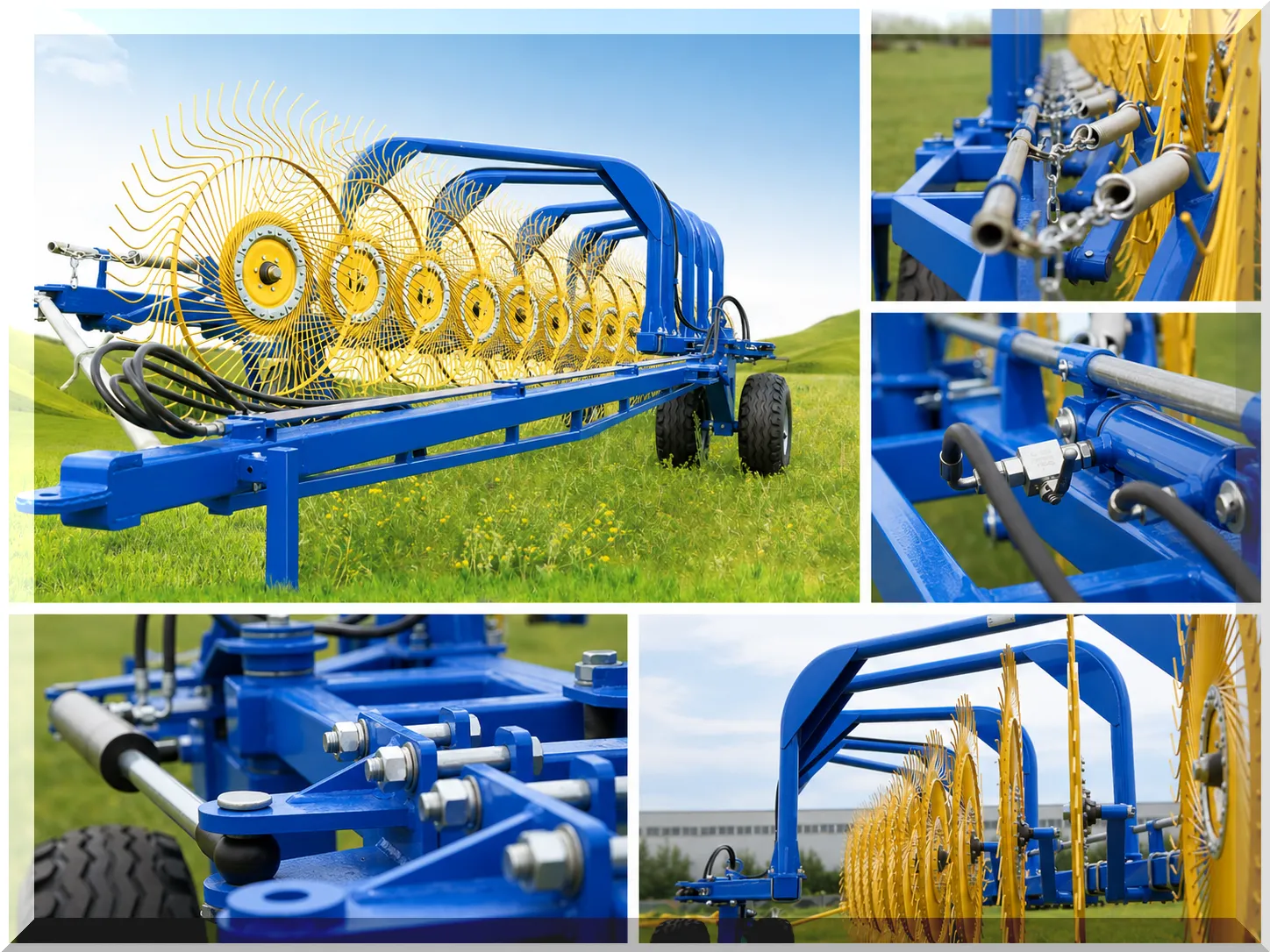
Itu 9LZY-9.0 penggaruk jerami Tidak memiliki komponen yang digerakkan PTO, tidak ada rantai, tidak ada sabuk penggerak, dan tidak ada kotak roda gigi. Setiap bagian mekanis yang bergerak terdiri dari bantalan hub cakram dan gigi pegas. Program perawatan tahunan lengkap meliputi empat kategori layanan:
🔩 Setiap 8 Jam (Penggunaan Lapangan Harian)
🔧 Setiap 50 Jam atau Per Pemotongan
📅 Pra-Musim Tahunan
❄️ Penyimpanan Musim Dingin
Pertanyaan yang Sering Diajukan
Apa yang Dilaporkan Produsen Jerami Komersial Setelah Satu Musim Penuh
Mesin penggaruk 9LZY-9.0 menggantikan mesin penggaruk 12 roda berdiameter 7 meter yang sudah tidak memadai lagi. Peningkatan menjadi 9 meter langsung terasa perbedaannya dalam kecepatan pembersihan lahan — yang sebelumnya membutuhkan waktu 3 hari untuk menggaruk antara pemotongan kedua dan ketiga, sekarang hanya membutuhkan 2 hari penuh dengan kecepatan kerja yang sama. Jarak antar cakram 600 mm mampu menangani alfalfa dengan kepadatan standar tanpa masalah penyumbatan yang saya khawatirkan setelah membaca perdebatan tentang mesin penggaruk 15 vs 17 roda secara online. Dua musim penuh tanpa masalah mekanis selain pelumasan bantalan rutin.
Ini adalah V-rake pertama setelah menggunakan sistem pengiriman samping paralel selama 12 tahun. Kurva pembelajaran untuk mengoperasikan V-rake dibandingkan dengan pengiriman samping memang nyata — dua lahan pertama membutuhkan waktu penyesuaian untuk mendapatkan lebar barisan jerami yang tepat dengan memvariasikan ketinggian batang penarik. Setelah disetel dengan benar, barisan jerami yang terpusat jauh lebih mudah diikuti oleh operator baler. Kepadatan bal jerami kami meningkat secara nyata karena barisan jerami simetris mengisi bak pengumpul secara merata. Tidak ada masalah dengan JD 5075E 75 HP yang kami pasangkan dengannya.
Operasi pemanenan jerami sesuai pesanan — kami melakukan pemanenan untuk sekitar 15 peternakan klien yang berbeda, mulai dari alfalfa yang diairrigasi hingga rumput CRP lahan kering. 9LZY-9.0 menangani semuanya tanpa perubahan konfigurasi antar klien. Pada pemanenan pertama alfalfa yang diairrigasi dan padat, kami memperlambat kecepatan hingga 8 km/jam dan mesin tetap mampu mengatasinya. Pada rumput CRP yang lebih ringan, kami melaju dengan kecepatan 12 km/jam tanpa kehilangan jerami. Tingkat kehilangan ≤2% adalah nyata — klien kami yang memantau inventaris jerami mereka dengan cermat telah secara konsisten memperhatikan hal ini. Tidak perlu khawatir tentang PTO di peternakan klien dengan pengaturan PTO yang berbeda merupakan keuntungan praktis yang sangat besar.
Empat bintang — mesin ini bekerja persis seperti yang dijelaskan pada jerami rumput gandum dan oat kami. Satu-satunya penyesuaian yang harus saya lakukan adalah belajar untuk tetap di atas 8 km/jam pada rumput gandum yang tinggi — melambat di bawah kecepatan itu pada rumput gandum yang lebat menyebabkan batang kadang-kadang melilit cakram luar. Di atas 8 km/jam, alirannya lancar. Pengecekan pra-pembelian dengan tim foragebaler.com sangat membantu — mereka secara khusus menyebutkan pedoman kecepatan minimum untuk tanaman berbatang tinggi, yang jika tidak, akan saya temukan melalui coba-coba di lapangan.
Kami menggunakan 9LZY-9.0 terutama untuk menumpuk jerami setelah panen gandum dan sorgum — bukan untuk pembuatan jerami tradisional sama sekali. Dengan kecepatan 10 hingga 12 km/jam pada jerami kering, kapasitasnya sangat mengesankan: kami secara rutin membersihkan 100 hektar sebelum tengah hari dalam kondisi yang menguntungkan. Jerami ringan dan mesin menanganinya tanpa masalah. Pelumasan bantalan pada 8 jam adalah satu-satunya tugas rutin — kami telah melewati satu musim panen jerami penuh tanpa penggantian gigi pemotong di lahan Finney County yang bersih dan bebas batu.
Operasi yang lebih kecil daripada yang biasanya ditargetkan oleh 9LZY-9.0, tetapi kami menanam alfalfa berkualitas tinggi untuk pasar jerami kuda premium di mana persentase kehilangan daun secara langsung memengaruhi harga jual. Tingkat kehilangan penyapuan ≤2% adalah alasan utama kami memilih mesin ini daripada alternatif penyapu horizontal yang lebih murah. Setelah dua musim penuh, skor kualitas elevator kami pada fraksi daun tetap konsisten di kisaran kelas atas. 9LZY-9.0 benar-benar lembut terhadap material daun alfalfa dengan cara yang langsung terlihat pada perbandingan residu lapangan pemotongan pertama dengan penyapu lama kami.
Mesin Penggaruk Jerami Roda Jari Standar Komersial 9LZY-9.0 untuk Program 300–700 Ha/Tahun
Kompatibilitas traktor (daya tarik, saluran hidrolik, tinggi batang penarik) diverifikasi dari model Anda sebelum pengiriman. Harga langsung dari pabrik, pengiriman suku cadang di AS pada hari yang sama, dokumentasi Bagian 179, dan dukungan sistem lengkap dari foragebaler.com.
America Ever-Power Forage Baler Equipment INC. | 1401 21st ST STE R, Sacramento, CA 95811
Informasi Tambahan
| Editor | Cxm |
|---|
Produk Terkait
-
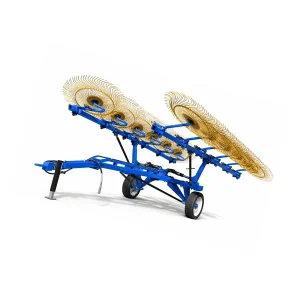
9LZ-6.0 Penggaruk Jerami Roda Jari | Penggaruk V 12 Roda 6m
-
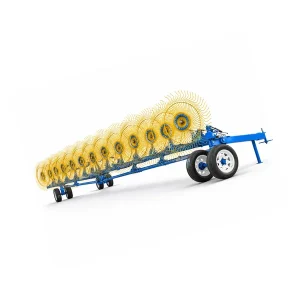
9LZD-9.0 Penggaruk Jerami V 17 Roda | Penggaruk Jerami Roda Jari 9 m
-
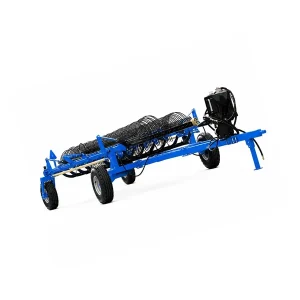
9LH-12 Penggaruk Jerami Horizontal yang Ditarik | Lebar 12 m
-
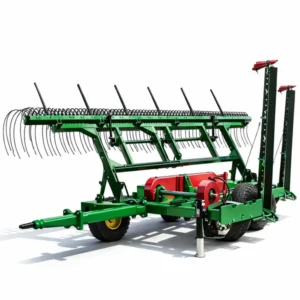
9GL-5.0/5.6 Penggaruk Rumput untuk Mesin Pemotong Rumput yang Ditarik | Lebar Pemotongan 5m, Lebar Penggaruk 5.6m
-
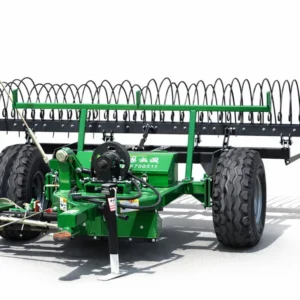
Penggaruk Rumput Tarik untuk Mesin Pemotong Rumput 9GL-2.5/2.9 | Penggaruk Rumput untuk Mesin Pemotong Rumput Dijual


