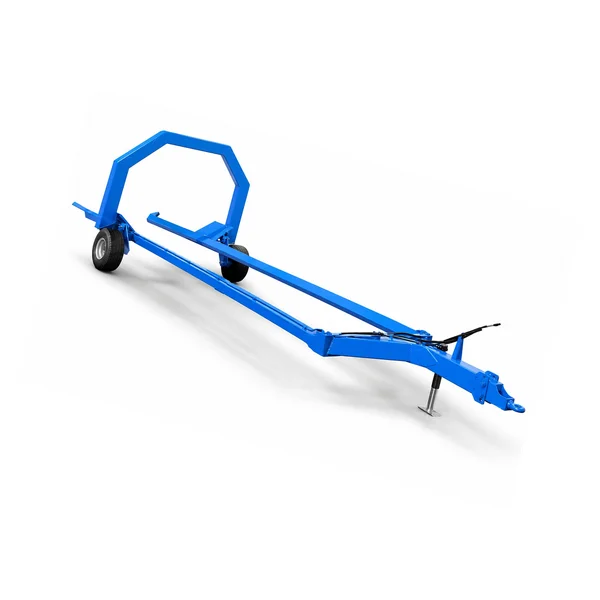
A pengangkut bal bundar Ini adalah penghubung penting antara mesin pengepak dan lokasi penyimpanan — dan ini adalah langkah di mana sebagian besar kerusakan pembungkus jaring terjadi pada operasi yang bergantung pada paku loader depan atau penanganan improvisasi. Mendapatkan pengangkut bal bundar Memilih alat yang tepat berarti memilih mekanisme pemuat yang melindungi bal jerami selama setiap perpindahan, kapasitas yang sesuai dengan volume bal jerami tahunan Anda tanpa perlu melakukan perjalanan yang tidak perlu, dan konfigurasi yang sesuai dengan medan lahan dan jaringan jalan Anda. Panduan ini mencakup ketiga keputusan tersebut.
Mengapa Pengangkutan Bal Merupakan Keputusan yang Meningkatkan Produktivitas dan Mengendalikan Kerusakan?
Sebagian besar usaha pertanian jerami menangani setiap bal bundar Tiga hingga enam kali penanganan dilakukan antara saat dikeluarkan dari ruang mesin pengepres dan penempatan akhir di tempat penyimpanan. Setiap penanganan menggunakan alat penusuk (loader spike) — alat tambahan standar pada sebagian besar traktor utilitas — menusukkan ujung baja melalui jaring pembungkus bal jerami di zona kontak permukaan lateral, menciptakan titik akses oksigen seluas 4 hingga 6 cm². Seperti yang didokumentasikan dalam panduan praktik penyimpanan bal jerami kami, satu tusukan alat penusuk melalui jaring pembungkus dapat menyebabkan zona pembusukan yang meluas 20 hingga 30 cm ke segala arah dalam waktu 3 hingga 4 minggu penyimpanan di luar ruangan — kehilangan bahan kering (DM) sebesar $15 hingga $25 per bal akibat satu kesalahan penanganan.
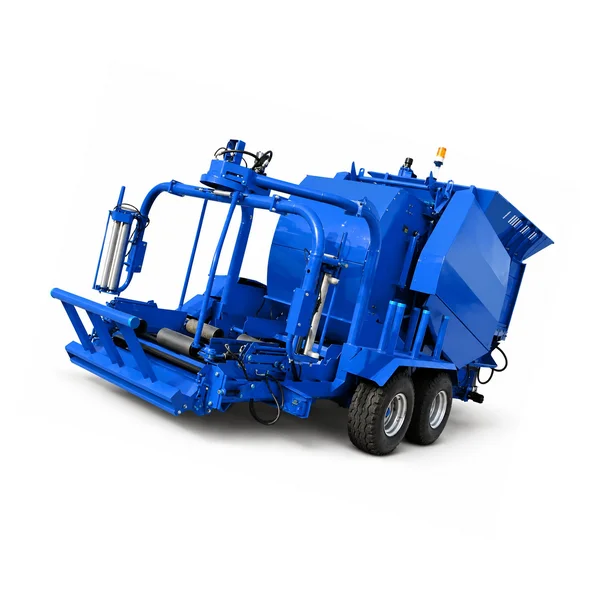
Selain pencegahan kerusakan, ada juga tim khusus yang berdedikasi. pengangkut bal bundar Hal ini secara fundamental mengubah perhitungan produktivitas untuk operasi di atas 200 bal per musim. Sebuah traktor tunggal yang melakukan perjalanan antar bal dari ladang ke tempat penyimpanan yang berjarak 400 meter dapat memindahkan 18 hingga 22 bal per jam. Sebuah pengangkut gandeng 4 bal pada rute yang sama memindahkan 60 hingga 75 bal per jam — mengurangi total waktu transportasi sebesar 70% dan membebaskan operator mesin pengepak untuk terus mengepak daripada mengangkut bal. Pada 300 bal per musim, perbedaan itu berarti pengurangan 12 hingga 15 jam kerja traktor dalam transportasi.
Jenis-Jenis Loader: Bagaimana Masing-Masing Berinteraksi dengan Jaring Pembungkus Anda
Itu peralatan pemindah bal Mekanisme pemuat menentukan bagaimana gaya diterapkan pada bal jerami selama pengangkatan. Lima jenis pemuat umum digunakan dalam operasi jerami di AS, dan jenis-jenis tersebut sangat berbeda dalam hal risiko kerusakan pembungkus jaring, kemampuan medan, dan kompatibilitas dengan berbagai ukuran bal jerami.
Perbandingan Tipe Loader — 5 Tipe x 5 Atribut
Pemuat Paku
Mempertaruhkan: Sangat Tinggi
Kapasitas: 1 bal
Biaya: $ (terendah)
Medan: Setiap
Pembungkus jaring: Ban bocor
Hindari penggunaan untuk bal yang dibungkus.
Dudukan Hidraulik
Mempertaruhkan: Sangat Rendah
Kapasitas: 1–2 bal
Biaya: $$
Medan: Datar–sedang
Pembungkus jaring: Tidak ada kontak
Paling cocok untuk jerami yang dibungkus jaring.
Bergulat / Mencengkeram
Mempertaruhkan: Rendah–Menengah
Kapasitas: 1 bal
Biaya: $$
Medan: Setiap
Pembungkus jaring: Kontak permukaan
Serbaguna, mampu menangani bentuk-bentuk yang tidak beraturan.
Pengangkut Sejajar
Mempertaruhkan: Sangat Rendah
Kapasitas: 4–12 bal
Biaya: $$$
Medan: Datar–sedang
Pembungkus jaring: Penyangga buaian
Opsi terbaik untuk volume tinggi.
Pengangkut Duri Ujung
Mempertaruhkan: Rendah
Kapasitas: 2–5 bal
Biaya: $$
Medan: Setiap
Pembungkus jaring: Entri muka ujung
Paku hanya menembus permukaan ujung bal.
Catatan kerusakan pembungkus jaring: Desain paku ujung menembus bal melalui permukaan ujung yang rata — zona dengan cakupan pembungkus jaring paling sedikit dan sensitivitas fermentasi anaerobik paling rendah. Ini secara mendasar berbeda dari masuknya paku permukaan lateral, yang menembus lapisan pelindung utama jaring di zona bal yang paling terpapar kelembapan.
Pemilihan Kapasitas: Mencocokkan Ukuran Transporter dengan Volume Bal Tahunan Anda
pengangkut bal bundar Kapasitas — yang diukur dalam bal per muatan — adalah variabel utama yang menentukan berapa banyak perjalanan dari ladang ke tempat penyimpanan yang dilakukan operasi Anda per musim. Setiap perjalanan menambah waktu traktor, bahan bakar, dan pemadatan tanah di dekat lokasi penyimpanan. Titik impas di mana pengangkut berkapasitas lebih besar mengembalikan modalnya melalui pengurangan perjalanan bergantung pada jumlah bal tahunan Anda dan jarak dari ladang ke tempat penyimpanan.
Jumlah Perjalanan Musiman — 300 Balok, Jarak 400 m dari Ladang ke Tempat Penyimpanan
pemuat paku 1 bal
300 perjalanan · ~16 jam kerja traktor
Dudukan/paku ujung 2 bal
150 perjalanan · ~8 jam kerja traktor
Pengangkut sebaris 4 bal (9JYY-4.5)
75 perjalanan · ~4 jam kerja traktor
pengangkut besar 8 bal
38 perjalanan · ~2 jam kerja traktor
Estimasi waktu tempuh: 8 menit pulang pergi dengan jarak 400 m termasuk bongkar muat. Dengan hasil panen 300 bal/musim, peningkatan dari pengangkut 1 bal menjadi pengangkut gandeng 4 bal menghemat sekitar 12 jam kerja traktor dan menghilangkan semua risiko tusukan jaring pembungkus samping.
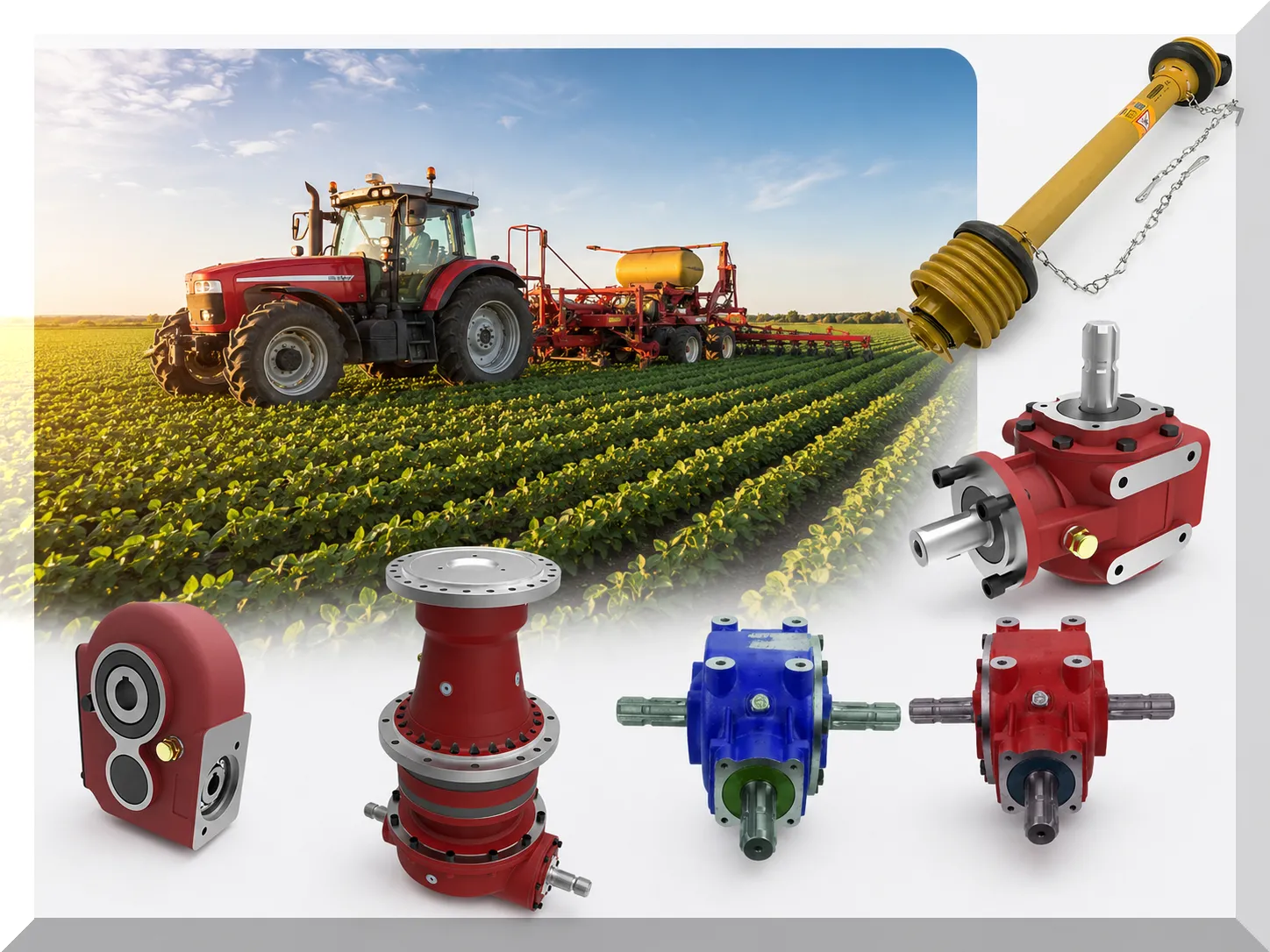
Sistem pemuatan mandiri hidraulik pada transporter seri 9JYY digerakkan melalui sistem yang ringkas. gearbox penggerak pertanian yang mengubah aliran hidrolik traktor ke siklus pengangkatan dan kemiringan lengan penyangga — tidak diperlukan poros PTO untuk pemuatan, yang menyederhanakan pemasangan dan mengurangi waktu penyambungan di setiap lokasi pengambilan bal jerami.
Persyaratan Transportasi Jalan: Lebar, Tinggi, dan Kepatuhan Hukum
Setiap peralatan pengangkut bal jerami Barang yang dipindahkan dari ladang ke tempat penyimpanan melalui jalan umum harus mematuhi peraturan kendaraan bergerak lambat (SMV) dan persyaratan muatan berukuran besar di negara bagian Anda. Ketidakpatuhan akan dikenakan denda dan menimbulkan tanggung jawab jika terjadi kecelakaan di jalan. Persyaratan bervariasi di setiap negara bagian tetapi mengikuti standar federal yang konsisten.
Daftar Periksa Kepatuhan Transportasi Jalan Raya — Sebelum Penyeberangan Jalan Pertama Anda
✓
Lambang SMV (Kendaraan Bergerak Lambat): Diwajibkan pada semua peralatan pertanian yang melaju di bawah 40 km/jam di jalan umum. Harus berupa segitiga oranye reflektif standar ASABE, terlihat dari jarak 300 meter. Posisikan di bagian belakang muatan, bukan hanya di traktor.
✓
Pemeriksaan lebar: Batas lebar jalan standar AS untuk peralatan pertanian adalah 8 kaki 6 inci (2,6 m) tanpa izin. Sebuah pengangkut 4 bal yang memuat bal berdiameter 1,25 m berdampingan mungkin mendekati atau melebihi batas ini — ukur lebar muatan konfigurasi spesifik Anda sebelum menyeberang jalan, bukan hanya rangka pengangkutnya.
✓
Pengecekan tinggi badan: Muatan bal jerami bertumpuk di atas 4,1 m (13,5 kaki) memerlukan izin di sebagian besar negara bagian. Pengangkut bal jerami satu lapis yang membawa bal setinggi 1,25 m di atas trailer standar biasanya mencapai 3,0 hingga 3,4 m — di bawah ambang batas izin. Verifikasi terhadap utilitas di atas kepala di sepanjang rute jalan Anda.
✓
Bale mengamankan: Balok jerami bundar harus diamankan agar tidak bergerak maju, mundur, dan menyamping selama pengangkutan. Pengangkut tipe dudukan menahan balok jerami di dalam kantong melengkung yang secara pasif mencegah pergerakan menyamping. Konfigurasi bak datar memerlukan rantai atau tali pengikat. Balok jerami yang tidak diamankan dan menggelinding dari pengangkut dengan kecepatan jalan raya akan menimbulkan tanggung jawab yang signifikan.
!
Aturan khusus negara bagian: Michigan, Minnesota, dan Wisconsin memiliki jadwal pergerakan alat pertanian di jalan raya yang spesifik (pembatasan waktu tertentu pada kelas jalan tertentu). Periksa halaman alat pertanian Departemen Perhubungan negara bagian Anda sebelum merencanakan rute transportasi jalan raya.
Jajaran Pengangkut Balok Bundar 9JYY Kami: Dari Kompak hingga Komersial
Keduanya pengangkut bal bundar model dalam kita 9JYY-2.5 pengangkut pemuat bal Sistem ini menggunakan pemuatan dudukan hidrolik yang hanya menyentuh bal pada permukaan bawah yang melengkung — tanpa penetrasi paku, tanpa kontak pembungkus jaring pada permukaan lateral. Sistem ini mencakup dua skala operasi AS yang paling umum:
Kompak / Skala Sedang
9JYY-2.5
Pengangkut Balok Muat Sendiri
▸ Kapasitas: 2–3 bal per muatan
▸ Dudukan hidrolik untuk pemuatan otomatis — tidak memerlukan loader terpisah.
▸ Cocok untuk: 100–350 bal/musim, operasi dengan satu traktor.
▸ Traktor: ≥35 kW (47 HP), memerlukan remote hidrolik.
▸ Lebar yang diizinkan di jalan raya: dalam batas standar 2,6 m saat dimuat dengan bal jerami setinggi 1,25 m.
Komersial
Volume Besar / Tinggi
9JYY-4.5
Loader Balok Bundar yang Ditarik
▸ Kapasitas: 4–5 bal per muatan
▸ Lengan pemuat hidraulik dengan penyangga dudukan penuh di sepanjang bal.
▸ Cocok untuk: 300–800+ bal/musim, program komersial
▸ Traktor: ≥50 kW (67 HP), dua remote hidrolik
▸ Mengurangi waktu pengangkutan musiman menjadi kurang dari 2 jam kerja traktor untuk 300 bal.
Kedua model tersedia dari gudang California dengan pengiriman suku cadang di hari yang sama selama musim pengemasan jerami. Konfirmasi kapasitas berat bal (maksimum 700 kg per posisi bal) dan persyaratan aliran hidrolik traktor diverifikasi sebelum pengiriman.
Pertanyaan yang Sering Diajukan: Pemilihan Pengangkut Bal Jerami Bundar
Bisakah saya menggunakan loader depan yang sudah saya miliki untuk bal bundar Bagaimana cara mengangkutnya jika saya menambahkan dudukan?+
Ya — alat tambahan dudukan loader depan (juga disebut dudukan tombak bal atau dudukan garpu bal) menggantikan paku dengan penyangga melengkung yang menyentuh permukaan bawah bal, bukan menusuknya. Alat tambahan ini biasanya berharga $250 hingga $600 dan dipasang pada quick-coupler yang sama dengan bucket atau garpu yang sudah ada. Batasannya adalah kapasitas: bahkan dengan alat tambahan dudukan, loader depan hanya memindahkan satu bal per perjalanan. Untuk operasi di bawah 150 bal per musim dengan lokasi penyimpanan di bawah 200 meter dari ladang, alat tambahan dudukan merupakan peningkatan yang hemat biaya dibandingkan penanganan dengan paku. Di atas ambang batas tersebut, pengangkut multi-bal khusus memberikan ekonomi musiman yang lebih baik.
Bagaimana cara memindahkan bal jerami di lereng curam tanpa risiko terguling?+
Pengangkutan bal jerami bundar di lereng dengan kemiringan di atas 8 hingga 10 persen menimbulkan risiko terguling ke samping pada dudukan pengangkut. Pendekatan teraman di lereng adalah mengangkut bal secara individual menggunakan pengangkut dengan ujung runcing — ujung runcing di sisi ujung bal mengunci sumbu rotasi bal, mencegah terguling ke samping terlepas dari sudut kemiringan medan. Pengangkut multi-bal sejajar di lereng curam harus memiliki penahan lateral yang kuat (panel samping atau rantai) pada setiap posisi bal. Saat mengangkut melintasi lereng (bukan naik atau turun), bergeraklah ke arah yang menjaga sisi pengangkut yang bermuatan tetap di atas lereng — ini mencegah pusat gravitasi muatan bergeser ke arah tepi bawah lereng saat berbelok.
Berapakah berat bal maksimum yang dapat ditangani oleh pengangkut seri 9JYY?+
Model 9JYY-2.5 dan 9JYY-4.5 dirancang untuk menampung bal hingga 700 kg per posisi bal dalam kondisi standar. Bal silase dengan kadar air 60 hingga 65% dari mesin pengepak komersial 9YG-2.24D dapat mencapai 650 hingga 750 kg — mendekati batas kapasitas yang ditetapkan pada 9JYY-2.5. Jika program silase Anda secara konsisten menghasilkan bal di atas 600 kg, pastikan berat bal spesifik tersebut sesuai dengan kapasitas yang ditetapkan pada transporter sebelum memesan. Kami dapat memastikan berat bal berdasarkan model mesin pengepak Anda dan kadar air tanaman yang umum pada saat pemesanan. Melebihi kapasitas yang ditetapkan menyebabkan lentur rangka yang berlebihan, perpanjangan silinder hidrolik yang berlebihan, dan keausan bantalan yang dipercepat pada poros lengan penyangga — yang semuanya secara signifikan memperpendek masa pakai transporter.
Seberapa besar pemadatan tanah yang disebabkan oleh pengangkutan bal jerami berulang kali di dekat lokasi penyimpanan?+
Setiap kali pengangkut bermuatan melintas, tanah di bawah jejak roda akan dipadatkan sebanding dengan beban gandar dan kadar air tanah. Pengangkut 4 bal yang bermuatan sekitar 2.400 kg bal ditambah berat pengangkut akan memberikan tekanan 3.000 hingga 3.500 kg per gandar pada tanah di titik masuk lokasi penyimpanan — sebanding dengan traktor utilitas sedang. Dengan 75 kali lintasan per musim (300 bal dengan 4 bal per perjalanan), pemadatan kumulatif di zona bongkar muat sangat signifikan pada tanah dengan kadar air lebih dari 15%. Strategi mitigasi: pasang bantalan kerikil di titik masuk lokasi penyimpanan yang memanjang setidaknya 5 meter ke zona putar; variasikan jalur pendekatan jika tata letak lokasi memungkinkan; dan hindari pengangkutan selama 24 jam pertama setelah hujan ketika kadar air tanah mencapai puncaknya. Bantalan kerikil juga memberikan manfaat DM penyimpanan bal seperti yang dijelaskan dalam panduan penyimpanan.
Bisakah alat pengangkut bal jerami bundar juga digunakan untuk menempatkan bal jerami ke posisi penyimpanan dengan tepat?+
Pengangkut jerami tipe 9JYY dapat menempatkan bal jerami dalam formasi baris ujung ke ujung dengan cara mengemudi maju sepanjang garis yang ditandai dan memiringkan lengan pengangkut untuk menempatkan setiap bal secara berurutan. Penempatan lateral yang tepat dalam satu baris mengharuskan operator untuk menyelaraskan traktor dengan posisi bal target sebelum melepaskan pengangkut — ini mudah dilakukan dengan garis pandang yang jelas ke baris penyimpanan. Konfigurasi kemiringan samping (di mana pengangkut berputar 90 derajat untuk menempatkan bal tegak lurus terhadap arah perjalanan) tersedia pada beberapa model pengangkut komersial dan memungkinkan penempatan ke dalam baris yang sempit tanpa mengharuskan traktor untuk mengemudi langsung di atas posisi bal sebelumnya. Konfirmasikan apakah kemiringan samping diperlukan untuk konfigurasi baris penyimpanan Anda sebelum memesan.
Perawatan tahunan apa yang dibutuhkan oleh pengangkut bal jerami?+
Perawatan pra-musim tahunan pada 9JYY pengangkut bal bundar Seri ini mencakup: (1) Lumasi semua titik pivot lengan penyangga — 4 hingga 6 nipel gemuk per lengan tergantung modelnya, gemuk serbaguna NLGI-2. (2) Periksa segel silinder hidrolik untuk kebocoran — jejak oli yang terlihat pada segel batang silinder menunjukkan kegagalan segel yang akan segera terjadi; ganti sebelum musim dimulai daripada di tengah musim ketika tumpukan jerami menumpuk. (3) Periksa semua las penyangga untuk retak — terutama zona las di dasar lengan penyangga tempat beban berat jerami terkonsentrasi. (4) Periksa bantalan roda: angkat setiap roda dan periksa kelonggarannya; ganti bantalan apa pun yang menunjukkan kelonggaran. (5) Verifikasi kondisi selang hidrolik — retakan lentur di ujung selang adalah mode kegagalan selang utama pada peralatan jerami. Servis pra-musim lengkap membutuhkan waktu 1 hingga 2 jam dan mencegah sebagian besar kegagalan mekanis di musim berjalan.
Peralatan Pengangkutan Bal — Gudang California
Beri tahu kami jumlah dan berat bal jerami tahunan Anda — Kami akan mencocokkan Anda dengan pengangkut yang tepat.
Kapasitas berat bal jerami dikonfirmasi sesuai dengan model mesin pengepak jerami Anda sebelum pengiriman. Persyaratan remote hidrolik traktor telah diverifikasi. 9JYY-2.5 dan 9JYY-4.5 tersedia di gudang California dengan pengiriman suku cadang di hari yang sama selama musim pengepakan jerami.
✔ Tidak ada kerusakan akibat lonjakan
Dudukan hidrolik — dilindungi dengan jaring pembungkus
✔ Kapasitas Sudah Sesuai Sebelumnya
Jumlah bal tahunan + berat bal terverifikasi
✔ Pengiriman Suku Cadang di Hari yang Sama
Segel silinder, bantalan, dan selang tersedia.
Sesuaikan Perusahaan Pengangkut dengan Volume Bal Anda
Editor: Cxm