
Perbedaan Inti: Format Mengubah Segalanya di Tahap Hilir
Ini Bukan Hanya Soal Ukuran Bal
Pilihan antara mesin pengepak jerami persegi dan mesin pengepak jerami bundar bukanlah semata-mata soal mesin mana yang lebih bertenaga atau lebih mahal. Ini adalah soal format bal jerami mana yang sesuai dengan pasar Anda, infrastruktur penyimpanan Anda, ketersediaan tenaga kerja harian Anda, dan kelengkapan peralatan Anda. Setiap konsekuensi—harga, penanganan, kehilangan penyimpanan, desain gudang, jenis pembeli—berasal dari keputusan format bal jerami.
Sebuah bal jerami persegi kecil berukuran 460×360 mm dengan berat 20–28 kg dapat diangkut oleh satu orang dewasa dari gudang ke kandang kuda tanpa peralatan apa pun. Bal jerami bundar seberat 400 kg membutuhkan traktor dengan alat pemuat atau alat pengangkut bal jerami untuk memindahkannya bahkan sejauh satu meter. Ini bukan perbedaan ergonomis kecil — perbedaan ini mendefinisikan kategori pasar, tipe pembeli, dan alur kerja operasional yang sepenuhnya berbeda.
Untuk Apa Masing-masing Format Dioptimalkan
Mesin pengepres bal persegi kecil dioptimalkan untuk pasar yang menghargai penanganan manual, penyimpanan di loteng gudang, penjualan ritel per unit, dan dokumentasi spesies. Mesin pengepres bal bundar dioptimalkan untuk pasar yang menghargai kapasitas produksi per jam, tenaga kerja per ton yang lebih rendah, toleransi penyimpanan di luar ruangan, dan penetapan harga komoditas dalam volume besar. Keduanya sah dan menguntungkan — dalam aplikasi yang tepat.
Penanganan Bal: Realita Harian di Dunia Kerja
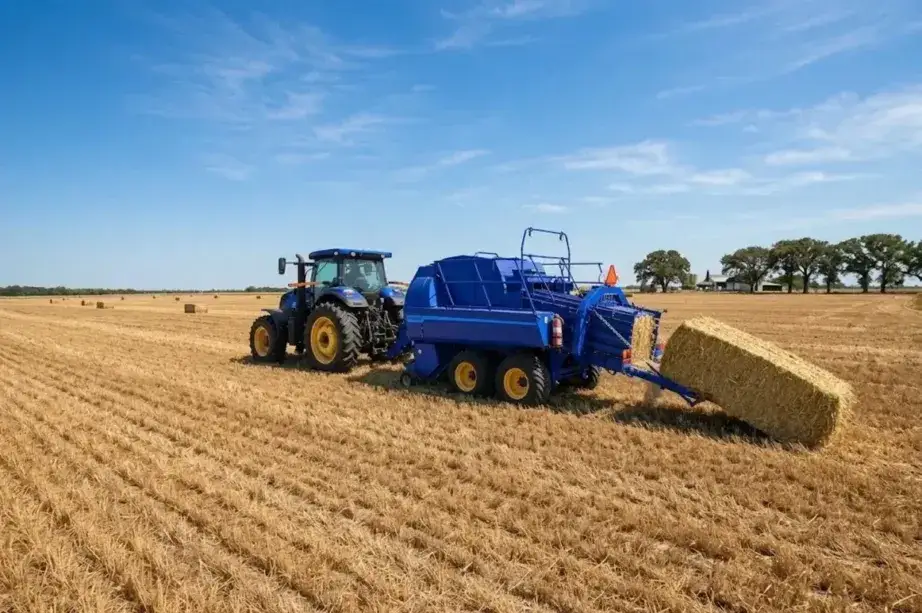
Mesin pengepak bal persegi kecil yang menghasilkan bal berukuran 460×360mm
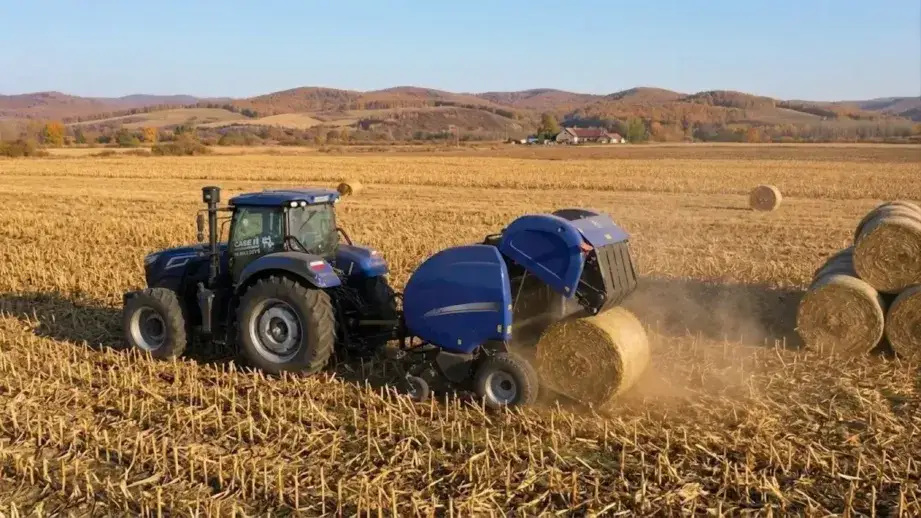
Mesin pengepak bundar yang menghasilkan bal bundar besar.
Penanganan Balok Persegi: Satu Orang, Tidak Membutuhkan Peralatan.
Satu bal jerami persegi kecil dengan berat 18–28 kg — berat yang paling umum secara komersial untuk pasar kuda dan ritel — dapat diangkut dengan tali oleh satu orang dewasa dengan kecepatan berjalan normal dari tempat penyimpanan jerami ke tempat penggunaan. Di kandang kuda yang menampung 20 ekor kuda, ini berarti dua anggota staf dapat menyelesaikan pemberian pakan harian dengan membawa dan mendistribusikan bal jerami ke masing-masing kandang tanpa melibatkan peralatan apa pun. Dalam konteks kios pertanian ritel, pelanggan yang membeli 10 bal jerami dapat memuatnya ke dalam truk pikap tanpa bantuan.
Kemandirian penanganan ini bukanlah sekadar kenyamanan—melainkan persyaratan fungsional yang mendefinisikan pasar kuda. Operator kandang kuda dengan 25 ekor kuda dan dua staf tidak dapat beroperasi dengan bal jerami bundar tanpa traktor pemuat khusus yang secara permanen ditugaskan untuk tugas pemberian pakan jerami. Format persegi kecil menghilangkan ketergantungan peralatan tersebut sepenuhnya.
Penanganan Balok Bundar: Peralatan di Setiap Langkah
Balok jerami bundar seberat 400 kg tidak dapat dipindahkan dengan tangan. Setiap tahapan siklus hidupnya setelah dikeluarkan dari mesin pengepak jerami — pemadatan di lapangan, pengangkutan ke tempat penyimpanan, penempatan di tempat pakan melingkar, penyajian kepada ternak — membutuhkan traktor dengan alat pemuat atau alat penanganan balok jerami khusus. Untuk peternakan sapi potong atau sapi perah skala besar di mana traktor pemuat digunakan setiap hari, ini bukanlah masalah. Namun, untuk peternakan kuda skala kecil, peternakan ruminansia kecil, atau produsen jerami ritel tanpa peralatan pemuat permanen, balok jerami bundar menimbulkan kendala penanganan yang sepenuhnya dihilangkan oleh balok jerami persegi.
Efisiensi Penyimpanan: Mengapa Balok Persegi Lebih Efisien dalam Mengisi Gudang
Keunggulan Geometri dari Format Persegi Panjang
Penampang persegi panjang dari bal jerami persegi kecil ditumpuk tanpa ruang kosong — bal dalam baris dan lapisan yang berdekatan saling menempel dengan celah minimal. Bal jerami persegi kecil standar berukuran 460×360mm dengan berat 24kg dan panjang sekitar 500mm menempati sekitar 0,083 meter kubik ruang gudang per bal dan menyimpan 0,020 ton bahan kering per unit volume. Pada ketinggian penumpukan 6 lapis di gudang standar, loteng jerami seluas 1.000 kaki persegi (93m²) menyimpan sekitar 1.400–1.800 bal — setara dengan 30–40 ton jerami per 1.000 kaki persegi.
Sebuah bal jerami bundar seberat 400 kg dengan diameter 1,2 m dan lebar 1,2 m menempati sekitar 1,36 meter kubik — dan karena penampang melintangnya yang melingkar, ruang kosong antara bal yang berdekatan dalam konfigurasi penyimpanan datar sangat signifikan. Area lantai seluas 1.000 kaki persegi dalam penyimpanan datar di luar ruangan atau di dalam ruangan dapat menampung sekitar 30–40 bal jerami bundar per lapisan — yang mewakili sekitar 12–16 ton per 1.000 kaki persegi. Ini berarti 40–50 ton bahan kering lebih sedikit per unit area penyimpanan tertutup dibandingkan dengan penumpukan bal jerami persegi kecil dalam konfigurasi loteng.
| Metrik Penyimpanan | Balok Persegi Kecil | Balok Bundar (400kg) |
|---|---|---|
| Jumlah bal per 1.000 kaki persegi (loteng tertutup) | 1.400–1.800 | 30–40 |
| Bahan kering per 1.000 kaki persegi | 30–38 ton | 12–16 ton |
| Ruang kosong di penyimpanan | Minimal (<5%) | 15–25% (celah melingkar) |
| Toleransi penyimpanan luar ruangan | Rendah (membutuhkan perlindungan) | Sedang–Baik (bungkus jaring) |
| Apakah penyimpanan di loteng memungkinkan? | Ya — format yang ideal | Tidak — terlalu berat dan besar. |
Penyimpanan di Luar Ruangan dan Kehilangan Bahan Kering
Balok jerami bundar yang dibungkus dengan jaring atau plastik memiliki toleransi penyimpanan di luar ruangan yang jauh lebih baik daripada balok jerami persegi kecil. Balok jerami bundar yang dibungkus dengan jaring dengan benar dan disimpan di permukaan yang memiliki drainase baik biasanya kehilangan 5–8% bahan keringnya selama enam bulan di luar ruangan. Balok jerami persegi kecil yang ditumpuk di luar ruangan tanpa penutup kehilangan 12–25% bahan keringnya akibat paparan cuaca selama periode yang sama. Oleh karena itu, operasi tanpa fasilitas penyimpanan tertutup lebih baik menggunakan balok jerami bundar untuk penyimpanan jangka panjang di tepi lahan. Operasi dengan infrastruktur gudang tertutup yang sudah ada lebih baik menggunakan balok jerami persegi kecil, yang menggunakan infrastruktur tersebut 3–4 kali lebih efisien per unit luas lantai.
Nilai Pasar: Format Mana yang Menghasilkan Harga Lebih Tinggi?
Premi Kotak Kecil di Pasar Kuda
Jerami alfalfa yang sama yang dijual dalam format persegi kecil kepada pembeli kuda menghasilkan pendapatan per ton yang jauh lebih besar daripada jerami yang sama yang dijual dalam bentuk bal bundar kepada pembeli ternak komoditas. Dalam kondisi pasar AS tahun 2025–2026: alfalfa berkualitas premium untuk kuda dalam bal persegi kecil yang dijual langsung ke kandang kuda dan pemilik kuda perorangan berkisar antara $10–18 per bal. Dengan berat bal rata-rata 24 kg, ini setara dengan $417–$750 per ton. Alfalfa yang sama yang dijual dalam bentuk bal bundar ke pasar ternak komoditas menghasilkan $120–$200 per ton.
Selisih harga 2–4 kali lipat ini bukan karena bal jerami persegi kecil berisi jerami yang lebih baik. Selisih harga ini ada karena format tersebut menyediakan layanan—penanganan manual, ukuran porsi yang konsisten, kompatibilitas penyimpanan di gudang—yang dibayar oleh pasar kuda secara konsisten terlepas dari pergerakan harga jerami komoditas. Premi format ini bersifat struktural, bukan siklikal.
Alfalfa premium dengan berat $10–18/bal dijual langsung ke kandang kuda dan pemilik kuda perorangan.
Alfalfa dengan kualitas sama dijual dalam bentuk bal bundar ke pasar komoditas pakan ternak sapi/susu.
Timothy dan alfalfa dalam kemasan persegi kecil untuk pasar susu Jepang dan Korea (FOB pelabuhan AS)
Di mana Bale Bundar Unggul dalam Pendapatan
Balok bundar lebih menguntungkan dari segi pendapatan dalam dua situasi spesifik. Pertama, produksi silase dan haylage: membungkus balok bundar dengan plastik untuk pakan ternak fermentasi yang diawetkan praktis dan layak secara ekonomi pada skala pertanian — silase persegi kecil jarang praktis di luar pasar khusus. Kedua, kontrak komoditas bervolume besar di mana pembeli membeli per ton berdasarkan per pengiriman — satu pengiriman 20 balok bundar setara dengan pengiriman 300–400 balok persegi kecil, secara dramatis mengurangi biaya logistik per ton yang dikirim. Untuk operasi yang menargetkan pasar ini, format bundar mengurangi biaya logistik cukup untuk mengimbangi harga per ton yang lebih rendah.
Biaya Operasional Per Ton: Tali Pengikat, Jaring Pembungkus, Bahan Bakar, dan Tenaga Kerja
Perbandingan Biaya Bahan Pembungkus
Struktur biaya bahan pembungkus berbeda secara signifikan antar format. Satu bal persegi kecil menggunakan sekitar 4–6 meter tali untuk dua simpul dengan biaya tali sebesar $0,25–$0,60 per bal, tergantung pada kualitas tali dan volume pembelian. Dengan berat bal rata-rata 22 kg, ini berarti biaya bahan tali sebesar $11–$27 per ton — pengeluaran yang signifikan namun masih dapat dikelola.
Satu bal jerami bundar yang dibungkus jaring dengan berat 400 kg menggunakan sekitar 4–6 meter jaring pembungkus dengan biaya $1,50–$3,00 per bal — yang setara dengan $3,75–$7,50 per ton. Biaya material jaring pembungkus per ton jauh lebih rendah daripada biaya tali persegi kecil per ton. Namun, keunggulan biaya ini biasanya lebih dari diimbangi oleh premi harga yang diperoleh format persegi kecil di pasaran — perbedaan harga $300–$500 per ton antara jerami kuda dalam format persegi kecil dan jerami bal bundar komoditas jauh lebih besar daripada perbedaan biaya material pembungkus $7–$20 per ton.
Biaya Tenaga Kerja Per Ton
Mesin pengepres bal bundar memproses material lebih cepat per jam karena ruang pengepresan terisi terus menerus tanpa siklus berhenti-dan-mulai seperti pada pendorong mesin pengepres bal persegi kecil. Untuk pengambilan dengan lebar yang sama, mesin pengepres bal bundar menghasilkan 20–351 ton lebih banyak per jam daripada mesin pengepres bal persegi kecil pada tanaman yang sama dengan kecepatan maju yang sama. Namun, tenaga kerja pasca panen untuk bal persegi kecil — pemuatan, pengangkutan, dan penumpukan — lebih rendah per bal (satu orang, tanpa peralatan) daripada untuk bal bundar (membutuhkan loader untuk setiap pergerakan). Keunggulan tenaga kerja bersih bergantung pada operasi spesifik: operasi komoditas bervolume tinggi mendapat manfaat dari keunggulan kapasitas mesin pengepres bal bundar; operasi pasar premium bervolume kecil mendapat manfaat dari kemandirian penanganan bal persegi kecil.
Persyaratan Daya Kuda Traktor: Perbandingan Langsung
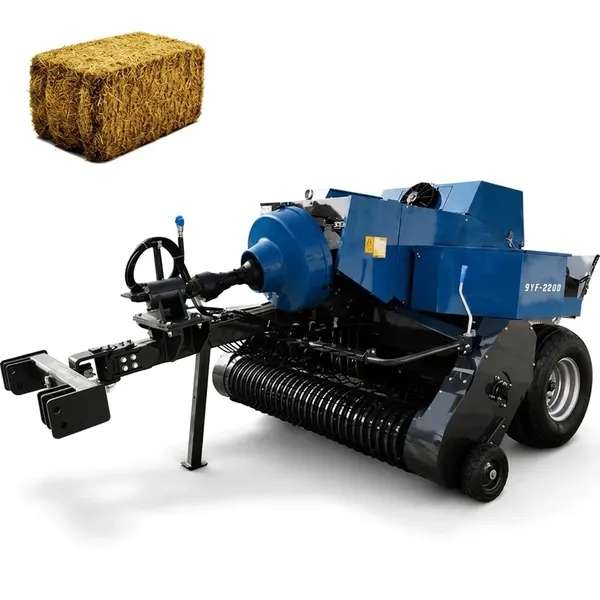
Baik mesin pengepak jerami persegi maupun bundar tersedia untuk berbagai rentang daya traktor — mulai dari traktor utilitas kompak kelas 40–55 HP hingga traktor tanaman baris besar di atas 130 HP. Seri mesin pengepak jerami persegi kecil 9YF mencakup minimal 40 HP (9YF-1700) hingga minimal 99 HP untuk model penghancur. Seri mesin pengepak jerami bundar 9YQ dimulai dari 25–50 HP untuk model kompak 9YQ-870 dan meningkat hingga 110–150 kW (148–201 HP) untuk model berdiameter besar 9YG-2.2.
| Model | Jenis | Format Bale | Daya Traktor Minimum (PTO) | Kisaran Berat Bal |
|---|---|---|---|---|
| 9YF-1700 | Persegi Kecil | 460×360mm | 40 HP | 12–32 kg |
| 9YF-1900 | Persegi Kecil | 460×360mm | 50 HP | 14–34 kg |
| 9YF-2200 | Persegi Kecil | 460×360mm | 50 HP | 14–36 kg |
| 9YF-2200S | Kotak Kecil + Penghancur Kertas | 460×360mm | 99 HP | 22–40 kg |
| 9YQ-870 | Pembuat Bal Bulat | Φ630×700mm | 25–50 HP | 80–150 kg |
| 9YQ-1250 | Pembuat Bal Bulat | Φ800×1.250mm | 54–80 HP | 200–380 kg |
| 9YQ-1950 | Pembuat Bal Bulat | Φ1.000×1.250mm | 50–148 HP | 350–600 kg |
| 9YG-2.2 | Pembuat Bal Bulat | Φ1.220×1.400mm | 148–201HP | 550–900 kg |
Kapan Memilih Mesin Pengepak Bal Persegi Kecil?
Enam skenario spesifik di mana format persegi kecil tidak hanya lebih disukai tetapi juga secara fungsional diperlukan atau jelas lebih unggul secara ekonomis:
Kapan Memilih Mesin Pengepak Bal Bundar?
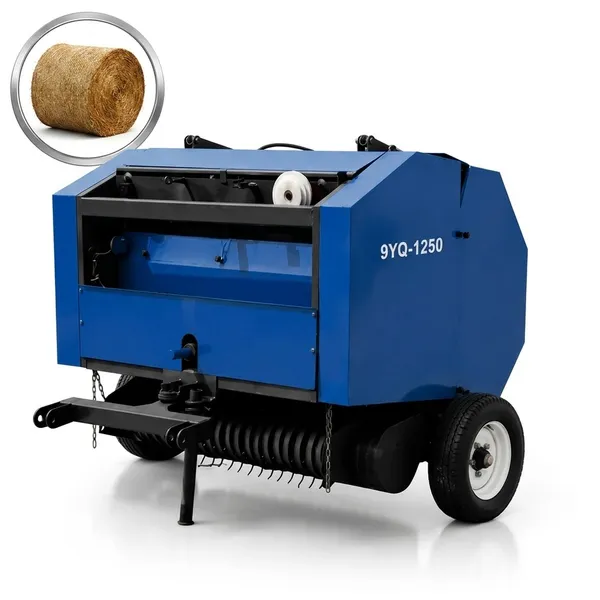
Bisakah Saya Memiliki Keduanya? Strategi Format Ganda
Bagaimana Peternakan Menengah dan Besar Membagi Kedua Format Tersebut
Semakin banyak usaha pertanian skala menengah dengan luas lahan 200–600 hektar yang mengoperasikan mesin pengepak jerami persegi kecil dan mesin pengepak jerami bundar secara bersamaan — bukan karena mereka tidak dapat memutuskan, tetapi karena kedua format tersebut melayani pasar yang berbeda dari lahan pertanian yang sama. Mesin pengepak jerami bundar menangani sebagian besar lahan secara efisien, menghasilkan tonase komoditas untuk pasar pakan ternak atau untuk ternak milik usaha itu sendiri. Mesin pengepak jerami persegi kecil menangani sebagian lahan jerami berkualitas tinggi — biasanya alfalfa hasil panen pertama dan kedua atau rumput timothy premium — yang kemudian dijual langsung kepada pembeli kuda dan toko pakan dengan harga premium 2–4 kali lipat.
Dalam operasi format ganda yang dikelola dengan baik, mesin pengepak jerami persegi kecil tidak bersaing dengan mesin pengepak jerami bundar untuk lahan yang sama — mesin ini menargetkan lahan premium yang membenarkan biaya penanganan tambahan. Mesin pengepak jerami bundar mencakup lahan yang tersisa secara efisien. Hasilnya adalah pendapatan rata-rata per hektar yang lebih tinggi di seluruh operasi daripada yang dapat dicapai oleh salah satu format saja.
Ketika Format Ganda Bukanlah Solusinya
Format ganda tidak cocok untuk setiap operasi. Peternakan hobi seluas 50 hektar dengan satu traktor tidak memiliki tenaga kerja atau lahan yang cukup untuk membenarkan penggunaan dua mesin pengepak jerami terpisah. Operasi pertanian komoditas biji-bijian dan jerami seluas 2.000 hektar tidak memiliki akses pasar untuk penjualan ritel jerami persegi kecil dalam skala besar. Format ganda paling efektif jika operasi tersebut memiliki: lahan berkualitas premium yang cukup untuk membenarkan biaya peralatan jerami persegi kecil (biasanya 50+ hektar jerami premium); hubungan pasar ritel, peternakan kuda, atau ekspor yang mapan atau mudah diakses; dan tenaga kerja atau infrastruktur untuk menangani jerami persegi kecil secara efisien bersamaan dengan produksi jerami bundar dalam volume besar.
Matriks Keputusan: Temukan Format Anda Berdasarkan Profil Pertanian
Gunakan matriks ini untuk memetakan profil operasi spesifik Anda ke format mesin pengepak yang direkomendasikan:
| Profil Operasi | Direkomendasikan | Alasan Utama |
|---|---|---|
| 1–5 kuda, lahan kecil, kandang dengan loteng. | Persegi Kecil | Format diperlukan untuk pemberian pakan kandang secara manual; penyimpanan di loteng tidak kompatibel dengan bal jerami bundar. |
| Kandang kuda untuk 10-40 ekor kuda, menjual kelebihan jerami. | Persegi Kecil | Premi pasar pembeli kuda membayar 2–4 kali lipat per ton; format yang dibutuhkan oleh pembeli kandang kuda |
| Jerami dari lahan seluas 50–150 hektar dijual ke toko pakan ternak dan pemilik kuda. | Persegi Kecil | Pasar ritel dan kuda membutuhkan lahan yang kecil; penetapan harga premium membenarkan penanganan tambahan. |
| 50–150 ekor sapi potong, usaha produksi jerami mandiri. | Pembuat Bal Bulat | Memberi makan lebih dari 50 ekor sapi setiap hari dengan tangan tidak praktis; loader sudah digunakan setiap hari untuk tugas-tugas lain. |
| Lebih dari 300 hektar, layanan pengemasan jerami sesuai pesanan, jerami komoditas. | Pembuat Bal Bulat | Kapasitas produksi per jam menentukan profitabilitas; mesin pengemas jerami bundar dapat menggarap lebih banyak lahan per hari. |
| Ekspor alfalfa atau timothy (Jepang, Korea, Timur Tengah) | Persegi Kecil | Pembeli ekspor di pasar ini menentukan format persegi kecil 460×360mm untuk pengemasan kontainer. |
| Produksi silase / hijauan yang diawetkan dengan kadar air tinggi | Pembuat Bal Bulat | Silase bal bundar yang dibungkus plastik adalah satu-satunya metode pengawetan pakan ternak yang praktis untuk pertanian skala kecil. |
| 200–400 hektar dengan lahan premium + lahan komoditas. | Kedua Format | Mesin pengepres jerami persegi untuk lahan ritel premium; mesin pengepres jerami bundar untuk volume komoditas — format ganda memaksimalkan pendapatan rata-rata per hektar. |
| Kambing, domba, alpaka — peternakan hobi ruminansia kecil | Persegi Kecil | Pemberian pakan per porsi untuk ruminansia kecil sesuai dengan ukuran bal jerami persegi kecil; tidak memerlukan alat pemuat. |
| Pengumpulan biomassa, jerami, dan sisa tanaman. | Pembuat Bal Bulat | Pembeli biomassa biasanya membeli per ton dalam jumlah besar; logistik bal bundar sesuai dengan pasar ini. |
Spesifikasi Poros Penggerak PTO untuk Kedua Jenis Mesin Pengepak Baler
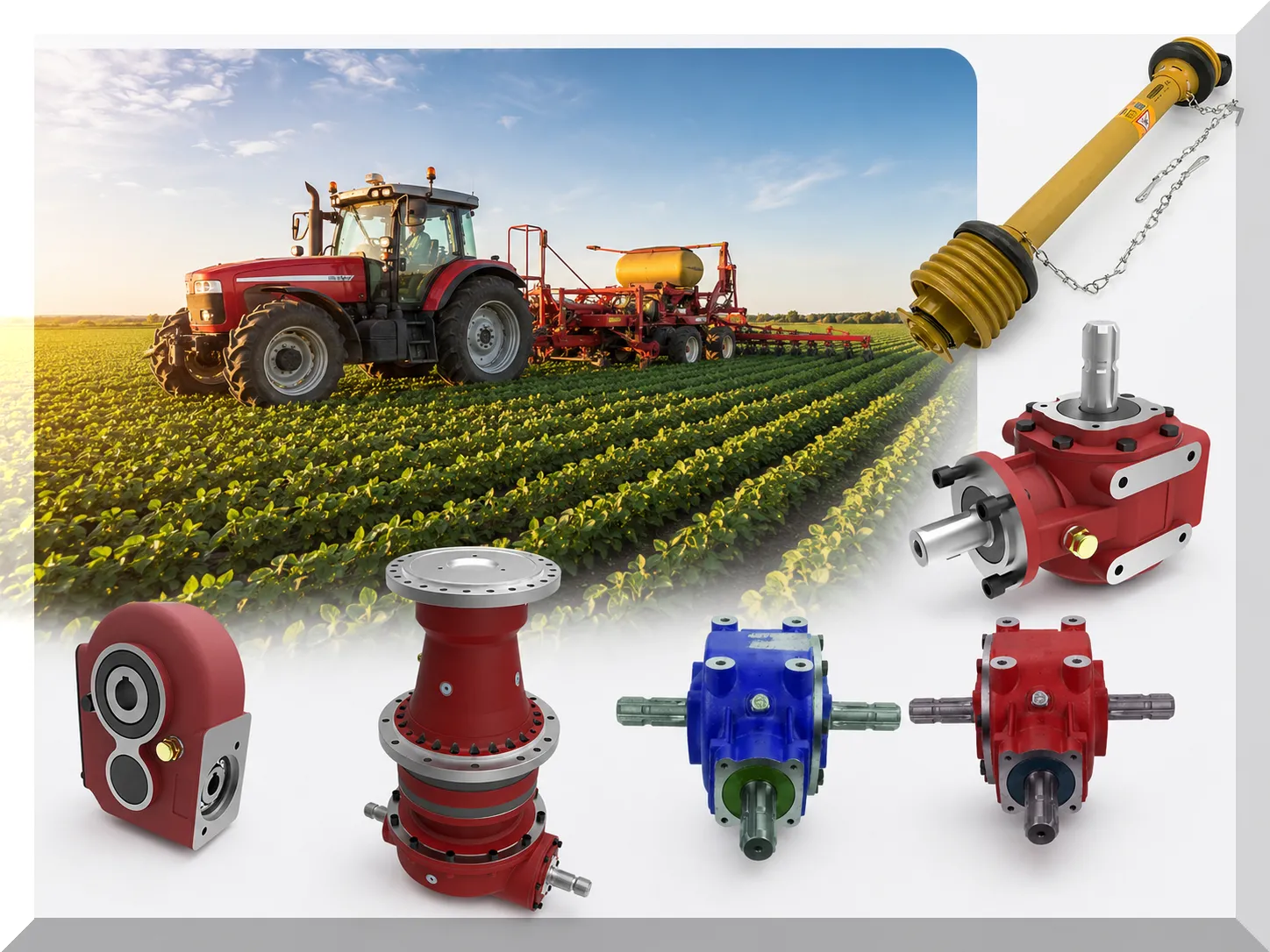
Spesifikasi torsi gearbox dan standar kopling untuk semua kelas daya mesin pengepak jerami: Spesifikasi gearbox pertanian dan poros PTO
Baik Anda memasangkan traktor kompak 40HP dengan 9YF-1700 atau traktor tanaman baris 150HP dengan baler bundar 9YG-2.2, spesifikasi panjang poros penggerak dan sudut sambungan CV yang tepat akan melindungi investasi peralatan Anda. Spesifikasi lengkap untuk semua model baler dan kelas daya traktor tersedia di Panduan ukuran poros penggerak PTO dan sambungan CV..
Pertanyaan yang Sering Diajukan — Mesin Pengepak Segi Empat vs Mesin Pengepak Segi Empat
Temukan Mesin Pengepak Bal yang Tepat untuk Operasi Anda
Sebutkan tanaman utama Anda, target pasar Anda (kuda, ternak, ekspor, atau ritel) dan daya kuda traktor Anda — kami akan memastikan format mana yang sesuai dan merekomendasikan model spesifik yang cocok untuk operasi Anda. Baik seri baler persegi 9YF maupun seri baler bundar 9YQ tersedia dan siap dikirim dengan dukungan teknis penuh.
Editor: Cxm


