
Perché l'erba medica richiede maggiore precisione rispetto a qualsiasi altra coltura da fieno
L'erba medica non è semplicemente fieno verde: è una leguminosa ricca di proteine che cambia rapidamente la sua composizione nutrizionale nei giorni intorno alla fioritura, perde il 40-60% del suo contenuto fogliare se manipolata in modo brusco e sviluppa muffa entro 24 ore dalla pressatura anche con un'umidità leggermente elevata. Ogni decisione, dal giorno del taglio alla consegna della balla, preserva o distrugge il valore che la pianta ha accumulato durante la stagione di crescita.
Le conseguenze sul mercato sono dirette. L'erba medica di prima qualità, tagliata correttamente e venduta agli acquirenti di cavalli, genera un ricavo di 10-18 tonnellate per balla. La stessa erba medica, imballata tardivamente con un'umidità errata e una significativa perdita di foglie, genera un ricavo di circa 5-8 tonnellate per balla, finendo nei canali di distribuzione del fieno per bovini, oppure viene rifiutata direttamente dagli acquirenti di equini attenti alla qualità. Le fasi di produzione descritte di seguito non sono linee guida, bensì le pratiche di gestione che distinguono il prodotto di prima qualità dal fieno di qualità inferiore.
Fase 1: Taglio — Quando falciare per ottenere il massimo risultato
La regola di Bloom 10% e il perché della sua esistenza
La linea guida più utilizzata per il taglio dell'erba medica è lo stadio di fioritura 10%: si taglia quando circa una pianta su dieci nel campo presenta un fiore aperto. In questa fase di crescita, le pareti cellulari del fusto dell'erba medica non sono ancora completamente lignificate, il rapporto foglie/fusto è al suo picco stagionale e il contenuto di proteina grezza si attesta tipicamente tra 18 e 22% di sostanza secca. Attendere lo stadio 50% o la piena fioritura riduce la proteina grezza del 3-5% e aumenta i valori di ADF e NDF, entrambi fattori che diminuiscono il valore energetico e l'appetibilità del fieno per cavalli e vacche da latte.
Per il mercato equino e per l'esportazione verso Giappone o Corea, il taglio a 10% o prima della fioritura è lo standard applicato dagli acquirenti di prodotti di alta qualità. Per il fieno destinato al bestiame in generale, il taglio a 25-30% di fioritura è accettabile e migliora leggermente la resa per acro a scapito della qualità. La maggior parte dei produttori che producono per il mercato equino o per l'esportazione riscontra che la perdita di resa per acro dovuta al taglio precoce (tipicamente 5-10% rispetto alla resa a piena fioritura) è più che compensata dal premio di prezzo per tonnellata derivante dalla maggiore qualità.
Taglio in base alla regione e alla stagione
| Regione di produzione | Tempistica del primo taglio | Tagli all'anno | Considerazione chiave |
|---|---|---|---|
| California / Arizona (irrigua) | Marzo-Aprile | 8–11 tagli | Il caldo estivo accelera il processo di essiccazione; la finestra temporale per l'imballaggio pomeridiano è spesso molto breve. |
| Nord-ovest del Pacifico (WA/OR) | Maggio-Giugno | 3–4 tagli | Premio maggiorato per il mercato di esportazione; standard più rigorosi in materia di umidità e ceneri richiesti dagli acquirenti giapponesi. |
| Grandi Pianure (Kansas / Nebraska / Dakota del Sud) | Maggio-Giugno | 3–4 tagli | Il vento favorisce la stagionatura; rischio di danni da grandine durante il periodo di stagionatura |
| Midwest superiore (Wisconsin / Minnesota / Michigan) | Giugno | 2–3 tagli | Stagione più breve; rese elevate al primo taglio; gestione dell'umidità fondamentale per la qualità |
Fase 2: Condizionamento — Accelerazione dell'essiccazione senza schiacciare le foglie
Perché la concimazione è importante per l'erba medica
Gli steli dell'erba medica hanno una cuticola cerosa che rallenta significativamente la perdita di umidità rispetto alle foglie. Nell'erba medica non trattata, gli steli possono trattenere 251 TP5T di umidità mentre le foglie adiacenti sono già a 121 TP5T: la finestra di pressatura determinata dall'umidità dello stelo è di diverse ore più ristretta di quanto suggerirebbe la lettura dell'umidità fogliare. Il trattamento, ovvero la compressione o lo schiacciamento meccanico dello stelo durante la falciatura, rompe la cuticola cerosa e permette all'umidità dello stelo di fuoriuscire a una velocità molto più vicina a quella dell'umidità fogliare, ampliando la finestra di pressatura pratica.
Le condizionatrici a rulli (con rulli intrecciati e nervature in gomma o acciaio) sono il tipo più comune per l'erba medica e producono un condizionamento moderato degli steli con danni minimi alle foglie alle normali velocità operative. Le condizionatrici a rulli (lisci o scanalati a pressione più elevata) forniscono un condizionamento più aggressivo – una stagionatura più rapida – ma causano una maggiore perdita di foglie in condizioni di siccità estrema, nel tardo pomeriggio, quando le foglie di erba medica sono al massimo della fragilità. Per il fieno di alta qualità destinato all'alimentazione dei cavalli e all'esportazione, dove la conservazione delle foglie è fondamentale, far funzionare la condizionatrice con le opportune impostazioni di distanza tra i rulli ed evitare di falciare quando le foglie sono eccessivamente secche riduce i costi di condizionamento dovuti alla perdita di foglie.
Il dibattito sul non condizionamento
Alcuni produttori di erba medica di alta qualità, destinati al mercato di fascia alta dei cavalli da concorso, effettuano deliberatamente il taglio senza pretrattamento per ottenere la massima conservazione delle foglie. Senza pretrattamento, l'essiccazione richiede 1-2 giorni in più, aumentando il rischio legato alle condizioni meteorologiche. Il compromesso tra più foglie e minore esposizione agli agenti atmosferici o maggiore esposizione agli agenti atmosferici dipende dall'affidabilità delle previsioni locali e dal sovrapprezzo per balla derivante dal fieno con il massimo numero di foglie. Nelle regioni con periodi di siccità molto affidabili (Central Valley della California, deserto irriguo del sud-ovest), il taglio senza pretrattamento è più vantaggioso rispetto alle regioni umide o con condizioni meteorologiche variabili.
Fase 3: Essiccazione — La cronologia dalla falciatura all'imballaggio
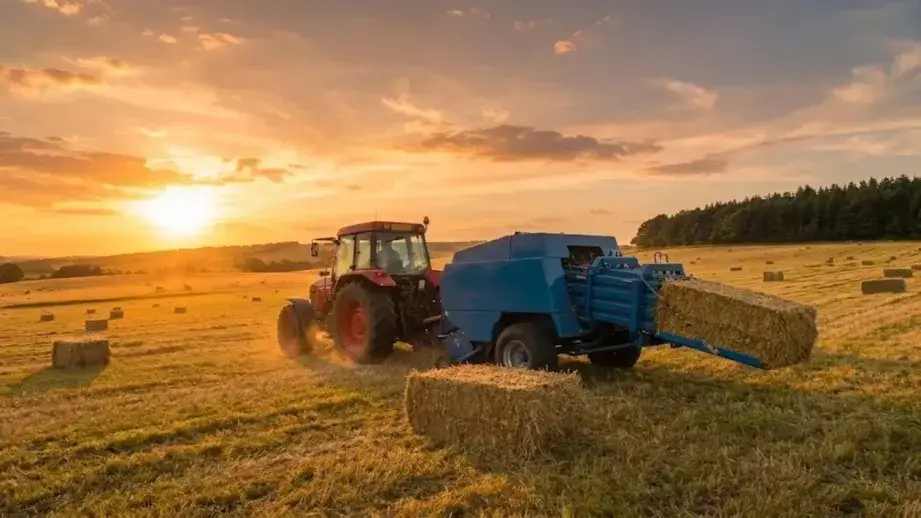
Tempi di essiccazione in base alla stagione e alle condizioni
Il tempo di essiccazione dell'erba medica non è fisso: varia in base alla temperatura, all'umidità relativa, alla radiazione solare, alla velocità del vento e alla densità delle andane. In condizioni ideali (oltre 30°C, bassa umidità, pieno sole, buona ventilazione), l'erba medica condizionata può raggiungere l'umidità di pressatura in 2-3 giorni. In condizioni più fresche, nuvolose o umide, sono più tipici 4-6 giorni. La regola più importante è: non pressare in base al calendario, ma in base alla misurazione dell'umidità.
30°C+, bassa umidità (<50% RH), pieno sole, brezza leggera. Erba medica condizionata in andana larga. Controllare l'umidità giornalmente a partire dal secondo giorno.
22–30 °C, umidità moderata (50–651 UR), copertura nuvolosa parziale. Regioni di erba medica più produttive durante il picco della stagione. Iniziare i test dal pomeriggio del terzo giorno.
Temperature inferiori a 20 °C, elevata umidità (>70% RH), cielo coperto o piogge leggere. Produzione nelle regioni settentrionali o inizio/fine stagione. Eseguire il test al mattino e al pomeriggio a partire dal quarto giorno.
Tempistiche di rastrellatura e perdita di foglie
Raccogliete l'erba medica al mattino, prima che le foglie raggiungano la massima secchezza: l'umidità presente nelle prime ore del mattino rende le foglie più flessibili anziché fragili, riducendo significativamente la rottura che si verifica quando le foglie secche entrano in contatto con i denti del rastrello. Nelle regioni a clima caldo, dove l'umidità mattutina evapora rapidamente, iniziare la raccolta di buon mattino (dalle 06:00 alle 09:00) fa spesso la differenza tra una perdita di 5% foglie e una perdita di 15% foglie. Non rastrellate mai nel pomeriggio nelle giornate calde, quando le foglie di erba medica sono più fragili: la perdita di proteine dovuta alla rottura delle foglie è irreversibile.
Fase 4: Test di umidità — L'unico punto decisionale che non può essere saltato
Obiettivo: 14–17% per balle quadrate di piccole dimensioni
Il livello di umidità ideale per l'erba medica destinata alla produzione di balle quadrate di piccole dimensioni da stoccare in stalle coperte è compreso tra 14 e 171 TP5T. Al di sotto di 141 TP5T, l'eccessiva frammentazione delle foglie durante la pressatura riduce la resa proteica e il peso delle balle. Al di sopra di 171 TP5T, il riscaldamento spontaneo inizia entro 48 ore in cumuli densi di balle quadrate di piccole dimensioni: al di sopra di 55 °C, le reazioni di Maillard legano le proteine in una forma che cavalli e ruminanti non possono digerire. Al di sopra di 70 °C, il cumulo rappresenta un rischio di incendio.
Misurare l'umidità interna dell'andana, non quella superficiale, utilizzando un misuratore di umidità per fieno a sonda, inserendolo per 15-20 cm nell'andana in diversi punti del campo. Le misurazioni superficiali sottostimano sistematicamente l'umidità interna dell'erba medica del 3-6% in condizioni climatiche calde. Un'andana che presenta un valore di 16% in superficie può avere un valore di 20-22% all'interno. Utilizzare sempre il valore più alto tra le misurazioni interne rappresentative come punto di riferimento per decidere se procedere o meno con la raccolta.
Cosa succede a ciascun livello di umidità
| Umidità a Baling | Risultato in fase di archiviazione | Conseguenze di mercato |
|---|---|---|
| 12–14% | Stabile, non necessita di riscaldamento. Potrebbe essere eccessivamente secco. | L'eccessiva perdita di foglie durante la pressatura riduce il contenuto proteico. Le balle leggere potrebbero deludere gli acquirenti in termini di peso. |
| 14–17% | Ideale. Le balle si stabilizzano entro 2-3 settimane. Nessun rischio di surriscaldamento se riposte al coperto. | Cavalli di prima qualità, destinati all'esportazione. Massima conservazione delle foglie. Ottiene il prezzo pieno di mercato. |
| 17–20% | Riscaldamento moderato entro 48-72 ore. Il legame proteico inizia al di sopra dei 55 °C. | Rischio di rifiuto da parte dell'acquirente alla consegna. Valore nutrizionale ridotto a causa di danni da calore. |
| Sopra 20% | Riscaldamento eccessivo o formazione di muffa entro 24-48 ore. Possibile rischio di incendio al di sopra dei 70 °C. | Rifiutato da tutti i mercati di fascia alta. Potenziale perdita totale del lotto. |
Fase 5: Impostazioni della pressa per erba medica - In base al mercato
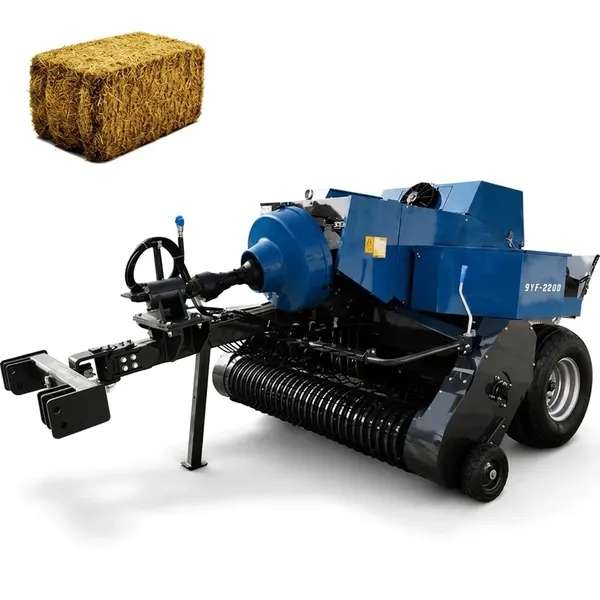
Impostazione per destinazione di mercato
Erba medica tagliata tardivamente e i vantaggi della trinciatrice
Gli steli di erba medica del terzo e quarto taglio sono più spessi e legnosi rispetto a quelli del primo o del secondo taglio. In una pressa a denti elastici standard senza trituratore, l'erba medica tagliata tardivamente si comprime con più spazio vuoto interno: gli steli spessi si estendono attraverso la sezione trasversale della camera di pressatura anziché compattarsi uniformemente. Il risultato sono balle che sono 10–15% più leggere per unità di lunghezza con la stessa impostazione del pistone del fieno di primo taglio. Il trituratore monostadio sulla 9YF-2200S Questo processo spezza gli steli prima della compressione, producendo un compattamento più uniforme e un peso delle balle costante in tutte le fasi di taglio durante la stagione.
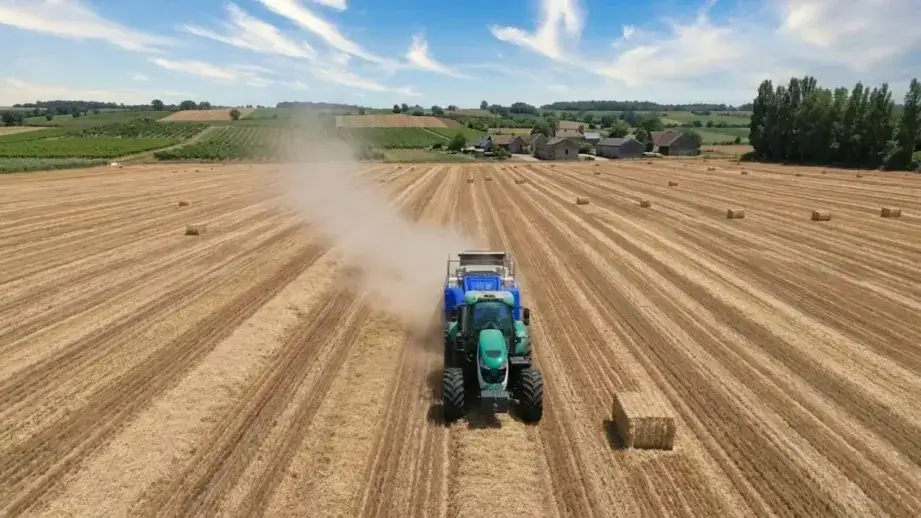
Fase 6: Conservazione delle foglie — Protezione del contenuto proteico
Perché ogni 1% di perdita di foglie ti costa denaro
Le foglie di erba medica contengono dal 70 al 75% delle proteine grezze presenti nella pianta. Quando le foglie si sbriciolano e cadono sul campo durante la raccolta o l'imballaggio, il contenuto proteico della balla rimanente diminuisce proporzionalmente. Una perdita di 101 tonnellate di foglie dal totale della pianta riduce le proteine grezze nella balla di circa 6-7 punti percentuali, passando da 201 tonnellate a 13-141 tonnellate. Questa è la differenza tra il fieno di qualità superiore per cavalli e il fieno di qualità inferiore per il bestiame.
La perdita di foglie si verifica in più fasi: falciatura, condizionamento, rastrellatura, spandimento e imballaggio contribuiscono tutti a questo fenomeno. Il punto in cui si registra la maggiore perdita di foglie nella maggior parte delle aziende agricole è la rastrellatura, in particolare quella pomeridiana in condizioni di siccità. Programmare la rastrellatura al mattino e utilizzare un rastrello a scarico laterale o a convogliamento anziché un rastrello rotativo riduce in genere la perdita totale di foglie del 5-8% nella coltivazione dell'erba medica.
Anche la velocità di raccolta della pressa influisce sulla perdita di foglie. Una velocità di raccolta superiore a quella necessaria per il volume dell'andana agita il materiale più del dovuto, causando la frantumazione delle foglie nei punti di contatto con i denti. Impostare la velocità di raccolta al minimo che garantisca il recupero completo dell'andana, non al massimo disponibile sulla macchina.
Fase 7: Analisi del fieno — Documentare la qualità per ottenere prezzi più elevati

Cosa testare e quando
Inviare un campione composito di foraggio per ogni taglio e per ogni campo a un laboratorio accreditato. Prelevare 15-20 campioni di carota da balle rappresentative in tutto il lotto utilizzando una sonda per fieno (non un campione prelevato direttamente dall'estremità della balla, poiché questo fornisce una lettura superficiale non rappresentativa). Mescolare i campioni di carota, riempire un sacchetto per campioni e inviarlo entro 48 ore dal prelievo. La maggior parte dei laboratori accreditati fornisce i risultati entro 3-5 giorni lavorativi al costo di 10-20 euro per campione.
Il pannello di analisi standard per l'erba medica comprende: umidità, proteina grezza (CP), fibra detergente acida (ADF), fibra detergente neutra (NDF), qualità relativa del foraggio (RFQ), nutrienti totali digeribili (TDN) e ceneri. Per l'esportazione in Giappone o Corea, si consiglia di richiedere il pannello esteso che include potassio, nitrati e talvolta lo screening delle micotossine: gli acquirenti giapponesi specificano spesso questi test nei contratti di acquisto.
Utilizzo dei risultati delle analisi nella definizione dei prezzi
Un certificato di analisi del fieno allegato alla fattura di consegna o esposto presso il punto vendita aziendale trasforma il fieno da una semplice merce indifferenziata in un prodotto documentato. I gestori di scuderie e gli acquirenti di mangimifici che ricevono i risultati delle analisi ordinano regolarmente dallo stesso fornitore anziché cambiare fornitore ogni stagione, perché i dati consentono loro di pianificare le razioni in modo prevedibile. Per le vendite dirette ai proprietari di cavalli, allegare una scheda di analisi plastificata a una balla rappresentativa di ogni taglio permette all'acquirente di leggere i valori di proteine e ADF al momento del ritiro. Gli acquirenti che comprendono la nutrizione dei foraggi sono disposti a pagare un sovrapprezzo significativo per questa documentazione.
La cronologia dal taglio all'imballaggio: un riferimento pratico
| Giorno | Attività | Azione chiave / Verifica |
|---|---|---|
| Giorno 0 | Falciatura con condizionatore | Tagliare a 10% fioritura. Regolare correttamente la distanza del rullo. Evitare di falciare nel tardo pomeriggio se l'umidità aumenterà durante la notte. |
| Giorno 1 | Dosaggio (facoltativo) | Se le andane sono dense, distribuirle uniformemente. Evitare di arare nelle ore più calde del pomeriggio con le foglie secche: in questa fase il rischio di rottura delle foglie è massimo. |
| Giorno 2 | Rastrellatura (al mattino presto) | Rastrellare prima delle 10:00. Primo test con sonda di umidità nel pomeriggio. Obiettivo al di sotto del nucleo 20% prima della rastrellatura. |
| Giorno 3 | Controllo dell'umidità + decisione di imballaggio | Eseguire più volte l'analisi del campione di fieno nell'andana. Se il valore è inferiore a 17%, procedere con l'imballaggio nel pomeriggio. Se il valore è compreso tra 17 e 20%, attendere un'altra mezza giornata. Se il valore è superiore a 20%, attendere. |
| Giorno 3–4 | Baling (finestra pomeridiana) | Inizio 13:00–14:00. Pesare 10 balle di calibrazione. Interrompere prima che cada la rugiada serale. Umidità target 14–17%. |
| Giorno 4+ | Deposito e consegna | Riporre le balle in un deposito coperto entro 24 ore dalla pressatura. Inviare un campione di foraggio. Documentare l'umidità e il peso per lotto. |
Riferimento PTO e albero di trasmissione per la pressatura dell'erba medica
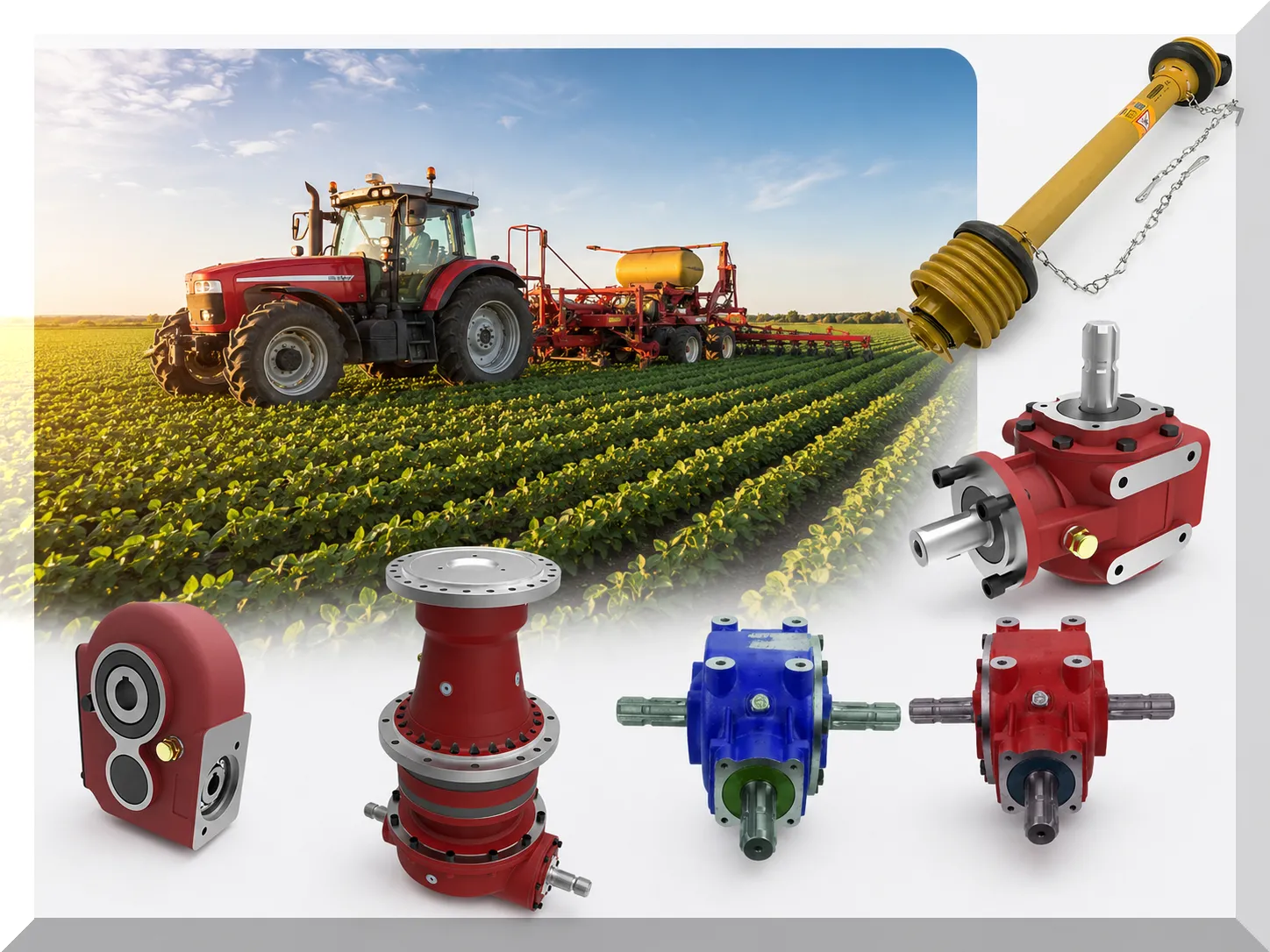
Valori di coppia del riduttore e standard dell'albero della presa di forza per tutte le classi di potenza delle presse per erba medica: Specifiche del riduttore agricolo e dell'albero cardanico
La pressatura dell'erba medica in condizioni di umidità o con modelli dotati di trinciapaglia comporta carichi di presa di forza (PTO) più elevati e costanti rispetto alla fienagione standard. La corretta lunghezza dell'albero motore e le specifiche del giunto omocinetico proteggono il cambio in presenza di questi carichi prolungati. Specifiche complete: Guida al dimensionamento dell'albero di trasmissione della presa di forza e del giunto omocinetico.
Domande frequenti — Imballaggio del fieno di erba medica
Produci fieno di erba medica di alta qualità con l'attrezzatura giusta
Dal modello compatto 9YF-1700 per piccole proprietà equestri al 9YFS-2.2 con ventola per la produzione destinata all'esportazione: comunicaci la superficie coltivata a erba medica, il mercato di riferimento e la potenza del trattore e ti consiglieremo il modello più adatto alla tua attività.
America Ever-Power Forage Baler Equipment INC. · 1401 21st ST STE R, Sacramento, CA 95811


