Guida aziendale · Servizio di imballaggio personalizzato · Avvio e crescita
Come avviare un'attività di imballaggio di fieno personalizzato
La maggior parte delle aziende agricole statunitensi che producono fieno non possiede una propria pressa, ma si affida a un servizio di pressatura conto terzi. La pressatura conto terzi è uno dei servizi agricoli più accessibili: l'attrezzatura è gestibile da una sola persona, il servizio è costantemente richiesto e i margini di profitto sono facili da calcolare. Questa guida illustra tutto il necessario per avviare un'attività di pressatura conto terzi nella prossima stagione.
Copre: opportunità di mercato · elenco e costi delle attrezzature · definizione delle tariffe · programmazione · assicurazione · acquisizione clienti · ripartizione dei costi operativi · scalabilità
Perché esiste la domanda di imballaggio personalizzato e perché rimane elevata
La domanda di servizi di pressatura conto terzi è strutturale, non ciclica. Esiste perché il punto di pareggio per una piccola pressa per balle quadrate si raggiunge con 3.000-5.000 balle all'anno, mentre la maggior parte delle aziende agricole produttrici di fieno negli Stati Uniti ne produce meno di 2.500 all'anno. Un'azienda agricola di 40 acri con due cavalli non ha bisogno di una propria pressa. Un'azienda agricola di 15 acri che produce fleolo per la vendita al dettaglio non ha bisogno di una propria pressa. Tutte queste attività necessitano di un servizio di pressatura, affidabile, puntuale e a un prezzo prevedibile.
L'aspetto della programmazione rafforza ulteriormente questa domanda: gli agricoltori che hanno provato i servizi di pressatura conto terzi e li hanno trovati inaffidabili – operatori non disponibili quando si è aperta la finestra meteorologica favorevole, che si sono presentati con due giorni di ritardo e hanno imballato fieno bagnato – sono alla ricerca attiva di alternative. Un nuovo operatore conto terzi reattivo, puntuale e in grado di produrre balle di qualità costante si creerà rapidamente una clientela grazie al passaparola in qualsiasi comunità rurale.
Anche la pressatura personalizzata di piccole balle quadrate beneficia del sovrapprezzo legato al formato: gli acquirenti di fieno per cavalli nella maggior parte dei mercati statunitensi pagano da $8 a $18 per balla quadrata di piccole dimensioni. Un operatore che aiuta un produttore di fieno per cavalli a imballare il fieno nel momento ottimale per il raggiungimento del grado di umidità ideale, anziché attendere un operatore non disponibile, offre un servizio che vale molto di più di quanto suggerisca la tariffa per balla. I clienti nei mercati del fieno di alta qualità comprendono questo valore e premiano un servizio costante e puntuale con fedeltà e raccomandazioni.
Attrezzatura necessaria per iniziare
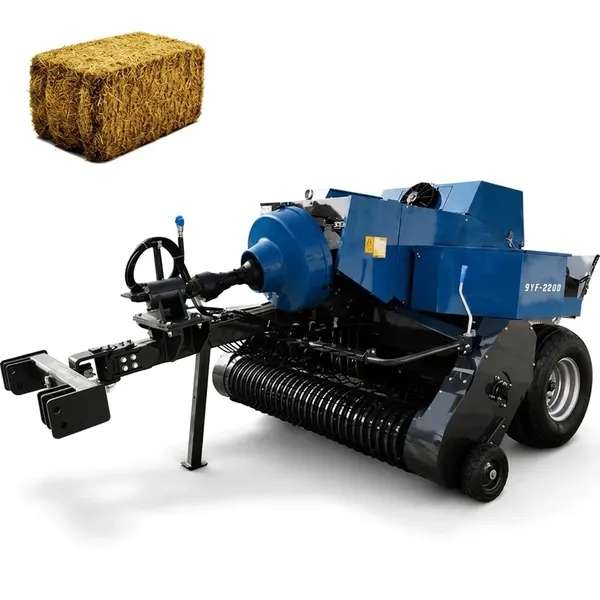
Pressa per balle - Attrezzatura principale
$8.000–$20.000 nuovi · $4.000–$10.000 usati
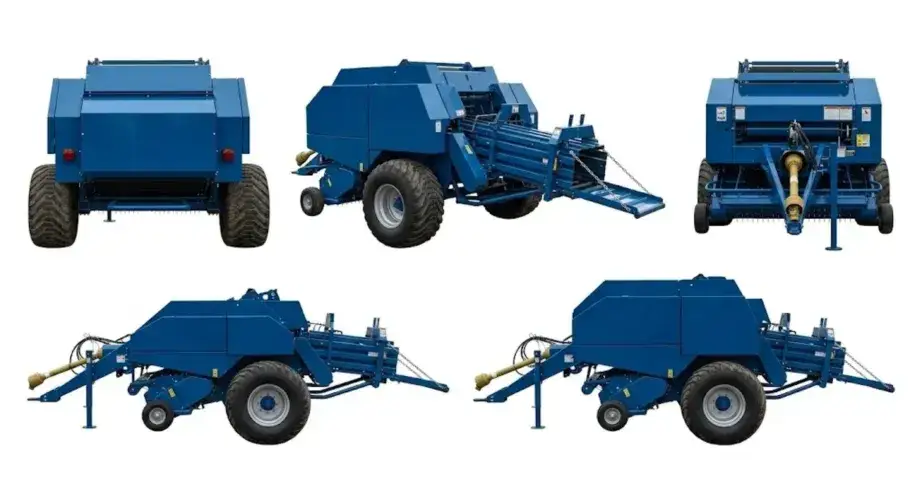
La pressa è il vostro investimento principale. Per la pressatura su commissione, la 9YF-2200 è la scelta iniziale più versatile: il raccoglitore da 2.200 mm gestisce le andane provenienti dalla maggior parte delle configurazioni di ranghinatura comuni e la potenza minima di 50 CV è compatibile con la maggior parte dei trattori agricoli già in uso. La 9YF-1700 o la 9YF-1900 sono valide alternative per le attività di avvio con volumi inferiori, dove il prezzo più contenuto consente un ingresso con un rischio di investimento minore. Una pressa nuova con garanzia del produttore elimina il rischio di costi di riparazione imprevisti del primo anno, ovvero quando l'affidabilità è fondamentale per costruire i primi rapporti con i clienti. Una pressa usata, al prezzo di 60% del nuovo, con un'ispezione pre-acquisto completa (consultate la nostra guida all'ispezione delle presse usate), può essere altrettanto valida se il budget è il vincolo principale.
Trattore — Se non ne possiedi già uno
$18.000–$45.000 per trattore multiuso da 55–80 CV
La maggior parte degli agricoltori che avviano un servizio di pressatura conto terzi possiede già un trattore adatto a tale scopo. In caso contrario, è necessario includere il costo del trattore nell'investimento iniziale, poiché ciò incide significativamente sul punto di pareggio. Un trattore multiuso usato da 55-70 CV in buone condizioni meccaniche costa tra 18.000 e 35.000 euro e offre una potenza sufficiente per un utilizzo agevole. Se il trattore verrà utilizzato anche per altre attività agricole, il suo costo può essere parzialmente ripartito tra usi diversi dalla pressatura.
Rastrello per fieno: necessario per la maggior parte dei lavori personalizzati.
$1.500–$5.000 nuovo rastrello a ruote
Molti clienti che richiedono un servizio di pressatura personalizzato desiderano il servizio completo di rastrellatura e pressatura, non solo la pressatura. Un rastrello a ruote consente di offrire un servizio completo: rastrellare il fieno tagliato in andane e poi pressarlo. Offrire rastrellatura e pressatura insieme permette di ottenere una tariffa più elevata (da 0,65 a 0,90 € per balla rispetto a 0,50-0,65 € per la sola pressatura) e offre un maggiore controllo sulla qualità delle andane, che influisce direttamente sull'efficienza della pressatura. Un rastrello a 5 o 6 ruote con scarico laterale è il punto di partenza standard.
Rimorchio o carro per il trasporto
$1.200–$3.500
È necessario trasportare la pressa tra le aziende agricole dei clienti. Un rimorchio a pianale omologato per il peso della pressa (in genere 1.200-1.800 kg a seconda del modello) è sufficiente. Assicurarsi che la portata del gancio di traino del rimorchio corrisponda a quella del veicolo trainante e che le luci e i freni del rimorchio siano conformi alle normative statali per il peso a pieno carico. Un rimorchio a profilo ribassato riduce le difficoltà di carico e scarico in terreni fangosi o irregolari.
Kit di ricambi da campo
$120–$200
Kit minimo da campo: 10+ bulloni di sicurezza (della giusta qualità per il tuo modello), 2 set di lame, 10 denti di raccolta, 3 occhielli guida per spago, maglia di giunzione per catena (passo corretto), ingrassatore carico, misuratore di umidità. Un cliente che ti ha chiamato perché il suo operatore di fiducia non era affidabile non sarà contento se ti fermi per un'ora a cercare pezzi di ricambio. L'affidabilità sul campo è la qualità più preziosa che la tua nuova attività possa avere.
Impostazione della tariffa per balla
Ripartizione dei costi operativi
La tua tariffa deve coprire i costi operativi più un margine di profitto. Calcola prima il tuo costo effettivo per balla, poi aggiungi il tuo margine per determinare la tariffa corretta, invece di adeguarti semplicemente alle tariffe di mercato locali senza sapere se a quelle tariffe realizzerai un profitto.
| Componente di costo |
Per balla |
Note |
| Spago |
$0.04 |
Lo spago è a carico del cliente, a meno che non lo fornisca il cliente stesso (in tal caso, concordatelo in anticipo). |
| carburante per trattori |
$0.10–$0.15 |
Varia in base all'efficienza del trattore, alla conformazione del terreno e alla densità delle andane. Calcola in base al consumo effettivo di carburante per sessione. |
| Assegnazione della manutenzione |
$0.05–$0.08 |
Costo annuale di manutenzione diviso per il numero annuale di balle prodotte. Prevedere una spesa annuale di $300–$600 dollari per ricambi e manutenzione della sola pressa. |
| Trasporto |
$0.02–$0.06 |
Carburante per veicolo di trasporto + rimorchio. Dividere per il numero di balle trasportate per viaggio. I tragitti più brevi hanno un costo di trasporto per balla inferiore. |
| Allocazione dell'ammortamento della pressa |
$0.03–$0.06 |
Ammortamento annuo diviso per il numero totale di balle annue (uso proprio + conto terzi combinati). Minore per balla all'aumentare del volume totale. |
| Costo totale per balla |
$0.24–$0.39 |
Con una produzione annua di 5.000 balle. Costo unitario più elevato a volumi inferiori a causa della differenza tra i costi fissi e quelli totali. |
Impostazione del prezzo
Con un costo per balla di $0.24–$0.39, una tariffa di $0.55–$0.65 per balla fornisce un margine di $0.16–$0.41 per balla — ovvero $800–$2.050 ogni 5.000 balle personalizzate. Prima di fissare il prezzo, informatevi sulle tariffe correnti per le balle personalizzate nella vostra contea: contattate due o tre operatori concorrenti e chiedete quanto applicano, oppure rivolgetevi al negozio di forniture agricole locale. Nelle regioni in cui non è disponibile un servizio di pressatura personalizzata di balle quadrate di piccole dimensioni, potete applicare la fascia di prezzo più alta di quanto i produttori di fieno per cavalli della vostra zona pagherebbero altrimenti per un servizio dal fornitore più vicino, che potrebbe trovarsi a 30-50 miglia di distanza. L'affidabilità ha un valore aggiunto rispetto alla tariffa più bassa disponibile: gli operatori che consegnano puntualmente, ogni volta, nel giusto intervallo di umidità, possono applicare un prezzo superiore di $0.05–$0.10 rispetto alla tariffa di mercato senza perdere clienti a favore di alternative a prezzo inferiore.
La sfida della pianificazione e come risolverla
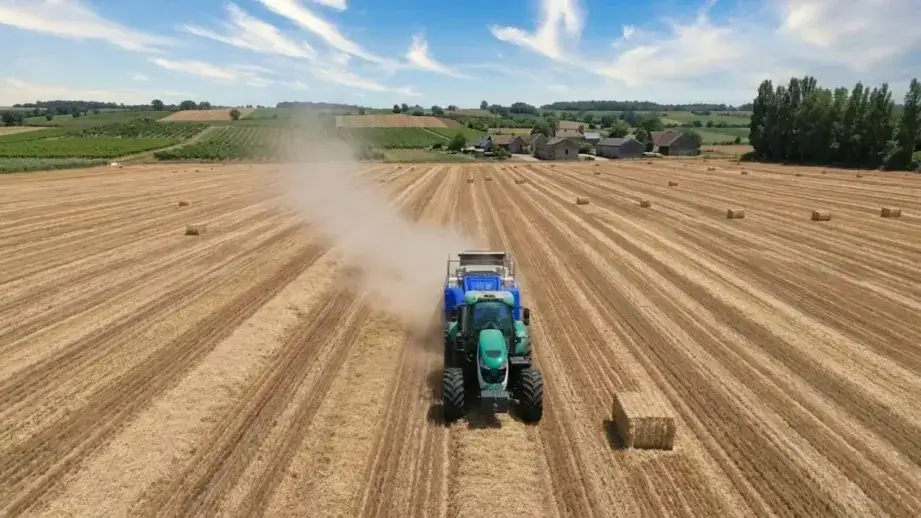
Il problema di pianificazione nella pressatura conto terzi non è la scarsità di lavoro, bensì il fatto che tutto il lavoro si concentra nello stesso periodo. Un periodo di 10 giorni di bel tempo a metà giugno genererà richieste simultanee da tutti e 12 i vostri clienti. Potrete servirne 2 o 3 al giorno, a seconda della vicinanza delle aziende agricole e delle dimensioni dei campi: ciò significa che 9 clienti saranno in attesa mentre uno verrà servito, e tutti e 10 dovranno essere pressati prima che il tempo peggiori.
La soluzione consiste in un sistema di priorità documentato, stabilito prima dell'inizio della stagione, e non improvvisato durante la finestra meteorologica favorevole. Opzioni:
Priorità di anzianità
I clienti più fedeli hanno la priorità nella programmazione durante i periodi di maggiore affluenza per l'imballaggio. I nuovi clienti vengono serviti dopo quelli già esistenti. Questo premia la fedeltà e offre alla tua clientela consolidata un valido motivo per rimanere con te.
Instradamento di prossimità
Pianifica gli incarichi per aree geografiche al fine di ridurre al minimo i tempi di trasporto tra le aziende agricole durante il periodo di pressatura. Una giornata che inizia e finisce in aziende agricole distanti 30 minuti l'una dall'altra è più produttiva di una che si snoda su 80 chilometri. Raggruppa i clienti per località e servi le diverse aree geografiche negli stessi giorni.
Priorità di umidità in base alle condizioni meteorologiche
Dai la priorità ai clienti il cui fieno ha già raggiunto il livello di umidità di pressatura rispetto a quelli ancora in fase di essiccazione. Chiedi a ciascun cliente di controllare e segnalare quotidianamente l'umidità del foraggio nell'andana durante la finestra meteorologica favorevole. Servi prima il fieno più asciutto per evitare un'eccessiva essiccazione, gestendo al contempo il resto della coda.
Comunicare in modo chiaro prima dell'inizio della stagione: informare ogni cliente per iscritto sul sistema di priorità, spiegare i tempi di attesa previsti nel caso in cui tutti siano pronti contemporaneamente e offrire la possibilità di concordare un servizio di imballaggio di riserva con un altro operatore qualora il vostro programma subisca delle variazioni. I clienti che conoscono il sistema in anticipo accettano i ritardi con maggiore serenità rispetto a coloro che si aspettavano un servizio in giornata senza averne discusso.
Assicurazione: cosa ti serve prima del tuo primo lavoro
Gestire un servizio di pressatura conto terzi senza un'assicurazione adeguata rappresenta un rischio finanziario significativo. Un incidente con macchinari agricoli nella proprietà di un cliente – ad esempio, una pressa che urta un palo di recinzione, un trattore che danneggia una conduttura idrica o un ospite che si infortuna durante il carico – può generare un risarcimento danni superiore al valore dei vostri macchinari. Le polizze assicurative agricole standard spesso coprono l'uso dei macchinari nella propria proprietà, ma escludono le attività commerciali svolte in aziende agricole di terzi.
Prima del tuo primo lavoro di pressatura conto terzi: contatta il tuo broker assicurativo e comunicagli che stai offrendo un servizio commerciale di pressatura conto terzi presso aziende agricole di terzi. La maggior parte delle polizze richiede una clausola aggiuntiva per le attività agricole o una copertura di responsabilità civile per i lavori conto terzi. I costi variano a seconda dello stato e del massimale di copertura: prevedi un budget di 1.400-1.200 dollari all'anno per una copertura di responsabilità civile adeguata per le attività agricole conto terzi. Verifica inoltre che le tue attrezzature siano coperte per l'uso e il trasporto presso le aziende agricole dei clienti, non solo all'interno della tua proprietà.
Acquisire i primi clienti
L'acquisizione di clienti per un servizio di imballaggio personalizzato è principalmente locale e basata sulle relazioni. Gli approcci più efficaci sono:
METODO 1
Contatto diretto con le proprietà entro un raggio di 15 miglia tra la fine di febbraio e marzo. Un semplice biglietto stampato o spedito per posta alle aziende agricole della tua zona – “Servizio di pressatura di balle quadrate di piccole dimensioni disponibile in questa stagione – risposta in giornata, qualità garantita, servizio locale” – raggiunge i responsabili delle decisioni prima che si impegnino con un altro operatore per l'anno a venire. Invialo a febbraio e ricontattali telefonicamente a marzo.
METODO 2
Pubblica un annuncio presso il negozio locale di forniture agricole. Un biglietto da visita o un piccolo volantino affisso nella bacheca di un negozio di forniture agricole raggiunge esattamente il target di clientela: le persone che acquistano spago, mangimi e attrezzature sono le stesse che necessitano di servizi di imballaggio. I negozi di forniture agricole sono il punto di riferimento per la comunicazione tra i piccoli agricoltori.
METODO 3
Contatta l'ufficio di divulgazione agricola della contea. Gli agenti del servizio di divulgazione agricola sanno quali produttori della contea necessitano di servizi di imballaggio e quali sono scarsamente serviti dagli operatori esterni. Una breve conversazione con l'agente del servizio di divulgazione agricola della contea può portare a segnalazioni dirette di produttori che sono attivamente alla ricerca di un nuovo servizio di imballaggio.
METODO 4
Offri la possibilità di imballare gratuitamente un carico a un nuovo cliente per dimostrarne la qualità. Una prima sessione gratuita, o al costo effettivo, rappresenta un investimento nella dimostrazione di affidabilità, in grado di convertire i potenziali clienti in clienti stagionali in modo più efficace di qualsiasi altro approccio. I produttori di fieno per cavalli che hanno avuto esperienze negative con operatori terzi inaffidabili sono cauti: una prova elimina il rischio iniziale per entrambe le parti.
Modello di ricavo: proiezioni per il primo e il secondo anno
| Scenario |
balle personalizzate |
Valutare |
Ricavo lordo |
costi operativi |
Margine netto |
| Anno 1: un piccolo inizio |
2,000 |
$0.55 |
$1,100 |
$640 |
$460 |
| Anno 1 — marketing attivo |
4,000 |
$0.55 |
$2,200 |
$1,200 |
$1,000 |
| Anno 2 — percorso consolidato |
6,000 |
$0.60 |
$3,600 |
$1,680 |
$1,920 |
| Anno 3 - piena capacità |
9,000 |
$0.60 |
$5,400 |
$2,430 |
$2,970 |
Le cifre escludono i ricavi derivanti dalla pressatura per uso proprio e i risparmi derivanti dalla pressatura per conto terzi. Aggiungere i risparmi derivanti dalla pressatura per uso proprio ai dati del margine netto per ottenere il quadro economico complessivo dell'operazione. La piena capacità presuppone una pressa 9YF-2200, 25 giorni lavorativi e una media di 360 balle per conto terzi al giorno, inclusi i tempi di trasporto e di allestimento.

Specifiche delle apparecchiature per l'affidabilità del servizio personalizzato
Domande frequenti — Azienda di imballaggio di fieno su misura
Quanti clienti può gestire una persona che si occupa di pressatura conto terzi?+
Una pressa per conto terzi gestita da una sola persona – un operatore con una sola pressa – può in genere servire da 8 a 15 clienti abituali, a seconda della vicinanza all'azienda agricola e delle dimensioni del singolo appezzamento. Il limite di capacità pratica è determinato dalla pianificazione: in una finestra di 10 giorni ideale per la pressatura, una macchina può completare circa 20-25 visite in azienda, con una media di 1-2 visite al giorno (pressatura + trasporto + allestimento). Con 8-15 clienti e 2-3 tagli a stagione, ciò equivale a un totale di 24-45 visite in azienda a stagione, gestibili da una sola persona con una buona pianificazione. Oltre i 15 clienti abituali, la pianificazione diventa difficile da gestire in modo affidabile, evitando di dover rifiutare clienti durante i periodi di punta o di deluderli costantemente in termini di tempistiche. A questo livello, l'aggiunta di un aiutante o una seconda stagione (quando la macchina è più ammortizzata) diventa la naturale evoluzione.
Devo addebitare il prezzo a balla o a acro?+
Addebitare il costo per balla è più semplice e trasparente per la maggior parte dei clienti. Il cliente sa esattamente quanto paga in base al numero di balle, e voi calcolate i vostri ricavi in base alla produzione effettiva anziché alla produttività stimata del campo. L'addebito per acro introduce incertezza: se il campo produce 35 balle per acro invece di 40, chi si fa carico della differenza di ricavo? L'addebito per balla evita questa ambiguità. La tariffa per acro è più comune nella pressatura commerciale su larga scala, dove la resa del campo è costante e prevedibile. Per le piccole aziende agricole che lavorano su commissione con colture miste e con una variabilità di resa, l'addebito per balla è lo standard e il formato preferito dai clienti. Se un cliente richiede un prezzo per acro, convertite la vostra tariffa per balla stimando il numero di balle per acro per quel campo e moltiplicando i due valori, quindi fornitegli l'equivalente per acro della vostra tariffa per balla per confronto.
Ho bisogno di una licenza commerciale per offrire servizi di imballaggio su commissione?+
I requisiti per l'ottenimento di licenze commerciali per i servizi agricoli conto terzi variano a seconda dello stato e della contea. Nella maggior parte delle contee rurali, le piccole aziende agricole che offrono servizi conto terzi rientrano nella categoria generale dei servizi agricoli, che non richiede licenze commerciali separate. Tuttavia, se non si opera come ditta individuale o se il fatturato annuo supera le soglie statali per la registrazione ai fini fiscali, potrebbero essere richiesti ulteriori adempimenti. Si consiglia di contattare l'ufficio del segretario della contea e il dipartimento dell'agricoltura statale per conoscere i requisiti specifici del proprio stato. Oltre alla licenza, è opportuno registrare la denominazione sociale se si opera con un nome diverso dal proprio e aprire un conto corrente bancario separato per la gestione delle entrate e delle spese relative ai servizi di imballaggio conto terzi, al fine di semplificare la contabilità e la dichiarazione dei redditi a fine anno.
Qual è la parte più difficile della gestione di un'attività di imballaggio conto terzi?+
La parte più difficile è gestire le aspettative dei clienti durante i periodi di picco della domanda, quando tutti hanno bisogno di balle di fieno contemporaneamente. In una finestra meteorologica di 5 giorni, potresti avere 8 clienti che chiamano tutti il primo giorno dicendo che il loro fieno è pronto. Puoi servirne 2 al giorno, il che significa che i clienti 7 e 8 dovranno aspettare 4 giorni, e il loro fieno potrebbe essere troppo secco o reidratato quando arrivi. Questa è la realtà dei servizi agricoli conto terzi che operano in finestre meteorologiche ristrette. Gestire bene questa situazione – attraverso il sistema di priorità descritto sopra, attraverso una comunicazione proattiva quando si prevedono ritardi, attraverso conversazioni oneste su ciò che si può effettivamente fornire – fa la differenza tra un'azienda di balle conto terzi che fidelizza i clienti stagione dopo stagione e una che li perde a favore della concorrenza o dell'acquisto di macchinari. La comunità agricola è piccola e locale: il modo in cui gestisci la settimana difficile nel picco della stagione delle balle determinerà la tua reputazione per i prossimi cinque anni.
Per espandere l'attività, dovrei acquistare una seconda pressa o assumere un aiutante?+
Il percorso di espansione corretto dipende dal vincolo che limita la tua capacità attuale. Se devi rifiutare i clienti perché non riesci a servirli tutti entro la finestra temporale consentita dalle condizioni meteorologiche (il fattore limitante è la capacità della macchina), una seconda pressa con operatore a contratto è la soluzione ideale. Se invece devi rifiutare i clienti perché non hai tempo a sufficienza per caricare, trasportare e allestire la pressa (il fattore limitante è il tuo tempo), un primo passo più economico consiste nell'assumere un aiutante che si occupi del carico e del trasporto mentre tu imballa in modo continuo. Assumi prima un aiutante. Un aiutante, con una retribuzione oraria di 18-22 t/t, che gestisca il trasporto, il posizionamento sul campo e la raccolta delle balle mentre tu imballa in modo continuo, può aumentare la tua produzione giornaliera di balle di 40-60 t/t. Questa produzione aggiuntiva potrebbe essere sufficiente a servire i clienti in attesa senza l'investimento iniziale di una seconda macchina. Aggiungi una seconda macchina solo dopo aver sperimentato con successo l'approccio con un aiutante e aver constatato che il fattore limitante è chiaramente la capacità della macchina e non il tempo dell'operatore.
Cosa succede se il cliente fornisce andane difettose che mi costringono a compattare o imballare con un'umidità errata?+
Prima della prima stagione, è fondamentale stabilire per iscritto condizioni di servizio chiare: le andane devono soddisfare uno standard minimo di qualità (larghezza corretta, assenza di andane unite senza regolazione della velocità, umidità inferiore a 18%, come confermato dal misuratore a sonda). Se un cliente vi contatta per imballare fieno in andane in cattive condizioni o con un'umidità eccessiva, avete due opzioni: rifiutare l'incarico fino a quando le condizioni non migliorano, oppure completare l'incarico a rischio del cliente, con una nota scritta che attesti l'imballaggio effettuato su indicazione del cliente in condizioni al di fuori dell'intervallo raccomandato. Effettuate sempre un test di umidità con sonda prima di imballare qualsiasi campo del cliente. Se la lettura è superiore a 18%, documentatela e informate il cliente prima dell'imballaggio. Un cliente che si rifiuta di attendere e insiste per imballare fieno bagnato accetta il rischio di balle surriscaldate o ammuffite: assicuratevi che questo venga comunicato e documentato esplicitamente per tutelarvi da eventuali contestazioni sulla qualità in un secondo momento.
Qual è la durata tipica della stagione di pressatura su commissione?+
La durata della stagione varia significativamente a seconda della regione. In California e nel Sud-ovest, la pressatura del fieno va da aprile a ottobre, fino a 7 mesi con tagli multipli nell'erba medica irrigua. Nel Midwest, la stagione principale va da giugno ad agosto, con un possibile quarto taglio a settembre. Nel Sud-est (erba bermuda), la stagione va da maggio a settembre. Per la pressatura conto terzi, la stagione lavorativa effettiva è più breve dell'intera stagione di coltivazione: le 6-8 settimane più intense sono quelle in cui si genera il maggior fatturato. Per una stima realistica della capacità di pressatura conto terzi, è consigliabile prevedere 20-28 giorni di pressatura a stagione, alcuni dei quali saranno più brevi a causa delle finestre di lavoro limitate al pomeriggio. La capacità totale di pressatura stagionale, calcolata su 350 balle per giorno di pressatura effettivo, si aggira tra le 7.000 e le 9.800 balle a stagione per una singola macchina. Prima di impegnarsi con un numero di clienti superiore a quello che una macchina può effettivamente servire nei giorni di pressatura disponibili, è importante individuare la durata della stagione di pressatura nella propria zona e calcolare la capacità stagionale.
Oltre al servizio di imballaggio, dovrei offrire anche un servizio di carico e impilamento delle balle?+
Aggiungere il carico delle balle e l'impilamento in fienile al vostro servizio aumenta significativamente il vostro fatturato per visita in azienda, ma aumenta anche il tempo impiegato e il fabbisogno di manodopera. Un pacchetto di servizi completo – rastrellatura, pressatura, carico e impilamento – può essere offerto a 1,20-1,80 TP6T per balla, rispetto a 0,55-0,65 TP6T per la sola pressatura. La convenienza economica è evidente se riuscite ad assumere personale di carico affidabile durante il periodo di pressatura e se il costo della manodopera per l'impilamento è inferiore al sovrapprezzo applicato. La difficoltà: il carico e l'impilamento richiedono uno o due aiutanti in loco per ogni visita in azienda, e coordinare gli aiutanti durante il breve periodo di picco della pressatura rappresenta un onere gestionale. Per il primo anno, offrite solo il servizio di pressatura e consolidate la vostra reputazione in termini di affidabilità delle macchine e qualità delle balle. Valutate l'aggiunta del carico e dell'impilamento nel secondo o terzo anno, una volta che avrete implementato i sistemi di pianificazione e gestione degli aiutanti.
Richiedi un preventivo per la macchina più adatta alle tue esigenze di pressatura personalizzata.
Comunicaci il numero di clienti target, il tipo di coltura principale e la regione di imballaggio e ti consiglieremo Modello 9YF che offra la giusta capacità, affidabilità e compatibilità con le colture per il tuo piano aziendale di pressatura personalizzata.
Redattore: Cxm