Crop Guide · Tall Fescue Hay · Updated August 2026
Tall Fescue Hay Baling Guide
Tall fescue is the most widely grown cool-season hay grass in the US Transition Zone — and one of the most misunderstood. Cut at the correct stage, properly cured and correctly handled, fescue hay is an economical and reliable forage for beef cattle. It presents two specific challenges that this guide addresses: slower curing than most cool-season grasses due to its thick waxy cuticle, and endophyte toxicity that makes traditional fescue varieties unsuitable for horses and late-pregnant beef cows without proper management.
Covers: fescue varieties and endophyte status · cutting stage for quality · curing timeline · conditioning requirements · equipment recommendations · market guide · endophyte toxicity management
Quick Answer — Tall Fescue Hay Key Numbers
Cut at: Boot stage to early head emergence
Curing time: 3–5 days (condition to reduce)
Vochtgehalte tijdens het balen: 14–18% core
CP tijdens het opstarten: 12–14%
Endophyte warning: Traditional fescue toxic to horses and late-pregnant cows
Primary market: Beef cattle, stocker operations
Tall Fescue Varieties and the Endophyte Question
The most important distinction in tall fescue hay production is whether the stand contains the wild-type endophyte fungus (Neotyphodium coenophialum), a novel (non-toxic) endophyte variety, or is endophyte-free. Approximately 80% of existing tall fescue stands in the US contain the wild-type toxic endophyte — this is why endophyte awareness is the starting point for any fescue hay operation.
Wild-Type Endophyte Fescue (Most Existing Stands)
Contains ergot alkaloids produced by the endophyte fungus. Safe for dry beef cattle and sheep at moderate inclusion rates. Problematic for: late-pregnant beef cows (causes fescue toxicosis — retained placenta, reduced milk, poor calf growth), horses (vasoconstriction, heat stress, fat tail in pregnant mares), and goats. Endophyte concentration is highest in seed heads and lowest in leaf blades — cutting before full head emergence and discarding seed head-heavy material reduces alkaloid load.
Novel Endophyte Varieties (MaxQ, Jesup, etc.)
Contain a non-toxic endophyte strain that provides drought and pest resistance without producing ergot alkaloids. Safe for all livestock including pregnant mares and late-pregnant beef cows. Novel endophyte fescue is increasingly planted as older toxic stands are renovated. Confirmed by laboratory testing — visual inspection cannot distinguish novel from wild-type endophyte fescue.
Endophyte-Free Fescue Varieties
No endophyte fungus — completely safe for all livestock. Disadvantage: lower drought tolerance and reduced pest resistance compared to endophyte-containing varieties. Endophyte-free stands tend to thin out faster than endophyte-containing stands under environmental stress, requiring more frequent renovation.
Cutting Stage for Maximum Quality and Palatability
Tall fescue quality declines faster after heading than most other cool-season grasses. The window between the ideal boot stage and the post-bloom, low-palatability stage is approximately 10–14 days — a narrow harvest window that requires monitoring and timely action.
| Growth Stage |
CP |
NDF |
Smaak |
Market Suitability |
| Boot stage (best) |
12–14% |
48–55% |
Hoog |
Beef cattle, stocker, dairy supplemental |
| Early head emergence (10–20%) |
10–12% |
52–60% |
Gematigd |
Dry beef cattle, growing stock |
| Full bloom |
8–10% |
60–68% |
Laag |
Marginal for most markets; highest alkaloid concentration in seed heads |
| Post-bloom / seed set |
Below 8% |
Above 68% |
Very low |
Not recommended for hay production |
Curing Tall Fescue — Why It Takes Longer Than Other Hay Grasses
The primary curing challenge with tall fescue is the thick, waxy cuticle on the leaf surface. This cuticle — which contributes to fescue drought tolerance — slows transpiration from the leaf, reducing the rate at which moisture escapes during field curing. Fescue hay in good drying weather (sunny, low humidity, moderate wind) typically requires 3–5 days from cutting to baling moisture, compared to 2–3 days for orchardgrass or 2–4 days for timothy under the same conditions.
Without ConditioningCuring time: 4–6 days in good weather; 6–9 days in marginal weather. Moisture gradient between leaf (dries fast) and stem base (dries slow) requires extra time for equilibration. Moisture above 20% when baled leads to mold.
With Mower-ConditionerCuring time: 3–4 days in good weather; 4–6 days in marginal weather. The conditioner crimps or crushes the stem, breaking the waxy cuticle and allowing moisture to escape from the stem interior. A 1–2 day reduction in curing time reduces weather risk significantly in the Transition Zone where afternoon thunderstorms are common.
Rake timing for fescue: Rake when windrow core moisture is 30–40%. Raking below 30% moisture increases shatter of the leaf blades and reduces yield. In the Transition Zone where overnight dew is common: rake in the afternoon (14:00–17:00) when the surface moisture has dried after overnight re-wetting but before the evening dew returns.
Equipment Recommendations for Tall Fescue
Square Bale Format (Premium Markets)
9YF-1900: 50HP+, under 50 acres, horse or small beef cattle hay markets
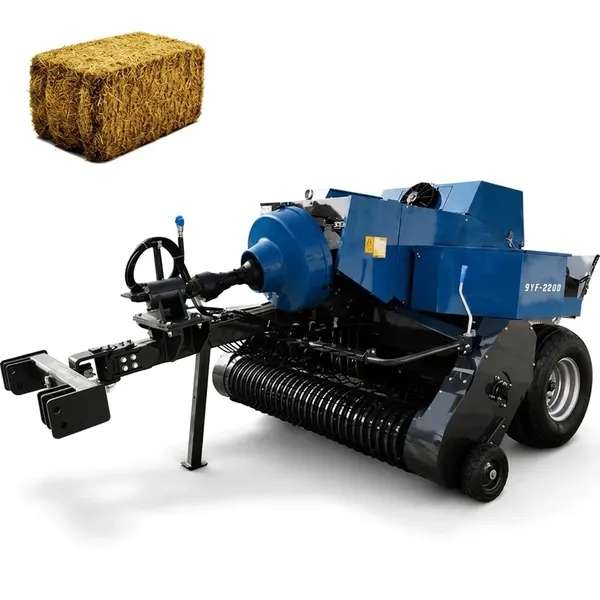
9YF-2200: 50HP+, 50+ acres, primary recommendation for commercial fescue hay
Pickup type: Spring-tooth — fescue does not require shredder; standard hay pickup handles it efficiently
Round Bale Format (Beef Cattle Operations)
9YQ-870: Small beef cattle herds (5–15 cows), 40HP+
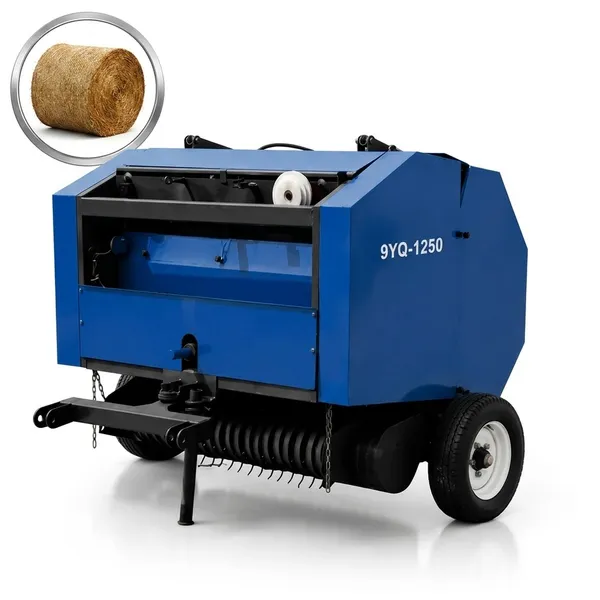
9YQ-1250: Most common for Transition Zone beef (15–40 cows), 55HP+
9YQ-1950: Medium herds (40–100 cows), 75HP+. Net wrap mandatory for outdoor storage beyond 4 weeks.
Endophyte Toxicity — Management for Producers and Buyers
Livestock at elevated risk from wild-type endophyte fescue: Late-pregnant beef cows (last 60 days before calving) — fescue toxicosis causes retained placenta, prolonged gestation, reduced milk production and reduced calf birth weight. Pregnant mares — ergot alkaloids from the endophyte cause agalactia (no milk), thickened placenta and difficult births. Any livestock should have endophyte fescue limited to below 30% of total diet in high-risk periods.
Practical management for producers selling fescue hay: Test your stand for endophyte status at a certified forage laboratory before marketing hay to horse or cow-calf operations. A positive endophyte test does not disqualify the hay from sale — but it must be disclosed to buyers of hay intended for horses or late-pregnant cows. Hay sold to stocker cattle or dry beef cow operations without disclosure risk is the appropriate market for high-endophyte-level fescue hay.
Stand renovation consideration: Transitioning from a high-endophyte stand to a novel endophyte variety opens the horse hay and pregnant-cow markets at a price premium. The renovation process requires complete termination of the existing stand, a fallow period, and establishment from novel endophyte certified seed — typically a 2–3 year investment period before the premium is fully captured from a clean, tested novel endophyte stand.
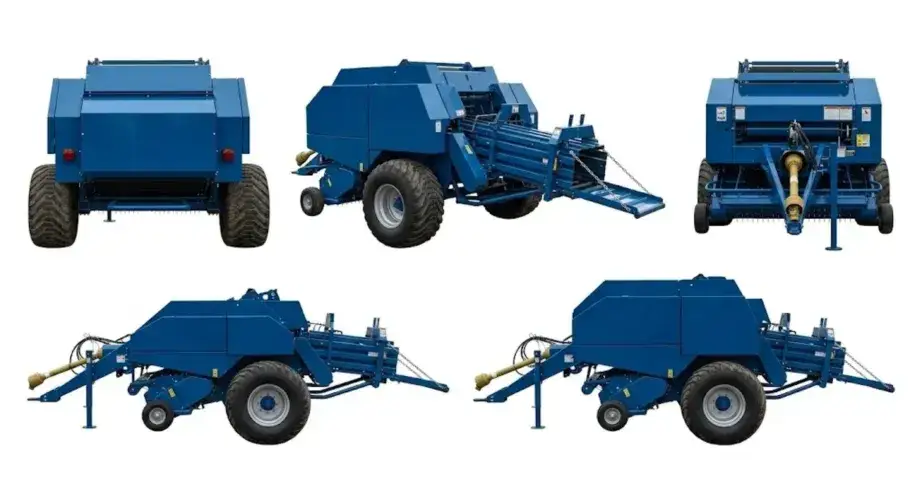
PTO Drive for Fescue Hay Baling in the Transition Zone
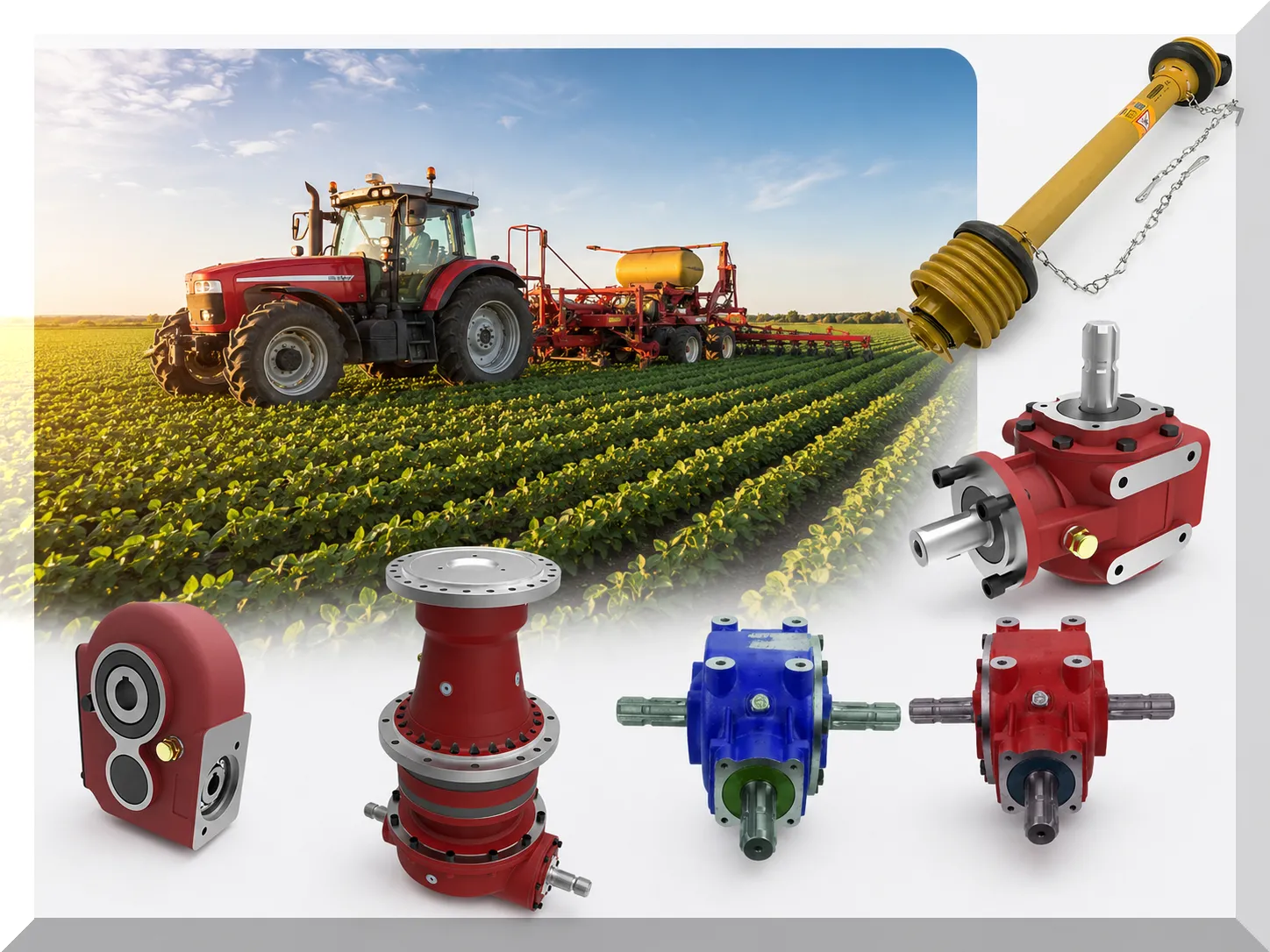
In the Transition Zone where fescue hay season coincides with unpredictable afternoon thunderstorms, the baling window is often 3–5 hours before afternoon weather arrives. Equipment reliability during this window is critical to capturing the full yield at correct moisture. Annual pre-season inspection of the PTO driveshaft CV joint and grease fitting is the most effective single prevention against in-session failures. Full inspection guide: PTO driveshaft and CV joint maintenance guide for hay balers in the Transition Zone.
Frequently Asked Questions — Tall Fescue Hay Baling
Is tall fescue hay safe for horses?+
Traditional tall fescue hay from wild-type endophyte stands is not safe for pregnant mares and should be used cautiously for all horses. The ergot alkaloids produced by the endophyte fungus cause vasoconstriction and other endocrine disruptions — in pregnant mares, this causes agalactia (milk failure), thickened or retained placenta, prolonged gestation and difficult births that can be fatal to the foal. Non-pregnant adult horses are less severely affected but show reduced heat dissipation, elevated body temperature and reduced performance. Novel endophyte fescue (MaxQ, Jesup and similar certified varieties) is safe for horses including pregnant mares. If you are selling fescue hay for horse use: have your stand tested for endophyte status at a certified laboratory and provide the test certificate to buyers. Never assume the stand is endophyte-free without testing — visual inspection cannot distinguish endophyte status.
How many cuttings of tall fescue can I get per year?+
Most Transition Zone tall fescue stands produce 2–3 cuttings per year, with yield distribution approximately 50% from the first cut and 25–30% each from subsequent cuts. In the southern Transition Zone (Tennessee, northern Alabama) with adequate rainfall: 3 cuttings are achievable. In the northern Transition Zone (Virginia, Kentucky, Ohio) under rainfed conditions: 2 cuts per year is the more reliable expectation. The first cut provides the highest total yield but may also have the highest endophyte alkaloid concentration — particularly in seed head-heavy stands. The second cut regrowth is typically lower in alkaloid concentration as it comes primarily from vegetative tillers rather than reproductive tillers. Fescue responds well to nitrogen fertilization — 50–80kg N/ha after each cut is the standard recommendation for maintaining stand density and yield across multiple cuttings.
Why does my fescue hay sometimes have a musty smell after only a few weeks in storage?+
Fescue hay that develops a musty smell within weeks of storage was baled above 18% moisture, even if the surface of the windrow felt dry at baling. Fescue stem bases retain moisture longer than other grass species because of the thick cuticle — the surface and upper leaves may be at 14% while the stem base at ground level is still 25–30%. This is why a probe-type moisture meter with a 15–20cm stem is essential for fescue: push the probe to the deepest point of the windrow to measure core moisture, not surface. A musty smell indicates microbial heating has occurred — the hay has undergone a heat cycle that may have produced mold. Open affected bales, inspect for black or gray mold layers in the bale interior, and assess whether the hay can still be fed (mild heating and no visible mold may still be acceptable for dry beef cattle; any visible mold should not be fed to horses or pregnant animals).
Is a conditioning mower necessary for fescue, or will a disc mower without conditioning work?+
A conditioning mower (crimper or impeller conditioner) is strongly recommended for tall fescue, not strictly mandatory. Without conditioning: fescue requires 4–6 days or more to reach baling moisture in typical Transition Zone conditions, creating a high weather risk window. With conditioning: this reduces to 3–4 days. For beef cattle hay producers in lower-risk weather regions (dry plains states), unconditioned fescue may be acceptable when multi-day dry weather windows are predictable. For Transition Zone producers where afternoon thunderstorm risk is high from May through August: a conditioner is the single most valuable tool for reducing weather loss risk on fescue. The impeller conditioner is preferred for fescue over the roller crimper — it more aggressively breaks the waxy cuticle and reduces curing time more effectively, particularly in the second and third cut when regrowth is more uniform in stem diameter.
Can I graze fescue and still take a hay cut from the same stand in the same year?+
Yes — this is a very common dual-use management strategy for tall fescue in the Transition Zone. The standard approach is to graze the spring flush of growth from late February through early April (the most rapid growth period), then remove cattle and allow the stand to recover for 4–6 weeks for a hay cut in late April to mid-May. After the hay cut, the stand is returned to grazing or left to produce a second hay cut 6–8 weeks later. This dual-use system captures the forage energy from the fast-growing spring flush through grazing (when cut quality is highest but volume per pass is insufficient for efficient hay production) and then transitions to hay production when the stand has accumulated sufficient biomass for commercial bale yields. The baler is only needed for the hay cut windows — typically 2–4 times per season on a dual-use stand.
How do I test my fescue stand for endophyte status?+
Endophyte testing procedure: collect 50–100 tillers from across the stand (sampling from at least 20–25 different points distributed across the full field area). Take the lower 5–10cm of each tiller including the basal white section — this is where endophyte concentration is highest and detection is most reliable. Place the sample in a paper bag (not plastic — plastic traps moisture and can cause sample degradation) and submit to a certified forage laboratory that offers endophyte testing. In the US, this service is available through university extension forage laboratories (University of Kentucky Forage Extension Lab, Virginia Tech Forage Lab and others) and commercial forage testing companies. Results are typically returned in 1–2 weeks. Testing cost: $20–$50 per sample. Test before the first sale of hay from any stand where endophyte status is unknown — disclosure protects the producer from liability and enables proper buyer management of the hay.
What is the yield difference between first-cut and second-cut tall fescue?+
In Transition Zone rainfed conditions: first-cut tall fescue typically yields 1.5–2.5 tonnes dry matter per acre, representing approximately 50–60% of the total annual yield. Second cut yields 0.8–1.5 tonnes per acre. Third cut (where achievable): 0.5–1.0 tonnes per acre. Total annual yield: 2–5 tonnes dry matter per acre depending on soil fertility, rainfall and stand density. The first cut has higher total biomass but may also have a higher proportion of mature stems and seed heads, particularly in stands that are not managed with tight cutting intervals. The second and third cuts come primarily from vegetative regrowth tillers, which have a higher leaf-to-stem ratio and higher CP and digestibility than the first cut from the same stand at the same phenological stage — this is the quality advantage of multiple cuttings over a single high-yield first cut.
Does tall fescue need net wrap for outdoor storage or is twine acceptable?+
Net wrap is strongly recommended for tall fescue round bales stored outdoors for more than 4 weeks. Fescue bales are dense and retain moisture in the core for longer than lighter hay grasses — a fescue bale that was baled at the correct 16% moisture can rewet rapidly from rain penetration through twine gaps, particularly in the Transition Zone where summer rainfall is common. Net wrap reduces this rewetting risk by covering the bale cylinder continuously without gaps. The financial calculation is the same as for other outdoor-stored round bales: net wrap cost ($0.90–$1.50 per bale) is consistently less than the dry matter loss value from weather penetration over a 6-month storage period. For square bale fescue stored indoors: twine is fully adequate and no net wrap is required — the indoor environment eliminates the weather penetration risk.
Ready to Optimize Your Tall Fescue Hay Operation?
Tell us your acreage, primary market and tractor HP and we will confirm the right 9YF square baler of 9YQ round baler for your fescue hay operation.
America Ever-Power Forage Baler Equipment INC. · 1401 21st ST STE R, Sacramento, CA 95811
Redacteur: Cxm