Financiële gids voor voerproducenten
Hooigewassenverzekering voor Amerikaanse voedergewasproducenten: vergelijking van PRF, WFRP en weidedekking
Hooi en voedergewassen behoren tot de meest weersgevoelige landbouwproducten, maar de deelname aan voedergewassenverzekeringen blijft lager dan die voor akkerbouwgewassen. De federale risicobeheerprogramma's die in 2025 en 2026 beschikbaar zijn voor hooiproducenten bieden aanzienlijke bescherming tegen droogte en weersschade, maar elk programma heeft verschillende toelatingsregels, uitbetalingsdrempels en kostenstructuren, waardoor een weloverwogen keuze nodig is.
Ontvang informatie over hooiproductiemachines
Producenten van voedergewassen en hooi worden geconfronteerd met weersverliezen die catastrofaal kunnen zijn tijdens één enkele snede – een hagelstorm, een droogte die een tweede of derde snede verhindert, of een nat seizoen dat het drogen belemmert en leidt tot verlies van balen in de opslag. Federale gewasverzekeringsprogramma's, beheerd door het USDA Risk Management Agency (RMA), bieden verschillende beschermingsopties voor voedergewassenproducenten, maar de programma's werken met verschillende uitbetalingsmechanismen en vereisen verschillende niveaus van administratie. Inzicht in de belangrijkste verschillen stelt producenten in staat het programma te kiezen dat de meest kosteneffectieve bescherming biedt voor hun bedrijfstype. Let op: details van verzekeringsprogramma's, premiesubsidietarieven en toelatingsregels wijzigen jaarlijks. Controleer altijd de actuele voorwaarden bij uw door het USDA goedgekeurde gewasverzekeringsagent voordat u zich inschrijft.
Vergelijking van voerverzekeringsprogramma's: PRF, APH en WFRP

| Programma |
Volledige naam |
Uitbetalingstrigger |
Vereiste documenten |
Het beste voor |
| PRF |
Weide, grasland, voedergewassen — Neerslagindex |
De rastergebaseerde neerslagindex daalt onder het gekozen dekkingsniveau (55%–90% van het historische gemiddelde) gedurende het geselecteerde interval van 2 maanden. |
Minimaal — geen opbrengstgegevens nodig |
Producenten van hooi en weidegrond in droge gebieden met een hoge droogtefrequentie; het gemakkelijkste programma om je voor in te schrijven en claims in te dienen. |
| APH-voer |
Feitelijke productiegeschiedenis — Voedergewassenproductie |
De werkelijke hooiopbrengst (tonnen/acre) ligt onder het gekozen dekkingsniveau (501 TP5T–851 TP5T gemiddelde APH-opbrengst). |
Uitgebreid — 4-10 jaar aan opbrengstgegevens vereist |
Geïrrigeerde luzerneproducenten met consistente gegevens; bedrijven waar opbrengstverlies een betrouwbaardere maatstaf is dan regenval. |
| WFRP |
Bescherming van de inkomsten van het gehele landbouwbedrijf |
De totale bedrijfsopbrengst daalt onder het vastgestelde niveau (501 TP5T–851 TP5T van de gemiddelde opbrengst over 5 jaar volgens de Olympische richtlijnen). |
Complex — 5 jaar aan belastingaangiften (Schema F) vereist |
Gediversifieerde activiteiten met meerdere ondernemingen waarbij hooi een van de verschillende inkomstenbronnen is. |
| LFP |
Rampenprogramma voor veevoer (niet-verzekering) |
Provincie uitgeroepen tot droogteramp; in aanmerking komend vee en weidegrond in een primair door droogte getroffen provincie |
Simpel — registratie van vee en weidepercelen |
Veehouders die hooi of gras laten grazen; geen premiekosten (rampenuitkering, geen verzekering) |
Programmadetails actueel voor het oogstjaar 2025-2026. PRF, APH en WFRP worden beheerd door door de USDA Risk Management Agency (RMA) goedgekeurde gewasverzekeringsagenten. LFP is een rampenhulpprogramma van de USDA Farm Service Agency (FSA). Premies, subsidieniveaus en in aanmerking komende regio's wijzigen jaarlijks. Raadpleeg uw lokale, door de USDA goedgekeurde gewasverzekeringsagent voor de actuele voorwaarden en inschrijvingsdeadlines.
PRF-regenvalindex: hoe het werkt en waarom de meeste hooiproducenten in droge gebieden er rekening mee zouden moeten houden
Het Pasture, Rangeland, and Forage (PRF) Rainfall Index-programma is het eenvoudigste voedergewasverzekeringsprogramma om te begrijpen en aan deel te nemen. Het vereist geen opbrengstgegevens, geen productiegeschiedenis en de uitbetaling vindt uitsluitend plaats op basis van de vraag of de geregistreerde regenval (van NOAA-weerstations) onder het door de producent gekozen dekkingsniveau daalt gedurende een geselecteerd interval van twee maanden. De producent kiest welke intervallen van twee maanden hij wil verzekeren – bijvoorbeeld mei-juni voor de eerste snede en juli-augustus voor de tweede snede – en wijst een percentage van zijn verzekerde hectares toe aan elk interval.
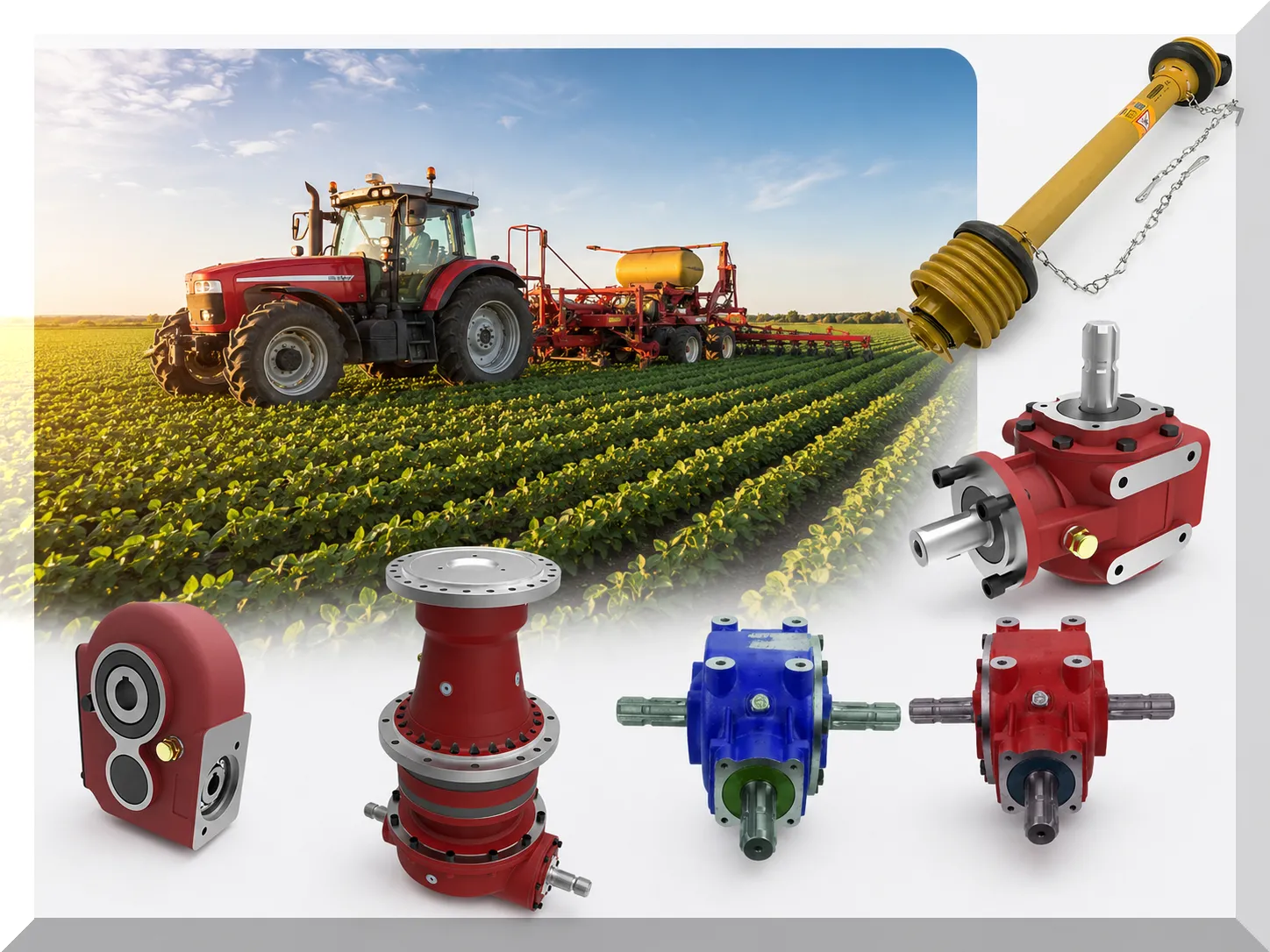
De federale overheid subsidieert 51 tot 671 TP5T van de premiekosten, afhankelijk van het dekkingsniveau, waardoor de nettokosten voor de producent relatief laag zijn voor een zinvolle bescherming. Bij een dekkingsniveau van 701 TP5T betaalt de producent na subsidie ongeveer 1 TP6T1 tot 1 TP6T3 per acre per periode van twee maanden in de meeste staten van de Great Plains en Mountain West. De uitbetaling vindt automatisch plaats wanneer de gepubliceerde NOAA-regenvalindex voor het gebied van de producent onder het gekozen niveau daalt. Er is geen schadebeoordeling nodig, geen opbrengstdocumentatie vereist en de betaling vindt binnen enkele weken na afloop van de periode plaats. Voor hooiproducenten die het volledige economische plaatje van de voederproductie willen bekijken – inclusief investeringen in apparatuur en risicomanagement – biedt onze verzekering uitkomst. investeringsanalyse voor balenpersen Dit omvat de jaarlijkse productiekostenstructuur waartegen PRF bescherming biedt. Voor het evaluatiekader voor apparatuur dat bepaalt of een investering in hooiproductie gerechtvaardigd is voor de omzet en het risicoprofiel van uw bedrijf, kunt u gebruikmaken van onze Keuzegids voor landbouwmachines biedt een gestructureerd raamwerk. Onderdelen voor landbouwversnellingsbakken en aftakasaandrijvingen De aanschaf van uw hooioogstmachines brengt vaste kosten met zich mee die doorlopen, ongeacht of een droogtejaar de oogst vermindert. Een gewasverzekering zorgt ervoor dat de vaste kosten voor het bezit van de machines ook in jaren met een lagere opbrengst gedekt blijven.
Veelgestelde vragen
Is PRF beschikbaar voor geïrrigeerde luzerne?+
PRF is in veel staten beschikbaar voor geïrrigeerde voedergewassen, maar het programma is logischerwijs meer geschikt voor droge landbouwbedrijven. De regenvalindex meet namelijk de neerslag, en bij geïrrigeerde bedrijven wordt regenval als vochtbron aangevuld of vervangen. Dit betekent dat de regenvalindex mogelijk niet nauwkeurig het werkelijke productierisico voor geïrrigeerde percelen weergeeft. RMA staat toe dat geïrrigeerde voedergewassen worden opgenomen in PRF, maar de premies kunnen een lagere correlatie tussen de regenvalindex en het werkelijke opbrengstverlies weerspiegelen dan voor droge landbouwbedrijven. Voor geïrrigeerde luzerne met opbrengstgeschiedenis is een APH-verzekering (Actual Production History) vaak een betere optie, omdat deze direct het werkelijke opbrengsttekort meet in plaats van regenval als indicator te gebruiken. Raadpleeg uw gewasverzekeringsagent om de premiekosten en de verwachte schadevergoeding voor zowel PRF als APH voor uw specifieke geïrrigeerde bedrijf te laten berekenen.
Wat is de uiterste inschrijfdatum voor de PRF-hooiverzekering?+
De uiterste inschrijfdatum voor PRF-verzekeringen is 1 december voor dekking in het volgende kalenderjaar in de meeste staten. Dit betekent dat u zich vóór 1 december van dit jaar moet inschrijven om PRF-dekking te hebben tijdens het komende groeiseizoen. De deadline van 1 december geldt zowel voor nieuwe inschrijvingen als voor wijzigingen in bestaande PRF-polissen (zoals het toevoegen van hectares, het wijzigen van de dekkingsniveaus of het wijzigen van de intervalselectie). Sommige districten hanteren mogelijk andere uiterste inschrijfdata – controleer de specifieke deadline voor uw district bij uw door de USDA erkende gewasverzekeringsagent. Als u de deadline van 1 december mist, moet u een heel jaar wachten op de volgende mogelijkheid om u in te schrijven. PRF is een kalenderjaarpolis – de dekking loopt van 1 januari tot en met 31 december en de intervallen van 2 maanden worden gekozen uit het kalenderjaar.
Dekt een gewassenverzekering naast opbrengstverlies ook kwaliteitsverlies van hooi?+
Standaard federale gewasverzekeringen voor hooi en voer dekken opbrengstverlies – een vermindering van de geproduceerde hoeveelheid hooi tot onder de dekkingsdrempel – en niet kwaliteitsverlies. Een seizoen waarin de hooiopbrengst normaal is, maar de kwaliteit slecht (lage RFV, hoge ADF door late snede als gevolg van weersomstandigheden) wordt over het algemeen niet gedekt door een APH- of PRF-verzekering. WFRP (Whole-Farm Revenue Protection) kan indirect kwaliteitsgerelateerd omzetverlies dekken, omdat het de werkelijke omzet meet. Als hooi van slechte kwaliteit voor een lagere prijs per ton wordt verkocht, kan die lagere omzet bijdragen aan een WFRP-uitkering als de totale bedrijfsomzet onder het gekozen dekkingsniveau daalt. Voor bedrijven waar de kwaliteitspremie een aanzienlijk deel van de hooiomzet vertegenwoordigt (exportkwaliteit timotheehooi, premium paardenhooi), kan WFRP een relevantere bescherming bieden dan programma's die alleen opbrengstverlies dekken, bij weersomstandigheden die de kwaliteit schaden zonder de tonnage drastisch te verminderen.
Kan ik zowel een PRF- als een APH-verzekering afsluiten voor hetzelfde hooiperceel?+
Over het algemeen kunt u niet hetzelfde perceel verzekeren onder zowel PRF als APH voor hetzelfde gewas in hetzelfde jaar. De RMA (River Market Act) verbiedt het combineren van twee opbrengst-/productieverzekeringsprogramma's voor hetzelfde gewasperceel om dubbele schadevergoeding te voorkomen. Het is echter wel mogelijk om PRF af te sluiten voor uw natuurlijke weide- of graslandpercelen en APH voor uw aangeplante hooipercelen, aangezien dit verschillende vormen van landgebruik en verschillende verzekerde gewassen zijn. De specifieke regels voor combinaties zijn afhankelijk van uw staat en regio. Een door de USDA (United States Department of Agriculture) erkende gewasverzekeringsagent kan bevestigen welke programmacombinaties in uw regio zijn toegestaan en de gecombineerde premie en verwachte schadevergoeding berekenen voor de combinatie die het meest geschikt is voor het risicoprofiel van uw bedrijf.
Wat is het LFP-programma en wie komt ervoor in aanmerking?+
Het Livestock Forage Disaster Program (LFP) is een rampenhulpprogramma van de USDA Farm Service Agency dat geen verzekering is en betalingen verstrekt aan veehouders die graasverlies lijden als gevolg van droogte of bosbranden. Het is geen gewasverzekering – er zijn geen premies en het wordt jaarlijks gefinancierd door het Congres. In aanmerking komende veehouders moeten: beschikken over in aanmerking komend vee (rundvee, melkvee, schapen, geiten, paarden, bizons, varkens of pluimvee in graassituaties) en beschikken over graasland in een county die door de US Drought Monitor is aangewezen als D2-ernstige droogte of erger, gedurende ten minste 8 weken in het normale graasseizoen. De betaling wordt berekend op basis van het type vee, het aantal maanden graasverlies en de NRCS-graasgraad voor de county. LFP kan een waardevolle aanvulling zijn op PRF in droogtejaren – PRF wordt geactiveerd door de regenvalindex, terwijl LFP wordt geactiveerd door de officiële droogteclassificatie. Beide programma's kunnen in ernstige droogtejaren zowel de kosten voor voerproductie als de graaskosten van het vee dekken.
Is hooi dat in een schuur is opgeslagen gedekt door een gewasverzekering?+
Federale gewasverzekeringsprogramma's (PRF, APH) dekken opbrengstverliezen in de productiefase – ze dekken geen opgeslagen hooi dat door brand, overstroming of andere gebeurtenissen na de oogst wordt vernietigd. Verlies van opgeslagen hooi wordt gedekt door een bedrijfseigendomsverzekering (een aparte verzekering voor de eigenaar van de boerderij of een aansprakelijkheidsverzekering voor de boerderij), niet door een gewasverzekering. Als een brand in de schuur uw volledige hooivoorraad vernietigt, is de vergoeding van de gewasverzekering voor dat oogstjaar mogelijk al uitgekeerd (of afgewezen, als de opbrengst voldoende was) en is de waarde van het opgeslagen hooi een claim op de bedrijfseigendomsverzekering. Veel bedrijfseigendomsverzekeringen dekken opgeslagen hooi en andere landbouwproducten als verzekerd eigendom – controleer jaarlijks uw dekkingsniveau en uitsluitingen voor opgeslagen hooi bij uw bedrijfseigendomsverzekeraar, aangezien de dekkingslimieten mogelijk niet zijn aangepast aan de huidige marktwaarde van hooi en de voorraadniveaus.
Redacteur: Cxm