
nierbonentrekker De oogst van droge bonen in de VS bestaat uit twee machines: eerst een bonentrekker die de plant uit de grond tilt, in een zwad legt en op het veld laat drogen; vervolgens een maaidorser die het droge zwad dors. De bonentrekker is verantwoordelijk voor 60 tot 80 procent van de verliezen tijdens de mechanische oogst. Het openspringen van peulen door een onjuiste trekdiepte, werken buiten het optimale vochtbereik of een te hoge rijsnelheid op een oneffen veld – al deze verliezen treden op tijdens de passage van de bonentrekker, niet bij de maaidorser. nierbonentrekker De juiste selectie, timing en uitvoering zijn de meest effectieve interventies die beschikbaar zijn in een oogstprogramma voor droge bonen.
De commerciële argumenten voor machinaal bonen oogsten: arbeid, snelheid en economische aspecten van de oogstperiode
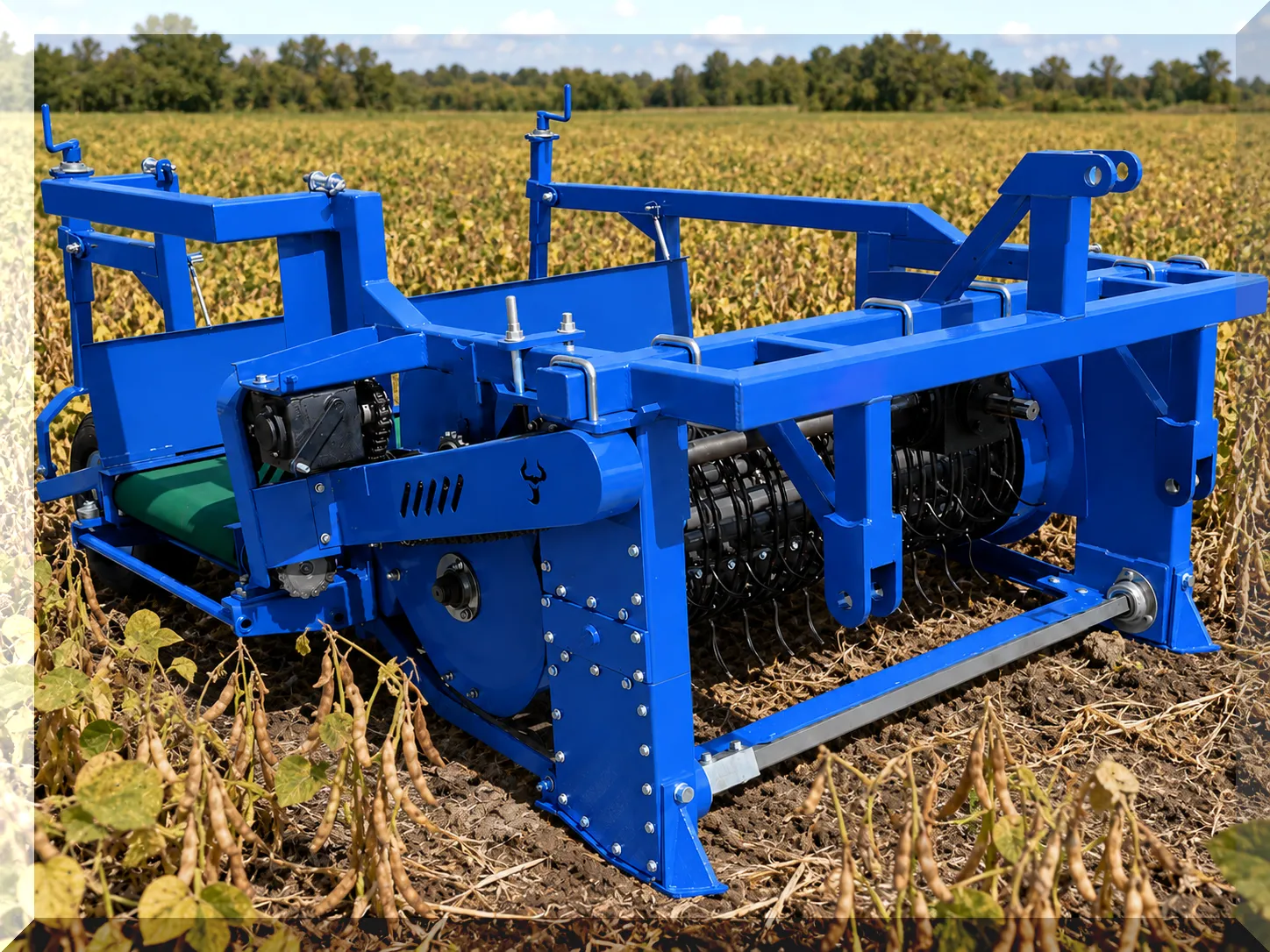
De vergelijking tussen handmatig trekken en nierbonentrekker Bij machinale oogst draait het niet primair om de kosten per hectare op zich, maar om de invloed van elke methode op de effectieve oogstperiode. Een typische oogstperiode voor droge bonen, van het optimale moment van oogsten tot het moment waarop het openspringen van de peulen economisch significant wordt, is 5 tot 10 dagen, afhankelijk van de weersomstandigheden. Na deze periode leidt elke dag tot een extra verlies van ongeveer 1 tot 31 ton aan peulen op het resterende, nog niet geoogste areaal als gevolg van natuurlijke droog- en verweringprocessen.
De kostenramingen omvatten afschrijving van de apparatuur, brandstof en de arbeidstijd van de operator tegen $22/uur. De tarieven voor handmatig oogsten zijn regionale gemiddelden voor de bonenteeltgebieden in het noorden van de Great Plains in de VS. De werkelijke kosten variëren afhankelijk van de veldgrootte, de rijafstand en de regionale arbeidsmarkt.
Wanneer te oogsten: vochtigheid van de peulen, visuele tekenen van rijpheid en het risico op breuk
Het tijdstip van oogsten is de meest beheersbare variabele die van invloed is op het verlies door breuk. Het ideale vochtgehalte van de peulwand ligt tussen 14 en 181 TP5T – het bereik waarin de peulwand droog genoeg is om schoon te worden geoogst zonder aan elkaar te plakken, maar flexibel genoeg zodat de naden niet openscheuren door de impact van de tanden of door het hanteren. Buiten dit bereik, in beide richtingen, neemt het oogstverlies aanzienlijk toe.
Visuele beoordeling: oogsten wanneer ten minste 70–80% peulen in het veld stadium 3 (lichtbruin/beige) kleuring vertonen. Peulen aan de onderste knopen vormen zich het eerst en bereiken stadium 3 eerder dan peulen aan de bovenste knopen – deze natuurlijke variatie is normaal. Wacht niet tot 100% peulen stadium 3 bereiken; de bovenste peulen bevinden zich dan in stadium 2–3, terwijl de onderste peulen al in stadium 4–5 zitten.
Voordeel van ochtenddauw en strategie voor het benutten van het weervenster
In stadium 4 (peulvochtigheid onder 14%) biedt de ochtenddauw een kortstondig vochtvoordeel: de omgevingsdauw gedurende de nacht verhoogt de oppervlaktevochtigheid van de peul tijdelijk met 2 tot 4 procentpunten, waardoor de naad weer wat flexibeler wordt. Het oogsten tijdens de dauwperiode (meestal tussen 7:00 en 9:30 uur 's ochtends in de herfst, voordat de dauw is opgedroogd) is de standaardprocedure om het openspringen van peulen te verminderen wanneer de velden zich in stadium 4 bevinden of wanneer onverwachte uitdroging gedurende de nacht de peulen onder het streefvochtgehalte heeft gebracht.
Oogst nooit peulen in stadium 3 of later tijdens of direct na regenval. Natte peulen die zich op of nabij de natuurlijke vochtigheidsdrempel bevinden, absorberen snel oppervlaktewater en laten het zaad in de peul opzwellen. Wanneer de peul vervolgens weer opdroogt (meestal binnen 4 tot 8 uur in de warme zon), krimpt de peulwand terwijl het zaad tijdelijk vergroot blijft, waardoor er zijdelingse druk op de naad ontstaat. Deze cyclus van nat en droog veroorzaakt de meeste peulen die uit elkaar vallen gedurende het seizoen en kan leiden tot 5 tot 121 ton extra verlies op elk veld dat binnen 24 uur na een regenbui in een laat stadium van rijping wordt geoogst.
Hoe een bonentrekker met veertanden werkt: informatie over diepte, tandgeometrie en zwadenvorming.
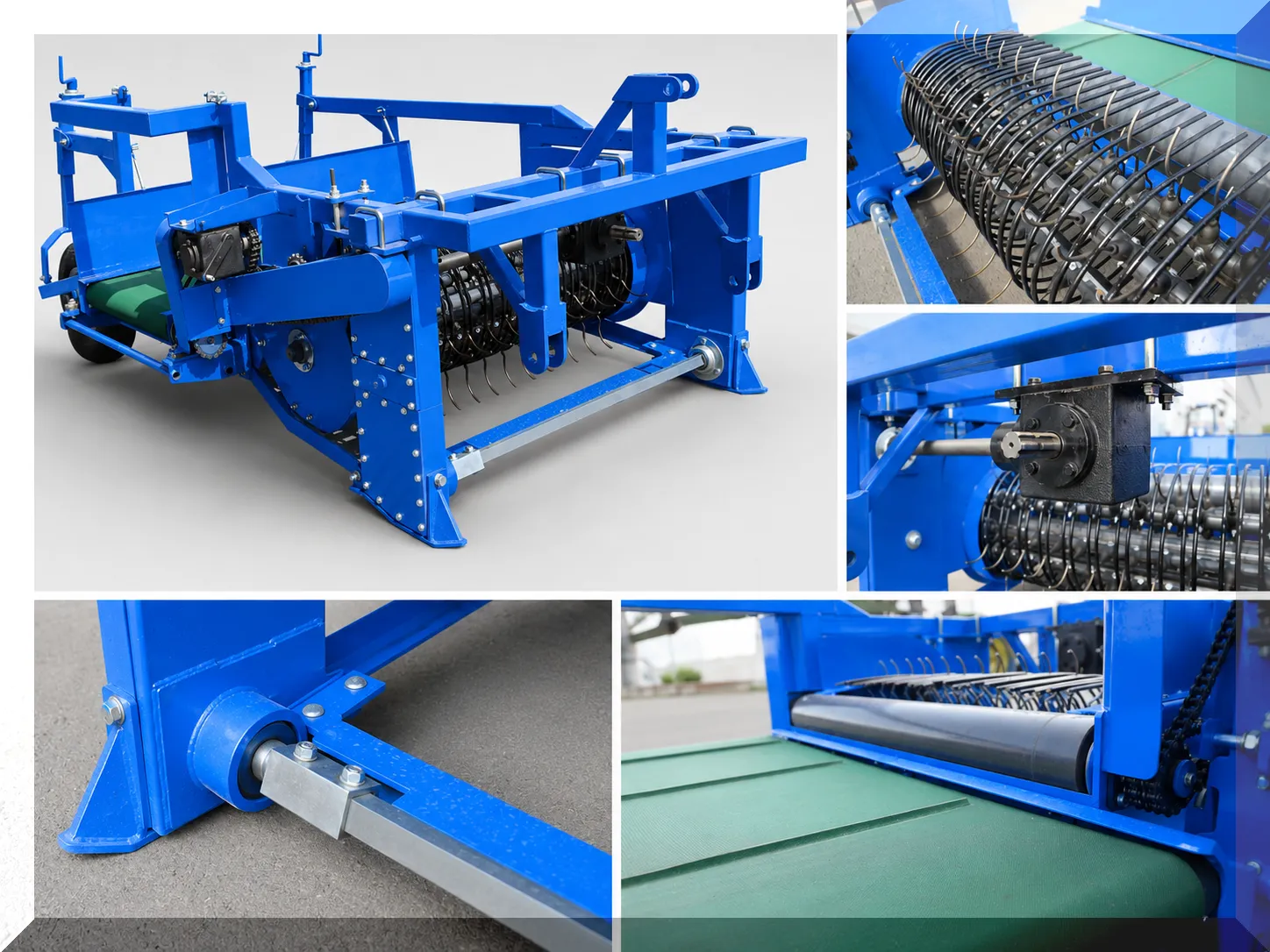
Een lente-tand nierbonentrekker Het systeem werkt volgens een eenvoudig maar uiterst nauwkeurig mechanisch principe: een V-vormig blad (de schaar) dringt door in de grond onder de penwortel en snijdt het wortelstelsel van onderaf door zonder de bovengrondse planten te beschadigen. Vervolgens tilt een set verenstalen tanden de losgemaakte plant op en geleidt deze naar een transportband die de plant in een zwad afzet. De effectiviteit van het systeem hangt volledig af van twee instelbare parameters: de indringdiepte van de schaar en de hoogte van de tanden boven het grondoppervlak.
Tandgeometrie en breukfrequentie: de technische connectie
De verenstalen tanden boven de schaar hebben twee functies: ze voorkomen dat de afgesneden plant terug op de grond valt nadat de schaar is gepasseerd, en ze transporteren de plant zijdelings naar de centrale zone voor het vormen van de zwad. De hoek van de tanden, de veerspanning en de hoogte boven de grond bepalen hoe agressief de tanden de plant raken. Tanden die te hoog boven de grond staan, rollen over laagliggende peulen (de eerst gevormde, grootste en meest waardevolle peulen) in plaats van ze op te vangen. Tanden die te dicht bij de grond staan, vangen en rollen peulen op die tijdens het groeiseizoen al op de grond zijn gevallen, waardoor er veldresten aan het zwad worden toegevoegd.
Bij modellen met 4 rijen en meer is de transportband voor het vormen van de zwaden een rolkooiconstructie die wordt aangedreven door een compacte landbouw aandrijfversnellingsbak De aandrijving vindt plaats via de aftakas aan de achterzijde van de tractor. De versnellingsbak zet het toerental van de aftakas (540 tpm) om in het lagere toerental van de transportband, terwijl het koppel voldoende blijft om het plantvolume van meerdere rijen tegelijk te verwerken. De transportsnelheid ten opzichte van de rijsnelheid is de belangrijkste parameter: te snel, en de planten worden naar voren geslingerd en tegen de voorste tandenrij verbrijzeld; te langzaam, en de planten hopen zich op en worden geplet in plaats van getransporteerd.
Aantal rijen versus oppervlakte: hoe u het juiste model voor uw programma kiest
De primaire selectieparameter voor een nierbonentrekker Het gaat niet om de werkbreedte, maar om de combinatie van het aantal hectares per seizoen en de oogstperiode die beschikbaar is voor uw regio. Het aantal rijen bepaalt de dagelijkse productiviteit, wat weer bepaalt of uw volledige programma binnen de optimale oogstperiode elk jaar kan worden voltooid.
| Model | Aantal rijen | Dagelijkse capaciteit | Optimale oppervlakte per seizoen | Min. tractorvermogen (pk) | Het beste voor |
|---|---|---|---|---|---|
| 4BYH-1.3 | 2 rijen | 12–20 ac/dag | 50–200 hectare | ≥35 pk (25 kW) | Kleine boerderij, contracttrekker, secundaire machine, eerste mechanische trekker |
| 4BYH-2.6 | 4 rijen | 25–40 ac/dag | 100–500 hectare | ≥50 pk (37 kW) | Middelgrote commerciële droge bonenbedrijven; standaard rijafstand in Michigan en Minnesota. |
| 4BYQ-2.6 | 4 rijen (voorkant) | 25–40 ac/dag | 100–500 hectare | ≥50 pk (37 kW) | Contourrijen, verhoogde bedden, onregelmatige veldindelingen — het voordeel van een frontmontage met direct zicht. |
| 4BYH-3.25 | 5 rijen | 35–55 ac/dag | 200–700 acre | ≥60 pk (44 kW) | Groeiende commerciële programma's; overstap van 4-rijige zaaimachines wanneer de oogstperiode een beperkende factor is. |
| 4BYHD-3.9 | 6 rijen | 50–75 ac/dag | 300–1.200 hectare | ≥75 pk (55 kW) | Grootschalige commerciële en loonoogstactiviteiten; vlaggenschipmodel met de hoogste dagelijkse productie. |
De dagelijkse capaciteit is gebaseerd op een rijafstand van 76 cm (30 inch), 7-8 werkuren per dag en een veldrendement van 80%. De werkelijke output varieert afhankelijk van de veldvorm, de rijlengte en de bodemgesteldheid. Bekijk onze complete pagina met trekkers voor sperziebonen voor gedetailleerde specificaties.
Montage aan de voorzijde versus montage aan de achterzijde: de keuze voor het zichtveld.

Het mechanische verschil tussen bonentrekkers met front- en achtermontage zit hem niet in de prestaties tijdens een veldproef onder ideale omstandigheden – beide ontwerpen produceren vergelijkbare verliezen door breuk en zwadkwaliteit op perfect uitgelijnde, vlakke velden. Het verschil zit hem in wat er gebeurt op velden die niet perfect uitgelijnd, perfect vlak of in perfect rechte rijen beplant zijn.
Waarom Amerikaanse bonentelers voor foragebaler.com kiezen voor hun trekkers.
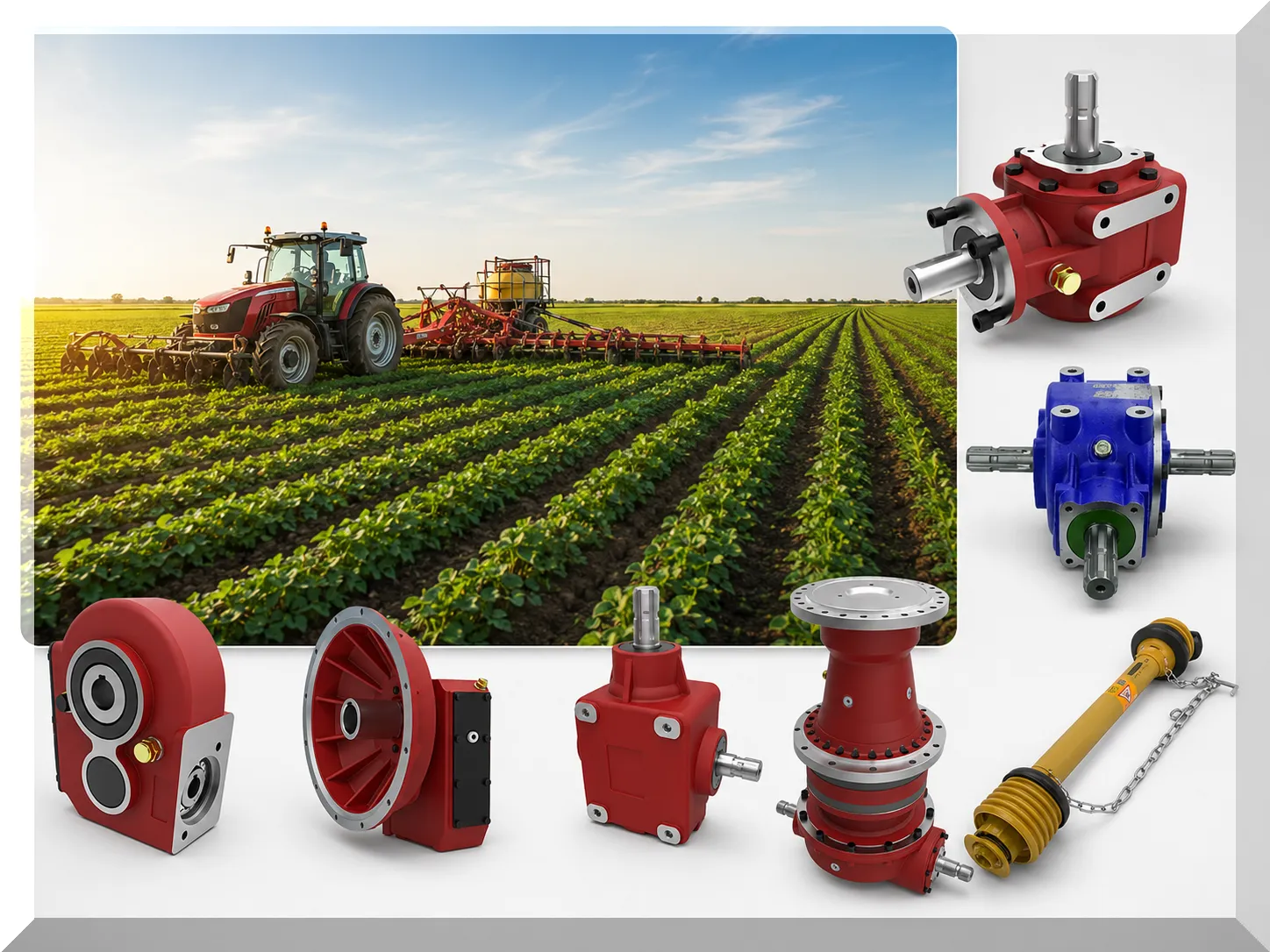
- ✔Amerikaans magazijn — Onderdelen dezelfde dag nog leverbaar. Veertanden, maaibladen, transportbandonderdelen en aandrijfversnellingsbakken het hele jaar door op voorraad. Bestellingen vóór 14:00 uur Pacific Time worden dezelfde werkdag verzonden. Geen wekenlange wachttijden voor onderdelen tijdens de cruciale oogstperiode van 5 tot 10 dagen.
- ✔Controleer de rijafstand vóór verzending. Voordat de bonentrekker wordt verzonden, controleren we de gewenste rijafstand (22 inch, 28 inch, 30 inch) aan de hand van de fabrieksinstelling van het model. Dit is namelijk het meest voorkomende installatieprobleem bij de eerste aanschaf van een bonentrekker.
- ✔Compatibiliteit met tractor geverifieerd. Voordat een bestelling wordt verzonden, dient u de categorie driepuntsophanging, het vermogen bij de aftakas en de vereisten voor de fronthefinrichting (voor modellen met frontmontage) te controleren aan de hand van uw tractormodel.
- ✔Compleet assortiment, één leverancier. Van de 2-rijige 4BYH-1.3 tot de 6-rijige 4BYHD-3.9, alle vijf modellen in onze assortiment van trekkers voor nierbonen zijn op voorraad in het magazijn in Californië, met onderdelenondersteuning voor het volledige oogstseizoen.
Veelgestelde vragen: Mechanische oogst van droge bonen
Ontvang een aanbeveling voor een nierboontrekker voor uw operatie.
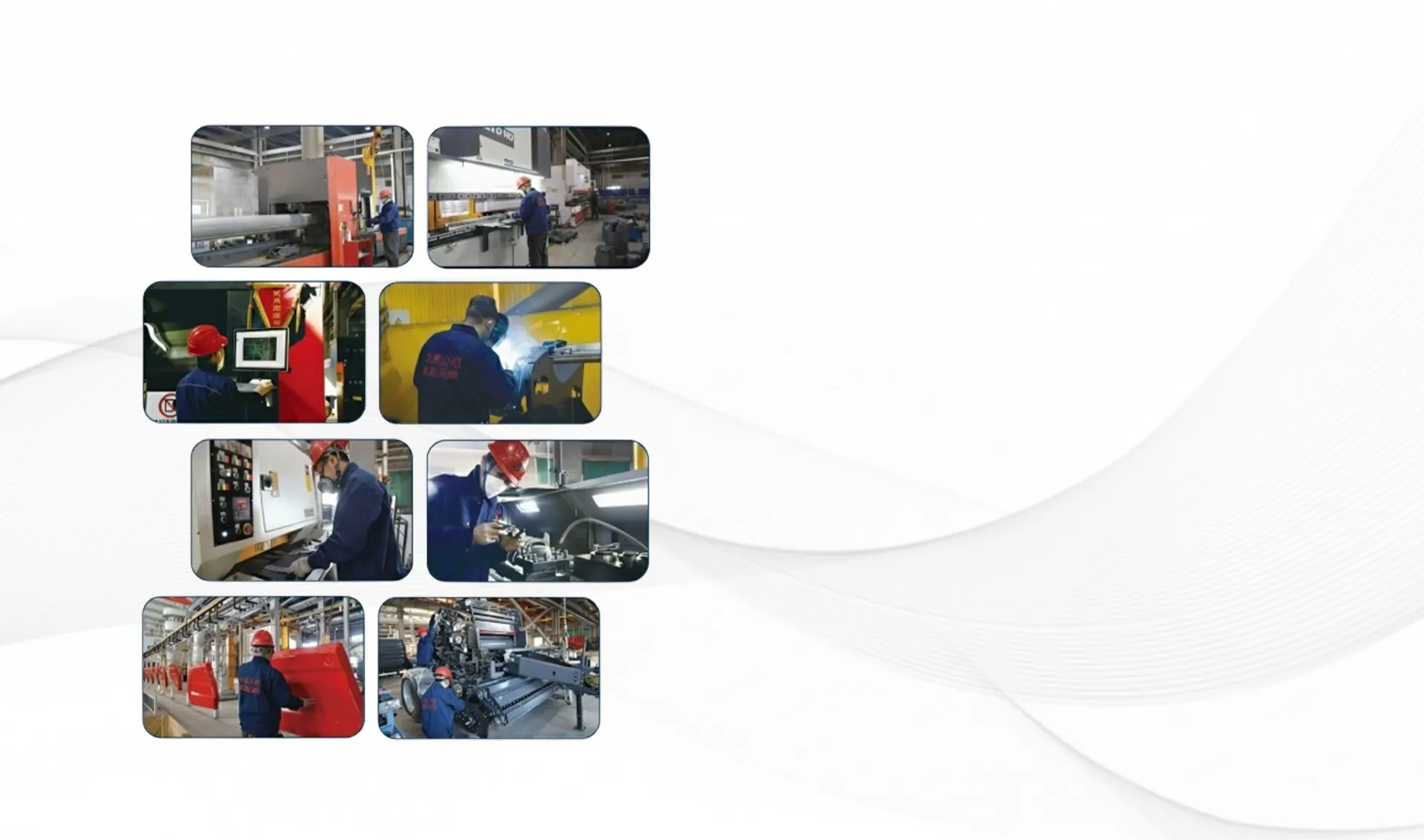
Apparatuur voor de droge bonenoogst — Californisch magazijn
Vertel ons uw oppervlakte, rijafstand en tractortype — dan zorgen wij ervoor dat u het juiste model krijgt.
nierbonentrekker Rijafstand bevestigd, vermogen geverifieerd, categorie driepuntsophanging gecontroleerd — voordat uw bonentrekker wordt verzonden. Onderdelen worden tijdens het oogstseizoen dezelfde dag nog verzonden vanuit ons magazijn in Californië. Volledig assortiment van 2-rijige tot 6-rijige machines, met front- en achtermontage, op voorraad.
2 tot 6 rijen, voor en achter
22, 28 of 30 inch bevestigd
Tanden, schijven, transportbandonderdelen
America Ever-Power Forage Baler Equipment INC. | 1401 21st ST STE R, Sacramento, CA 95811
Redacteur: Cxm


