
O Segadora de discos rebocada 9GD-2.5 É uma segadora de discos rotativa de alta velocidade que utiliza lâminas de disco giratórias para cortar feno e forragem em uma passada limpa e de alto rendimento. Como todas as segadoras de discos, seu desempenho depende da configuração correta, da velocidade de operação adequada e de lâminas que mantenham seu perfil de corte. Uma segadora de discos operando com lâminas desgastadas, altura de corte incorreta ou velocidade de deslocamento inadequada resulta em baixa qualidade de corte e maior consumo de combustível — problemas que são fáceis de prevenir com as verificações de rotina descritas neste guia.
Inspeção de pré-temporada: o que verificar antes do primeiro corte
A inspeção pré-temporada do 9GD-2.5 leva de 45 a 90 minutos e previne a maioria das falhas mecânicas durante a temporada. Siga a lista de verificação abaixo antes de conectar o cortador de grama ao trator para a primeira passada do ano:
Nível e condição do óleo da caixa de câmbio. A caixa de engrenagens principal transfere a potência da tomada de força (TDF) da transmissão do trator para o sistema de discos de corte. Verifique o nível de óleo no visor ou na vareta de medição e inspecione visualmente a cor do óleo — o óleo novo da caixa de engrenagens é âmbar claro; o óleo com contaminação significativa por entrada de água ou partículas metálicas apresenta aspecto turvo ou brilho metálico. Drene e substitua o óleo da caixa de engrenagens que apresentar contaminação antes de operar o trator. Consulte o manual do operador para obter informações sobre a especificação correta do óleo e o volume de enchimento para a caixa de engrenagens 9GD-2.5.
Condição e torque da lâmina. Inspecione todas as lâminas de corte quanto a desgaste nas pontas, rachaduras e deformações. Verifique se o torque de cada parafuso de fixação da lâmina está correto — parafusos soltos representam um risco à segurança e causam vibração que acelera o desgaste dos rolamentos. Os parafusos de fixação da lâmina devem ser apertados com o torque especificado após os primeiros 30 minutos de operação na temporada, período em que se ajustam devido aos ciclos térmicos iniciais.
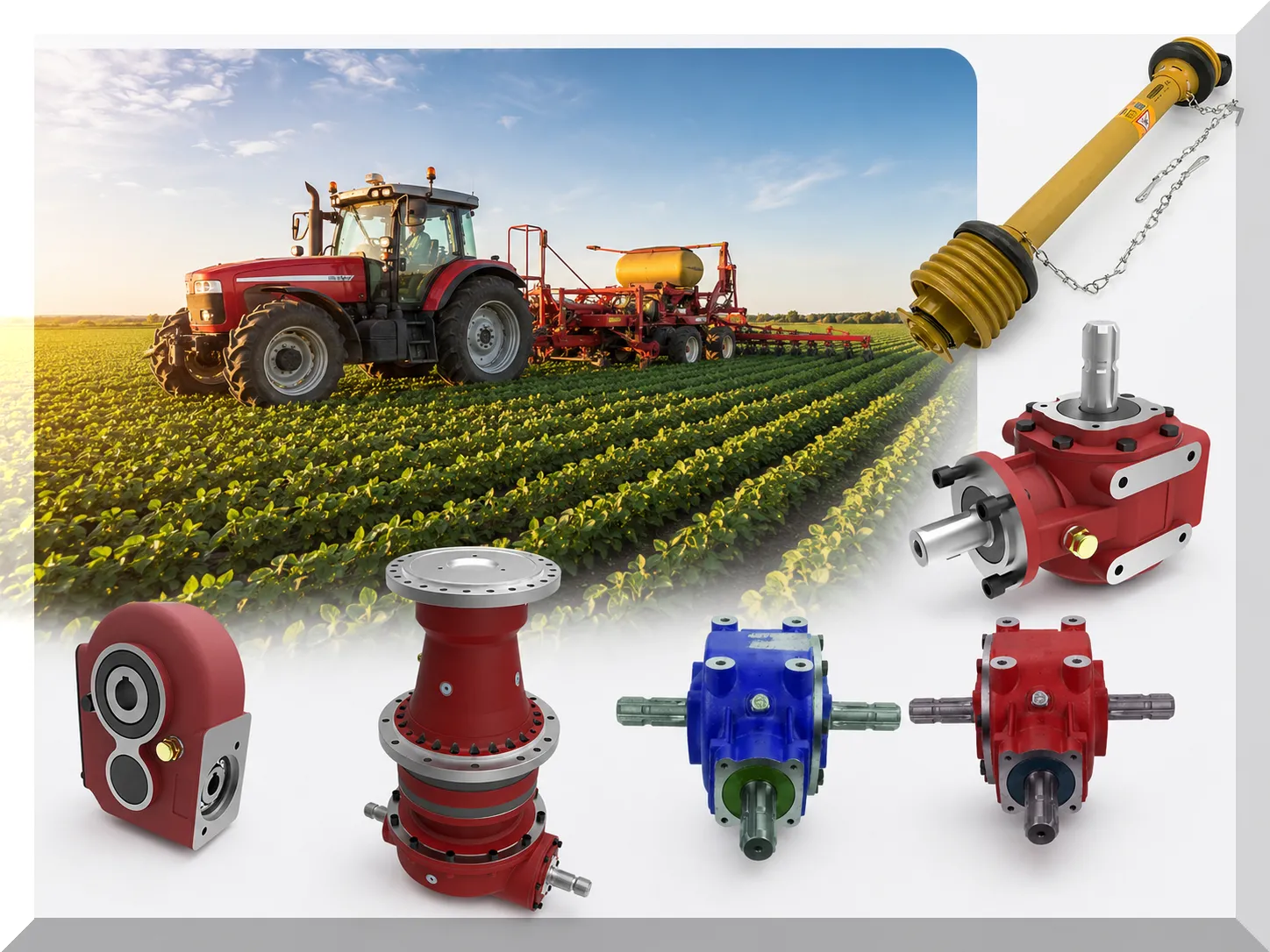
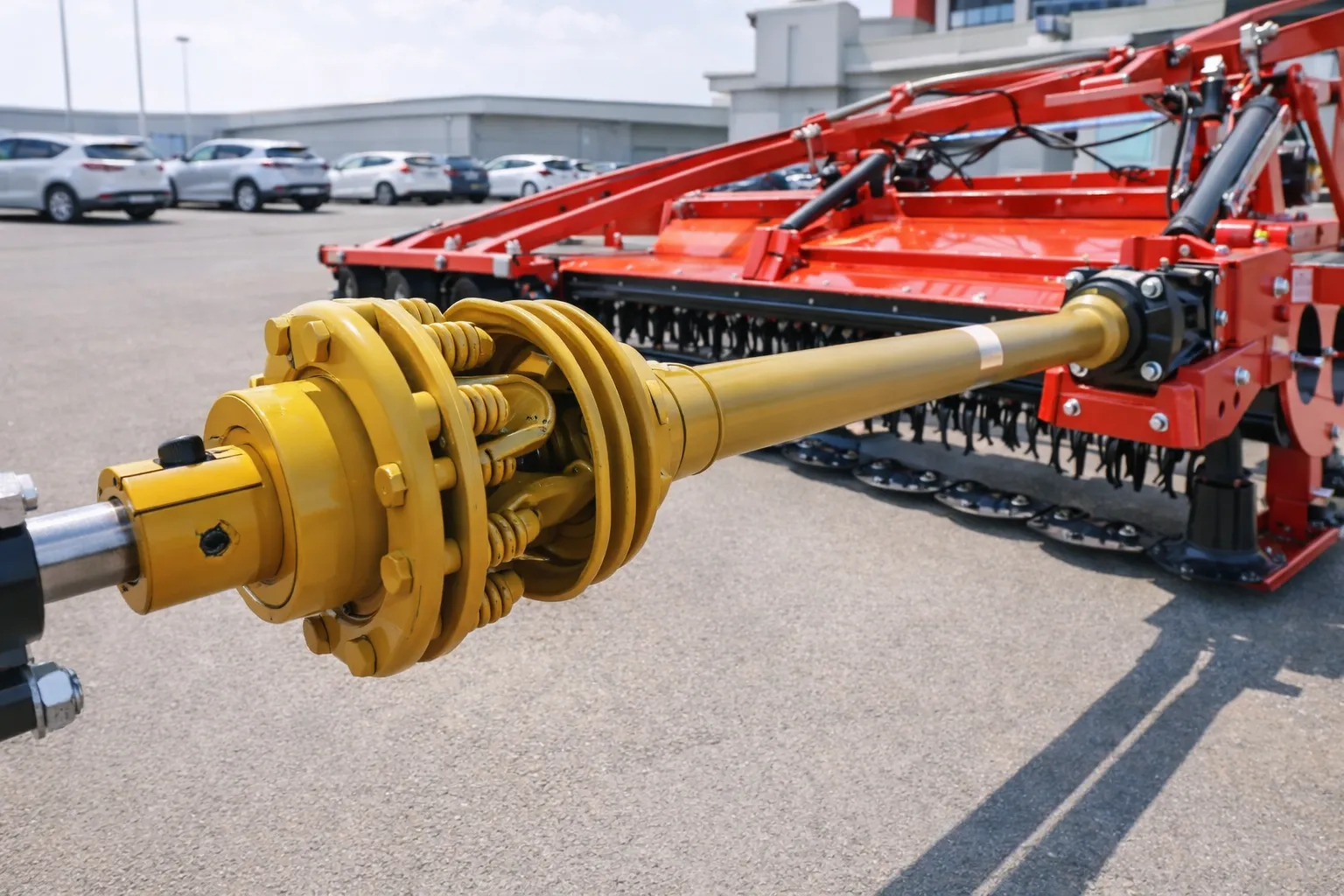
Inspeção da linha de transmissão da tomada de força (PTO). Inspecione as juntas universais quanto a folgas e verifique se a seção telescópica se move livremente em toda a sua amplitude. Verifique se todas as proteções de segurança apresentam rachaduras, seções faltantes ou presilhas de retenção soltas. componentes de transmissão agrícola e de acionamento por tomada de força (TDF) A transmissão do cortador de grama não deve apresentar vazamentos visíveis de graxa nas tampas das juntas universais, e a embreagem deslizante (se equipada) deve engatar e desengatar com o torque nominal da temporada anterior. Uma embreagem deslizante que não engata mais com o torque nominal indica que os discos de embreagem estão comprimidos e precisam de ajuste ou substituição.
Sapatas de deslizamento e mecanismo de ajuste de altura de corte. Inspecione as sapatas de deslizamento da cabeça de corte quanto ao desgaste — esses componentes determinam a altura de corte ao entrarem em contato com a superfície do solo. Sapatas de deslizamento desgastadas ou ausentes farão com que a roçadeira corte muito rente ao solo, contaminando a faixa de corte com terra. Confirme se o mecanismo de ajuste da altura de corte se move livremente em toda a sua amplitude antes da primeira entrada no campo.
Altura de corte: como ajustar corretamente a altura do restolho para sua cultura.
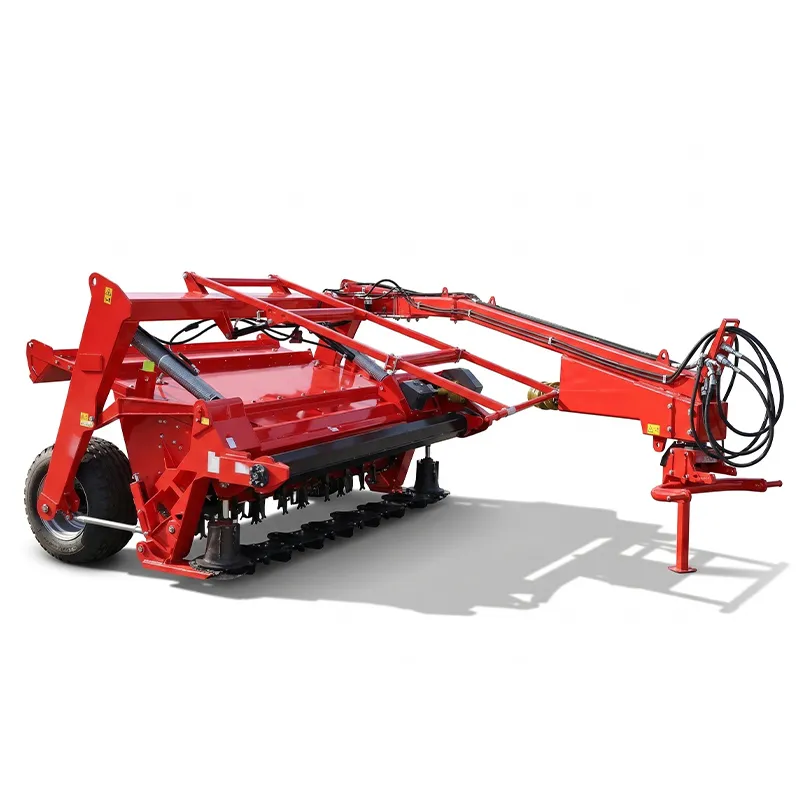
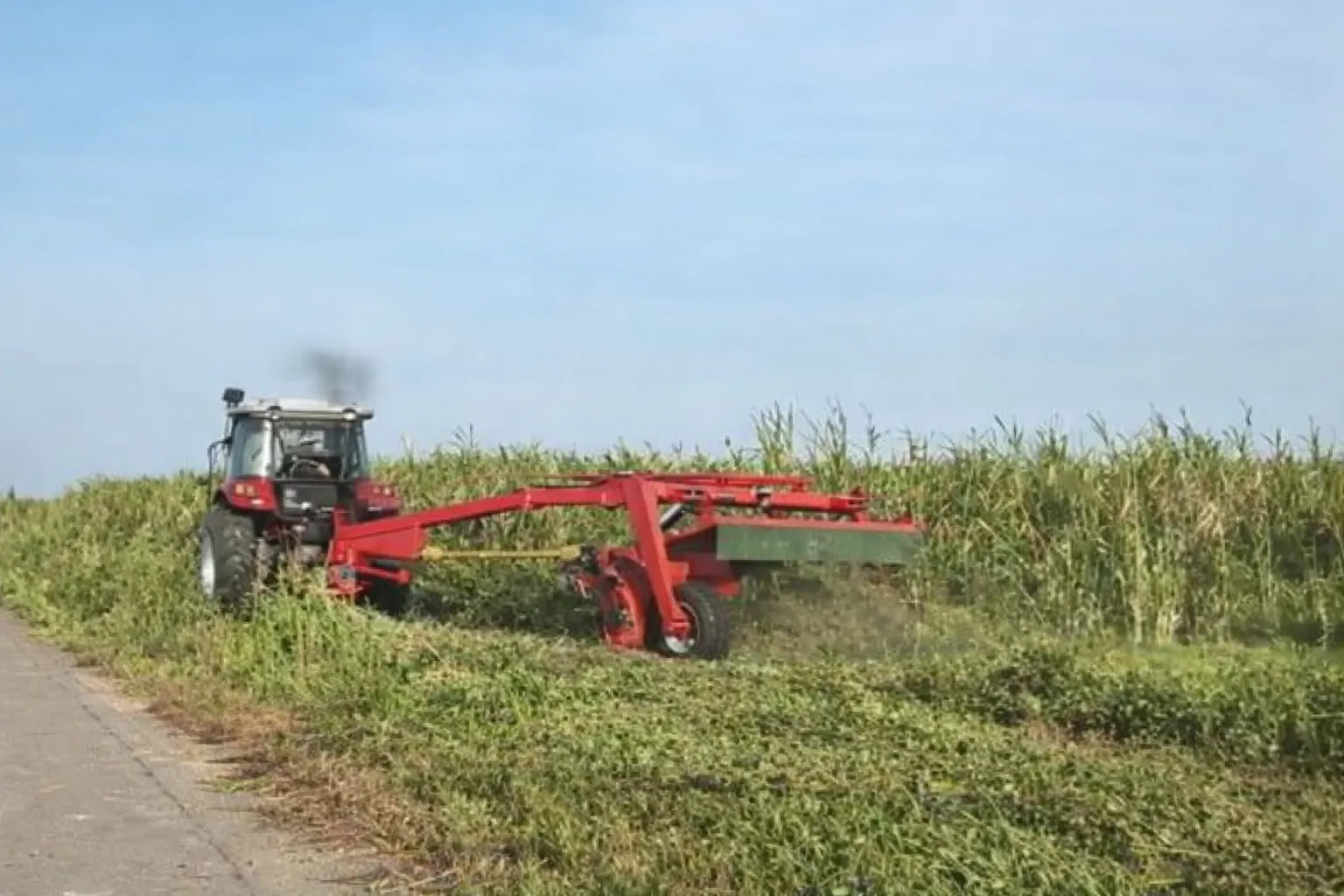
A altura de corte é a configuração operacional mais importante do ponto de vista agronômico em uma segadora de discos. Se ajustada muito baixa, remove o ponto de crescimento de leguminosas e gramíneas, prejudicando o rebrote e reduzindo a produtividade dos cortes subsequentes. Se ajustada muito alta, deixa mais massa de caule no campo, reduzindo a produtividade por corte e podendo gerar resíduos que retardam a secagem da leira. A configuração correta depende da cultura que está sendo cortada:
| Cortar | Altura de corte recomendada | Razão |
|---|---|---|
| Alfafa | 7–10 cm (3–4 pol.) | Protege as reservas da coroa e das raízes; o corte abaixo de 5 cm enfraquece o povoamento e reduz sua longevidade. |
| Capim-de-pomar / Timóteo | 7–10 cm (3–4 pol.) | Deixa área foliar suficiente para um rápido crescimento; evita a remoção da base dos perfilhos. |
| Grama Bermuda | 5–7 cm (2–3 pol.) | Um corte mais baixo é aceitável devido ao crescimento a partir de estolões e rizomas; um corte mais baixo melhora a qualidade do corte seguinte. |
| Feno de capim (primeiro corte, alto) | 8–12 cm (3–5 pol.) | Uma regulagem mais alta no primeiro corte reduz o risco de contato da rocha com detritos acumulados durante o inverno; uma regulagem mais baixa nos cortes subsequentes. |
Aumente a altura de corte em 2 a 3 cm em campos com risco conhecido de pedras ou detritos na superfície durante a primeira passada da safra, até que a superfície do campo esteja familiarizada. Reduza para a altura de restolho desejada assim que as condições do campo estiverem livres de detritos.
Velocidade de deslocamento e tomada de força (TDF): adequando a velocidade de operação às condições da cultura.
As segadoras de disco operam com maior eficiência quando a velocidade da ponta da lâmina do disco excede substancialmente a velocidade de deslocamento para a frente — o disco de corte gera um corte de impacto de alta velocidade e as pontas das lâminas devem estar se movendo rápido o suficiente para cortar os caules de forma limpa, em vez de empurrá-los antes do corte. No modelo 9GD-2.5, com TDP de 540 RPM, a velocidade da ponta do disco está bem acima do limite necessário para um corte limpo em todas as velocidades de deslocamento recomendadas.
As velocidades de operação recomendadas são de 8 a 14 km/h em condições normais de cultivo. De 8 a 10 km/h, o disco tem mais tempo por passada no caule, produzindo um corte mais limpo e consistente — ideal para mercados de feno premium ou em condições de acamamento. De 12 a 14 km/h, a produtividade é maximizada em culturas planas, uniformes e em pé. Reduza a velocidade para 6 a 8 km/h em alfafa de primeiro corte excepcionalmente densa, acima de 6 t MS/ha, em culturas úmidas e pesadas imediatamente após a chuva ou ao operar em terrenos irregulares, onde a manutenção de uma altura de corte consistente exige uma velocidade menor para um contato preciso das sapatas de deslizamento com o solo.
O modelo 9GD-2.5 deve ser operado com a tomada de força (TDF) a 540 RPM — não engate em uma rotação inferior à nominal, pois a velocidade reduzida do disco cria uma ação de rasgamento ineficiente nos caules da cultura, em vez de um corte limpo por impacto da lâmina. Engate a TDF em marcha lenta, acelere o motor até a rotação nominal antes de entrar em contato com a cultura e mantenha a rotação nominal durante toda a passada de corte.
Avaliação do desgaste da lâmina: o guia de diagnóstico em 3 etapas
O desgaste das lâminas de uma segadora de discos é gradual e facilmente negligenciado até que a qualidade do corte se degrade visivelmente. A avaliação em três etapas a seguir fornece os critérios para decidir se as lâminas estão em boas condições de uso, se precisam ser monitoradas ou se necessitam de substituição imediata:
Gatilho de substituição: largura da ponta da lâmina reduzida para 60% ou menos do perfil original, OU arredondamento da borda visível como um raio de 2 mm ou mais no canto de corte. Inspecione visualmente as lâminas a cada 80 a 120 hectares de corte em solos normais; com mais frequência em solos arenosos abrasivos ou terrenos pedregosos conhecidos.
Manobras na cabeceira: Protegendo a segadora durante as curvas de campo
As curvas de cabeceira com uma segadora de discos rebocada exigem uma abordagem consistente em três etapas para proteger a cabeça de corte dos discos contra danos por contato com o solo durante a curva de raio fechado no limite do campo:
Passo 1 — Levante a cabeça de corte do cortador de grama Antes de iniciar a curva, a cabeça de corte deve estar totalmente levantada da posição de corte antes que o trator inicie o arco de giro. Uma cabeça de corte que ainda esteja na posição de corte durante uma curva na cabeceira pode entrar em contato com o solo irregular da cabeceira, atingir pedras incrustadas na divisa do campo ou arrastar no solo durante o arco fechado para dentro — tudo isso causa danos à lâmina e às sapatas de deslizamento.
Etapa 2 — Reduzir a velocidade da TDP Durante a manobra, com a segadora levantada e sem cortar, operar a tomada de força (TDF) em velocidade máxima causa desgaste desnecessário nos componentes da transmissão. Reduza a rotação do motor para a faixa intermediária durante o reposicionamento na cabeceira.
Etapa 3 — Engate a posição de corte e a tomada de força (TDF) antes de retornar à cultura.Leve o motor à rotação nominal máxima e abaixe a segadora até a altura de corte pouco antes da cabeça de corte entrar na cultura em pé no início da próxima passada. Entrar na cultura na altura de corte antes da tomada de força (TDF) atingir a velocidade máxima produz um corte irregular e pode causar sobrecarga momentânea na transmissão por discos se a cultura oferecer resistência significativa.
O 9GD-2.5 versão atualizada Incorpora recursos de proteção adicionais na cabeça de corte que prolongam a vida útil dos componentes sob os ciclos repetidos de subida e descida da produção comercial de feno. Tanto a configuração padrão quanto a aprimorada exigem a mesma disciplina nas cabeceiras — o aprimoramento aumenta a durabilidade, não a tolerância a práticas operacionais inadequadas.
Armazenamento de fim de temporada e preparação para o inverno
O armazenamento correto no final da temporada evita a maior parte da corrosão e deterioração das vedações que ocorrem fora de temporada e causam reparos desnecessários antes da próxima temporada de corte. Antes de guardar o 9GD-2.5 em local coberto, siga os passos abaixo:
Troque o óleo da caixa de engrenagens — as partículas de desgaste sazonal presentes no óleo velho tornam-se corrosivas durante o inverno e aceleram o desgaste dos rolamentos na primeira temporada de uso, caso não sejam substituídas. Lave a plataforma de corte e o sistema de discos para remover a seiva, os resíduos da colheita e a terra acumulados que retêm umidade em contato com as superfícies metálicas. Aplique um óleo leve ou inibidor de ferrugem nas peças de fixação das lâminas e nos retentores dos rolamentos do eixo do disco expostos. Inspecione e lubrifique todos os pontos de lubrificação, pois a graxa nova desloca a umidade das cavidades dos rolamentos antes que a máquina fique parada durante o inverno. Recolha completamente a seção telescópica da transmissão da tomada de força (TDF) e guarde-a limpa e levemente lubrificada.

Perguntas frequentes
Lâminas de reposição e peças de manutenção sazonais — Envio no mesmo dia a partir da Califórnia.
Conjuntos de lâminas, retentores de óleo da caixa de engrenagens, sapatas de deslizamento e componentes da transmissão da tomada de força para o 9GD-2.5 estão em estoque em nosso depósito em Sacramento para despacho no mesmo dia para pedidos recebidos antes das 14h (horário do Pacífico).
Editor: Cxm


