
Enfardadeira-embaladora de silagem combinada 9YCM-850 | 30–40 fardos/hora
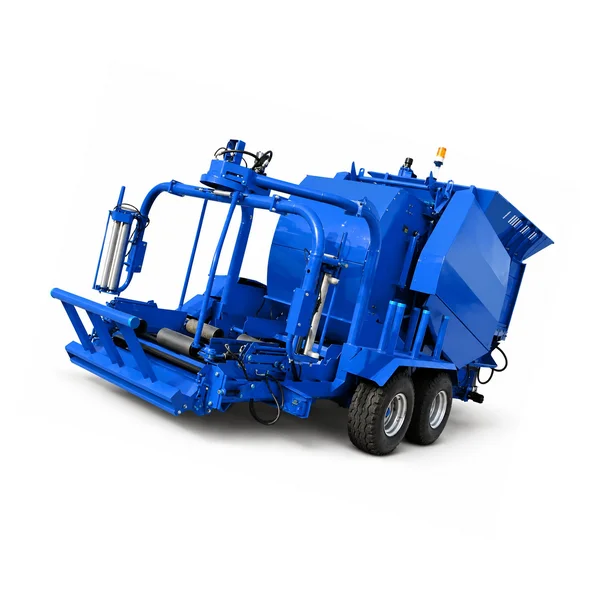
O Enfardadeira-envolvedora de silagem 9YCM-850 Comprime material vegetal fresco e com alto teor de umidade e o sela em filme stretch em uma única passagem contínua no campo — sem paradas, sem necessidade de uma segunda máquina, sem janela de exposição para a entrada de oxigênio no fardo. Com uma capacidade de 30 a 40 fardos selados por hora, é a solução de conservação de silagem em uma única passagem com maior rendimento em nossa linha de equipamentos, projetada para fazendas leiteiras que operam grandes programas de silagem de capim e milho, empresas de ensilagem que atendem vários clientes por semana e operações de gado de corte em transição do feno seco para a silagem fermentada para alimentação de inverno.
A Ciência da Silagem: Por que cada minuto entre o enfardamento e o enfardamento faz a diferença
O design integrado da 9YCM-850 não é um recurso de conveniência — é uma resposta direta à biologia da fermentação de forragem com alto teor de umidade. Entender por que a enfardadeira-embaladora deve seguir a enfardadeira-enfardadeira imediatamente, em vez de após um atraso, explica por que uma máquina integrada produz silagem visivelmente melhor do que um fluxo de trabalho com duas máquinas e um intervalo de tempo entre o enfardamento e a embalagem.
O oxigênio fica retido entre o material da cultura. A respiração aeróbica das células vegetais e dos esporos do fungo se inicia, consumindo carboidratos solúveis em água — o principal combustível para as bactérias láticas benéficas.
A atividade de leveduras e fungos acelera. A geração de CO₂ aumenta a temperatura dentro do fardo sem embalagem. Cada aumento de 1°C acima de 30°C na fase de fermentação reduz o teor final de matéria seca da silagem em 0,3 a 0,5 pontos percentuais.
O oxigênio é eliminado segundos após a conclusão do enfardamento. O oxigênio residual é consumido por bactérias aeróbicas em 24 a 48 horas. As bactérias ácido-lácticas (BAL) atingem rapidamente condições anaeróbicas, produzindo o ácido lático que reduz o pH para 4,0–4,5 e preserva a matéria seca em 90–95% do máximo teórico.
Base da fonte: Recomendações de extensão do Instituto Nacional de Alimentação e Agricultura do USDA sobre o momento ideal para o enfardamento de silagem. Intervalo ideal para o enfardamento: menos de 4 horas após o enfardamento; menos de 60 minutos para máxima preservação da matéria seca em alta umidade (>70%).
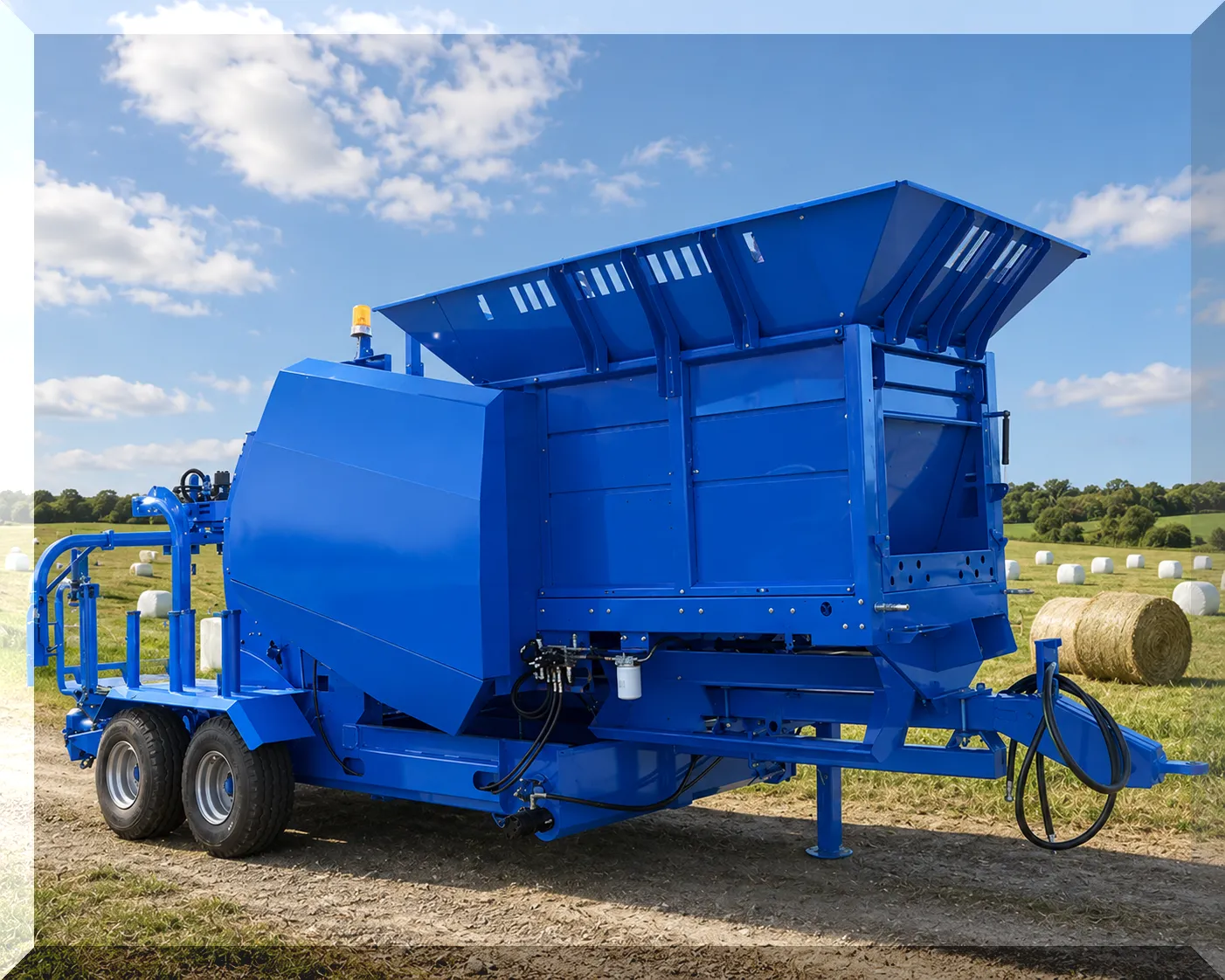
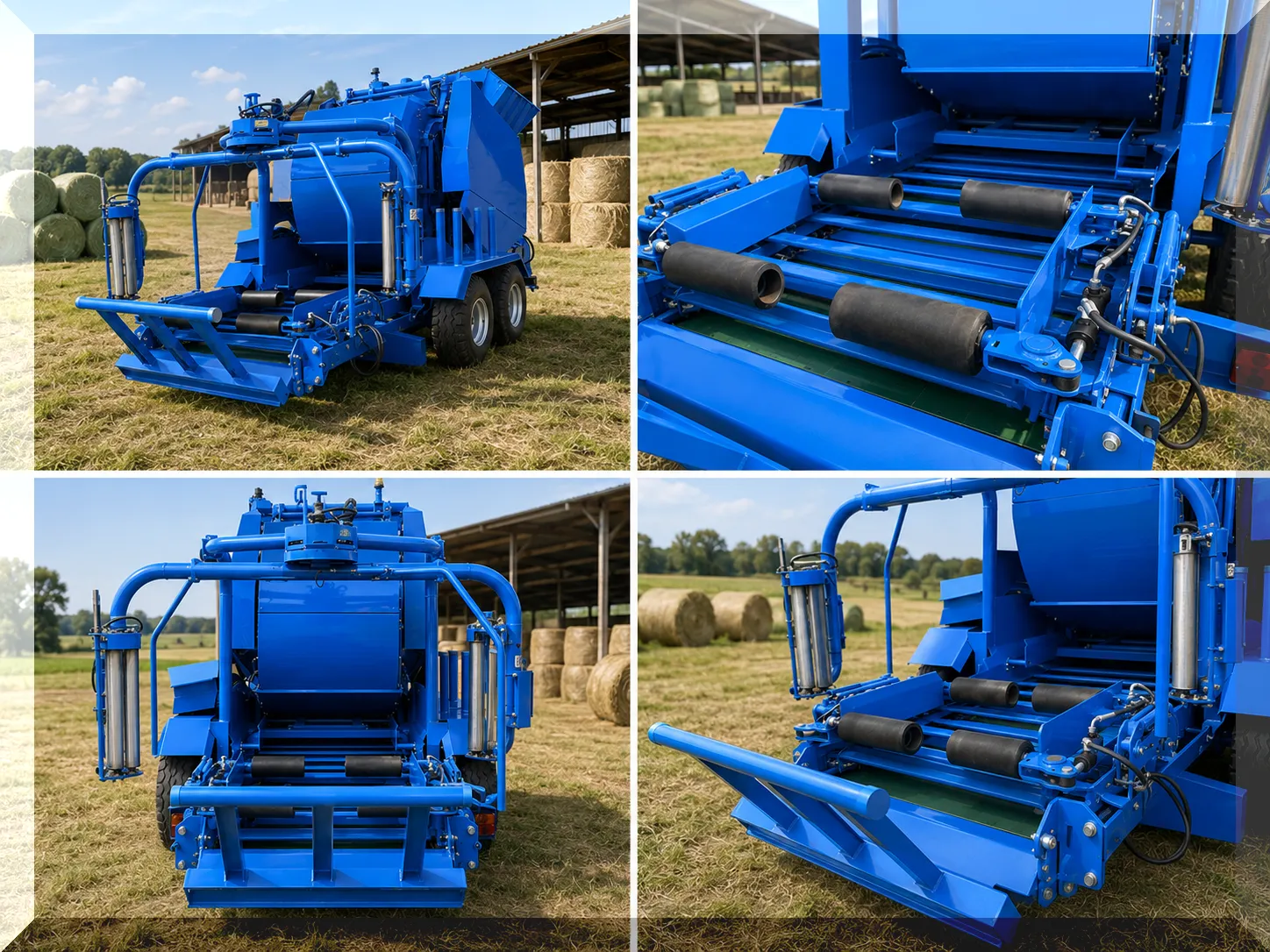
A 9YCM-850 elimina completamente a janela de exposição: o fardo é finalizado na câmara fixa, transferido automaticamente para a plataforma giratória integrada da embaladora e selado com filme stretch na mesma passagem pelo campo — o tempo máximo de exposição entre a conclusão do enfardamento e o início da selagem é inferior a 60 segundos durante a operação normal. Isso não é possível com um fluxo de trabalho separado, que inclui enfardadeira e embaladora independentes, onde os fardos normalmente ficam parados por 30 minutos a várias horas, dependendo da capacidade do operador e do layout do campo.
Especificações técnicas
O 9YCM-850 conecta-se ao trator através do engate traseiro de três pontos, da tomada de força traseira de 540 rpm e de duas saídas hidráulicas remotas traseiras (uma de ½ polegada e outra de ¾ de polegada). Uma conexão de 12 V CC ao sistema elétrico do trator alimenta o painel de controle eletrônico. Verifique se todos os quatro tipos de conexão — tomada de força, engate, hidráulica e 12 V — estão disponíveis em seu trator antes de fazer o pedido.
| Não. | Parâmetro | Unidade | Valor |
|---|---|---|---|
| 1 | Produto | / | Enfardadeira-embaladora integrada 9YCM-850 |
| 2 | Dimensões do fardo (diâmetro × comprimento) | cm | Φ 85–90 × 85 cm |
| 3 | Volume do fardo | m³ | 0,48–0,54 |
| 4 | Volume da tremonha | m³ | 2.5 |
| 5 | Potência necessária do trator | HP (kW) | ≥ 120 HP (≈88 kW) |
| 6 | Dimensões externas (C×L×A) | m (pés) | 7,00 × 2,19 × 3,03 (23,0 × 7,2 × 9,9 pés) |
| 7 | Tamanho do pneu | / | 295/60-15 |
| 8 | Velocidade da TDP | rpm | 540 |
| 9 | Requisito hidráulico | / | 1 saída de ½ polegada + 1 saída de ¾ de polegada |
| 10 | Requisitos Elétricos | / | 12 V CC (circuito da bateria do trator) |
| 11 | Sistema de controle | / | Eletrônico (visor para contagem de fardos e embalagens) |
| 12 | Produtividade | fardos/h | 30–40 |
Ciclo contínuo de quatro etapas: Carregar → Enfardar → Envolver → Ejetar
Guia de aplicação de película protetora: camadas por cultura e tempo de armazenamento.
A quantidade de camadas de filme plástico é a variável controlada pelo operador que tem o maior impacto na qualidade da silagem durante o período de armazenamento. Poucas camadas permitem que microperfurações causadas por detritos do campo e degradação por raios UV permitam a entrada de oxigênio ao longo do tempo; muitas camadas aumentam o custo do filme além do que a qualidade da fermentação exige. A tabela abaixo apresenta as recomendações padrão do setor para cada tipo de cultura principal e cenário de armazenamento.
| Cultivo/Material | Umidade na enfardagem | Camadas mínimas de filme | Duração do armazenamento | Notas |
|---|---|---|---|---|
| Silagem de grama recém-cortada | 65–75% | 6 | 6 a 12 meses | Uso mais comum; 6 camadas é o mínimo recomendado pelo NRCS para armazenamento externo durante toda a temporada. |
| Silagem de milho (planta inteira) | 60–68% | 6–8 | 6 a 18 meses | As bordas dos talos de milho podem perfurar a película protetora — recomenda-se 8 camadas caso os talos não sejam triturados na colheita. |
| Silagem de alfafa/leguminosas | 55–65% | 4–6 | 3 a 8 meses | Umidade mais baixa reduz a pressão da fermentação na embalagem; 4 camadas são suficientes para armazenamento por menos de 6 meses. |
| Grãos com alto teor de umidade (HMG) | 25–35% | 8 | Até 18 meses | O armazenamento prolongado aumenta o risco de danos por raios UV e perfurações mecânicas; 8 camadas de roupa são obrigatórias para exposição durante toda a temporada. |
| silagem de feno / feno ensilado | 45–60% | 4–6 | 3 a 6 meses | Material parcialmente murcho; maior DM significa menor pressão interna de gás — 4 camadas funcionais para uso a curto prazo |
A enfardadeira 9YCM-850 aceita rolos de filme stretch padrão de 750 mm × 1.500 m, resistentes a raios UV, nas cores branca ou preta. O filme branco é preferível para armazenamento externo de longo prazo, pois reflete a radiação solar e reduz a temperatura interna do fardo. O filme preto reduz a penetração dos raios UV, mas aumenta a absorção de calor no verão. Confirme com seu fornecedor se a taxa de alongamento é de 50–70% — filmes subesticados perdem a integridade da barreira sob a compressão do fardo.
Quem se beneficia mais com o sistema de passagem única?
Uma passagem versus duas máquinas: a economia da integração
A 9YCM-850 substitui duas máquinas separadas — uma enfardadeira de fardos redondos e uma embaladora de fardos independente. A comparação do custo de aquisição é o ponto de partida, mas a análise econômica ao longo de um ciclo de cinco anos reforça o argumento a favor da integração:
Equipamentos a montante: Construindo um sistema completo de ensilagem
A 9YCM-850 processa material que já foi cortado e condicionado em leiras a montante. A qualidade dessa operação a montante determina se a tremonha recebe um fluxo de material limpo e consistente ou um fluxo problemático. Três escolhas de equipamentos a montante são cruciais:
Equipamento de corte de grama: O material condicionado e bem cortado alimenta o reservatório da 9YCM-850 de forma mais uniforme do que a faixa não condicionada. equipamentos de corte de grama Inclui segadoras de disco e de barra de corte para as larguras de cultivo e condições de campo comuns às operações de silagem nos EUA.
Preparação da leira: Uma leira bem formada e com densidade consistente evita o padrão de alimentação irregular que causa variação na densidade dos fardos na câmara 9YCM-850. fila de ancinhos de feno Produz leiras uniformes com largura de corte de 5 a 12 metros, adequadas às velocidades de trabalho em que as culturas de silagem com alto teor de umidade são recolhidas sem quebrar excessivamente as folhas.
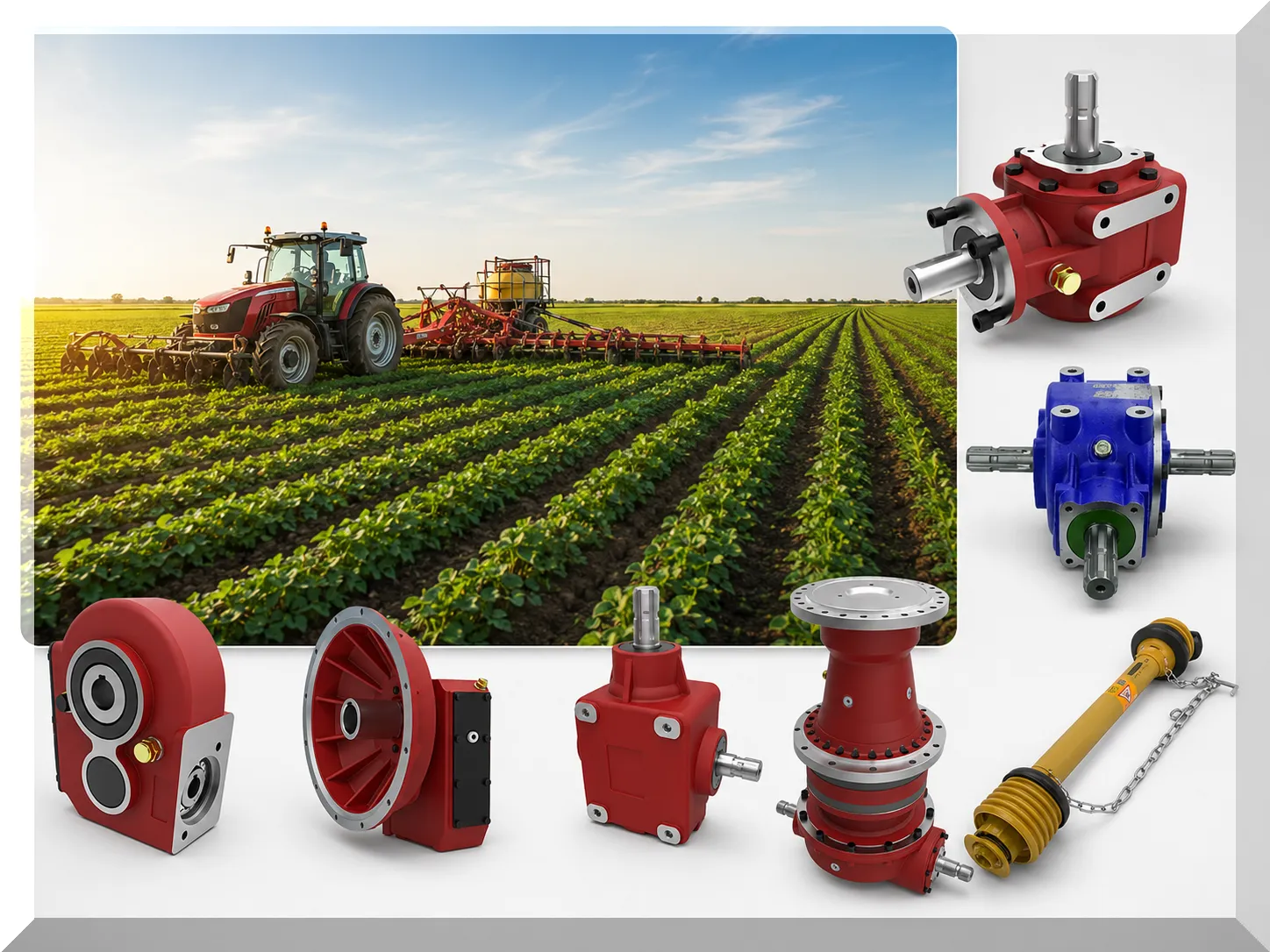
Transmissão com mais de 120 HP: Com uma potência de entrada na tomada de força (TDF) superior a 88 kW, o 9YCM-850 impõe tanto um torque de compactação contínuo quanto picos de carga instantâneos quando o material denso da leira entra na câmara em alta velocidade. Uma especificação correta é essencial. caixa de engrenagens agrícola de alto torque A transmissão da tomada de força (TDF) absorve esses picos, mantendo a velocidade constante da esteira e do rolo compactador — um fator crítico, pois a variação na densidade do fardo ao longo do ciclo de compactação afeta o teor final de matéria seca da silagem e a uniformidade da fermentação. Para a faixa de entrada de 88+ kW do 9YCM-850, a caixa de engrenagens deve ser dimensionada para um torque de entrada contínuo acima de 1.000 Nm, com uma tolerância máxima de 2.000+ Nm.
Lista de verificação de preparação e manutenção para a pré-temporada
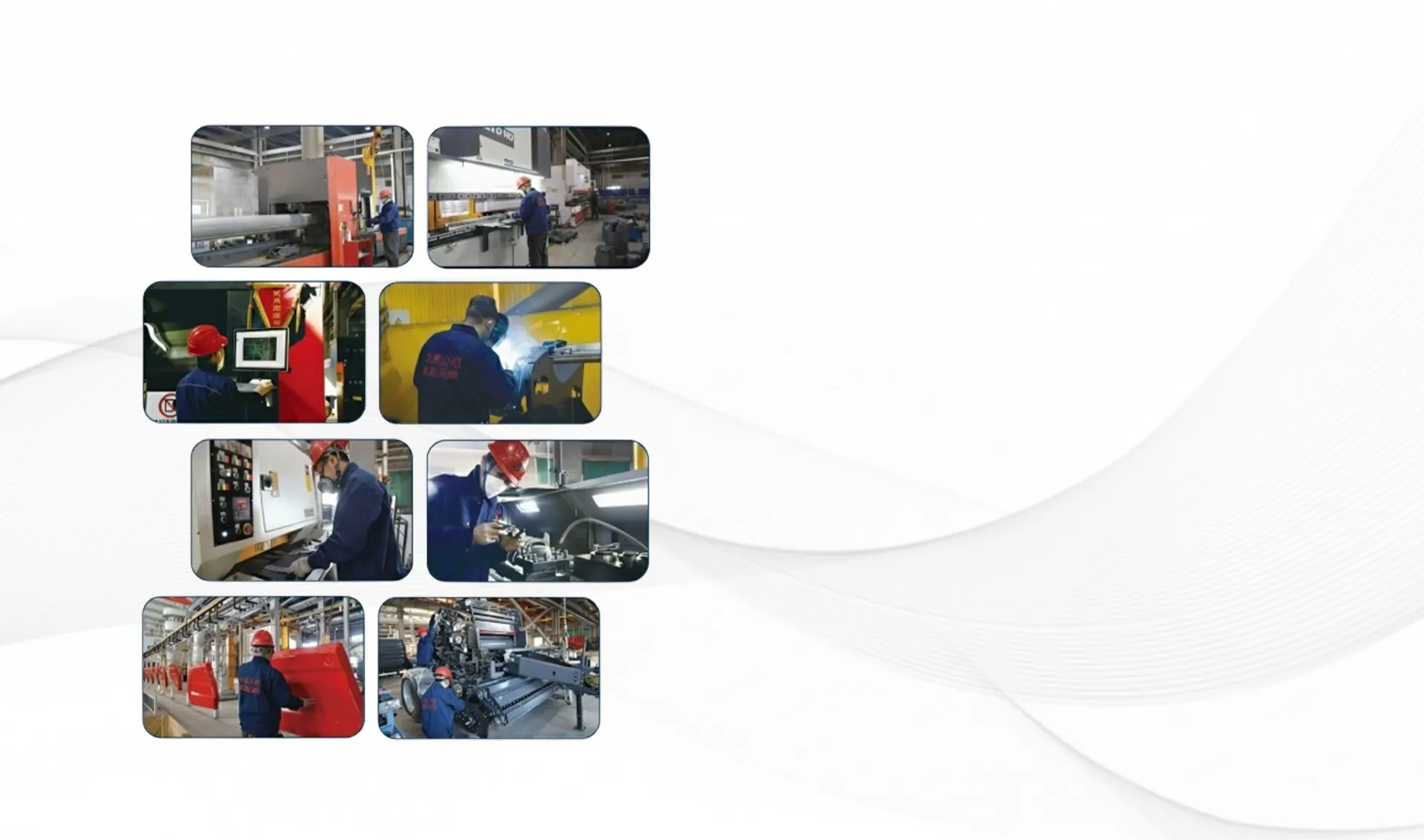
A 9YCM-850 combina um mecanismo de enfardamento, um sistema de alimentação de filme e um módulo de controle eletrônico — três subsistemas mecânicos que precisam de verificação prévia à temporada. Siga esta lista de verificação antes do primeiro corte de cada temporada:
🔩 Mecanismo de enfardamento
🎞 Sistema de Distribuição de Filmes
💡 Painel de Controle Eletrônico
🔧 Meio da temporada (a cada 100 fardos)
Por que os produtores de silagem dos EUA escolhem a foragebaler.com?
Perguntas frequentes
Por quanto tempo os fardos selados podem ser armazenados antes de serem utilizados como alimento?
Fardos bem selados com 6 ou mais camadas de filme resistente aos raios UV armazenam-se de forma confiável por 12 a 18 meses ao ar livre. A fermentação completa-se em 3 a 6 semanas após o enfardamento, após o qual o fardo entra em armazenamento anaeróbico estável. Inspecione o exterior dos fardos armazenados mensalmente — qualquer perfuração ou dano causado por pássaros deve ser reparado imediatamente com fita adesiva para evitar a deterioração aeróbica no ponto danificado.
Quais as dimensões de rolo de filme que a 9YCM-850 aceita?
Bobinas padrão de 750 mm de largura × 1.500 m de comprimento com espessura nominal de 25 mícrons. O braço de filme e os rolos de pré-estiramento da máquina são projetados para essa dimensão padrão internacional, que é a especificação de filme para silagem mais amplamente estocada nas cadeias de suprimentos agrícolas da América do Norte. O uso de larguras não padronizadas ou filmes ultrafinos (com menos de 22 mícrons) requer consulta à equipe de suporte dos EUA antes do uso em campo.
A máquina requer um operador separado para gerenciar a seção de embalagem?
Não — o sistema de controle eletrônico gerencia a transferência do fardo da câmara de enfardamento para a plataforma giratória de embalagem e inicia o ciclo de embalagem automaticamente quando o fardo completo aciona o sensor de transferência. O operador do trator controla a máquina por meio do painel eletrônico na cabine. Uma segunda pessoa não é necessária em condições normais de campo, embora alguns operadores optem por ter um ajudante para monitorar a condição dos fardos ejetados no primeiro dia da safra.
A seção de enfardamento pode ser usada sem a enfardadeira para enfardar feno seco?
Sim, a seção de enfardamento opera independentemente a 540 rpm na tomada de força (TDF) para enfardamento convencional de feno seco. O enfardador pode ser desativado através do painel de controle eletrônico ao produzir fardos de feno seco amarrados com corda ou rede. Isso torna a 9YCM-850 uma máquina de dupla função: enfardamento de silagem durante a época de corte com alta umidade e enfardamento convencional para a época de corte de feno, com o mesmo trator de 120 HP.
Quanto tempo leva a montagem após a entrega?
A enfardadeira 9YCM-850 é enviada parcialmente desmontada para transporte. A montagem na fazenda envolve conectar o eixo de transmissão da tomada de força (TDF), fixar as mangueiras hidráulicas às saídas corretas do trator (½ polegada para a função de enfardamento, ¾ de polegada para a função de embalagem), conectar o chicote de 12V e instalar o rolo de filme. O tempo total de montagem é de 2 a 3 horas para dois operadores, utilizando o guia de montagem ilustrado. A equipe nos EUA está disponível por telefone para fornecer orientações em tempo real sobre a sequência de conexão hidráulica, que é a etapa que exige maior atenção do operador.
O que acontece se o filme acabar no meio do campo?
O painel de controle eletrônico exibe o número aproximado de voltas restantes com base na quantidade de fardos em relação ao comprimento do rolo. O operador recebe um alerta antes que o filme acabe. Quando um rolo termina, a enfardadeira pausa, o operador carrega um novo rolo (menos de 3 minutos com prática) e o ciclo recomeça. Fardos parcialmente envoltos quando um rolo acaba devem ser imediatamente completados com um novo rolo ou envoltos manualmente antes do armazenamento — não deixe fardos de silagem parcialmente envoltos no campo.
Como se compara a 9YCM-850 à compra de uma enfardadeira e embaladora separadas?
O projeto integrado reduz o custo total de capital em 20–30% em comparação com a compra separada de uma enfardadeira de fardos redondos comerciais e uma enfardadeira de enfardadeiras independente. Além do custo de capital, elimina a logística e o tempo do operador da segunda máquina, reduz as perdas de matéria seca devido ao atraso na enfardagem e reduz pela metade o estoque de peças e os custos de manutenção. Para operações que produzem mais de 500 fardos enfardados por safra, a melhoria na preservação da matéria seca — tipicamente de 5 a 10 pontos percentuais em relação à enfardagem tardia — recupera uma parte substancial do custo da máquina em valor de ração economizado nas duas primeiras safras.
Cinco produtores de silagem: resultados da temporada
Ordenhamos 320 vacas da raça Holandesa e a silagem de feno representa 601 TP5T da nossa dieta básica. Antes da enfardadeira 9YCM-850, enfardávamos o feno com uma enfardadeira independente e o embrulhávamos na manhã seguinte — sempre com 12 a 18 horas de atraso. A análise da fermentação feita pela nossa nutricionista mostrou consistentemente baixos níveis de ácido lático. Na primeira temporada com a 9YCM-850, usando o mesmo feno e o mesmo cronograma de corte, os níveis melhoraram significativamente. A selagem em uma única passagem faz uma diferença mensurável no produto final que estamos fornecendo ao rebanho.
Serviço personalizado de ensilagem para 28 fazendas clientes nos condados de Columbia e Greene. A ensiladeira 9YCM-850 possibilitou o atendimento no mesmo dia em todas as fazendas — antes, eu precisava agendar viagens de retorno para ensilar. A satisfação do cliente aumentou e, nesta temporada, conquistei mais seis fazendas sem precisar investir em novos equipamentos. A taxa de 30 a 40 fardos por hora significa que consigo ensilar um campo de pasto de 20 hectares em menos de quatro horas, incluindo as mudanças de local.
Cultivamos silagem de milho na fazenda para alimentar 450 cabeças de gado de recria no centro da Pensilvânia. Substituímos o silo trincheira por fardos redondos enfardados para termos a flexibilidade de abrir apenas a quantidade necessária a cada dia. A enfardadeira 9YCM-850 produziu 380 fardos de silagem de milho neste outono, em apenas dois dias de trabalho no campo. Sem necessidade de gerenciamento da frente do silo, sem desperdício por superaquecimento ao abrir uma área muito grande, e o sistema de inventário por fardo nos permite controlar nosso orçamento de ração com precisão. Quatro estrelas porque a altura de transporte de 3 metros exige um trajeto cuidadoso pelas estradas rurais.
Laticínio orgânico certificado de 121 hectares no Treasure Valley. Enfardamos diversas variedades de forragem — azevém, triticale e uma mistura de gramíneas e leguminosas — em pequenos lotes por variedade. O contador eletrônico de fardos e a possibilidade de pausar e etiquetar os fardos por variedade facilitam o controle de estoque para nossos registros de certificação orgânica. A função de dupla utilização, que permite enfardar feno seco convencional no verão e silagem na primavera e no outono com a mesma máquina, significa que a 9YCM-850 está ativa durante quase toda a temporada. Muito satisfeito.
Gerimos uma pequena criação de cabras leiteiras em 80 acres de pastagem perene mista no Condado de Sonoma — pequenos cortes de 15 a 25 fardos, múltiplas variedades, com rigorosos registros de estoque de ração para nossa comercialização de vendas diretas. A 9YCM-850 foi adquirida especificamente porque não podíamos justificar a compra de duas máquinas separadas nessa escala. A integração nos proporciona silagem com qualidade comercial em um volume típico de pequena propriedade. A equipe de suporte nos EUA nos auxiliou na configuração do painel eletrônico para nossos três diferentes programas de forragem — excelente consultoria pré-compra.

Sele a sua silagem na mesma passada em que a enfarda.
Orçamento sem compromisso para a enfardadeira-embaladora de silagem 9YCM-850. Compatibilidade com tratores (TDP, saídas hidráulicas, circuito de 12V) verificada antes do envio. Preços direto da fábrica, documentação da Seção 179 e suporte nos EUA incluídos.
America Ever-Power Forage Baler Equipment INC. | 1401 21st ST STE R, Sacramento, CA 95811
Informação adicional
| Editor | Cxm |
|---|
Produtos relacionados
-
Colhedora debulhadora de feijão-carioca 4DQ-5 | Debulhadora rebocada de 5 linhas
-
Transportador de fardos redondos 9JYY-4.5 | Reboque para 4.500 kg
-
Triturador de forragem 9F-70 | Moinho de martelos com tomada de força
-
Reboque Compacto para Transporte de Fardos Redondos 9JYY-2.5
-
Espalhador de feno hidráulico dobrável com rodas de dedo 9FZ-2.0 | 3 rodas


