
ال غرفة ثابتة مقابل مكبس بالات دائرية ذو حجرة متغيرة يُعدّ النقاش السؤال الأهم الذي يُفرّق باستمرار بين المشترين الذين يتخذون القرار الصائب والمشترين الذين يندمون عليه. وهو أيضاً السؤال الذي يُعالج بشكل سطحي في معظم مقالات المعدات، حيث تُختصر الإجابة عادةً إلى "ثابت = حجم بالة ثابت، متغير = قطر قابل للتعديل" وتُترك عند هذا الحد.
هذا الإطار دقيق من الناحية الفنية، ولكنه غير مجدٍ عمليًا. فالاختلافات الحقيقية - تلك التي تظهر في جودة البالات اليومية، وتكلفة الصيانة السنوية، والتكلفة الإجمالية للملكية على مدى خمس سنوات - تتجاوز بكثير مجرد قطر البالة. يغطي هذا الدليل كل ما يتعلق بالقطاع التجاري. مكبس بالات دائرية يحتاج المشتري إلى تقييم المسألة بشكل صحيح. يغطي هذا الدليل جميع جوانبها.
الواقع الميكانيكي: ما الذي يصفه مصطلحا "الثابت" و"المتغير" فعلياً
نوع الحجرة ليس تصنيفًا تسويقيًا، بل هو وصف لكيفية تنظيم هندسة تكوين البالات. إن فهم هذه الهندسة - حتى على المستوى النظري - يُحدد لك فورًا التصميم الأنسب لكل حالة حقل، دون الحاجة إلى شرح من مندوب المبيعات.
كيف تُساهم الحجرة الثابتة في زيادة كثافة البالة؟
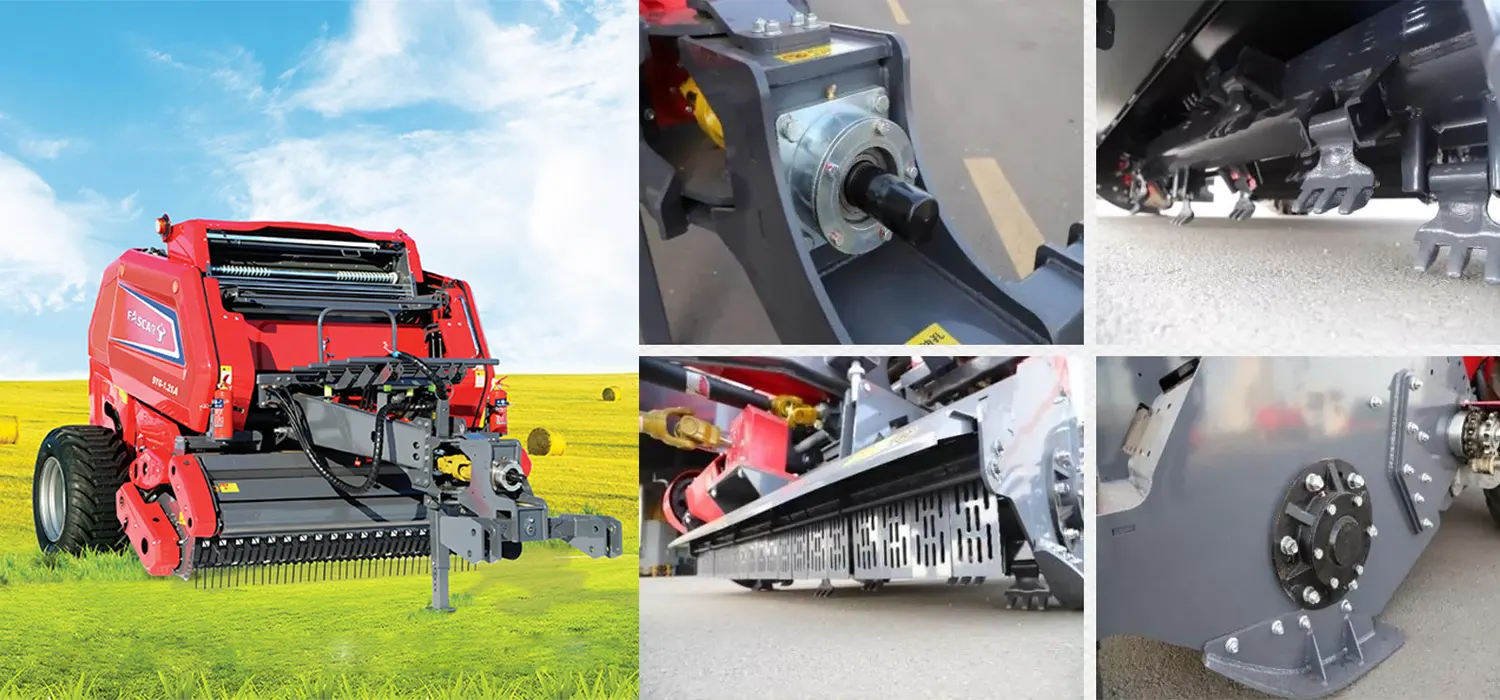
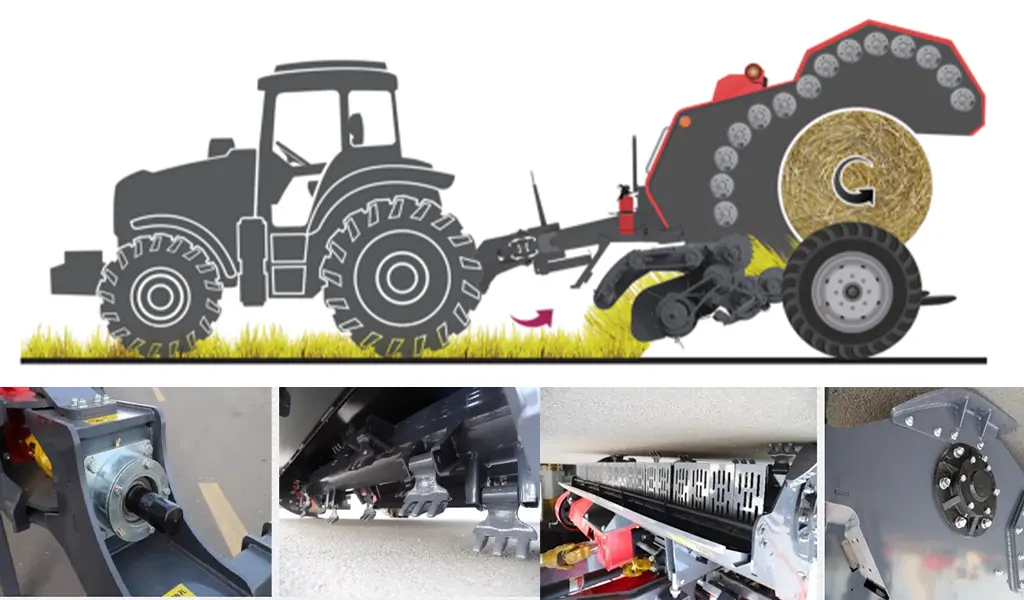
في مكبس بالات ذو حجرة ثابتةفي هذه الحالة، يكون تصميم الحزام والبكرات ثابتًا. لا تتغير المسافة بين السطح الداخلي لحجرة البالة (المُشكّلة بواسطة حزام حلقي يلتف حول سلسلة من البكرات الثابتة) والمحور المركزي للبالة أثناء نموها. تدخل مواد المحصول إلى الحجرة، فيلفها الحزام، ويبدأ الضغط التدريجي مع ضغط الكتلة المتراكمة للخارج على الحزام، الذي يُثبّت للداخل بفعل قوة الشد من زنبرك الشد أو الأسطوانة الهيدروليكية.
والنتيجة هي بالة تكتسب كثافة أساسية أولاً. ولأن المادة الموجودة في مركز الحجرة تُضغط قبل إضافة الطبقات الخارجية، فإن الشد الصحيح مكبس بالات دائرية ذو حجرة ثابتة تُنتج هذه الطريقة بالة ذات لب صلب وكثيف، وغلاف خارجي أقل كثافة تدريجيًا. هذا التدرج ليس عيبًا، بل هو ميزة هيكلية رائعة للتخزين الخارجي، لأن اللب الكثيف يقاوم امتصاص الرطوبة، بينما توفر الطبقات الخارجية الأقل انضغاطًا مساحة هوائية عازلة حول اللب أثناء الظروف الجوية.
شل
خارجي تقدمي
كيف تُتيح الحجرة المتغيرة إمكانية ضبط القطر والكثافة
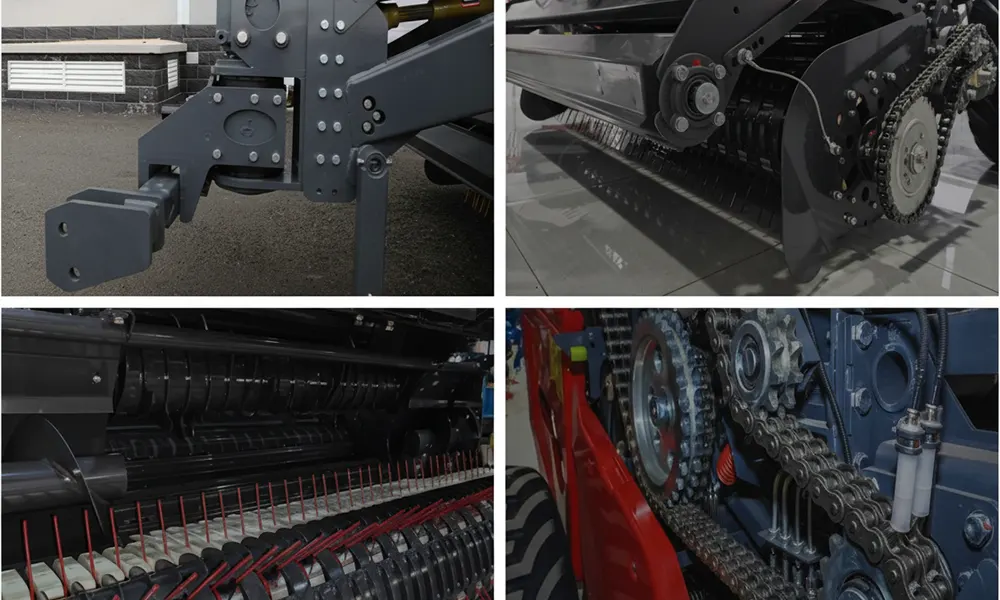
أ مكبس بالات ذو حجرة متغيرة تستخدم هذه الآلة مسارًا حزاميًا يتمدد تلقائيًا مع نمو البالة. لا تُثبّت البكرات التي تحدد حدود الحجرة الداخلية، بل تُركّب على أذرع محورية أو إطارات متحركة تتحرك للخارج مع ضغط المحصول المتراكم على سطح الحزام الداخلي. ويتحكم في هذا التمدد نابض أو آلية مقاومة هيدروليكية يمكن للمشغل ضبطها للتحكم في كل من قطر البالة عند إخراجها وكثافتها.
بسبب تمدد الحجرة مع تشكل البالة، يتغير توزيع كثافة البالة في مكبس بالات دائرية ذو حجرة متغيرة تختلف طريقة بناء البالة عن تلك التي تُبنى في حجرة ثابتة. تُضغط الطبقات الخارجية لتصبح بنفس كثافة الطبقات الداخلية تقريبًا، لأن مقاومة ضغط المحصول تظل ثابتة تقريبًا مع نمو البالة. والنتيجة هي بالة ذات كثافة أكثر تجانسًا من اللب إلى السطح الخارجي، وهو ما يُعد أفضل لحفظ السيلاج عالي الرطوبة (تخمر متجانس في جميع أنحاء المقطع العرضي للبالة)، ولكنه يُنتج سطحًا خارجيًا أقل مقاومة لاختراق الرطوبة في ظروف التخزين الخارجية على التبن الجاف.
طَوَال
مشكلة النواة الرخوة: لماذا تؤثر رطوبة المحاصيل على أداء الحجرة الثابتة
هناك نمط عطل فني واحد يرتبط بشكل حصري تقريبًا بـ مكابس ذات حجرة ثابتة يعمل هذا النوع من البالات في بيئة ذات محتوى رطوبة عالٍ، ونادرًا ما يُذكر في مقارنات المعدات: بالة القش ذات النواة اللينة. إن فهم هذا النوع من البالات يُفسر لماذا يُعد محتوى الرطوبة أهم عامل في اختيار نوع الحجرة، ولماذا لا تُعتبر نصيحة "استخدام حجرة ثابتة للقش الجاف" نصيحة عشوائية.
تكلفة الملكية على مدى خمس سنوات: كيف تبدو الأرقام في الواقع
القرار بين غرفة ثابتة و أ مكبس بالات دائرية ذو حجرة متغيرة ينبغي دائمًا تضمين توقعات تكلفة الملكية لمدة خمس سنوات، وليس سعر الشراء فقط. تتميز آلات الحصاد ذات الحجرة المتغيرة بتكلفة أولية أعلى ضمن نفس فئة الإنتاج، لكن اقتصاديات التشغيل تختلف اختلافًا كبيرًا باختلاف حالة الاستخدام. يستخدم النموذج أدناه مزرعة تجارية متوسطة الحجم لإنتاج التبن، تتراوح مساحتها بين 150 و300 فدان سنويًا، كخط أساس.
| فئات التكلفة | مكبس بالات ذو حجرة ثابتة (مثال: 9YG-1.25) |
غرفة متغيرة (مثال: 9YG-1.25A) |
ملحوظات |
|---|---|---|---|
| سعر الشراء (نسبي) | قاعدة | +15–25% ممتاز | تُعد آلية التمدد والأنظمة الهيدروليكية الإضافية من العوامل الرئيسية التي تؤثر على التكلفة. |
| التكلفة السنوية للحزام (300 فدان) | أدنى | مماثل | معدلات تآكل الأحزمة متشابهة؛ قد تكون أحزمة الحجرة المتغيرة أقصر عمراً قليلاً في خدمة السيلاج |
| خدمة آلية التوسع السنوية | لا أحد | محامل ذراع المحور، وفحوصات المستشعرات، والأختام الهيدروليكية (~$80–$150/سنة) | ميزة الحجرة الثابتة: عدم وجود آلية تمدد يعني عددًا أقل من نقاط الصيانة السنوية |
| قيمة فقدان المادة الجافة التي تم توفيرها (استخدام السيلاج) | — | $300–$700/السنة بمعدل 200 بالة | تتجنب الحجرة المتغيرة فرق فقدان المادة الجافة 5-12% في بالات القش ذات النواة اللينة عالية الرطوبة؛ فائدة اقتصادية حقيقية في برامج السيلاج |
| قيمة مرونة السوق (حجم البالة) | لا أحد | خاص بالمشتري | يتقاضى المقاولون المتخصصون الذين يستطيعون مطابقة حجم البالات مع مختلف جرافات العملاء أسعارًا مرتفعة؛ ويحد القطر الثابت من ذلك. |
| فرق إعادة البيع لمدة 5 سنوات | فجوة أضيق عند إعادة البيع | قيمة متبقية أعلى | تحافظ نماذج الغرف المتغيرة على نسبة أعلى من سعر الشراء بعد 5 سنوات نظرًا لقيمة التنوع التي توفرها في سوق المعدات المستعملة |
توصيات بشأن غرف الزراعة لكل محصول على حدة: ما يختاره مهندسو الزراعة ومشغلو الآلات الزراعية فعلياً
مكبس بالات دائرية تختلف توصيات نوع حجرة التكويم باختلاف المحصول، لأن بنية المحصول ورطوبته وسلوكه في عملية التكويم تختلف اختلافًا كافيًا لتغيير ميزة الأداء. تعكس البطاقات أدناه ما يُبلغه المشغلون ذوو الخبرة الذين يديرون كل محصول على نطاق تجاري باستمرار، وليس أهداف التصميم النظرية.
المقارنة التقنية الكاملة: كل متغير مهم عمليًا
يجمع الجدول أدناه كل متغيرات الأداء والتشغيل التي أبلغ عنها منتجو القش التجاريون ذوو الخبرة ومقاولو التعبئة المخصصة باعتبارها ذات صلة بالقرار - وليس فقط المواصفات الستة التي تظهر في جداول المقارنة القياسية.
| عامل | غرفة ثابتة | غرفة متغيرة |
|---|---|---|
| التحكم في قطر البالة | محدد بالهندسة - ثابت، غير قابل للتعديل | قابلة للتعديل من قبل المشغل، عادةً ما تتراوح بين 0.9 و 1.8 متر |
| ملف كثافة البالات | لب كثيف، غلاف خارجي متدرج | حتى عبر المقطع العرضي |
| اتساق شكل البالة | ممتاز - الهندسة ثابتة | جيد — يختلف باختلاف مستوى الرطوبة |
| أداء السيلاج عالي الرطوبة (>55%) | مخاطر النواة الضعيفة - انخفاض جودة إدارة البيانات | مصمم خصيصًا لهذا التطبيق |
| التبن الجاف (رطوبة أقل من 20%) | الأمثل - أقصى استفادة من كثافة النواة أولاً | يعمل بشكل جيد - لا توجد ميزة محددة |
| توافق ربط الشبكة | نظام تغليف شبكي قياسي | غلاف شبكي و/أو خيط في معظم الموديلات |
| تعقيد الصيانة السنوية | سفلي - بدون آلية تمدد | أعلى - وصلات التمدد، أجهزة الاستشعار، موانع التسرب |
| سعر الشراء (نفس فئة الإنتاج) | أدنى | +15–25% ممتاز |
| الاحتفاظ بقيمة إعادة البيع لمدة 5 سنوات | معتدل | علاوة أعلى على التنوع في سوق المستعمل |
| مرونة نوع المحصول | الأفضل في عمليات المحصول الواحد | محاصيل متعددة، مواسم متعددة، أسواق متعددة |
| تنوع في عمليات التعبئة المخصصة | حجم البالة محدود — ثابت | عالي — يتناسب مع معدات التحميل الخاصة بكل عميل |
تشكيلتنا: أي طراز يستخدم أي حجرة، ولماذا تم تصميمه بهذه الطريقة
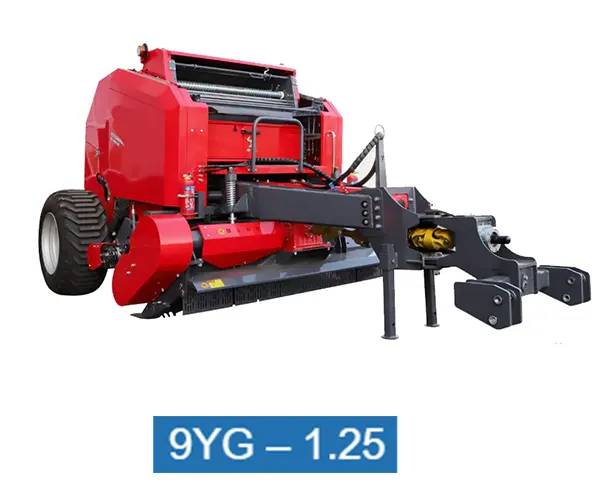
| نموذج | نوع الحجرة | مجموعة بالي | إتش بي | الأساس المنطقي للتصميم |
|---|---|---|---|---|
| 9YG-1.0C | مُثَبَّت | 1.0 × 1.0 متر | ≥ 40 حصان | نموذج دخول صغير الحجم للعمليات الصغيرة والجرارات الصغيرة - تحافظ الحجرة الثابتة على التكلفة والتعقيد مناسبين للحجم |
| 9YG-1.25 | مُثَبَّت | 1.25 × 1.25 متر | 60-80 حصان | أكثر تصميمات مكابس التبن أحادية المحصول شيوعًا في الفئة المتوسطة؛ شكل بالات متناسق، صيانة منخفضة، مثالية لبرامج تبن البرسيم |
| 9YG-1.25A | عامل | 0.9–1.5 × 1.25 متر | 75-100 حصان | صُممت هذه الآلة لبرامج المحاصيل المتعددة أو برامج السيلاج والتبن - للمشغلين الذين يحتاجون إلى آلة واحدة للتعامل مع موسم التبن وموسم السيلاج |
| 9YG-2.24D قاعدة/كلاسيك | عامل | يصل قطرها إلى 2.24 متر. | 100-130 حصان | الفئة التجارية: تبن الألبان، التصدير، التعبئة حسب الطلب. يلزم وجود حجرة متغيرة للتعامل بكفاءة مع نطاق الرطوبة الكامل لبرامج التبن التجارية مع إنتاجية يومية عالية. |
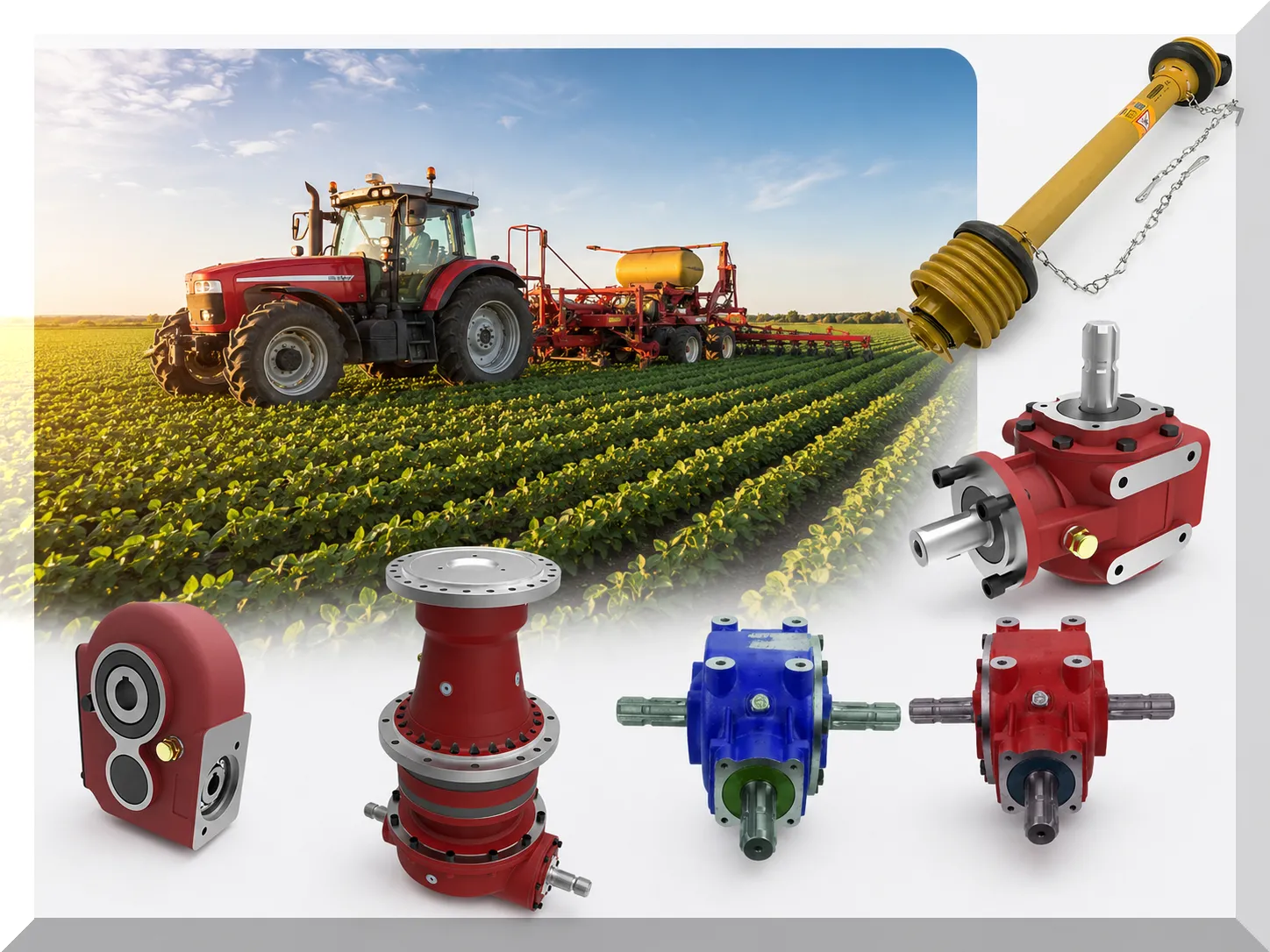
ملاحظة فنية واحدة حول نظام نقل الحركة: غرفة متغيرة مكبس بالات دائرية تُسبب الآلات ذات القدرة الحصانية التجارية (أكثر من 100 حصان) ارتفاعاتٍ أعلى في عزم دوران عمود إدارة الطاقة (PTO) اللحظي مقارنةً بالآلات ذات الحجرة الثابتة التي لها نفس القدرة المقدرة، وذلك لأن مقاومة آلية التمدد تتغير مع نمو البالة. علبة تروس ذات غرفة متغيرة يجب مراعاة هذه التقلبات الديناميكية في الأحمال - فقد يكون معدل عزم الدوران المستمر نفسه الذي يعمل على آلة ذات حجرة ثابتة غير كافٍ لتطبيق ذي حجرة متغيرة عند نفس القدرة الحصانية. تحقق من مواصفات عزم دوران علبة التروس مقابل ذروة طلب عمود إدارة الطاقة (PTO) للآلة، وليس فقط متوسط مدخلاتها المقدرة.
اطلع على المواصفات الكاملة وتوافر جميع الطرازات حاليًا في موقعنا الإلكتروني. نماذج مكابس البالات الدائرية صفحة. إذا لم تكن إعدادات المجرفة وأبعاد أكوام التبن لديك مُحسّنة بعد للنموذج الذي تفكر فيه، فإن لدينا معدات جمع التبن يغطي هذا القسم مطابقة عرض العمل حتى لا تترك المحصول على الأرض بسبب عدم تطابق عرض الصف مع عرض الالتقاط.
سيناريوهان عمليان: الإجابة الصحيحة تختلف في كل منهما

تزرع البرسيم لإعادة بيعه إلى متجر أعلاف بسعر يتراوح بين $90 و$110 للبالة الواحدة. تحصده ثلاث مرات في السنة، بإجمالي يتراوح بين 2200 و2500 بالة. تستخدم جرار جون دير 5075E بقوة 75 حصانًا. تقوم بكبس البرسيم جافًا - الحصاد الأول بسعر يتراوح بين 14 و18%، والحصادان الثاني والثالث بسعر يتراوح بين 16 و20%.
يكفي وزن وشكل متناسقين للبالات لضمان إعادة بيع التبن نظيفًا وجافًا. توفر حجرة التخزين الثابتة هذه الميزة بتكلفة أولية أقل، وصيانة سنوية أقل، ومقاومة للعوامل الجوية مماثلة أو أفضل من بالات التبن ذات النواة الكثيفة عند التخزين في الهواء الطلق. أما حجرة التخزين المتغيرة فتزيد من التعقيد دون أي فائدة في الجودة ضمن نطاق الرطوبة هذا.
تقوم بتجميع بالات القش لـ 18 مزرعة عميلة - قش البرسيم، وعلف السيلاج، وسيقان الذرة، ومحصول التغطية الشتوي من الجاودار. تتراوح نسبة الرطوبة من 141 إلى 721 حسب العميل والموسم. تستخدم جرار Case IH Farmall 105C. يطلب العملاء أحجام بالات تتناسب مع شوكات التحميل الخاصة بهم.
إن تباين نسبة الرطوبة وحده يستبعد استخدام حجرة ثابتة - يحتاج عملاء السيلاج الذين تزيد نسبة رطوبتهم عن 55% إلى حجرة متغيرة للحصول على جودة بالات مناسبة. يسمح تعديل القطر بمطابقة معدات التحميل لكل عميل، مع فرض رسوم إضافية مقابل هذه الخدمة. إن مرونة الاستخدام على مدار عدة مواسم تُغطي تكلفة الشراء الإضافية خلال ثلاثة مواسم.
التحقق الذاتي قبل الشراء: خمسة أسئلة تحدد إجابتك
إذا أجبت بنعم على أي من الأسئلة الثلاثة الأولى، فهذا يعني وجود غرفة متغيرة مكبس بالات دائرية يُعدّ هذا الخيار الأمثل لعمليتك. إذا كانت إجابتك "لا" على الأسئلة الثلاثة جميعها، و"نعم" على السؤالين الأخيرين، فإنّ الحجرة الثابتة هي الخيار الأفضل من حيث القيمة.
هل تقوم بتجميع أي محصول يزيد مستوى رطوبته عن 50% خلال العام؟
يشمل ذلك سيلاج العشب، وسيلاج التبن، والبرسيم عالي الرطوبة، وسيلاج الذرة الكامل، والجاودار الشتوي، وأي محصول تغطية يُكبس طازجًا. موسم سيلاج واحد على آلة ذات حجرة ثابتة يُعرّض لخطر تلف النواة اللينة المذكور أعلاه. إذا كانت الإجابة نعم، فإن استخدام حجرة متغيرة ليس خيارًا.
هل تقوم بتعبئة البالات لعدة عملاء باستخدام تكوينات مختلفة للرافعات أو مناولة البالات؟
إذا كانت مزارع العملاء تستخدم مزيجًا من رافعات البالات الكبيرة ورافعات البالات الصغيرة، فإن الحجرة الثابتة تُنتج قطرًا واحدًا يناسب بعض العملاء ولا يناسب آخرين. أما الحجرة المتغيرة فتتيح لك ضبط قطر البالة في بداية كل مهمة لكل عميل.
هل تخطط لتوسيع مساحة الأرض أو تنويع المحاصيل في مشروعك خلال السنوات الخمس القادمة؟
تصبح آلة الحصاد ذات الحجرة الثابتة التي يتم شراؤها اليوم لحصاد البرسيم الجاف عائقاً إذا أضفت برنامجاً لإنتاج السيلاج في السنة الثالثة. شراء آلة حصاد ذات حجرة متغيرة الآن يفي بهذا النمو دون الحاجة إلى استبدال الآلة.
هل تعتمد مزرعتك بأكملها على محصول واحد من التبن الجاف ذي رطوبة يمكن التنبؤ بها؟
تُعدّ مزارع التبن الجاف أحادية المحصول، ذات الرطوبة الثابتة عند التعبئة، البيئة الأمثل لآلة الحجرة الثابتة. وتجتمع فيها جميع مزايا الحجرة الثابتة الأربع - ثبات شكل البالة، وسهولة الصيانة، وانخفاض تكلفة الشراء، وكثافة التبن من النواة أولاً - في آن واحد.
هل مساحة التخزين لديك مغطاة، أم أن بالات القش مكدسة مع تقليل التلامس مع الأرض؟
تُعدّ ميزة اللب الكثيف للحجرة الثابتة ذات قيمة عالية في التخزين الخارجي المكشوف. أما إذا كان التخزين في حظيرة مغطاة أو ساحات تخزين ذات حواجز أرضية، فإنّ ميزة مقاومة العوامل الجوية الخارجية تتضاءل، وتصبح عوامل أخرى هي المؤثرة في القرار.
الأسئلة الشائعة
احصل على التوصية الصحيحة لمحصولك وعملياتك الزراعية المحددة
لست متأكدًا من نوع الحجرة المناسب؟
أخبرنا عن محصولك الرئيسي، ونسبة الرطوبة عند التعبئة، والمساحة السنوية المزروعة — وسنقدم لك إجابة مباشرة
يقوم فريقنا المتمركز في كاليفورنيا بمراجعة نوع محصولك، ومستوى الرطوبة، وقوة جرارك، وحجم بالات القش السنوية، ويخبرك مباشرةً بنوع غرفة الحصاد - والطراز المحدد - الذي يُحقق لك أفضل النتائج الاقتصادية. لا نقدم إرشادات عامة مُبسطة، ولا نُركز على المبيعات فقط.
حجرة ثابتة أم متغيرة تتناسب مع نطاق الرطوبة لديك
تم التحقق من القدرة الحصانية، ووصلة الجر، ومأخذ الطاقة من طرازك ورقمك التسلسلي.
بدون وسيط، ووثائق ISO 9001
مستندات الفواتير الخاصة بمصروفات السنة الأولى
المحرر: Cxm


