
ما يفعله نظام القطع المسبق - وما يكلفك تشغيله بشكل خاطئ
يتكون نظام السكاكين المقطوعة مسبقًا (ويُسمى أيضًا المفرمة أو القاطع المسبق أو مجموعة السكاكين) من مجموعة من الشفرات الثابتة الموضوعة عند مخرج الالتقاط الذي يمر عبره تيار المحصول قبل دخوله إلى حجرة التجميع. أثناء تدفق المحصول فوق السكاكين، تُقطع السيقان إلى أطوال أقصر - عادةً من 5 إلى 15 سم، اعتمادًا على عدد السكاكين المستخدمة وشكلها الهندسي. يُحدث هذا التصغير في حجم الجزيئات عدة آثار قابلة للقياس: فهو يزيد من كثافة البالة من خلال السماح للمواد الدقيقة بالتراص بشكل أكثر إحكامًا؛ ويُحسّن تخمير السيلاج من خلال تعريض المزيد من أسطح السيقان المقطوعة لبكتيريا حمض اللاكتيك؛ ويُحسّن هضم الألياف للحيوانات المجترة من خلال تقليل الطول الفعلي لجزء جدار الخلية غير القابل للهضم.
تترتب تكلفة تشغيل النظام بشكل خاطئ على جانبين. أولهما، أن تشغيل جميع الشفرات على التبن الجاف المخصص لسوق المصاعد يقلل من طول التبن، علماً بأن العديد من مشتري المصاعد يدفعون سعراً أعلى مقابل التبن ذي السيقان الطويلة. وثانيهما، أن عدم تشغيل الشفرات على السيلاج المخصص لتغذية قطيع من الأبقار الحلوب عالية الإنتاج يحرم هذه الحيوانات من تقليل طول الألياف، مما يحسن من هضم العلف المختلط. ويختلف تشغيل الشفرات الصحيح باختلاف المحصول، والاستخدام النهائي، وأحياناً باختلاف الحقل.
متى نتدخل ومتى ننسحب: جدول اتخاذ القرار
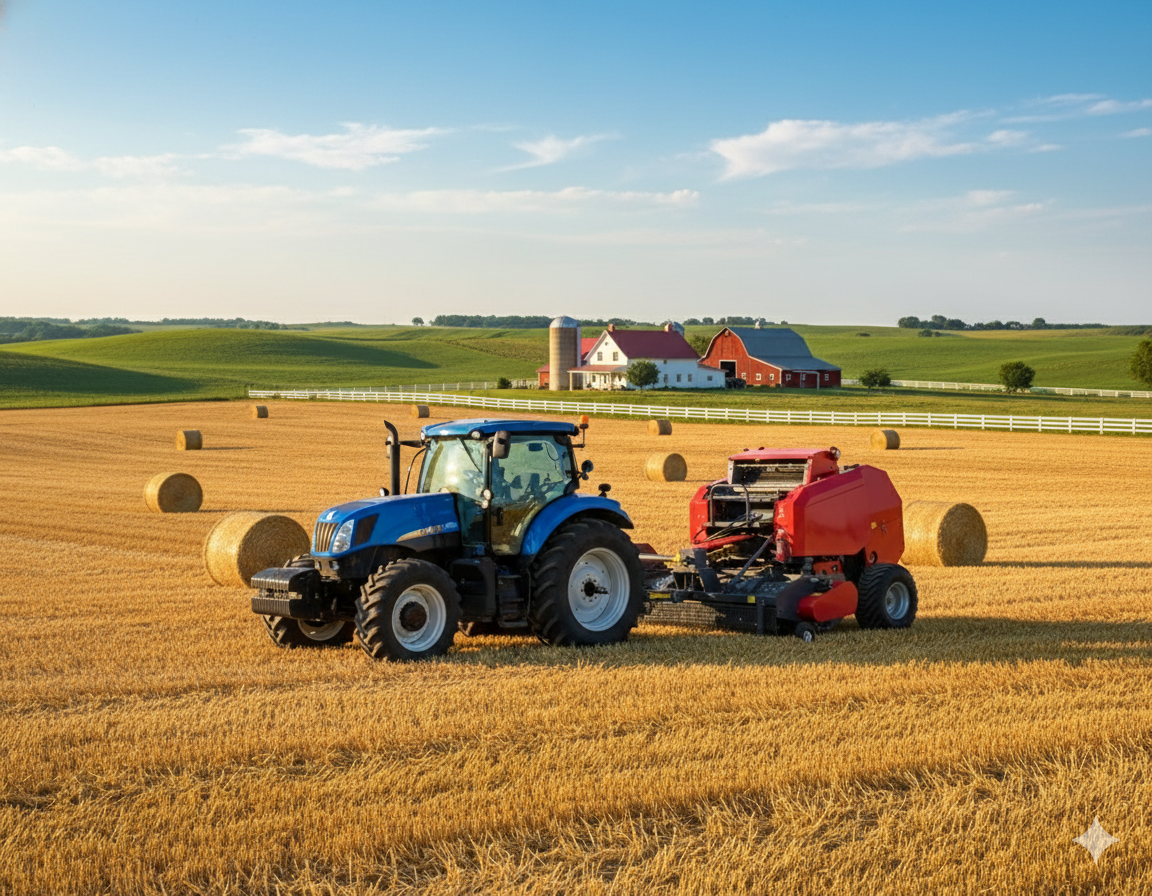
يعتمد قرار المشاركة على أربعة عوامل: نوع المحصول، وسوق الاستخدام النهائي، ومخاطر تلوث الحقل، وحالة السكين الحالية. عند تغير أي من هذه العوامل، يجب إعادة النظر في قرار المشاركة. يوضح الجدول التالي التوصية الأساسية لأكثر التركيبات شيوعًا:
| المحصول / الاستخدام النهائي | هل تم استخدام السكاكين؟ | كم عدد | سبب |
|---|---|---|---|
| البرسيم الحجازي ← سيلاج / علف | نعم | بنك كامل أو 50-75% | تعمل الجزيئات الأقصر على تحسين مساحة سطح التخمر وكثافة التعبئة وقابلية هضم الألياف لدى المجترات |
| البرسيم → علاوة مصاعد الألبان | لا | تم فصلها بالكامل | تتطلب المصاعد الفاخرة والمشترون اليابانيون للتصدير هيكلاً مادياً ذا ساق طويلة؛ ويؤدي القطع إلى تقليل درجة القبول. |
| البرسيم ← تبن للحوم البقر، في المزرعة | خياري | 25–50% | يؤدي القطع المعتدل إلى تحسين الكثافة وكفاءة تغذية الحلقة دون التضحية بالقيمة السوقية؛ ولا حاجة للقطع الكامل |
| قش العشب → سوق الخيول | لا | تم فصلها بالكامل | يرفض مشتري الخيول على وجه الخصوص التبن المقطوع؛ فالغبار والجسيمات القصيرة تقلل من استساغة التبن وقد تساهم في مشاكل الجهاز التنفسي |
| قش القمح / الشعير → الكتلة الحيوية | نعم | بنك كامل | أقصى كثافة؛ القش الأقصر يتراص بشكل أكثر إحكامًا، مما يحسن الكثافة الظاهرية أثناء النقل وكفاءة الاحتراق في الغلايات |
| القش → فرش للماشية | خياري | 25–50% | تمتص فرش القش القصيرة الرطوبة بكفاءة أكبر من الفرش الطويلة؛ ويؤدي القص المفرط إلى توليد غبار يؤثر على صحة الجهاز التنفسي للحيوانات. |
| المحاصيل الغطائية ← السيلاج | جزئي (4-6 سكاكين) | 50% من البنك | يُنتج الغلاف الكامل جزيئات فائقة القصر تمر عبر شبكة الغلاف قبل أن يتمكن الغشاء من الإغلاق؛ بينما يُوازن التلامس الجزئي بين فائدة التخمير وسلامة الغلاف. |
| أي محصول - حقل صخري / حجري | لا | تم فصلها بالكامل | يؤدي اصطدام الصخور بالشفرات المتصلة إلى تحطيم حواف الشفرات فورًا والتسبب في انهيارات متتالية لمسامير القص؛ يجب فصلها قبل دخول الأقسام الصخرية المعروفة |
كيف تعمل السكاكين المقطوعة مسبقًا ميكانيكيًا - وماذا يعني ذلك بالنسبة لضبط العمق
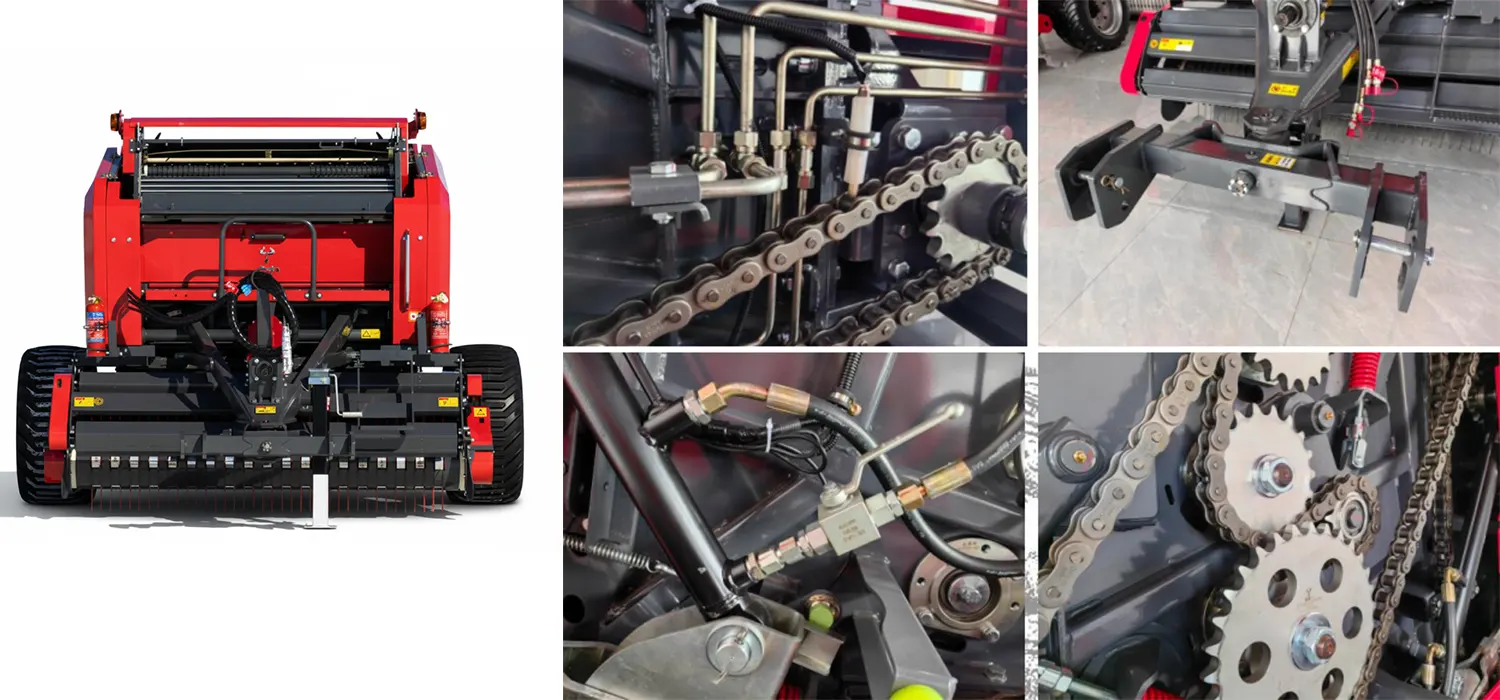
الشفرات المقطوعة مسبقًا عبارة عن شفرات ثابتة مثبتة في صف أسفل مسار تدفق المحصول. يمر دوار مزود بشفرات أو حواف مضادة فوق صف الشفرات، مما يُحدث عملية قص أثناء مرور المحصول. يحدد عمق امتداد كل شفرة في مجرى المحصول - عمق الشفرة أو بروزها - كفاءة القطع وحمل مسمار القص. الشفرات الضحلة جدًا لا تلامس كمية كافية من المحصول للقطع النظيف؛ أما الشفرات العميقة جدًا فتُحدث مقاومة مفرطة تُطلق مسامير القص دون داعٍ.
افصل نظام نقل الحركة (PTO) وافصل الطاقة تمامًا قبل الوصول إلى أي نظام سكاكين. توجد السكاكين المقطوعة مسبقًا بجوار الدوار، الذي يدور بسرعة عالية - وهذا يشكل خطرًا كبيرًا للطاقة المخزنة إذا تم تشغيل PTO عن غير قصد أثناء الضبط.
حدد مكان ضبط عمق السكين في كل موضع من مواضع السكين. تستخدم معظم التصاميم حاملًا مشقوقًا أو ملولبًا يسمح برفع السكين أو خفضه بالنسبة للدوار. يحدد دليل التشغيل مسافة البروز الاسمية (عادةً من 5 إلى 15 مم فوق سطح الدوار لمحاصيل التبن القياسية).
اضبط جميع السكاكين المستخدمة على نفس عمق البروز. يؤدي اختلاف عمق الشفرات إلى تفاوت في التحميل؛ فالشفرة الأعمق تُطلق مسمار القص أولاً، بينما تظل الشفرات الأقل عمقاً فعّالة. والهدف هو توزيع الحمل بالتساوي على جميع الشفرات النشطة.
قم بإجراء اختبار تمرير على 5-10 بالات وقم بتقييم طول الجسيمات. اختبر عينة من البالة بسحب حفنة من المادة من وجهها بعد إخراجها. يعتمد الطول المطلوب على الاستخدام: 7.5-10 سم للسيلاج أو التبن عالي الكثافة؛ 12.5-15 سم لتغذية الأبقار في المزرعة. اضبط عمق السكين للأعلى (بروز أكبر) لقص أقصر؛ وللأسفل (بروز أقل) لقص أطول.
تآكل السكين: أربعة مؤشرات تدل على ضرورة استبدالها
السكاكين المقطوعة مسبقًا هي مواد استهلاكية، تتآكل بشكل متوقع، ويجب استبدالها وفقًا لجدول زمني يعتمد على نوع المادة المستخدمة في القطع، وليس فقط عند توقفها عن القطع تمامًا. السكين البالية التي لا تزال تبدو قادرة على القطع، تقطع بكفاءة أقل: استهلاك أعلى لمسامير القص، واستهلاك طاقة أكبر، وجزيئات أطول مقارنةً بالسكين نفسها وهي جديدة. إليك أربعة مؤشرات تدل على اقتراب موعد استبدالها:
مرر ظفر إبهامك على حافة السكين. السكين الحادة لها حافة بارزة تعلق بها الظفر. أما السكين البالية فتبدو ناعمة ومستديرة، مما يدل على تآكل حافتها القاطعة. أي سكين تبدو حافتها ناعمة بشكل متساوٍ يجب استبدالها أو إعادة شحذها قبل جلسة التجميع التالية.
لا تقص السكين غير الحادة المحصول بسلاسة، فهي تدفع وتضغط بدلاً من أن تقطع، مما يتطلب قوة أكبر لمعالجة نفس كمية المحصول. إذا زاد استهلاك مسامير القص بشكل ملحوظ من موسم لآخر مع نفس الإعدادات، فإن السكاكين غير الحادة هي السبب الأكثر شيوعًا. قارن عدد بالات القش لكل مسمار قص عبر المواسم لاكتشاف هذا الاتجاه قبل أن يتفاقم.
إذا أظهرت عينة البالة جزيئات أطول باستمرار من الطول المطلوب لعمق القطع - أي جزيئات بطول 6-8 بوصات بينما يكون عمق القطع المستهدف 3-4 بوصات - فإن السكاكين تنحرف تحت الضغط بدلاً من أن تقطع. وهذا يدل على تآكل يتجاوز الحد الذي يمكن عنده تعويض التآكل بزيادة عمق القطع. استبدل مجموعة السكاكين.
يجب استبدال أي سكين ذات حافة قطع متشققة - نتيجة احتكاكها بحجر أو اصطدامها بجسم معدني - فورًا بغض النظر عن مستوى التآكل العام. فالحافة المتشققة تُحدث شكلًا غير منتظم للقص، مما يقلل من جودة القطع ويُنشئ نقطة تركيز للإجهاد قد تؤدي إلى مزيد من الكسر تحت أحمال القطع العادية.
إدارة مسامير القص: فهم حالات الفشل المتتالي
تُعدّ مسامير القص في نظام السكاكين المقطوعة مسبقًا آلية حماية من الحمل الزائد، إذ تنكسر قبل أن تتضرر أجزاء تثبيت السكين أو الدوّار أو علبة التروس نتيجة اصطدام صخرة أو جسم كثيف. يُعدّ انكسار مسمار قص واحد أمرًا طبيعيًا ومتوقعًا في أي حقل يحتوي على كمية معتدلة من الحطام. أما الانكسار المتتالي - أي انكسار عدة مسامير قص بسرعة متتالية في اليوم نفسه - فيشير إلى وجود مشكلة منهجية وليست مجرد اصطدامات معزولة.
يحدث تمزق في مسامير القص بمعدل 1-3 مرات لكل 100 بالة قش في حقول القش النظيفة والراسخة الخالية من المخلفات غير المعتادة. وبهذا المعدل، يُنصح بالاحتفاظ بـ 15-20 مسمار قص مُجهز مسبقًا في كابينة الجرار بشكل دائم. كل تمزق ناتج عن صخرة منفردة أو مجموعة كثيفة من السيقان - استبدل المسامير واستمر في العمل دون تعديل عمق القطع.
تحقق: هل أنت في منطقة صخرية من الحقل؟ هل عمق السكين مضبوط بشكل مفرط بالنسبة لكثافة المحصول؟ هل السكاكين غير حادة (انظر المؤشر 2 أعلاه)؟ قلل عمق السكين بمقدار 3-5 مم وأعد الاختبار. إذا انخفض معدل الحصاد، فإن عمق السكين هو السبب. أما إذا ظل المعدل مرتفعًا، فإن مخلفات الحقل هي السبب - ضع في اعتبارك احتمال وجود خلل جزئي في السكين في تلك المنطقة من الحقل.
توقف وافحص. تحدث أعطال السلسلة عادةً بسبب: وجود جسم كثيف عالق في مسار المحصول أثناء إعادة تدويره؛ أو تركيب مسمار قص بمواصفات خاطئة (أقل جودة من مواصفات الشركة المصنعة الأصلية، ما يؤدي إلى إطلاق النار بقوة أقل)؛ أو وجود شفرة متصدعة تعيق دوران الدوار في كل دورة. كل إطلاق نار متكرر يزيد من خطر تلف الدوار أو أجزاء التثبيت.
المشاركة الجزئية في الاستثمار: لماذا يتفوق نصف البنك غالبًا على الاستثمار الكامل أو لا شيء
إن خيار تشغيل مجموعة فرعية فقط من مجموعة السكاكين - 25% أو 50% أو 75% من السكاكين المتاحة بدلاً من تشغيلها جميعًا أو عدم تشغيل أي منها - لا يُستغل بالشكل الأمثل من قبل معظم المشغلين. يتيح التشغيل الجزئي تحكمًا دقيقًا في طول الجسيمات، واستهلاك الطاقة، واستهلاك مسامير القص، وهو ما لا يمكن تحقيقه من خلال التشغيل الكامل أو عدم التشغيل على الإطلاق. تحدد المسافة بين السكاكين النشطة معدل القطع - فمع تشغيل سكين واحد من كل اثنتين، يتم إنتاج جسيمات بطول ضعف طولها تقريبًا مقارنةً بتشغيل جميع السكاكين عند نفس إعداد العمق.
يُعدّ أسلوب التشغيل الجزئي فعالاً بشكل خاص في الحالات التالية: في مزارع تبن الأبقار، حيث يكون تحسين الكثافة ذا قيمة، ولكن يُفضّل استخدام الألياف كاملة الطول؛ وفي حصاد البرسيم الأول ذي الأكوام الكثيفة، حيث يؤدي تشغيل السكين بالكامل عند أقصى عمق إلى زيادة الطلب على قوة المحرك؛ وفي أي حقل ينتقل بين أقسام صخرية وأخرى نظيفة، حيث يُجنّب الفصل الجزئي السريع عند رأس الحقل انكشاف الصخور مع الحفاظ على القطع في الأقسام المركزية النظيفة. أما بالنسبة للتفاعل بين تشغيل السكين قبل القطع وأداء نظام الالتقاط - وتحديداً كيف يؤثر حجم جزيئات السكين على تدفق المحصول عبر منطقة الانتقال الخاصة بالالتقاط - دليل نظام الالتقاط يغطي مسار تدفق المحصول أعلى مجموعة السكاكين. لتشخيص أعراض نظام السكاكين التي تظهر كمشاكل تشغيلية أثناء عملية التجميع، راجع دليل استكشاف أعطال مكبس القش وإصلاحهاتُغطى مواصفات عمود إدارة الدوار ومعدلات عزم دوران علبة التروس التي تحدد أقصى حمل للسكين يمكن أن يتحمله نظام القيادة في مواصفات مكونات علبة التروس الزراعية ومجموعة نقل الحركة PTO.
قائمة التحقق من نظام السكاكين قبل الموسم

الأسئلة الشائعة حول نظام السكاكين المقطوعة مسبقًا

احصل على مواصفات نظام السكاكين ودعم الإعداد
يتم توثيق تكوين مجموعة الشفرات، ومواصفات عمق كل شفرة على حدة، ودرجة مسمار القص من الشركة المصنعة الأصلية مع كل مكبس يتضمن نظام القطع المسبق. أخبرنا بمحصولك الرئيسي وسوق الاستخدام النهائي - وسنتأكد من إعداد التشغيل الصحيح قبل التسليم.
المحرر: Cxm


