
Fünf Geschäftsmodelle für die Heuwirtschaft – Wählen Sie das richtige, bevor Sie die Ausrüstung kaufen
Die wichtigste Entscheidung beim Start eines Heuunternehmens ist nicht die Wahl der Ballenpresse oder der Größe der Startfläche. Entscheidender ist die Wahl des Geschäftsmodells – denn dieses bestimmt alles Weitere: welche Ausrüstung benötigt wird, welche Märkte anvisiert werden, welcher Qualitätsstandard angestrebt wird und wie hoch der realistische Umsatz im ersten Jahr ausfällt. Unternehmer, die Ausrüstung kaufen, bevor sie sich für ein Geschäftsmodell entschieden haben, kaufen in der Regel die falsche Ausrüstung für den Markt, den sie letztendlich bedienen.
Realistische Startausrüstungskosten: Drei Stufen, keine versteckten Überraschungen
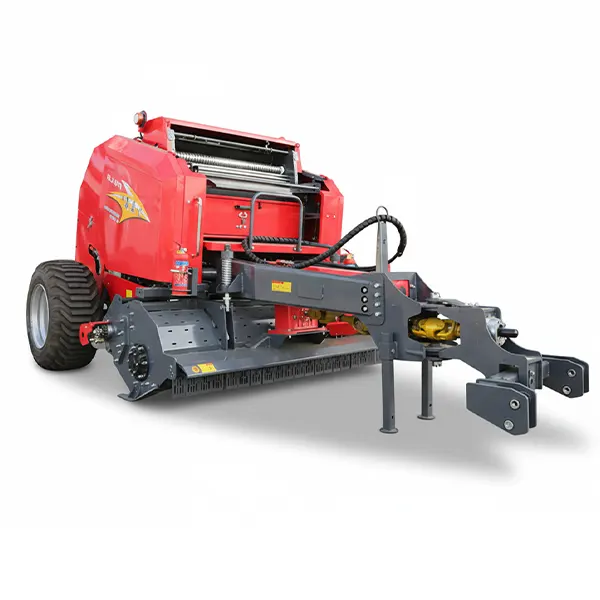
| Ausrüstung | Gebraucht – gut | Gebraucht – akzeptabel | Neu |
|---|---|---|---|
| Traktor 55–75 PS | $14.000–$26.000 | $8.000–$16.000 | $32.000–$55.000 |
| Scheibenmähaufbereiter 9–10 Fuß | $4,500–$9,000 | $2,500–$5,500 | $14.000–$22.000 |
| Fingerradrechen | $2.000–$4.500 | $1,200–$2,800 | $6.000–$12.000 |
| Rundballenpresse 4×5 | $10.000–$18.000 | $6.000–$12.000 | $22.000–$38.000 |
Traktor mit über 100 PS ($30.000–$65.000, gebraucht) + Scheibenmähwerk mit breiter Schnittbreite ($15.000–$35.000) + Schwader mit großen Rädern oder V-Schwader ($6.000–$18.000) + Rundballenpresse 5×5 oder 5×6 mit Dichteregelung ($25.000–$50.000, gebraucht) + Ballenwickelsystem ($8.000–$20.000, optional) + Lader/Spieß für Ballenhandling ($6.000–$15.000). Geeignet für Betriebe ab 120 Hektar mit mehrschnittigen, ertragreichen Kulturen und etablierten Geschäftsbeziehungen zu Abnehmern. Die meisten Startup-Unternehmen, die ohne vorherige Markterprobung im Tier-2-Maßstab in die dritte Stufe aufsteigen, sehen sich in den ersten beiden Jahren mit erheblichen finanziellen Schwierigkeiten konfrontiert.
Produktionskosten pro Hektar: Die Zahlen hinter der Rentabilität
Die Produktionskosten pro Hektar bestimmen Ihren Mindestverkaufspreis, um die Gewinnschwelle zu erreichen – jeder Dollar, den Sie unter Ihren Produktionskosten für Heu erzielen, erhöht Ihr finanzielles Defizit. Die folgenden Zahlen stellen typische Bereiche für etablierte Heuproduktionsbetriebe im kontinentalen Teil der USA dar; Ihre individuellen Kosten können je nach Pachtpreisen, lokalen Kraftstoffpreisen, Lohnkosten und Ausgangsbedingungen der Bodenfruchtbarkeit variieren.
| Kostenposition | Luzerne pro Hektar | Mischgras / Hektar | Bermudagras pro Hektar |
|---|---|---|---|
| Saatgut / Bestandesanlage (jährlich) | $120–$200 | $60–$100 | $80–$150 |
| Dünger (NPK) | $80–$180 | $60–$130 | $40–$90 |
| Kraftstoff (Mähen, Rechen, Ballenpressen) | $35–$55 | $28–$48 | $25–$42 |
| Gerätekosten (Abschreibung + Wartung) | $60–$120 | $50–$95 | $45–$88 |
| Ballenmaterialien (Netzfolie / Bindfaden) | $20–$35 | $18–$32 | $16–$28 |
| Land (Pacht, Preisspanne $80–$180/Acre) | $80–$180 | $60–$150 | $50–$120 |
| Variable Gesamtkosten pro Hektar | $395–$770 | $276–$555 | $256–$518 |
Das Break-Even-Modell: Wie viele Ballen sind nötig, um die Rentabilität zu erreichen?
Jährliche Land- und Produktionskosten ($550/acre × 100 acres): $55,000
Jährliche Gesamtkosten: $61.500
Ertrag: 4 Ballen/Acre × 100 Acres × 3 Schnitte = 1.200 Ballen
Preis: $90/Ballen (Rinderheumarkt)
Umsatz: $108.000
Netto (vor Personalkosten): $46.500 ✓ Gewinnjahr 1
Jährliche Landnutzung + Produktion ($480/acre × 75 acres): $36,000
Futterprüfung ($25 × 12 Chargen): $300
Jährliche Gesamtkosten: $41.800
Ertrag: 3 Ballen/Acre × 75 Acres × 2,5 Schnitte = 563 Ballen
Preis: $150/Ballen (Direktverkauf ab Pferdestall)
Umsatz: $84.450
Netto: $42.650 ✓ Bei geringerer Anbaufläche und niedrigerem Ertrag
Das vollständige Investitionsanalysetool – einschließlich 5-Jahres-NPV-Vergleich, Analyse der Gerätefinanzierung im Vergleich zum Barkauf und dem Abschreibungsmodell, das in Ihre Steuererklärung (Anlage F) einfließt – befindet sich in der Leitfaden zur ROI-Investitionsanalyse für Rundballenpressen.
Wo Sie Ihr Heu verkaufen können: Auswahl der Vermarktungskanäle im ersten Jahr
Die Reihenfolge der Ausrüstungsbeschaffung: Was und wann kaufen?
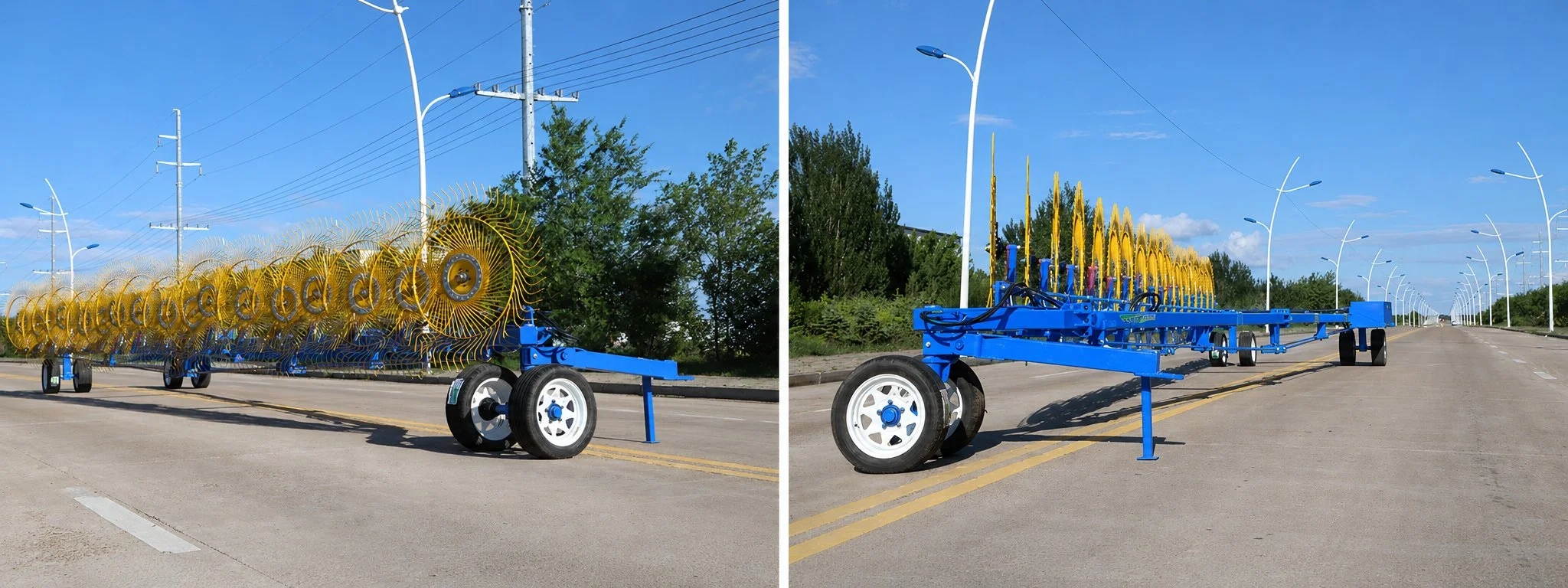
Die Reihenfolge, in der Sie Ausrüstung anschaffen, bestimmt Ihren anfänglichen Kapitaleinsatz und Ihre Fähigkeit, Umsätze zu generieren. Die empfohlene Reihenfolge ist nicht intuitiv – sie basiert darauf, was Sie nicht effizient auslagern können und was Sie extern vergeben können, bis Ihr eigenes Produktionsvolumen den Kauf von Ausrüstung rechtfertigt.
Traktor
Der Traktor ist die Basis – er bestimmt, welche Ballenpresse Sie verwenden können, welche Mähleistung Sie erzielen und wie Sie die Ballen am Lagerplatz handhaben. Kaufen Sie zuerst den Traktor, prüfen Sie die Zapfwellenleistung und den Hydraulikdurchfluss und wählen Sie alle weiteren Geräte passend dazu aus. Der häufigste Fehler bei der Geräteauswahl ist, zuerst die Ballenpresse zu kaufen und dann einen passenden Traktor zu suchen. Dies führt regelmäßig zu inkompatiblen Systemen.
Rundballenpresse
Die Ballenpresse steht an zweiter Stelle – sie ist die Maschine, die den größten Wert in Ihrem Betrieb generiert und am schwierigsten zu verteilen oder auszulagern ist. Lohnpressdienstleistungen sind in den meisten Märkten verfügbar, doch deren Nutzung verringert Ihre Kontrolle über den Zeitablauf (entscheidend für die Qualität) und eliminiert die damit verbundenen Einnahmen. Der Einkaufsleitfaden, der erklärt, wie Sie die Merkmale von Ballenpressen bewerten, feste und variable Kammerkonstruktionen vergleichen und die Größe an Ihren Markt anpassen, befindet sich im [Name des Leitfadens/der Broschüre]. Ratgeber zum Kauf von RundballenpressenStöbern Sie in unserem Angebot Rundballenpressen-Modelle Um Kammergrößen, Ballengewichte und den PS-Bedarf Ihres Traktors für Ihre geplante Produktionsmenge zu vergleichen, finden Sie die Spezifikationen für Getriebe und Zapfwellenantrieb, um die Anforderungen an den Antriebsstrang der Ballenpresse an die Leistung Ihres Traktors anzupassen. Spezifikationen für landwirtschaftliche Getriebe und Zapfwellenantriebskomponenten.
Rechen (oder zuerst einen Vertrag abschließen)
Ein Rechen ist im ersten Jahr günstig genug ($2.000–$4.500 für einen brauchbaren gebrauchten Fingerradrechen) und ermöglicht die zeitliche Unabhängigkeit beim Schwadenlegen – die Trocknungsgeschwindigkeit des Schwads lässt sich nur durch die Kontrolle von Zeitpunkt und Art des Rechens steuern. Kaufen Sie sich frühzeitig einen einfachen Rechen; er ist die kostengünstigste Investition in der Startphase, um sich die Arbeit zu erleichtern.
Mähwerkaufbereiter (nach der ersten Saison, sofern die Einnahmen dies zulassen)
Lohnmähen ist in den meisten landwirtschaftlichen Gebieten möglich und stellt im ersten Jahr die praktischste Outsourcing-Entscheidung dar – es spart Ihnen 8.000 bis 20.000 Euro an Investitionen in Maschinen, während Sie Ihren Markt und Ihre Erträge unter Beweis stellen. Rüsten Sie im zweiten Jahr auf ein eigenes Mähsystem um, sobald Sie bestätigt haben, dass das Produktionsvolumen die Investition rechtfertigt. Das Mähen ist zudem der wetterabhängigste Arbeitsschritt; sobald Sie bereit sind zu expandieren und über einen festen Kundenstamm verfügen, ist eigene Mähausrüstung für die präzise Steuerung des Zeitpunkts unerlässlich.
Infrastruktur für Ballenhandling und -lagerung
Ladergabel, Ballengreifer oder Spezialheber zum Bewegen von Ballen auf dem Lagerplatz. Oftmals bei der Planung von Betriebsgründungen übersehen, aber entscheidend für die Lagereffizienz – ein Betrieb, der Ballen nur von Hand bewegen kann, ist auf Ballengrößen beschränkt, die leicht genug sind, um manuell gehandhabt zu werden. Die Lagerinfrastruktur (Kiesfläche, teilweiser Wetterschutz oder Scheune) steigert ihren Wert jährlich durch die Reduzierung von Trockenmasseverlusten und die Erhaltung der Qualität.
Risikomanagement: Versicherung und Dokumentation, bevor Sie den ersten Hektar roden
Gründen Sie eine LLC, bevor Sie Ihren ersten kommerziellen Verkauf tätigen. Ein Heubetrieb, der als Einzelunternehmer Heu an einen Stall liefert und bei dem es dann zu einem medizinischen Zwischenfall mit einem Pferd im Zusammenhang mit der Heuqualität kommt, haftet persönlich, da ihm der Schutz einer juristischen Person fehlt. Die Gründung einer LLC kostet in den meisten Bundesstaaten $50–$200 und trennt die geschäftliche von der persönlichen Haftung – die kostengünstigste verfügbare Risikominderung.
Eine Ausrüstung der Stufe 2 im Wert von 40.000 bis 60.000 £ ($40–$60.000) sollte als landwirtschaftliche Ausrüstung versichert werden. Die Versicherung für gewerbliche landwirtschaftliche Ausrüstung (nicht die Hausratversicherung, die in der Regel die gewerbliche Landwirtschaft ausschließt) kostet je nach Gesamtwert und Deckungssumme 600 bis 2.000 £ ($600–$200). Ihr Kreditgeber verlangt diese Versicherung, wenn Sie die Ausrüstung finanziert haben – und sie schützt Sie vor existenzbedrohenden Verlusten, selbst wenn Sie bar bezahlt haben.
Die Heuproduktion ist durch Dürre, Hagel und Überschwemmungen gefährdet, die ohne Ernteversicherung den gesamten Ertrag einer Saison vernichten können. Die PRF-Versicherung (Pasture Rangeland Forage – Weidelandfutterversicherung) ist in allen 48 zusammenhängenden Bundesstaaten der USA verfügbar und erfordert keine Produktionshistorie für den Abschluss. Die Anmeldefrist für das Folgejahr endet am 1. Dezember. Das bedeutet, dass Sie vor Beginn Ihrer ersten Saison handeln müssen, nicht erst danach. Den Leitfaden zu den Optionen für die Heuernteversicherung finden Sie in der [fehlende Information]. Leitfaden zur Versicherung für Futterproduzenten.
Bewahren Sie Ihre Steuererklärungen (Anlage F) ab dem ersten Geschäftsjahr Ihres gewerblichen Verkaufs auf. Fünf aufeinanderfolgende Jahre mit der Anlage F sind erforderlich, um sich für die Betriebsausfallversicherung, USDA-Agrarförderprogramme und die meisten Finanzierungsprogramme für landwirtschaftliche Geräte von Kreditgebern zu qualifizieren. Unvollständige oder fehlende Steuerunterlagen sind der häufigste Grund dafür, dass neu gegründete Heubetriebe in den Jahren 3 bis 5, wenn sie expandieren wollen, keine günstigen Finanzierungskonditionen erhalten.
Fünf Fehler im ersten Jahr, die die Rentabilität vor dem zweiten Jahr zerstören
Zuschneiden, bevor der Käufer gefunden wird
Die Heuernte ohne festen Abnehmer verursacht monatlich steigende Lagerkosten. Ein neuer Betrieb mit 200 Ballen im Lager und ohne Abnehmer ist kein Heugeschäft – es ist ein Lagerproblem. Sichern Sie sich daher vor dem ersten Schnitttermin feste Abnahmezusagen (idealerweise mit Preisvereinbarung). Selbst eine mündliche Vereinbarung mit einem Nachbarn, der Ihnen den ersten Schnitt zum Marktpreis abnimmt, sichert Ihnen die Einnahmen und macht die Produktionsentscheidung rational.
Überinvestition in Ausrüstung für prognostiziertes zukünftiges Volumen
Die margenstärkste und leistungsstärkste Ballenpresse ist für einen Betrieb mit 40 Hektar im ersten Jahr nicht die richtige Wahl. Maschinen, die für Flächen von über 120 Hektar ausgelegt sind, verursachen Fixkosten (Abschreibung, Versicherung, Finanzierung), die für 40 Hektar nicht tragbar sind. Die Überkapazität schmälert die Rentabilität und lässt den Betrieb unrentabel erscheinen, obwohl Markt und Produktion an sich solide sind. Die Maschinengröße sollte auf das aktuelle Produktionsvolumen und nicht auf das prognostizierte zukünftige Volumen abgestimmt sein.
Futterprüfung überspringen und standardmäßig zu Rohstoffpreisen verkaufen
Ein Erzeuger, der sein Heu nie testen lässt, kann die Qualität nicht dokumentieren und daher keine Premiumpreise glaubwürdig durchsetzen. Ohne Testergebnisse wird selbst hervorragendes Heu zum niedrigsten üblichen Marktpreis verkauft, da Käufer keine Grundlage für einen höheren Preis haben. Die Testkosten für $22–$28 pro Partie stellen die rentabelste Investition in der Heuwirtschaft dar, da sie Premiumpreise für jeden Teil der Produktion ermöglicht.
Abhängigkeit vom Binnenmarkt
Ein Heubetrieb, der 1001 Tonnen an einen einzigen Abnehmer verkauft, ist kein rentables Unternehmen – er birgt ein Geschäftsrisiko. Sobald dieser Abnehmer aussteigt (z. B. durch Schließung des Stalls, Verkauf des Betriebs oder Produktionsverlagerung), bricht die gesamte Einnahmequelle weg. Bauen Sie Beziehungen zu mindestens drei Abnehmern auf, die gemeinsam Ihre gesamte Produktion vor Saisonbeginn abnehmen können. Redundante Marktbeziehungen kosten nichts und eliminieren die häufigste Ursache für Umsatzeinbrüche im ersten Jahr eines Heubetriebs.
Aufgeschobene vorbeugende Wartung, die zu einer Notfallreparatur wird
Der Umsatz eines Heubetriebs konzentriert sich auf 4–8 Wochen saisonaler Produktion pro Schnitt. Ein Geräteausfall während dieses Zeitraums – beispielsweise eine Scherbolzen, die nach wiederholten Ausfällen nicht ausgetauscht wurde, ein Riemen mit einer Dehnung von 2,51 TP5T zu Saisonbeginn oder ein Hydraulikschlauch, der seit zwei Wochen undicht ist – führt zu Notfallreparaturkosten von 1 TP6T100 für vorbeugende Wartung in 1 TP6T2.000–1 TP6T8.000 für Notfallreparaturen zuzüglich 1–3 Tagen Produktionsausfall in der umsatzstärksten Zeit des Jahres.
Häufig gestellte Fragen zur Gründung eines Heugeschäfts
Erhalten Sie Ausrüstungsempfehlungen, die auf die Größe Ihres Startups und Ihren Zielmarkt abgestimmt sind.
Nennen Sie uns Ihre verfügbare Anbaufläche, die gewünschte Kulturpflanze, die PS-Zahl Ihres Traktors und Ihren primären Absatzkanal (Rinderheu, Pferdeheu, Lohnpressung). Wir empfehlen Ihnen die Ballenpresse, die Ballengröße und die passende Geräteklasse, die zu Ihrem Produktionsplan für das erste Jahr passt und Ihnen einen realistischen Weg zur Rentabilität ebnet.
Herausgeber: Cxm


