
Die Kompatibilität des Reihenabstands ist die erste technische Frage, die bei der Auswahl eines Bohnenpflückers geklärt werden muss – noch vor Berücksichtigung der Reihenanzahl, der Traktorleistung oder anderer Spezifikationen. Ein Pflücker, der nicht zu Ihrer Pflanzkonfiguration passt, funktioniert nicht richtig, egal wie hochwertig die Maschine gebaut ist. Um dies zu gewährleisten, müssen Sie verstehen, wie der Scharabstand des Pflückers mit Ihrem Reihenabstand auf dem Feld zusammenhängt und welche Optionen für unterschiedliche Pflanzkonfigurationen zur Verfügung stehen.
Wie der Zeilenabstand die Zeilenkompatibilität bestimmt
Ein Bohnenernter verwendet einzelne Erntescharen – auch Scharspitzen oder Hebescharen genannt –, die jeweils so positioniert werden, dass sie unter einer einzelnen Bohnenreihe in den Boden eindringen. Der Abstand zwischen benachbarten Scharen muss dem Reihenabstand im Feld entsprechen. Ist der Scharabstand größer als der Reihenabstand, fahren die Scharen zwischen den Reihen hindurch, anstatt darunter, und verfehlen die Pflanzen vollständig. Ist der Scharabstand kleiner als der Reihenabstand, liegen die Scharen nicht an den Reihen an, was die Schwadbildung stört und möglicherweise Pflanzen in benachbarten Reihen beschädigt.
Die Sämaschinen der Serie 4BYH sind mit verstellbarem Scharabstand ausgestattet, um verschiedene Reihenkonfigurationen innerhalb eines definierten Bereichs zu ermöglichen. Die angegebene Arbeitsbreite des Modells entspricht der Gesamtbreite aller Schare bei werkseitig standardmäßigem Scharabstand – dies ist jedoch keine feste Vorgabe. Der Scharabstand kann von unserem technischen Team bei der Bestellung an Ihre Pflanzkonfiguration angepasst werden. Diese Anpassung ist Standard und wird bei der Bestellung bestätigt; es handelt sich nicht um eine nachträgliche Änderung.
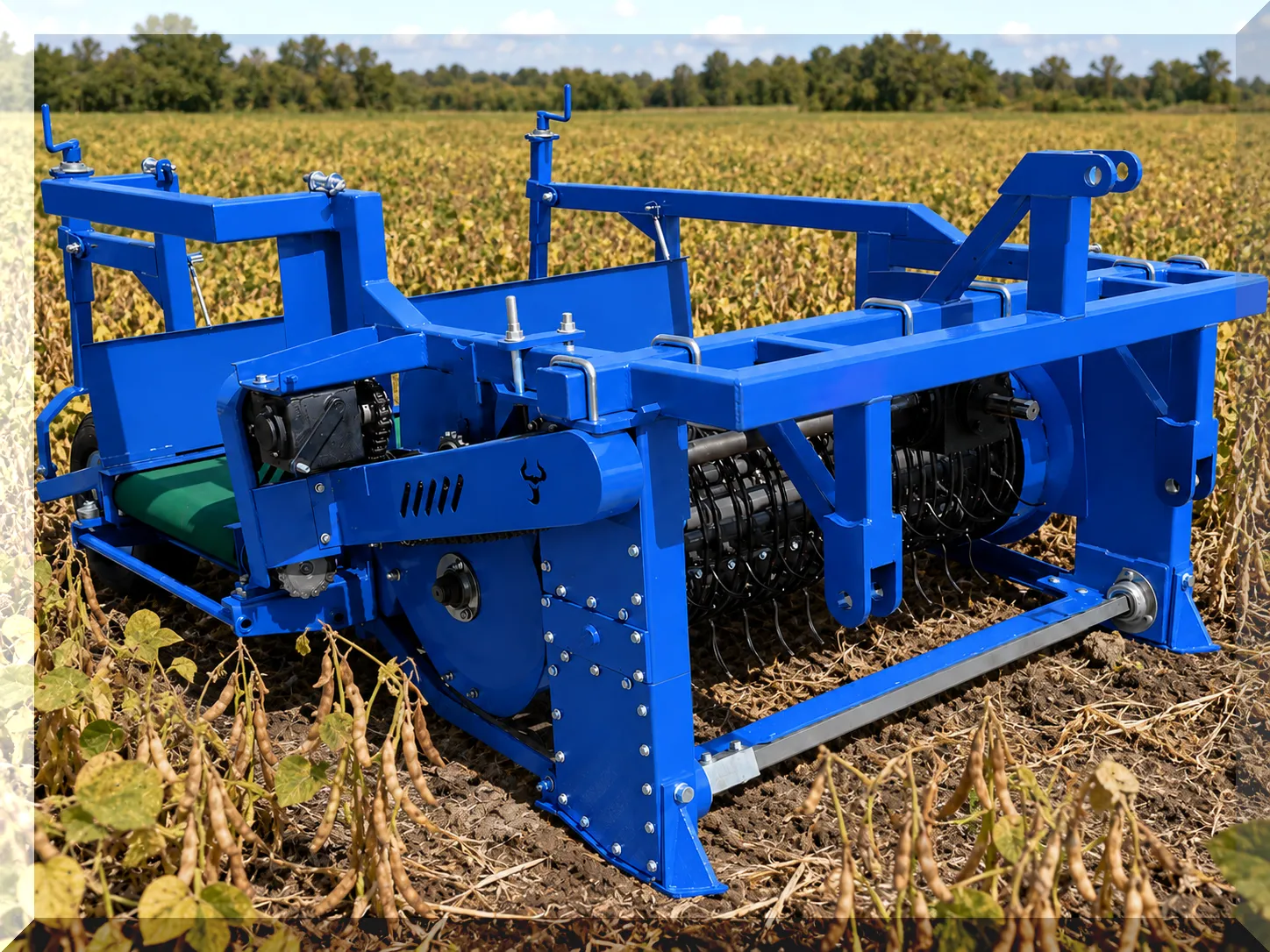
Reihenabstandsstandards für Trockenbohnen in den USA: Was die meisten Anbauer pflanzen
Der Reihenabstand beim Anbau von Trockenbohnen in den Vereinigten Staaten ist nicht einheitlich, weder in den verschiedenen Anbauregionen noch bei den verschiedenen Betriebstypen. Folgende Reihenabstände werden kommerziell verwendet:
Reihenabstand 22 bis 25 Zoll (560 bis 635 mm) Sie werden auf einigen ertragreichen Anbauflächen für weiße Bohnen in Michigan und North Dakota eingesetzt, wo sich gezeigt hat, dass ein enger Reihenabstand Ertragsvorteile und einen schnelleren Bestandesschluss zur Unkrautunterdrückung ermöglicht. Diese engeren Reihenanordnungen sind besonders häufig auf Feldern mit starkem Unkrautdruck anzutreffen, wo ein früher Bestandesschluss agronomisch wichtig ist.
28-Zoll-Reihen (711 mm) Der Reihenabstand von 71 cm (28 Zoll) ist einer der gängigsten in der Region Michigan Thumb für den Anbau von DRK- und weißen Bohnen. Er bietet ein ausgewogenes Verhältnis zwischen der Möglichkeit der Reihenbearbeitung (wichtig für ökologischen Anbau und den Einsatz von weniger Herbiziden) und den Ertragsvorteilen eines relativ geringen Reihenabstands. Viele Standard-Pflanzeinheiten und Grubberaggregate sind auf einen Reihenabstand von 71 cm ausgelegt.
30-Zoll-Reihen (762 mm) Diese Pflanzabstände sind in der US-amerikanischen Trockenbohnenproduktion am weitesten verbreitet und mit den standardmäßigen 30-Zoll-Maispflanzmaschinen kompatibel, die viele Betriebe mit Zweifruchtanbau bereits besitzen. Die 30-Zoll-Konfiguration ist in den Anbaugebieten der Pinto- und Schwarzbohnen der Great Plains nahezu Standard und wird auch in Michigan häufig von Landwirten eingesetzt, die dieselbe Sämaschine für verschiedene Kulturen verwenden.
36-Zoll-Reihen (914 mm) sind in der modernen kommerziellen Bohnenproduktion weniger verbreitet, bestehen aber weiterhin in einigen Betrieben, in denen Bohnen zusammen mit Kulturen angebaut werden, die einen breiteren Reihenzugang erfordern (z. B. Zuckerrüben in einigen Betrieben in Michigan Thumb), oder wo großrädrige Geräte einen größeren Reihenabstand für die Feldbefahrung vorschreiben.
Werkzeug zur Auswahl der Arbeitsbreite: Berechnen Sie, was Sie benötigen
Bevor Sie sich an unser Team wenden, um ein Abziehermodell zu bestätigen, verwenden Sie bitte die folgende Tabelle, um die für Ihren Betrieb erforderliche Gesamtarbeitsbreite zu berechnen. Geben Sie diesen Wert – zusammen mit Ihrer Reihenanzahl und Ihrem Reihenabstand – bei der Anfrage zur Kompatibilitätsbestätigung an:
| Zeilenanzahl | 22–25 in Reihen (560–635 mm) |
28 in Reihen (711 mm) |
30 in Reihen (762 mm) |
36 in Reihen (914 mm) |
4BYH Modellreferenz (Mit dem Team abklären) |
|---|---|---|---|---|---|
| 2 Zeilen | 1120–1270 mm | 1422 mm | 1.524 mm | 1.828 mm | 4BYH-1.3-Serie mit bestätigtem Abstand zwischen den Anschlüssen für Ihre Konfiguration |
| 4 Reihen | 2.240–2.540 mm | 2.844 mm | 3.048 mm | 3.658 mm | 4BYH-2.6 oder 4BYQ-2.6 mit bestätigtem Teileabstand; 30 Zoll oder 36 Zoll erfordern möglicherweise verlängerte Rahmenoptionen – bitte mit dem Team abklären. |
| 5 Zeilen | 2.800–3.175 mm | 3.556 mm | 3.810 mm | 4.572 mm | 4BYH-3.25 mit bestätigtem Scharabstand; Breitreihenkonfigurationen (30 Zoll, 36 Zoll) mit 5 Reihen erfordern die Bestätigung des mechanischen Bereichs durch das Team. |
| 6 Zeilen | 3.360–3.810 mm | 4.267 mm | 4.572 mm | 5.486 mm | 4BYHD-3.9 für schmalere Konfigurationen; breite 6-reihige Konfigurationen erfordern eine mechanische Breitenverlängerung – bitte vor der Bestellung mit dem Team abklären. |
Die in der Tabelle angegebenen Arbeitsbreiten beziehen sich auf die Gesamtspannweite aller Lamellen bei dem angegebenen Reihenabstand (die äußeren Reihen minus eine werden nicht berücksichtigt). Diese Maße sind für die korrekte Lamellenausrichtung erforderlich. Die Möglichkeit der Lamellenabstandsverstellung muss vor der Bestellung von unserem technischen Team anhand Ihrer spezifischen Konfiguration geprüft werden – bestellen Sie nicht allein auf Grundlage der Tabelle. Der tatsächliche Verstellbereich variiert je nach Modell.
So überprüfen Sie den Zeilenabstand vor der Bestellung
Die Messung des tatsächlichen Reihenabstands – anstatt anzunehmen, er entspräche der Nenneinstellung Ihrer Sämaschine – ist der richtige Ausgangspunkt für die Kompatibilitätsprüfung des Säaggregats. Der Reihenabstand kann sich im Laufe der Zeit durch Verschleiß der Befestigungsteile der Säeinheit um 1 bis 3 cm vom Nennwert entfernen. Auch auf Feldern mit stark gekrümmten Abschnitten oder unebener Bodenoberfläche können Abweichungen auftreten. Für eine genaue Messung verwenden Sie ein Maßband, das Sie an mindestens drei Stellen im Feldinneren über mindestens fünf aufeinanderfolgende Reihen spannen. Notieren Sie den Abstand zwischen den Reihenzwischenräumen bzw. den Reihen der aufgelaufenen Pflanzen. Berechnen Sie den Durchschnitt der Messwerte Ihrer fünf bis zehn Messpunkte, um den repräsentativen Reihenabstand für das Feld zu erhalten.
Wenn Sie uns kontaktieren, um die Kompatibilität zu prüfen, geben Sie bitte Folgendes an: (1) Ihren Reihenabstand in Zoll oder Millimetern, (2) die Anzahl der Reihen, die Sie in einem Arbeitsgang mähen möchten, (3) das Modell Ihres Traktors und dessen zertifizierte Zapfwellenleistung (PS) sowie (4) den Bundesstaat und Landkreis, in dem Ihr Betrieb ansässig ist. Unser US-Team nutzt diese Informationen, um den verfügbaren Einstellbereich des Reihenabstands für jedes Modell anhand Ihrer spezifischen Konfiguration zu bestätigen.
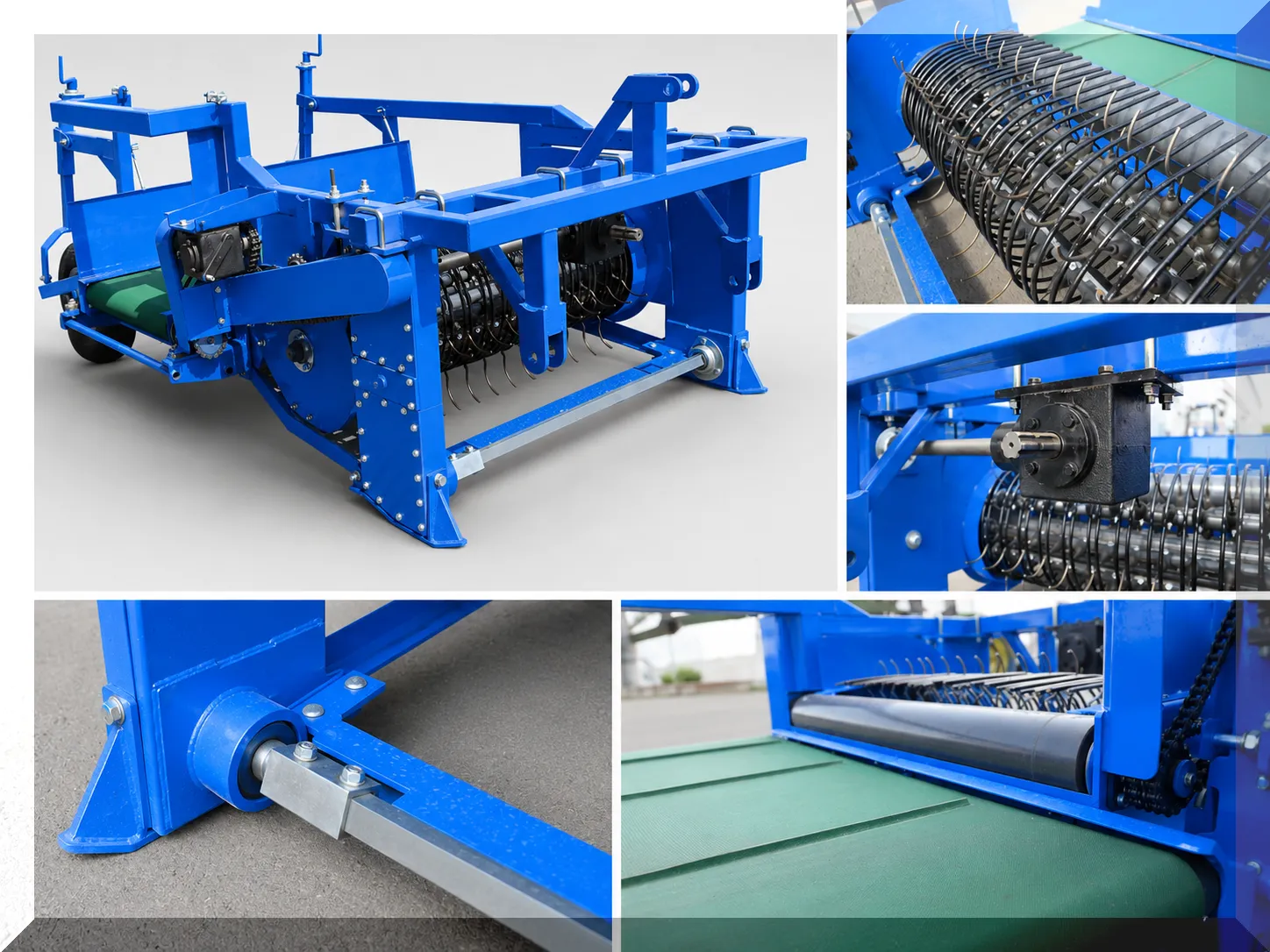
Für den Standard 4BYH-2.6 4-reihiger Kidneybohnen-Ernterund alle anderen Modelle in unserem Produktpalette der KidneybohnenernterDie Bestätigung des Pflanzabstands ist ein Standardbestandteil des Bestellvorgangs – keine Bestellung wird abgeschlossen, ohne zu bestätigen, dass der konfigurierte Pflanzabstand mit Ihren Pflanzreihen übereinstimmt. Landwirtschaftliche Getriebe- und Antriebskomponenten Die am Abzieher angebrachten Teile sind unabhängig vom Reihenabstand und erfordern keine Anpassung an unterschiedliche Reihenkonfigurationen.
Was passiert, wenn der Zeilenabstand und der Share-Abstand nicht übereinstimmen?

Der Betrieb einer Kidneybohnen-Pflückermaschine mit ungleichmäßiger Scheibenteilung führt je nach Richtung der Ungleichmäßigkeit zu einem von drei Ausfallmodi:
Die Teile sind zu schmal für den Reihenabstand. Die Schare dringen zwischen den Reihen in den Boden ein, anstatt darunter, wodurch die Pflanzenkronen seitlich verschoben statt angehoben werden. Dies führt zu unvollständigem Anheben mit deutlichen Lücken im Schwad, abgebrochenen Kronen, bei denen der oberirdische Teil der Pflanze mit den Hülsen im Boden verbleibt, und erheblichen Reihenstörungen, die das Dreschen erschweren. Diese Fehlanpassung ist die schädlichere der beiden.
Die Teile sind zu breit für den Reihenabstand. Die Schare gleiten über oder durch Reihen, die sie nicht erreichen sollten, wodurch Pflanzen in benachbarten Reihen gequetscht und beschädigt werden und möglicherweise Reihen zwischen den Scharen nicht erfasst werden. Der Schwad weist ein Muster aus abwechselnd erfassten und nicht erfassten Reihen auf, das vom Fahrerhaus aus möglicherweise nicht sichtbar ist und erst während des Dreschvorgangs erkennbar wird.
Geringfügige Abweichung (innerhalb von 3 bis 5 cm des Zielabstands) Der Ernter funktioniert zwar, verursacht aber erhöhte Verluste an den Eintrittsstellen der Schare, ungleichmäßige Schwadbildung und stärkere Bodenverunreinigung im Schwad durch aufgewirbelten Wurzelboden, da die Schare die Pflanzenbasis schräg statt mittig berühren. Dies ist das häufigste Problem im Feld und lässt sich am einfachsten durch eine Messung und Bestätigung vor der Bestellung vermeiden.
Häufig gestellte Fragen
Nennen Sie uns Reihenabstand, Reihenanzahl und Traktorleistung – wir bestätigen die richtige Konfiguration
Die Bestätigung des Reihenabstands ist Bestandteil jeder Bestellung von Erntemaschinen aus unserem Lager in Kalifornien. Keine Bestellung wird versendet, bevor die Kompatibilität des Reihenabstands mit Ihrer spezifischen Pflanzkonfiguration bestätigt wurde.
Herausgeber: Cxm


