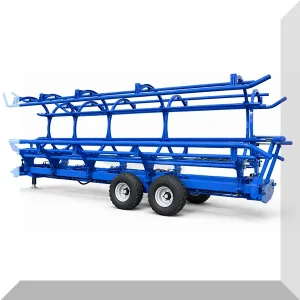
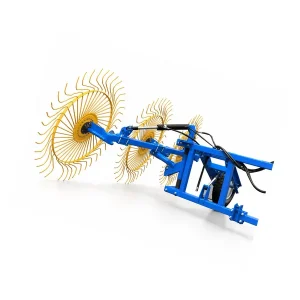
9JYY-2.5 Kompakter Rundballen-Transportanhänger
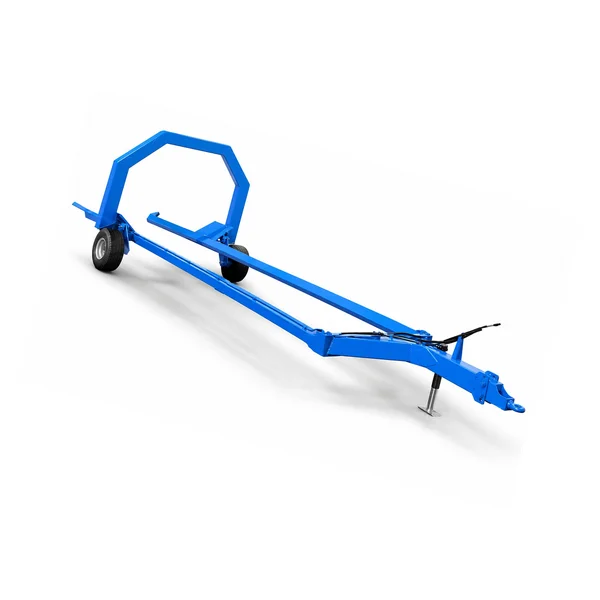
Der 9JYY-2.5 Kompakt-Rundballentransporter Der 9JYY-2.5 ist für kleine bis mittlere landwirtschaftliche Betriebe konzipiert, bei denen der Traktor, der auch für den Ballentransport eingesetzt wird, der gleiche 30–65 PS starke Allzwecktraktor ist, der für alle anderen Arbeiten auf dem Hof verwendet wird. Ein einziger Hydraulikkreislauf, eine Standard-Zugvorrichtung und eine Mindesttraktorleistung von ≥20 kW (≈27 PS) machen den 9JYY-2.5 zum benutzerfreundlichsten hydraulischen Selbstlade-Ballentransporter in unserem Sortiment – und zur idealen Ergänzung für den 9YG-1.0C Und 9YG-1,25 Kompakte Rundballenpressen, die auf denselben Kompakttraktoren laufen.
Warum ≥20 kW die Besitzberechtigung für selbstladende Ballentransporter verändern
Die meisten selbstladenden Ballenhandhabungsgeräte auf dem US-Markt sind für kommerzielle Heubetriebe mit 150 PS starken Reihenkulturtraktoren konzipiert. Hydraulikanforderungen, Gewicht und Antriebskomplexität sind auf diesen Markt zugeschnitten – wodurch ein großer Teil der amerikanischen Heuproduzenten, die 30 bis 65 PS starke Kompakt- und Universaltraktoren auf 20 bis 80 Hektar großen Betrieben einsetzen, praktisch ausgeschlossen wird.
Der 9JYY-2.5 wurde speziell für diese kleinere Traktorenklasse entwickelt. Mit einer Mindestleistung von 20 kW (≈27 PS) kann ein Kubota B3350, John Deere 3038E oder Massey Ferguson 1734E den Hydraulikkreislauf der Ladeeinheit vollständig versorgen. Die Einkreis-Hydraulikkonstruktion benötigt nur einen geringen Durchfluss vom hinteren Steuergerät des Traktors – weit unterhalb dessen, was jeder Kompakttraktor mit Hydraulikanschlüssen liefern kann. Es sind keine komplexen Zweikreissysteme, keine Druckluftbremsen und kein zusätzlicher Kabelbaum über den Standardanschluss für landwirtschaftliche Beleuchtung hinaus erforderlich.
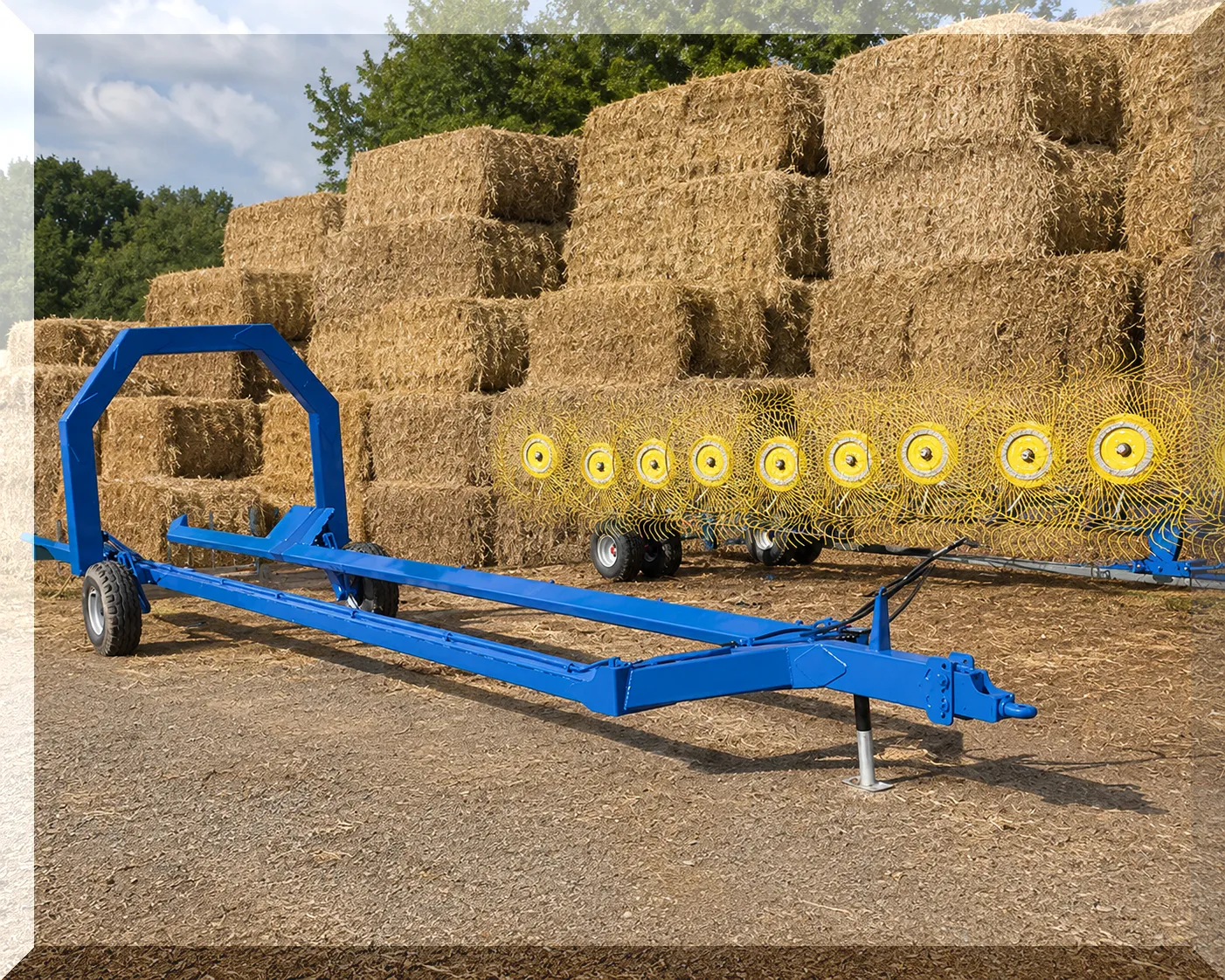
Das komplette Ballenpresssystem für Kleinbetriebe: Kompakte Ballenpresse + 9JYY-2.5 Transporter
Die meisten Käufer von Kompaktrundballenpressen konzentrieren sich ausschließlich auf die Pressmaschine selbst und nicht auf die Arbeitsschritte unmittelbar nach dem Pressvorgang. Auf einem 40 Hektar großen Betrieb mit einer Jahresproduktion von 180 bis 250 Ballen in zwei bis drei Schnitten beansprucht die Ballenhandhabung mehr Arbeitsstunden pro Saison als das Pressen selbst – insbesondere auf Betrieben ohne Frontlader. Die 9JYY-2.5 Kompakter Ballentransportanhänger wurde entwickelt, um genau diese Lücke zu schließen, und funktioniert mit demselben Traktor mit mindestens 27 PS, der auch die Ballenpresse antreibt.
Die folgende Kopplungsanleitung bestätigt die Kompatibilität der Ballenpressen in unserem Sortiment. Kompakte Rundballenpressen-Baureihe und der 9JYY-2.5-Transporter – Anzeige der Ausgabeballengröße, der Traktorklasse und der daraus resultierenden Anzahl der Transportfahrten bei einem Schnitt von 100 Ballen:
| Ballenpressenmodell | Ballen Ø × L | Durchschnittliches Ballengewicht | Ballen pro 9JYY-2,5-Tour | Fahrten für 100 Ballen | Traktor-PS (gemeinsam genutzt) |
|---|---|---|---|---|---|
| 9YG-1.0C | 1,0 × 1,0 m | 300–450 kg | 5–8 | 13–20 | 40–55 PS ✓ |
| 9YG-1,25 | 1,25 × 1,25 m | 550–750 kg | 3–4 | 25–33 | 60–80 PS ✓ |
| 9YG-1,25A | 0,9–1,5 × 1,25 m | 500–850 kg | 3–5 | 20–33 | 75–100 PS ✓ |
Technische Spezifikationen
Alle Werte entsprechen den Werksaufzeichnungen. Der 9JYY-2.5 benötigt lediglich eine handelsübliche landwirtschaftliche Anhängevorrichtung und einen hinteren Hydraulikanschluss (SCV) mit ≥16 MPa. Keine Zapfwelle, kein Kabelbaum über den Beleuchtungskreis hinaus, kein zweites SCV.
| NEIN. | Parameter | Einheit | Wert |
|---|---|---|---|
| 1 | Produkt | / | 9JYY-2.5 Kompakter Rundballen-Transportanhänger |
| 2 | Anhängertyp | / | Zugmaul (Standard-Landwirtschaftsmodell) |
| 3 | Ladeverfahren | / | Hydraulisch – Einzelkreis |
| 4 | Maximale Nutzlast | kg (lb) | 2.500 (5.511 lb) |
| 5 | Erforderliche Traktorleistung | kW (PS) | ≥ 20 (≈ 27 PS) |
| 6 | Hydraulischer Arbeitsdruck | MPa | ≥ 16 (1 SCV-Ausgang erforderlich) |
| 7 | Maximale Transportgeschwindigkeit | km/h (mph) | ≤ 40 (25 mph) |
| 8 | Reifengröße | / | 10.0/80-12 (Doppelsitz) |
| 9 | Kompatibler Ballendurchmesser | mm (in) | Ø 1.300 (51,2 Zoll) nominal |
| 10 | Kompatible Ballenlänge | mm (in) | 1.000–1.500 (39,4–59,1 Zoll) |
| 11 | Gesamtabmessungen (L×B×H) | mm (ft) | 10.300 × 2.420 × 2.485 (33,8 × 7,9 × 8,2 Fuß) |
| 12 | Nettogewicht | kg (lb) | 1.165 (2.568 lb) |
Hydraulikbetrieb mit einem Kreislauf: Einfach genug für jeden Bediener
Der Arbeitszyklus des 9JYY-2.5 ist so konzipiert, dass er von einer einzelnen Person ohne Vorkenntnisse im Umgang mit Ballentransportern von der Kabine eines Kompakttraktors aus durchgeführt werden kann. Jeder Schritt wird über den SCV-Hebel gesteuert – kein Absteigen, keine Einweiser, keine zweite Person.
Fahren Sie neben dem Ballen
Positionieren Sie die 2420 mm (7,9 Fuß) lange Transportladefläche neben dem Ballen. Die breite Ladefläche bietet ausreichend Freiraum von beiden Seiten – eine präzise Ausrichtung beim Anfahren ist nicht erforderlich.
SCV-Ventil öffnen
Eine einzige Bewegung des SCV-Hebels fährt den Aufnahmearm aus, greift unter den Ballen und hebt ihn auf die Ladefläche. Die gebogene Wiege passt sich der Ballengeometrie mit Ø 1300 mm an – der Ladevorgang dauert weniger als 60 Sekunden.
Laufwerk zum Speicher
Mit einer Geschwindigkeit von bis zu 40 km/h (25 mph) transportieren die Zwillingsreifen der Dimension 10.0/80-12 die Nutzlast von 2.500 kg auf Feldwegen, Schotterstraßen und asphaltierten Kreisstraßen. Die Breite von 2,4 m (7,9 Fuß) entspricht den meisten landwirtschaftlichen Vorschriften der Bundesstaaten und erfordert keine Sondergenehmigung für Überbreite.
Hydraulische Entladung
Durch Umkehren des SCV-Ventils dreht sich der Arm nach außen und rollt den Ballen präzise an die gewünschte Stelle auf die Lagerfläche. Kein Ballenhüpfen, kein Umpositionieren, keine zusätzliche Ausrüstung erforderlich.
Zurück zur nächsten Ladung
Fahren Sie mit voller Transportgeschwindigkeit zurück zum Feld. Der Arm fährt vollständig auf die Transportbreite von 2,4 m ein. Zwischen Beladung und Transport sind keine Konfigurationsänderungen erforderlich – einfach fahren.
Die Rentabilität kleiner landwirtschaftlicher Betriebe: Wie die Zahlen auf 50–200 Hektar aussehen
Auf einem 100 Hektar großen gemischten Heubetrieb, der 150 bis 200 Ballen pro Jahr produziert, ist der wirtschaftliche Nutzen einer dedizierten Ballentransportanhänger Das sieht anders aus als die Kalkulation eines kommerziellen Heubetriebs. Die Frage lautet nicht: „Wie viele Ballen kann ich pro Tag bewegen?“, sondern: „Wie viel Zeit spare ich dadurch am Wochenende, und wie schnell amortisiert sich die Maschine durch die Reduzierung von Arbeitsaufwand und Lagerkosten?“
Annahmen: Heuwert $90/Ballen, 12 Minuten Ladezeit gegenüber 18 Minuten Fahrtzeit mit dem 9JYY-2,5 (inkl. Be- und Entladen). Lohnkosten nicht berücksichtigt – es handelt sich um den reinen Heuverlust. Die Hinzurechnung von $25/Std. Lohnkosten zu den eingesparten 23 Stunden erhöht den Nutzen um $575/Jahr.
Kompatibilität mit Kompakttraktoren: Welche Traktoren sind mit dem 9JYY-2.5 kompatibel?
Die beiden wichtigsten Voraussetzungen sind eine Standard-Zugvorrichtung und ein Heckhydraulikanschluss (SCV) mit mindestens 16 MPa. Jeder Traktor, der diese beiden Kriterien erfüllt – vom 27 PS starken Kleintraktor bis zum 100 PS starken Mittelklasse-Traktor – kann den 9JYY-2.5 betreiben. Die folgende Tabelle gruppiert gängige US-amerikanische Kompakt- und Nutzfahrzeugtraktoren nach PS-Bereich und gibt die geländespezifische PS-Empfehlung für den Transport unter Last an.
| HP-Reihe | Terrain | Kompatible Traktormodelle (USA) | Urteil |
|---|---|---|---|
| 27–40 PS | Nur ebene Feldwege | Kubota B3350, JD 3038E, Mahindra 3550, Kioti CK3510, LS MT342 | ✔ Funktional |
| 40–55 PS | Mäßige Grade (<8%) | Kubota MX5400, JD 4052R, NH Workmaster 50, Massey MF 1754E, Mahindra 4540 | ✔ Komfortabel |
| 55–75 PS | Hügeliges Gelände, Schotterstraßen | Kubota M7060, JD 5065E, Case IH Farmall 65C, NH T4.75, Massey MF 5710 | ✔ Optimaler Bereich |
| 75–100 PS | Jedes Gelände, einschließlich steiler Ranchwege | JD 5085E, NH Workmaster 75, Case Farmall 75C, Kubota M8560, Massey MF 5713 | ✔ Höchste Stabilität |
Wer betreibt die 9JYY-2.5 und warum?

Torbreite und Durchfahrtshöhe: Was kleine landwirtschaftliche Betriebe wissen müssen
Die Transportbreite des 9JYY-2.5 von 2.420 mm (7,9 Fuß) ist die wichtigste praktische Abmessung für kleinere landwirtschaftliche Betriebe, da Scheunentore, Feldtore und enge Zufahrten zu Hofwegen dort oft Platzprobleme darstellen, die auf großen, offenen landwirtschaftlichen Betrieben keine Rolle spielen. Überprüfen Sie diese drei Abmessungen, bevor Ihre Maschine geliefert wird.
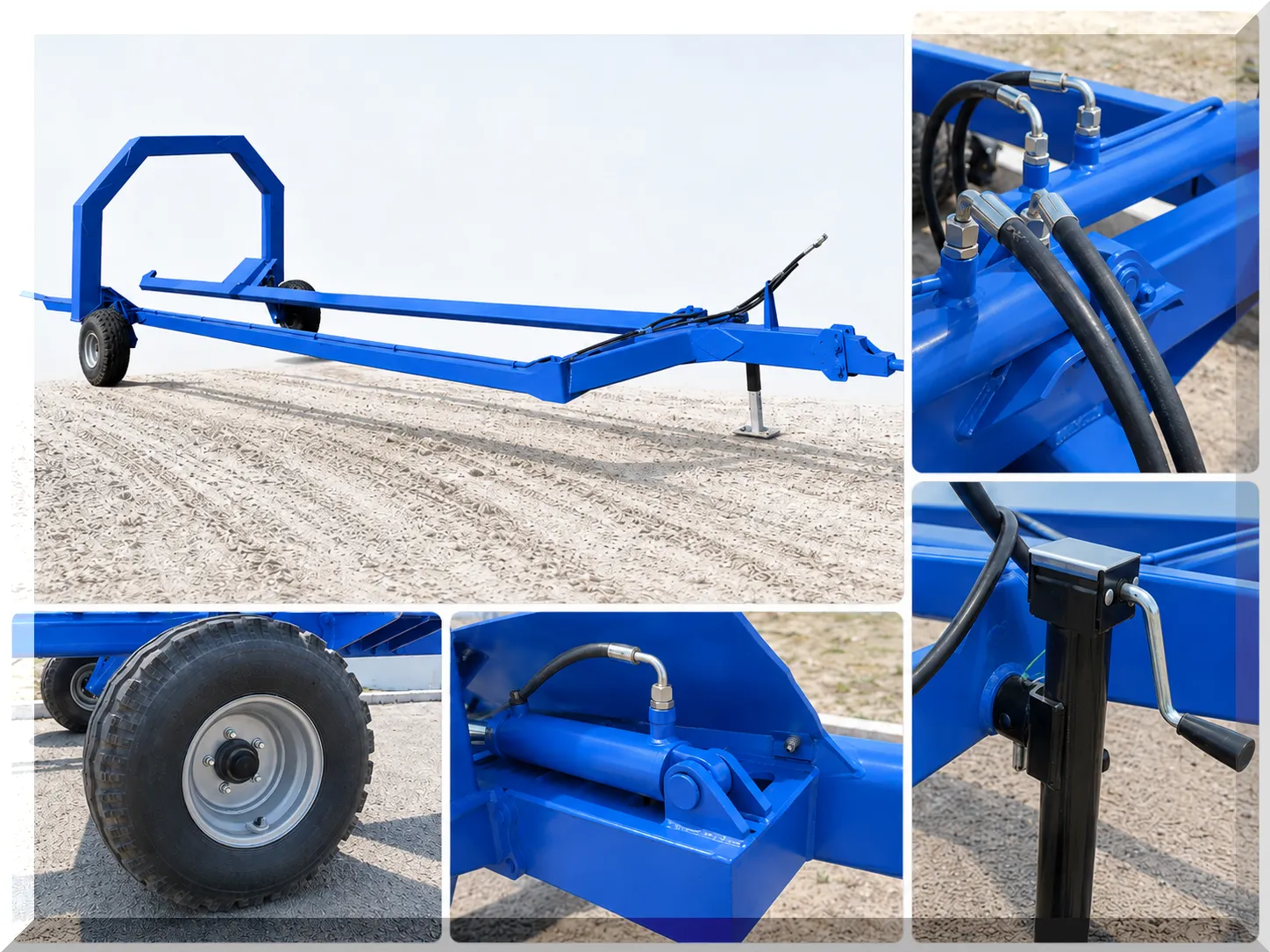
Standardmäßige US-amerikanische Hoftore sind 3 bis 4,9 Meter breit. Das Modell 9JYY-2.5 mit einer Breite von 2,4 Metern passt durch ein Standardtor von 3 Metern Breite und lässt auf jeder Seite etwa 30 Zentimeter Platz – ausreichend, aber bei schräger Zufahrt nicht optimal. Tore mit einer Breite von weniger als 2,7 Metern erfordern eine geradlinige Einfahrt. Messen Sie Ihr schmalstes Hoftor vor der Bestellung.
Viele kleine Heuscheunen auf Bauernhöfen haben 3 bis 3,6 m breite Toröffnungen. Mit einer Breite von 2,4 m und einer Höhe von 2,5 m (Transportkonfiguration) passt das Modell 9JYY-2.5 durch eine Standard-Scheunentoröffnung von 3 m × 3 m. Bitte überprüfen Sie die Durchfahrtshöhe und -breite an der Schwelle des Scheunentors sowie an eventuell vorhandenen niedrigen Deckenbalken im Inneren.
Die Transportbreite von 2,40 m liegt in den meisten US-Bundesstaaten ohne Sondergenehmigung für Überbreite innerhalb der zulässigen Standardbreite von 2,60 m für landwirtschaftliche Geräte. Auf schmalen Schotterwegen mit Straßengräben bietet die Breite von 2,40 m einen Sicherheitsabstand von 7,5 bis 10 cm zu den üblicherweise 2,60 m breiten Schotterwegen – fahren Sie mittig und reduzieren Sie die Geschwindigkeit in Engstellen.
Mit einer Transporthöhe von 2.485 mm (8,2 Fuß) erfüllt die 9JYY-2.5 die Standard-Freileitungshöhe gemäß NESC-Vorschriften über landwirtschaftlichen Straßen (in der Regel mindestens 4,42 m bzw. 14,5 Fuß). Auf älteren ländlichen Grundstücken kann die Freileitungshöhe zu Gebäuden jedoch bis auf 3 m (10 Fuß) sinken. Gehen Sie die geplante Trasse ab und identifizieren Sie mögliche Stellen mit geringer Freileitungshöhe, bevor Sie die Straße zum ersten Mal befahren.
Kein Zapfwellenantrieb erforderlich – aber was treibt die Ballenpresse an, die sie beschickt?
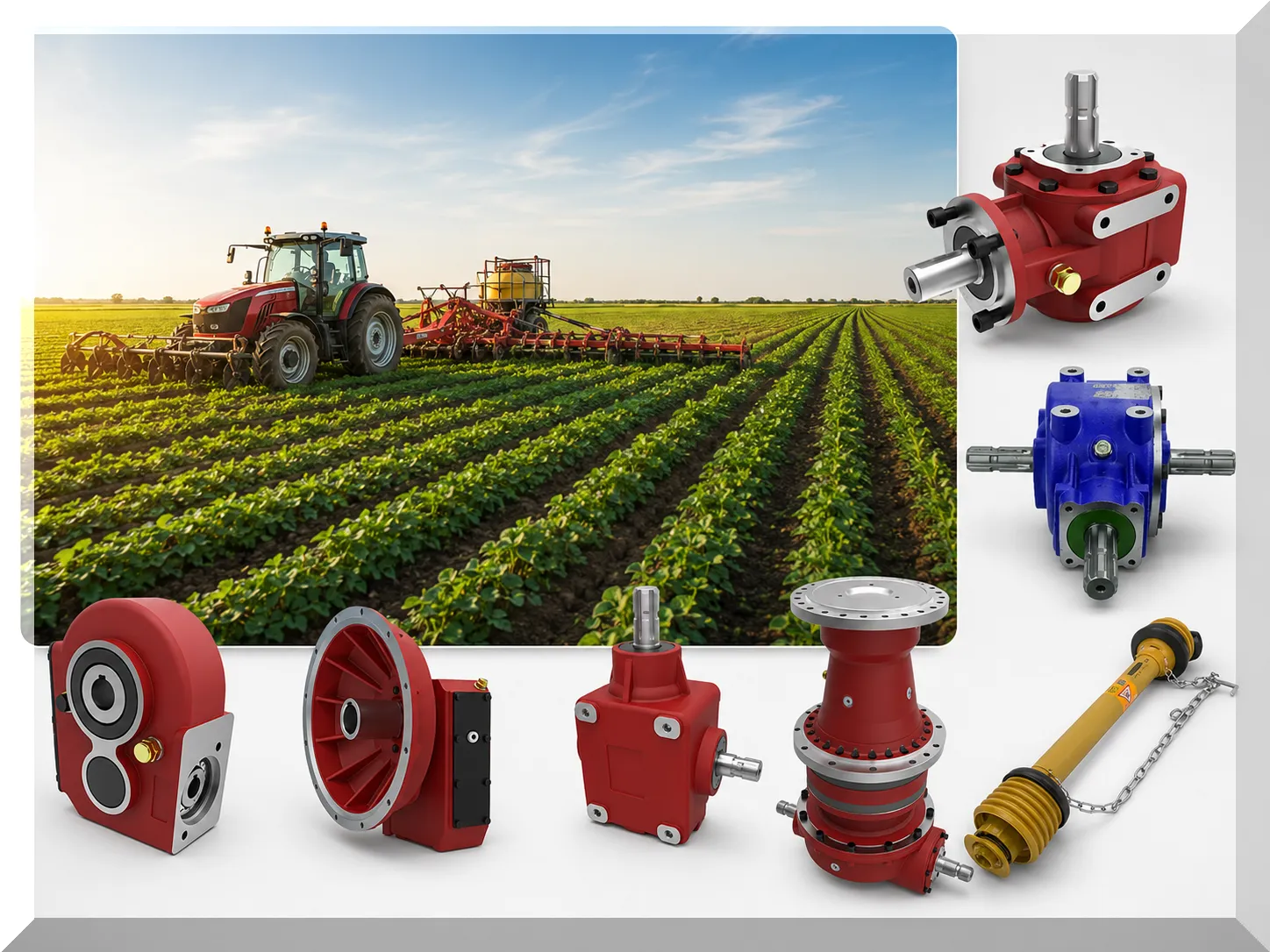
Der 9JYY-2.5 selbst benötigt keine Zapfwelle – er bezieht seine Energie ausschließlich aus dem einzelnen hinteren Hydraulik-Steuergerät. Dadurch bleibt die hintere Zapfwelle des Traktors vollständig frei für die Kompaktrundballenpresse, die parallel auf derselben Maschine betrieben wird. In vielen kleinen landwirtschaftlichen Betrieben wechselt der Traktor innerhalb einer Arbeitsschicht zwischen Pressen und Transportieren: Er presst weiter, schaltet dann auf Transport um und kehrt anschließend zum Pressen zurück, sobald das Feld frei ist. Dieser Arbeitsablauf mit nur einem Traktor ist der entscheidende Effizienzvorteil für kleine Betriebe, die den Einsatz von zwei Traktoren nicht rechtfertigen können.
Die Kompaktrundballenpresse in diesem Arbeitsablauf betreibt ihren eigenen Zapfwellenantrieb mit 540 U/min unter Dauerlast. Das Getriebe zwischen Zapfwellenstutzen und Ballenkammerantrieb muss sowohl das kontinuierliche Verdichtungsdrehmoment als auch die kurzzeitigen Drehmomentspitzen bewältigen, die auftreten, wenn ein dichter Schwadabschnitt mit voller Fahrgeschwindigkeit auf die Pickup-Einheit trifft. Eine korrekt dimensionierte landwirtschaftliches Antriebsgetriebe Bei der Anwendung mit kompakten Ballenpressen – typischerweise ausgelegt für ein Dauerdrehmoment von 300 bis 500 Nm und eine Schlupfschwelle der Überlastkupplung von 750 bis 900 Nm – wird der Zapfwellenantrieb der Ballenpresse während der gesamten Saison geschützt, ohne dass es mitten in der Saison zu Getriebeausfällen kommt, die den gekoppelten Arbeitsablauf von Ballenpressen und Transport unterbrechen würden.
Wenn Ihr Betrieb bereit ist, die Kapazität des 9JYY-2.5 zu überschreiten – größere Anbauflächen, schwerere Ballen oder Lohntransporte für mehrere Betriebe –, 9JYY-4.5 Rundballenlader und -transporter bietet die nächste Stufe: zwei Achsen, 4.500 kg Nutzlast, zwei Hydraulikkreisläufe und einen Ballendurchmesserbereich bis zu 1.400 mm – alles mit dem gleichen grundlegenden Ein-Bediener-Hydraulik-Workflow, der vom 9JYY-2.5 übernommen wurde.
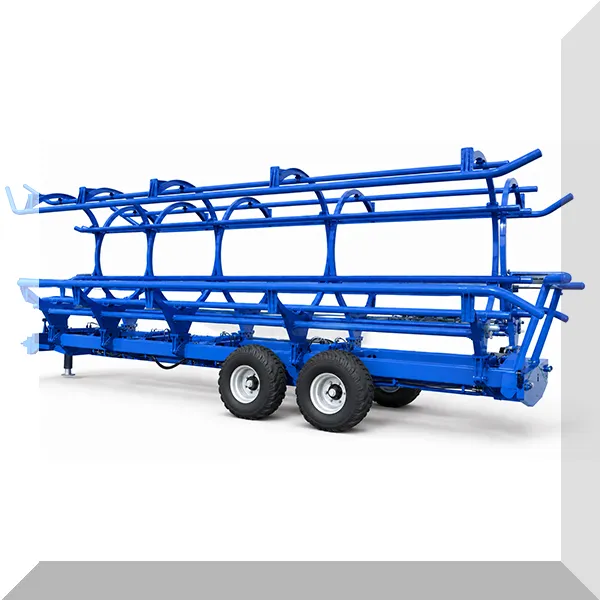
Wartung: Einfacher als bei allen anderen Ballenhandhabungsgeräten, die Sie besitzen.
Ein einziger Hydraulikkreislauf, keine Zapfwelle, keine Ketten, keine Riemen – der Wartungsplan des 9JYY-2.5 umfasst vier Wartungspunkte und die Vorbereitung auf die saisonale Einlagerung. Eine vollständige Inspektion vor Saisonbeginn dauert weniger als 45 Minuten.
Alle 50 Stunden oder saisonal
Vorsaison-Jahresbericht
Winterlagerung
Warum Kleinbauern foragebaler.com wählen
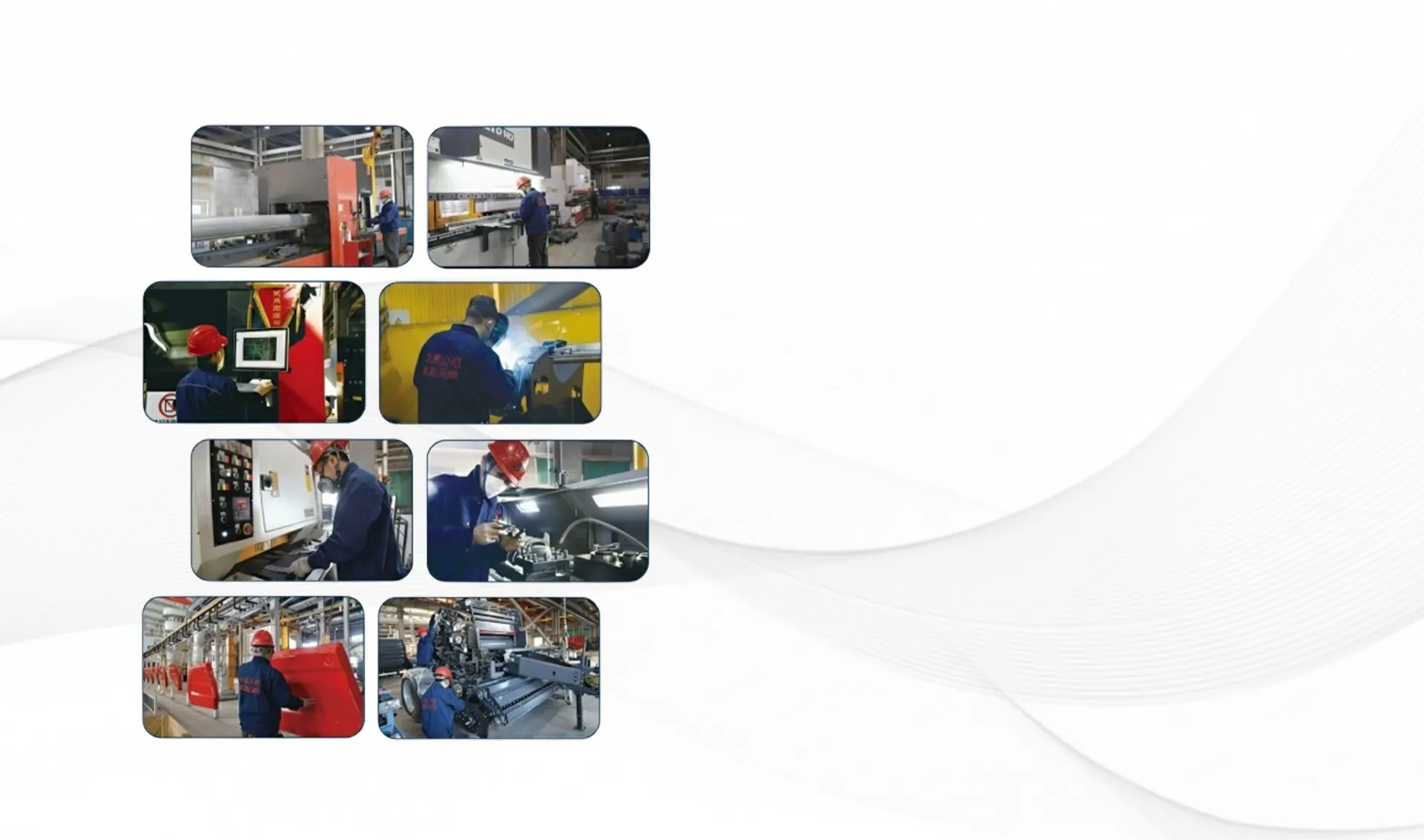
- ✔Überprüfung des Kompakttraktors vor der Bestellung. Das US-Team prüft anhand von Modell und Baujahr kostenlos vor der Bestellung die Anzahl der SCVs, den Hydraulikdruck und die Deichselhöhe Ihres Traktors. So wird das häufigste Installationsproblem (ein Traktor mit nur einem SCV oder eine nicht passende Deichselhöhe) vor dem Versand der Maschine erkannt, nicht erst danach.
- ✔Ersatzteile aus dem US-Lager – 2 bis 5 Werktage. Hydraulikdichtungssätze, Schlauchleitungen, Armdrehlagersätze und Zugstangenbeschläge sind ganzjährig im kalifornischen Lager vorrätig. Bestellungen für die Erntesaison, die vor 14:00 Uhr pazifischer Zeit eingehen, werden noch am selben Werktag versandt.
- ✔Das komplette Futtergewinnungssystem für kleine landwirtschaftliche Betriebe. Rundballenpressen, Heurechen-Sortimentund der 9JYY-2.5-Transporter von einem einzigen Lieferanten – ein Ersatzteillager, ein Anruf beim Kundendienst. Über uns Diese Seite beschreibt unsere US-Aktivitäten und unser Supportmodell.
- ✔Abschnitt 179 Sofortabschreibung im ersten Jahr. Das Modell 9JYY-2.5 gilt gemäß IRS Section 179 als qualifiziertes Sachanlagevermögen. Vollständige Rechnungsunterlagen für die Sofortabschreibung im ersten Jahr werden auf Anfrage mit jeder Bestellung bereitgestellt – relevant auch bei den Investitionskosten kleiner landwirtschaftlicher Betriebe, wo der effektive Preis nach Steuern die Amortisationszeit deutlich verkürzt.
- ✔Direktpreise ab Werk. Kein Händlernetz, keine Gebietsaufschläge. Der Preis setzt sich aus den Maschinenkosten und der US-Logistik zusammen – zwischen dem Werk und Ihrem Betrieb fallen keine weiteren Kosten an.
Häufig gestellte Fragen
Sieben Kleinbauern – jeweils eine Saison
★★★★★
90 Hektar Wiesenlieschgras und Timotheegras für einen Pensionsstall mit 22 Pferden. Vor dem 9JYY-2.5 verbrachte ich jeden Samstag nach dem Mähen damit, Ballen mit dem 45-PS-Traktorlader zu bewegen – einen Ballen nach dem anderen, 80 oder 90 Fahrten. Jetzt schaffe ich das mit demselben Traktor in etwa 90 Minuten, 3 Ballen pro Fahrt. Der Aufbau dauerte am Liefertag etwa 45 Minuten. Die hydraulische Verladung ist so sanft, dass ich in einer ganzen Saison noch nie einen Ballen mit Netz beschädigt habe. Die Kompatibilitätsprüfung vor der Bestellung bestätigte, dass unser Kubota MX5400 perfekt passt.
★★★★★
120 Hektar gemischte Luzerne- und Grasflächen, 60 Mutterkühe und kein zweiter Traktor. Dank des 9JYY-2.5 konnte ich die Ballen noch am selben Tag pressen und abtransportieren, anstatt sie über Nacht auf dem Feld liegen zu lassen. Mein 55 PS starker John Deere 5055E meistert das perfekt – ich war skeptisch, ob ein 55-PS-Traktor eine volle Ladung bei Straßengeschwindigkeit bewegen könnte, aber er bewältigt die Fahrt mit 40 km/h auf den flachen Straßen des Magic Valley mühelos. Die Heuqualität verbesserte sich in der ersten Saison merklich, einfach weil die Ballen schneller vom Boden weggebracht wurden.
★★★★★
Letztes Jahr habe ich 85 Hektar Ackerland von Reihenkulturen auf Mischgrasheu umgestellt. Beim ersten Schnitt erntete ich 110 Ballen – ich hatte keine Ahnung, dass das Bewegen der Ballen mit einem Frontlader so lange dauern würde. Vor dem zweiten Schnitt habe ich die 9JYY-2.5 montiert, und das hat den gesamten Ablauf verändert. Beim dritten Schnitt dauerte das Pressen und Roden zusammen nur noch einen Nachmittag statt zwei Tagen. Ich nutze sie zusammen mit der Ballenpresse 9YG-1.25, beide laufen auf unserem 65 PS starken New Holland Traktor. Die Traktorprüfung vor dem Kauf, die Ihr Team durchgeführt hat, war sehr beruhigend für jemanden, der diese Art von Maschine zum ersten Mal kauft.
★★★★★
130 Hektar CRP-Naturgras wurden zu Heuballen für den Wiederverkauf an Rinder gepresst. Der Betrieb erfolgte mit einem einzigen Traktor – einem Massey Ferguson 5711 mit 75 PS. Dank des 9JYY-2.5 kann ich das Feld am selben Tag roden, an dem ich die Ballen presse. Das war entscheidend, um die Preise der Güteklasse 1 beim örtlichen Getreidespeicher zu halten – dort werden nämlich hohe Abzüge für Witterungseinflüsse vorgenommen. Ich habe zwei komplette Saisons ohne Probleme mit der Hydraulik gearbeitet und lediglich jedes Jahr vor Saisonbeginn die Schläuche routinemäßig überprüft. Eine einfache Maschine, die genau das tut, was sie soll.
★★★★★
55 Angus-Rinder auf 40 Hektar gemischter Heuwiesen im hügeligen Nordwesten Pennsylvanias. Ich nutze einen Kubota M7060 mit 62 PS und war besorgt wegen des Transports der Ladung auf einigen steileren Abschnitten unserer Feldwege. Ich habe den Rat befolgt, die Geschwindigkeit bei steilen Abfahrten auf 28–30 km/h zu reduzieren, und hatte die ganze Saison über keine Probleme mit Stabilität oder Bremsen. Die größte Zeitersparnis bietet die Heuballenverteilung im Winter mit dieser Maschine – das Verteilen von 3 Ballen auf vier verschiedene Weiden dauert nur 45 Minuten statt über zwei Stunden.
★★★★☆
Ich bewirtschafte 75 Hektar Luzerne im Nebenerwerb – ich bin hauptberuflich tätig und arbeite abends und am Wochenende auf dem Hof. Dank des 9JYY-2.5 kann ich samstags beim Mähen die Ballen pressen und die Fläche am selben halben Tag abräumen, anstatt die Ballen bis Sonntag draußen stehen zu lassen und Nachmittagsregen zu riskieren. Vier Sterne, weil mein 40 PS starker Kompakttraktor (John Deere 3038E) die Leistungsgrenze erreicht – die Maschine funktioniert zwar, aber die Fahrgeschwindigkeit bei Beladung ist mit diesem Traktor bei 30 km/h angenehmer als bei den vollen 40 km/h. Fahrer mit Traktoren über 50 PS haben mehr Spielraum bei der Geschwindigkeit.
★★★★★
55 Hektar zertifiziertes Bio-Mischgras werden viermal jährlich für unseren Milchziegenbetrieb mit 120 Tieren gemäht. Ein einziger 50-PS-Traktor steuert alles – die Ballenpresse 9YG-1.0C und die Ballenpresse 9JYY-2.5 sind an derselben Maschine montiert. Das kompakte Ballenpressen-Transportsystem passt perfekt durch die schmalen Wege und die enge Stalleinfahrt auf unserem Grundstück, was mit größeren Industriemaschinen nie möglich gewesen wäre. Dank des langen Arms der 9JYY-2.5 lassen sich die Ballen selbst durch unsere 3 x 3 Meter große Toröffnung präzise im Stall platzieren. Der Ersatzteilservice in den USA war hervorragend – ein Dichtungssatz wurde versandt und kam innerhalb von drei Tagen an, als ich ihn mitten im Sommer dringend benötigte.
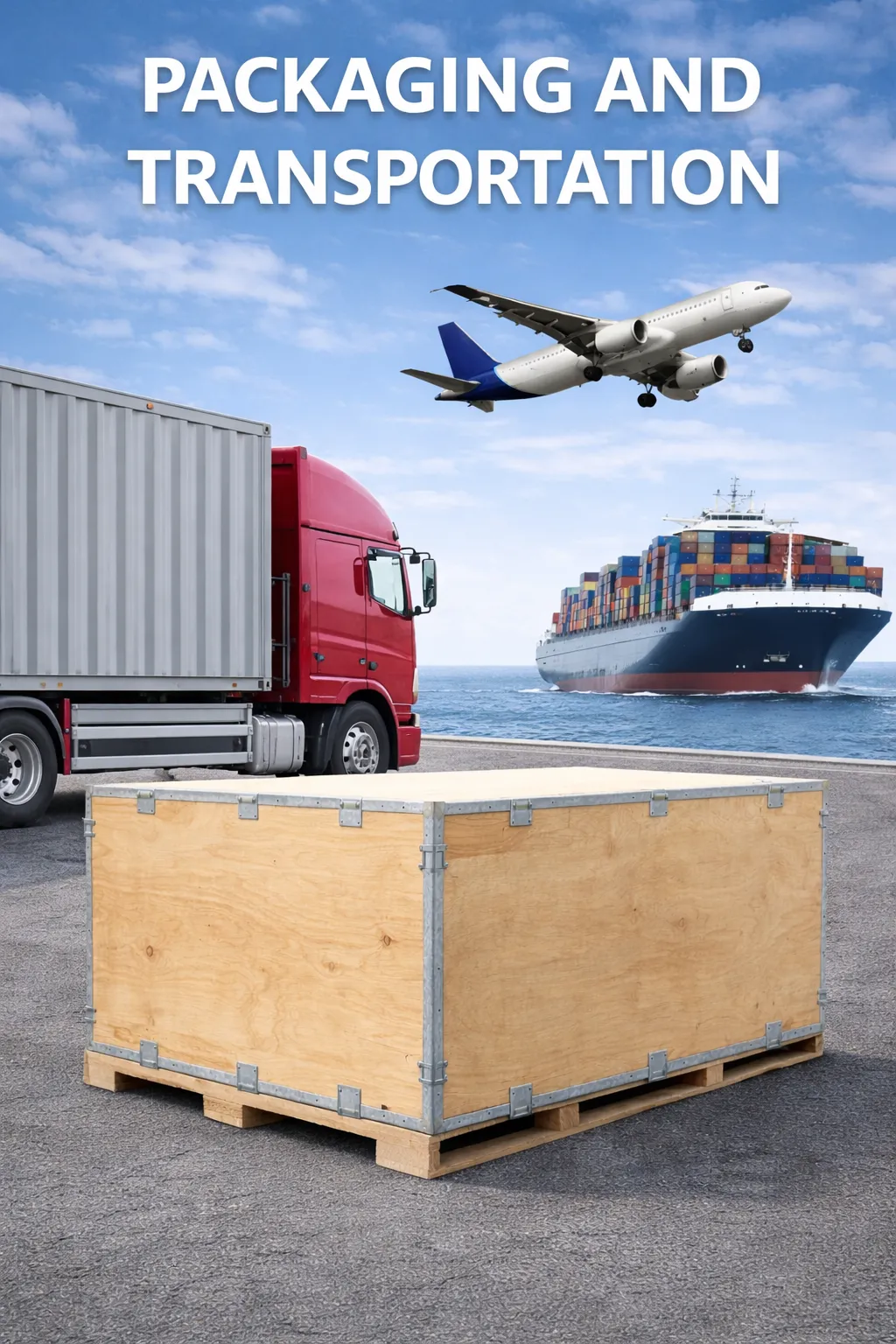
Der richtige Ballentransporter für Ihren Kompakttraktor und Ihr Budget für kleine landwirtschaftliche Betriebe
Die Kompatibilität mit Kompakttraktoren (SCV-Druck, Zugstangenhöhe, PS) wird vor dem Versand anhand Ihres Modells und Baujahrs geprüft. Direktpreise ab Werk, Rechnungsdokumentation gemäß Abschnitt 179 und US-Support sind bei jeder Bestellung inklusive.
America Ever-Power Forage Baler Equipment INC. | 1401 21st ST STE R, Sacramento, CA 95811
Zusätzliche Informationen
| Editor | Cxm |
|---|