
Fragt man hundert Heuproduzenten nach ihrer angestrebten Ballendichte, antworten die meisten entweder vage mit „Ich versuche, sie so dicht wie möglich zu pressen“ oder nennen einen konkreten Wert, basierend auf den Ergebnissen ihrer bisherigen Maschinen. Nur wenige geben einen Zielwert in kg/m³ an, der sich aus ihrer spezifischen Ernte, dem Verwendungszweck und den Lagerbedingungen ergibt. Genau diese Diskrepanz – zwischen intuitivem und messbarem Pressen – ist die Ursache für die meisten vermeidbaren Futterqualitätsverluste und Transportineffizienzen. Dieser Leitfaden erklärt die Messung, die Einflussfaktoren und die Folgen einer zu niedrigen oder zu hohen Ballendichte für den jeweiligen Anwendungszweck.
Was die „Ballendichte“ tatsächlich misst – und warum sie stärker variiert, als die meisten Anwender annehmen
Rundballen Die Dichte ist eine einfache, abgeleitete Größe: Masse pro Volumeneinheit, angegeben in Kilogramm pro Kubikmeter (kg/m³). Für einen Standard-Rundballen gilt:
Das gleiche Rundballen Die Geometrie kann je nach Füllmaterial zu sehr unterschiedlichen Dichten führen. Ein Heuballen mit 1,25 m Durchmesser und einer Restfeuchte von 141 µg/m² kann je nach Spannung und Fahrgeschwindigkeit zwischen 280 und 340 kg wiegen. Ein Ballen mit demselben Durchmesser aus Luzerne-Heulage und einer Restfeuchte von 551 µg/m² kann hingegen 450 bis 560 kg wiegen. Um die Ballendichte zu verstehen, muss man erkennen, dass man die Dichte des Ernteguts im Ballen misst – und nicht eine feste Eigenschaft der Ballenpresse selbst.
Die vier Variablen, die die Ballendichte beeinflussen – und die Richtung ihrer Wirkung
Wie die Ballendichte die Silagefermentation beeinflusst: Das Problem des Sauerstoffeinschlusses
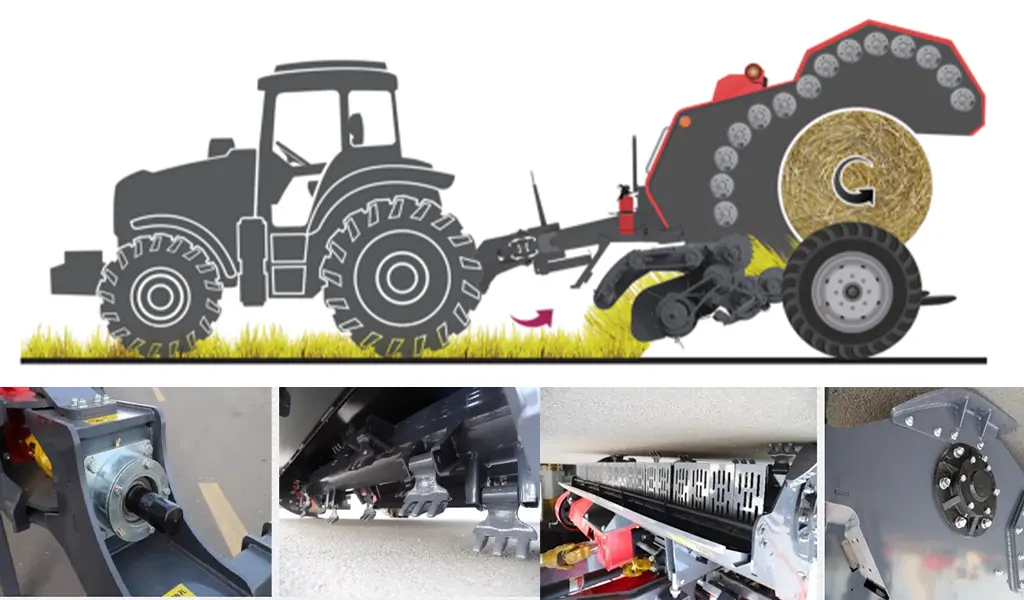
Bei Silageballen ist die Dichte kein Qualitätskriterium, sondern der wichtigste physikalische Mechanismus, der den Sauerstoffausschluss aus dem Balleninneren bewirkt. Dieser Sauerstoffausschluss ist wiederum Voraussetzung für die Milchsäuregärung. Ein Silageballen mit geringer Dichte enthält deutlich mehr Luft im Zwischenraum pro Kubikmeter als ein Ballen mit hoher Dichte. Diese eingeschlossene Luft verlängert die aerobe Atmungsphase nach dem Wickeln, verbraucht die wasserlöslichen Kohlenhydrate, die Milchsäurebakterien für die Gärung benötigen, erhöht die Temperatur im Ballenkern und verzögert den pH-Wert-Abfall, der die Haltbarkeit stabilisiert.
Der Zusammenhang zwischen Dichte und Sauerstoffgehalt ist nicht linear. Untersuchungen zeigen übereinstimmend, dass der Übergang von 150 auf 180 kg/m³ eine überproportional große Verbesserung der Gärqualität bewirkt – mehr als der entsprechende Schritt von 180 auf 210 kg/m³. Daher sollte bei der Dichteoptimierung die oberste Priorität darin bestehen, den Mindestwert von 175 kg/m³ zu erreichen, anstatt den oberen Bereich anzustreben.
Ballendichte und Qualität von Trockenheu: Das Problem des Oberflächen-Volumen-Verhältnisses
Bei trockenem Heu beeinflusst die Ballendichte die Qualität über einen anderen Mechanismus als bei Silage: das Verhältnis von Oberfläche zu Volumen. Ein Ballen mit geringer Dichte hat dieselbe exponierte Oberfläche wie ein Ballen mit hoher Dichte und demselben Durchmesser, enthält aber deutlich weniger Gesamtmasse. Das bedeutet, dass ein größerer Anteil der Gesamtmasse des Ballens in der äußeren Schicht von 50 bis 75 mm liegt – jener Zone, die bei Lagerung im Freien am stärksten von Regen, Tau und UV-Strahlung betroffen ist.
Betrachten wir einen trockenen Heuballen mit 1,25 m Durchmesser. Die äußere 75 mm dicke Schale entspricht volumenmäßig etwa 351 tµm des Gesamtvolumens des Ballens. Bei einer Ballendichte von 140 kg/m³ enthält diese äußere Zone etwa 57 kg Heu. Bei 200 kg/m³ sind es 80 kg. Die Gesamtmasse des Ballens beträgt jedoch 116 kg bzw. 165 kg. Die äußere Zone repräsentiert 491 tµm der Gesamtmasse des Ballens mit geringerer Dichte gegenüber nur 481 tµm des Ballens mit höherer Dichte – prozentual gesehen ein geringfügiger Unterschied. Bei der geringeren Dichte ist die absolute Menge an witterungsgefährdetem Heu jedoch nur deshalb geringer, weil insgesamt weniger Heu im Ballen enthalten ist.
Der praktisch bedeutsamste Effekt einer geringen Ballendichte auf trockenes Heu ist struktureller Natur: Lockere Ballen leiten Wasser nicht effektiv ab. Ein gut geformter, fester Ballen entwickelt ein leicht gerundetes Profil, das Regenwasser seitlich ablenkt; lockere Ballen mit weichen Außenschichten lassen Regenwasser in die Oberfläche eindringen, anstatt es abfließen zu lassen. Feldmessungen des Lagerverlusts von im Freien gelagerten Heuballen zeigen durchweg einen 1,5- bis 2-mal höheren Oberflächenverlust bei Ballen mit geringer Dichte im Vergleich zu Ballen mit hoher Dichte, die unter identischen Bedingungen gelagert und mit demselben Netz abgedeckt wurden.
Ballengewicht nach Ernteart: Referenztabelle für die Feldplanung
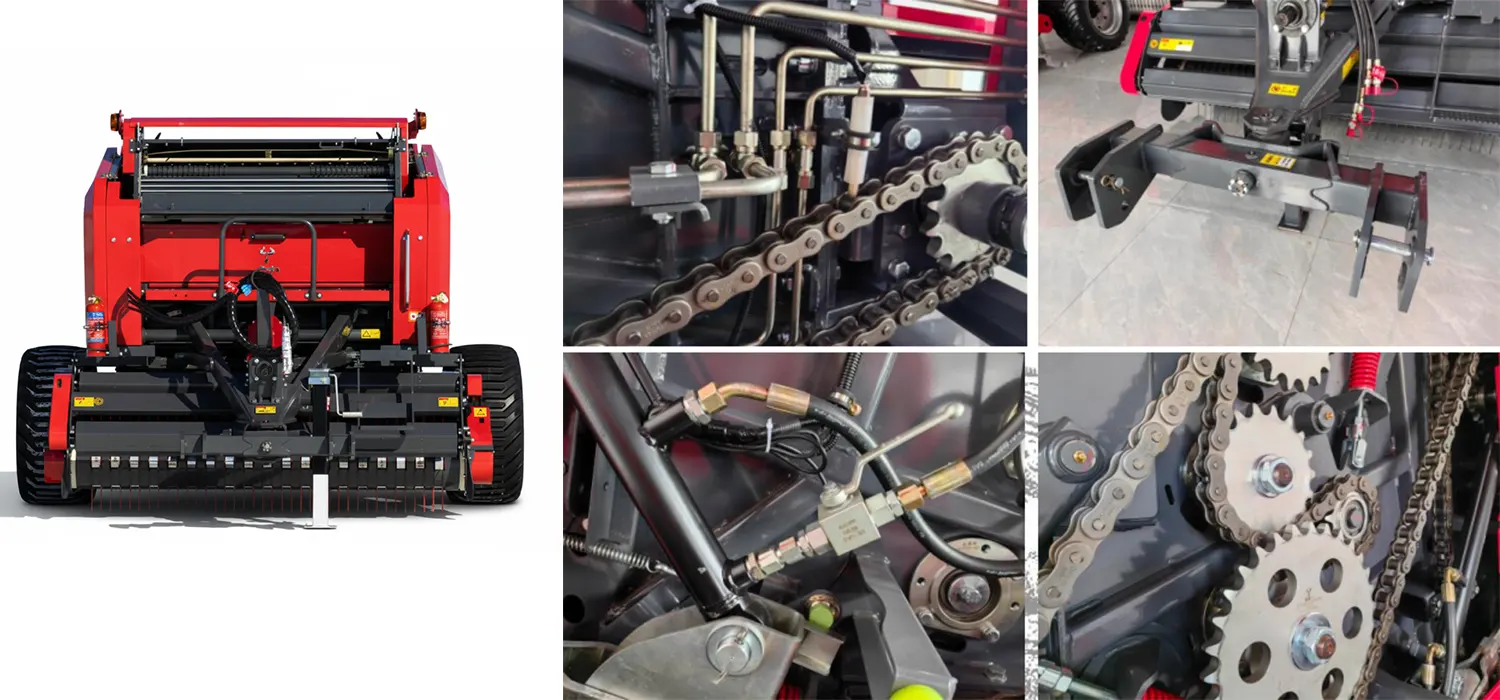
Die folgende Tabelle enthält Referenzballengewichtsbereiche für unsere Rundballenpressen-Aufstellung Die Werte hängen von der Ernteart, dem Ballendurchmesser und dem Feuchtigkeitsgehalt ab. Es handelt sich um im Feld gemessene Bereiche unter normalen Produktionsbedingungen – nicht um Labormaxima. Nutzen Sie diese Werte für die Transportplanung, die Dimensionierung der Lagerfläche und die Budgetierung des Netzfolienverbrauchs.
| Ernte | Feuchtigkeit bei Ballenbildung | Ballen Ø 1,0 m | Ballen Ø 1,25 m | Typische Dichte | Anmerkungen |
|---|---|---|---|---|---|
| Grasheu (trocken) | 12–16% | 130–175 kg | 260–340 kg | 165–220 kg/m³ | Feinstängelige Pflanzen lassen sich dicht lagern; für die Lagerung im Freien sollten 200 kg/m³ angestrebt werden. |
| Luzerneheu (trocken) | 12–18% | 120–165 kg | 240–330 kg | 155–210 kg/m³ | Blattmaterial lässt sich gut komprimieren; Schwankungen im Stammdurchmesser beeinflussen die Dichtegleichmäßigkeit. |
| Grassilage / Heulage | 55–70% | 280–420 kg | 560–830 kg | 350–530 kg/m³ | Hoher Feuchtigkeitsgehalt bestimmt das Gewicht maßgeblich; überprüfen Sie die Hubkraft des Traktors für 1,25 m³ Silageballen. |
| Luzerneheulage | 50–65% | 240–360 kg | 480–720 kg | 300–460 kg/m³ | Geringerer Feuchtigkeitsgehalt als Grassilage, aber hohe Dichte aufgrund des Blattanteils und der feinen Stängel. |
| Weizen-/Haferstroh | 8–14% | 75–110 kg | 150–225 kg | 95–145 kg/m³ | Hohlstängel begrenzen die erreichbare Dichte; die Spannung muss maximiert werden, um für den Transport eine Dichte von über 130 kg/m³ zu erreichen. |
| Maisstängel / -reste | 15–30% | 100–145 kg | 200–290 kg | 125–185 kg/m³ | Grobe Stängel; die Dichte variiert deutlich mit der Schnittlänge und dem Trockenheitsgrad der Stängel |
Die Ballenbreite wird durchgehend mit 1,2 m angenommen. Die Werte entsprechen den Feldversuchsbereichen und nicht den Maximalwerten aus dem Labor. Die Silageballengewichte beziehen sich auf das Frischgewicht bei Pressfeuchte.
Die Ballenpresse auf die gewünschte Dichte einstellen: Die drei wichtigsten Anpassungen
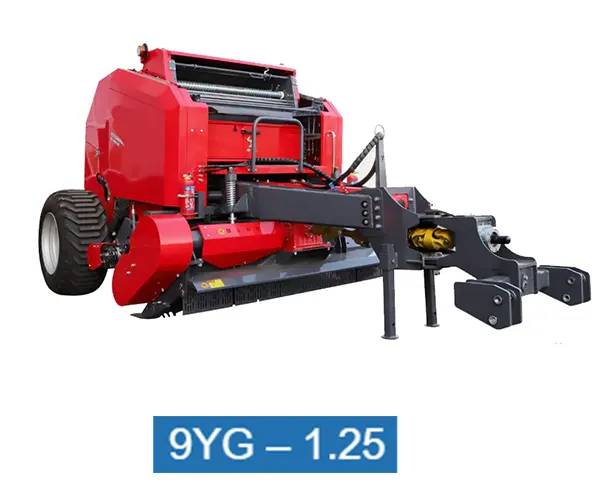
Die meisten Betreiber erreichen ihren RundballenpresseDie „Standard“-Ballendichte sollte in der ersten Saison beibehalten und nicht mehr verändert werden. Die werkseitigen Standardeinstellungen für Spannung und Druck sind konservativ – sie sind darauf ausgelegt, neue Geräte während der Einlaufphase nicht zu überlasten und nicht die Ballendichte während der gesamten Nutzungsdauer zu maximieren. Es gibt drei Einstellmöglichkeiten, die die Ballendichte unabhängig voneinander beeinflussen, jede mit einem eigenen Wirkungsprofil und einer eigenen Einstellmethode:
| Was angepasst werden sollte | Auswirkung auf die Ballendichte | Zieleinstellung / Reichweite | Vorsicht |
|---|---|---|---|
| Riemen-/Kettenspannung | +1 Stufe entspricht etwa +8–15 kg/m³ bei Grasheu. Größter Einfluss einer einzelnen Einstellung auf die Trockenrohdichte. | Bedienungsanleitung: Mittlerer Einstellbereich für Heu; oberer Einstellbereich für Silage. Jeweils eine Stufe verstellen, vor weiteren Einstellungen drei Ballen prüfen. | Zu hohe Spannung beschleunigt den Riemenverschleiß und erhöht die Zapfwellenbelastung. Halten Sie sich an die manuellen Grenzwerte. Ballenpressengetriebe Bei hoher Riemenspannung wird ein höheres, anhaltendes Drehmoment erreicht – Ölstand prüfen. |
| Bodengeschwindigkeit | Eine Geschwindigkeitsreduzierung um 1 km/h erhöht die Heudichte um etwa 5–10 kg/m³. Der Effekt ist bei höheren Geschwindigkeiten stärker. | 5–7 km/h für maximale Dichte; 8–10 km/h für maximalen Durchsatz. Wählen Sie anhand Ihres Wetterfensters bzw. Ihrer Qualitätspriorität. | Eine Reduzierung der Geschwindigkeit unter 5 km/h in dichten Schwaden führt nur zu minimalem zusätzlichem Dichtegewinn, verringert aber die Tagesleistung erheblich. Unterhalb von 6 km/h ist bei den meisten Ballenpressen kein weiterer Nutzen mehr zu erwarten. |
| Hydraulischer Aufnahmedruck | Beeinflusst die Gleichmäßigkeit des Ernteguts beim Eintritt in die Kammer, nicht die direkte Kompression. Gleichmäßige Zufuhr = gleichmäßige Dichteverteilung über den gesamten Ballenquerschnitt. | Schwimmerposition für normale Bedingungen; etwas niedrigere Schwimmerhöhe bei sehr lockeren, dünnen Schwaden zur Verbesserung der Aufnahme. | Wird die Pickup-Maschine bei leichten Schwaden zu aggressiv eingesetzt, kommt es zu Kontakt zwischen Zinken und Stoppeln sowie zu Erdeinschlüssen – was das scheinbare Ballengewicht erhöht, ohne die Futterdichte tatsächlich zu steigern. |
Änderungen der Riemenspannung müssen stets durch 3 bis 5 Testballen überprüft werden, bevor der Betrieb im Produktionsbetrieb aufgenommen wird. Falls vorhanden, sollten die Testballen auf einer Viehwaage gewogen werden, um die Dichteänderung mit der obenstehenden Referenztabelle abzugleichen.
Transportkosten: Warum dichtere Ballen Ihr jährliches Transportbudget reduzieren

Das finanzielle Argument für eine maximale Ballendichte wird am deutlichsten beim Transport sichtbar – insbesondere bei der Anzahl der Fahrten, die erforderlich sind, um die gleiche Gesamtmenge Heu vom Feld zum Lager oder Verkauf zu transportieren. Dichter gepresste Ballen enthalten mehr Masse pro Ballen, was bedeutet, dass weniger Ballen pro Produktionseinheit benötigt werden, und weniger Ballen bedeuten weniger Fahrten.
Das Beispiel verwendet Ballen mit 1,25 m Durchmesser und 1,2 m Breite bei üblichen Produktionsdichten. Die geschätzten Transportkosten basieren auf dem üblichen Lohntransportpreis für Kurzstreckentransporte innerhalb der Landwirtschaft. Die tatsächlichen Einsparungen hängen von der Betriebsgröße und der Transportdistanz ab.
Für Transportvorgänge mit verpackten Gütern Rundballen Bei Silage ist die Gewichtsbeschränkung pro Fahrt noch bedeutsamer, da Silageballen jeweils fast oder sogar mehr als 600 kg wiegen – und die Nutzlastkapazität des Transporters, nicht nur die Ballenanzahl, die Effizienz der Fahrt bestimmt. Rundballenlader und -transporter Die Modelle in unserem Sortiment sind für bestimmte maximale Ballengewichte ausgelegt – es ist genauso wichtig wie die Dichteoptimierung selbst, sicherzustellen, dass die Maschine für die durch Ihre Dichteeinstellungen erzeugten Ballengewichte korrekt spezifiziert ist.
Häufig gestellte Fragen zur Ballendichte
Lassen Sie sich zur Dichteoptimierung für Ihren Betrieb beraten.
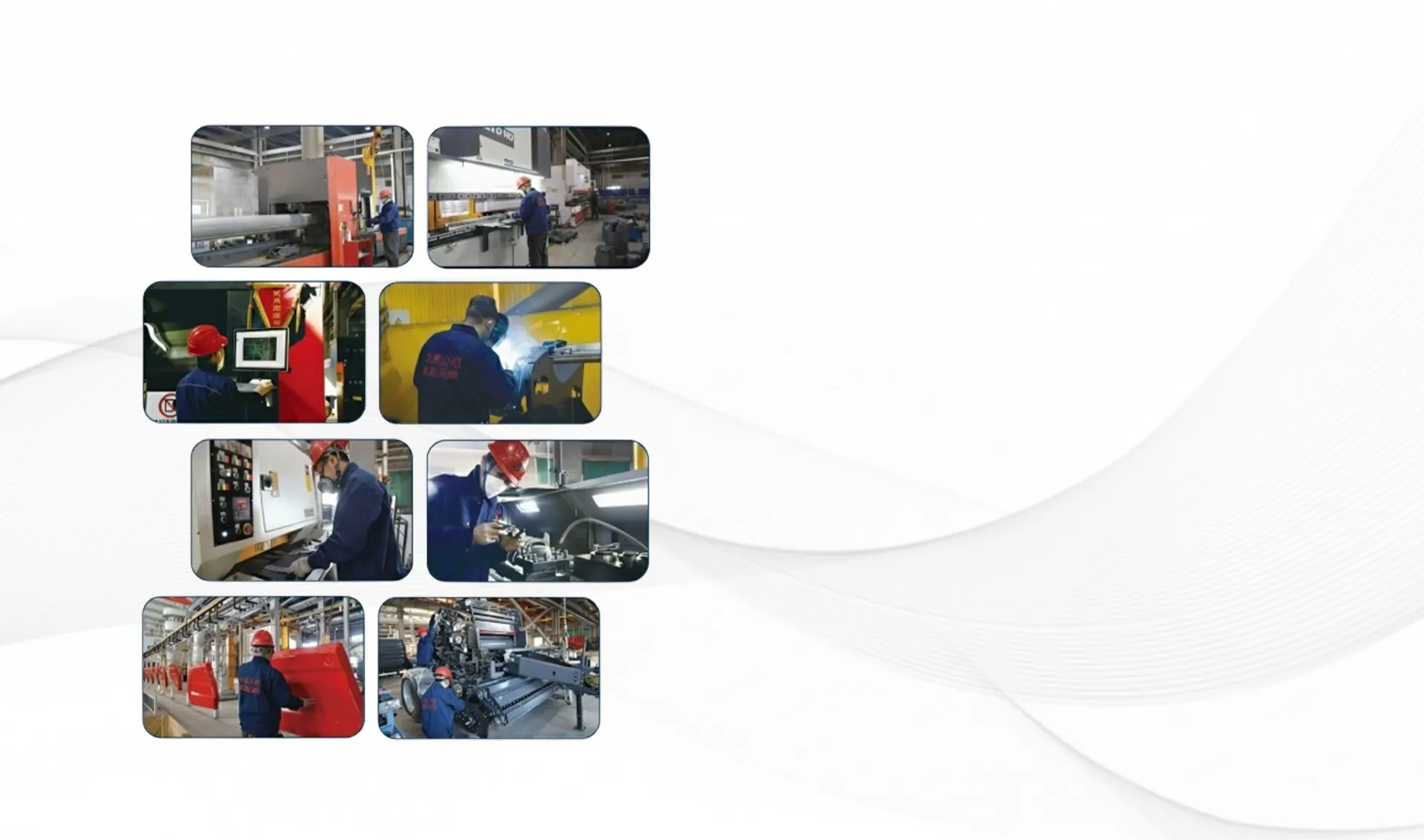
Unterstützung bei der Einrichtung und Konfiguration von Ballenpressen
Nennen Sie uns Ihre Ernte, die gewünschte Ballengröße und den Verwendungszweck – wir empfehlen Ihnen die optimale Packungsdichte und das passende Setup.
Unser Team in Kalifornien berät Sie zu Riemenspannungseinstellungen, Fahrgeschwindigkeiten und dem passenden Ballenpressenmodell für Ihre gewünschte Pressdichte und Ihr Anbauprogramm. Wenn Sie neue Geräte kaufen, prüfen wir, ob das von Ihnen gewählte Modell die gewünschte Pressdichte bei der erwarteten Erntegutfeuchtigkeit und -menge erreicht.
America Ever-Power Forage Baler Equipment INC. | 1401 21st ST STE R, Sacramento, CA 95811
Herausgeber: Cxm


