
Chiedete a cento produttori di fieno quale densità di balle si prefiggono di raggiungere e la maggior parte risponderà in uno di questi due modi: o con un vago "Cerco di renderle il più dense possibile", oppure con un valore specifico basato sui risultati ottenuti con le attrezzature precedenti. Pochissimi indicheranno un valore target in kg/m³ derivato dalla specifica coltura, dall'utilizzo finale e dalle condizioni di stoccaggio. È proprio in questo divario – tra operare a tentoni e operare secondo uno standard misurabile – che si originano la maggior parte delle perdite di qualità del foraggio e delle inefficienze nel trasporto, che potrebbero essere evitate. Questa guida illustra la misurazione, le variabili che la influenzano e le conseguenze a valle che si verificano quando la densità delle balle è troppo bassa o troppo alta per l'applicazione.
Cosa misura realmente la "densità delle balle" e perché varia più di quanto la maggior parte degli operatori si renda conto.
balle rotonde La densità è una semplice misura derivata: massa per unità di volume, espressa in chilogrammi per metro cubo (kg/m³). Per una balla rotonda standard:
Lo stesso balla tonda La geometria della pressa può produrre densità molto diverse a seconda del contenuto. Una balla di fieno di erba di 1,25 m di diametro con un'umidità di 14% potrebbe pesare da 280 a 340 kg a seconda delle impostazioni di tensione e della velocità di avanzamento. La stessa balla di fieno di erba medica con un'umidità di 55% potrebbe pesare da 450 a 560 kg. Comprendere la densità della balla inizia con il riconoscere che si sta misurando la densità del materiale di coltivazione all'interno della balla, non una proprietà fissa della pressa stessa.
Le quattro variabili che controllano la densità delle balle e la direzione del loro effetto
Come la densità delle balle influisce sulla fermentazione dell'insilato: il problema dell'intrappolamento dell'ossigeno
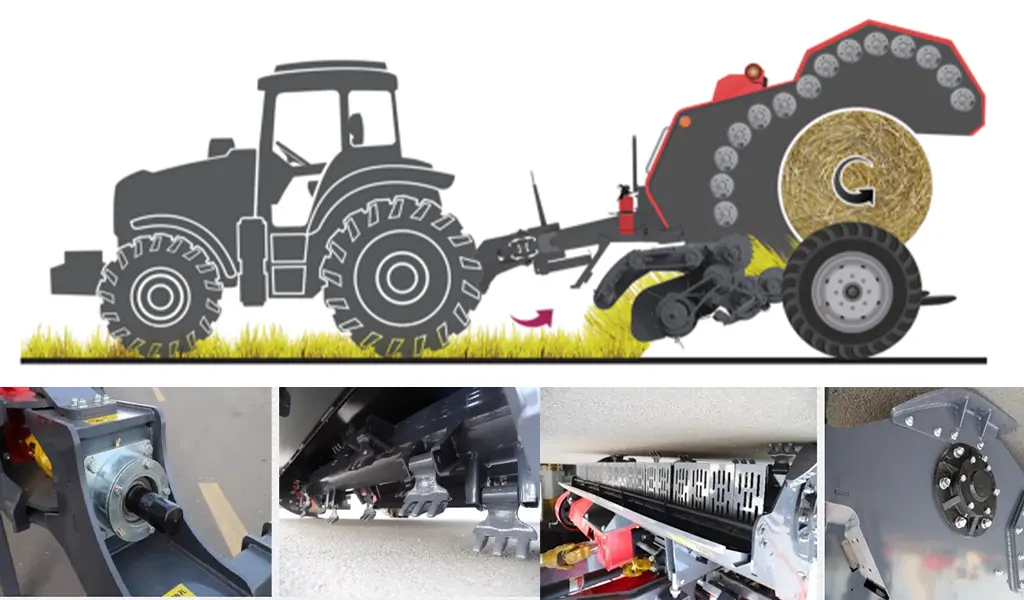
Per le balle di insilato, la densità non è una preferenza qualitativa, bensì il principale meccanismo fisico con cui l'ossigeno viene escluso dall'interno della balla, e l'esclusione dell'ossigeno è il prerequisito per la fermentazione lattica. Una balla di insilato a bassa densità trattiene una quantità di aria interstiziale per metro cubo sostanzialmente maggiore rispetto a una balla ad alta densità. Quest'aria intrappolata prolunga la fase di respirazione aerobica dopo l'avvolgimento, consumando i carboidrati idrosolubili necessari ai batteri lattici per avviare la fermentazione, innalzando la temperatura nel nucleo della balla e ritardando il calo del pH che stabilizza la conservazione.
La relazione tra densità e ossigeno non è lineare. La ricerca dimostra costantemente che il passaggio da 150 a 180 kg/m³ produce un miglioramento sproporzionatamente grande nella qualità della fermentazione, maggiore rispetto al passaggio equivalente da 180 a 210 kg/m³. Ciò significa che la priorità nella gestione della densità dovrebbe essere raggiungere il valore minimo di 175 kg/m³, non inseguire il limite superiore dell'intervallo.
Densità delle balle e qualità del fieno essiccato: il problema del rapporto superficie-volume
Nel caso del fieno secco, la densità della balla influisce sulla qualità attraverso un meccanismo diverso rispetto all'insilato: il rapporto superficie-volume della balla. Una balla a bassa densità ha la stessa superficie esposta di una balla ad alta densità dello stesso diametro, ma contiene una massa totale significativamente inferiore. Ciò significa che una maggiore proporzione della massa totale della balla si trova nello strato esterno di 50-75 mm, la zona più soggetta a pioggia, penetrazione della rugiada e degradazione UV durante lo stoccaggio all'aperto.
Consideriamo una balla di fieno secco di 1,25 m di diametro. Lo strato esterno di 75 mm di spessore rappresenta, in termini di volume, circa 351 TP5T del volume totale della balla. Con una densità della balla di 140 kg/m³, questa zona esterna contiene circa 57 kg di fieno. Con una densità di 200 kg/m³, ne contiene 80 kg. Tuttavia, la massa totale della balla è rispettivamente di 116 kg e 165 kg. La zona esterna rappresenta 491 TP5T della massa totale della balla a bassa densità, contro solo 481 TP5T della balla ad alta densità: una differenza marginale in termini percentuali, ma a bassa densità la quantità assoluta di fieno a rischio di danni atmosferici è inferiore semplicemente perché c'è meno fieno in totale nella balla.
L'effetto più significativo, dal punto di vista pratico, della bassa densità delle balle sul fieno secco è di natura strutturale: le balle non compatte non disperdono l'acqua in modo efficace. Una balla ben formata e compatta sviluppa un profilo superiore leggermente arrotondato che devia la pioggia lateralmente; le balle non compatte, con strati esterni morbidi, permettono alla pioggia di penetrare nella superficie della balla anziché defluire. Le misurazioni sul campo delle perdite di prodotto durante lo stoccaggio all'aperto mostrano costantemente un deterioramento superficiale da 1,5 a 2 volte maggiore nelle balle a bassa densità rispetto alle balle ad alta densità, conservate in condizioni identiche e coperte con la stessa rete protettiva.
Peso delle balle per tipologia di coltura: tabella di riferimento per la pianificazione in campo
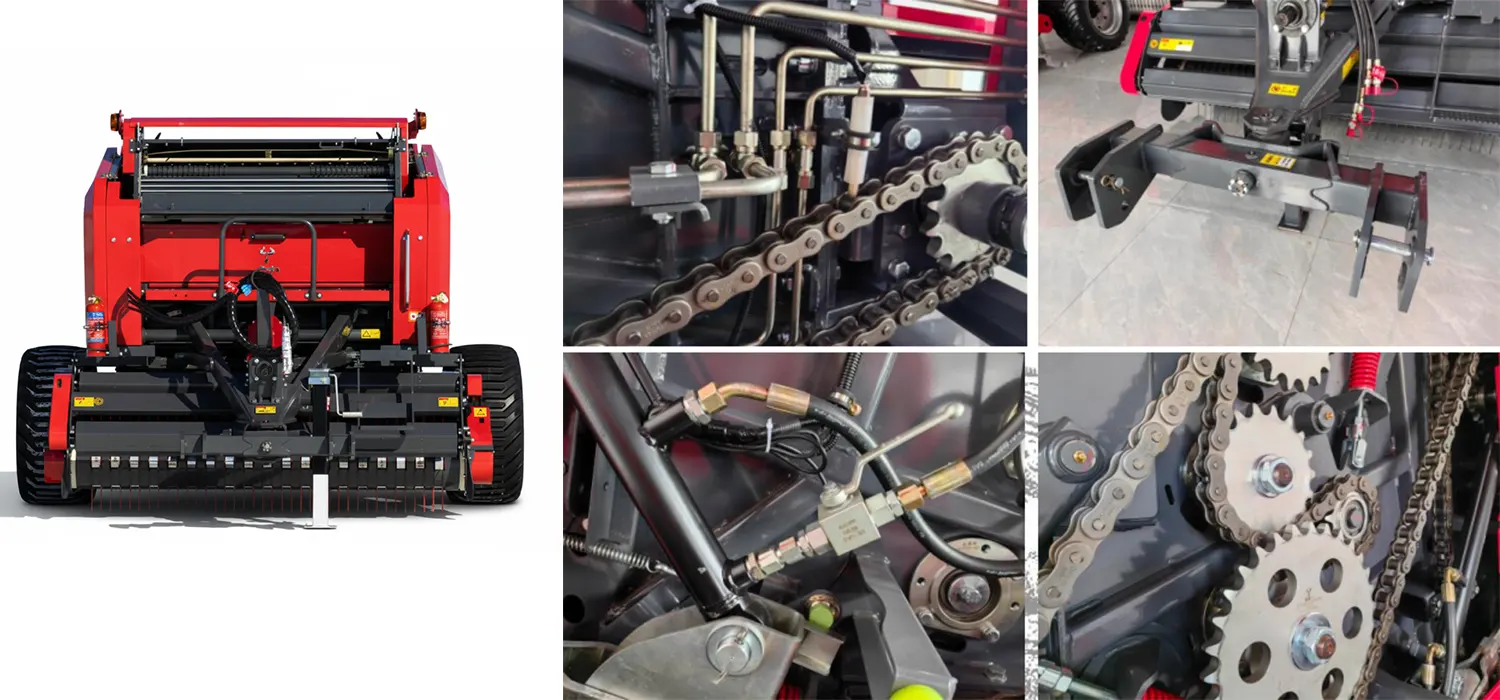
La tabella seguente fornisce intervalli di peso di riferimento per le balle per il nostro linea di presse rotopresse in base al tipo di coltura, al diametro della balla e al livello di umidità. Si tratta di intervalli misurati sul campo in condizioni di produzione normali, non di valori massimi di laboratorio. Utilizzare questi dati per la pianificazione del carico utile per il trasporto, il dimensionamento delle piazzole di stoccaggio e la stima del consumo di teli per imballaggio.
| Raccolto | Umidità a Baling | Balla Ø 1,0 m | Balla Ø 1,25 m | Densità tipica | Note |
|---|---|---|---|---|---|
| Fieno d'erba (secco) | 12–16% | 130–175 kg | 260–340 kg | 165–220 kg/m³ | Le colture a stelo sottile si impacchettano in modo compatto; densità target 200 kg/m³ per lo stoccaggio all'aperto |
| Fieno di erba medica (secco) | 12–18% | 120–165 kg | 240–330 kg | 155–210 kg/m³ | Il materiale fogliare si comprime bene; la variazione del diametro del fusto influisce sulla consistenza della densità. |
| insilato d'erba / fieno insilato | 55–70% | 280–420 kg | 560–830 kg | 350–530 kg/m³ | L'elevato contenuto di umidità incide notevolmente sul peso; verificare la capacità di sollevamento del trattore per balle di insilato da 1,25 m. |
| fieno di erba medica | 50–65% | 240–360 kg | 480–720 kg | 300–460 kg/m³ | Contenuto di umidità inferiore rispetto all'insilato d'erba, ma elevata densità grazie alla frazione fogliare e agli steli sottili. |
| paglia di grano/avena | 8–14% | 75–110 kg | 150–225 kg | 95–145 kg/m³ | Gli steli cavi limitano la densità raggiungibile; massimizzare la tensione per raggiungere oltre 130 kg/m³ per il trasporto |
| Steli/residui di mais | 15–30% | 100–145 kg | 200–290 kg | 125–185 kg/m³ | Steli robusti; la densità varia significativamente in base alla lunghezza del taglio e al grado di secchezza del gambo. |
La larghezza della balla è considerata pari a 1,2 m in tutte le sue parti. I valori riportati si riferiscono agli intervalli di produzione in campo, non ai valori massimi di laboratorio. Il peso delle balle di insilato si riferisce al peso fresco al momento della pressatura.
Regolazione della pressa per ottenere la densità desiderata: le tre regolazioni fondamentali
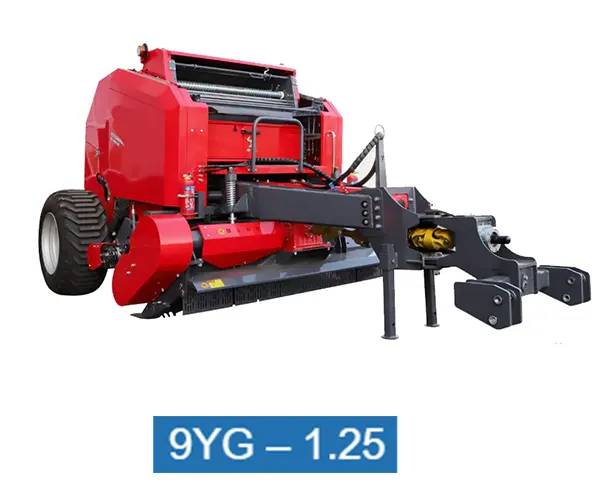
La maggior parte degli operatori raggiunge il loro rotopressaLa densità "predefinita" viene impostata nella prima stagione e non va più modificata. Le impostazioni predefinite di tensione e pressione di fabbrica sono conservative, calibrate per evitare di sovraccaricare le nuove attrezzature durante il rodaggio, non per massimizzare la densità durante l'intero ciclo di vita commerciale. Esistono tre regolazioni che influenzano indipendentemente la densità delle balle, ognuna con un profilo di impatto e un metodo di regolazione distinti:
| Cosa regolare | Effetto sulla densità delle balle | Impostazione del bersaglio / Intervallo | Attenzione |
|---|---|---|---|
| Tensione della cinghia/catena | +1 tacca = circa +8–15 kg/m³ sul fieno di erba. Massimo impatto della singola regolazione sulla densità secca. | Manuale d'uso: gamma media per fieno; gamma superiore per insilato. Regolare di 1 tacca alla volta, controllare 3 balle prima di procedere con ulteriori regolazioni. | Una tensione eccessiva accelera l'usura della cinghia e aumenta il carico sulla presa di forza. Rimanere entro i limiti manuali. La trasmissione cambio della pressa sperimenta una coppia sostenuta più elevata ad alta tensione della cinghia: assicurarsi che il livello dell'olio sia aggiornato. |
| Velocità al suolo | Ridurre la velocità di 1 km/h aggiunge circa 5-10 kg/m³ a una densità di fieno normale. L'effetto è maggiore a velocità più elevate. | 5–7 km/h per la massima densità; 8–10 km/h per la massima produttività. Scegliere in base alle condizioni meteorologiche e alla priorità di qualità. | Ridurre la velocità al di sotto dei 5 km/h in andane dense produce un aumento minimo della densità, riducendo al contempo in modo significativo la produzione giornaliera. Al di sotto dei 6 km/h, sulla maggior parte delle presse, i benefici diminuiscono. |
| Pressione di prelievo idraulico | Influisce sull'uniformità del raccolto all'ingresso della camera, non sulla compressione diretta. Alimentazione costante = distribuzione uniforme della densità lungo la sezione trasversale della balla. | Posizione del galleggiante per condizioni normali; altezza del galleggiante leggermente inferiore per andane sottili e molto soffici per migliorare l'aggancio del raccoglitore. | Utilizzare il raccoglitore in modo troppo aggressivo su andane leggere provoca il contatto tra i denti e le stoppie e l'inclusione del terreno, il che aumenta il peso apparente della balla senza aumentare realmente la densità del foraggio. |
Prima di procedere alla produzione a pieno regime, è sempre necessario effettuare da 3 a 5 prove di tensione del nastro trasportatore per modificare la tensione della cinghia. Se disponibile, pesare le prove su una bilancia per animali per verificare la variazione di densità rispetto alla tabella di riferimento sopra riportata.
Costi di trasporto: perché le balle più dense riducono il budget annuale per il trasporto.

La convenienza economica di massimizzare la densità delle balle è immediatamente evidente nel trasporto, in particolare nel numero di viaggi necessari per spostare la stessa massa totale di fieno dal campo al deposito o al punto vendita. Le balle più dense contengono più massa per balla, il che significa che sono necessarie meno balle per unità di produzione e, di conseguenza, meno balle significano meno viaggi.
L'esempio utilizza balle di 1,25 m di diametro e 1,2 m di larghezza, con densità di produzione standard. La stima del costo del viaggio si basa su una tariffa di trasporto personalizzata tipica per il trasporto agricolo a breve distanza. Il risparmio effettivo varia in base alle dimensioni dell'azienda e alla distanza di trasporto.
Per operazioni di trasporto di imballaggi balla tonda Per l'insilato, il vincolo del peso per viaggio è ancora più significativo perché il peso delle balle di insilato si avvicina o supera i 600 kg ciascuna, e la capacità di carico del trasportatore, non solo il numero di balle, determina l'efficienza del viaggio. caricatore e trasportatore di balle rotonde I modelli della nostra gamma sono classificati per specifici pesi massimi delle balle: assicurarsi che la macchina sia configurata correttamente per i pesi delle balle prodotti dalle impostazioni di densità è importante quanto l'ottimizzazione della densità stessa.
Domande frequenti sulla densità delle balle
Richiedi una consulenza per l'ottimizzazione della densità della tua attività
Supporto per l'installazione e la configurazione della pressa imballatrice.
Comunicaci il tipo di coltura, la dimensione delle balle e l'utilizzo finale: ti consiglieremo la densità e la configurazione ottimali.
Il nostro team con sede in California offre consulenza sulle impostazioni della tensione delle cinghie, sugli intervalli di velocità di avanzamento e sul modello di pressa più adatto alla densità desiderata e al programma di coltivazione. Se state acquistando nuove attrezzature, verifichiamo che il modello che state considerando sia in grado di raggiungere la densità desiderata con l'umidità e il volume di raccolto previsti.
America Ever-Power Forage Baler Equipment INC. | 1401 21st ST STE R, Sacramento, CA 95811
Redattore: Cxm


