
Kidney bean pulling timing is the most consequential field decision in the two-stage mechanical harvest program. Pull too early — before pods have reached adequate maturity — and the threshed grain sample will contain immature seeds that fail elevator grading specifications. Pull too late — after pods have dried past the shatter threshold — and yield losses accumulate at the rate of one to three percent of total harvest per day under dry, windy conditions. The difference between the two endpoints is often less than one week. Systematic field scouting, not calendar date, is the only reliable way to identify and capture that window.
The Physiological Sequence: What Is Happening Inside the Pod Before You Pull
Understanding the physiological sequence of bean maturation provides the framework for interpreting field observations accurately. After the bean seed reaches physiological maturity — the point at which seed dry weight is maximum and the seed is no longer adding dry matter from the plant — the pod transitions through a rapid desiccation phase. The green chlorophyll in the pod walls breaks down, producing the yellowing and browning color change that is the grower’s primary visual harvest indicator.
Simultaneously, the pod walls lose water rapidly during desiccation. As the pod moisture drops from 60 to 70% at green maturity through the 30 to 40% range (which corresponds to the optimal pulling window) toward the 10 to 15% range (where the dried pod becomes brittle), the suture — the seam along which the pod splits — becomes progressively weaker relative to the mechanical stress of wind movement, vibration from the pulling machine, and physical contact during the windrow formation and curing phases.
The pulling machine itself does not cause shatter directly — properly timed pulling on a well-adjusted puller has minimal impact on pods at optimal moisture. What causes shatter is the disturbance energy transferred to pods that have already desiccated past the structural integrity threshold. This is why the dry, windy weather that accelerates desiccation in late August and September is the primary shatter risk factor: it compresses the window between optimal pull and over-dry conditions from a week to three to four days.
The 4-Stage Bean Maturity Scouting Scorecard
The following scorecard provides a standardized field assessment framework that can be used in any U.S. dry bean growing region. Walk a minimum of 10 separate locations across the field (not just the field edge) and assess each indicator. The majority of locations should agree on a single stage before committing to a pull decision.
Pod Moisture Targets and Field Measurement
The target pod moisture at pulling for dark red kidney beans and other large-seeded dry bean classes is approximately 25 to 40% as measured in the pod walls. At this range, pods are pliable enough to resist shatter disturbance while dry enough that the 3 to 7-day field curing period in the windrow will bring pod moisture to the 12 to 18% range required for clean threshing. Pulling at moisture above 40% extends the curing period and can leave the windrow exposed to rain damage during a longer drying window. Pulling at moisture below 20% means the suture is already under stress and shatter losses are beginning.
Pod moisture can be estimated in the field using a small portable grain moisture meter with the pods cut open and the meter probe inserted directly into pod tissue — most meters designed for small grain can be adapted for this measurement. An alternative field check is the bend test: a pod at optimal moisture bends without cracking when slowly folded; a pod at late-stage moisture cracks or shatters when bent. The bend test is not as precise as a moisture reading but requires no equipment and can be applied to every field walk.
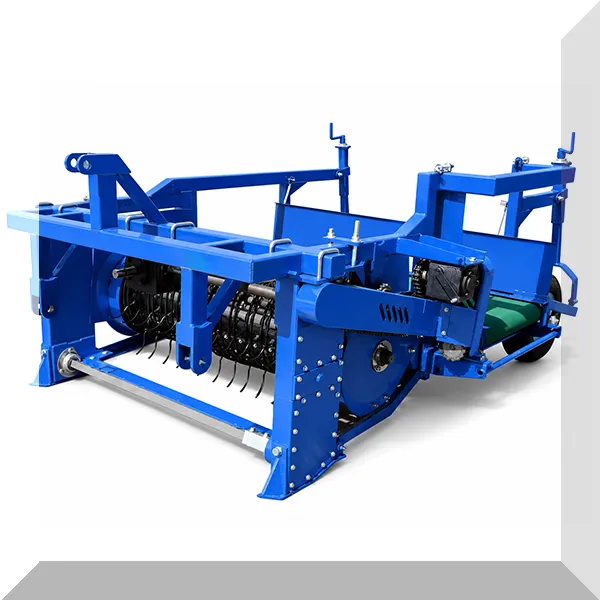
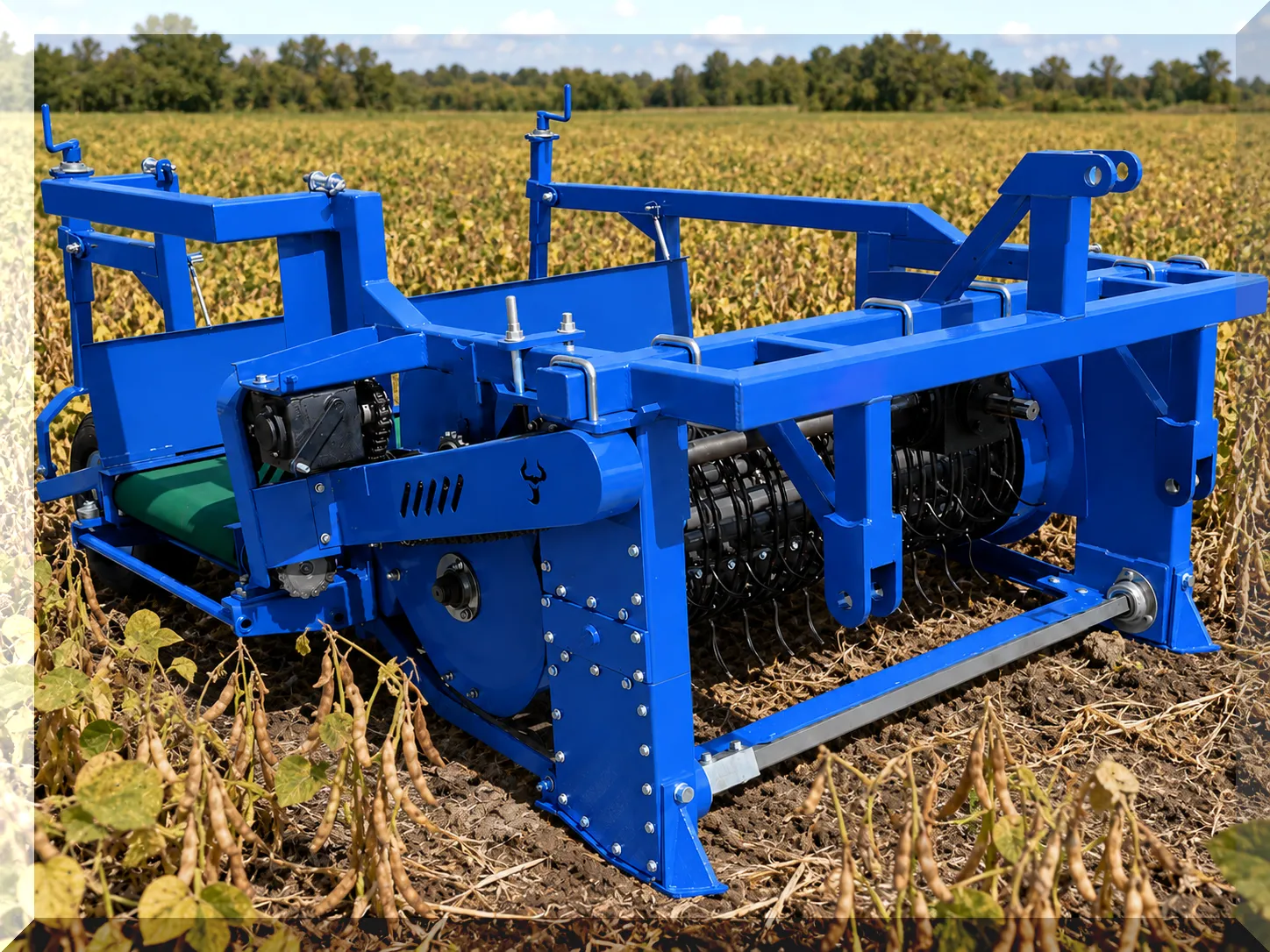
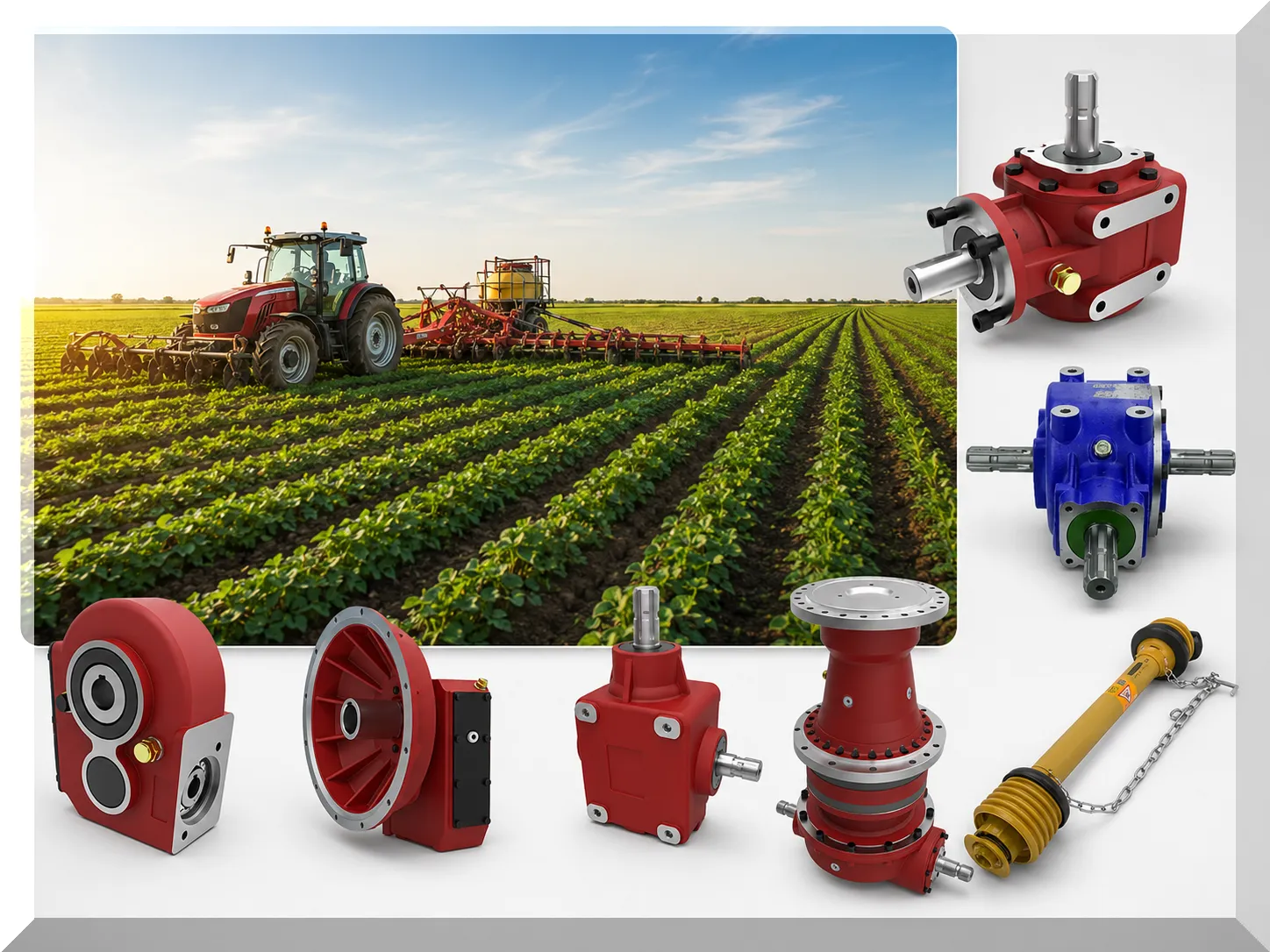
Notre guide de récolte mécanique des haricots rouges covers the complete two-stage pull-and-thresh sequence, including optimal curing window management after pulling. The 4BYH-1.3 2-row kidney bean puller is designed to operate at the 3 to 5 km/h speeds optimal for late-stage pulling when shatter risk is elevated. The composants de transmission et de boîte de vitesses de prise de force agricole on the puller’s share drive are built for the sustained slow-speed torque load that careful, low-shatter pulling demands when timing is tight.
Regional Timing Calendars: When to Expect the Pull Window
The following calendar dates represent typical pulling windows based on standard planting dates and normal accumulated growing degree days (GDD base 50°F) in each region. Actual dates shift by 7 to 14 days with early or late planting, above-average or below-average growing season temperatures, and extreme rainfall or drought events that alter maturation rates. These are planning anchors — scouting observations supersede calendar dates in all pull timing decisions.
| Région | Primary Bean Class | Typical Pull Window | Average First Frost (32°F) | Key Regional Risk Factor |
|---|---|---|---|---|
| Michigan Thumb (Huron, Sanilac, Tuscola counties) | Dark Red Kidney | Late August – mid-September | Oct 1–10 | Hot, dry August winds can compress the window to 3–5 days; scout daily after 80% color change |
| Red River Valley (ND, MN border region) | Navy; Pinto; Black | Early – mid-September | Sept 20–30 | Early frost is the binding constraint; do not wait past 85% color change if frost forecast is within 7 days |
| Southern Idaho / Snake River Plain | Pinto; Great Northern | Mid – late September | Sept 25 – Oct 5 | Low humidity accelerates desiccation once color change begins; daily scouting mandatory after late August |
| Central Nebraska / Southwest Kansas | Pinto; Black | Late August – early September | Oct 5–15 | Heat and low humidity; risk of window shortening to 3–4 days in early September heat events |
Shatter Loss Triggers: The Factors That Compress the Pull Window
Three environmental factors trigger or accelerate shatter losses and compress the effective pull window:
Wind events. Sustained winds above 15 mph (24 km/h) acting on over-dried bean plants generate enough mechanical vibration in the standing or windrow crop to trigger pod splitting along the suture. A single overnight wind event in an over-dry bean field can cause 2 to 5% additional seed loss before the puller enters the next morning. Early morning pulling — before mid-afternoon wind speeds peak — is standard operating practice in wind-prone growing regions when the crop is approaching or past optimal pull timing.
Rapid humidity drop / heat events. Late-season heat events (temperatures above 32°C / 90°F) combined with low relative humidity (below 40%) can drive pod moisture from 25% to below 15% in 48 to 72 hours. These events are weather-forecast-visible 4 to 6 days in advance. If a forecast shows a heat-and-dry event arriving when your stand is at Stage 2 (optimal pull) or approaching Stage 3, pulling before the event arrives is the correct response — the curing period in the windrow can handle slightly higher pod moisture at pulling better than the alternative of a shatter event in the standing crop.
Overnight dew-dry cycles. In humid regions like Michigan, repeated overnight dew absorption and daytime drying cycles weaken pod sutures through repetitive swelling-and-shrinkage stress. This cumulative mechanical fatigue effect is one reason why late-pulled Michigan DRK beans can shatter badly even on calm days — the sutures have been mechanically stressed through multiple moisture cycles even if the current pod moisture reading appears adequate.
Foire aux questions
Get the Right Puller Configured Before Your Harvest Window Arrives
Our U.S. team confirms row count, row spacing compatibility, and tractor HP against your operation before any puller ships from our California warehouse. Delivery timing can be coordinated to arrive before your regional pull window.
Éditeur : Cxm


