
घोड़े और खुदरा घास के बाजारों में छोटे चौकोर गट्ठे क्यों हावी हैं?
गोल गांठों को संभालने का जो लाभ मिलता है, वह किसी और में नहीं मिल सकता।
300-600 किलोग्राम के गोल गठ्ठे को उठाने के लिए फ्रंट-एंड लोडर की आवश्यकता होती है। वहीं, 15-40 किलोग्राम के छोटे चौकोर गठ्ठे को एक व्यक्ति उठा सकता है, कम छत वाले खलिहान में हाथ से ढेर लगा सकता है, बिना किसी सहायता के पिकअप ट्रक पर लाद सकता है और तीन घोड़ों को खिला सकता है, जिससे दैनिक आवश्यकता से अधिक बर्बादी नहीं होती। ये मामूली सुविधाएँ नहीं हैं - यही मुख्य कारण है कि छोटे चौकोर गठ्ठे उन बाजारों में अधिक कीमत पर बिकते हैं जहाँ गोल गठ्ठे बिल्कुल भी नहीं बिकते।
घोड़ों के लिए छोटे चौकोर गठ्ठे सामान रखने वाले कमरों में आसानी से फिट हो जाते हैं, दैनिक राशन पर सटीक नियंत्रण रखते हैं और ग्राहकों की अपेक्षा के अनुरूप आकार में उपलब्ध होते हैं। फार्म स्टैंड और पशु आहार की दुकानों के लिए, छोटे चौकोर गठ्ठे ही वह खुदरा उत्पाद हैं जिन्हें ग्राहक अपनी कार में लेकर चलते हैं। 5-30 पशुओं वाले छोटे पशुपालन केंद्रों के लिए, 20-30 किलोग्राम का एक गठ्ठा 3-5 दिनों की खपत के लिए पर्याप्त होता है, और बड़े गोल गठ्ठे को छोटे समूह के लिए खोलने से होने वाली बर्बादी से भी बचाता है।
वे बाजार जिन्हें छोटे वर्गाकार प्रारूप की आवश्यकता होती है
घोड़ों के रहने के लिए अस्तबल, घुड़सवारी स्कूल और घोड़े के मालिक छोटे चौकोर भूसे के सबसे बड़े खरीदार हैं। भूसे की गांठ का वजन और कम धूल की मात्रा खरीद के मुख्य मापदंड हैं।
पशु आहार की दुकानों, बागवानी केंद्रों और फार्म स्टैंडों पर छोटे चौकोर गठ्ठों की बिक्री होती है, जिन्हें ग्राहक हाथ से उठाकर ले जाते हैं। गोल गठ्ठों के कारण यह बाजार पूरी तरह से लुप्त हो गया है।
कद्दू के खेत, मक्के की भूलभुलैया और शरद ऋतु के उत्सव प्रत्येक मौसम में हजारों छोटे चौकोर भूसे के गट्ठों का उपयोग करते हैं - यह शरद ऋतु में राजस्व का एक आवर्ती स्रोत है जो गोल गट्ठों के रूप में उपलब्ध नहीं है।
बकरी, भेड़ और घरेलू पशुपालन के लिए 3-7 दिनों की खपत के अनुसार तैयार किए गए गठ्ठों से चारा खिलाना सबसे कारगर होता है। छोटे वर्गाकार प्रारूप से हर बार चारा खिलाने में बर्बादी कम होती है।
छोटे स्क्वायर बेलर के प्रत्येक खरीदार को तीन मुख्य विशिष्टताओं को समझना आवश्यक है
हर छोटे वर्गाकार बेलर की खरीद तीन बातों पर निर्भर करती है: पिकअप चौड़ाई, आवश्यक बिजली और प्रसंस्करण प्रणाली। यदि ये तीनों सही हों, तो बाकी विशिष्टताएँ अपने आप तय हो जाती हैं।
| विनिर्देश | 9YF सीरीज में रेंज | यह क्या निर्धारित करता है |
|---|---|---|
| पिकअप चौड़ाई | 1,700 – 2,200 मिमी | प्रति एकड़ पास, विंडरो हैंडलिंग, प्रति घंटे फील्ड दक्षता |
| पीटीओ पावर न्यूनतम | 40HP – 99HP | कौन से ट्रैक्टर सही जोड़ी बनाते हैं; परिचालन शक्ति भंडार |
| प्रसंस्करण प्रणाली | कोई नहीं / सिंगल श्रेडर / डुअल + फैन | फसल की श्रेणी, गांठों का घनत्व, धूल की मात्रा, बाजार की उपयुक्तता |
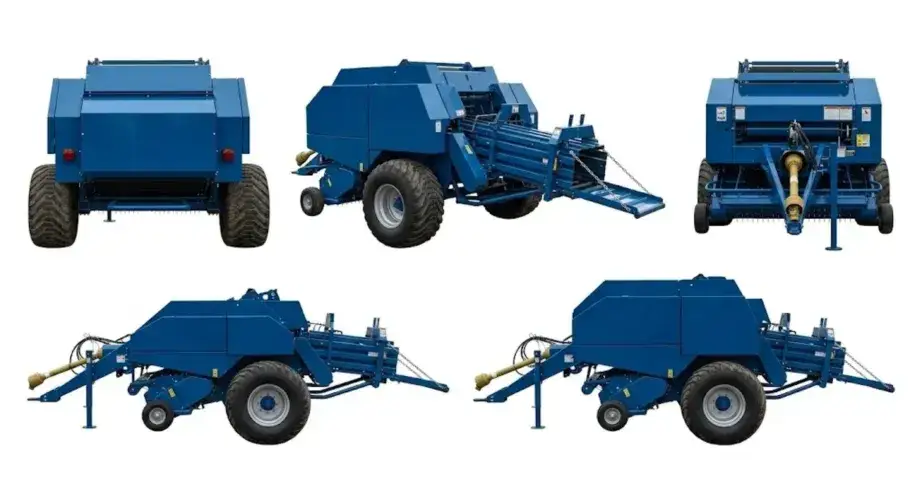
पिकअप की चौड़ाई का गाइड: 1,700 मिमी बनाम 1,900 मिमी बनाम 2,200 मिमी
1,700 मिमी — छोटे ट्रैक्टरों और तंग रास्तों के लिए सुविधाजनक प्रवेश द्वार
The 9YF-1700 1,750 किलोग्राम वजन और 2,500 मिमी चौड़ाई के साथ यह सबसे हल्का और सबसे संकरा मॉडल है। 40HP पीटीओ न्यूनतम इस श्रृंखला में सबसे कम है - यह 45-55HP इंजन वर्ग के कॉम्पैक्ट यूटिलिटी ट्रैक्टरों के लिए वास्तव में उपयुक्त एकमात्र मॉडल है। 2,500 मिमी की कुल चौड़ाई के साथ, यह 8 फुट ऊंचे खलिहान के दरवाजों और मानक फार्म गेटवे से आसानी से निकल जाता है, जबकि इससे चौड़े मॉडल मुश्किल से ही गुजर पाते हैं। 60 एकड़ से कम भूमि पर कॉम्पैक्ट ट्रैक्टर को एकमात्र कृषि मशीन के रूप में उपयोग करने के लिए, 9YF-1700 एक उपयुक्त शुरुआती विकल्प है।
1,900 मिमी — संतुलित मध्य-श्रेणी का विकल्प
9YF-1900 मॉडल 1700 मॉडल की तुलना में 200 मिमी अधिक पिकअप चौड़ाई और 100 किलोग्राम अधिक वजन का है, जबकि इसकी कुल लंबाई 4,965 मिमी समान है। 36.8–73.5 किलोवाट (50–99 एचपी) की शक्ति के साथ, यह मानक 55–75 एचपी यूटिलिटी ट्रैक्टरों के साथ आसानी से काम करता है, जो अधिकांश कृषि कार्यों में उपयोग किए जाने वाले ट्रैक्टरों का आधार हैं। 1,900 मिमी का पिकअप अधिकांश परिस्थितियों में बिना रेकिंग के एक ही बार में 1.8–2.0 मीटर के हेडर से मानक पोस्ट-कंबाइन विंडरो को संभाल लेता है। 55–80 एचपी ट्रैक्टर के साथ 60–150 एकड़ के खेतों के लिए, 9YF-1900 कवरेज दर, मशीन की लागत और ट्रैक्टर की अनुकूलता का सर्वोत्तम संतुलन प्रदान करता है।
2,200 मिमी — बड़े ऑपरेशनों के लिए अधिकतम कवरेज
तीन मॉडल 2,200 मिमी पिकअप साझा करते हैं: मानक 9YF-2200 तीन मॉडल हैं: 9YF-2200S (स्प्रिंग-टूथ, बिना श्रेडर), 9YF-2200S (हैमर-क्लॉ, सिंगल श्रेडर, टच स्क्रीन) और 9YFS-2.2 (हैमर-क्लॉ, ड्यूल श्रेडर, नेगेटिव-प्रेशर फैन)। तीनों मॉडलों में पिकअप की चौड़ाई एक समान है - अंतर केवल पिकअप द्वारा एकत्रित सामग्री की प्रसंस्करण क्षमता में है।
2200 मिमी चौड़ाई वाली यह मशीन समान गति पर 1900 मिमी मॉडल की तुलना में प्रति पास 16% अधिक क्षेत्र कवर करती है। 200 एकड़ से अधिक के खेतों में, इससे प्रति सीज़न बेलिंग के घंटों में उल्लेखनीय कमी आती है। 2200 मिमी चौड़ाई वाली यह मशीन मानक परिस्थितियों में बिना रेकिंग के एक ही पास में 2 मीटर ऊंचे कंबाइन विंडरो को भी संभाल लेती है।
ट्रैक्टर की एचपी आवश्यकताएँ: मॉडल के अनुसार पीटीओ पावर पेयरिंग
इंजन एचपी बनाम पीटीओ एचपी — हमेशा पीटीओ नंबर का उपयोग करें
बेलर की पावर रेटिंग हमेशा पीटीओ आउटपुट को संदर्भित करती है, न कि इंजन आउटपुट को। 65HP इंजन वाला ट्रैक्टर आमतौर पर पीटीओ पर 55-60HP पावर उत्पन्न करता है - जो इंजन की वास्तविक पावर से 8-151HP कम है। जब बेलर के विनिर्देश में न्यूनतम पावर बताई जाती है, तो वह न्यूनतम पावर पीटीओ की होती है। यदि आप ऐसे बेलर का उपयोग करते हैं जिसका इंजन न्यूनतम पावर को पूरा करता है लेकिन पीटीओ नहीं, तो घनी घास की पंक्तियों में मशीन की क्षमता कम हो जाएगी और लगातार लोड पड़ने पर ट्रैक्टर ड्राइवट्रेन और बेलर गियरबॉक्स दोनों का जीवनकाल कम हो जाएगा।
| नमूना | न्यूनतम पीटीओ एचपी | आरामदायक पीटीओ रेंज | विशिष्ट इंजन युग्मन |
|---|---|---|---|
| 9YF-1700 | 40एचपी | 40–65एचपी | 45-75HP इंजन वाला यूटिलिटी ट्रैक्टर |
| 9YF-1900 | 50एचपी | 55–80एचपी | 60-90HP इंजन वाला यूटिलिटी ट्रैक्टर |
| 9YF-2200 | 50एचपी | 55–85एचपी | 60-95HP इंजन वाला ट्रैक्टर |
| 9YF-2200S | 99एचपी | 100–130एचपी | 110–145HP इंजन; श्रेडर से भार बढ़ जाता है |
| 9YFS-2.2 | 99एचपी | 110–140एचपी | 120–155HP इंजन; ड्यूल श्रेडर + फैन |
पीटीओ शाफ्ट और ड्राइवलाइन विनिर्देश संदर्भ
ट्रैक्टर के साथ बेलर को जोड़ने से पहले पीटीओ शाफ्ट रेटिंग, गियरबॉक्स टॉर्क क्षमता और कपलिंग आयामों की जांच करने से ड्राइवट्रेन में होने वाली महंगी गड़बड़ियों से बचा जा सकता है। निम्नलिखित संसाधन 9YF स्क्वायर बेलर श्रृंखला के 40-140HP पावर रेंज के लिए लागू घटक विशिष्टताओं को कवर करते हैं।
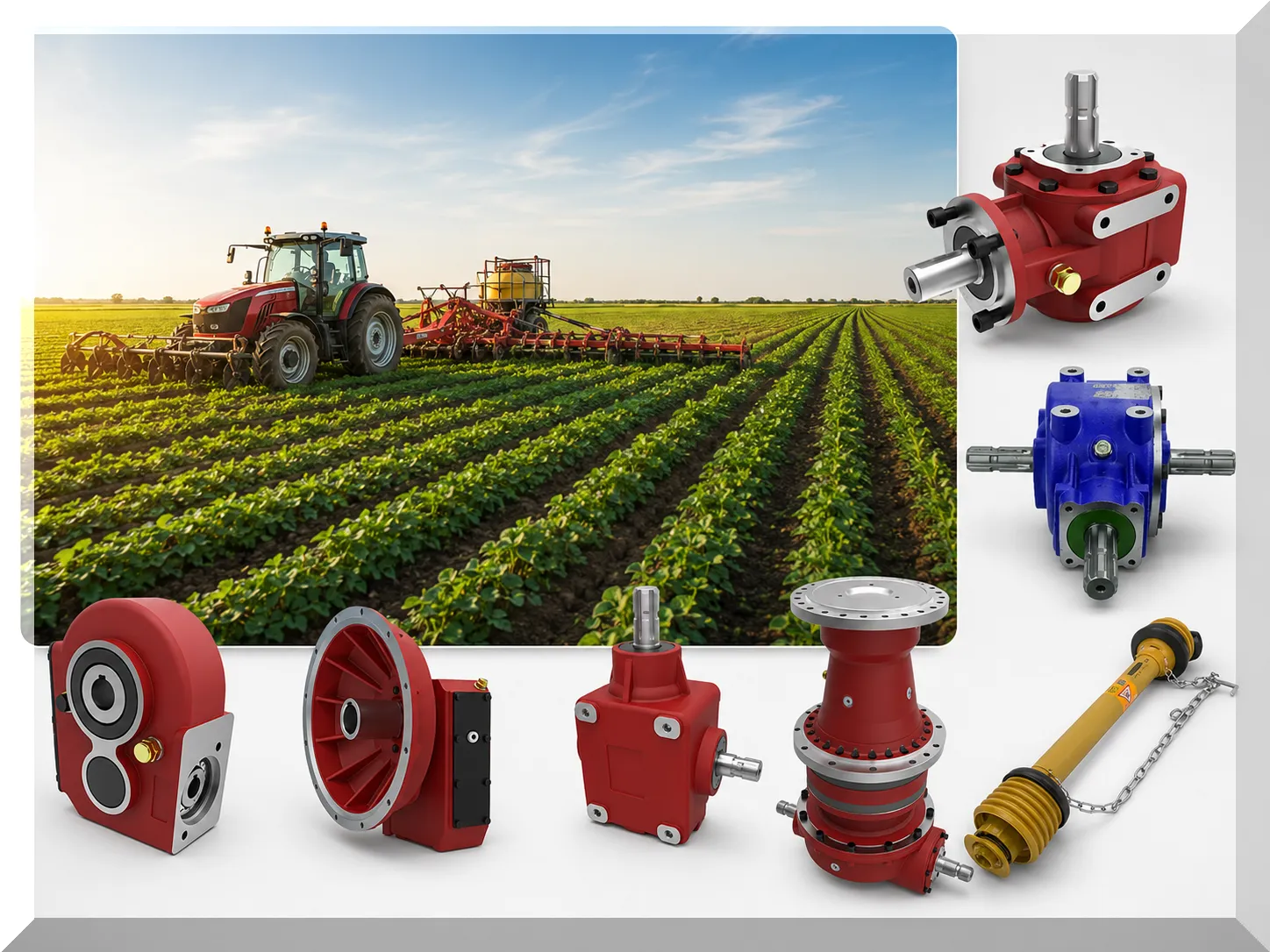
गियरबॉक्स टॉर्क रेटिंग, पीटीओ शाफ्ट व्यास मानक और कपलिंग विनिर्देश: कृषि गियरबॉक्स और पीटीओ शाफ्ट विनिर्देश
पीटीओ ड्राइवलाइन कनेक्शन घटकों — सीवी जॉइंट, वाइड-एंगल जॉइंट, टेलीस्कोपिंग शाफ्ट और सेफ्टी शील्ड — के लिए, स्क्वायर बेलर कनेक्शन के विनिर्देशों को इसमें शामिल किया गया है। पीटीओ ड्राइवशाफ्ट और सीवी जॉइंट चयन गाइड.
पहले कनेक्शन से पहले की मुख्य जाँचें: पूर्ण विस्तार और संपीड़न पर शाफ्ट की लंबाई, ट्रैक्टर के अधिकतम घुमाव पर जोड़ का कोण, और बेलर ओवरलोड क्लच के लिए शियर बोल्ट विनिर्देश।
स्प्रिंग-टूथ बनाम हैमर-क्लॉ: पिकअप अपग्रेड कब परिणाम बदल देता है
स्प्रिंग-टूथ पिकअप सबसे अच्छा क्या संभालते हैं
9YF-1700, 1900 और 2200 मॉडल में लगे स्प्रिंग-टूथ पिकअप, फसल के नीचे और चारों ओर लचीले स्प्रिंग-स्टील टाइन को घुमाकर विंडरो सामग्री को इकट्ठा करते हैं। ये साफ-सुथरे, ऊंचे विंडरो में भरोसेमंद ढंग से काम करते हैं, जो सही तरीके से रेक किए गए अनाज के भूसे, घास और स्टैंडर्ड कंबाइन आउटपुट से बने होते हैं। इन परिस्थितियों में, ये हैमर-क्लॉ सिस्टम की तुलना में कम रखरखाव वाले, कम बिजली खपत करने वाले और छोटे ट्रैक्टरों के साथ बेहतर तरीके से काम करते हैं।
जब बारिश, कंबाइन मशीन के चलने या फसल के गिरने से मिट्टी ज़मीन पर दब जाती है, तो समस्या उत्पन्न होती है। ऐसी स्थितियों में, स्प्रिंग-टूथ टाइन को फसल को इतना ऊपर उठाना पड़ता है कि वह उसके नीचे से गुजर सके - मिट्टी की सतह पर दबी हुई सामग्री हर बार गुजरने के बाद पीछे छूट जाती है।
जब हैमर-क्लॉ परिणाम को बदल देता है
9YF-2200S और 9YFS-2.2 में लगे हैमर-क्लॉ पिकअप में घूमने वाले फ्लेल टाइन होते हैं जो भौतिक रूप से टकराकर सामग्री को जमीन की सतह से ऊपर उठाते हैं। इनमें विंडरो को ऊपर उठाने की आवश्यकता नहीं होती क्योंकि क्लॉ के घूमने से इतनी ऊर्जा उत्पन्न होती है कि चपटी और उलझी हुई सामग्री ठूंठ से अलग हो जाती है। गिरी हुई फसलों, धान के चपटे हुए भूसे या दबे हुए मक्के के डंठल में, हैमर-क्लॉ एक बार में काफी अधिक सामग्री उठा लेता है। साफ-सुथरे ऊंचे विंडरो में, दोनों प्रणालियां समान परिणाम देती हैं।
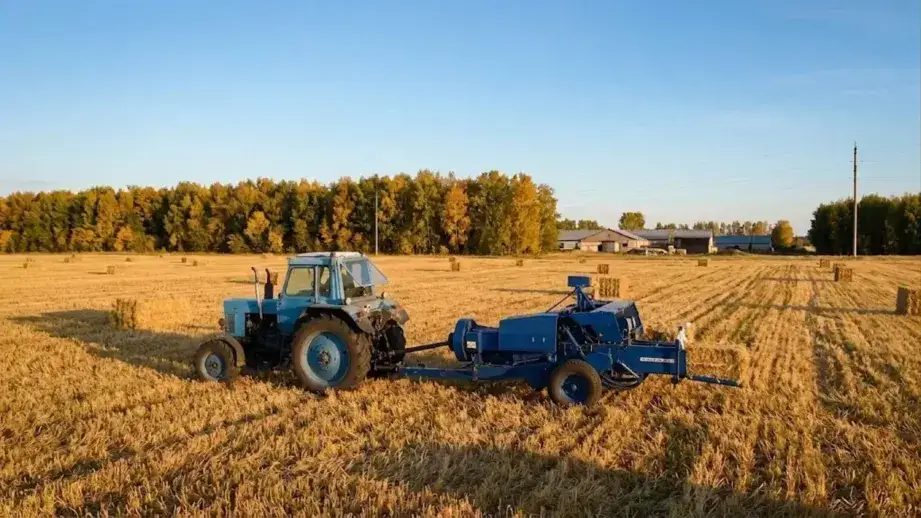
निर्णय नियम: समतल खेतों में साफ-सुथरी घास और भूसे को इकट्ठा करने के लिए स्प्रिंग-टूथ का उपयोग किया जाता है। गिरे हुए पौधों, धान की चटाई, यातायात से दबे हुए भूसे या खड़े अवशेषों को इकट्ठा करने के लिए नियमित परिचालन आवश्यकताओं के लिए हैमर-क्लॉ का उपयोग किया जाता है।
श्रेडर और फैन: तीन प्रोसेसिंग स्तर और प्रत्येक का अतिरिक्त लाभ
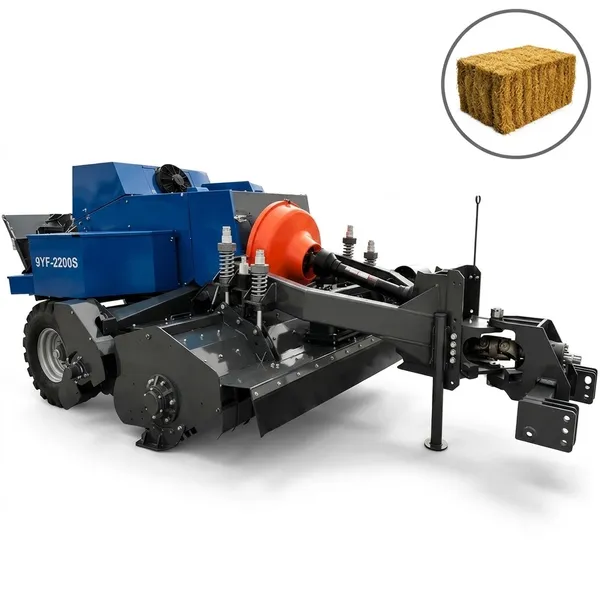
डी-टाइप ड्यूल नॉटर: विश्वसनीय रस्सी बांधने का मानक
डी-टाइप नॉटर कैसे काम करते हैं
सभी पांच 9YF मॉडल एक ही तरह की दोहरी डी-टाइप गांठ बांधने की व्यवस्था का उपयोग करते हैं — 460 मिमी चौड़ाई वाली गांठ पर दो गांठ बांधे जाते हैं, जिनमें से प्रत्येक गांठ के अनुप्रस्थ काट के चारों ओर रस्सी के एक स्वतंत्र सिरे को बांधता है। जब प्लंजर गांठ को पूरा करता है, तो गांठ बांधने वाले उपकरण एक साथ सक्रिय हो जाते हैं: गांठ का सिरा रस्सी को पकड़ता है, एक लूप बनाता है, चाकू रस्सी को काटता है और एक साफ गांठ खोल देता है। 460 मिमी चौड़ाई वाली गांठ पर दो गांठ बांधने वाले उपकरण एक अच्छी तरह से सुरक्षित गांठ बनाते हैं जो लोडर द्वारा संचालन, परिवहन और ढेर लगाने के दौरान अपने आयताकार आकार को बनाए रखती है।
सत्र से पहले गांठ बांधने की चेकलिस्ट
- बिल की स्थिति:नोक नुकीली और अक्षुण्ण होनी चाहिए — अगर नोक पर खरोंचें हैं तो उसे बांधते समय रस्सी के लूप पर ठीक से पकड़ नहीं बन पाती। अगर नोक घिसी हुई दिखे तो उसे बदल दें।
- चाकू की धार:गांठ बनने के बाद चाकू धागे को काटता है। एक कुंद चाकू से रस्सी के सिरे खुरदुरे रह जाते हैं, जो भंडारण के दौरान गांठों पर पड़ने वाले दबाव के कारण लूप से बाहर निकल सकते हैं।
- समान तनाव:दोनों गांठों को एक ही तनाव स्तर पर सेट किया जाना चाहिए। असमान तनाव से असममित बंधन उत्पन्न होता है — एक तरफ कसा हुआ, दूसरी तरफ ढीला — जिससे ढेर लगाते समय गांठ विकृत हो जाती है।
- रस्सी का रास्ता:PTO चालू करने से पहले स्पूल से नॉटर तक का पूरा रास्ता साफ कर लें। रास्ते में रुकावट या कटाव होने से तनाव में उतार-चढ़ाव आता है, जिससे गांठ की गुणवत्ता में असमानता उत्पन्न होती है।
460×360 मिमी बेल प्रारूप: वजन, हैंडलिंग और बाजार के लिए उपयुक्तता
फसल के प्रकार के अनुसार गठ्ठे का वजन
460×360 मिमी का अनुप्रस्थ काट सभी 9YF मॉडलों में एक समान है। गठ्ठी की लंबाई — जो प्लंजर घनत्व सेटिंग द्वारा नियंत्रित होती है — प्रति गठ्ठी वजन निर्धारित करती है:
| काटना | सामान्य गठ्ठा वजन |
|---|---|
| घास का चारा (14–18% नमी) | 15-30 किलोग्राम |
| अल्फाल्फा घास (15% नमी) | 18–35 किलोग्राम |
| गेहूं या जौ का भूसा | 12–22 किलोग्राम |
| मक्का का भूसा (15–20% नमी) | 20-40 किलोग्राम |
15-25 किलोग्राम वजन की गांठें एक व्यक्ति आसानी से उठा सकता है। 30-40 किलोग्राम वजन की गांठों को दो लोग आराम से उठा सकते हैं या फिर एक छोटा लोडर अटैचमेंट इस्तेमाल किया जा सकता है।
भंडारण और संचालन के लाभ
- ✦इन्हें किसी भी खलिहान की छत की ऊंचाई तक ढेर किया जा सकता है — यह 1.0–1.4 मीटर व्यास वाले गोल गठ्ठों तक सीमित नहीं है।
- ✦ऐसे स्थानों पर टैक रूम, कम छत वाले खलिहान और शिपिंग कंटेनरों में इनका उपयोग करें जहां गोल गांठें फिट नहीं हो सकतीं।
- ✦पशुओं के समूह के आकार के अनुसार दैनिक चारे की मात्रा का सटीक मिलान करें — आंशिक रूप से चारा बर्बाद न हो।
- ✦लोडर या ट्रेलर के बिना, एक मानक पिकअप ट्रक के पिछले हिस्से में परिवहन।
- ✦खुदरा ग्राहक इन्हें हाथ से उठाकर दुकान से बाहर ले जाते हैं—यह बिक्री का ऐसा प्रारूप है जिसे गोल गांठें दोहरा नहीं सकतीं।
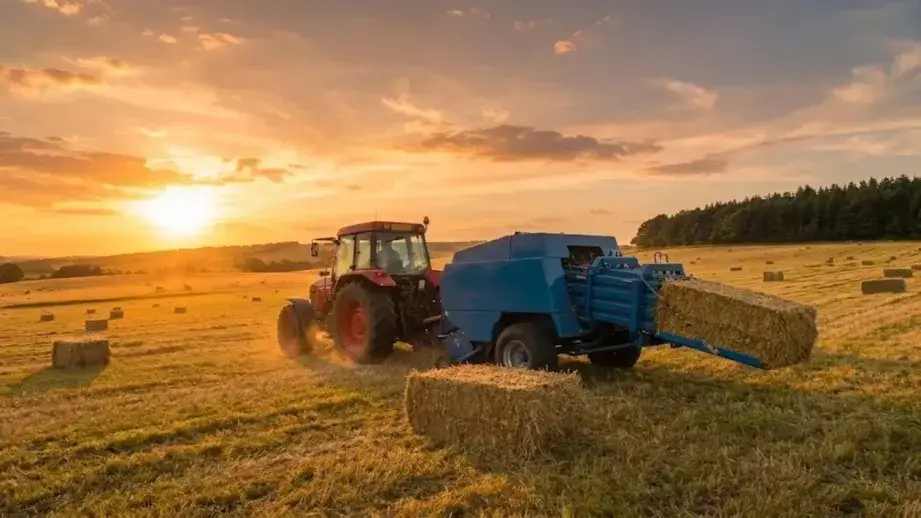
आपके संचालन के लिए कौन सा 9YF मॉडल उपयुक्त है: निर्णय लेने में सहायता
इन पांचों मॉडलों की विस्तारपूर्वक तुलना करें स्क्वायर बेलर उत्पाद श्रृंखला पृष्ठ.
अक्सर पूछे जाने वाले प्रश्न — छोटे वर्गाकार बेलर खरीदने के लिए मार्गदर्शिका
क्या आप अपना स्क्वायर बेलर चुनने के लिए तैयार हैं? यहीं से शुरुआत करें।
हमें अपने ट्रैक्टर की हॉर्स पावर, मुख्य फसल का प्रकार और वार्षिक बेलिंग क्षेत्र बताएं। हम आपको 9YF श्रृंखला से उपयुक्त मॉडल सुझाएंगे और वर्तमान मूल्य, डिलीवरी का समय और डिलीवरी संबंधी जानकारी प्रदान करेंगे।
9YF-1900 · 50HP · 1,850 किलोग्राम
9YF-2200 · 50HP · 1,950 किलोग्राम
9YF-2200S · 99HP · श्रेडर
9YFS-2.2 · 99HP · डुअल श्रेडर + फैन
अमेरिका एवर-पावर फोरेज बेलर इक्विपमेंट इंक. · 1401 21वीं स्ट्रीट, सैक्रामेंटो, कैलिफोर्निया 95811
संपादक: Cxm


