
Waktu Panen: Jendela Kelembapan dan Kematangan yang Menentukan Kualitas
Kualitas silase jagung terutama ditentukan pada saat panen — khususnya pada tingkat kelembapan dan tingkat kematangan seluruh tanaman pada saat panen. Panen terlalu dini (di atas 70% kelembapan) dan fermentasi terlalu basah: kehilangan cairan berlebihan, fermentasi asam butirat mungkin terjadi, dan kepadatan energi diencerkan oleh kelebihan air. Panen terlalu terlambat (di bawah 55% kelembapan) dan bahan terlalu kering untuk pengemasan atau fermentasi yang memadai dalam bal, dengan perkembangan asam laktat yang buruk dan risiko pembusukan aerobik saat pemberian pakan.
Membaca Tingkat Kematangan Jagung: Indikator Tanaman untuk Kesiapan Panen
Indikator lapangan yang paling andal untuk menentukan waktu panen adalah garis susu biji pada tongkol jagung — batas yang terlihat antara endosperma cair (di atas garis susu) dan endosperma yang lebih padat dan bertepung (di bawah). Saat biji matang, garis susu bergerak maju dari bagian atas biji ke bawah. Panen silase yang optimal sesuai dengan posisi garis susu tertentu, dikombinasikan dengan pengukuran kadar air seluruh tanaman untuk konfirmasi.
Memotong dan Memproses: Menyiapkan Jagung untuk Silase Balok Bundar
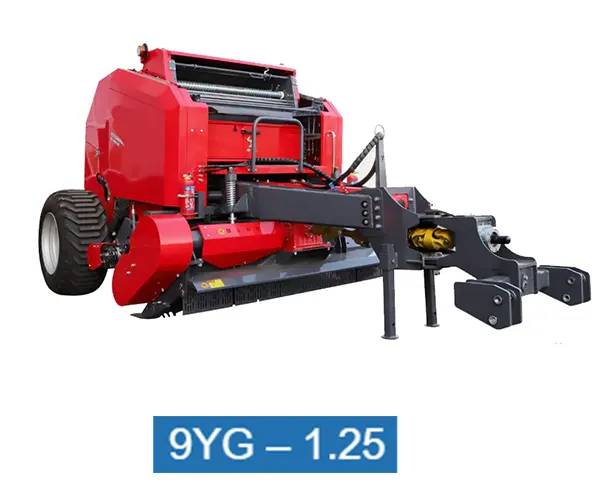
Tidak seperti jerami, yang tidak memerlukan pengolahan awal sebelum dibal, silase jagung membutuhkan seluruh tanaman untuk dipanen dan dipotong hingga panjang potongan teoritis (TLC) yang cukup pendek agar dapat ditangani oleh alat pengambil bal dan untuk kepadatan pengemasan yang memadai dalam bal. Batang jagung utuh terlalu panjang dan kaku secara struktural untuk alat pengambil bal bundar — batang jagung harus dipotong oleh alat pemotong hijauan atau kepala pemanen jagung yang dilengkapi dengan alat pemotong sebelum diletakkan dalam barisan untuk dibal.
Target ukuran potongan (TLC) 0,75–1,0 inci (19–25 mm) untuk silase jagung dalam bal. Potongan yang lebih pendek memberikan kepadatan pemadatan yang lebih baik dalam bal dan penurunan pH fermentasi yang lebih cepat, tetapi membutuhkan lebih banyak energi dalam pemotongan. Potongan yang lebih panjang di atas 1,5 inci mengurangi kepadatan pemadatan dan meningkatkan risiko terbentuknya kantung aerobik di dalam bal yang tidak berfermentasi dengan baik. Sebagian besar mesin pemotong hijauan dengan pengaturan kepala jagung standar menghasilkan TLC dalam kisaran ini — pastikan pengaturan TLC peralatan Anda sebelum panen dimulai.
Pengolahan biji jagung (memecah biji jagung selama pemotongan) sangat dianjurkan untuk silase jagung terlepas dari sistem panennya. Biji jagung utuh yang melewati silase tanpa diproses sebagian besar tidak tersedia untuk bakteri rumen dan mengurangi nilai energi silase secara signifikan. Skor pemecahan biji jagung pada mesin pengolah biji jagung sebesar 70+ (70% biji jagung yang dipecah) adalah target produksi. Konfirmasikan skor pengolahan biji jagung pada sampel lapangan sebelum sebagian besar panen selesai — sesuaikan celah rol pengolah jika skor di bawah target.
Pengemasan Silase Jagung: Kepadatan, Waktu, dan Persyaratan Mesin
Pengemasan silase jagung dalam bentuk bundel membutuhkan mesin pengemas yang dikonfigurasi dan diatur berbeda dari pengemasan jerami. Bahannya lebih berat, lebih basah, dan lebih abrasif daripada jerami kering — dan rentang waktu pengoperasian (antara pemotongan dan pembungkusan dengan film) jauh lebih sempit daripada untuk produksi jerami kering.
Silase jagung dalam bal membutuhkan pengaturan kepadatan baler maksimum — kepadatan pengemasan yang lebih tinggi mengurangi ruang pori yang mengandung oksigen di antara partikel yang dicincang, mempercepat fermentasi dan membatasi kerusakan aerobik selama periode fermentasi sebelum pH turun secara memadai. Bal silase jagung yang lunak atau dikemas dengan buruk (kepadatan tidak cukup untuk material) akan memiliki zona aerobik yang lebih besar yang menghasilkan lebih banyak jamur dan lebih sedikit asam fermentasi. Atur baler ke kepadatan maksimum dan kurangi kecepatan maju untuk memastikan pengambilan penuh dan pemberian pakan padat yang konsisten.
Silase jagung cincang mulai mengalami kerusakan aerobik segera setelah dicincang. Setiap jam bahan tersebut dibiarkan tanpa ditutup dan dibungkus, jamur permukaan dan bakteri aerobik mengonsumsi gula yang dapat difermentasi yang seharusnya mendorong fermentasi asam laktat. Sistem produksi harus memiliki proses pengemasan dan pembungkusan yang beroperasi dalam waktu 60 menit satu sama lain — bukan pengemasan sepanjang hari dan pembungkusan di akhir hari. Koordinasikan mesin pencincang, mesin pengemas, dan mesin pembungkus agar beroperasi sebagai sistem kontinu dengan pembungkusan setelah pengemasan tidak lebih dari 60 menit per bal.
Tidak semua mesin pengepak jerami bundar sama cocoknya untuk silase jagung. Persyaratan utamanya: alat pengumpul yang dirancang untuk material berat dan abrasif (gigi yang kokoh dengan jarak yang baik antara gigi dan jari-jari pengupas — lilitan tanaman pada alat pengumpul merupakan masalah kronis pada silase jagung); ruang sabuk atau ruang tetap rol halus yang dapat menangani material basah dan padat tanpa tersumbat; dan daya PTO yang memadai untuk ketahanan pemadatan silase jagung yang lebih tinggi dibandingkan jerami. Mesin pengepak jerami dengan daya PTO 70+ HP direkomendasikan untuk pengepakan silase jagung komersial — gaya pemadatan yang dibutuhkan jauh lebih tinggi daripada untuk jerami pada kepadatan maksimum.
Film Pembungkus: Lapisan, Peregangan, dan Standar Penempatan
Film pembungkus bal silase harus menciptakan penghalang kedap udara yang sepenuhnya mencegah masuknya oksigen selama periode fermentasi. Efektivitas penghalang film bergantung pada jumlah lapisan yang diaplikasikan, persentase peregangan per lapisan, dan tumpang tindih antar lapisan. Semakin banyak lapisan memberikan sifat penghalang yang lebih baik tetapi biaya per bal lebih tinggi. Penelitian secara konsisten menunjukkan bahwa minimal 6 lapisan diperlukan untuk fermentasi anaerobik yang andal pada bal silase jagung — lapisan yang lebih sedikit menghasilkan titik-titik tipis tempat oksigen masuk dan menciptakan zona jamur di permukaan.
| Lapisan diterapkan | kualitas penghalang O₂ | Biaya film per bal (kurang lebih) | Aplikasi |
|---|---|---|---|
| 4 lapisan | Tidak memadai untuk silase jagung | $3.50–$5.00 | Minimal hanya untuk silase jerami berisiko rendah — tidak disarankan untuk jagung. |
| 6 lapisan | Memadai — standar | $5.50–$7.50 | Standar untuk silase jagung dan biji-bijian kecil; kehilangan bahan kering yang dapat diterima dalam penanganan normal. |
| 8 lapisan | Terbaik — direkomendasikan | $7.50–$10.00 | Paling cocok untuk silase jagung atau situasi apa pun yang memerlukan penanganan di medan yang sulit, penyimpanan lebih lama, atau produk bernilai tinggi. |
Aplikasi Inokulan untuk Silase Bal Jagung
Inokulan silase jagung — kultur bakteri berbasis Lactobacillus yang mempercepat fermentasi asam laktat — memberikan manfaat yang terukur untuk silase jagung bal dengan mempersingkat waktu yang dibutuhkan untuk mencapai pH stabil dan meningkatkan stabilitas aerobik saat pemberian pakan. Inokulan bakteri harus diaplikasikan pada mesin pemotong atau pada zona pengambilan baler selama proses pengemasan untuk memastikan kontak dengan bahan tanaman sebelum dibungkus.
Lactobacillus plantarum dan strain homolaktik serupa mempercepat penurunan pH awal dengan cepat mengubah gula menjadi asam laktat. Penurunan pH yang cepat ini sangat berharga pada bal silase jagung di mana fermentasi harus berlangsung cepat sebelum oksigen sepenuhnya dihilangkan setelah pembungkusan. Manfaatnya paling terasa ketika kadar air panen berada dalam kisaran yang dapat diterima lebih rendah (55–62%) di mana fermentasi alami lebih lambat.
L. buchneri dan strain heterofermentatif serupa menghasilkan asam asetat bersamaan dengan asam laktat, yang menghambat ragi dan jamur saat pemberian pakan — perhatian utama terhadap kualitas saat kemasan dibuka. Hal ini meningkatkan stabilitas aerobik (waktu silase dapat terpapar udara tanpa pemanasan signifikan setelah bal dibuka untuk pemberian pakan). Direkomendasikan untuk operasi di mana bal diberikan secara perlahan, dengan membiarkan sebagian bal terbuka di antara pemberian pakan.
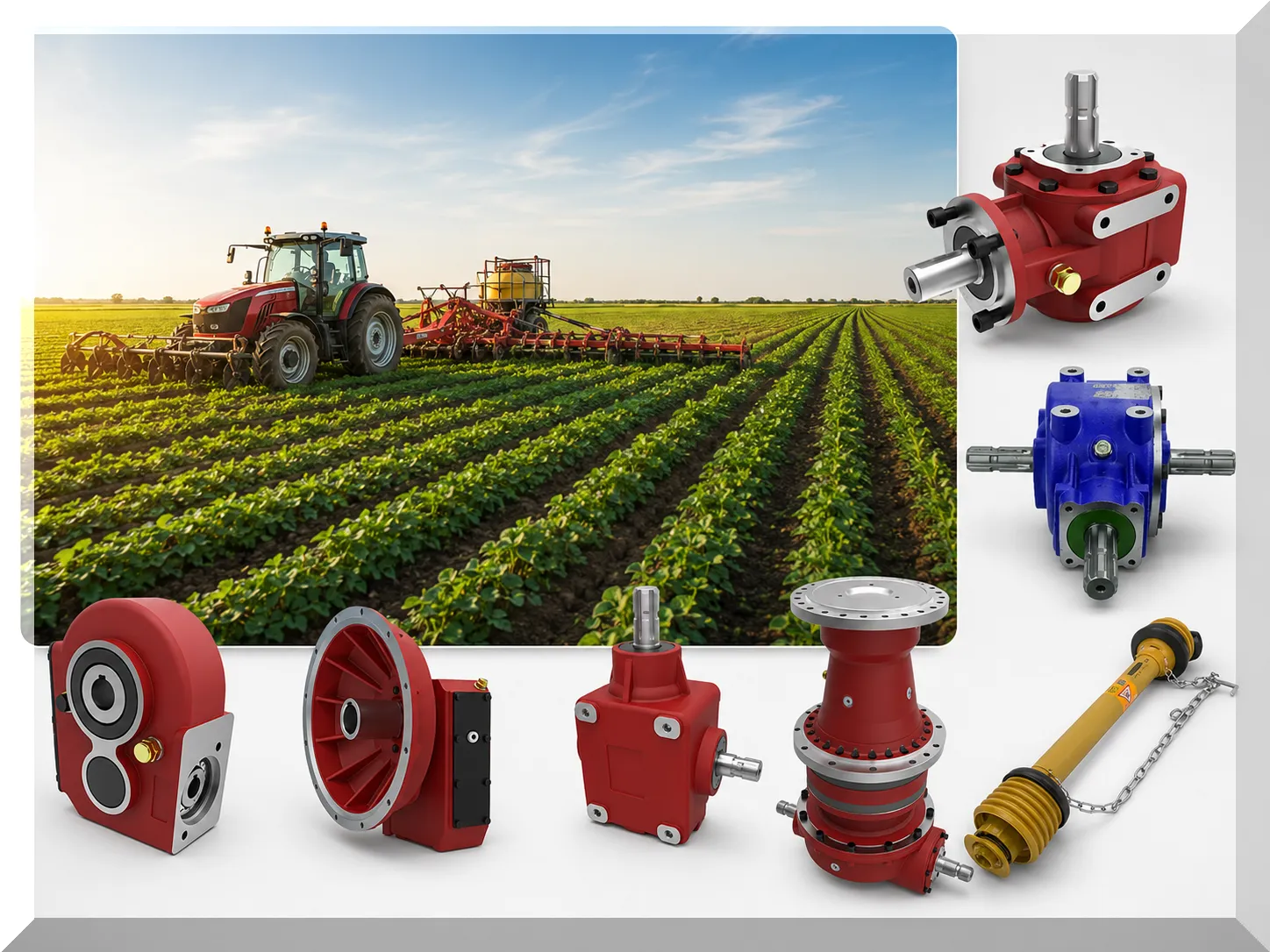
Sistem produksi bal silase lengkap — termasuk pemilihan film, jenis pembungkus, persyaratan penyimpanan, dan pemantauan fermentasi — ada di panduan produksi bal silaseKriteria pemilihan inokulan — mencocokkan jenis strain dan tingkat aplikasi dengan tanaman, tingkat kelembapan, dan sistem pemberian nutrisi — terdapat pada panduan pemilihan inokulan silaseSpesifikasi PTO dan gearbox untuk mesin pemotong dan pengepak hijauan pada sistem silase jagung terdapat di Spesifikasi komponen gearbox pertanian dan sistem penggerak PTO..
Silase Balok Jagung vs Silase Bunker/Tumpukan: Kapan Balok Jagung Merupakan Sistem yang Tepat?
| Faktor | Silase bal bundar | Silase bunker/tumpukan |
|---|---|---|
| Biaya infrastruktur | Rendah — tidak ada struktur permanen | Tinggi — dinding bunker, alas beton |
| Luas lahan impas | 50–150 hektar/tahun | Lebih dari 200 hektar/tahun |
| Biaya film per ton | $8–$15/ton | $1–$3/ton (hanya lapisan atas) |
| Kehilangan DM dalam penyimpanan | 5–12% (dengan kemasan yang baik) | 5–15% (tergantung pada penanganan wajah) |
| Paling cocok untuk | Lahan kecil atau tersebar; panen berdasarkan pesanan; lokasi penggemukan yang fleksibel. | Lahan yang luas dan konsisten; peternakan sapi perah atau tempat penggemukan ternak permanen dengan tingkat pemberian pakan harian yang tinggi. |
Pertanyaan yang Sering Diajukan (FAQ) tentang Balok Bundar Silase Jagung
Dapatkan Spesifikasi Mesin Pengepak dan Pembungkus untuk Operasi Silase Jagung Anda
Sebutkan luas lahan jagung tahunan Anda, target tonase silase, dan daya PTO traktor yang tersedia. Kami akan merekomendasikan model baler, konfigurasi pembungkus, dan program inokulan untuk produksi silase jagung yang efisien dan berkualitas tinggi sesuai skala Anda.
Editor: Cxm


