
Oogsttijd: het vocht- en rijpheidsvenster dat de kwaliteit bepaalt
De kwaliteit van maïssilage wordt voornamelijk bepaald tijdens de oogst – met name door het vochtgehalte en de rijpheid van de gehele plant op het moment van oogsten. Te vroeg oogsten (boven 70 l/1000 T/T vochtgehalte) resulteert in een te natte fermentatie: het vochtverlies is te groot, boterzuurfermentatie is waarschijnlijk en de energiedichtheid wordt verlaagd door overtollig water. Te laat oogsten (onder 55 l/1000 T/T vochtgehalte) leidt tot een te droge fermentatie in de baal, een slechte melkzuurontwikkeling en een risico op aerobe bederf bij het voeren.
Rijping van maïs: plantindicatoren voor oogstrijpheid
De meest betrouwbare veldindicator voor het oogstmoment is de melklijn op de kolf – de zichtbare grens tussen het vloeibare endosperm (boven de melklijn) en het stevigere, zetmeelrijke endosperm (eronder). Naarmate de korrel rijpt, schuift de melklijn van de bovenkant van de korrel naar beneden. De optimale silageoogst komt overeen met een specifieke positie van de melklijn, in combinatie met een meting van het vochtgehalte van de hele plant ter bevestiging.
Hakken en verwerken: Maïs voorbereiden voor ronde balensilage
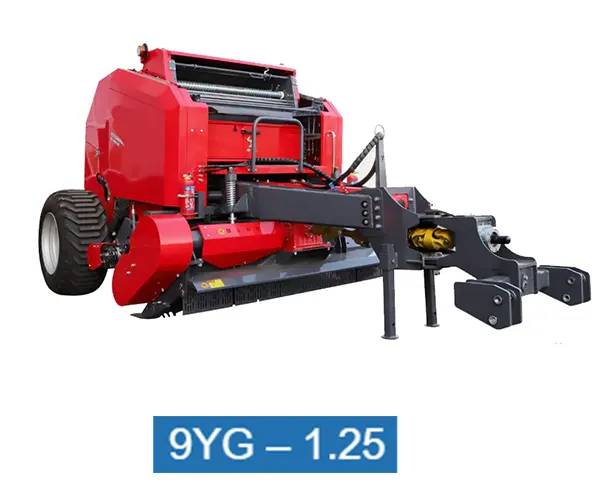
In tegenstelling tot hooi, dat geen voorbewerking nodig heeft vóór het persen, vereist maïssilage dat de hele plant wordt geoogst en gehakseld tot een theoretische snijlengte (TLC) die kort genoeg is voor de pick-up van de balenpers en voor een voldoende pakdichtheid in de baal. Hele maïsstengels zijn te lang en te stijf voor een ronde balenpers; ze moeten worden gehakseld door een hakselaar of een maïskop met een hakselaar voordat ze in zwaden worden gelegd om te worden geperst.
De streefwaarde voor de TLC (Total Low Carbohydrate) voor maïsbalensilage ligt tussen 19 en 25 mm (0,75–1,0 inch). Een kortere hakseling zorgt voor een betere pakdichtheid in de baal en een snellere daling van de pH tijdens de fermentatie, maar vereist meer energie. Een langere hakseling van meer dan 3,8 cm (1,5 inch) vermindert de pakdichtheid en verhoogt het risico op aerobe holtes in de baal die niet goed fermenteren. De meeste hakselaars voor voer produceren met hun standaard maïskopinstelling een TLC binnen dit bereik. Controleer de TLC-instelling van uw machine voordat de oogst begint.
Het verwerken van de maïskorrels (het kraken van de korrels tijdens het hakken) wordt sterk aanbevolen voor maïssilage, ongeacht het oogstsysteem. Hele korrels die onbewerkt door de silage gaan, zijn grotendeels niet beschikbaar voor pensbacteriën en verminderen de energiewaarde van de silage aanzienlijk. Een kraakscore van 70+ (70% gekraakte korrels) is het productiedoel. Controleer de kraakscore op een veldmonster voordat het grootste deel van de oogst is voltooid – pas de afstand tussen de maalrollen aan als de score lager is dan het doel.
Maïsmeel persen: dichtheid, timing en machinevereisten
Het persen van maïssilage in ronde balen vereist een andere configuratie en instelling dan bij het persen van hooi. Het materiaal is zwaarder, natter en schurender dan droog hooi, en de tijdspanne tussen het hakken en het inpakken in folie is veel korter dan bij de productie van droog hooi.
Voor maïssilage is een maximale persdichtheid vereist. Een hogere persdichtheid vermindert de zuurstofhoudende poriënruimte tussen de gehakte deeltjes, waardoor de fermentatie wordt versneld en de aerobe afbraak tijdens de fermentatieperiode wordt beperkt, voordat de pH voldoende daalt. Een zachte of slecht geperste maïssilagebaal (onvoldoende dichtheid voor het materiaal) heeft grotere aerobe zones die meer schimmel en minder fermentatiezuur produceren. Stel de pers in op maximale dichtheid en verlaag de rijsnelheid om een volledige opname en een consistente, dichte aanvoer te garanderen.
Gehakselde maïssilage begint direct na het hakselen aan aerobe afbraak. Elk uur dat het materiaal onafgedekt en onverpakt blijft liggen, consumeren oppervlakteschimmel en aerobe bacteriën de fermenteerbare suikers die de melkzuurfermentatie zouden moeten aandrijven. Het productiesysteem moet het persen en wikkelen binnen 60 minuten van elkaar laten plaatsvinden – niet de hele dag persen en aan het einde van de dag wikkelen. Coördineer de hakselaar, balenpers en wikkelaar zodanig dat ze als een continu systeem werken, waarbij het wikkelen niet meer dan 60 minuten na het persen per baal plaatsvindt.
Niet alle ronde balenpersen zijn even geschikt voor maïssilage. De belangrijkste vereisten zijn: een pick-up die ontworpen is voor zwaar, schurend materiaal (robuuste tanden met voldoende ruimte tussen de tanden en de strippersvingers – het vastlopen van het gewas op de pick-up is een chronisch probleem bij maïssilage); een bandkamer of een vaste kamer met gladde rollen die het natte, dichte materiaal zonder verstopping kan verwerken; en voldoende aftakasvermogen voor de hogere verdichtingsweerstand van maïssilage ten opzichte van hooi. Een balenpers met een aftakasvermogen van 70 pk of meer wordt aanbevolen voor het persen van maïssilage op commerciële schaal – de benodigde verdichtingskracht is aanzienlijk hoger dan voor hooi bij maximale dichtheid.
Verpakkingsfolie: Lagen, rekbaarheid en plaatsingsnormen
De folie waarmee kuilbalen worden omwikkeld, moet een luchtdichte barrière vormen die gedurende de gehele fermentatieperiode volledig zuurstof buitensluit. De effectiviteit van de foliebarrière hangt af van het aantal aangebrachte lagen, de rek per laag en de overlapping tussen de lagen. Meer lagen zorgen voor betere barrière-eigenschappen, maar verhogen de kosten per baal. Onderzoek toont consequent aan dat minimaal 6 lagen nodig zijn voor een betrouwbare anaerobe fermentatie van maïskuilbalen; minder lagen leiden tot dunne plekken waar zuurstof kan binnendringen en schimmelvorming aan het oppervlak ontstaat.
| aangebrachte lagen | O₂-barrièrekwaliteit | Filmkosten per baal (ongeveer) | Sollicitatie |
|---|---|---|---|
| 4 lagen | Onvoldoende geschikt voor maïssilage. | $3.50–$5.00 | Minimumvereiste alleen voor kuilvoer met een laag risico — niet aanbevolen voor maïs |
| 6 lagen | Voldoende — standaard | $5.50–$7.50 | Standaard voor maïs- en graansilage; aanvaardbaar drogestofverlies bij normale verwerking. |
| 8 lagen | Beste — aanbevolen | $7.50–$10.00 | Ideaal voor maïssilage of situaties met ruw terrein, langdurige opslag of producten met een hoge waarde. |
Toepassing van entstof voor maïssilage.
Inoculanten voor maïssilage – op Lactobacillus gebaseerde bacterieculturen die de melkzuurfermentatie versnellen – bieden meetbare voordelen voor maïssilage in balen door de tijd die nodig is om een stabiele pH te bereiken te verkorten en de aerobe stabiliteit bij het voeren te verbeteren. De bacteriële inoculant moet tijdens het persen bij de hakselaar of in de opvangzone van de balenpers worden aangebracht om contact met het gewasmateriaal te garanderen voordat het wordt ingepakt.
Lactobacillus plantarum en vergelijkbare homolactische stammen versnellen de initiële pH-daling door suikers snel om te zetten in melkzuur. Deze snelle pH-daling is met name waardevol in maïssilagebalen, waar de fermentatie snel moet verlopen voordat de zuurstof na het inpakken volledig is uitgesloten. Het voordeel is het grootst wanneer het vochtgehalte bij de oogst zich in het lagere acceptabele bereik bevindt (55–62 l/100 T), waar de natuurlijke fermentatie trager verloopt.
L. buchneri en vergelijkbare heterofermentatieve stammen produceren azijnzuur naast melkzuur, wat gisten en schimmels remt tijdens het voeren – de belangrijkste kwaliteitsfactor bij het openen van de verpakking. Dit verbetert de aerobe stabiliteit (de tijd dat de silage aan de lucht kan worden blootgesteld zonder noemenswaardige opwarming nadat de baal is geopend voor het voeren). Aanbevolen voor bedrijven waar balen langzaam worden gevoerd en gedeeltelijk open balen tussen de voedingen worden gelaten.
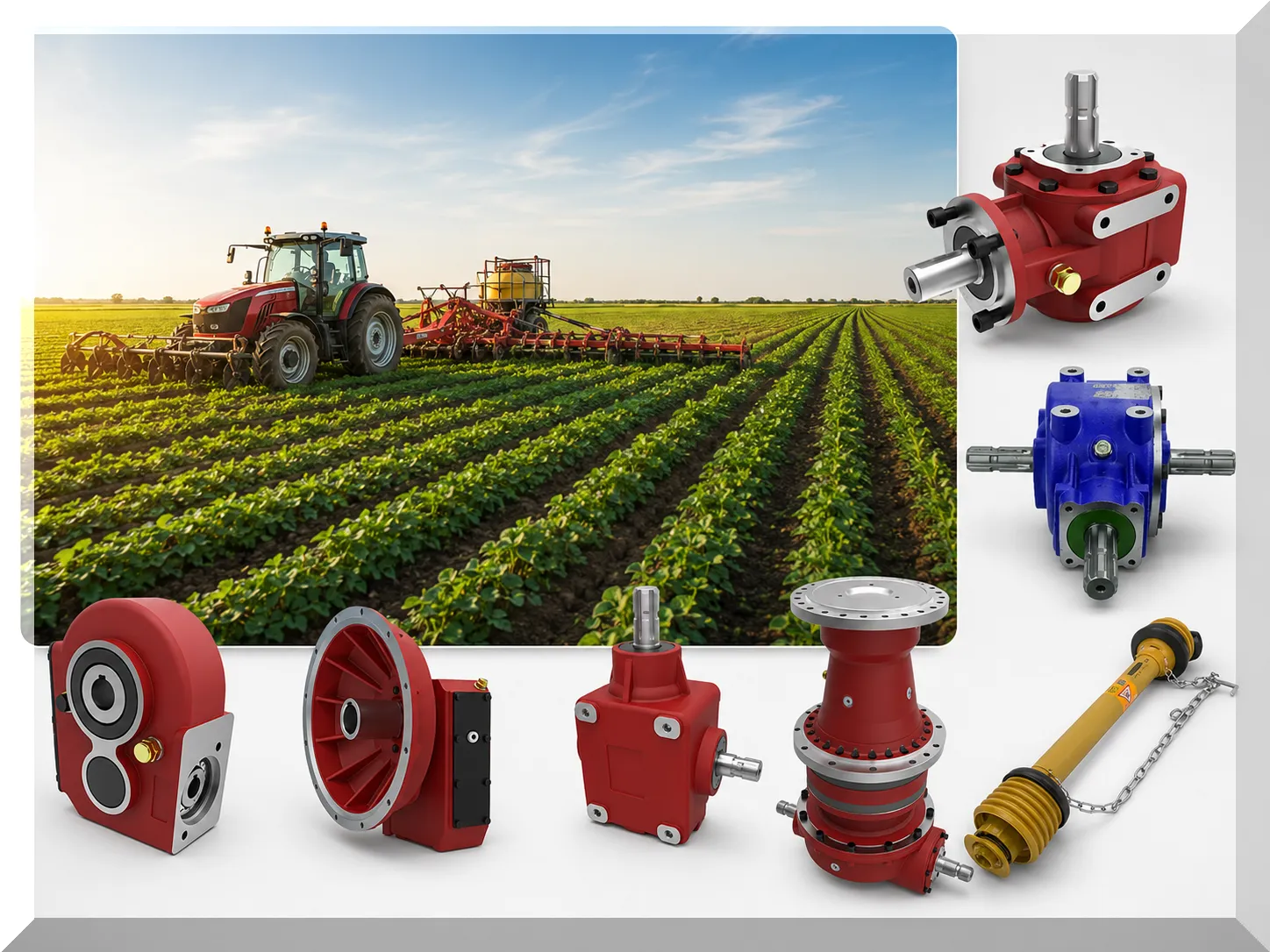
Het complete systeem voor de productie van kuilvoerbalen – inclusief foliekeuze, soorten wikkels, opslagvereisten en fermentatiebewaking – is te vinden in de handleiding voor de productie van kuilvoerbalenDe selectiecriteria voor het entmiddel — het afstemmen van het stamtype en de toepassingshoeveelheid op het gewas, het vochtgehalte en het voedingssysteem — staan in de Gids voor de selectie van silage-inoculantenDe specificaties voor de aftakas en de versnellingsbak voor zowel de voerhakselaar als de balenpers in het maïssilagesysteem zijn te vinden in Specificaties van componenten voor landbouwversnellingsbakken en aftakas-aandrijflijnen.
Maïsbalensilage versus bunker-/stapelsilage: wanneer zijn balen het juiste systeem?
| Factor | Ronde balen silage | Bunker/stapelsilage |
|---|---|---|
| Infrastructuurkosten | Laag — geen permanente structuur | Hoog — bunkerwanden, betonnen platform |
| Break-even oppervlakte | 50–150 hectare/jaar | 200+ hectare/jaar |
| Foliekosten per ton | $8–$15/ton | $1–$3/ton (alleen bovenste folie) |
| DM-verlies tijdens opslag | 5–12% (met goede verpakking) | 5–15% (afhankelijk van gezichtsbehandeling) |
| Het meest geschikt voor | Klein of verspreid perceel; oogst op maat; flexibele voederlocatie | Groot, aaneengesloten landbouwoppervlak; permanent melkveebedrijf of voederbedrijf met een hoge dagelijkse voederhoeveelheid. |
Veelgestelde vragen over ronde balen maïssilage
Ontvang specificaties voor balenpersen en wikkelaars voor uw maïssilageproductie.
Vertel ons uw jaarlijkse maïsareaal, de gewenste hoeveelheid kuilvoer en het beschikbare aftakasvermogen van uw tractor. Wij adviseren u over het juiste balenpersmodel, de juiste wikkelaarconfiguratie en het juiste entmiddelprogramma voor een efficiënte productie van hoogwaardig maïskuilvoer op uw schaal.
Redacteur: Cxm


