
Pilihan antara mesin pemotong cakram dan mesin pemotong sabit bukan semata-mata soal preferensi — pilihan tersebut ditentukan oleh kondisi lahan Anda, risiko medan, dan tanaman yang Anda potong. Kedua sistem ini umum digunakan di seluruh usaha pertanian jerami di AS, tetapi keduanya dirancang untuk lingkungan yang berbeda. Memahami mekanisme di balik setiap desain pemotongan adalah langkah pertama untuk mendapatkan mesin yang tepat untuk lahan Anda.
Perbedaan Inti: Bagaimana Masing-masing Sistem Bekerja
Mesin pemotong rumput cakram menggunakan dua hingga enam cakram baja berputar — masing-masing membawa dua hingga empat bilah yang dapat berayun bebas — yang berputar pada kecepatan 2.500 hingga 3.000 RPM dalam bidang horizontal. Bilah-bilah tersebut memotong dengan benturan kecepatan tinggi: bilah-bilah tersebut memotong batang tanaman saat cakram berputar, kemudian melipat kembali saat membentur batu atau penghalang lain tanpa merusak cakram itu sendiri. Desain bilah yang dapat berayun bebas ini merupakan keunggulan keselamatan utama mesin pemotong rumput cakram di lahan yang kadang-kadang terdapat bebatuan.
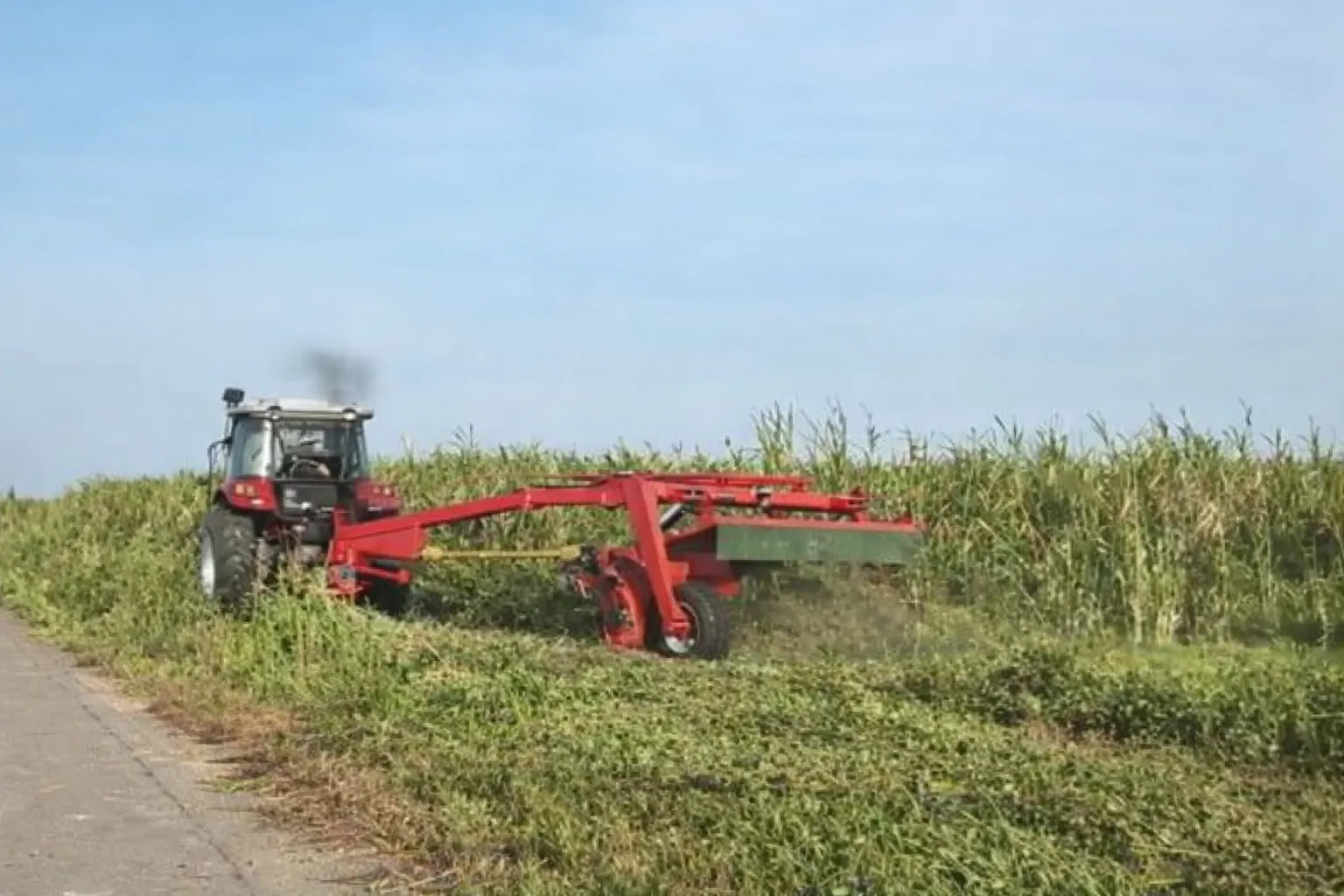
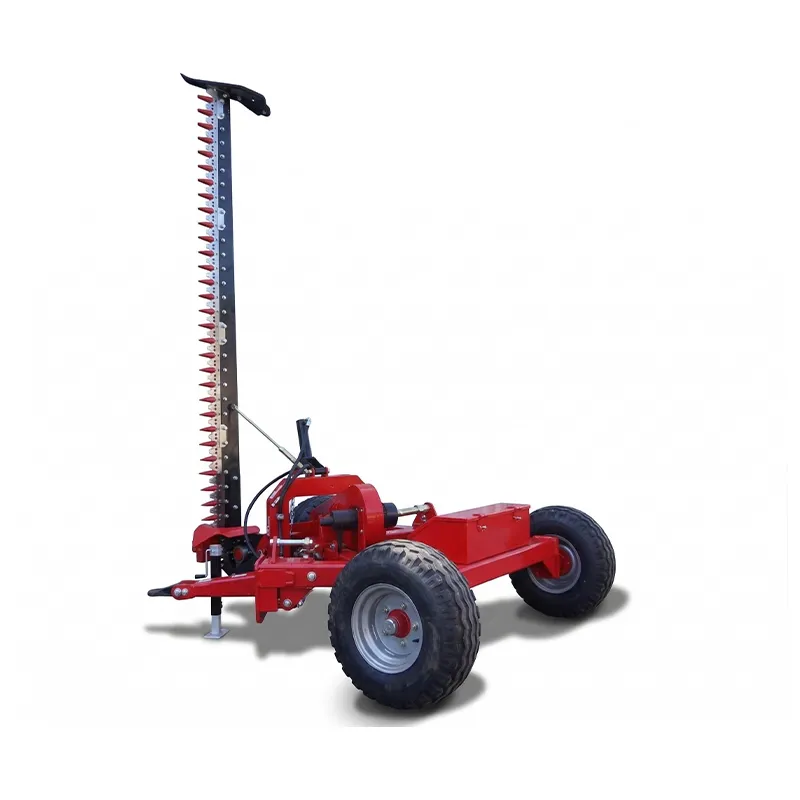
Mesin pemotong rumput tipe sabit menggunakan pisau bolak-balik — deretan bagian pisau segitiga yang dipasang pada batang logam yang berayun maju mundur dengan kecepatan tinggi. Aksi pemotongannya seperti gunting: setiap bagian pisau dipegang di antara dua pelindung jari yang tetap, dan gerakan bolak-balik memotong batang tanaman terhadap pelindung tersebut. Aksi pemotongan ini menghasilkan potongan yang bersih dan hemat energi yang lebih lembut pada tanaman dan membutuhkan daya kuda yang lebih sedikit per satuan lebar pemotongan daripada sistem cakram putar. Kelemahannya adalah bagian pisau sabit yang terbuka rentan terhadap benda keras — batu besar dapat mematahkan beberapa bagian dalam sekali lewat.
Kedua mekanisme pemotongan yang pada dasarnya berbeda ini menghasilkan hasil yang berbeda dalam hal kecepatan operasi, penanganan tanaman, perawatan, dan kesesuaian untuk kondisi lapangan spesifik di AS. Tidak ada yang lebih unggul secara universal — pilihan yang tepat bergantung pada apa yang Anda minta mesin tersebut lakukan.
Kecepatan, Daya, dan Lebar Kerja: Perbandingan Berdampingan
Perbedaan operasional yang paling terlihat antara mesin pemotong cakram dan sabit adalah kecepatan gerak. Mesin pemotong cakram beroperasi pada kecepatan 8 hingga 14 km/jam dalam kondisi normal, menghasilkan kapasitas harian yang jauh lebih tinggi daripada mesin pemotong sabit untuk lahan yang datar dan bersih. Mesin pemotong sabit beroperasi pada kecepatan 5 hingga 9 km/jam untuk menjaga kualitas pemotongan — kecepatan yang lebih tinggi menyebabkan tanaman menumpuk di depan pisau daripada masuk dengan bersih melalui pelindung jari.
| Parameter | Mesin Pemotong Cakram | Mesin Pemotong Rumput Batang Sabit |
|---|---|---|
| Kecepatan operasi | 8–14 km/jam | 5–9 km/jam |
| Tenaga kuda traktor minimum | 35–55 HP (tergantung lebar) | 25–45 HP |
| Kecepatan PTO | 540 r/min (sekitar 1.000) | 540 r/min |
| Kapasitas harian tipikal | 15–35 hektar/hari | 8–18 hektar/hari |
| Risiko bebatuan/rintangan | Rendah (bilah ayunan bebas) | Sedang (bagian terputus) |
| Komponen aus utama | Pisau berputar (setiap 100–200 ha) | Bagian pisau (sesuai kebutuhan) |
| Kualitas pemotongan pada permukaan tanaman | Sobekan akibat benturan — sedikit lebih kasar | Potongan geser — bagian bersih |
Kisaran kapasitas harian diasumsikan berdasarkan hari kerja 8 jam di lahan datar dan bersih. Medan, bentuk lahan, dan frekuensi ujung lahan mengurangi output aktual di kedua sistem.
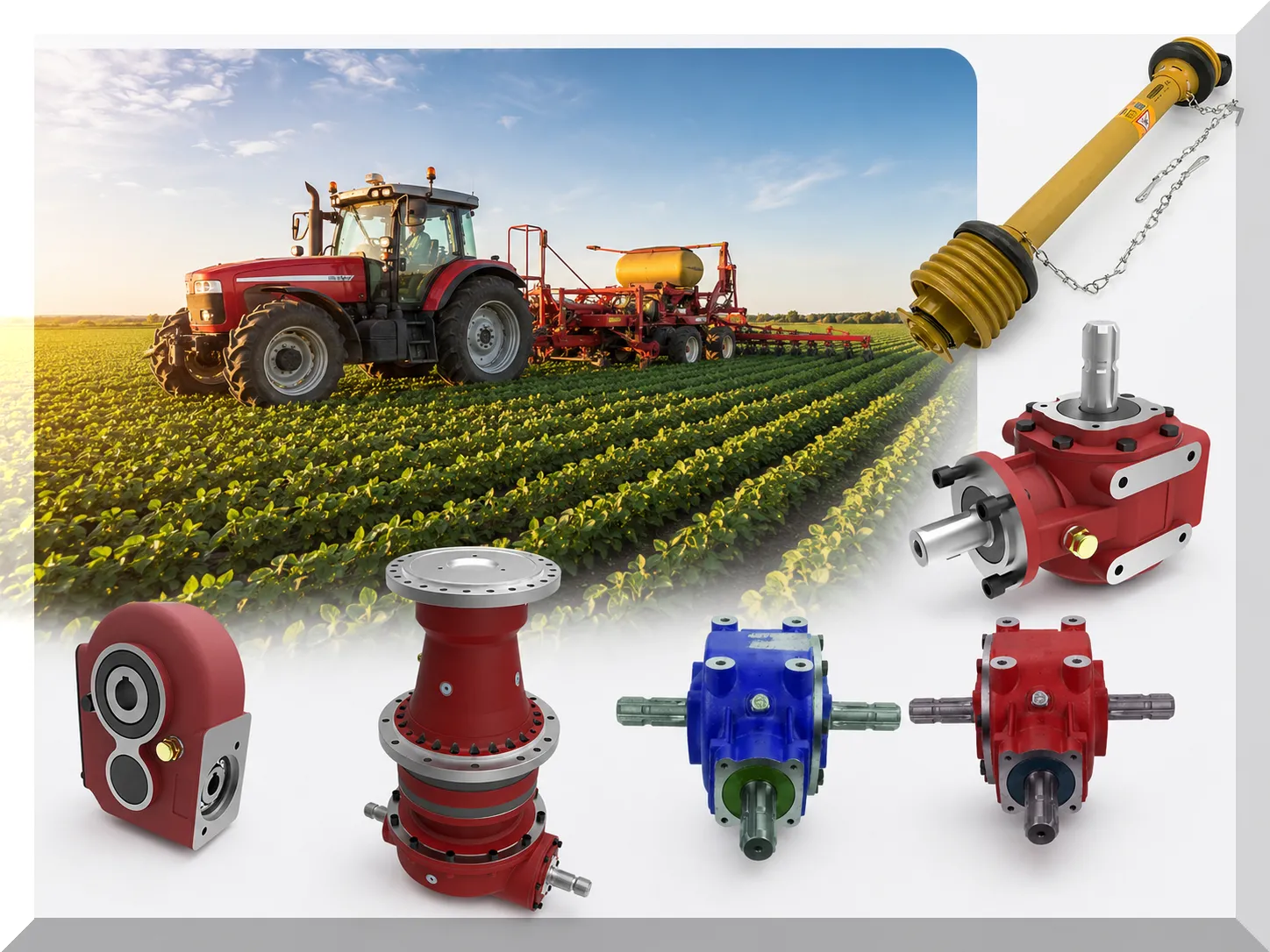
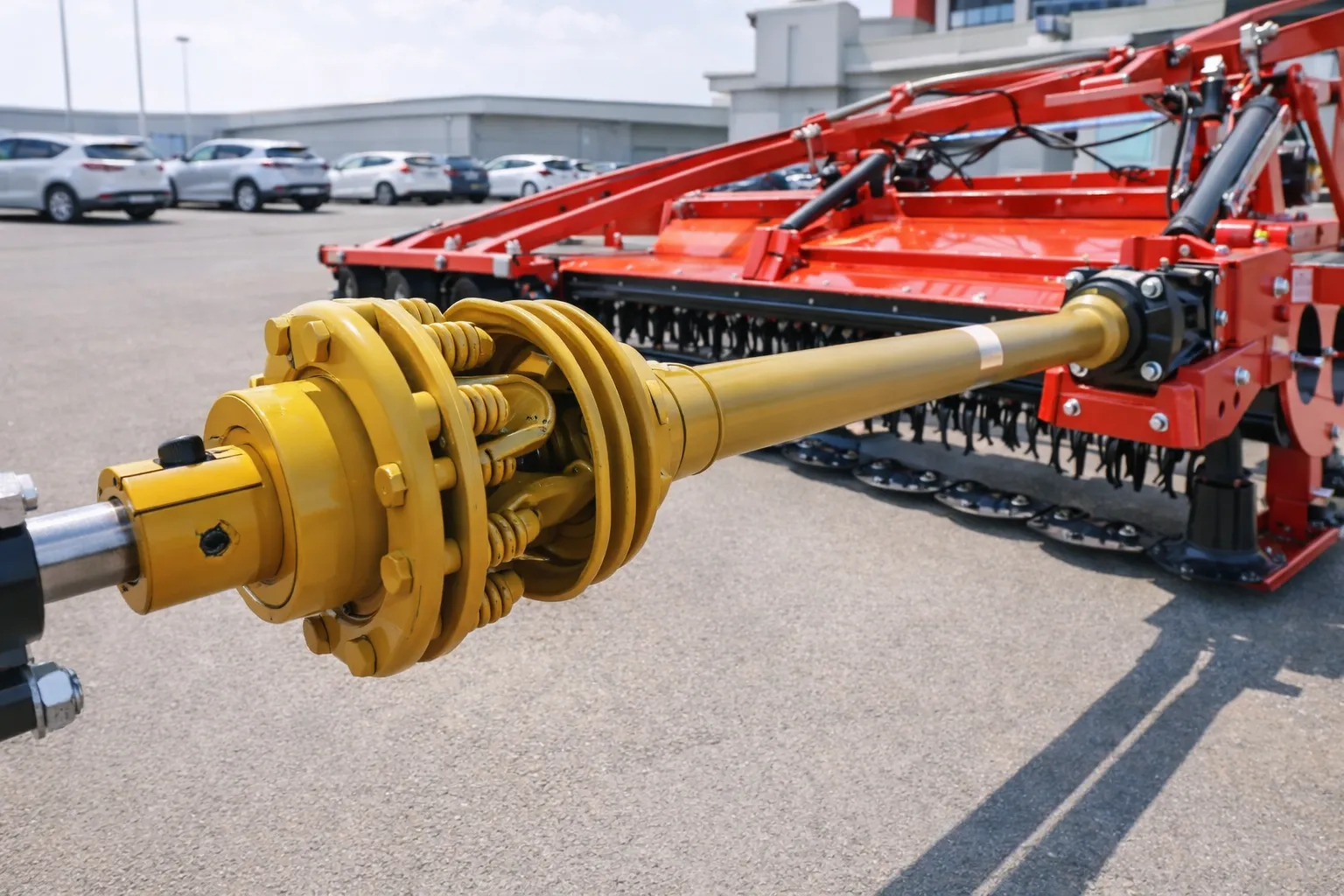
Sistem penggerak PTO pada mesin pemotong rumput cakram mentransfer daya dari traktor ke beberapa cakram yang berputar melalui serangkaian kotak roda gigi dan penggerak bevel. Rangkaian roda gigi gabungan pada mesin pemotong rumput cakram standar dirancang untuk tugas kontinu kecepatan tinggi — sesuai dengan prinsip desain yang digunakan dalam komponen sistem penggerak PTO pertanian Dirancang untuk aplikasi pemotongan rumput putar. Bilah sabit menggunakan lengan pitman atau penggerak eksentrik yang lebih sederhana yang mengubah gerakan PTO putar menjadi gerakan bolak-balik bilah pisau — sistem yang lebih sederhana secara mekanis dengan lebih sedikit komponen berkecepatan tinggi.
Matriks Risiko 5 Medan: Di Mana Setiap Jenis Mesin Pemotong Rumput Unggul dan Gagal
Alat paling berguna untuk membuat keputusan antara mesin pemotong cakram dan mesin pemotong sabit adalah penilaian kondisi medan dan tanaman. Matriks berikut menilai kedua sistem tersebut di lima skenario lapangan spesifik di AS yang sering dihadapi oleh produsen jerami:
| Kondisi Lapangan | Mesin Pemotong Cakram | Batang Sabit | Catatan |
|---|---|---|---|
| Tanah berbatu (sering terdapat batu di permukaan) | ✔ | ⚠ | Mata pisau cakram terlipat ke belakang saat benturan. Bagian sabit patah saat kontak langsung dengan batu — hal ini sangat merugikan di ladang berbatu New England atau Appalachian. |
| Tanaman basah atau rebah | ⚠ | ✔ | Aksi pemotongan sabit menghasilkan pemotongan yang lebih bersih melalui batang yang basah dan kusut. Mesin pemotong cakram dapat mendorong tanaman yang roboh daripada memotongnya dengan bersih. |
| Lereng curam (di atas 15°) | ✕ | ⚠ | Kedua sistem tersebut tidak ideal di lereng curam, tetapi mesin pemotong cakram menimbulkan bahaya lemparan batu yang lebih besar pada kecepatan tinggi. Mesin pemotong sabit lebih lambat dan berisiko lebih rendah. Keselamatan operator harus dievaluasi secara independen. |
| Batang lebat dan hasil panen tinggi (di atas 5 t DM/ha) | ✔ | ✕ | Tanaman dengan biomassa tinggi seperti alfalfa yang diairi pada pemotongan pertama melebihi kapasitas kerja sabit pemotong. Cakram pemotong menangani material padat pada kecepatan operasional tanpa risiko penyumbatan yang melekat pada pekerjaan sabit pemotong dengan hasil panen tinggi. |
| Ladang yang datar, bebas batu, dan seragam. | ✔ | ✔ | Kedua sistem tersebut bekerja dengan baik di lahan yang bersih dan rata. Mesin pemotong cakram memiliki kapasitas kerja yang lebih tinggi; mesin pemotong sabit memiliki kebutuhan daya kuda yang lebih rendah dan biaya operasional per hektar yang lebih rendah pada tanaman dengan hasil panen rendah. |
✔ = pilihan yang disarankan untuk kondisi ini | ⚠ = gunakan dengan hati-hati atau kurangi kecepatan | ✕ = tidak disarankan tanpa kesadaran operator akan peningkatan risiko
Kualitas Pemotongan dan Pembentukan Tumpukan
Mesin pemotong cakram membuang material yang dipotong dalam bentuk jalur ke samping atau belakang, tergantung pada desainnya. Sebagian besar mesin pemotong cakram yang ditarik menempatkan material yang dipotong dalam jalur lebar dan rata yang menyebarkan tanaman untuk pengeringan matahari yang lebih cepat. Ujung batang yang dipotong dengan benturan sedikit lebih kasar daripada potongan sabit—ini tidak memiliki efek praktis pada fermentasi atau kualitas jerami, tetapi itu berarti ujung yang dipotong tidak sekonsisten profil potongan sabit.
Mesin pemotong rumput tipe sabit menghasilkan potongan tunggul yang sangat bersih dan rendah pada ketinggian yang tepat. Ini merupakan keuntungan pada tanaman yang ketinggian tunggulnya merata sehingga mendukung pertumbuhan kembali yang cepat, seperti alfalfa dalam sistem pemotongan berulang. Hasil pemotongan tipe sabit yang rata dan rendah cenderung lebih padat daripada hasil pemotongan tipe cakram yang lebar, yang dapat memperlambat kecepatan pengeringan dalam kondisi dingin dan lembap. Mesin pengering jerami sering dipasangkan dengan mesin pemotong rumput tipe sabit pada tanaman yang membutuhkan bantuan pengeringan untuk mengimbangi profil hasil pemotongan yang lebih sempit.
Total Biaya Kepemilikan: Penggantian Mata Pisau vs Penggantian Pisau Pemotong
Biaya kepemilikan berkelanjutan antara kedua jenis mesin pemotong rumput menunjukkan pembalikan yang menarik tergantung pada kondisi lapangan. Di tanah yang bersih dan rata:
Pisau pemotong rumput cakram akan aus secara bertahap seiring penggunaan dan diganti sesuai jadwal—biasanya setiap 100 hingga 200 hektar tergantung pada abrasi tanah. Penggantian satu set pisau cakram lengkap berharga $80 hingga $200 tergantung modelnya. Ini adalah biaya yang dapat diprediksi dan dianggarkan. Kotak roda gigi penggerak cakram memerlukan penggantian oli secara berkala setiap musim, yang menambah biaya perawatan yang sederhana namun teratur.
Mata pisau pemotong rumput tipe sabit pada tanah bersih dapat bertahan selama beberapa musim penuh dengan biaya penggantian per mata pisau yang rendah ($3 hingga $8 per mata pisau, dengan satu bilah pemotong biasanya mampu menampung 20 hingga 36 mata pisau). Namun, pada tanah berbatu, perhitungannya berbalik tajam: sekali melewati area berbatu dapat mematahkan 4 hingga 10 mata pisau sekaligus, dan pengulangan pemotongan di medan berbatu dapat menghabiskan seluruh anggaran mata pisau untuk satu musim dalam beberapa minggu. Mata pisau pemotong rumput tipe cakram yang dapat berayun bebas menyerap energi batu ini tanpa konsekuensi biaya yang sama.
Kapan Memilih Mesin Pemotong Cakram 9GD-2.5?
Itu Mesin pemotong cakram tarik 9GD-2.5 adalah alat yang tepat ketika tujuan utama Anda adalah peningkatan kapasitas kerja di medan datar hingga sedang. Aplikasi spesifik di mana desain cakram secara konsisten mengungguli batang sabit meliputi:
Operasi yang mengelola lahan seluas 200 hektar atau lebih di mana tingkat panen harian merupakan kendala utama dalam program pembuatan jerami. Dengan luas 12 hingga 15 hektar per hari kerja di lahan datar, mesin pemotong cakram dapat mengimbangi operasi mesin pengepak jerami bundar yang besar tanpa mesin pengepak jerami tersebut menganggur menunggu hasil panen tersedia.
Lahan dengan bebatuan yang kadang-kadang tertanam atau kerikil di permukaan, di mana mata pisau yang berayun bebas memberikan perlindungan yang berarti terhadap kerusakan akibat benturan. Bahkan satu atau dua batu besar per hektar akan berdampak besar selama satu musim — mesin pemotong cakram menyerap risiko itu dengan biaya tambahan yang sangat kecil.
Ladang irigasi berdaya hasil tinggi di mana alfalfa hasil panen pertama, rumput tinggi, atau rumput bermuda hibrida menghasilkan volume tanaman yang menantang kapasitas mesin pemotong rumput tipe sickle bar. Tumpukan jerami padat yang langsung masuk ke mesin pengepak jerami bundar berkapasitas tinggi paling baik dihasilkan pada kecepatan yang memungkinkan oleh mesin pemotong rumput tipe disc mower.
Kapan Memilih Mesin Pemotong Rumput Sickle Bar 9GS-5.0?
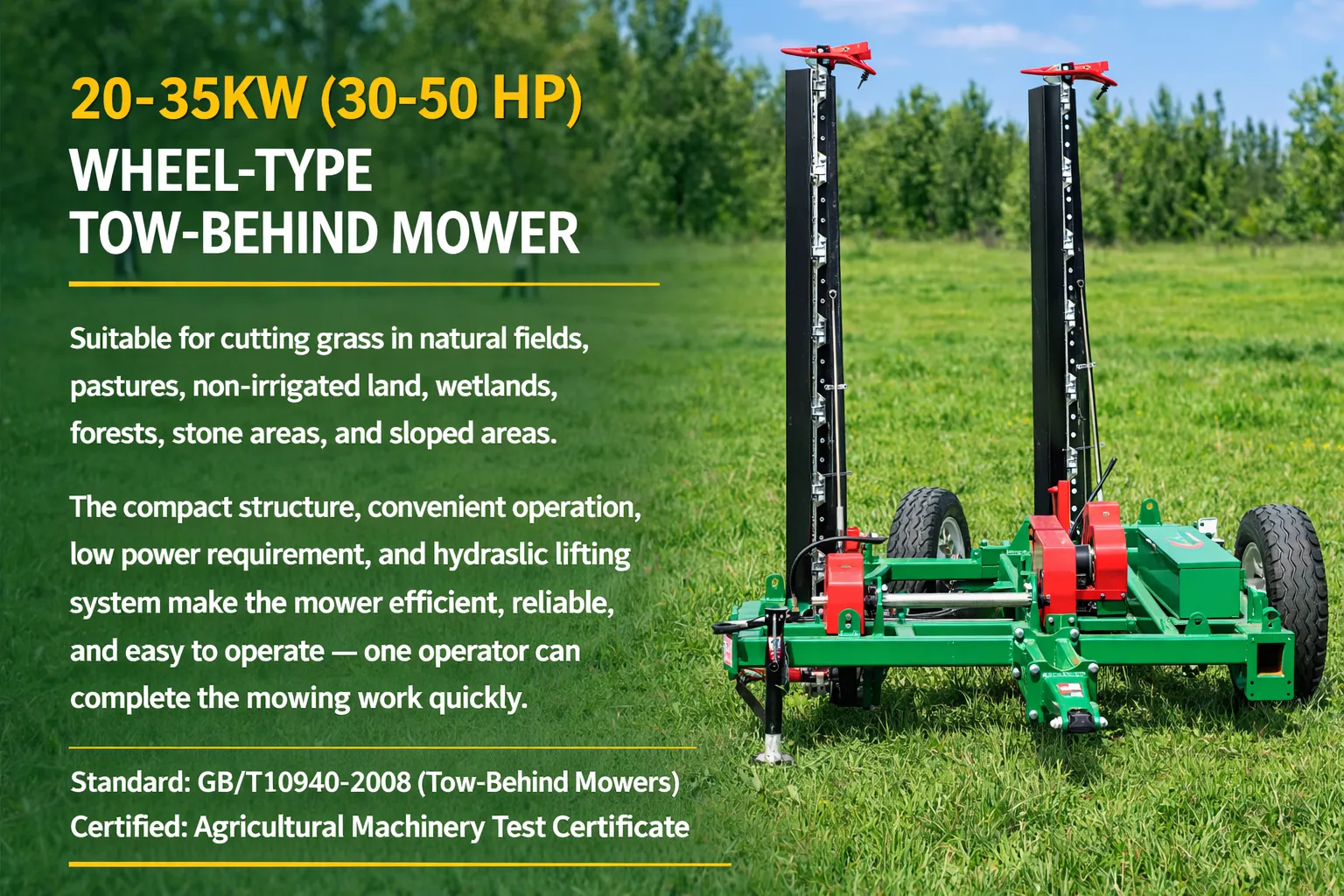
Itu Mesin pemotong rumput tipe sabit ganda 9GS-5.0 Alat ini tepat digunakan ketika medan yang kompleks, traktor dengan tenaga kuda rendah, atau jenis tanaman lebih menyukai pendekatan pemotongan gunting daripada dampak cakram putar. Kasus-kasus spesifik di mana batang sabit adalah pilihan yang lebih baik:
Operasi lahan kecil dengan traktor 35 hingga 50 HP di mana kebutuhan daya mesin pemotong cakram tidak terlalu besar. Kebutuhan daya yang lebih rendah dari mesin pemotong sabit menjadikannya pilihan praktis untuk pertanian yang tidak mampu melakukan peningkatan traktor atau masih menggunakan peralatan lama.
Ladang dengan medan kasar — tidak selalu curam, tetapi dengan permukaan yang tidak rata, parit drainase, atau medan yang membuat ketinggian mata pisau cakram yang konsisten sulit dipertahankan. Mata pisau profil rendah pada pemotong sabit mengikuti permukaan tanah yang tidak rata dengan lebih akurat daripada bidang cakram kaku pada pemotong cakram.
Tanaman dengan hasil panen rendah di mana perbedaan hasil per hektar antara cakram dan sabit minimal dan biaya pembelian serta kebutuhan tenaga kuda yang lebih rendah dari sabit menjadi pertimbangan ekonomis. Rumput padang rumput alami, sisa tanaman penutup tanah yang ringan, atau ladang jerami dengan tegakan tipis adalah contoh di mana keunggulan kecepatan cakram sebagian terbuang sia-sia.
Pertanyaan yang Sering Diajukan
Beri tahu kami kondisi lahan dan daya kuda traktor Anda — Kami akan memastikan mesin pemotong rumput yang tepat.
Baik operasi Anda membutuhkan kapasitas pemotongan yang tinggi dari mesin pemotong cakram atau toleransi medan yang lebih mudah dari mesin pemotong sabit, tim kami di AS akan memastikan kompatibilitasnya sebelum barang dikirim. Harga langsung dari pabrik, gudang di California, tanpa mark-up dari dealer.
Editor: Cxm


