
डिस्क मोवर और सिकल बार मोवर के बीच चुनाव केवल पसंद का मामला नहीं है — यह आपके खेत की स्थितियों, भूभाग के जोखिम और आपके द्वारा काटी जाने वाली फसलों पर निर्भर करता है। दोनों प्रणालियाँ अमेरिका में घास की खेती में व्यापक रूप से उपयोग की जाती हैं, लेकिन इन्हें अलग-अलग वातावरणों के लिए डिज़ाइन किया गया है। प्रत्येक कटाई डिज़ाइन के पीछे की कार्यप्रणाली को समझना, आपके खेत के लिए सही मशीन चुनने की दिशा में पहला कदम है।
मुख्य अंतर: प्रत्येक प्रणाली किस प्रकार कटौती करती है
डिस्क घास काटने की मशीन में दो से छह घूमने वाली स्टील की डिस्क होती हैं, जिनमें से प्रत्येक पर दो से चार स्वतंत्र रूप से घूमने वाले ब्लेड लगे होते हैं। ये ब्लेड क्षैतिज तल में 2,500 से 3,000 आरपीएम की गति से घूमते हैं। ब्लेड तेज गति से टकराकर फसल को काटते हैं: डिस्क के घूमते समय वे फसल के तने को काटते हैं, और फिर चट्टानों या अन्य बाधाओं से टकराने पर डिस्क को तोड़े बिना वापस मुड़ जाते हैं। चट्टानों वाले खेतों में डिस्क घास काटने की मशीन का यह स्वतंत्र रूप से घूमने वाला ब्लेड डिज़ाइन सुरक्षा के लिहाज से सबसे बड़ा लाभ है।
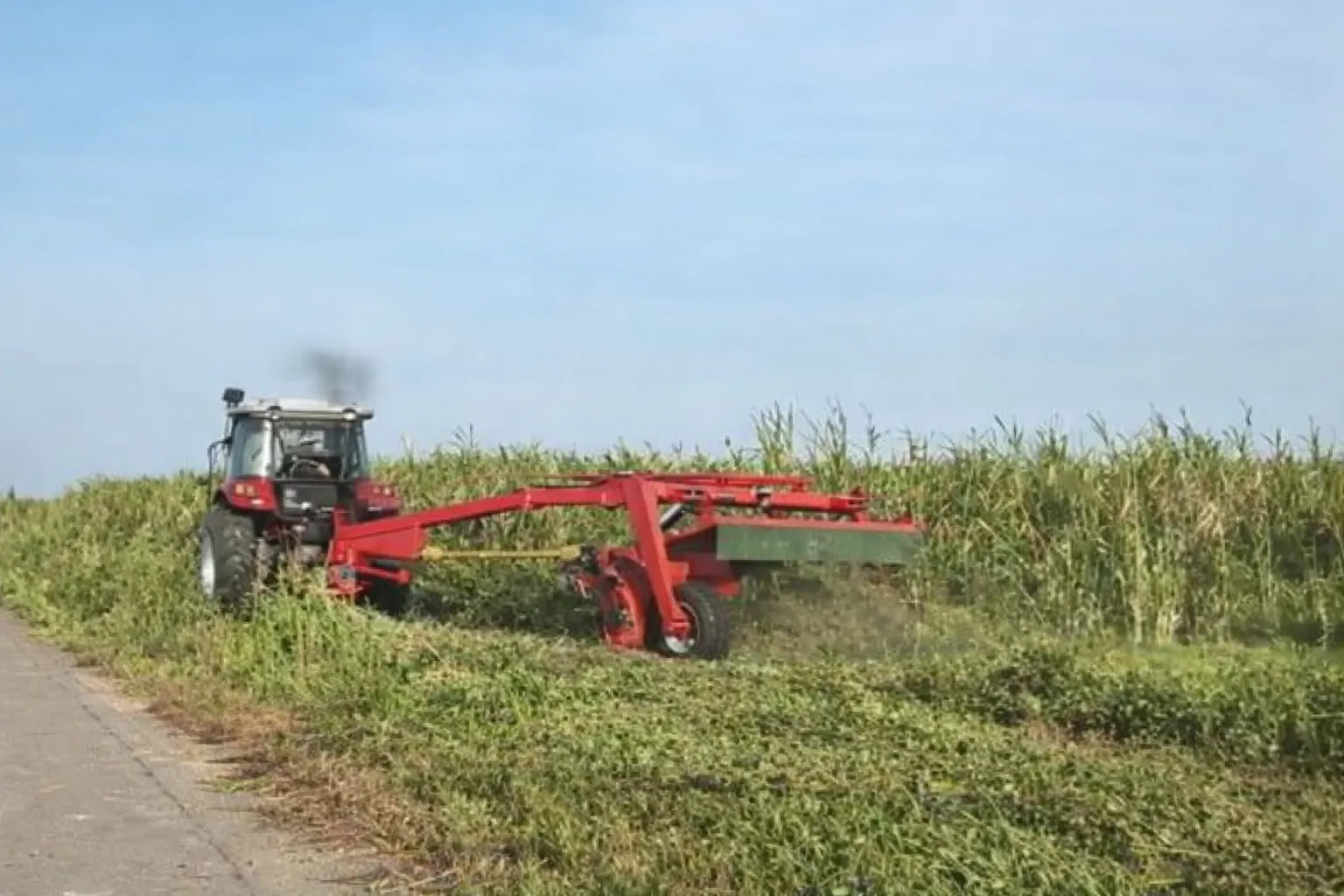
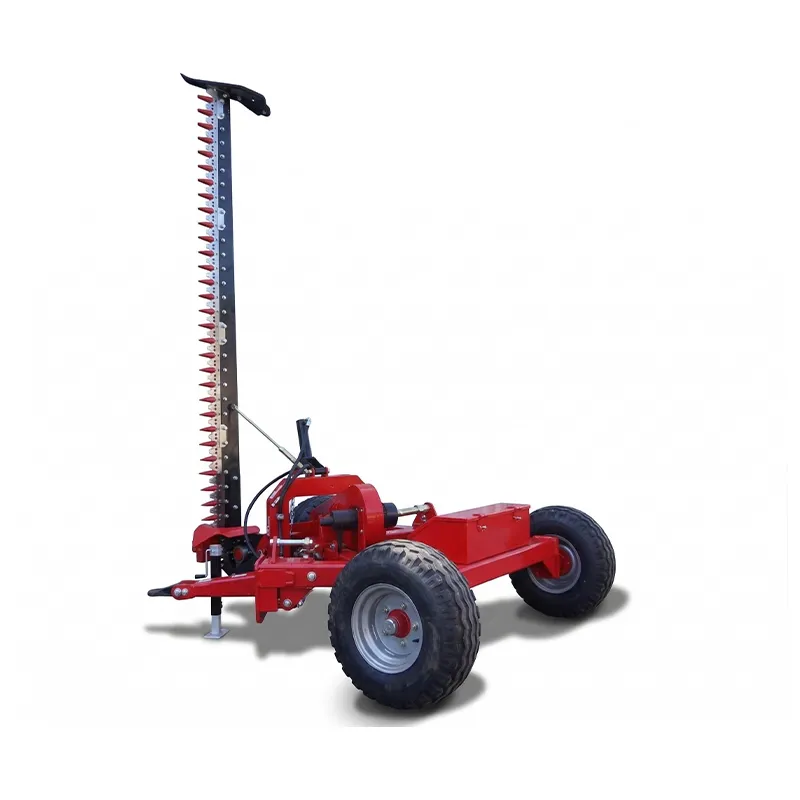
सिकल बार घास काटने की मशीन में एक प्रत्यावर्ती ब्लेड का उपयोग होता है - एक धातु की छड़ पर लगे त्रिकोणीय चाकू के आकार के खंडों की एक पंक्ति जो तेज गति से आगे-पीछे दोलन करती है। काटने की क्रिया कैंची जैसी होती है: प्रत्येक चाकू का खंड दो स्थिर फिंगर गार्ड के बीच टिका होता है, और प्रत्यावर्ती गति फसल के तने को उन गार्डों के विरुद्ध काटती है। यह काटने की क्रिया एक साफ, कम ऊर्जा वाली कटाई प्रदान करती है जो फसल के लिए कम हानिकारक होती है और रोटरी डिस्क प्रणाली की तुलना में प्रति इकाई कटाई चौड़ाई के लिए कम हॉर्सपावर की आवश्यकता होती है। इसका नुकसान यह है कि सिकल के खुले हुए चाकू के खंड कठोर वस्तुओं के प्रति संवेदनशील होते हैं - एक बड़ा पत्थर एक ही बार में कई खंडों को तोड़ सकता है।
ये दो मौलिक रूप से भिन्न कटाई तंत्र परिचालन गति, फसल प्रबंधन, रखरखाव और विशिष्ट अमेरिकी कृषि परिस्थितियों के लिए उपयुक्तता के संदर्भ में अलग-अलग परिणाम देते हैं। इनमें से कोई भी सर्वोपरि नहीं है - सही चुनाव इस बात पर निर्भर करता है कि आप मशीन से क्या कार्य करवाना चाहते हैं।
गति, शक्ति और कार्यक्षेत्र: आमने-सामने तुलना
डिस्क और सिकल मोवर के बीच सबसे स्पष्ट परिचालन अंतर गति का होता है। सामान्य परिस्थितियों में डिस्क मोवर 8 से 14 किमी/घंटा की गति से चलते हैं, जिससे समतल और साफ खेतों के लिए सिकल बार की तुलना में प्रतिदिन काफी अधिक क्षमता प्राप्त होती है। सिकल बार कटाई की गुणवत्ता बनाए रखने के लिए 5 से 9 किमी/घंटा की गति से चलते हैं - इससे अधिक गति पर फसल चाकू के आगे ढेर हो जाती है, बजाय इसके कि वह फिंगर गार्ड से साफ-सुथरा गुजरे।
| पैरामीटर | डिस्क मोवर | सिकल बार मोवर |
|---|---|---|
| परिचालन गति | 8–14 किमी/घंटा | 5–9 किमी/घंटा |
| न्यूनतम ट्रैक्टर एचपी | 35–55 एचपी (चौड़ाई पर निर्भर) | 25–45 एचपी |
| पीटीओ गति | 540 आर/मिनट (लगभग 1,000) | 540 आर/मिनट |
| सामान्य दैनिक क्षमता | 15–35 हेक्टेयर/दिन | 8–18 हेक्टेयर/दिन |
| चट्टान/बाधा का खतरा | कम ऊंचाई (स्वतंत्र रूप से घूमने वाले ब्लेड) | मध्यम (खंड विराम) |
| प्राथमिक घिसाव वाला भाग | घूमने वाले ब्लेड (प्रत्येक 100-200 हेक्टेयर पर) | चाकू के भाग (आवश्यकतानुसार) |
| फसल की सतह पर गुणवत्ता में कटौती | प्रभाव से फटा हुआ — थोड़ा खुरदरा | कतरन से काटा गया — साफ भाग |
दैनिक क्षमता सीमाएँ समतल, स्वच्छ भूमि पर 8 घंटे के परिचालन दिवसों को मानकर निर्धारित की गई हैं। भूभाग, खेत का आकार और हेडलैंड की आवृत्ति दोनों प्रणालियों में वास्तविक उत्पादन को कम करती हैं।
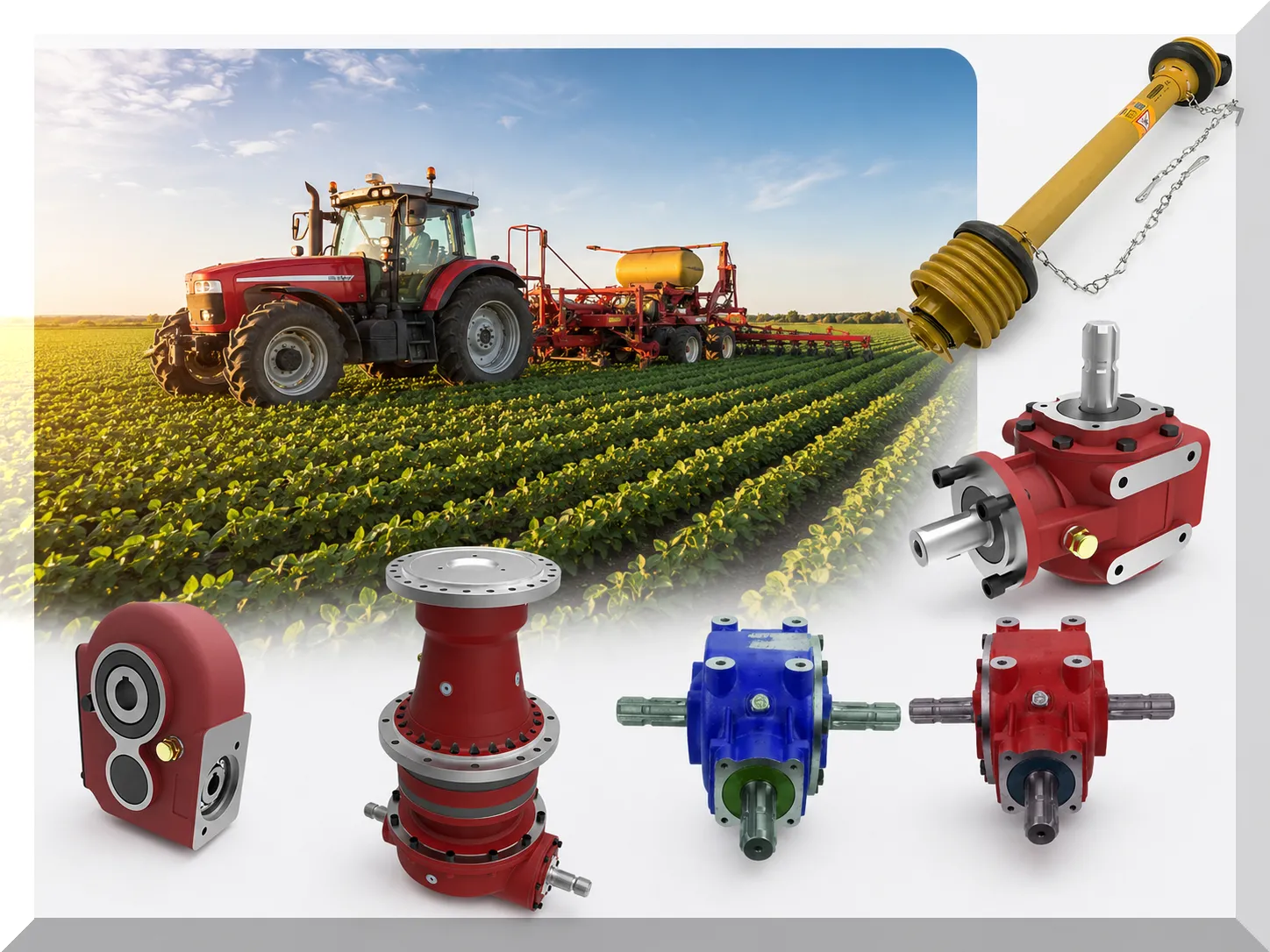
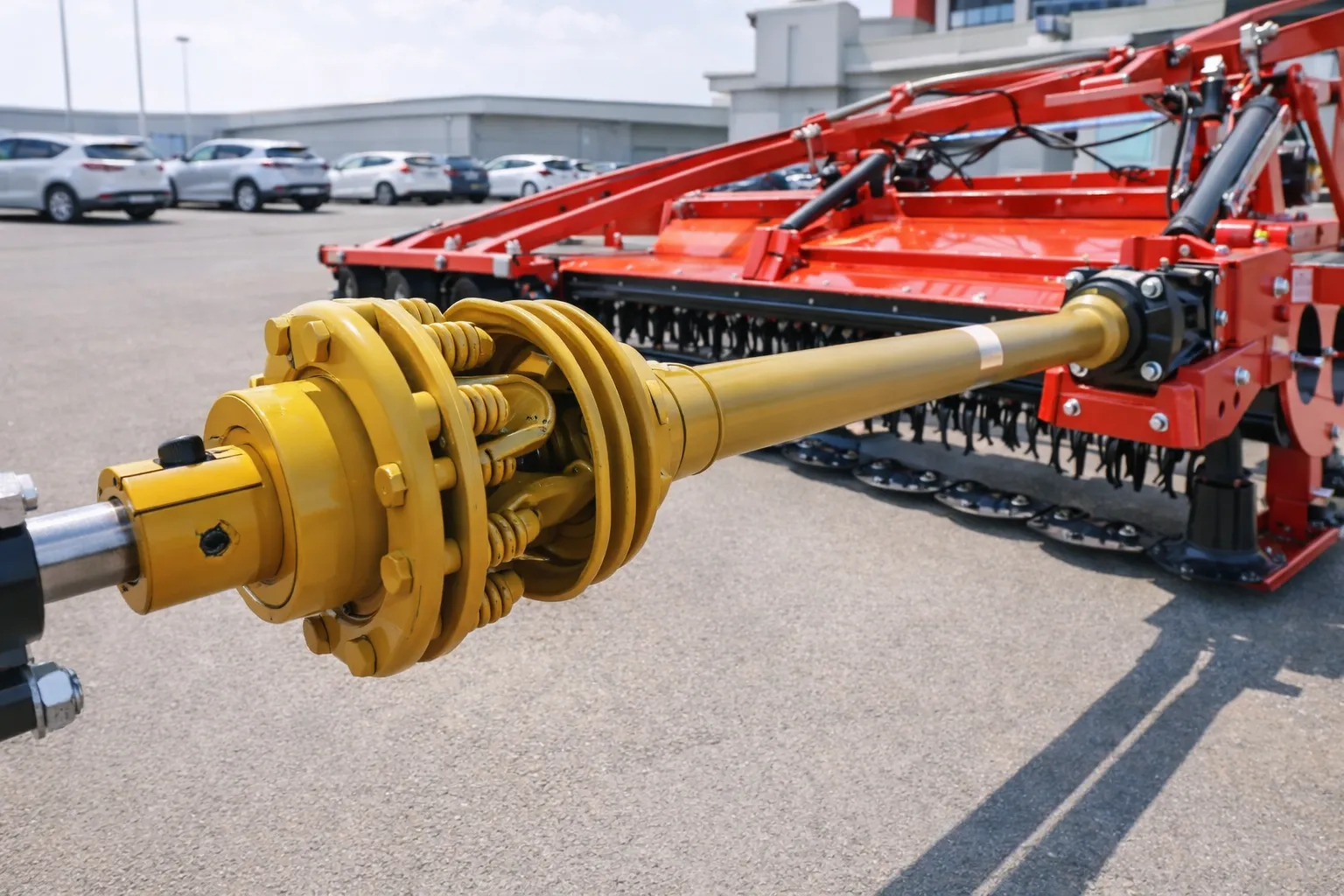
डिस्क मोवर की पीटीओ ड्राइवलाइन, गियरबॉक्स और बेवल ड्राइव की एक श्रृंखला के माध्यम से ट्रैक्टर से कई घूमती हुई डिस्क तक शक्ति स्थानांतरित करती है। एक मानक डिस्क मोवर में संयुक्त गियर सेट को उच्च गति निरंतर कार्य के लिए डिज़ाइन किया गया है - जो कि डिज़ाइन सिद्धांतों के अनुरूप है। कृषि पीटीओ ड्राइवलाइन घटक इसे रोटरी घास काटने के अनुप्रयोगों के लिए डिज़ाइन किया गया है। सिकल बार एक सरल पिटमैन-आर्म या सनकी ड्राइव का उपयोग करता है जो रोटरी पीटीओ गति को नाइफ बार के प्रत्यावर्ती स्ट्रोक में परिवर्तित करता है - यह कम उच्च-गति वाले घटकों के साथ एक यांत्रिक रूप से सरल प्रणाली है।
5-भूभाग जोखिम मैट्रिक्स: प्रत्येक प्रकार के घास काटने की मशीन की सफलता और असफलता का विश्लेषण
डिस्क मोवर बनाम सिकल बार मोवर का चुनाव करने के लिए सबसे उपयोगी उपकरण भूभाग और फसल की स्थिति का आकलन है। निम्नलिखित मैट्रिक्स घास उत्पादकों द्वारा नियमित रूप से सामना किए जाने वाले पांच विशिष्ट अमेरिकी क्षेत्र परिदृश्यों में दोनों प्रणालियों का मूल्यांकन करता है:
| क्षेत्र की स्थिति | डिस्क मोवर | सिकल बार | नोट्स |
|---|---|---|---|
| पथरीली जमीन (सतह पर अक्सर पत्थर बिखरे हुए) | ✔ | ⚠ | डिस्क के ब्लेड टकराने पर पीछे की ओर मुड़ जाते हैं। चट्टान के सीधे संपर्क में आने पर सिकल सेक्शन टूट जाते हैं - जो न्यू इंग्लैंड या एपलाचियन के पथरीले क्षेत्रों में काफी महंगा साबित होता है। |
| गीली या गिरी हुई फसल | ⚠ | ✔ | हंसिया की कतरन क्रिया गीले, उलझे हुए तनों को अधिक सफाई से काटती है। डिस्क मोवर फसल को साफ-सुथरा काटने के बजाय उसे धकेल सकते हैं। |
| तीव्र ढलान (15° से ऊपर) | ✕ | ⚠ | तेज ढलानों पर दोनों में से कोई भी प्रणाली आदर्श नहीं है, लेकिन डिस्क घास काटने वाली मशीनें तेज गति से चलने पर पत्थर फेंकने का अधिक खतरा पैदा करती हैं। सिकल बार मशीनें धीमी और कम जोखिम वाली होती हैं। ऑपरेटर की सुरक्षा का मूल्यांकन स्वतंत्र रूप से किया जाना चाहिए। |
| घने तने और उच्च उपज (5 टन शुष्क पदार्थ/हेक्टेयर से अधिक) | ✔ | ✕ | सिंचाई वाली अल्फ़ाल्फ़ा जैसी उच्च बायोमास वाली फसलें पहली कटाई के समय सिकल बार की उत्पादन क्षमता को पार कर जाती हैं। यह डिस्क सघन सामग्री को परिचालन गति पर संभालती है, बिना उच्च उपज वाली फसलों में सिकल बार के काम में निहित रुकावट के जोखिम के। |
| समतल, पत्थर रहित, एकसमान मैदान | ✔ | ✔ | दोनों प्रणालियाँ साफ, समतल जमीन पर अच्छी तरह काम करती हैं। डिस्क मोवर की उत्पादन क्षमता अधिक होती है; जबकि सिकल बार मोवर की एचपी आवश्यकता कम होती है और कम उपज वाली फसलों पर प्रति एकड़ परिचालन लागत भी कम होती है। |
✔ = इस स्थिति के लिए बेहतर विकल्प | ⚠ = सावधानी से या कम गति से उपयोग करें | ✕ = ऑपरेटर को उच्च जोखिम की जानकारी के बिना उपयोग करने की सलाह नहीं दी जाती है
कटाई की गुणवत्ता और विंडरो निर्माण
डिस्क मोवर डिज़ाइन के आधार पर कटी हुई सामग्री को किनारे या पीछे की ओर एक पट्टी में गिराते हैं। अधिकांश टो किए जाने वाले डिस्क मोवर कटी हुई सामग्री को एक चौड़ी, सपाट पट्टी में रखते हैं जो फसल को तेजी से धूप में सुखाने के लिए फैला देती है। इम्पैक्ट-कट से तने का सिरा सिकल-शियर कट की तुलना में थोड़ा खुरदुरा होता है - इसका किण्वन या घास की गुणवत्ता पर कोई व्यावहारिक प्रभाव नहीं पड़ता है, लेकिन इसका मतलब यह है कि कटा हुआ सिरा सिकल कट की तरह आकार में एकसमान नहीं होता है।
सिकल बार घास काटने वाली मशीनें सटीक ऊंचाई पर बहुत साफ-सुथरी और कम ऊंचाई वाली ठूंठ की कटाई करती हैं। यह उन फसलों के लिए फायदेमंद है जहां ठूंठ की एक समान ऊंचाई तेजी से पुनर्वृद्धि में सहायक होती है, जैसे कि बहु-कटाई प्रणाली में अल्फाल्फा। सिकल बार की सपाट, कम ऊंचाई वाली पट्टी चौड़ी डिस्क पट्टी की तुलना में अधिक सघन होती है, जो ठंडी और नम परिस्थितियों में सूखने की गति को धीमा कर सकती है। जिन फसलों को सूखने में सहायता की आवश्यकता होती है, उनमें संकरी पट्टी की भरपाई के लिए अक्सर सिकल बार के साथ टेडर का उपयोग किया जाता है।
स्वामित्व की कुल लागत: ब्लेड प्रतिस्थापन बनाम सेक्शन नाइफ प्रतिस्थापन
दोनों प्रकार के घास काटने की मशीनों के स्वामित्व की लागत में खेत की स्थितियों के आधार पर एक दिलचस्प उलटफेर देखने को मिलता है। साफ, समतल जमीन पर:
डिस्क मोवर के ब्लेड इस्तेमाल के साथ धीरे-धीरे घिसते हैं और इन्हें एक निश्चित अंतराल पर बदलना पड़ता है — आमतौर पर मिट्टी के घिसाव के आधार पर हर 100 से 200 हेक्टेयर के बाद। मॉडल के आधार पर डिस्क ब्लेड के पूरे सेट को बदलने की लागत $80 से $200 तक होती है। यह एक अनुमानित और बजट के अनुकूल लागत है। डिस्क ड्राइव गियरबॉक्स में मौसम के अनुसार तेल बदलना पड़ता है, जिससे रखरखाव का मामूली लेकिन नियमित खर्च बढ़ जाता है।
साफ ज़मीन पर सिकल बार नाइफ सेक्शन कई पूरे सीज़न तक चलते हैं और इनकी रिप्लेसमेंट लागत प्रति सेक्शन कम होती है ($3 से $8 प्रति सेक्शन, एक सामान्य बार में 20 से 36 सेक्शन होते हैं)। लेकिन पथरीली ज़मीन पर स्थिति एकदम उलट जाती है: पथरीले इलाके से एक बार गुज़रने पर ही 4 से 10 सेक्शन टूट सकते हैं, और बार-बार पथरीले इलाके से गुज़रने पर पूरे सीज़न के सेक्शन का बजट कुछ ही हफ्तों में खत्म हो सकता है। डिस्क मोवर के स्वतंत्र रूप से घूमने वाले ब्लेड बिना ज़्यादा लागत के इस पथरीलेपन को सोख लेते हैं।
9GD-2.5 डिस्क मोवर कब चुनें?
The 9GD-2.5 टोएड डिस्क मोवर जब आपका प्राथमिक लक्ष्य समतल से मध्यम भूभाग पर उच्च दक्षता प्राप्त करना हो, तो यह सही उपकरण है। कुछ विशिष्ट अनुप्रयोग जहां डिस्क डिज़ाइन लगातार सिकल बार से बेहतर प्रदर्शन करता है, उनमें शामिल हैं:
200 एकड़ या उससे अधिक भूमि का प्रबंधन करने वाले संचालन, जहाँ दैनिक कटाई दर चारा कार्यक्रम पर बाध्यकारी बाधा है। समतल भूमि पर प्रतिदिन 12 से 15 हेक्टेयर की परिचालन दर के साथ, डिस्क मोवर एक बड़े राउंड बेलर ऑपरेशन के साथ तालमेल बिठा सकता है, जिससे बेलर को कटी हुई फसल के उपलब्ध होने की प्रतीक्षा में निष्क्रिय नहीं रहना पड़ता।
जिन खेतों में कहीं-कहीं पत्थर या बजरी बिछी होती है, वहां फ्री-स्विंग ब्लेड से प्रभाव से होने वाले नुकसान से काफी हद तक बचाव होता है। यहां तक कि प्रति एकड़ एक या दो बड़े पत्थर भी पूरे मौसम में काफी नुकसान पहुंचा सकते हैं - डिस्क मोवर मामूली अतिरिक्त लागत पर इस जोखिम को कम कर देता है।
उच्च उपज वाले सिंचित खेतों में, जहाँ पहली कटाई वाली अल्फ़ाल्फ़ा, लंबी घास या हाइब्रिड बरमूडा घास की फसल की मात्रा इतनी अधिक होती है कि सिकल बार की कटाई क्षमता चुनौती बन जाती है। उच्च क्षमता वाले राउंड बेलर में सीधे जाने वाली घनी पंक्तियों को डिस्क मोवर की गति से तैयार करना सर्वोत्तम होता है।
9GS-5.0 सिकल बार मोवर कब चुनें?
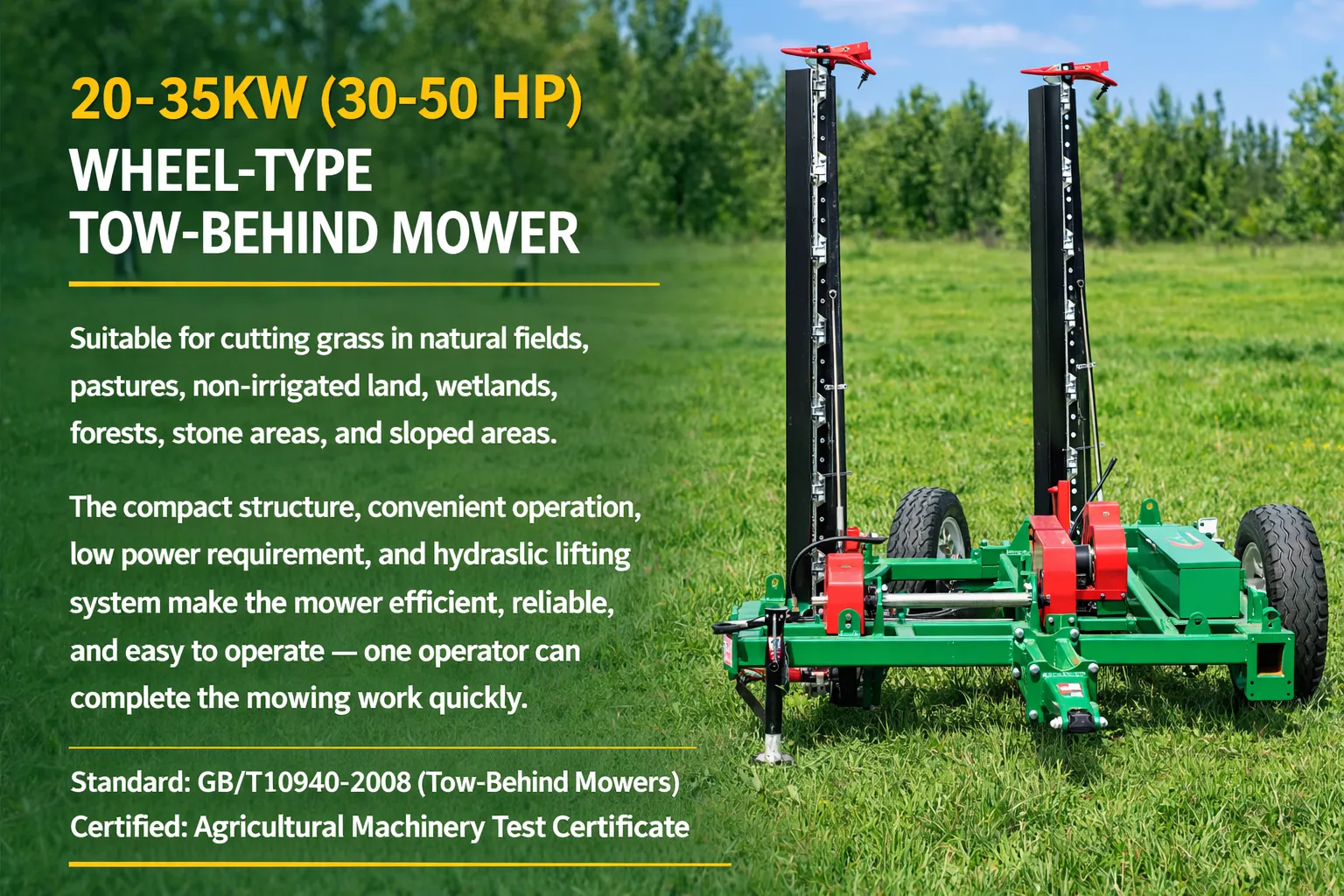
The 9GS-5.0 डबल-एक्टिंग सिकल बार मोवर जब भूभाग की जटिलता, कम एचपी वाले ट्रैक्टर या फसल के प्रकार के कारण रोटरी डिस्क के प्रभाव के बजाय कैंची-कटाई विधि उपयुक्त हो, तो यह सही उपकरण है। कुछ विशिष्ट मामले जहां सिकल बार बेहतर विकल्प है:
35 से 50 एचपी वाले ट्रैक्टरों के साथ छोटे खेतों में काम करने वाले किसानों के लिए डिस्क मोवर की एचपी आवश्यकता नगण्य होती है। सिकल बार की कम बिजली खपत इसे उन खेतों के लिए एक व्यावहारिक विकल्प बनाती है जो ट्रैक्टर अपग्रेड का खर्च वहन नहीं कर सकते या पुराने उपकरणों का उपयोग कर रहे हैं।
ऊबड़-खाबड़ खेतों के लिए - जरूरी नहीं कि ढलान हो, लेकिन सतह अनियमित हो, जल निकासी के लिए गड्ढे हों, या ऐसी भूभाग हो जहां डिस्क ब्लेड की ऊंचाई को एक समान बनाए रखना मुश्किल हो। सिकल बार का कम ऊंचाई वाला नाइफ बार, डिस्क मोवर के कठोर डिस्क प्लेन की तुलना में असमान जमीन पर अधिक सटीक रूप से चलता है।
कम उपज वाली फसलों में, जहां डिस्क और सिकल बार के बीच प्रति एकड़ उत्पादन का अंतर नगण्य होता है, और सिकल बार की कम खरीद लागत और कम एचपी आवश्यकता आर्थिक दृष्टि से अधिक लाभदायक होती है, वहां डिस्क का उपयोग करना बेहतर होता है। देशी चारागाह घास, हल्की आवरण फसल के अवशेष, या कम घनत्व वाले घास के खेत इसके उदाहरण हैं जहां डिस्क की गति का लाभ आंशिक रूप से व्यर्थ हो जाता है।
अक्सर पूछे जाने वाले प्रश्नों
हमें अपने खेत की स्थिति और ट्रैक्टर की हॉर्सपावर के बारे में बताएं — हम आपके लिए सही घास काटने की मशीन की पुष्टि करेंगे।
चाहे आपके काम के लिए डिस्क मोवर की उच्च क्षमता की आवश्यकता हो या सिकल बार की तरह ऊबड़-खाबड़ इलाके में काम करने की क्षमता की, हमारी अमेरिकी टीम शिपमेंट से पहले उसकी अनुकूलता सुनिश्चित करती है। सीधे फ़ैक्टरी मूल्य, कैलिफ़ोर्निया में गोदाम, डीलर का कोई अतिरिक्त शुल्क नहीं।
संपादक: सीएक्सएम


