Pilih Laman

Bale Weight Reference · All Crops · 9YF Series

Panduan Berat Balok Persegi Kecil: Alfalfa, Rumput, dan Jerami

A small square bale does not have a fixed weight — it is the outcome of three interacting variables: crop species, moisture at baling and the plunger density setting you run. Alfalfa bales from the same machine at the same length setting can range from 20kg to 38kg depending on these factors. This guide gives realistic weight ranges for every crop type in the 9YF series and explains what drives variation so you can produce the weight your market requires.

Why Small Square Bale Weight Varies: The Three Variables

Variable 1: Crop Species and Stem Structure

Different crop species compress to different densities under the same mechanical force because their stem structure, diameter and flexibility differ fundamentally. Alfalfa at 16% moisture has dense, relatively solid stems that pack with fewer voids than grass hay from the same plunger setting. Rice straw has hollow stems with high silica content that spring back after each plunger stroke, producing lighter bales than any other standard baling crop. Corn stover with intact stalks compresses poorly in a standard chamber because the rigid stem bridges across the cross-section — shredding before compression dramatically changes the result.

The practical consequence: if you know your plunger density setting and bale length but change crops without recalibrating, your bale weight will change. A setting that produces 24kg alfalfa bales will produce 18–20kg grass hay bales and 14–16kg wheat straw bales at the same length and density — three completely different market weights from one unchanged machine setting.

Variable 2: Moisture at Baling

Moisture adds weight to every bale. The same crop baled at 20% moisture weighs approximately 6–8% more per unit of bale volume than the same crop baled at 14% moisture, because 6% of the total bale mass is water that is present at 20% but absent at 14%. This seems like a small difference but across a 100-bale calibration run it is the difference between averaging 22kg and averaging 23.5kg — a 6% variation that can push bales above or below your market target weight without any change in machine settings.

Variable 3: Plunger Density Setting and Bale Length

The plunger density setting (compression force per stroke) and the star wheel trip position (bale length) together determine how much material is packed into each bale before the knotter fires. Increasing density by one full step on the adjuster changes bale weight by approximately 8–15% in flexible crops like grass hay — from 20kg to 22–23kg in a typical example. Increasing bale length by one step changes bale weight by a similar margin. The two adjustments interact: the same target weight can be reached at different combinations of density and length, and the market preference for bale dimensions (some buyers have storage constraints) may govern which adjustment you make first.

Alfalfa Hay: Weight Range by Cutting and Moisture
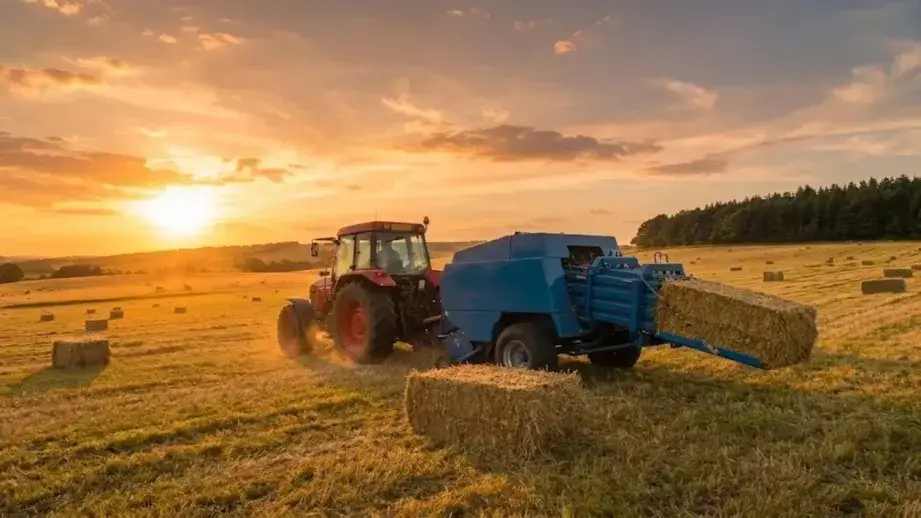
small square alfalfa hay bales from the 9YF series showing the dense format typical of first and second cut alfalfa at 14 to 17 percent moisture and standard to high density plunger settings — alfalfa typically produces the heaviest small square bales of any hay species at equivalent density settings due to the denser stem structure compared to grass hay

First cut alfalfa (14–17% moisture)
22–32 kg

First-cut stems are relatively fine and flexible. At standard density, bales land in the 22–26kg range. At maximum plunger density, 28–32kg is achievable. The equine market target of 20–28kg is easily hit in first cut at moderate density settings.

Second cut alfalfa (14–17% moisture)
20–30 kg

Second cut is typically lower in yield than first cut and the stems are slightly finer — bale weight at the same settings is often 1–2kg lighter than first cut. High-quality second cut at 16% moisture and standard density: 22–26kg is typical.

Third/fourth cut alfalfa (14–17% moisture)
18–28 kg

Later cuts have thicker, more mature stems that resist uniform compression in non-shredding machines. At standard density, later-cut bales are often 10–15% lighter than first-cut bales. The 9YF-2200S shredder improves density uniformity in late-cut thick-stemmed alfalfa.

Alfalfa at higher moisture (18–22%)
+8–15% heavier

Baling above 18% moisture adds water weight to every bale. A 24kg bale at 16% moisture from the same setting becomes 26–27kg at 20% moisture. This water weight is lost during storage — the bale lightens and may shrink as it dries, potentially loosening the rope ties.

Grass Hay: Weight Range by Species and Density Setting

Why Grass Hay Bales Weigh Less Than Alfalfa

Grass hay bales are typically lighter than alfalfa bales from the same plunger setting because grass stems are thinner and more hollow than alfalfa stems at equivalent growth stages. The hollow stem cross-section springs back after compression — not completely, but enough to reduce the final settled density by 10–18% compared to solid-stemmed alfalfa. This is a material property, not a machine problem: any square baler produces lighter grass hay bales than alfalfa bales at the same density setting.

Grass Species Low Density Standard Density High Density
Timotius 13–17 kg 17–22 kg 20–26 kg
Rumput kebun 15–19 kg 19–24 kg 22–28 kg
Rumput Bermuda 16–20 kg 20–26 kg 24–30 kg
Fescue / mixed grass 14–18 kg 18–24 kg 22–28 kg
Native prairie grass 11–15 kg 15–20 kg 18–23 kg

All weights at 14–17% baling moisture, 460×360mm cross-section. Actual weights vary with field conditions, bale length setting and specific machine density calibration.

Wheat, Barley and Oat Straw: The Lightest Format

Why Cereal Straw Bales Are Lighter Than Hay

Cereal grain straw after combine harvest has lower bulk density than hay because the stem at harvest maturity is completely dry, hollow and brittle — most of the moisture has been removed during the grain-filling and ripening period. The result is that even at maximum plunger density, cereal straw bales rarely exceed 22kg in the 460×360mm format and typically land in the 12–20kg range depending on species and straw condition.

Wheat straw is the most widely baled cereal straw and the lightest of the three. Barley straw is similarly light but slightly less brittle. Oat straw is the heaviest and most palatable of the cereal straws — oat straw bales from the same setting are typically 1–3kg heavier than wheat straw bales because oat stems are thicker and compress with fewer voids.

Jerami gandum
12–20 kg

10–16% moisture · Standard settings

Jerami jelai
11–18 kg

10–16% moisture · Standard settings

jerami gandum
14–22 kg

10–16% moisture · Standard settings

Jerami
12–20 kg

14–18% moisture · Maximum density

Corn Stover and Sorghum Stalk: Shredder vs Non-Shredder Weight
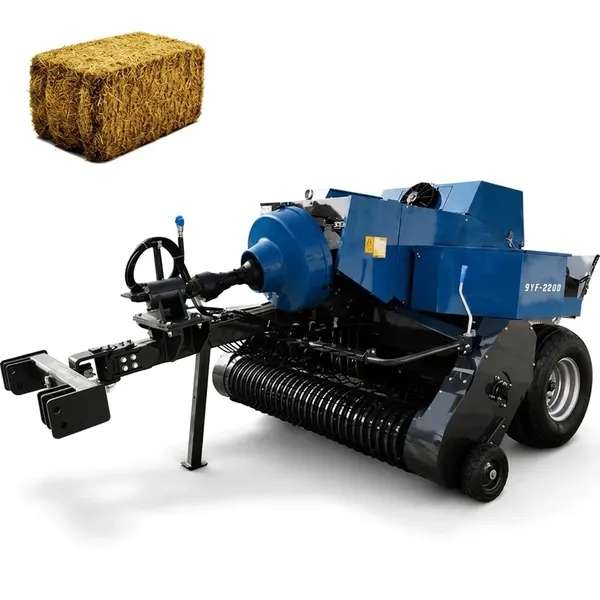
9YF-2200 standard spring-tooth square baler for comparison with shredder models — the same corn stover or sorghum stalk material processed through the standard compression chamber without shredding produces lighter bales with more internal void structure than the same material processed through the shredder-equipped 9YF-2200S because intact stalks resist uniform compression while shredded fragments pack with fewer voids

The Shredder Effect on Weight

In hard-stalk crops — corn stover, grain sorghum, cotton and sweet sorghum — bale weight is significantly affected by whether the material is shredded before compression. Intact stalks bridge across the bale chamber and compress to 70–80% of theoretical density. Shredded material packs with fewer voids and reaches 88–96% of theoretical density. This translates directly to bale weight: a corn stover bale at standard plunger settings without shredding weighs approximately 18–24kg, while the same volume bale with single-stage shredding from the 9YF-2200S weighs 24–32kg.

Tanaman Without Shredder Single Shredder (9YF-2200S) Dual Shredder (9YFS-2.2)
Corn stover (14–18%) 18–24 kg 24–32 kg 26–36 kg
Grain sorghum (14–18%) 16–22 kg 22–30 kg 24–34 kg
Cotton stalk (14–18%) 14–20 kg 20–28 kg 22–32 kg
Forage sorghum (14–18%) 18–26 kg 22–30 kg 24–34 kg

How the Density Setting Changes Bale Weight

Step-by-Step Impact on Common Crops

The plunger density setting on the 9YF series typically offers 3–5 adjustment positions or a continuous spring-tension adjustment, depending on the model. Moving from minimum to maximum density setting changes bale weight by approximately 25–40% in standard hay crops — a range that encompasses most of the difference between the lightest retail market preference and the heaviest livestock market preference. The exact percentage depends on the crop species:

Jerami alfalfa

Min density: ~18–20kg · Max density: ~30–36kg. A 50–80% increase from minimum to maximum. Alfalfa responds strongly to density adjustment because the solid stem compresses proportionally with increasing force.

Grass hay

Min density: ~13–15kg · Max density: ~22–26kg. A 40–70% increase from minimum to maximum. Grass stems spring back more than alfalfa, so the density adjustment effect is slightly smaller in percentage terms.

Jerami gandum

Min density: ~10–12kg · Max density: ~18–22kg. A 50–80% increase from minimum to maximum. Straw is very responsive to density adjustment because the brittle, dry stems crush rather than spring back under high plunger force.

The length setting interacts with density: increasing bale length by one step at the same density adds approximately 8–15% weight. When you need a specific bale weight, adjust density first (it has the larger effect on density-per-unit-volume) and fine-tune with length (which changes total volume per bale). Run 10 test bales, weigh and average after every adjustment before continuing — bale weight settles slightly after the first 5 bales in a new setting as the machine reaches thermal and tension equilibrium.

Target Bale Weight by Market
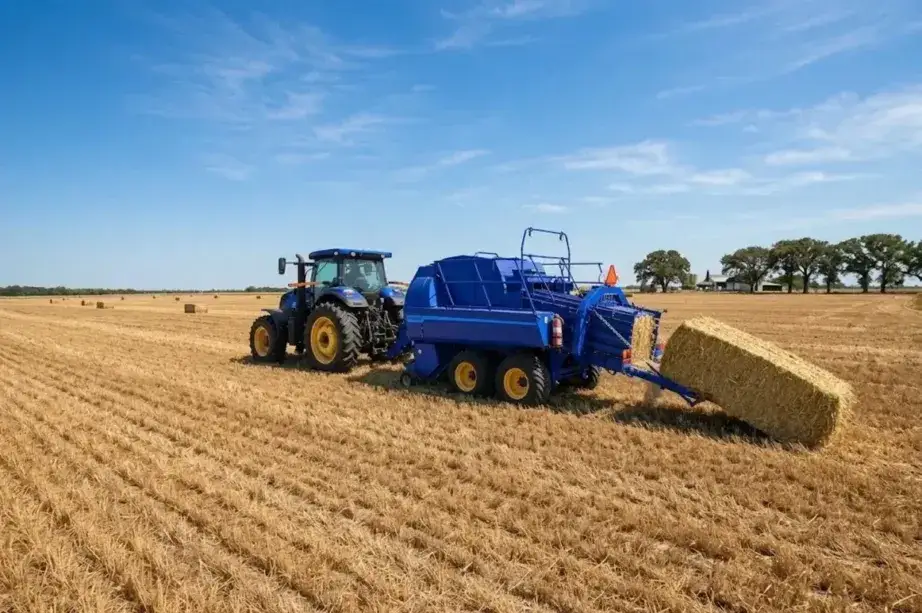
small square hay bales stacked in a field showing the format that different markets evaluate differently — the equine market targets 18 to 28 kilograms for manual handling convenience while livestock TMR operations target 28 to 40 kilograms for maximum storage density and fewer bales per delivery and the retail farm stand market targets 18 to 26 kilograms for a bale that looks full and feels solid without exceeding one-person carrying capacity

Horse market
Retail equine and boarding stables
Target: 18–28 kg. Stable staff carry bales by the rope to individual stalls — above 30–32kg, this becomes difficult for most adults. Below 18kg, buyers perceive the bale as light or poor value. The sweet spot for most boarding stables and direct horse owner sales is 20–26kg.

Feed store wholesale
Retail resale channel
Target: 20–30 kg. Feed stores stack bales on pallets and floor displays. Consistent weight within each pallet is more important than the absolute weight — bales that vary by more than 3–4kg within a lot create unstable stacks and buyer perception problems at the retail shelf. Aim for tight weight consistency above a specific target.

Livestock / TMR
Commercial feed operations
Target: 28–40 kg. Heavy bales maximize tonnes per barn storage unit and minimize bales per truckload delivery. Equipment handles all bale movement — manual weight is not a constraint. Higher density also produces firmer bales that retain shape under stacking pressure in tall commercial storage.

Export / container
International hay buyers
Target: per buyer specification — typically 20–28 kg. Export buyers specify target bale weight in the purchase contract because container packing efficiency depends on bale weight and dimensions. Verify the specification before each cutting and run a calibration test to confirm your machine reaches the target before loading export lots.

Weighing and Documenting Your Bale Weight

Practical Weighing Methods in the Field

A digital platform scale with a 150kg capacity (available for under $200 at most farm supply stores) is the most accurate field-weighing tool for small square bales. Place it flat on the bale chute or ground beside the bale exit and weigh 10 consecutive bales at the start of each session — average the results and compare to your target range before continuing. A simple waterproof notepad hung from the machine records the date, crop, cutting number, approximate moisture (from your windrow probe readings) and the 10-bale average weight. This record takes 5 minutes per session to complete and provides the documentation that buyers want when evaluating your hay.

Alternative for quick field checks: a handheld luggage scale attached to the bale rope allows single-bale weighing without a platform. Less accurate than a platform scale for averaging (the bale must be lifted square to avoid pendulum error) but adequate for checking whether a setting change moved bale weight in the intended direction before investing time in a full 10-bale test run.

What Buyers Want to See

A cutting label attached to a representative bale — or provided on a delivery invoice — that states: species, cutting number, date baled, moisture at baling and average bale weight communicates professional production standards that most suppliers do not provide. This label costs nothing beyond the 10 minutes it takes to assemble the data from your session records. For horse buyers and feed store buyers who receive hay from multiple suppliers without any documentation, a producer who provides this information consistently commands attention and is offered preferred supplier status by buyers who have been burned by undocumented, inconsistent hay in the past.
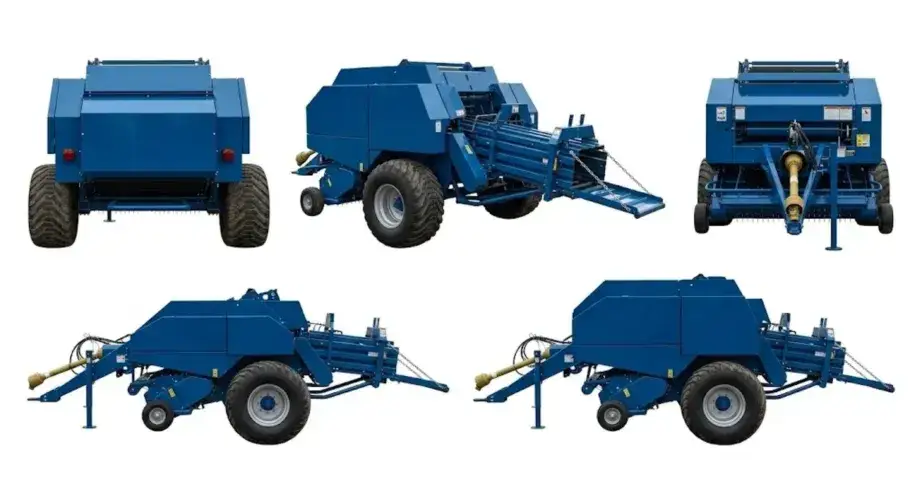
9YF series square baler models from 1700 to 9YFS-2-2 showing all five models that produce the 460 by 360mm small square format with adjustable bale weight from 12 kilograms in light rice straw to 40 kilograms in high-density corn stover from the shredder models — the right model and density setting combination determines where in the weight range each crop lands for a specific market target

PTO Driveline Reference


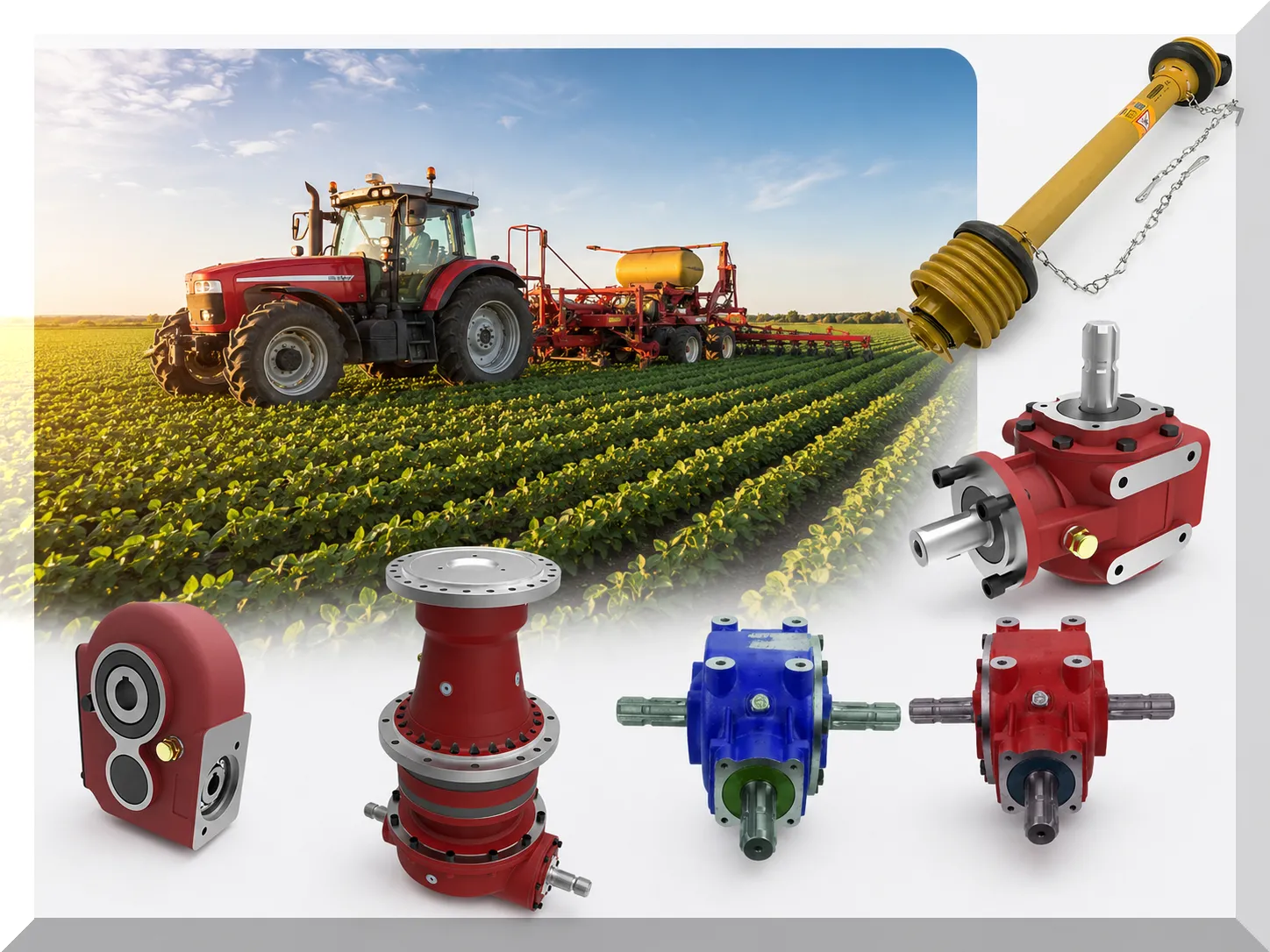
agricultural gearbox and PTO shaft specifications for the full 9YF series from 40 horsepower spring-tooth models to 140 horsepower shredder models that produce small square bales in the 12 to 40 kilogram weight range across all crop types

Spesifikasi poros PTO dan gearbox untuk semua model 9YF: Spesifikasi gearbox pertanian dan poros PTO

Driveshaft length and CV joint angle specifications for the 40–140HP range covered by the 9YF series: Panduan ukuran poros penggerak PTO dan sambungan CV..

Frequently Asked Questions — Small Square Bale Weight

How much does a typical small square hay bale weigh?+
A typical small square hay bale in the 460×360mm format — the standard cross-section produced by all 9YF series models — weighs 18–28kg for grass hay and 22–32kg for alfalfa at standard density settings and 14–17% baling moisture. These are the most commercially common weight ranges for the equine and retail markets. The full possible range across all crops and density settings is wider: as light as 10–12kg for wheat straw at minimum density and as heavy as 36–42kg for high-density alfalfa or shredded corn stover at maximum density settings. When a buyer asks how much your bales weigh, the answer requires specifying the crop, cutting stage and approximate moisture — a single number without this context is not meaningful for hay market pricing or nutritional evaluation purposes.
Why do my bales weigh less than bales from the same machine at a nearby farm?+
Bale weight differences between the same machine model at different farms typically trace to one or more of: different density settings, different bale length settings, different crop species or cutting stage, different baling moisture, or differences in crop yield per metre of windrow (denser windrows produce heavier bales at the same length setting because the star wheel measures material volume, not weight). If both operations are running the same 9YF model and the same crop at similar moisture, the most likely cause is a different density setting. Weigh 10 bales from your machine and compare the average to the other operation — if you are consistently lighter, increase the plunger density one step, run another 10 test bales and recompare. One or two density adjustment steps typically closes a 3–5kg weight gap between operations producing the same crop at similar moisture.
Do small square bales lose weight in storage?+
Yes — bales baled above 14–15% moisture lose weight during storage as the remaining moisture equilibrates to ambient barn conditions. A bale at 18% moisture at baling loses approximately 4% of its weight (3–4% of the bale mass) as it dries to 14% in covered storage over 2–4 weeks. A bale at 22% moisture loses approximately 9% of its mass during drying. This weight loss is water — the dry matter content of the bale is unchanged. The practical implication: if you weigh bales at baling and use that weight for pricing or documentation, note that buyers who weigh the same bales at delivery 3 weeks later will get a lower reading than your stated weight. For weight-based pricing to export or TMR buyers, weigh at the point of transaction rather than at production to avoid disputes over weight at delivery versus weight at baling.
How much does a small square straw bale weigh compared to a hay bale?+
A small square wheat straw bale from the same machine and same density setting typically weighs 40–55% less than a first-cut alfalfa bale and 20–35% less than a grass hay bale. The reason is the dry, brittle hollow structure of cereal straw — it compresses to a lower bulk density per unit volume even at maximum plunger force. At standard density and 13–15% moisture: wheat straw bales typically land at 12–18kg; grass hay at 18–24kg; alfalfa at 22–30kg. This is not a settings problem and cannot be corrected by adjusting the machine — it is the inherent material density difference between dry straw and green-cured hay. To produce heavier straw bales, increase both the density setting and the bale length to maximum — this narrows the gap but does not eliminate it.
Can I produce 15kg small square hay bales on purpose for elderly or small-frame customers?+
Yes — producing a lighter bale by reducing plunger density to minimum and shortening the bale length is straightforward in any 9YF model. In grass hay at 15% moisture at minimum density and a short length setting, bales in the 13–17kg range are achievable. For alfalfa, even at minimum density and short length, the natural density of alfalfa stems means the practical minimum is approximately 16–20kg. Customers with specific low-weight requirements are a real market segment — elderly horse owners, small hobby farm operators who handle bales alone, and farmers providing hay for small animals (sheep, goats, alpacas) all benefit from lighter bales. If you produce for this segment, calibrate your minimum-density setting carefully and weigh every 5th bale during the session — minimum-density bales are more susceptible to weight variation from windrow density changes than high-density bales, because there is less compression force to compensate for thin windrow sections.
What is the heaviest bale the 9YF series can produce?+
The theoretical maximum bale weight from the 9YF series depends on the model and the crop. In high-density settings on the 9YF-2200S with single-stage shredder in dense corn stover at 16% moisture: 38–44kg bales are achievable at maximum density and a long bale length setting. In dense first-cut alfalfa at 16% moisture and maximum density on any spring-tooth model: 34–40kg is achievable. These very high-density bales require twine rated at 165kg knot strength — verify twine specification before attempting maximum density settings. Bales above 40kg are not recommended for manual handling at any age or fitness level and require mechanical assistance (tractor bucket or bale handler) for all movement. Most operations cap their density at the 28–36kg range even for commercial livestock markets because the handling limitation at very high weights outweighs the marginal storage density improvement above this range.
Does bale weight affect how long hay keeps in storage?+
Bale density (which drives bale weight) does affect storage characteristics, though moisture at baling is the dominant factor for storage quality. Higher-density bales have less air space inside the bale — this slightly reduces the rate of oxygen exchange within the bale and can slow mold growth on the bale interior in humid storage conditions compared to loose, low-density bales. However, the effect is modest compared to the moisture factor: a high-density bale at 20% moisture will mold in storage regardless of its density, while a low-density bale at 14% moisture stores reliably. For outdoor storage, higher density bales have a smaller surface area to volume ratio — the proportion of the bale exposed to rain and weather is lower, which reduces the depth of moisture penetration from surface wetting. In practice, the practical storage advice remains: bale at or below 17% moisture and store in covered conditions — these two factors determine storage outcome far more than density setting.
How do I communicate bale weight to buyers accurately?+
The most accurate bale weight communication is a per-cutting average weight based on a 10-bale sample weighed at the time of baling, stated as a range rather than a single number (e.g., “24–27kg average, first cut timothy, July 15”). Stating a range rather than a single number communicates that bale weight naturally varies within a cutting rather than implying every bale is identical. Include the moisture at baling and the date — this allows buyers to calculate the approximate current dry weight if they are evaluating the bale weeks after production when some moisture has been lost in storage. For feed store and export buyers who receive palletized lots, weigh a random sample of 5 bales from each pallet on delivery and note the average on the pallet tag — this is the weight the buyer actually receives, which may differ slightly from your production-time average due to storage moisture loss. Consistent, accurate documentation builds the buyer trust that sustains premium pricing relationships season over season.

Find the Right Baler for Your Weight Target and Crop

Every 9YF model produces the same 460×360mm small square format — from the 40HP 9YF-1700 for light hay at 12–22kg to the 9YFS-2.2 shredder model for dense stover and sorghum at 24–40kg. Tell us your crop, target bale weight and tractor HP for a model recommendation.

America Ever-Power Forage Baler Equipment INC. · 1401 21st ST STE R, Sacramento, CA 95811

Editor:Cxm