
Why Small Square Bale Weight Varies: The Three Variables
Variable 1: Crop Species and Stem Structure
Different crop species compress to different densities under the same mechanical force because their stem structure, diameter and flexibility differ fundamentally. Alfalfa at 16% moisture has dense, relatively solid stems that pack with fewer voids than grass hay from the same plunger setting. Rice straw has hollow stems with high silica content that spring back after each plunger stroke, producing lighter bales than any other standard baling crop. Corn stover with intact stalks compresses poorly in a standard chamber because the rigid stem bridges across the cross-section — shredding before compression dramatically changes the result.
The practical consequence: if you know your plunger density setting and bale length but change crops without recalibrating, your bale weight will change. A setting that produces 24kg alfalfa bales will produce 18–20kg grass hay bales and 14–16kg wheat straw bales at the same length and density — three completely different market weights from one unchanged machine setting.
Variable 2: Moisture at Baling
Moisture adds weight to every bale. The same crop baled at 20% moisture weighs approximately 6–8% more per unit of bale volume than the same crop baled at 14% moisture, because 6% of the total bale mass is water that is present at 20% but absent at 14%. This seems like a small difference but across a 100-bale calibration run it is the difference between averaging 22kg and averaging 23.5kg — a 6% variation that can push bales above or below your market target weight without any change in machine settings.
Variable 3: Plunger Density Setting and Bale Length
The plunger density setting (compression force per stroke) and the star wheel trip position (bale length) together determine how much material is packed into each bale before the knotter fires. Increasing density by one full step on the adjuster changes bale weight by approximately 8–15% in flexible crops like grass hay — from 20kg to 22–23kg in a typical example. Increasing bale length by one step changes bale weight by a similar margin. The two adjustments interact: the same target weight can be reached at different combinations of density and length, and the market preference for bale dimensions (some buyers have storage constraints) may govern which adjustment you make first.
Alfalfa Hay: Weight Range by Cutting and Moisture
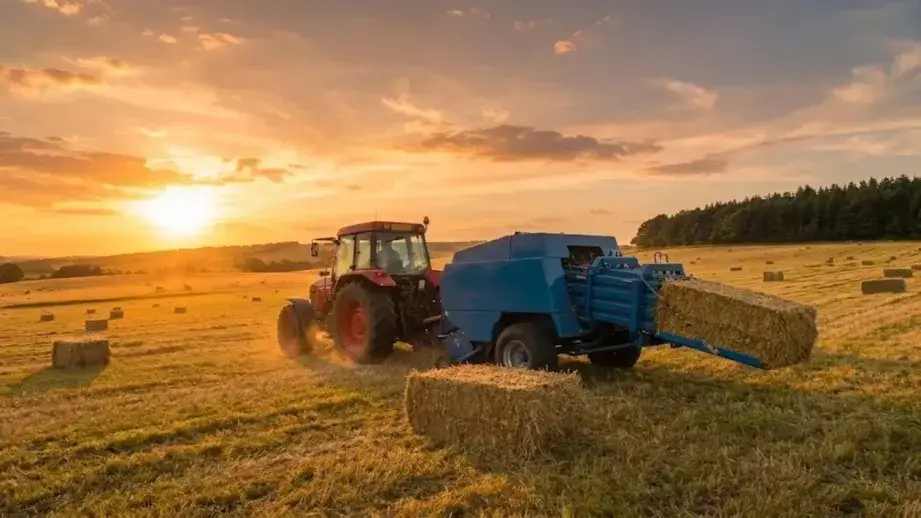
First-cut stems are relatively fine and flexible. At standard density, bales land in the 22–26kg range. At maximum plunger density, 28–32kg is achievable. The equine market target of 20–28kg is easily hit in first cut at moderate density settings.
Second cut is typically lower in yield than first cut and the stems are slightly finer — bale weight at the same settings is often 1–2kg lighter than first cut. High-quality second cut at 16% moisture and standard density: 22–26kg is typical.
Later cuts have thicker, more mature stems that resist uniform compression in non-shredding machines. At standard density, later-cut bales are often 10–15% lighter than first-cut bales. The 9YF-2200S shredder improves density uniformity in late-cut thick-stemmed alfalfa.
Baling above 18% moisture adds water weight to every bale. A 24kg bale at 16% moisture from the same setting becomes 26–27kg at 20% moisture. This water weight is lost during storage — the bale lightens and may shrink as it dries, potentially loosening the rope ties.
Grass Hay: Weight Range by Species and Density Setting
Why Grass Hay Bales Weigh Less Than Alfalfa
Grass hay bales are typically lighter than alfalfa bales from the same plunger setting because grass stems are thinner and more hollow than alfalfa stems at equivalent growth stages. The hollow stem cross-section springs back after compression — not completely, but enough to reduce the final settled density by 10–18% compared to solid-stemmed alfalfa. This is a material property, not a machine problem: any square baler produces lighter grass hay bales than alfalfa bales at the same density setting.
| Grass Species | Düşük Yoğunluklu | Standart Yoğunluk | Yüksek Yoğunluklu |
|---|---|---|---|
| Timoteos | 13–17 kg | 17–22 kg | 20–26 kg |
| Çayır otu | 15–19 kg | 19–24 kg | 22–28 kg |
| Bermuda çimi | 16–20 kg | 20–26 kg | 24–30 kg |
| Fescue / mixed grass | 14–18 kg | 18–24 kg | 22–28 kg |
| Native prairie grass | 11–15 kg | 15–20 kg | 18–23 kg |
All weights at 14–17% baling moisture, 460×360mm cross-section. Actual weights vary with field conditions, bale length setting and specific machine density calibration.
Wheat, Barley and Oat Straw: The Lightest Format
Why Cereal Straw Bales Are Lighter Than Hay
Cereal grain straw after combine harvest has lower bulk density than hay because the stem at harvest maturity is completely dry, hollow and brittle — most of the moisture has been removed during the grain-filling and ripening period. The result is that even at maximum plunger density, cereal straw bales rarely exceed 22kg in the 460×360mm format and typically land in the 12–20kg range depending on species and straw condition.
Wheat straw is the most widely baled cereal straw and the lightest of the three. Barley straw is similarly light but slightly less brittle. Oat straw is the heaviest and most palatable of the cereal straws — oat straw bales from the same setting are typically 1–3kg heavier than wheat straw bales because oat stems are thicker and compress with fewer voids.
10–16% moisture · Standard settings
10–16% moisture · Standard settings
10–16% moisture · Standard settings
14–18% moisture · Maximum density
Corn Stover and Sorghum Stalk: Shredder vs Non-Shredder Weight
The Shredder Effect on Weight
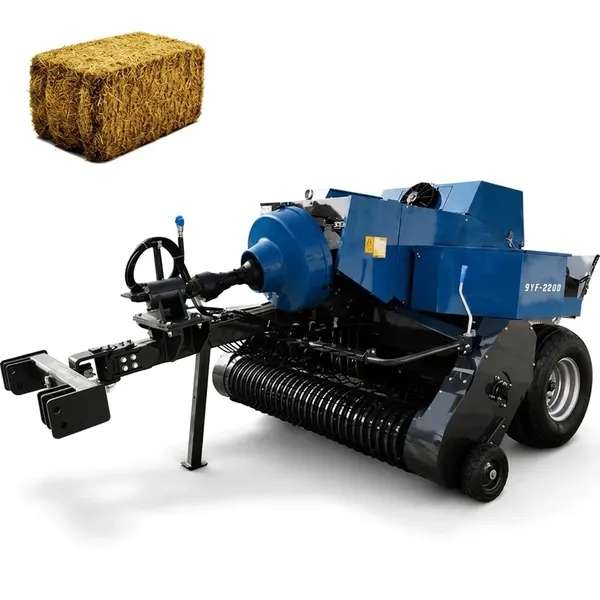
In hard-stalk crops — corn stover, grain sorghum, cotton and sweet sorghum — bale weight is significantly affected by whether the material is shredded before compression. Intact stalks bridge across the bale chamber and compress to 70–80% of theoretical density. Shredded material packs with fewer voids and reaches 88–96% of theoretical density. This translates directly to bale weight: a corn stover bale at standard plunger settings without shredding weighs approximately 18–24kg, while the same volume bale with single-stage shredding from the 9YF-2200S weighs 24–32kg.
| Mahsul | Without Shredder | Single Shredder (9YF-2200S) | Dual Shredder (9YFS-2.2) |
|---|---|---|---|
| Corn stover (14–18%) | 18–24 kg | 24–32 kg | 26–36 kg |
| Grain sorghum (14–18%) | 16–22 kg | 22–30 kg | 24–34 kg |
| Cotton stalk (14–18%) | 14–20 kg | 20–28 kg | 22–32 kg |
| Forage sorghum (14–18%) | 18–26 kg | 22–30 kg | 24–34 kg |
How the Density Setting Changes Bale Weight
Step-by-Step Impact on Common Crops
The plunger density setting on the 9YF series typically offers 3–5 adjustment positions or a continuous spring-tension adjustment, depending on the model. Moving from minimum to maximum density setting changes bale weight by approximately 25–40% in standard hay crops — a range that encompasses most of the difference between the lightest retail market preference and the heaviest livestock market preference. The exact percentage depends on the crop species:
Min density: ~18–20kg · Max density: ~30–36kg. A 50–80% increase from minimum to maximum. Alfalfa responds strongly to density adjustment because the solid stem compresses proportionally with increasing force.
Min density: ~13–15kg · Max density: ~22–26kg. A 40–70% increase from minimum to maximum. Grass stems spring back more than alfalfa, so the density adjustment effect is slightly smaller in percentage terms.
Min density: ~10–12kg · Max density: ~18–22kg. A 50–80% increase from minimum to maximum. Straw is very responsive to density adjustment because the brittle, dry stems crush rather than spring back under high plunger force.
The length setting interacts with density: increasing bale length by one step at the same density adds approximately 8–15% weight. When you need a specific bale weight, adjust density first (it has the larger effect on density-per-unit-volume) and fine-tune with length (which changes total volume per bale). Run 10 test bales, weigh and average after every adjustment before continuing — bale weight settles slightly after the first 5 bales in a new setting as the machine reaches thermal and tension equilibrium.
Target Bale Weight by Market
Weighing and Documenting Your Bale Weight
Practical Weighing Methods in the Field
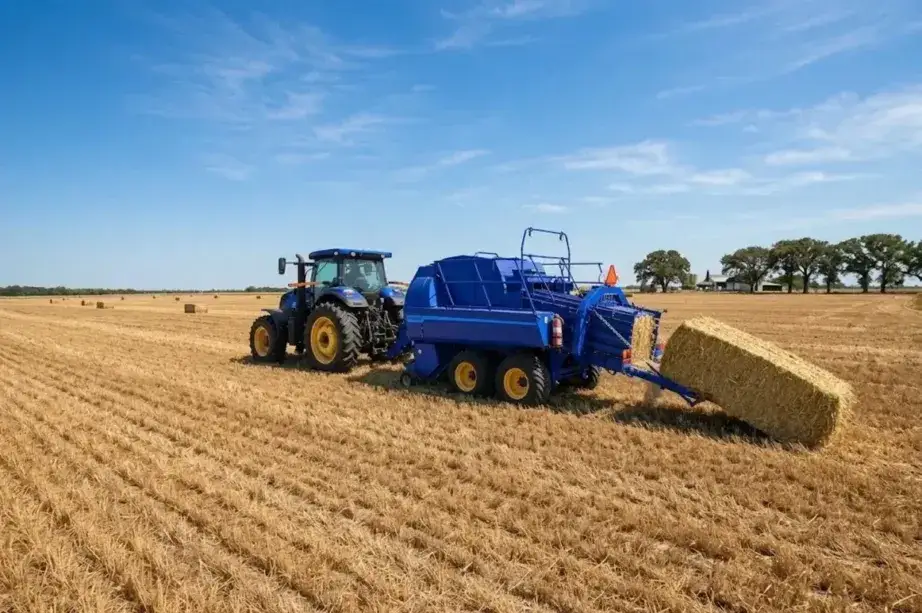
A digital platform scale with a 150kg capacity (available for under $200 at most farm supply stores) is the most accurate field-weighing tool for small square bales. Place it flat on the bale chute or ground beside the bale exit and weigh 10 consecutive bales at the start of each session — average the results and compare to your target range before continuing. A simple waterproof notepad hung from the machine records the date, crop, cutting number, approximate moisture (from your windrow probe readings) and the 10-bale average weight. This record takes 5 minutes per session to complete and provides the documentation that buyers want when evaluating your hay.
Alternative for quick field checks: a handheld luggage scale attached to the bale rope allows single-bale weighing without a platform. Less accurate than a platform scale for averaging (the bale must be lifted square to avoid pendulum error) but adequate for checking whether a setting change moved bale weight in the intended direction before investing time in a full 10-bale test run.
What Buyers Want to See
A cutting label attached to a representative bale — or provided on a delivery invoice — that states: species, cutting number, date baled, moisture at baling and average bale weight communicates professional production standards that most suppliers do not provide. This label costs nothing beyond the 10 minutes it takes to assemble the data from your session records. For horse buyers and feed store buyers who receive hay from multiple suppliers without any documentation, a producer who provides this information consistently commands attention and is offered preferred supplier status by buyers who have been burned by undocumented, inconsistent hay in the past.
PTO Driveline Reference
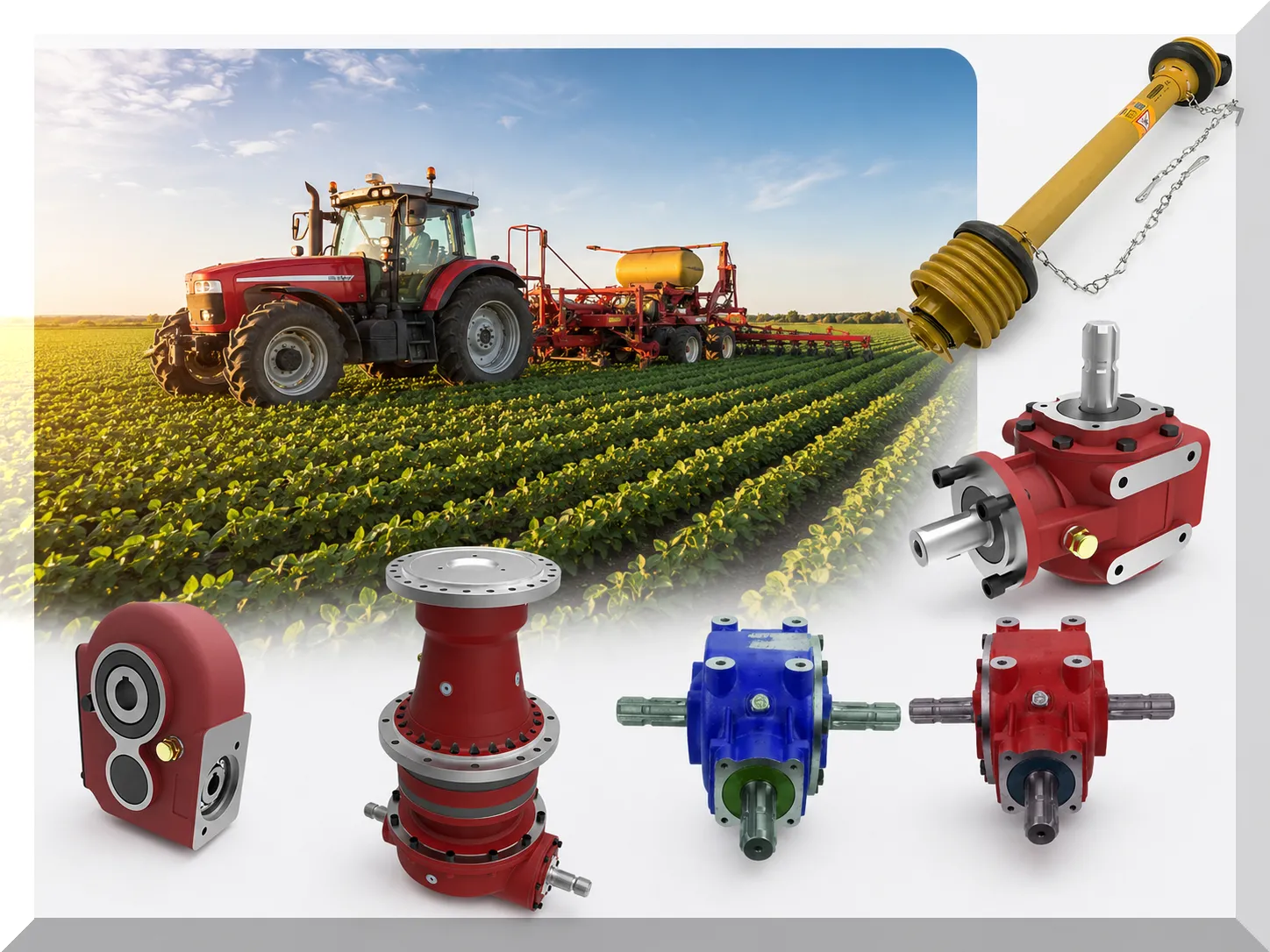
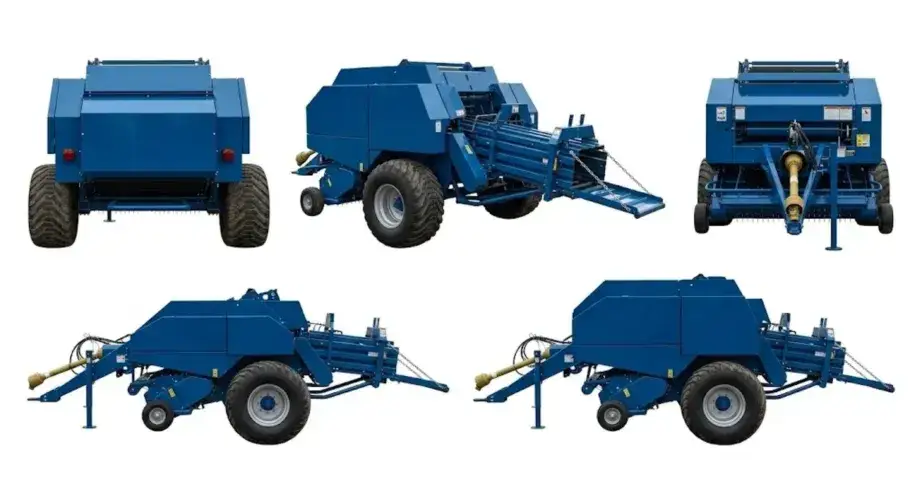
Tüm 9YF modelleri için PTO şaftı ve dişli kutusu özellikleri: tarımsal şanzıman ve PTO şaftı özellikleri
Driveshaft length and CV joint angle specifications for the 40–140HP range covered by the 9YF series: PTO tahrik mili ve CV mafsalı boyutlandırma kılavuzu.
Frequently Asked Questions — Small Square Bale Weight
Find the Right Baler for Your Weight Target and Crop
Every 9YF model produces the same 460×360mm small square format — from the 40HP 9YF-1700 for light hay at 12–22kg to the 9YFS-2.2 shredder model for dense stover and sorghum at 24–40kg. Tell us your crop, target bale weight and tractor HP for a model recommendation.
America Ever-Power Forage Baler Equipment INC. · 1401 21st ST STE R, Sacramento, CA 95811
Editör:Cxm


