
Why Moisture Testing Matters: Quality, Safety, and Market Stakes
Baling hay at the wrong moisture — either too wet or too dry — produces one of two distinct quality failure modes that each eliminate the premium value of the hay. Baling too wet causes heat damage: the biological heating process inside the bale binds protein to cell wall material in a chemical reaction (Maillard reaction) that makes the protein unavailable to the animal even though it is still present on a crude protein test. Heat-damaged protein (ADICP) is discounted or rejected by all premium buyers. Baling too dry causes leaf shatter: the dehydrated leaves become brittle and fracture at the petiole junction during pickup, compression, and handling, losing the highest-protein fraction of the hay at the point of maximum value.
The Three Moisture Testing Methods: Accuracy and Application Compared
| Method | Accuracy | Cost | Speed | Best use case |
|---|---|---|---|---|
| Electrical resistance probe | ±2–4% | $150–$500 | 10–30 sec | Real-time field use; baling decisions; quick pass/fail screening |
| Microwave gravimetric (oven) | ±0.5–1.0% | $30–$100 | 8–15 min | Calibrating probe; verifying borderline cases; straw storage decision |
| Near-infrared (NIR) | ±0,5–1,5% | $800–$3,500+ | Direct | Commercial hay testing operations; real-time baler integration |
Electrical Resistance Probes: Field Reality vs Spec Sheet Accuracy
Electrical resistance probes are the most widely used moisture testing tool in U.S. hay production because they are fast, portable, and inexpensive. They work by measuring the electrical resistance of the forage sample — wetter forage conducts electricity more easily, producing lower resistance, which the meter converts to a moisture reading. The limitation is that electrical resistance is also affected by crop temperature, crop species, density, and sample composition — all of which cause the probe reading to diverge from true moisture.
- Crop temperature: A warm windrow (above 80°F) reads 2–4% wetter than the same sample at 65°F on most probes. Test in morning shade rather than after an hour of direct sun on the windrow for more accurate readings.
- Species: Most probes are calibrated for alfalfa or mixed hay. Grass-only hay and straw read 1–2% drier than actual on alfalfa-calibrated probes. Use the species calibration setting if your probe offers it.
- Stem vs leaf ratio: Inserting the probe into stems only reads higher than inserting into the mixed leaf-stem windrow material. Sample the mixed windrow, not just the stem layer.
Take 5–8 readings at different locations in the windrow — top of windrow, middle depth, and windrow edge — to capture the moisture gradient. Average these readings. A windrow that has dried from the top will show significant variation top-to-bottom; the baler must compress the entire windrow depth, so baling decisions should be based on the wettest zone (typically the bottom of the windrow), not the driest.
Microwave Oven Gravimetric Testing: The Most Accurate Field Method
The microwave gravimetric method measures moisture by weighing the sample before and after complete drying — the weight difference is the water that was present, and moisture percentage is calculated directly from the weight change. This method is independent of crop species, temperature, or density — it measures actual water content rather than inferring it from an electrical property. It is the reference standard used to calibrate commercial hay moisture meters.
Collect a representative windrow sample: pull a handful of material from 3–5 locations in the windrow (including the bottom of the mat). Mix thoroughly and weigh exactly 100 grams on a postal or kitchen scale accurate to 1 gram.
Microwave at 50% power in 2-minute intervals: spread the sample on a microwave-safe plate. Microwave at 50% power for 2 minutes; weigh; microwave 2 more minutes; weigh again. Continue until weight does not change between cycles (typically 3–5 cycles total).
Calculate moisture: (initial weight − dry weight) ÷ initial weight × 100 = % moisture wet basis. Example: 100g initial, 83g after drying = 17% moisture. This result is accurate to ±0.5–1.0% and can be used to calibrate your resistance probe for the same crop and conditions.
Baling Moisture Windows by Crop Type and Destination
| Crop and destination | Minimum baling moisture | Optimal window | Maximum safe for storage |
|---|---|---|---|
| Alfalfa — dry hay, premium market | 12% | 14–18% | 20% |
| Grass hay — dry, horse or livestock | 14% | 16–20% | 22% |
| Straw — bedding or feed | 8% | 10–14% | 14% (fire risk above) |
| Haylage / bale silage — wrapped | 35% | 45–60% | 65% (fermentation risk above) |
| Corn silage — bale or pile | 55% | 60–70% | 75% (over-wet, poor fermentation) |
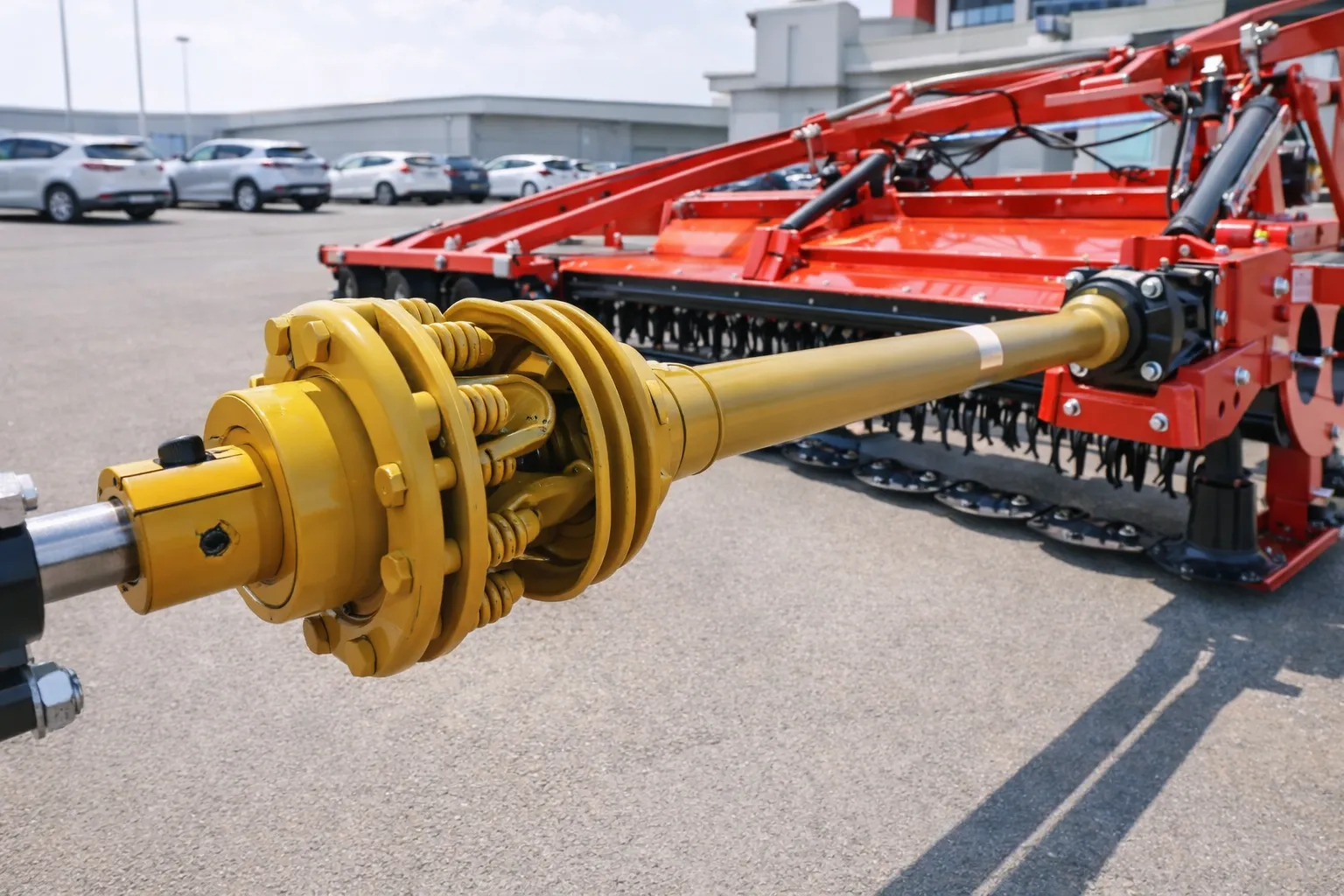
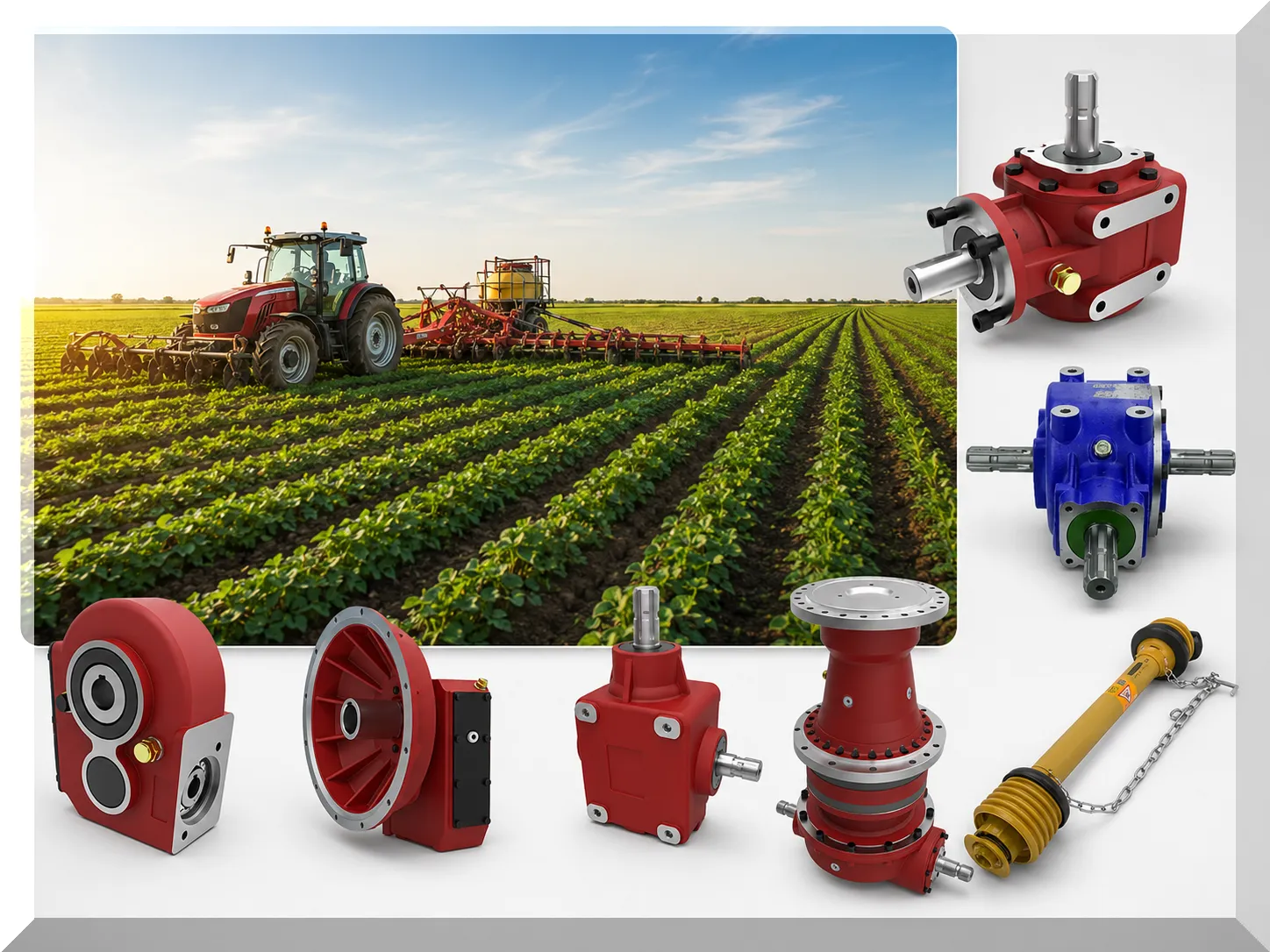
For bale silage, the moisture window requires a different testing protocol — the target is entering the baler at 45–60% moisture, and the film wrapping must occur within 60 minutes to prevent surface aerobic deterioration. The complete silage bale production guide — including conditioning to reach the silage moisture target — is in the handleiding voor de productie van kuilvoerbalen. Post-baling storage practices that protect dry hay quality are in the Handleiding voor de opslag van ronde balen. The mower-conditioner’s gearbox and PTO drive specifications are in Specificaties van componenten voor landbouwversnellingsbakken en aftakas-aandrijflijnen.
Moisture Variation Within a Field: How to Sample for Representative Readings
The greatest measurement error in field moisture testing is not probe inaccuracy — it is sampling error from measuring only one location in a field with significant moisture variation. Fields with variable soil type, drainage, aspect (north-facing vs south-facing slope), and canopy variation (thin stand areas vs thick stand areas) dry at different rates. A single probe reading from the thinnest, most sun-exposed zone on a south-facing slope may read 13% while the north-facing dense-canopy zone of the same field is still at 22%.
Take at least 5 readings at distributed locations across the field — including low-lying zones, north-facing sections if present, and any area you know from experience to dry more slowly. Average the results and base the baling decision on the wettest zone, not the average. If the wettest zone is still above the target moisture window and you are within 2 hours of the desired baling time, probe again at 45-minute intervals until the slow zone reaches the target.
Take readings at both the surface and the bottom-center of the windrow by tilting the probe at 45 degrees to sample mid-depth material. The windrow base is almost always wetter than the surface — the difference can be 4–8% moisture in a thick first-cut windrow that has been lying 18 hours. Baling based on surface readings alone consistently leads to over-wet bales in the bale core, which produces heat damage despite a surface reading that appeared within the safe zone.
When Bales Are Too Wet: Post-Baling Options
Propionic acid-based hay preservatives applied to the windrow at baling inhibit the mold and bacterial activity that causes heating in wet bales. Most products are effective for hay baled at 18–24% moisture — they extend the safe baling window by 2–6 percentage points. Apply at the pickup zone using a dispensing system calibrated to the label rate for the measured moisture level. Preservative does not remove moisture — it prevents the heat damage that wet baling would otherwise cause. At above 24%, even preservative is insufficient to prevent quality loss.
If you discover bales are too wet within the first 2–4 hours after baling (before significant heating has begun), the net wrap can be cut, the bale unrolled, and the material allowed to continue drying in the field. This is only practical on non-rainy days with additional drying time available. After re-drying to target moisture, the material can be re-baled. This option requires returning the baler to the field and accepting some additional DM loss from field exposure, but is preferable to discarding heat-damaged hay.
Hay that was baled at 25–40% moisture — above the safe dry hay range but potentially in the silage moisture range — can be wrapped in film and fermented as haylage rather than dried as hay. This requires immediate film wrapping (within 60 minutes of baling) at 6+ layers, inoculant application, and intent to feed as silage rather than dry hay. The product quality is different from what was intended but is salvageable if moisture is in the 35–50% range.
Hay Moisture Testing FAQs
Get Baling Moisture Guidance for Your Crop and Target Market
Tell us your crop type, typical cutting, target market, and current moisture testing approach. We confirm the optimal baling window and the testing protocol that produces consistent quality across all cuttings.
Redacteur: Cxm


