Agronomiehandleiding voor alfalfa
Maaifrequentie en levensduur van luzerneplanten: hoe het oogstmoment de koolhydraatreserves in de wortels beïnvloedt
Te vaak maaien van alfalfa put de koolhydraatreserves in de wortels uit, die nodig zijn voor hergroei en overleving in de winter, waardoor de levensduur van het gewas wordt verkort van 8 jaar naar 3 à 4 jaar. Te weinig maaien gaat ten koste van de kwaliteit bij de graanhandel. Het vinden van het juiste maai-interval voor uw regio, ras en opbrengstdoel is een van de belangrijkste agronomische beslissingen bij de productie van meerjarig hooi.
Koop apparatuur voor de alfalfa-productie
Luzerne is een meerjarige peulvrucht die na het maaien weer aangroeit dankzij de energie die is opgeslagen als niet-structurele koolhydraten (TNC) in de penwortel. Na elke maaibeurt is het bovengrondse deel van de plant verwijderd en moet de opgeslagen TNC in de wortel de eerste hergroei voeden totdat het nieuwe bladerdak voldoende fotosynthetisch vermogen heeft ontwikkeld om zelfstandig te groeien. Als het gewas opnieuw wordt gemaaid voordat de wortel voldoende tijd heeft gehad om zijn TNC-reserves aan te vullen, put elke volgende maaibeurt energie uit een steeds verder uitgeput wortelstelsel. Dit verzwakt de plant uiteindelijk zodanig dat wintersterfte, ziekte-invasie of slechte voorjaarsgroei de plantdichtheid onder het economisch rendabel niveau brengen. Dit proces wordt uitputting van het gewas door overmatig maaien genoemd en is de belangrijkste agronomische oorzaak van vroegtijdige vervanging van het luzernegewas.
Herstel van de wortel-TNC-reserve: impact van het maai-interval en de standplaats
Wortel-TNC-reserveniveau op het moment van snoeien — Impact op de levensduur van het gewas
10% TNC
(ernstig uitgeput)
20% TNC
(laag)
30% TNC
(adequaat)
40% TNC
(Goed)
50%+ TNC
(optimaal)
Wanneer dit doorgaans gebeurt
Snoeien in het begin van de knopfase of eerder; interval van minder dan 28 dagen; hittestressjaren
Late knopvorming; 28-32 dagen; bovengemiddelde snijfrequentie
10% bloei; 32–38 dagen; standaard 3–4 keer maaien
25% bloei; 38–45 dagen; conservatief 3-snedenprogramma
Volle bloei / zaadzetting; 45+ dagen; niet aanbevolen voor hooi
Sta op de grond als het herhaald wordt
Het bosbestand mislukt binnen 2-3 jaar; hoog risico op wintersterfte; verlies van 40%+ bosbestand
Uitdunning van het bosbestand in het vierde jaar; verminderde groeikracht; matige winterstress
Het gewas blijft 6-8 jaar staan; normale groeikracht; acceptabele balans tussen kwaliteit en opbrengst
De plant blijft meer dan 8 jaar staan; sterke groeikracht; verminderde kwaliteit, maar uitstekende staat.
Maximale levensduur van het gewas; zeer lage kwaliteit voor hooi dat geschikt is voor de markt; wel geschikt voor zaadproductie.
Het stadium van bloei tot vroege bloei (30-38 dagen, afhankelijk van temperatuur en groeiomstandigheden) is het snijmoment dat voor de meeste commerciële hooiproductieprogramma's de beste balans biedt tussen het herstel van de TNC-reserves en de hooikwaliteit. De aanbevelingen van de universiteitsvoorlichting variëren per regio en rassenrustklasse.
Alfalfa-teeltprogramma's met 3, 4 of 5 snedes: afwegingen tussen opbrengst, kwaliteit en plantdichtheid.
Het aantal snoeibeurten per seizoen – 3, 4 of 5 – bepaalt niet alleen de totale jaarlijkse opbrengst, maar ook de ontwikkeling van de plantdichtheid en -vitaliteit gedurende de productieve levensduur. Meer snoeibeurten per jaar betekent een hogere totale jaarlijkse opbrengst van hogere kwaliteit (vroeger snoeien betekent een hoger ruw eiwitgehalte, een lager NDF-gehalte en een hogere RFV-waarde), maar dit legt ook een grotere druk op de TNC-reserves van de wortels en zorgt voor minder hersteltijd tussen de snoeibeurten. Minder snoeibeurten zorgen voor een beter wortelherstel en een hogere plantdichtheid, maar leiden tot een lagere jaarlijkse opbrengst en een lagere kwaliteit van de individuele snoeibeurten, omdat de plant een verder gevorderd stadium van rijping bereikt vóór elke oogst.
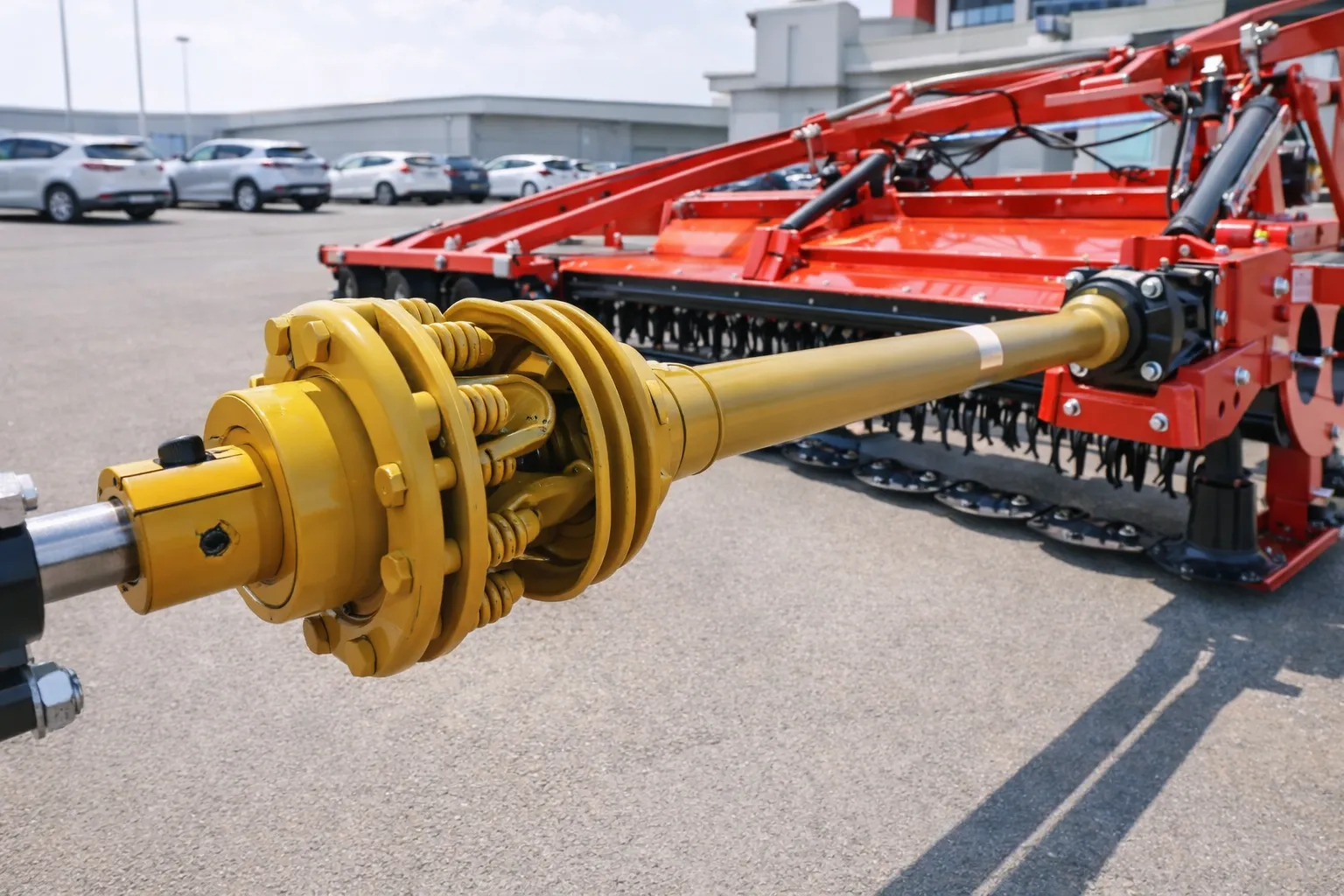
Een programma met 3 snedebeurten (typische snijintervallen van 35 tot 45 dagen, snijden in het begin tot midden van de bloei) is de standaard voor de meeste luzerneteeltprogramma's op droge grond in de Noordelijke Vlakten en het Bergwesten, waar het groeiseizoen de natuurlijke snijmogelijkheden beperkt. Het biedt de beste gewasbestendigheid, een adequate opbrengst voor de regio en een acceptabele hooikwaliteit voor de meeste veemarkten. Een programma met 4 snedebeurten (intervallen van 28 tot 35 dagen, snijden in het knopstadium tot de eerste bloei) is de standaard voor geïrrigeerde luzerneteeltprogramma's in Idaho, Nevada, Californië en Arizona, waar het lange, warme groeiseizoen vier kwaliteitssneden mogelijk maakt. De hogere snijfrequentie vereist zeer productieve rassen met een goed hergroeipotentieel en een diepe wortelgroei. Een programma met 5 snedebeurten (snijden om de 24 tot 28 dagen in de zomer) wordt gebruikt in intensieve geïrrigeerde programma's gericht op de exportmarkt voor hoogwaardig hooi, waar vroeg gesneden hooi van hoge kwaliteit (RFV 180+) een hogere prijs oplevert die de hogere frequentie van gewasvervanging rechtvaardigt. Voor de agronomische basis die bepaalt hoe maaibeheer het succes van de gewasvestiging beïnvloedt, is onze handleiding voor het aanleggen van een alfalfa-perceel Dit omvat de beslissingen over het zaaien en het beheer in het eerste jaar, die de basis leggen voor een succesvol maaiprogramma op de lange termijn. Voor de interpretatie van de voederanalyse, die meet hoe het maai-interval de hooikwaliteit beïnvloedt (ruw eiwit, NDF, ADF, RFV), gebruiken we onze handleiding voor voederanalyse Dit legt elke kwaliteitsparameter en de implicaties daarvan voor de marktwaarde uit. Onderdelen voor landbouwversnellingsbakken en aftakasaandrijvingen Maaiers en ronde balenpersen die worden gebruikt in een programma met 4 tot 5 maaibeurten per seizoen, moeten een hogere jaarlijkse gebruiksbelasting aankunnen dan machines die worden gebruikt in een programma met 3 maaibeurten. Jaarlijkse inspectie en smering van de onderdelen zijn daarom extra belangrijk wanneer de machines meer maai-uren per seizoen maken.

Veelgestelde vragen
Wat is de juiste maaiwijze voor alfalfa in de herfst?+
De regel voor het maaien tijdens de herfstrust is een van de belangrijkste agronomische richtlijnen voor de teelt van luzerne: maai geen laatste keer in de herfst binnen 4 tot 6 weken vóór de eerste strenge vorst (doorgaans gedefinieerd als -4 °C gedurende 4 uur of langer) in uw regio. De periode tussen de laatste acceptabele herfstmaai en de eerste dodelijke vorst wordt de "herfstrustperiode" genoemd. Deze rustperiode stelt de plant in staat om de benodigde hoeveelheid stikstof (TNC) in de herfst op te bouwen voordat de dodelijke vorst de bovengrondse groei stopt – waardoor de plant de winter ingaat met voldoende wortelreserves. Een gewas dat tijdens deze herfstrustperiode wordt gemaaid, gaat de winter in met een uitgeputte TNC, waardoor het aanzienlijk kwetsbaarder is voor vorstschade. Maaien buiten de herfstrustperiode (hetzij eerder in de herfst, hetzij nadat de dodelijke vorst de groei al heeft gestopt) is acceptabel. Het risico zit hem in de tussenliggende periode – warm genoeg voor enige groei, maar te laat voor de plant om reserves op te bouwen vóór de winter.
Wat is het verschil tussen variëteiten met een lange en een korte rustperiode wat betreft snoeitolerantie?+
Luzernevariëteiten worden beoordeeld op hun herfstrust op een schaal van 1 tot 11, waarbij 1 de meest rustvolle is (gaat het vroegst in de herfst in rust) en 11 de minst rustvolle (blijft het langst doorgroeien in de herfst). Variëteiten met een lage rustgraad (1 tot 4) zijn aangepast aan het noorden van de VS en Canada, waar lange winters een vroege rustperiode vereisen om de winter te overleven. Deze variëteiten zijn over het algemeen ook beter bestand tegen vroeg maaien in het voorjaar, omdat hun diepe rustperiode zorgt voor een betere accumulatie van TNC (totale stikstof) in de herfst voordat het maaiprogramma wordt hervat. Variëteiten met een hoge rustgraad (6 tot 11) zijn aangepast aan de Sun Belt en de geïrrigeerde woestijngebieden in het zuidwesten van de VS, waar geen dodelijke vorst voorkomt en de plant als een continu producerend gewas kan worden beheerd. Deze variëteiten hebben een hoog opbrengstpotentieel, maar een minimale winterhardheid. Voor de meeste oogstprogramma's met 4 tot 5 snedebeurten in het bergachtige westen van de VS bieden rustgraadklassen 4 tot 6 de beste balans tussen hergroeisnelheid en herfstrust voor een veilig en intensief oogstbeheer.
Wat is de ideale maaihoogte voor alfalfa om de levensduur van het gewas te behouden?+
De aanbevolen maaihoogte voor gevestigde luzerne is 7,5 tot 10 cm boven het bodemoppervlak, gemeten tot de bovenkant van de stoppel na het maaien. Deze hoogte behoudt de groeiende kroon en het onderste stengelweefsel – de knopen aan de bovenkant van de stoppel bevatten okselknoppen die de aanzetpunten vormen voor hergroei na het maaien. Maaien onder de 5 cm verwijdert deze knoppen en dwingt hergroei vanuit de kroon zelf af, waardoor er meer stikstof uit de wortelreserves nodig is en de initiële hergroei trager verloopt. Maaien boven de 15 cm leidt tot verspilling van opbrengst aan de onderkant van het gewas en levert mogelijk niet de kwaliteitsverbetering op die door vroeg maaien wordt bereikt, omdat de behouden onderste bladeren en stengels dan al volgroeid zijn. Te kort maaien – onder de 2,5 cm maaien met een maaier die te laag is afgesteld of die de contouren van het terrein te nauw volgt – is de meest schadelijke routinefout in het beheer van luzerne en draagt in belangrijke mate bij aan vroegtijdige uitdunning van het gewas bij bedrijven die de maaihoogte niet actief controleren.
Hoe weet ik of mijn alfalfa-gewas beschadigd is door overmatig maaien?+
Zichtbare tekenen van stress door overmatig maaien bij luzerne verschijnen geleidelijk over 1 tot 3 seizoenen: een verminderd aantal stengels per plant (normaal is 5 tot 10+ stengels per plant; minder dan 3 duidt op stress), een tragere hergroei in de weken na het maaien vergeleken met dezelfde groeiperiode in voorgaande seizoenen, een verhoogde kans op Phytophthora-wortelrot of kroonrot bij planten die verzwakt zijn door een tekort aan TNC (totale stikstof), en wintersterfte bij een hoger percentage planten dan verwacht voor de dormantieklasse van het ras. De vroegste en meest nauwkeurige detectiemethode is het tellen van de planten per vierkante meter: een gelijkmatige plantdichtheid van 4 tot 5 planten per vierkante meter duidt op een productief gewas; minder dan 3 per vierkante meter betekent een lagere opbrengst; minder dan 2 per vierkante meter is het vervangen van het gewas doorgaans economischer dan proberen het achteruitgaande gewas in stand te houden. Combineer een visuele telling van de planten met een beoordeling van de kroonconditie (graaf 10 tot 20 willekeurige planten op en splits de kroon – gezonde kronen vertonen wit of crèmekleurig intern weefsel; overbelaste kronen vertonen donkerbruine of zwarte verkleuring in het interne vaatweefsel).
Maakt irrigatie het mogelijk om meer stekken te nemen zonder de plantenstand uit te putten?+
Irrigatie verhoogt zowel de fotosynthetische herstelsnelheid na elke snede (meer bodemwater betekent een snellere vervanging van het actieve bladoppervlak) als de accumulatiesnelheid van de totale stikstof in de wortels tijdens de hergroeiperiode. Onder geïrrigeerde omstandigheden met voldoende bemesting kan een hogere maaifrequentie – 4 of 5 sneden per seizoen – worden aangehouden zonder significante uitputting van de gewasstand, zoals die zou optreden bij dezelfde maaifrequentie onder droge omstandigheden. Het cruciale verschil is dat irrigatie het herstel versnelt, maar het uitputtingsproces van de totale stikstof niet elimineert – het verkort de tijd die nodig is voor voldoende herstel van 35 tot 45 dagen (droog) tot ongeveer 28 tot 35 dagen (geïrrigeerd). Zelfs met irrigatie leidt maaien na 21 tot 24 dagen nog steeds tot een snellere uitputting van de totale stikstof dan dat deze kan worden aangevuld, en de stress door overmatig maaien neemt seizoen na seizoen toe. De meest productieve geïrrigeerde maaiprogramma's met 5 sneden per seizoen balanceren de kortere intervallen met een adequate maaihoogte, tijdige aanvulling van de bemesting en aandacht voor de rustperiode in de herfst in noordelijke teeltgebieden.
Welke kwaliteitsdoelstelling voor het voer moet ik bij elke snede nastreven?+
De gewenste voederkwaliteit varieert afhankelijk van de beoogde markt en het maaimoment in het seizoen. Voor de markt voor hoogwaardig hooi voor melkvee: een RFV van 170+ (ruw eiwit 181 TP5T+, NDF lager dan 381 TP5T) vereist maaien van knop tot bloei van 101 TP5T, wat betekent dat er om de 28 tot 34 dagen gemaaid moet worden. Voor de markt voor vleesvee (koeienkalveren of opfok): een RFV van 130 tot 160 (ruw eiwit 16 tot 181 TP5T, NDF 38 tot 441 TP5T) is haalbaar bij een bloei van 10 tot 251 TP5T, met een maaiinterval van 32 tot 42 dagen. Voor de markt voor runderen (opfok of afmest): een RFV van 100 tot 130 bij een bloei van 25 tot 501 TP5T, met een maaiinterval van 38 tot 50 dagen. De praktische aanpak voor een bedrijf dat op meerdere markten actief is: streef naar premiumkwaliteit bij de eerste snede (wanneer de plant het meest vitaal is en het hergroeivermogen het grootst) en laat latere sneden in het seizoen iets rijper worden om het snijinterval te verlengen, de gezondheid van het gewas in balans te houden en het risico op uitputting van de reserves vóór de herfstrust te verkleinen. Door elke snede te testen met een voederanalyse, kunt u bevestigen of de timing van de snede de beoogde kwaliteit voor elke beoogde markt oplevert.
Redacteur: Cxm