Hooien De discussies over de kwaliteit van hooi richten zich in de meeste bedrijven op het persen, opslaan en inpakken – de stappen vanaf de tweede dag. Minder aandacht wordt besteed aan het feit dat de belangrijkste periode voor kwaliteitscontrole in het hele hooiproductieproces de tijd is tussen het moment dat de maaikop door het staande gewas gaat en het moment dat de perskamer het gewas afsluit van de atmosfeer. Deze periode wordt bepaald door twee variabelen: hoe snel het gewas droogt (grotendeels bepaald door de conditioner) en hoeveel van de voedingswaarde van het gewas door ademhaling wordt verbruikt voordat het droogproces is voltooid (bepaald door het aantal uren dat het gewas op het veld staat). Hooien Beslissingen – zoals de keuze van de maaier, de voorbereidingsmethode en de maaihoogte – hebben directe invloed op deze variabelen, en al deze beslissingen hebben een meetbare financiële waarde voor de graansilo.
Hoe de uithardingssnelheid de RFV en het eiwitgehalte beïnvloedt: het onzichtbare ademhalingsverlies
Vanaf dat moment hooi maaien Zodra het droogproces begint, blijven de levende cellen in het gemaaide gewas ademen – ze verbruiken zuurstof en oxideren suikers, waarbij kooldioxide en warmte vrijkomen. Deze ademhaling is niet zichtbaar. Het hooi ziet er nog steeds groen uit, ruikt fris en voelt normaal aan. Maar het gehalte aan wateroplosbare koolhydraten (WSC) – dat samen met het vezelgehalte de relatieve voederwaarde (RFV) bepaalt – neemt af met ongeveer 0,5 tot 1,51 ton droge stof per uur onder warme, vochtige omstandigheden. Gedurende nog eens 8 uur op het veld (het verschil tussen een droogperiode van 4 uur en 12 uur) loopt het cumulatieve WSC-verlies op tot 4 tot 121 ton droge stof – een verandering die consistent aantoonbaar is in gecertificeerde voeranalyses.
De vezelfracties reageren omgekeerd: naarmate het wateroplosbare koolhydraten (WSC) door ademhaling afnemen, neemt het ADF- (zuur-detergentvezel) en NDF- (neutraal-detergentvezel) gehalte van het hooi toe op basis van de relatieve droge stof. Een hoger ADF-gehalte betekent een lagere verteerbaarheid en dus een lagere RFV-score. De graanleverancier betaalt niet voor extra uren op het land, maar betaalt (of beter gezegd, geeft korting) voor het vezelgehalte van wat u aanlevert.
Geschatte impact van RFV: Uren velduitharding na het maaien (luzerne, 2e snede)
Geperst na 4-6 uur (geconditioneerd)
RFV 185–195 · Premium kwaliteit
██████████████████████████████████████████ Minimaal ademhalingsverlies
Geperst na 8-10 uur (onbehandeld, goed weer)
RFV 170–185 · Goede beoordeling
████████████████████████████████ 3–5% WSC-verlies door ademhaling
Geperst na 18-24 uur (ongeconditioneerd, koele omstandigheden)
RFV 150–170 · Redelijke kwaliteit
█████████████████████████ 8–12% WSC verlies; ADF stijgend
Geperst na regenvertraging (36-48+ uur blootstelling)
RFV 120–148 · Onder de standaard
█████████████████ 15–25% WSC-verlies; uitloging
RFV-waarden worden geschat op basis van gepubliceerde USDA-gegevens over de kwaliteit van alfalfahooi; de werkelijke waarden zijn afhankelijk van het ras, de bodemvruchtbaarheid en de weersomstandigheden. WSC %-verlies uit agronomisch onderzoek naar de ademhaling in gemaaid alfalfa.
Scenario A — Geconditioneerd, geperst na 6 uur
RFV 190
Liftprijs: $110/ton
400 balen × 280 kg: 112 ton
Bruto seizoensopbrengst: $12,320
Scenario B — Ongeconditioneerd, geperst na 20 uur
RFV 160
Liftprijs: $85/ton
400 balen × 280 kg: 112 ton
Bruto seizoensopbrengst: $9,520
Jaarlijks kwaliteitsverschil: $2,800 op 400 balen — volledig door snellere uitharding
Schijvenmaaier versus sikkelmaaier: wat het verschil in maairesultaat betekent voor de kwaliteit van hooi
Beide hooi maaien Er zijn verschillende soorten maaimachines, maar het mechanisme, de maaikwaliteit en de gevolgen op de lange termijn verschillen op manieren die van belang zijn voor hooiwinningprogramma's van meer dan 50 hectare. hooi maaien De keuze tussen een schijvenmaaier en een sikkelmaaier draait niet zozeer om prijs of rijsnelheid, maar vooral om de wisselwerking tussen de snede, het vochtgehalte van het gewas, het risico op bodemverontreiniging en de gewasstroom naar het zwad dat later geharkt en geperst zal worden.
Maaierkeuze op basis van gewassituatie — Scenariohandleiding
| Jouw situatie |
Schijvenmaaier ✔ |
Sikkelstaaf ✔ |
Reden |
| Luzerne, 2e-4e snede, vlak veld |
✔ |
OK |
Schijvenmaaiers snijden schoner bij de stengelbasis, minder bodemverontreiniging, beter voor hoogwaardige hooianalyses |
| Gemengd gras, ruig of rotsachtig terrein |
OK |
✔ |
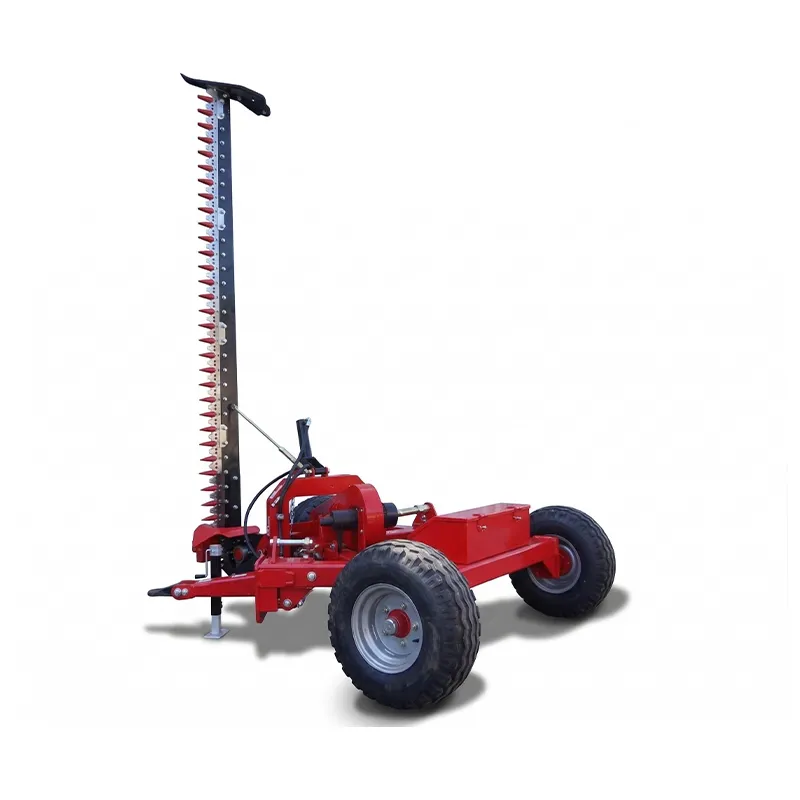
Een sikkelvormige balk volgt de contouren van de grond dichter bij oneffen oppervlakken; schijfbladen zijn kwetsbaarder voor steenslag. |
| Commerciële volumes, meer dan 60 hectare per snede. |
✔ |
Niet aanbevolen |
Rijsnelheid van een schijvenmaaier (tot 12 km/u) versus een maaibalkmaaier (5-8 km/u) — op 25 hectare bespaart een schijvenmaaier 3-5 velduren per maaibeurt. |
| Kleinschalig bedrijf, beperkt kapitaal, vlak terrein |
Duurder |
✔ |
Sikkelmes: lagere initiële kosten; acceptabele kwaliteit voor grashooi; niet ideaal voor hoogwaardige alfalfa-programma's. |
| Luzerne, eerste snede, zware staande gewas |
✔ |
Niet aanbevolen |
Een dikke, dichte mat van de eerste snede is moeilijk te verwijderen met een maaibalk — raakt vaak verstopt; een schijvenmaaier pakt dit probleemloos aan. |
Conditionering: Hoe het krimpen en fladderen het uithardingsproces beïnvloedt
Hooien Conditionering verkort de uithardingstijd met 25 tot 401 TP5T in vergelijking met onbehandeld maaien onder dezelfde weersomstandigheden. Dit is de belangrijkste kwaliteitsverbetering die in de maaifase mogelijk is – en inzicht in het mechanisme verklaart zowel waarom het zo goed werkt als waarom te agressieve conditionering het voordeel vermindert.
Hoe conditionering het drogen van de stengel versnelt — Fysiek mechanisme
🌿
Vers afgesneden steel
Een intacte opperhuid (wasachtige buitenlaag) voorkomt dat vocht ontsnapt.
→
⚙️
Krimp-/flail-passes
De stengelwand wordt samengedrukt of beschadigd → de cuticula barst bij de knooppunten.
→
💧
Blootgestelde vaatbundels
Directe verdamping vanuit de stengel – hetzelfde proces als via het bladoppervlak.
→
☀️
25–40% sneller drogen
Stengel en blad bereiken tegelijkertijd het vochtgehalte voor het persen → uniforme baalkwaliteit
Krimptang versus dorsvlegel: de afweging bij agressieve conditietraining
Krimptang (krulconditioner): De stengel wordt samengedrukt tussen twee gladde of geribbelde rollen met gecontroleerde druk. Hierdoor ontstaan er op regelmatige intervallen inkepingen in de stengel zonder het weefsel te beschadigen. De machine is zacht voor peulvruchtbladeren en heeft de voorkeur bij alfalfa, waar bladbreuk het grootste risico op eiwitverlies vormt. Conditionerend effect: matig (25 tot 301 TP5T droogverbetering). De meeste maaiers met kneuzer in de klasse van 3 tot 4 meter gebruiken kneuzerrollen als standaard type kneuzer.
Klepel (waaierconditioner): Gebruikt een roterende waaier met tanden of dorsvlegels om het gemaaide gewas agressief te beschadigen. Een agressievere verstoring van de stengels leidt tot snellere droging (35 tot 40% verbetering). Maar de snijkracht zorgt er ook voor dat de alfalfabladeren fysiek loskomen van de stengels bij de bladsteel, wat leidt tot bladverlies van 5 tot 12% vergeleken met 2 tot 4% bij het kneuzen van de stengels. Bij grashooi, waar de bladeren klein zijn en stevig aan de stengels vastzitten, zorgt kneuzen voor een snellere droging met minimale kwaliteitsvermindering. Bij alfalfa heft het bladverlies bij kneuzen de kwaliteitsverbetering door snellere droging vaak op.
Het probleem van overconditionering: De mate van conditionering kan bij de meeste maai-kneuzers worden aangepast via de instelling van de rolafstand of de snelheid van de waaier. Overmatige conditionering (kneuzerrollen te strak afgesteld of klepelsnelheid te hoog) produceert hooi dat extreem snel droogt – zo snel dat het gewasoppervlak een vochtigheidsgraad heeft van 10 tot 121 TP5T, terwijl het midden van de stengelmat nog steeds boven de 251 TP5T zit. De resulterende baal heeft een droge buitenlaag en een vochtige binnenkant: het slechtst mogelijke profiel voor zowel de opslag van droog hooi als de uniformiteit van de silagefermentatie.
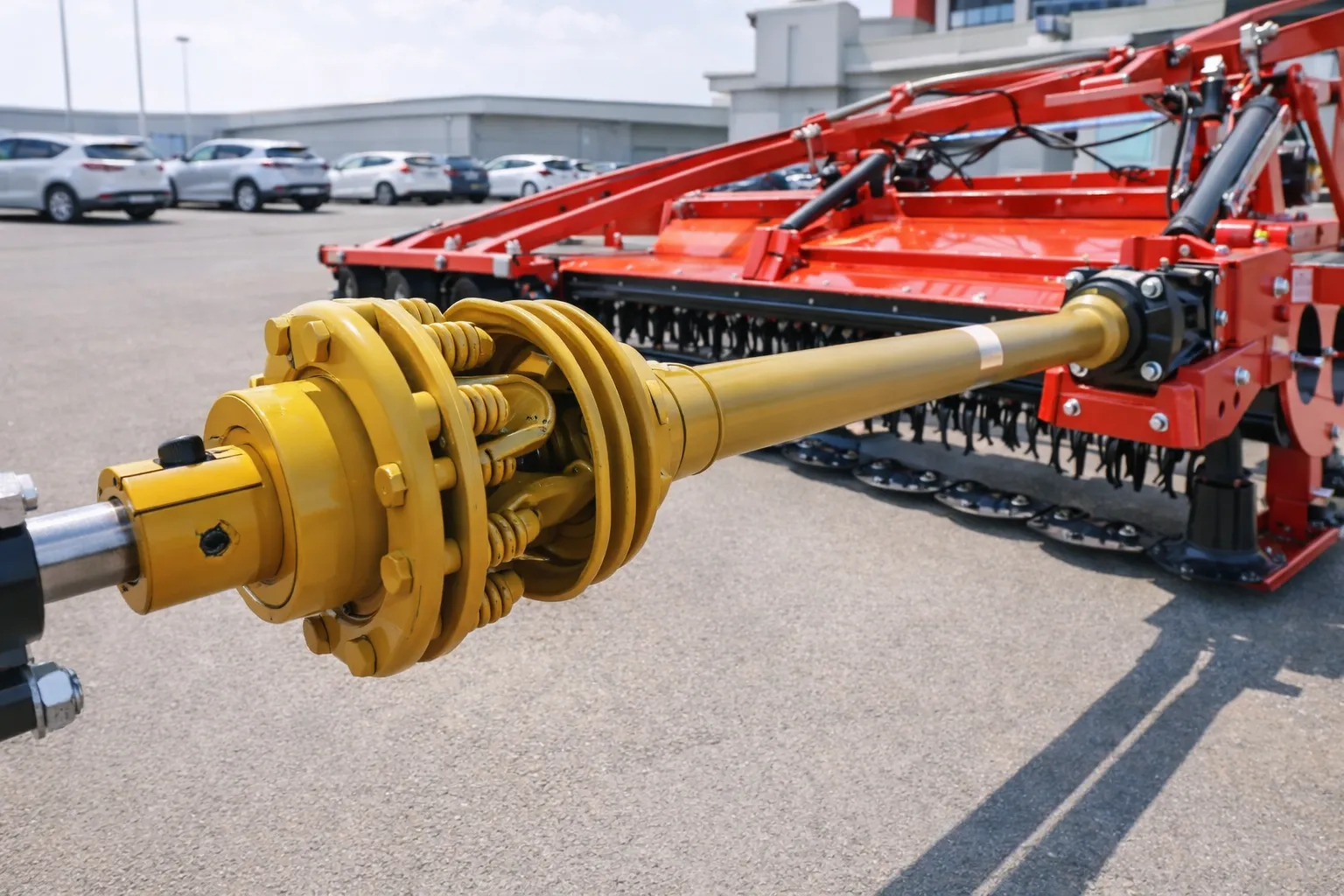
De aftakas-aangedreven conditioneringsrollen van de maaier-kneuzer worden aangedreven via een speciaal daarvoor bestemde motor. landbouw aandrijfversnellingsbak dat het aftakastoerental verlaagt tot het nominale oppervlaktoerental van de rol — de effectiviteit van de conditionering wordt direct beïnvloed door het roltoerental, waardoor de conditie van de versnellingsbak en het oliepeil een onderhoudspunt vormen dat verband houdt met de kwaliteit van de hooiopbrengst.
Maaihoogte: De 7,5 cm-regel en drie problemen die u daarmee voorkomt
De maaihoogte is het eenvoudigst. hooi kwaliteit De minimale maaihoogte is een variabele en wordt het vaakst eenmalig ingesteld en vervolgens vergeten. De aanbevolen minimale maaihoogte van 75 mm (3 inch) voor hooiwinning is niet willekeurig, maar vervult drie onafhankelijke agronomische functies die samen het risico op bodemverontreiniging, de standvastigheid van het gewas en het opbrengstverloop gedurende de levensduur van een gewas bepalen.
Effect van maaihoogte — Drie-standengids
Minder dan 5 cm (te laag)
✗ Bodemverontreiniging: Tanden en messen op of nabij de grond → gronddeeltjes in het zwad → verhoogd asgehalte in hooianalyse → lagere RFV-score door minerale verdunning.
✗ Schade aan de standaard: Door onder de kroon (het basale meristeem) van luzerne te maaien, wordt de primaire hergroeiknop verwijderd. Herhaaldelijk maaien onder de kroon zorgt ervoor dat de begroeiing binnen 2 tot 3 jaar uitdunt, waardoor herzaaien 1 tot 2 maaiseizoenen eerder nodig is dan bij goed beheerde begroeiing.
✗ Langzame hergroei: Zonder de opgeslagen fotosynthesereserves in de onderste 5 tot 7,5 centimeter van de stengel, moet de plant zich volledig regenereren met behulp van de koolhydraatreserves in de wortels. Dit verlengt de periode tussen de snoeibeurten en vermindert de jaarlijkse snoeifrequentie.
3–4 inch (correct)
✔ Tandenvrijmaking: Zorgt voor een veiligheidsmarge van minimaal 2 tot 3 cm tussen het maaipad en het bodemoppervlak — voorkomt onbedoelde ophoping van grond op normale veldoppervlakken, inclusief kleine sporen en oneffenheden.
✔ Kroonbescherming: Behoudt het basale meristeem boven de snijzone. Snelle activering van de okselknoppen binnen 24 tot 48 uur na het snijden zorgt ervoor dat de hergroei vanuit het weefsel boven de snede begint, en niet uitsluitend vanuit de wortelreserves.
✔ Luchtstroom onder het zwad: Stoppels van 7,5 tot 10 cm hoog tillen het gemaaide gewas van het bodemoppervlak, waardoor een luchtkanaal onder het zwad ontstaat dat de eerste oppervlaktedroging versnelt – een aanvulling op de conditionerende effecten.
Boven de 5 inch (te hoog)
△ Opbrengstrendement: Elke extra centimeter boven de optimale 7,5 centimeter laat oogstbare droge stof achter op het veld. Bij een dichte tweede snede alfalfa van 5 ton/hectare, levert maaien op 12,5 centimeter in plaats van 7,5 centimeter ongeveer 3 tot 5 ton droge stof op in het veld – terugwinbaar bij de volgende snede, maar verloren bij de oogst van de huidige cyclus.
△ Vrije ruimte voor het ophalen van balenpersen: Zeer hoge stoppels (meer dan 12,5 cm) kunnen de opraapkop van de balenpers omhoog duwen tijdens het rijden door de veldrijen, waardoor de opraapefficiëntie in smalle zwaden mogelijk afneemt.
Ons assortiment maai- en grondbewerkingsmachines: van 2,5 m tot 5,0 m
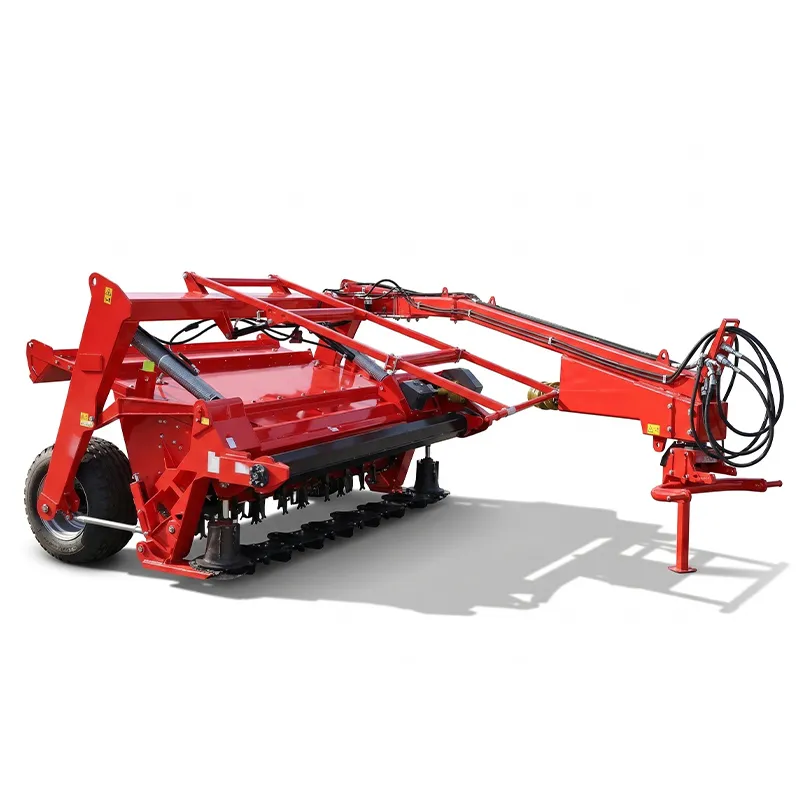
Ons assortiment maai-apparatuur Dit assortiment omvat drie werkbreedteklassen, ontworpen om te combineren met het hooihark- en rondebalenperssysteem dat de meeste bedrijven gebruiken. Elk model is zo gedimensioneerd dat er een op elkaar afgestemd systeem ontstaat waarbij maaibreedte, harkbreedte en balenperscapaciteit in hetzelfde tempo op het veld werken, zonder dat de ene stap een knelpunt vormt voor de volgende.
Instapmodel / middenklasse
9GD-2.5
2,5 m schijvenmaaier
▸ Nette snede met schijfmes, verstelbare maaihoogte
▸ 2,5 m maaibreedte — te combineren met 9LZ-6.0 of 9LZY-9.0 hark (2-pass samenvoeging)
▸ Vermogensvereiste: ≥40 kW (54 pk)
▸ Het meest geschikt voor: kleinschalige landbouwsystemen met één tractor
Populair
Middenklasse + Conditionering
9GQY-3.2
3,2 m Maai-Kneuzer
▸ Geïntegreerde krimprollen — 25–35% sneller drogen van hooi
▸ 3,2 m breedte — te combineren met 9LZY-9.0 of 9LZD-9.0 V-hark (3-pass sequentie)
▸ Vermogensvereiste: ≥55 kW (75 pk)
▸ Het meest geschikt voor: alfalfa-premiumprogramma's waarbij de RFV-kwaliteit van belang is.
Commerciële klasse
9GS-5.0
5,0 m schijvenmaaier met vering
▸ 5,0 m breedte in één doorgang — maximale doorvoer voor grote programma's
▸ Het veersysteem volgt de contouren van de grond over de volledige werkbreedte.
▸ Vermogensvereiste: ≥80 kW (108 pk)
▸ Het meest geschikt voor: grote commerciële projecten, maatwerk snijwerkzaamheden
Het complete assortiment — inclusief het benodigde tractorvermogen en aanbevelingen voor de maaibreedte in combinatie met onze hooihark assortiment — wordt gedetailleerd beschreven op de categoriepagina voor maai- en balenmachines. Als u een gecombineerd maai-, hark- en balensysteem bouwt op een specifieke tractor met een bepaald vermogen, zorgt ons team in de VS voor de juiste afstemming van de maaibreedte en het veldtempo voordat de producten worden verzonden.
Veelgestelde vragen: Maaien en hooikwaliteit
Heb ik een maai-kneuzer nodig om hooi van goede kwaliteit te produceren, of is een gewone schijvenmaaier voldoende?+
Voor gras hooi maaien Voor standaard grondstoffenmarkten volstaat een gewone schijvenmaaier — gras droogt in een redelijk tempo zonder conditionering bij warm en droog weer, en de RFV-premie voor sneller drogen is lager bij gras dan bij alfalfa. Voor alfalfa hooi kwaliteit Voor luzerne bestemd voor de zuivel-, paarden- of andere premiummarkten waar RFV-kwaliteit een prijs heeft, wordt een maai-conditioner sterk aanbevolen. De jaarlijkse kwaliteitspremie van $2.800, zoals weergegeven in de bovenstaande RFV-berekening, is een realistisch bedrag voor een luzerneprogramma van 400 balen – conditionering verdient zichzelf in 2 tot 4 seizoenen terug bij programma's van deze omvang. Voor kleinschalige luzerneprogramma's (minder dan 100 balen per jaar) is de berekening nauwkeuriger en afhankelijk van de prijsverschillen tussen de verschillende RFV-kwaliteiten op de lokale hooimarkt.
Op welk tijdstip van de dag kan ik het beste beginnen met maaien voor een optimaal resultaat?+
Halverwege de ochtend, nadat de dauw is verdampt, is de standaard aanbeveling – meestal tussen 9:00 en 10:00 uur op een heldere dag. De reden hiervoor is dat maaien vóórdat de dauw is verdampt, het droogproces van het hooi op gang brengt terwijl het oppervlaktevocht nog hoog is. Dit is gunstig voor de eerste conditionering (flexibelere stengels, betere penetratie van de kneuzing), maar vereist wel meer droogtijd om het juiste vochtgehalte voor het balen te bereiken. Belangrijker nog, maaien in de dauw verwijdert de zichtbare vochtindicator die aangeeft wanneer het hooi klaar is om te worden geharkt – wanneer het gemaaide gewas in de eerste zwad er net zo droog uitziet en aanvoelt als de dauwvrije zwaden in de middag, is de ochtenddauw verdampt en kan het harken beginnen. Op zeer warme dagen (boven 35°C) geven sommige boeren er de voorkeur aan om vroeg in de ochtend te maaien, juist om het droogproces te starten vóór de piek van de middaghitte – maar dit vereist wel nauwlettende controle van het vochtgehalte vóór het harken.
Mijn grasmaaier laat steeds ongesneden stroken achter in het veld. Welke aanpassingen kunnen ik doen om dit te verhelpen?+
Ongemaaid gras heeft doorgaans een van de volgende drie oorzaken: (1) Slijtage van de messen — messen van een schijvenmaaier slijten geleidelijk aan de punt, waardoor de effectieve snijradius kleiner wordt. Controleer de conditie van de mespunt met een nieuw mes; vervang het mes wanneer de snijradius met meer dan 15 tot 20 mm is afgenomen. Om de balans te behouden, moeten de messen als een complete set op een schijf worden vervangen, niet afzonderlijk. (2) Te hoge rijsnelheid voor de gewasdichtheid — bij zeer dichte eerste snede luzerne kan een snelheid van meer dan 10 km/u ervoor zorgen dat het gewas van de snijzone van de schijf afbuigt voordat het mes het bereikt. Verlaag de snelheid. (3) Te hoge maaihoogte bij platliggend of gebogen gewas — platliggende stengels die schuin liggen, kunnen onder het maaipad van het mes doorlopen als de maaihoogte boven de stengelbasis is ingesteld. Verlaag de maaihoogte met 1 tot 2 cm en controleer de afstand tot het veldoppervlak.
Welk effect heeft de maaibreedte op de veldefficiëntie in vergelijking met de harkbreedte?+
Het belangrijkste afstemmingsprincipe is dat de werkbreedte van de hark een veelvoud moet zijn van de werkbreedte van de maaier. Zo verzamelt elke harkgang het maaisel van een geheel aantal maaigangen, zonder gaten of overlappingen. Bij een maaier van 2,5 m in combinatie met een V-hark van 9 m bestrijkt elke harkgang 3,6 maaibreedtes – een niet-geheel getal dat resulteert in een onregelmatige zwadendichtheid. De praktische oplossing is om ofwel een maaibreedte van 3,0 m te gebruiken (3 gangen = 9 m, een perfecte match) of een samenvoegende gang met de hark te maken om consistente zwaden te creëren uit ongelijkmatige maaibreedtes. Ons team in de VS voert deze afstemmingsberekening uit tijdens de selectie van de apparatuur. Het afstemmen van de maai- en harkbreedte is een van de eerste vragen die we stellen voordat we een systeem aanbevelen.
Is het beter om met de overheersende wind mee te maaien of er dwars op?+
Door parallel aan de heersende windrichting te maaien – zodat de zwaden in de windrichting liggen – droogt het veld het snelst. Een zwad dat parallel aan de windrichting is geplaatst, zorgt voor luchtcirculatie over de gehele lengte van het zwad, waardoor de bovenste laag wordt opgetild en belucht en vochtige lucht onder de zwadbasis wordt afgevoerd. Een zwad dat loodrecht op de heersende windrichting staat, creëert een reeks windbarrières die vochtige lucht vasthouden in de zones tussen de zwaden. In de praktijk bepalen de vorm van het veld en de rijrichting de maairichting meestal meer dan de windrichting – maar waar de veldvorm de keuze toelaat, is het raadzaam de rijen in de richting van de heersende wind te plaatsen voor een verbetering van de droogsnelheid met 10 tot 201 TP5T bij matige windomstandigheden.
Levert het maaien van alfalfa in het late knopstadium werkelijk beter hooi op dan wachten tot de vroege bloei?+
Ja, voor het eiwitgehalte en de verteerbaarheid, maar met een lagere opbrengst. Luzerne in het late knopstadium (10 tot 201 TP5T knopontwikkeling, geen open bloemen) bevat 20 tot 221 TP5T ruw eiwit en minder dan 321 TP5T droge stof. Wachten tot de vroege volle bloei (50 tot 1001 TP5T bloei) verhoogt de droge stofopbrengst per hectare met 8 tot 151 TP5T, maar verlaagt het ruwe eiwitgehalte tot 17 tot 191 TP5T en verhoogt de droge stof tot 35 tot 381 TP5T. Voor hooimarkten voor de zuivelindustrie, waar RFV boven de 170 een aanzienlijke premie oplevert, is maaien in het late knopstadium de beste keuze voor optimale kwaliteit. Voor hooimarkten voor de vleesindustrie of andere markten met een constante prijs voor alle RFV-klassen, levert een vroege bloei meer tonnen per hectare op voor dezelfde bedrijfskosten. Welke beslissing de juiste is, hangt volledig af van de lokale prijsstructuur. Raadpleeg de RFV-prijstabel van uw graanleverancier voordat u beslissingen neemt over het maaistadium voor het seizoen.
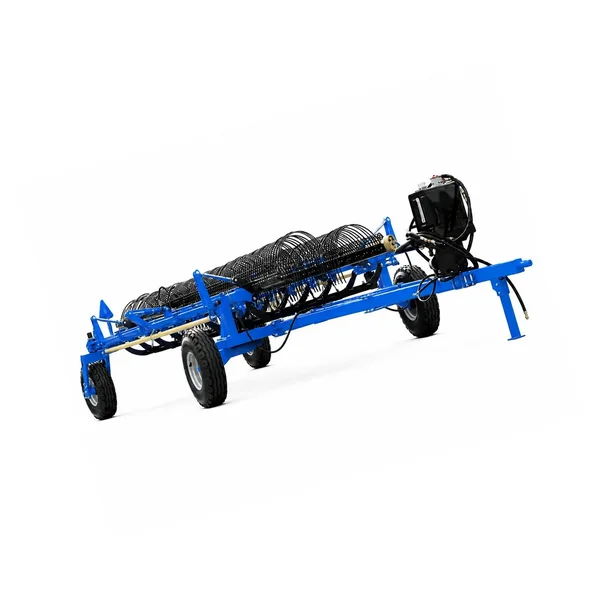
Compleet hooimaaksysteem
Maaiers, harken en ronde balenpersen — afgestemd op uw tractor, gewas en volume.
Ons team in Californië stemt de maaibreedte af op de harkbreedte en de balenpers, controleert of het tractorvermogen bij elke stap past en verzendt alle apparatuur vanuit ons magazijn in de VS, waarbij vervangende onderdelen dezelfde dag nog worden verzonden. Van de eerste maaibeweging tot het uitwerpen van de laatste baal: één leverancier, één ondersteuningsteam.
✔ Maaiers en grondkneuzers
2,5 m tot 5,0 m, Californische voorraad
✔ Hooiharken
6 tot 12 meter, vingerwiel en horizontaal
✔ Ronde balenpersen
5 modellen, van compact tot commercieel.
Vraag een systeemadvies aan
Redacteur: Cxm