
Waarom de keuze van de mestkoe een beslissing is die 1.500 tot 4.500 euro per jaar kost voor een kudde van 50 koeien
De percentages hooiverlies die in universitair voorlichtingsonderzoek zijn vastgelegd, zijn geen schattingen, maar gemeten drogestofopbrengsten uit gecontroleerde studies waarin verschillende voermethoden werden vergeleken. De voorlichtingsprogramma's van Virginia Tech, de Universiteit van Missouri en Oklahoma State University hebben allemaal proeven met voerautomaten uitgevoerd of samengesteld, en hun bevindingen zijn consistent genoeg om een betrouwbare basis te vormen voor economische beslissingen. Het verschil tussen de slechtst presterende voermethode (voeren op de grond zonder voerautomaat) en de best presterende (kegel- of slowfeedernet) is groot genoeg dat de investering in een voerautomaat zich binnen enkele weken, en niet jaren, terugverdient voor elk bedrijf dat meer dan 100 balen hooi per winter voert.
Soorten veevoeders: een op onderzoek gebaseerde vergelijking van hooi-verliezen
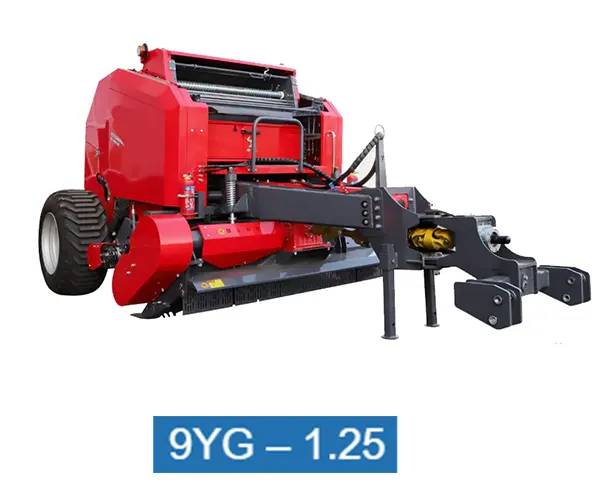
De percentages hooiverlies bij verschillende voerbakontwerpen zijn al zo grondig onderzocht dat een beslissing nemen zonder deze gegevens simpelweg neerkomt op het mislopen van geld. De onderstaande tabel vat de bevindingen samen van meerdere proeven van universitaire voorlichtingsdiensten die onder praktijkomstandigheden op een boerderij zijn uitgevoerd – niet in een laboratorium.
| Feedertype | Hooiverlies % | Geschatte kosten | Jaarlijkse besparing ten opzichte van geen voederbak (50 koeien, 75 ton hooi à $200/ton) | Beste toepassing |
|---|---|---|---|---|
| Geen voederbak (op de grond) | 35–45% | $0 | — | Standaardgebruik; niet aanbevolen, behalve voor incidentele voeding van korte duur. |
| Open ring (geen zeil) | 20–28% | $150–$400 | $2,250–$3,750 | Veebedrijven met beperkt kapitaal; voeding in een droog klimaat op vaste ondergronden |
| Bodemring met plaatwerk | 8–14% | $350–$700 | $6,000–$8,250 | De beste prijs-kwaliteitverhouding voor de meeste veehouderijen; vangt gevallen hooi op voordat het de grond raakt. |
| Kegelvoeder (omgekeerde kegel in het midden) | 6–12% | $400–$800 | $6,750–$8,625 | Opfokrunderen en -kalveren; eenjarige runderen; best gedocumenteerde verliesprestaties |
| Grafsteen / sleutelgatring | 10–18% | $500–$1,200 | $4,125–$7,500 | Kuddes van verschillende leeftijden; melkveebedrijven; maakt goed beheer van de voedertoegang mogelijk. |
| Hooinet (langzame voederbak) | 3–8% | $80–$250 | $7,875–$9,375 (indien van toepassing) | Paarden en kleine herkauwers; niet veel gebruikt voor grote veekuddes. |
Ontwerp van voerbakken voor paarden: Waarom voerbakken voor vee onveilig zijn voor paarden
Het belangrijkste veiligheidsaspect van hooi-voerbakken voor paardenbedrijven gaat niet zozeer over het verminderen van verspilling, maar over het voorkomen van verwondingen. Standaard ronde hooiringen voor runderen met een verticale spijlafstand van 20-25 cm zijn ontworpen voor runderkoppen, die kort en breed zijn. Paardenkoppen zijn langer, meer taps toelopend en zitten vast aan veel langere, beweeglijkere nekken. Paarden die voor een standaard hooiring voor runderen worden geplaatst, zullen regelmatig hun kop door de spijlen steken, zich zijwaarts draaien om hooi te pakken en bekneld raken. Beknellingspaniek bij een paard dat zijn kop niet uit een metalen ring kan trekken, leidt tot gebroken nekken, ernstige snijwonden en zelfs de dood. Deze incidenten worden jaarlijks in de VS gedocumenteerd in veterinaire casusrapporten en veiligheidsberichten van voorlichtingsdiensten. Gebruik geen standaard ronde hooiringen voor runderen voor paarden.
- Een spijlafstand van 20-25 cm zorgt ervoor dat het hoofd van het paard erdoorheen kan en niet achteruit kan schieten in paniek.
- De ringhoogte is voor sommige paarden te hoog om van de buitenrand te eten.
- Geen bescherming tegen beknelling van hoeven (paarden krabben aan voerbakken)
- Blootliggende bouten en scherpe randen die vee negeert, veroorzaken snijwonden bij paarden met een dunne huid.
- Instabiele onderstellen kantelen onder het leunen en schoppen van het paard.
- Geen tralieopening groot genoeg voor een paardenhoofd.
- Geen uitstekende bouten, ruwe snijranden of scherpe laspunten op oppervlakken die in contact komen met paarden.
- Onderste rand of bodem die voorkomt dat hoeven in de voerbak terechtkomen.
- Stabiel genoeg om omvallen en schrapen te weerstaan (draagkracht van een paard van 180-540 kg).
- Laat paarden op grondniveau of vlakbij de grond eten (dit is goed voor de ademhaling en de houding).
- UV-bestendige materialen voor buitengebruik (rubberen en plastic onderdelen degraderen buitenshuis).
Voernetten met een langzame voeropname voor paarden: hoe ze werken en wat onderzoek uitwijst.
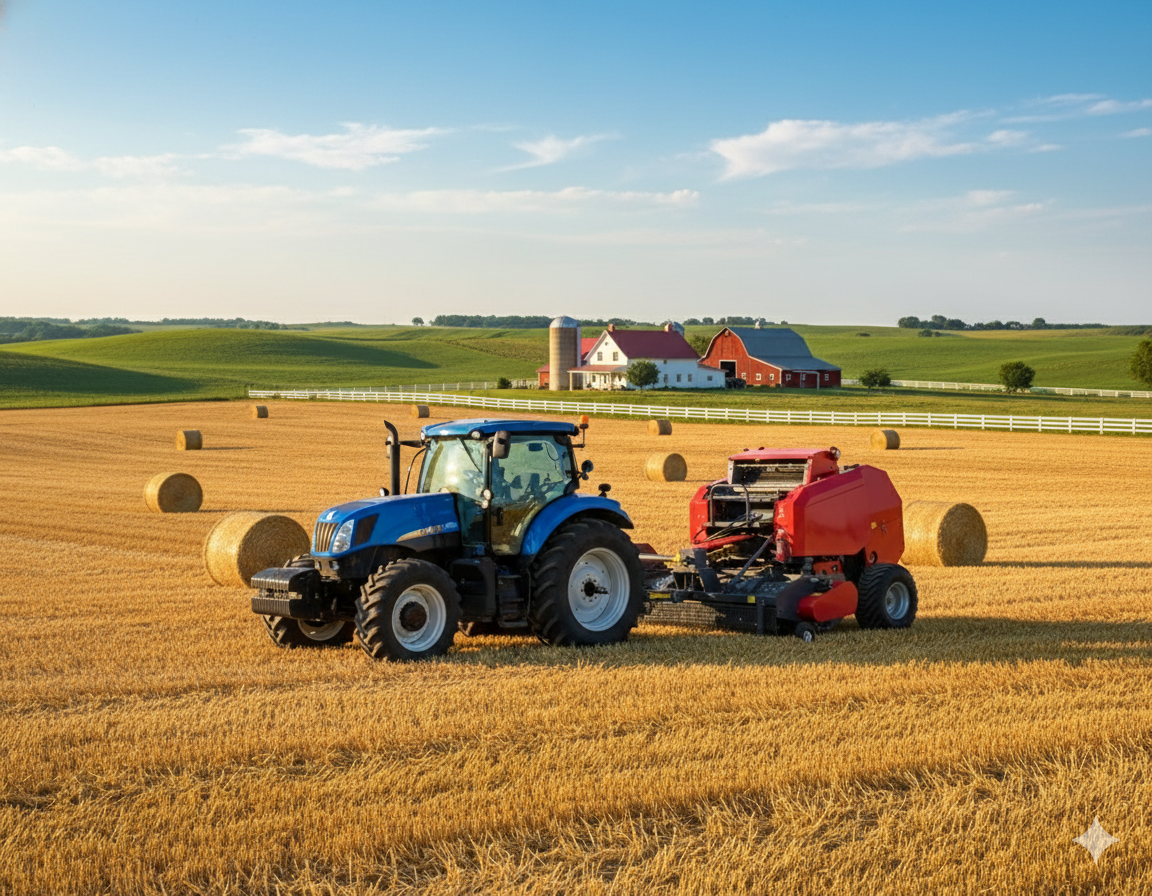
Slowfeeder hooinetten verlengen de tijd die een paard besteedt aan het eten van hooi, doordat het dier gedwongen wordt om kleine happen door een net te trekken dat de hoeveelheid hooi die per keer toegankelijk is, beperkt. Dit bootst het natuurlijke graasgedrag na dat paarden in miljoenen jaren hebben ontwikkeld: continue consumptie van kleine hoeveelheden gedurende 12-16 uur per dag. Dit in tegenstelling tot de snelle consumptie van grote hoeveelheden in korte periodes, zoals bij onbeperkte toegang tot ronde hooibalen. De bewezen voordelen gaan veel verder dan alleen het verminderen van verspilling.
2-inch maaswijdte: Standaard universele maat voor de meeste hooisoorten; biedt een goede balans tussen beperking en gebruiksgemak; het meest aanbevolen voor paarden zonder specifieke stofwisselingsproblemen.
3-inch maaswijdte: Grovere of langstelige hooi (inheems gras, prairiehooi, stro); vermindert verspilling zonder overmatige beperking; niet geschikt voor paarden met een snelle stofwisseling.
Continue consumptie van hooi in kleine hoeveelheden: handhaaft de bufferende werking van maagzuur (paarden scheiden continu maagzuur af en onvoldoende ruwvoer in de maag verhoogt het risico op maagzweren); ondersteunt de darmmotiliteit en vermindert het risico op koliek; vermindert verveling bij paarden op stal (kribben, weven in de stal, knagen aan hout) door de foerageertijd te verlengen; vermindert het risico op verstikking door het snel consumeren van grote hoeveelheden hooi bij paarden die agressief eten. Voor paarden met insulinedysregulatie: slow feeders in combinatie met getest hooi met een laag NSC-gehalte vormen de gecombineerde managementaanpak die de meeste paardenvoedingsdeskundigen momenteel aanbevelen. De baaldichtheid die het juiste hooitype oplevert voor de gezondheid van paarden wordt behandeld in het volgende gedeelte. Richtlijn voor dichtheid en voerkwaliteit van ronde balen.
Voerbakken die nat worden door regen of sneeuw en vervolgens bevriezen, vormen een ijslaag die de maasopeningen volledig blokkeert. Paarden kunnen niet door het ijs heen breken om bij het hooi te komen, en pogingen daartoe brengen het risico met zich mee van been- of hoefblessures door de scherpe ijsrichels die zich rond de maasopeningen vormen. Beheer bij vriesweer: breng een dun laagje minerale olie of plantaardige olie van voedingskwaliteit aan op de buitenkant van het net voordat vriesweer wordt verwacht – de olie voorkomt dat ijs aan het gaas hecht. Als alternatief kunt u het hooi tijdens ijzelstormen naar een overdekte voerplaats verplaatsen of een stevige voerbak met een afgedekte bovenkant gebruiken.
Plaatsing van de voederbak en fundering: het modderprobleem dat de besparingen tenietdoet.
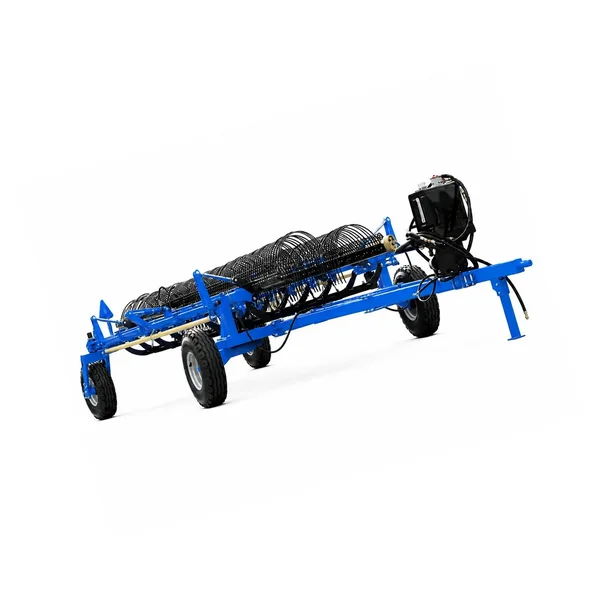
De vermindering van hooiverlies door een goede voerbak is pas volledig te realiseren wanneer de voerbak op een geschikte ondergrond staat. Een hooiring met een zeil op kale kleigrond in een natte winteromgeving ontwikkelt een modderige rand waardoor het vee tot aan de knieën in met mest vermengde modder moet staan tijdens het eten. Hooi dat van de rand in deze modder valt, gaat net zo volledig verloren als hooi dat op de kale grond valt – en de energie die de dieren verbruiken om door de diepe modder te lopen, heft de winst in voerefficiëntie door de verminderde hooiverspilling gedeeltelijk op.
Een betonnen plaat met een diameter van 4,9 tot 6,1 meter voor een standaard ronde balenring (of 7,3 tot 9,1 meter voor een groot gebied met wisselende veestapel) elimineert volledig modder onder de voerbak. De kosten van beton bedragen € 1.500 tot € 4.000, afhankelijk van de locatie en grootte, maar de plaat gaat 20 tot 30 jaar mee en biedt de beste ondergrond voor de gezondheid van de dieren, het beheer van de mestopvang en de levensduur van de voerbak. Voor bedrijven met meerdere voerlocaties is een betonnen plaat bij elke primaire wintervoerlocatie doorgaans de meest kosteneffectieve oplossing op de lange termijn.
Een laag van 15 cm verdicht gebroken steen (schoon, 3/4 inch of equivalent) op een geotextiel ondergrond zorgt voor uitstekende drainage en voorkomt de diepe, modderige verdichting die kale grond veroorzaakt. Kosten: $200–$600 voor een plaat van 4,8 meter, inclusief geotextiel. Het grind kan na verloop van tijd in het hooi terechtkomen en moet mogelijk elke 3-5 jaar worden aangevuld. Voor paardenhouderijen is het raadzaam om geen scherpe gebroken steen te gebruiken, maar in plaats daarvan afgerond grind of verdicht wegdek. Paarden met beslagen hoeven kunnen namelijk door scherpe stenen worden afgeworpen wanneer ze uit een voernet eten.
Door de voederbak elke 7-14 dagen naar een nieuwe locatie te verplaatsen, wordt de belasting door het verkeer over een groter gebied verdeeld en kan elke locatie drogen en herstellen voor het volgende gebruik. Vereist dat de voederbak verplaatsbaar is (de meeste hooiringen en kegelvoederbakken zijn ontworpen om door één persoon of met een tractorvork te worden verplaatst). Werkt het beste in grotere weilanden met voldoende ruimte voor rotatie; werkt niet in kleine percelen of op offergebieden waar de gehele grond kaal is. In combinatie met een adequate veebezetting en goed beheer voorkomt rotatie dat één locatie ernstig wordt aangetast.
Eisen voor geiten- en schapenvoeders: in alle opzichten anders dan die voor runderen.
Kleine herkauwers (geiten en schapen) hebben eetgedrag, lichaamsafmetingen en veiligheidsrisico's waardoor hooiringen die voor runderen zijn ontworpen, ongeschikt zijn voor hen, net zoals hooiringen voor runderen ongeschikt zijn voor paarden – om andere, maar even reële redenen. Het voornaamste probleem met het eetgedrag van geiten is niet zozeer het vastraken van de kop, maar eerder het instinct van het dier om op het hooi te klimmen, erin te staan en het vanuit elke mogelijke hoek te bereiken. Dit gedrag zorgt ervoor dat open ontwerpen met beklimbare oppervlakken aanzienlijke verspilling door vervuiling veroorzaken, zelfs als de voederbak het hooi technisch gezien wel bevat.
Een sleutelgatvoederbak heeft een grote ronde opening aan de bovenkant (voor het insteken van de nek van het dier) die verbonden is met een smallere rechthoekige gleuf aan de onderkant. Deze gleuf vergrendelt de nek van het dier tijdens het eten. Elke geit heeft zijn eigen gleuf en kan zich niet terugtrekken tijdens het eten. Dit voorkomt dat dominante dieren anderen verdringen, reguleert de consumptie per dier en voorkomt dat het dier in de voederbak gaat staan. De geometrie van de gleuf voorkomt tegelijkertijd klimmen en beknelling van de kop. Hooiverlies bij goed ontworpen sleutelgatvoederbakken: 6–12% – de best gedocumenteerde prestatie voor geiten. Hoogte: de gleuven moeten de nek in een comfortabele neerwaartse hoek positioneren om te eten; typisch 30–45 cm voor Nigeriaanse dwerggeiten, 45–60 cm voor volwassen rassen.
Bij schapenrassen met hoorns bestaat het risico dat de nek en hoorns bekneld raken in openingen die bedoeld zijn voor hoornloze rassen. Voederbakken voor schapen met hoorns (Rambouillet, Merino, diverse traditionele rassen) moeten openingen hebben die groot genoeg zijn zodat de hoorns erdoorheen kunnen zonder vast te komen zitten. Alternatief kunnen verstelbare spijlen met voldoende ruimte voor de hoornspreiding van het ras worden gebruikt. Wolverontreiniging in de voederbak is een bijkomend probleem: hooi dat in de vacht terechtkomt doordat het door de spijlen van de voederbak reikt, vereist extra voorbereidingstijd voor het scheren. Voor bedrijven die zowel schapen als geiten houden, zijn universele ontwerpen verkrijgbaar bij gespecialiseerde leveranciers van vee-uitrusting, die geschikt zijn voor de kopgrootte en hoornprofielen van beide diersoorten.
De ROI-calculator: Terugverdientijd van voederautomaten op drie schaalniveaus
De terugverdientijd van een investering in een voerautomaat wordt als volgt berekend: (Dagelijks hooiverbruik) × (vermindering van %-verlies) × (hooiprijs per pond) × 365 = jaarlijkse besparing. Vergelijk de jaarlijkse besparing met de kosten van de voerautomaat om de terugverdientijd in maanden te bepalen. De onderstaande tabel is gebaseerd op deze formule voor drie bedrijfsgroottes en twee hooiprijzen – pas de formule aan uw specifieke cijfers aan.
| Upgradepad | Verliesreductie | kosten van de voederbak | Terugverdientijd (20 koeien, $160/ton) | Terugverdientijd (50 koeien, $200/ton) | Terugverdientijd (100 koeien, $220/ton) |
|---|---|---|---|---|---|
| Geen voederbak → open ring | 15% | $280 | 6 dagen | 2 dagen | <1 dag |
| Geen voederbak → ring met folie | 28% | $500 | 18 dagen | 7 dagen | 3 dagen |
| Open ring → gesloten ring | 13% | $220 upgrade | 14 dagen | 6 dagen | 2 dagen |
| Geen voederbak → kegelvoederbak | 30% | $600 | 21 dagen | 8 dagen | 3 dagen |
De dichtheid van de hooibalen die in deze voerbakken terechtkomen, beïnvloedt de daadwerkelijke consumptiesnelheid. Een goed gecomprimeerde baal levert meer bruikbaar hooi per voerbakcyclus op dan een onvoldoende gecomprimeerde baal die in de ring inzakt en zich daarbuiten verspreidt. Normen voor de dichtheid van hooibalen en hun effect op de voerefficiëntie zijn gedocumenteerd in onderzoek naar de dichtheid van hooibalen, en de volledige beheerpraktijken voor hooi-voeding die werken met de juiste voerbakselectie zijn te vinden in het onderzoek. Strategieën voor het voeren van ronde balen en een handleiding voor afvalverminderingVoor de ronde balenpersmodellen die zorgen voor consistente baalafmetingen voor efficiënte invoer, en voor specificaties van de aftakas en versnellingsbak die relevant zijn voor de instellingen van de balenpersdichtheid, zie documentatie over landbouwversnellingsbakken en aftakascomponenten.
Onderhoud, levensduur en veiligheidsinspectieprotocol van de voederautomaat
Een hooiring die jaarlijks € 1.600 aan hooiverlies bespaart, vertegenwoordigt een aanzienlijke en duurzame economische waarde. Door de voerbak in veilige en functionele staat te houden, worden zowel die economische waarde als de dieren die ermee gevoerd worden beschermd. Jaarlijkse inspectie en onderhoud is een investering van 30 minuten die de meest voorkomende verwondingen bij dieren door de voerbak voorkomt en structurele gebreken opspoort voordat ze leiden tot een volledige instorting onder een baal van 400 kg.
- Ga met een gehandschoende hand langs alle uiteinden van de stuurstang en de lasnaden; scherpe randen moeten worden afgeslepen of vervangen.
- Controleer alle lasnaden op scheuren — lasbreuken in ringbanden van plaatstaal treden doorgaans op bij de verbindingen tussen de staven en de basisring onder het gewicht van de balen.
- Controleer de galvanisatie of poedercoating op roest; roestverontreiniging in hooi is in verband gebracht met een verminderde smakelijkheid.
- Controleer of het vergrendelings- of poortmechanisme soepel opent en sluit.
- Controleer de bodemring op platte plekken als gevolg van stootschade. Platte plekken zorgen voor een ongelijkmatige positionering van de balen, waardoor het risico op zijdelings rollen toeneemt.
- Controleer bij netten alle maasopeningen op vergrotingen groter dan 10 x 10 cm; vervang het net als een opening groter is dan deze afmeting (risico op verstrikking van dieren).
Ringaanvoerder met poedercoating: 8-15 jaar; opnieuw schilderen verlengt de levensduur aanzienlijk.
Dikwandige (3/8″+) kegelvormige aanvoer: 15-20 jaar
Slow feedernetten (polypropyleen): Geschikt voor gebruik buitenshuis gedurende 2-4 seizoenen; vervangen wanneer een van de maasopeningen groter is dan 10 x 10 cm; beschermen tegen UV-straling met af en toe een oliebehandeling.
Bewaar ringvoederbakken buiten het seizoen van de grond (op pallets of in een verhoogde opslag) om corrosie van de basisring door stilstaand water te voorkomen. Verwijder opgehoopt nat/beschimmeld hooi van de bodem van ringen met zeildoek voordat u ze opbergt – vochtig organisch materiaal tegen metaal versnelt de roestvorming in verf en galvanisatie. Voor netvoederbakken: spoel ze af met schoon water, laat ze volledig drogen en bewaar ze op een UV-beschermde plaats. Schimmelgroei in natte netten die opgevouwen worden bewaard (niet eerst gedroogd) tast de vezels aan en verkort de levensduur van het net aanzienlijk. Zie de Handleiding voor de opslag van ronde balen en het verlies aan droge stof voor methoden voor het opslaan van balen die een aanvulling vormen op een goed beheer van de voedergewassen.
Veelgestelde vragen over ronde balenvoeders
Stel de balenpers in voor een baaldichtheid die compatibel is met de invoerunit.
Vertel ons uw gewenste baalgrootte, de primaire gewassoort (gras, luzerne of een mengsel), het type voederbak (ring, kegel of hooinet) en het aftakasvermogen van uw tractor. Wij controleren de instelling van de dichtheidsveer en de rijsnelheid die zorgen voor consistente baalafmetingen en compressie, zodat de voederbak schoon gevuld blijft en er minimaal hooi verloren gaat gedurende de hele voedercyclus.
Redacteur: Cxm


