
What Makes a Round Baler “Smart”? The Five-Layer Technology Stack
The term “smart baler” is used loosely across the industry — from a simple in-cab density indicator to a fully connected IoT system with cloud data upload. A useful framework is to think of smart baler technology as five distinct layers, each providing different functionality and carrying different cost implications. Understanding which layer is actually installed on a machine avoids the common confusion between an entry-level monitor display and a full sensing system.
In-Chamber Moisture Sensing: Accuracy Limits the Marketing Doesn’t Mention
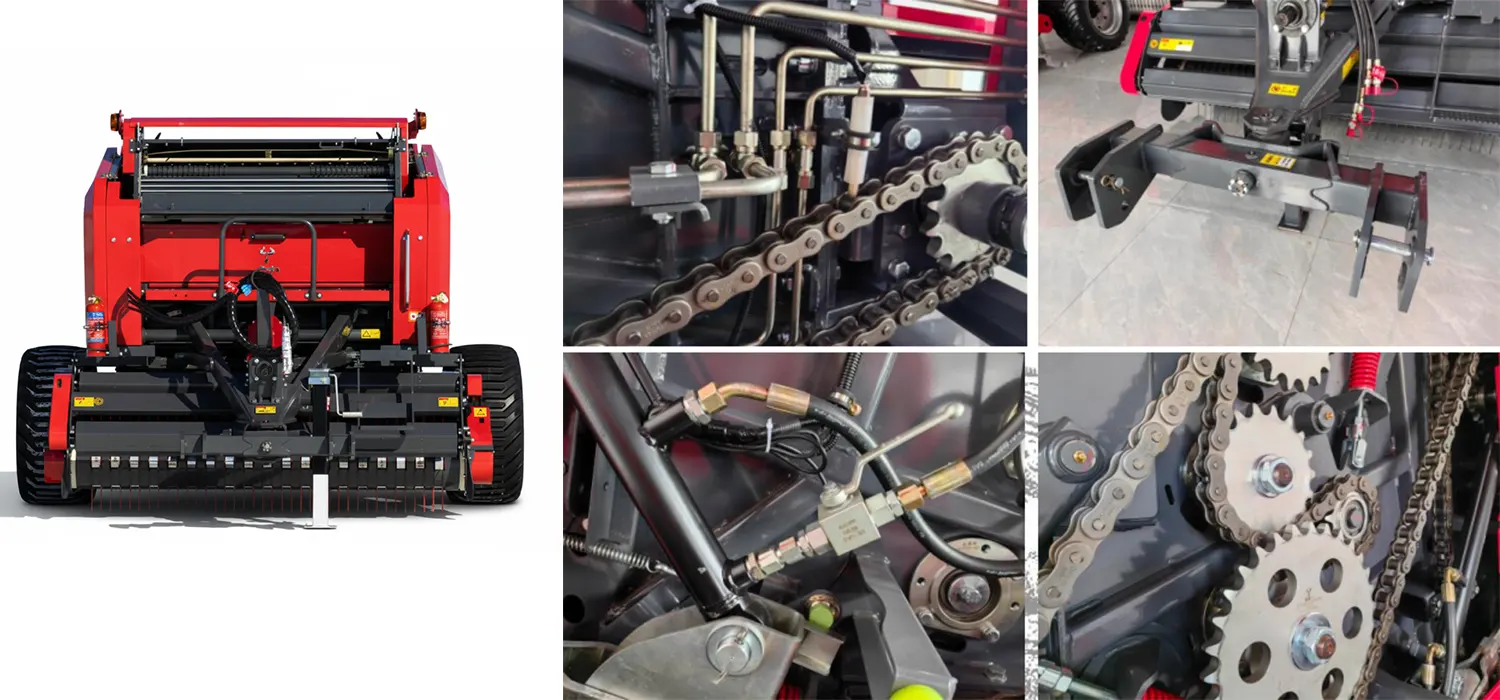
In-chamber moisture sensing is one of the most marketed smart baler features, and the one most misunderstood. The sensor doesn’t measure moisture the way a laboratory gravimetric test does — it infers moisture from a related physical property (electrical conductance, optical reflectance, or microwave absorption) and converts that to a moisture percentage through a calibration model built for a specific crop type at a specific temperature range.
A NIR sensor shines a specific wavelength of light onto the crop material and measures the reflectance pattern. Water molecules absorb specific NIR wavelengths — the absorption pattern is converted to a moisture percentage via calibration. NIR is the most accurate in-chamber method at ±1.5–2.0% under ideal conditions. Accuracy degrades with high stem-to-leaf variation, extreme temperatures, and dusty crop conditions that contaminate the sensor window.
Electrical resistance sensors in the pickup zone or feed rollers measure the conductance of the crop as it passes. These are faster and cheaper than NIR sensors, but have ±3–5% accuracy and are significantly affected by crop temperature — a warm windrow at 14% moisture reads measurably wetter than a cool windrow at the same actual moisture. Useful for directional trending; less reliable as an absolute value for baling decisions.
ISOBUS Integration: What ISO 11783 Actually Does for the Operator
ISOBUS (the common name for the ISO 11783 agricultural electronics standard) is the communication protocol that allows implements to talk to tractors and to universal displays without brand-specific adapters. A baler equipped with an ISOBUS ECU can display its data on any ISOBUS-compatible tractor terminal — the operator doesn’t need a second dedicated monitor in the cab and doesn’t need to re-learn a different interface when switching between tractor brands.
- Bale count, density reading, and moisture display on tractor terminal
- Automatic tailgate commands triggered from tractor function buttons
- Individual bale data logging (weight, moisture, GPS drop location)
- Task Controller integration with farm management software
- Universal display compatibility across tractor brands (John Deere, CNH, AGCO, Claas)
Your tractor must have an ISOBUS-compatible controller and a Class 3 connector (ISO 11786) to use the baler’s ISOBUS interface. Most tractors produced after 2010 with electronic management systems have this capability — check the tractor specification sheet for “ISOBUS” or “ISO 11783” listing. Tractors without ISOBUS can still use an ISOBUS baler by installing a separate universal terminal — an additional cost of $400–$900 but a one-time purchase that works with any ISOBUS implement you add in the future.
Automatic Density Control: The ROI Depends on Your Scale
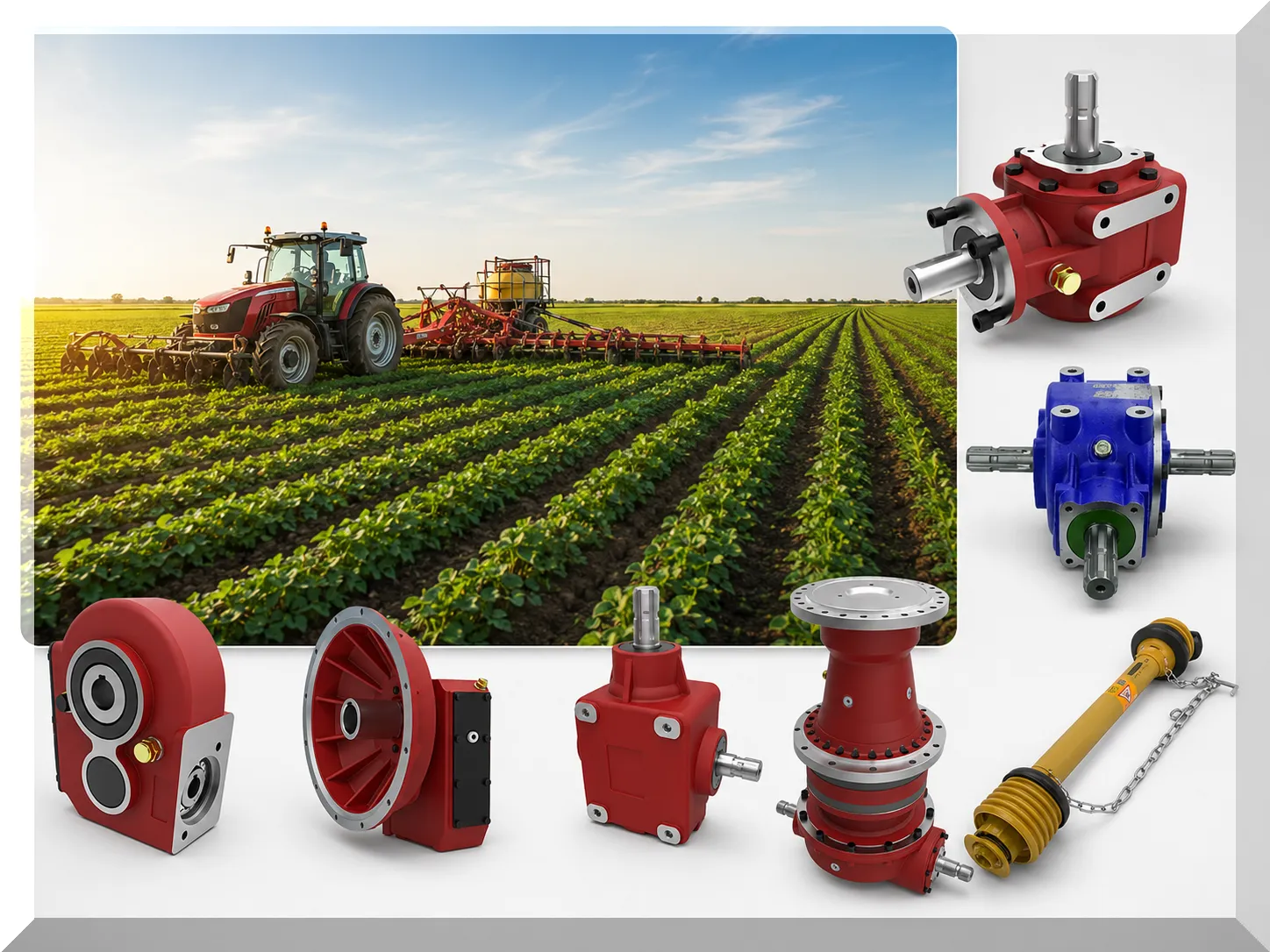
Automatic density control maintains a target bale density set point by adjusting belt tension (on variable-chamber balers) or by modifying compression force throughout the bale-forming cycle. The system monitors bale formation through the diameter sensor and adjusts in real time as crop density varies across the windrow. The practical result is more consistent bale-to-bale weight — a critical factor for TMR dairy ration formulation and for commercial buyers who price by weight.
Bale-to-bale weight variation: ±8–12% in variable windrow conditions. An 800-lb target bale might range from 710–890 lbs across a field with uneven windrow density.
Bale-to-bale weight variation: ±2–4% in similar conditions. The same target bale ranges from 780–820 lbs. Consistently tighter bales maintain better shape through outdoor storage.
±10% density variance = ±40 lbs per bale = ±$3.60/bale in weight-priced sales. On 1,000 bales/year, consistent density adds up to $3,600 in tighter weight-value delivery.
For operations under 500 bales/year: the density consistency benefit ($1,800/year at the above rate) does not typically recover the $3,000–$6,000 premium for automatic density control over manual within a reasonable payback period. For operations over 1,000 bales/year feeding dairy or premium commercial markets: the feature pays for itself in 2–3 seasons while also reducing operator fatigue from constant manual adjustment.
GPS Bale Mapping and Field Analytics: Separating Value from Hype
GPS bale mapping records the GPS coordinates of each bale drop location, creating a spatial map of bale locations across the field. This data can be overlaid with yield maps, soil data, and field records in farm management software. The question is not whether the technology works — it works well — but whether the data it generates justifies the connectivity cost for your specific operation.
Bale drop location recording
For large operations with many fields across multiple properties — particularly custom baling services — GPS bale location data eliminates the manual bale count-and-map workflow at field pickup. The loader operator can navigate directly to each bale. On operations with 10+ fields averaging 60+ bales per field, this saves meaningful time per season.
Yield mapping
Yield maps from bale drop density and estimated per-bale weight reveal which field zones are underperforming year-over-year — useful for targeting fertility or drainage investments. Requires 3+ seasons of consistent data to be meaningful. Single-season maps have significant noise from weather variation.
Remote live monitoring for single-operator farms
Real-time telematics showing that a baler 500 feet away is operating normally provides marginal operational value when the operator is already in the tractor cab watching. Cloud telematics creates genuine value for fleet managers overseeing multiple operators across multiple locations — not for the solo operator running their own single machine.
Predictive Maintenance Sensors: The Practical Value of Early Warning
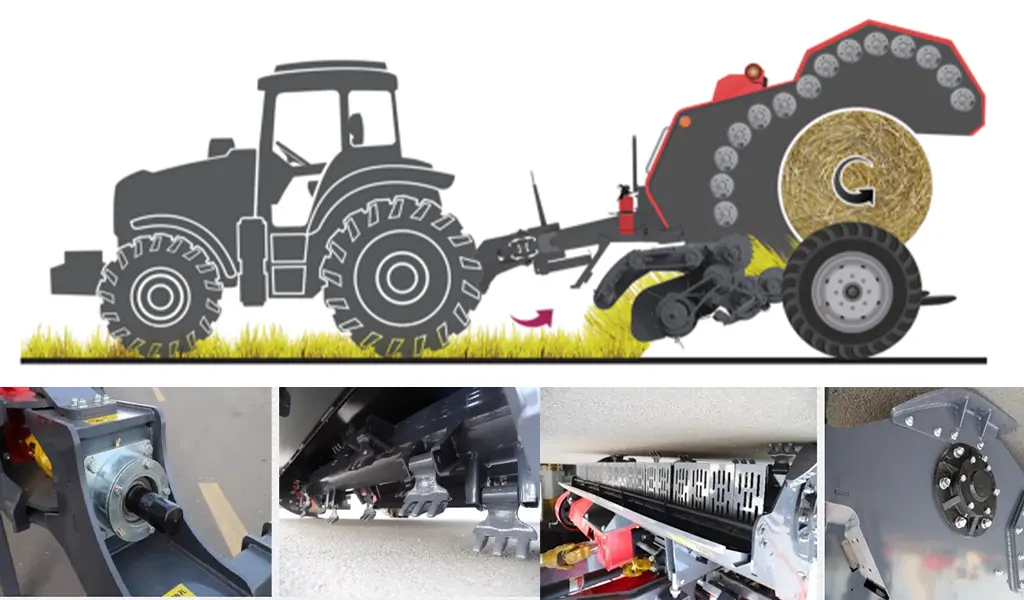
Predictive maintenance sensing is the smart baler technology with the most universally compelling ROI argument — because it addresses the highest-cost failure scenario: an unplanned mid-harvest breakdown on a good weather day. A bearing temperature sensor that alerts the operator at 180°F (before the bearing seizes at 220°F+) converts a $60 bearing replacement into something other than a $600 bearing-plus-shaft replacement and 4 hours of field downtime.
| Sensor type | What it detects early | Alert threshold | Repair cost difference |
|---|---|---|---|
| Bearing temperature | Developing bearing failure before seizure | 160–180°F | $60 vs $400–$800 |
| Belt tension deviation | Rapid belt elongation or broken belt pre-failure | ±15% from set point | Planned vs emergency replacement |
| Hydraulic pressure drop | Developing hose or cylinder seal failure | 10% below set point | $80 seal vs $400 hose + oil cleanup |
| PTO speed irregularity | Slip clutch pre-seizure or chain elongation | ±5% from rated RPM | Chain vs gearbox damage |
Common failure symptoms and diagnostic workflows — including what to check when sensors flag abnormal readings — are in the Handleiding voor het oplossen van problemen met ronde balenpersen. The gearbox and PTO driveline specifications that govern the torque and speed values the sensors monitor are in Specificaties van componenten voor landbouwversnellingsbakken en aftakas-aandrijflijnen.
Is Smart Baler Technology Worth the Premium? The Honest Volume Thresholds
| Technology feature | Typical premium over basic | Volume where value is clear | Who benefits most |
|---|---|---|---|
| Moisture sensor + in-cab display | $800–$1,800 | >300 bales/yr | Any premium hay producer — prevents quality losses |
| ISOBUS ECU + universal display | $1,200–$2,800 | >500 bales/yr | Multi-tractor farms; future-proofing for 10+ yr use |
| Automatic density control | $3,000–$6,500 | >1,000 bales/yr | Commercial hay sales, dairy supply contracts |
| Predictive maintenance sensors | $600–$1,500 | >400 bales/yr | Any operation where mid-harvest failure is costly |
| GPS mapping + cloud telematics | $2,000–$5,000 | >3,000 bales/yr | Multi-operator fleets, custom baling services |
The fixed-chamber vs variable-chamber decision — which determines which smart baler architectures are even possible on your machine — is in the fixed vs variable chamber round baler comparison. The complete round baler buyer’s guide — which covers technology features alongside mechanical considerations — is in the Koopgids voor ronde balenpersen.
Retrofitting Older Balers: What Third-Party Smart Systems Can and Can’t Do
The aftermarket agricultural electronics sector offers standalone sensors and display kits that can add some smart baler capabilities to machines without OEM technology. These range from simple bolt-on bale counters ($80–$150) to more sophisticated aftermarket moisture sensing kits ($400–$900). The key limitation: third-party systems cannot integrate with the baler’s existing mechanical systems — they monitor and display, but cannot command actuators the way an integrated OEM system can. A third-party moisture sensor tells you what the moisture is; it cannot automatically adjust tension based on that reading.
- Bale counter + GPS drop location logger ($120–$280)
- Standalone moisture probe with windrow reading before pickup ($200–$450)
- Bearing temperature monitor kit for critical rollers ($180–$380)
- Full ISOBUS integration (requires OEM ECU, not a retrofit)
- Automatic density control (requires actuator-level integration)
- Any system requiring baler ECU access (proprietary protocols)
Smart Baler Technology FAQs
Get Smart Baler Feature Recommendations for Your Production Volume
Tell us your annual bale volume, primary market (hay, silage, commercial, on-farm), and tractor ISOBUS capability. We identify which smart baler features generate positive ROI for your specific operation and which are premium cost without proportional return.
Redacteur: Cxm


