
Apa yang Membuat Mesin Pengepak Jerami Bundar Menjadi "Cerdas"? Tumpukan Teknologi Lima Lapisan
Istilah “mesin pengepak pintar” digunakan secara longgar di seluruh industri — mulai dari indikator kepadatan sederhana di dalam kabin hingga sistem IoT yang terhubung sepenuhnya dengan pengunggahan data ke cloud. Kerangka kerja yang berguna adalah memikirkan teknologi mesin pengepak pintar sebagai lima lapisan berbeda, masing-masing menyediakan fungsi yang berbeda dan membawa implikasi biaya yang berbeda. Memahami lapisan mana yang sebenarnya terpasang pada mesin akan menghindari kebingungan umum antara tampilan monitor tingkat dasar dan sistem sensor lengkap.
Sensor Kelembapan Dalam Ruang Implan: Akurasi Membatasi Hal yang Tidak Disebutkan dalam Pemasaran
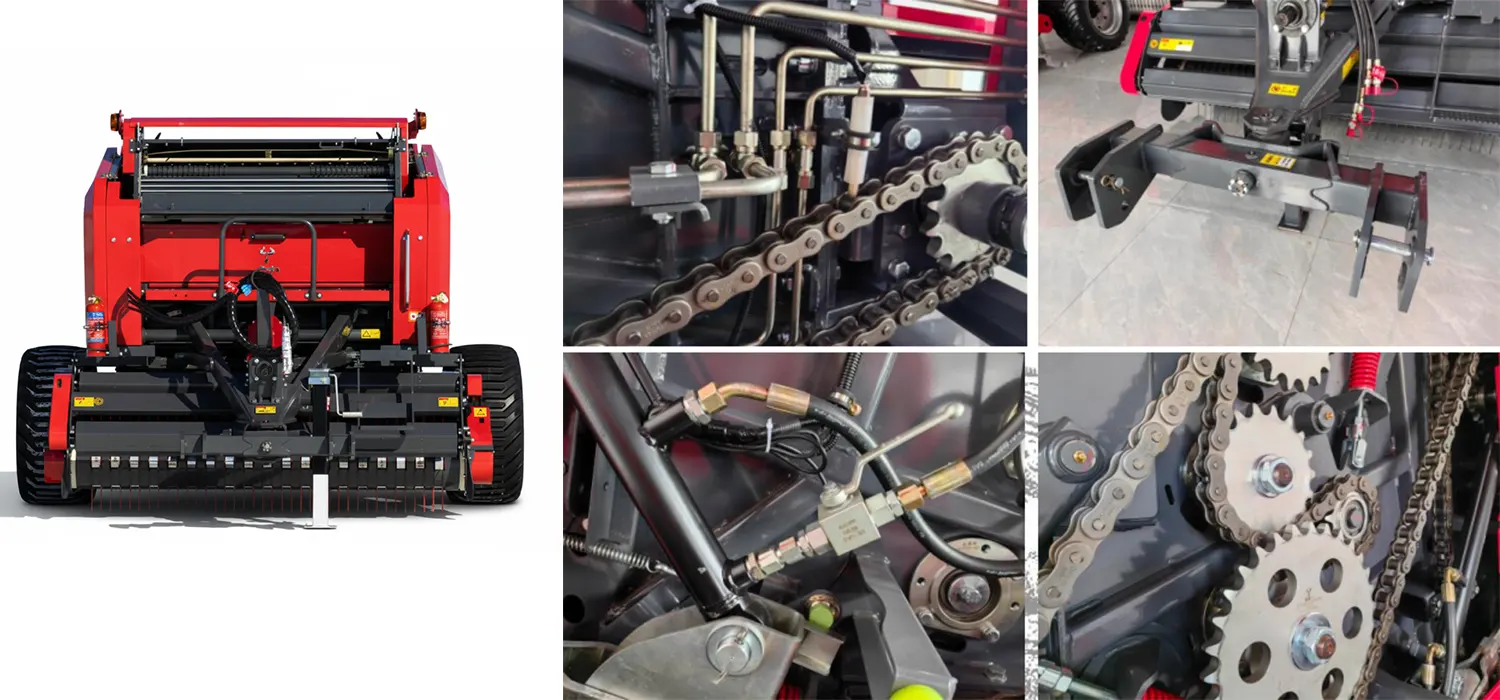
Sensor kelembapan di dalam ruang adalah salah satu fitur mesin pengepak jerami pintar yang paling banyak dipasarkan, dan yang paling disalahpahami. Sensor ini tidak mengukur kelembapan seperti halnya uji gravimetri di laboratorium — sensor ini menyimpulkan kelembapan dari sifat fisik terkait (konduktivitas listrik, reflektansi optik, atau penyerapan gelombang mikro) dan mengubahnya menjadi persentase kelembapan melalui model kalibrasi yang dibangun untuk jenis tanaman tertentu pada kisaran suhu tertentu.
Sensor NIR memancarkan panjang gelombang cahaya tertentu ke bahan tanaman dan mengukur pola pantulannya. Molekul air menyerap panjang gelombang NIR tertentu — pola penyerapan tersebut diubah menjadi persentase kelembapan melalui kalibrasi. NIR adalah metode dalam ruang yang paling akurat dengan akurasi ±1,5–2,0% dalam kondisi ideal. Akurasi menurun dengan variasi batang-ke-daun yang tinggi, suhu ekstrem, dan kondisi tanaman berdebu yang mencemari jendela sensor.
Sensor resistansi listrik di zona pengambilan atau rol pengumpan mengukur konduktivitas tanaman saat melewatinya. Sensor ini lebih cepat dan lebih murah daripada sensor NIR, tetapi memiliki akurasi ±3–5% dan sangat dipengaruhi oleh suhu tanaman — tumpukan jerami yang hangat pada kelembaban 14% terbaca lebih basah daripada tumpukan jerami yang dingin pada kelembaban aktual yang sama. Berguna untuk tren arah; kurang dapat diandalkan sebagai nilai absolut untuk keputusan pengemasan jerami.
Integrasi ISOBUS: Apa yang Sebenarnya Dilakukan ISO 11783 untuk Operator
ISOBUS (nama umum untuk standar elektronik pertanian ISO 11783) adalah protokol komunikasi yang memungkinkan alat pertanian berkomunikasi dengan traktor dan layar universal tanpa adaptor khusus merek. Mesin pengepak jerami yang dilengkapi dengan ECU ISOBUS dapat menampilkan datanya pada terminal traktor yang kompatibel dengan ISOBUS — operator tidak memerlukan monitor khusus kedua di kabin dan tidak perlu mempelajari ulang antarmuka yang berbeda saat beralih antar merek traktor.
- Penghitungan bal, pembacaan kepadatan, dan tampilan kadar air pada terminal traktor.
- Perintah otomatis untuk pintu belakang diaktifkan dari tombol fungsi traktor.
- Pencatatan data setiap bal secara individual (berat, kadar air, lokasi GPS saat menurunkan)
- Integrasi Task Controller dengan perangkat lunak manajemen pertanian.
- Kompatibilitas tampilan universal di berbagai merek traktor (John Deere, CNH, AGCO, Claas)
Traktor Anda harus memiliki pengontrol yang kompatibel dengan ISOBUS dan konektor Kelas 3 (ISO 11786) untuk menggunakan antarmuka ISOBUS pada mesin pengepak jerami. Sebagian besar traktor yang diproduksi setelah tahun 2010 dengan sistem manajemen elektronik memiliki kemampuan ini — periksa lembar spesifikasi traktor untuk daftar “ISOBUS” atau “ISO 11783”. Traktor tanpa ISOBUS masih dapat menggunakan mesin pengepak jerami ISOBUS dengan memasang terminal universal terpisah — biaya tambahan sebesar $400–$900 tetapi merupakan pembelian sekali saja yang berfungsi dengan alat ISOBUS apa pun yang Anda tambahkan di masa mendatang.
Kontrol Kepadatan Otomatis: ROI Bergantung pada Skala Anda
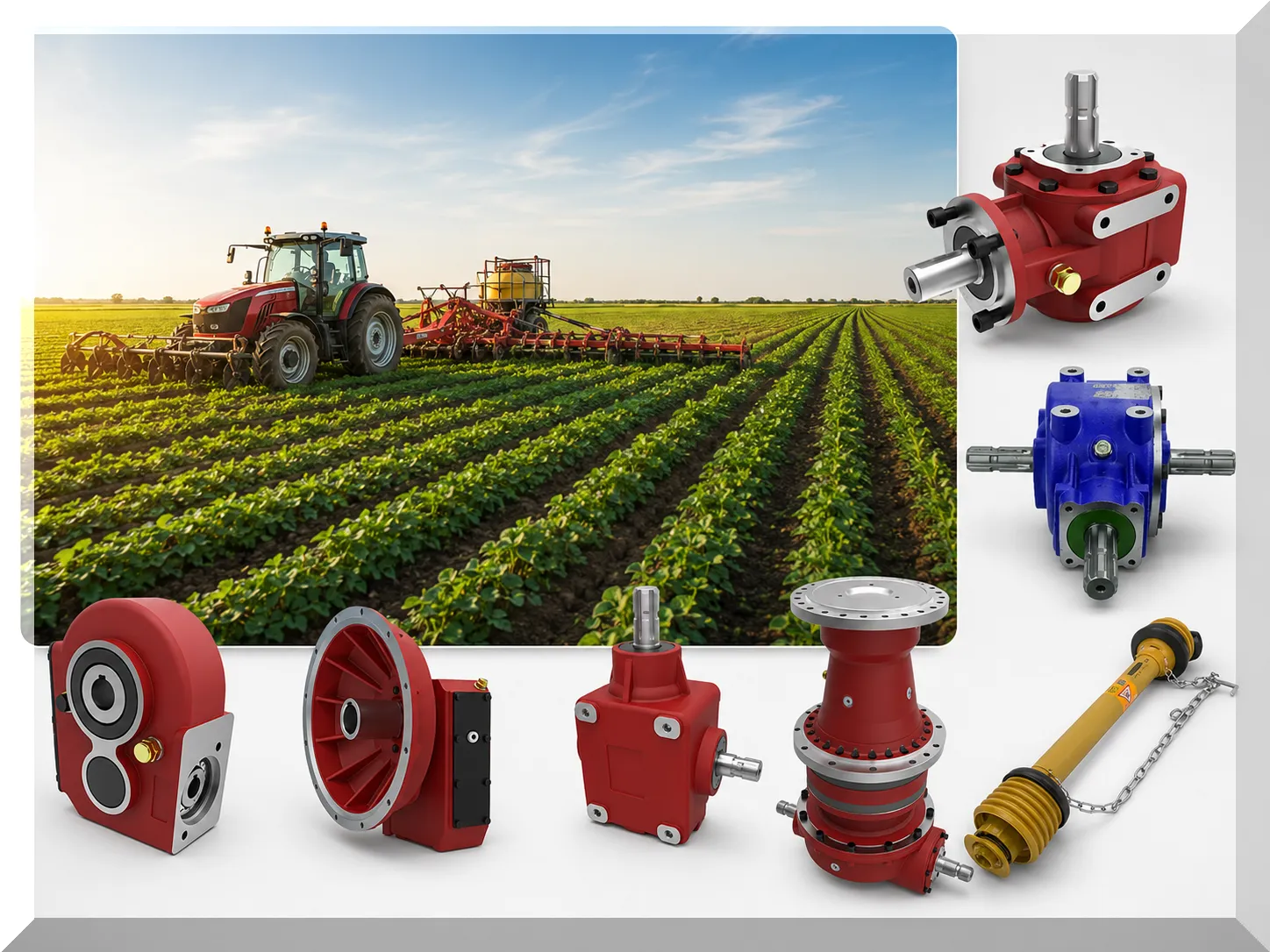
Kontrol kepadatan otomatis mempertahankan titik pengaturan kepadatan bal target dengan menyesuaikan tegangan sabuk (pada mesin pengebal ruang variabel) atau dengan memodifikasi gaya kompresi sepanjang siklus pembentukan bal. Sistem ini memantau pembentukan bal melalui sensor diameter dan menyesuaikan secara real-time saat kepadatan tanaman bervariasi di seluruh barisan. Hasil praktisnya adalah berat bal yang lebih konsisten satu sama lain — faktor penting untuk formulasi ransum TMR sapi perah dan untuk pembeli komersial yang menetapkan harga berdasarkan berat.
Variasi berat antar bal: ±8–12% dalam kondisi tumpukan jerami yang bervariasi. Bal target seberat 800 lb mungkin berkisar antara 710–890 lb di seluruh lahan dengan kepadatan tumpukan jerami yang tidak merata.
Variasi berat antar bal: ±2–4% dalam kondisi serupa. Bal target yang sama berkisar antara 780–820 lbs. Bal yang lebih padat secara konsisten mempertahankan bentuk yang lebih baik selama penyimpanan di luar ruangan.
Varians kepadatan ±10% = ±40 lbs per bal = ±$3,60/bal dalam penjualan berdasarkan berat. Pada 1.000 bal/tahun, kepadatan yang konsisten menghasilkan $3.600 dalam pengiriman nilai berat yang lebih ketat.
Untuk operasi di bawah 500 bal/tahun: manfaat konsistensi kepadatan ($1.800/tahun dengan tarif di atas) biasanya tidak dapat menutup biaya tambahan $3.000–$6.000 untuk kontrol kepadatan otomatis dibandingkan manual dalam jangka waktu pengembalian modal yang wajar. Untuk operasi di atas 1.000 bal/tahun untuk pakan sapi perah atau pasar komersial premium: fitur ini akan balik modal dalam 2–3 musim sekaligus mengurangi kelelahan operator akibat penyesuaian manual yang terus-menerus.
Pemetaan Balok dan Analisis Lapangan Berbasis GPS: Memisahkan Nilai dari Hype
Pemetaan bal jerami berbasis GPS merekam koordinat GPS dari setiap lokasi jatuhnya bal jerami, menciptakan peta spasial lokasi bal jerami di seluruh lahan. Data ini dapat ditumpangkan dengan peta hasil panen, data tanah, dan catatan lahan dalam perangkat lunak manajemen pertanian. Pertanyaannya bukanlah apakah teknologi ini berfungsi—teknologi ini berfungsi dengan baik—tetapi apakah data yang dihasilkannya membenarkan biaya konektivitas untuk operasi spesifik Anda.
perekaman lokasi jatuhnya bal
Untuk operasi besar dengan banyak lahan di berbagai properti — khususnya layanan pengemasan jerami sesuai pesanan — data lokasi jerami berbasis GPS menghilangkan alur kerja penghitungan dan pemetaan jerami secara manual saat pengambilan di lapangan. Operator loader dapat langsung menuju ke setiap jerami. Pada operasi dengan 10+ lahan yang rata-rata menghasilkan 60+ jerami per lahan, ini menghemat waktu yang signifikan setiap musimnya.
Pemetaan hasil panen
Peta hasil panen berdasarkan kepadatan jatuhnya bal dan perkiraan berat per bal mengungkapkan zona lahan mana yang kinerjanya menurun dari tahun ke tahun — berguna untuk menargetkan investasi pemupukan atau drainase. Membutuhkan data konsisten selama 3 musim atau lebih agar bermakna. Peta satu musim memiliki banyak gangguan akibat variasi cuaca.
Pemantauan langsung jarak jauh untuk pertanian yang dikelola oleh satu operator.
Telematika waktu nyata yang menunjukkan bahwa mesin pengepak jerami yang berjarak 500 kaki beroperasi normal hanya memberikan nilai operasional marginal ketika operator sudah berada di kabin traktor dan mengamati. Telematika berbasis cloud menciptakan nilai nyata bagi manajer armada yang mengawasi banyak operator di berbagai lokasi — bukan untuk operator tunggal yang menjalankan satu mesin miliknya sendiri.
Sensor Pemeliharaan Prediktif: Nilai Praktis dari Peringatan Dini
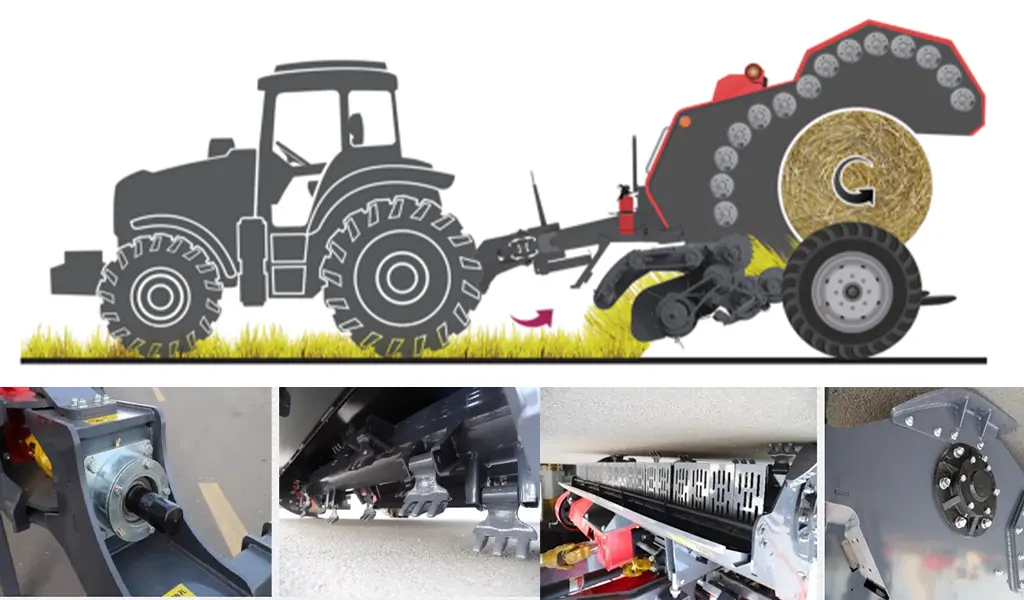
Sistem penginderaan pemeliharaan prediktif adalah teknologi mesin pengepak jerami pintar dengan argumen ROI (Return on Investment) yang paling meyakinkan secara universal — karena sistem ini mengatasi skenario kegagalan dengan biaya tertinggi: kerusakan tak terduga di tengah panen pada hari dengan cuaca baik. Sensor suhu bantalan yang memberi peringatan kepada operator pada suhu 180°F (sebelum bantalan macet pada suhu 220°F+) mengubah penggantian bantalan $60 menjadi sesuatu yang berbeda dari penggantian bantalan plus poros $600 dan 4 jam waktu henti di lapangan.
| Jenis sensor | Apa yang dideteksinya sejak dini | Ambang batas peringatan | Perbedaan biaya perbaikan |
|---|---|---|---|
| Suhu bantalan | Terjadinya kerusakan bantalan sebelum terjadi kemacetan. | 160–180°F | $60 vs $400–$800 |
| Penyimpangan tegangan sabuk | Peregangan sabuk yang cepat atau sabuk yang putus sebelum terjadi kegagalan. | ±15% dari titik setel | Penggantian terencana vs penggantian darurat |
| Penurunan tekanan hidrolik | Terjadinya kerusakan pada segel selang atau silinder. | 10% di bawah titik setel | Segel $80 vs selang $400 + pembersihan oli |
| ketidakberaturan kecepatan PTO | Kopling selip sebelum terjadi kerusakan atau pemanjangan rantai | ±5% dari RPM terukur | Kerusakan rantai vs gearbox |
Gejala kegagalan umum dan alur kerja diagnostik — termasuk apa yang perlu diperiksa ketika sensor menunjukkan pembacaan abnormal — terdapat di dalam panduan pemecahan masalah mesin pengepak jerami bundarSpesifikasi gearbox dan sistem penggerak PTO yang mengatur nilai torsi dan kecepatan yang dipantau oleh sensor terdapat di Spesifikasi komponen gearbox pertanian dan sistem penggerak PTO..
Apakah Teknologi Baler Pintar Sebanding dengan Harganya yang Lebih Mahal? Ambang Batas Volume yang Sejujurnya
| Fitur teknologi | Premi tipikal di atas harga dasar | Volume di mana nilainya jelas. | Siapa yang paling diuntungkan? |
|---|---|---|---|
| Sensor kelembapan + tampilan di dalam kabin | $800–$1,800 | >300 bal/tahun | Setiap produsen jerami berkualitas tinggi — mencegah penurunan kualitas. |
| ECU ISOBUS + tampilan universal | $1,200–$2,800 | >500 bal/tahun | Pertanian multi-traktor; persiapan untuk penggunaan 10+ tahun ke depan. |
| Kontrol kepadatan otomatis | $3,000–$6,500 | >1.000 bal/tahun | Penjualan jerami komersial, kontrak pasokan susu |
| Sensor pemeliharaan prediktif | $600–$1,500 | >400 bal/tahun | Operasi apa pun di mana kegagalan di tengah panen menimbulkan biaya yang besar. |
| Pemetaan GPS + telematika cloud | $2,000–$5,000 | >3.000 bal/tahun | Armada multi-operator, layanan pengemasan khusus. |
Keputusan antara ruang tetap dan ruang variabel — yang menentukan arsitektur mesin pengepak pintar mana yang mungkin diterapkan pada mesin Anda — terletak pada... Perbandingan antara mesin pengepak jerami bundar dengan ruang tetap dan ruang variabel.Panduan lengkap pembeli mesin pengepak jerami bundar—yang mencakup fitur teknologi beserta pertimbangan mekanis—ada di panduan pembeli mesin pengepak jerami bundar.
Memodifikasi Mesin Pengepak Bal Lama: Apa yang Dapat dan Tidak Dapat Dilakukan oleh Sistem Cerdas Pihak Ketiga
Sektor elektronik pertanian aftermarket menawarkan sensor dan kit tampilan mandiri yang dapat menambahkan beberapa kemampuan baler pintar ke mesin tanpa teknologi OEM. Ini berkisar dari penghitung baler sederhana yang dipasang dengan baut ($80–$150) hingga kit sensor kelembaban aftermarket yang lebih canggih ($400–$900). Keterbatasan utamanya: sistem pihak ketiga tidak dapat terintegrasi dengan sistem mekanis baler yang sudah ada — mereka memantau dan menampilkan, tetapi tidak dapat mengendalikan aktuator seperti halnya sistem OEM terintegrasi. Sensor kelembaban pihak ketiga memberi tahu Anda berapa kelembabannya; sensor tersebut tidak dapat secara otomatis menyesuaikan tegangan berdasarkan pembacaan tersebut.
- Penghitung bal + pencatat lokasi penurunan GPS ($120–$280)
- Sensor kelembaban mandiri dengan pembacaan tumpukan jerami sebelum pengambilan ($200–$450)
- Kit monitor suhu bantalan untuk roller kritis ($180–$380)
- Integrasi ISOBUS penuh (membutuhkan ECU OEM, bukan modifikasi)
- Kontrol kepadatan otomatis (membutuhkan integrasi tingkat aktuator)
- Sistem apa pun yang memerlukan akses ECU mesin pengepak (protokol kepemilikan)
Pertanyaan yang Sering Diajukan (FAQ) tentang Teknologi Baler Pintar
Dapatkan Rekomendasi Fitur Baler Cerdas untuk Volume Produksi Anda
Beri tahu kami volume bal tahunan Anda, pasar utama (jerami, silase, komersial, di lahan pertanian), dan kemampuan ISOBUS traktor. Kami akan mengidentifikasi fitur-fitur baler pintar mana yang menghasilkan ROI positif untuk operasi spesifik Anda dan mana yang merupakan biaya premium tanpa pengembalian yang sebanding.
Editor: Cxm


