Pemecahan masalah mesin pengepak jerami bundar mengikuti logika yang konsisten: setiap pemecahan masalah mesin pengepak jerami bundar Setiap situasi memiliki gejala yang dapat diamati, akar penyebab di salah satu dari empat sistem (pengambilan, ruang bal, sistem penggerak, atau sistem pembungkus), dan urutan tindakan perbaikan. Panduan ini mencakup 12 masalah paling umum yang dilaporkan oleh operator di seluruh model baler dalam jajaran produk kami — mulai dari penyesuaian kecil yang dapat Anda lakukan di tepi lapangan hingga kegagalan yang memerlukan suku cadang sebelum pengoperasian berikutnya. Gunakan panduan ini. pemecahan masalah mesin pengepak jerami bundar Baca panduan tingkat keparahan terlebih dahulu, lalu lompat ke bagian yang relevan.
Panduan Tingkat Keparahan Masalah: Lakukan Triage Sebelum Anda Melakukan Pemecahan Masalah
⛔ Kritis
Berhenti segera. Melanjutkan pengoperasian berisiko merusak peralatan atau menyebabkan cedera pribadi. Lepaskan PTO sebelum melakukan inspeksi apa pun.
▸ Mesin pengepak jerami tersumbat (ruang penuh)
▸ Ruang penyimpanan bal tidak akan dibuka
▸ Kegagalan pengeluaran karena bal macet
▸ Suara atau getaran tiba-tiba pada poros PTO
⚠ Serius
Perbaiki sebelum pengemasan berikutnya. Masalah akan semakin parah jika pengoperasian dilanjutkan dan akan memengaruhi kualitas bal atau masa pakai peralatan.
▸ Gumpalan tidak berbentuk bulat (berbentuk kerucut)
▸ Bale terlalu longgar — kepadatan jauh di bawah spesifikasi
▸ Kopling beban berlebih PTO selip berulang kali
▸ Pembungkus jaring tidak terpotong dengan rapi
ℹ Umum
Sesuaikan dan pantau. Hal ini tidak menghentikan produksi, tetapi harus diperbaiki selama atau setelah sesi saat ini.
▸ Pickup mengambang terlalu tinggi atau terlalu rendah
▸ Pengambilan/lompatan jendela yang tidak rata
▸ Tali tidak tersangkut atau kusut
▸ Kepadatan bal yang tidak merata dari sisi ke sisi
Panduan Pemecahan Masalah Mesin Pengepak Jerami Bundar: Referensi Cepat 12 Masalah
⛔ KRITISSistem Pengambilan
1 — Mesin Pengepak Tersumbat / Ruang Penuh
MENYEBABKAN: Kecepatan gerak di lapangan terlalu cepat untuk kepadatan barisan tanaman; barisan tanaman terlalu lebar; lapisan tanaman basah melipat alih-alih mengalir.
MEMPERBAIKI: Segera nonaktifkan PTO. Lihat bagian penjelasan mendalam di bawah ini untuk prosedur penonaktifan.
⛔ KRITISRuang / Hidrolik
2 — Bale Chamber Tidak Akan Dibuka
MENYEBABKAN: Tekanan hidrolik terlalu rendah; kait pintu gerbang tidak sepenuhnya terbuka; ukuran bal terlalu besar sehingga menghalangi pergerakan pintu gerbang.
MEMPERBAIKI: Periksa tekanan SCV (minimal 175 bar); lepaskan kait pintu secara manual jika terjadi kegagalan hidrolik; periksa diameter bal dibandingkan dengan kapasitas maksimum yang tertera.
⛔ KRITISRuang / Ejeksi
3 — Kegagalan Pengeluaran (Bal Tersangkut)
MENYEBABKAN: Balok jerami kelebihan berat/ukuran; kegagalan hidrolik pada jalur pengeluaran; pembungkus jaring mengikat balok jerami ke dinding ruang.
MEMPERBAIKI: Hentikan PTO. Periksa saluran hidrolik ke silinder ejeksi. Jika lilitan jaring tersangkut: potong jaring secara manual sebelum membuka kembali pintu gerbang.
⚠ SERIUSRuang Bale
4 — Kemasan Tidak Bulat (Bentuk Kerucut / Telur)
MENYEBABKAN: Pemberian pakan tumpukan tidak merata; selip sabuk satu sisi; masuknya tumpukan tidak berada di tengah relatif terhadap pengambilan.
MEMPERBAIKI: Sesuaikan garis tengah pintu masuk tumpukan material; periksa keseragaman tegangan sabuk konveyor di semua sabuk. Lihat penjelasan lebih detail di bawah ini.
⚠ SERIUSRuang Bale
5 — Bal Terlalu Longgar / Kepadatan Rendah
MENYEBABKAN: Ketegangan sabuk/rantai terlalu rendah; kecepatan gerak terlalu tinggi; tanaman terlalu kering atau terlalu tipis untuk pengaturan saat ini.
MEMPERBAIKI: Tingkatkan tegangan sabuk 1 tingkat dan periksa 3 bal. Kurangi kecepatan gerak 1–2 km/jam. Lihat spesifikasi tegangan pada penjelasan detail.
⚠ SERIUSSistem Penggerak
6 — Kopling Beban Berlebih PTO Terselip
MENYEBABKAN: Torsi selip kopling terlalu rendah (pegas aus); tumpukan jerami padat melebihi torsi nominal; terjadi kelebihan beban pada gearbox.
MEMPERBAIKI: Ukur torsi selip — jika di bawah spesifikasi, sesuaikan tekanan pegas. Jangan memintas. Lihat penjelasan mendalam untuk nilai spesifikasi torsi.
⚠ SERIUSSistem Jaring/Tali
7 — Jaring Pembungkus Tidak Terpotong dengan Rapi
MENYEBABKAN: Pisau aus atau tidak sejajar; tegangan film jaring terlalu rendah; pegas penahan pisau aus.
MEMPERBAIKI: Periksa ujung pisau dengan penggaris lurus. Ketegangan film bersih: periksa rem rol. Lihat panduan pisau penyelaman mendalam di bawah ini.
ℹ UMUMSistem Pengambilan
8 — Pengambilan Tidak Berjalan (Gigi Melindas Jerami)
MENYEBABKAN: Penyetelan pelampung hidrolik terlalu tinggi; gigi pengumpul aus; tumpukan jerami berada di dalam alur atau kontur tanah tidak rata.
MEMPERBAIKI: Turunkan posisi pelampung 1–2 lekukan. Periksa keausan ujung gigi. Pastikan SCV dalam posisi mengambang, bukan tekanan tetap.
ℹ UMUMSistem Pengambilan
9 — Pengambilan Tidak Merata Kiri/Kanan (Melewatkan Materi)
MENYEBABKAN: Pegas suspensi pengumpul patah di satu sisi; variasi celah gigi; tumpukan jerami tidak berada di tengah pengumpul.
MEMPERBAIKI: Periksa apakah ketinggian pegas suspensi di kedua sisi sama. Ganti gigi yang patah. Pusatkan mesin pengepak jerami di atas tumpukan jerami.
ℹ UMUMSistem Jaring/Tali
10 — Tali Tidak Terurai atau Kusut
MENYEBABKAN: Ketegangan tali terlalu longgar atau terlalu kencang; penegang tali pada dispenser kotor atau aus; pemasangan tali keluar jalur.
MEMPERBAIKI: Arahkan kembali tali melalui semua pemandu sesuai manual. Bersihkan penegang. Atur tegangan dispenser: tali harus ditarik dengan sedikit hambatan.
ℹ UMUMRuang Bale
11 — Kepadatan Bal yang Tidak Merata dari Sisi ke Sisi
MENYEBABKAN: Tumpukan jerami yang masuk ke tempat pengambilan tidak berada di tengah; tegangan sabuk tidak merata antara sisi kiri dan kanan; bantalan rol aus di satu sisi.
MEMPERBAIKI: Berkendara langsung di atas pusat tumpukan jerami. Periksa tegangan sabuk kiri/kanan terhadap spesifikasi dengan alat pengukur tegangan. Ganti bantalan yang berjalan tidak lancar.
ℹ UMUMRuang Bale
12 — Proses Pengemasan Terlalu Sulit / Pembungkus Jaring Tidak Akan Dimulai Tepat Waktu
MENYEBABKAN: Ketegangan sabuk terlalu tinggi; kecepatan gerak terlalu lambat; penyimpangan kalibrasi sensor ruang bal menyebabkan pembungkus jaring terlambat.
MEMPERBAIKI: Kurangi tegangan sabuk 1 tingkat. Tingkatkan kecepatan gerak. Periksa pengoperasian sensor/sakelar diameter sesuai manual.
Penyelesaian Masalah Mendalam: Empat Masalah yang Membutuhkan Lebih dari Sekadar Perbaikan Cepat
⛔ KRITIS Penyumbatan Mesin Pengepak Bal: Urutan Penyelamatan
Tersumbat mesin pengepak jerami bundar Ini adalah situasi mekanis paling kritis waktu yang akan Anda hadapi di lapangan. Respons yang benar adalah urutan tertentu — penyimpangan dari urutan ini berisiko merusak peralatan atau menyebabkan cedera. Ikuti langkah-langkah ini dengan tepat:
Urutan Prosedur Pemulihan dengan Menyalakan Colokan — Ikuti Secara Berurutan, Jangan Lewati Langkah-langkahnya
1
Segera batalkan cuti berbayar (PTO) Anda. — sebelum menghentikan traktor atau meninggalkan kabin. Semua bagian yang bergerak harus dihentikan sepenuhnya sebelum tangan memasuki bagian mana pun dari mesin.
2
Turunkan mesin pengepak jerami ke tanah. — Jangan bekerja dengan mesin yang diangkat menggunakan alat pengait tiga titik. Hanya boleh dilakukan pada posisi yang stabil di tanah.
3
Tunggu 30 detik Setelah PTO dilepas, sebelum membuka panel akses apa pun. Inersia roda gila membuat beberapa komponen tetap bergerak setelah PTO dilepas — jangan berasumsi berhenti seketika.
4
Buka pintu ruang bal (jika terdapat bal jerami yang belum sepenuhnya terbentuk di dalam). Gunakan kontrol hidrolik dari kabin traktor, lalu pastikan pintu gerbang terbuka sepenuhnya sebelum turun.
5
Singkirkan material secara manual. Gunakan pengait jerami atau tangan yang bersarung, bekerja dari luar ke dalam. Jangan pernah menjangkau area gigi pengumpul atau melalui celah sabuk — gunakan hanya alat bantu.
6
Periksa sebelum memulai ulang — Pastikan tidak ada sisa material tanaman yang tersangkut di antara sabuk, di sekitar rol, atau di celah gigi. Hidupkan kembali PTO pada putaran rendah (idle) sebelum kembali ke kecepatan kerja.
!
Pencegahan untuk serangan berikutnya: Kurangi kecepatan di permukaan tanah 1–2 km/jam sebelum memasuki kembali tumpukan jerami. Jika ini adalah penyumbatan kedua dalam sehari dengan kecepatan yang sama, tumpukan jerami terlalu berat untuk pengaturan saat ini — kurangi kecepatan secara permanen atau tingkatkan lebar tumpukan jerami.
⚠ SERIUS Ketegangan Sabuk dan Pembentukan Bal: Diagnostik Ketegangan
Masalah bentuk bal — bal berbentuk kerucut, inti lunak, kepadatan tidak merata — disebabkan oleh tegangan sabuk konveyor dalam 70% kasus. Tegangan sabuk konveyor adalah faktor terpenting. pemecahan masalah mesin pengepak jerami bundar Parameter pada desain ruang sabuk, dan nilainya terus berubah seiring sabuk meregang selama satu musim. Sebagian besar operator mengatur tegangan saat pemasangan dan tidak pernah memeriksanya kembali. Pemeriksaan tegangan sederhana harus dilakukan di awal setiap musim pemotongan dan setelah setiap 50 jam operasi.
Uji Defleksi Tegangan Sabuk — Pengukuran di Tengah Bentang
Berikan beban tangan yang kuat (sekitar 20 N / 4,5 lbs) di tengah bentang sabuk mana pun. Ukur defleksinya. Bandingkan dengan spesifikasi:
Di atas 40 mm
Sabuk terlalu kendur
Kencangkan segera
25–40 mm
Ketegangan marginal
Pantau, pertimbangkan untuk memperketat
15–25 mm
Rentang target
Ketegangan yang baik
Di bawah 15 mm
Terlalu tegang
Longgarkan — keausan berlebih
Nilai defleksi berlaku untuk sabuk mesin pengepres bal standar dengan lebar 100 mm. Periksa manual operator untuk spesifikasi khusus model jika nilainya berbeda. Selalu periksa semua sabuk, bukan hanya satu — tegangan yang tidak merata antara sabuk kiri dan kanan adalah penyebab utama terbentuknya bal berbentuk kerucut.
⚠ SERIUS Pisau Pembungkus Jaring: Pemeriksaan, Penajaman, dan Waktu Penggantian
Pisau pembungkus jaring beroperasi di akhir setiap siklus pembungkus bal — ribuan pemotongan per musim. Degradasi pisau terjadi secara bertahap dan mode kegagalannya bukanlah patahan yang bersih tetapi robekan progresif daripada pemotongan, yang menghasilkan ujung jaring yang menjuntai dan dapat tersangkut di ruang pengisi bal berikutnya. Pisau harus diperiksa setiap 200 bal dan diganti pada ambang batas keausan yang ditentukan daripada menunggu hingga terjadi kerusakan yang terlihat.
Panduan Penilaian Kondisi Pisau Pembungkus Jaring —
Baru / Bagus: Tepian lurus, tidak ada goresan yang terlihat. Jaring memotong dalam satu gerakan ke bawah yang mulus dengan bunyi jepretan yang bersih. Periksa setiap 200 bal — tidak perlu tindakan apa pun.
Aus — Asah: Terdapat sedikit bagian yang rata di sepanjang tepi di bawah cahaya inspeksi. Mata pisau memotong dengan bersih pada sebagian besar siklus, tetapi terkadang membutuhkan dua kali pengasahan. Asah dengan batu asah di sepanjang permukaan miring pada sudut pabrik (periksa manual — biasanya 25–30°). Asah kembali hingga 3 kali sebelum diganti.
Mengganti: Mata pisau menunjukkan goresan, serpihan, atau telah diasah lebih dari 3 kali dan permukaan miringnya sekarang jauh lebih sempit daripada saat baru. Jaring yang dililitkan robek alih-alih terpotong, meninggalkan ujung yang menjuntai lebih dari 30 cm, atau gagal memotong pada percobaan pertama dalam lebih dari 10% siklus. Segera ganti pisau — ujung jaring di dalam ruang merupakan risiko penyumbatan sekunder.
Interval penggantian pisau pada tingkat komersial (250+ bal/tahun): biasanya setiap 1–2 musim. Pada volume yang lebih rendah: periksa berdasarkan kondisi, bukan kalender. Kit pisau pengganti untuk semua model tersedia di gudang kami di California untuk pengiriman di hari yang sama.
⚠ SERIUS Kopling Beban Berlebih PTO: Selip Normal vs Selip Abnormal, dan Kapan Harus Menyesuaikannya
Kopling beban berlebih PTO adalah perlindungan utama mesin pengepak jerami terhadap lonjakan torsi sesaat yang terjadi ketika alat pengumpul jerami bertemu dengan kantong tumpukan jerami yang padat dengan kecepatan tinggi. Satu kali selip pada momen pengumpulan yang menantang adalah normal dan diharapkan — itu berarti kopling sedang bekerja. Selip berulang selama operasi normal menunjukkan torsi selip kopling telah bergeser di bawah rentang torsi kerja dan perlu disetel.
Spesifikasi Torsi Selip Kopling Beban Berlebih PTO berdasarkan Kelas Baler
9YG-1.0C / Kompak
450–550 Nm
Sesuaikan pegas dengan kunci momen.
9YG-1.25 / 1.25A
550–700 Nm
Pengaturan menengah untuk jerami campuran
9YG-2.24D Komersial
700–900 Nm
Layanan pembuatan silase dalam jumlah besar.
Atur torsi selip dengan kunci torsi tipe klik yang telah dikalibrasi dan diterapkan pada mekanisme selip kopling. Setelah setiap musim, periksa cakram gesekan kopling untuk melihat adanya pengerasan permukaan — cakram yang mengeras permukaannya akan selip pada torsi yang lebih rendah daripada yang ditunjukkan oleh pengaturan pegas fisiknya. Kopling yang mengeras permukaannya dan selip berulang kali pada tegangan pegas yang benar memerlukan penggantian cakram gesekan, bukan penyetelan pegas. Gearbox penggerak PTO Bagian yang terletak tepat di hilir kopling menyerap torsi sisa yang terjadi saat terjadi selip — pastikan level dan kondisi oli transmisi pada interval servis yang sama dengan pemeriksaan kopling.
Ketika Perbaikan di Lapangan Tidak Cukup: Pengiriman Suku Cadang Darurat di Hari yang Sama
Beberapa pemecahan masalah mesin pengepak jerami bundar Jalur tersebut mengarah ke bagian yang harus diganti sebelum mesin pengepak jerami dapat beroperasi kembali — pisau pembungkus jaring, sabuk, rakitan bantalan, sambungan universal poros PTO. Perbedaan antara perbaikan 1 hari dan perbaikan 1 minggu adalah apakah suku cadang tersebut tersedia di AS atau sedang menunggu izin impor.
✔ Pengiriman di Hari yang Sama
Pesanan sebelum pukul 14.00 Waktu Pasifik akan dikirim pada hari kerja yang sama dari gudang kami di California. Perlengkapan pisau pembungkus jaring, set sabuk, paket gigi pengumpul, perlengkapan bantalan, dan komponen poros PTO semuanya tersedia.
📞 Dukungan Diagnosa Telepon
Tim kami di AS akan memandu Anda melalui urutan diagnosis melalui telepon jika Anda tidak dapat mengidentifikasi penyebab utama di lapangan. Hubungi kami dengan nomor model mesin pengepak jerami Anda dan deskripsi gejalanya — kami akan mengkonfirmasi suku cadang tersebut sebelum dikirim.
🔧 Dukungan Manual Operator
Kehilangan buku panduan operator Anda atau membutuhkan spesifikasi torsi untuk komponen tertentu? Kami dapat mengirimkan bagian yang relevan melalui email pada hari yang sama untuk model apa pun di jaringan kami.
jajaran mesin pengepak jerami bundar.
Untuk mesin pengepak jerami bundar operator merencanakan ke depan, kami panduan perawatan mesin pengepak Panduan ini mencakup daftar periksa inspeksi musiman, interval penggantian suku cadang yang aus, dan urutan servis pra-musim yang mencegah sebagian besar dari 12 masalah di atas terjadi sejak awal.
Pertanyaan yang Sering Diajukan: Pemecahan Masalah Mesin Pengepak Jerami Bundar
Mesin pengepak jerami saya mengeluarkan suara ketukan keras dari area PTO saat mengepak jerami. Apa yang harus saya periksa terlebih dahulu?+
Mesin pengepak jerami bundar Pemecahan masalah sistem penggerak: segera lepaskan PTO jika terdengar suara yang tidak biasa. Periksa dengan urutan berikut: (1) Sambungan universal poros PTO — pegang tabung poros dan periksa kelonggaran lateral; kelonggaran lebih dari 2–3 mm menunjukkan sambungan yang aus. (2) Periksa apakah kopling beban berlebih tidak selip berulang kali — selip kopling berulang kali terdengar seperti ritme ketukan teratur selama pemuatan pickup. (3) Periksa level oli gearbox — oli yang rendah menghasilkan suara berderak atau mendesing, bukan ketukan. (4) Periksa semua pelacakan sabuk penggerak — sabuk yang terlepas dari tepi puli menghasilkan suara berdebar tidak teratur saat mengenai pelindung atau komponen yang berdekatan. Jangan terus beroperasi sampai sumber suara diidentifikasi.
Mesin pengepak jerami menyelesaikan pengepakan, tetapi jaring pembungkus meninggalkan ujung yang longgar setelah pemotongan. Apa penyebabnya?+
Ekor yang terlepas setelah pemotongan pembungkus jaring biasanya disebabkan oleh salah satu dari tiga hal berikut: (1) Ketegangan film pembungkus jaring terlalu rendah — film mengumpan kendur dan pisau memotong sebelum film menegang. Periksa rem/penegang rol jaring untuk memastikan resistensi yang tepat. (2) Pisau memotong pada titik yang salah dalam siklus pembungkus — waktu langkah pisau relatif terhadap penyelesaian siklus pembungkus mungkin telah bergeser. Periksa cam mekanis atau urutan listrik yang memicu pisau. (3) Ujung pisau aus dan merobek daripada memotong — pemotongan selesai tetapi serat pada titik robekan memantul kembali, meninggalkan ekor yang terlihat. Periksa dan ganti pisau sesuai panduan penilaian kondisi di atas.
Apakah aman untuk memasukkan tangan ke dalam ruang pengepakan untuk membersihkan sumbatan?+
Jangan pernah. Ruang pengepresan berisi sabuk dengan tegangan tinggi, rol kompresi, dan mekanisme pengumpan yang tidak menjadi aman secara mekanis hanya karena PTO dilepas. Tegangan sabuk residual dapat tiba-tiba terlepas, dan sabuk dapat bergerak secara tak terduga jika material bergeser di dalam ruang pengepresan. Selalu gunakan kait jerami, garpu, atau alat bergagang panjang lainnya untuk mengeluarkan material dari ruang pengepresan — jangan pernah menggunakan tangan atau lengan. Panel akses pada model mesin pengepres kami dirancang untuk memungkinkan akses alat untuk membersihkan sumbatan tanpa mengharuskan tangan atau lengan seseorang memasuki zona ruang pengepresan. Urutan penyelamatan sumbatan di atas menjelaskan pendekatan yang benar.
Penghitung bal jerami saya menunjukkan angka yang sama seperti kemarin meskipun saya sudah membaling selama satu jam. Apakah penghitungnya rusak?+
Kemungkinan penghitung tidak rusak — mungkin tidak menerima sinyal dari sensor pintu gerbang. Penghitung bal jerami bertambah dari peristiwa pintu gerbang terbuka (yang terjadi ketika bal jerami dikeluarkan), dan sensor pintu gerbang adalah komponen yang paling sering menyebabkan masalah pembekuan penghitung. Periksa sensor posisi pintu gerbang dan rangkaian kabelnya untuk: (1) lumpur atau serpihan tanaman yang menempel di sekitar badan sensor; (2) kabel yang putus atau terkelupas pada titik tekuk di dekat engsel pintu gerbang; (3) posisi pemasangan sensor bergeser sehingga pintu gerbang tidak melewati zona deteksi sensor. Bersihkan, periksa, dan sambungkan kembali. Jika sensor itu sendiri rusak, sensor pengganti untuk semua model lini tersedia di gudang California.
Bagaimana cara mengetahui apakah mesin pengepak jerami tersebut mengalami masalah oli girboks atau masalah kopling?+
Untuk pemecahan masalah mesin pengepak jerami bundarProfil kebisingan dan perilakunya berbeda. Masalah kopling ditandai dengan bunyi klik atau selip berirama yang berkorelasi dengan peristiwa pemuatan PTO (pengaktifan pick-up, pemasukan tumpukan jerami yang padat) dan berhenti ketika beban turun. Masalah gearbox ditandai dengan suara abnormal yang terus menerus — bergesekan, mendesing, atau berderak — yang tidak berkorelasi dengan peristiwa pemuatan dan tetap ada terlepas dari kondisi pengoperasian. Kebocoran oli gearbox seringkali merupakan indikator pertama masalah gearbox sebelum gejala yang terdengar muncul: periksa rumah bagian bawah gearbox dan area sumbat pembuangan untuk jejak oli setelah setiap 8 jam pengoperasian selama layanan silase berat. Jika ragu, buang oli gearbox dan periksa partikel logam — oli bersih menunjukkan gearbox dalam kondisi baik; oli dengan serpihan logam menunjukkan keausan bantalan atau roda gigi yang memerlukan servis.
Mesin pengemas jerami bundar saya menghasilkan bal jerami yang beratnya jauh lebih ringan dari biasanya untuk jenis tanaman yang sama. Apa yang berubah?+
Penurunan berat bal secara tiba-tiba pada tanaman yang sama hampir selalu disebabkan oleh masalah tegangan sabuk—khususnya, peregangan sabuk selama jam operasi yang terakumulasi sehingga menurunkan gaya kompresi efektif. Periksa defleksi sabuk menggunakan uji tengah bentang yang dijelaskan di bagian penjelasan mendalam di atas. Sabuk yang telah meregang ke zona "terlalu kendur" (defleksi di atas 40 mm) dapat mengurangi kepadatan bal sebesar 15 hingga 25% dibandingkan dengan sabuk yang dikencangkan dengan benar, yang secara langsung berarti bal yang lebih ringan. Penyebab sekunder: kadar air tanaman turun secara signifikan sejak pemotongan terakhir (tanaman yang lebih kering kurang padat pada tegangan yang sama), atau barisan jerami menjadi lebih tipis karena tanaman yang lebih ringan. Verifikasi dengan menimbang 5 bal berturut-turut dan membandingkannya dengan rata-rata historis Anda untuk tanaman dan lahan ini. Jika beratnya secara konsisten 10% atau lebih di bawah normal dengan pengaturan yang tidak berubah, penyesuaian tegangan sabuk adalah solusi yang paling mungkin.
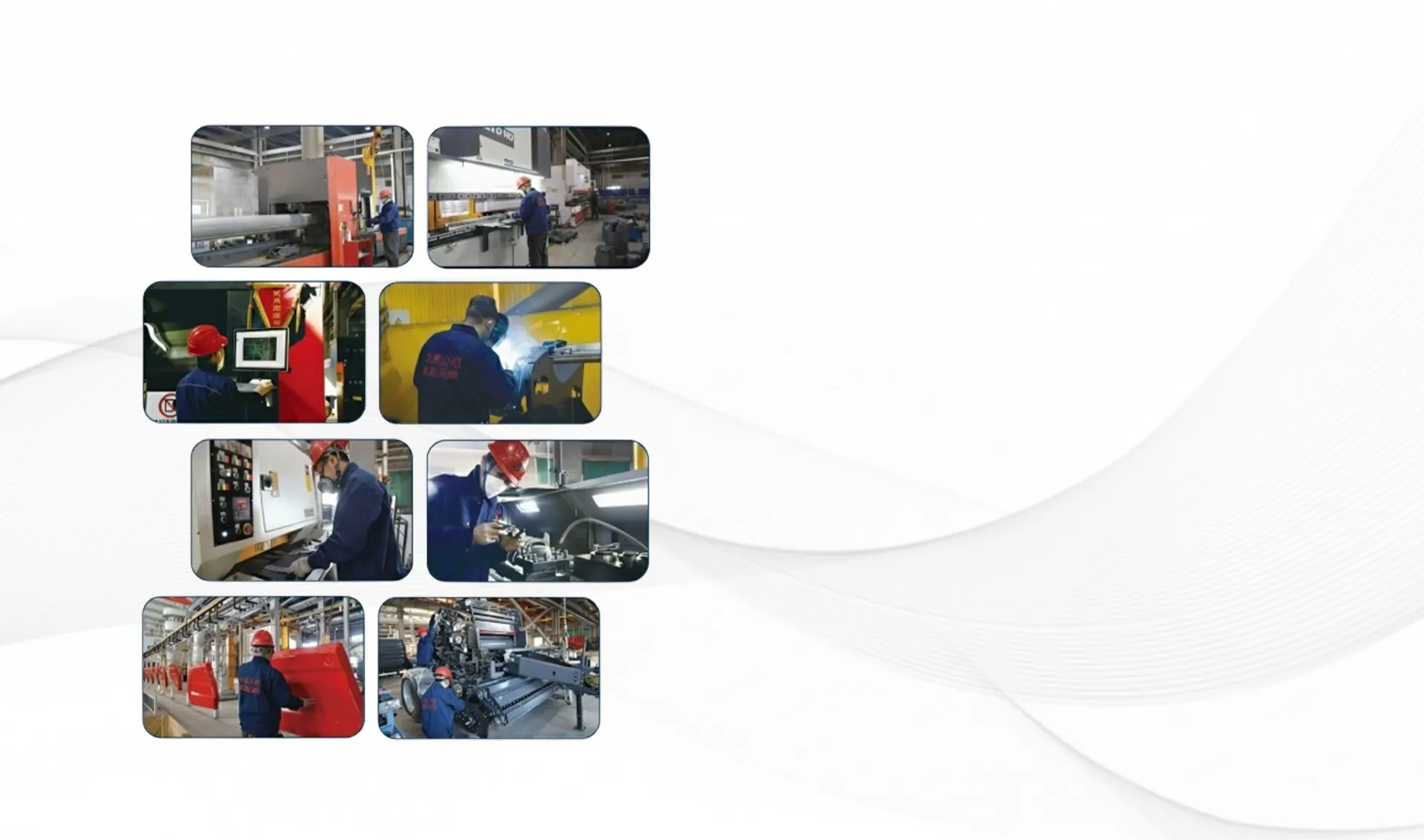
Suku Cadang dan Layanan Baler — Gudang California
Nomor Komponen, Diagnosa, atau Perakitan Lengkap — Kami Kirim di Hari yang Sama untuk Keadaan Darurat Panen
Pisau pembungkus jaring, set sabuk, garpu pengumpul, kit bantalan, komponen poros PTO, dan perangkat keras gerbang semuanya tersedia sepanjang tahun. Pesanan sebelum pukul 14.00 Waktu Pasifik akan dikirim pada hari kerja yang sama. Dukungan diagnosis melalui telepon disertakan — hubungi kami dengan nomor model dan deskripsi gejala Anda, dan kami akan mengkonfirmasi suku cadang yang tepat sebelum dikirim.
America Ever-Power Forage Baler Equipment INC. | 1401 21st ST STE R, Sacramento, CA 95811
Minta Dukungan Suku Cadang Darurat
Editor: Cxm