
Why Horse Owners Choose Small Square Bales Over Round Bales
The Core Physical Reasons
A 400kg round bale requires a tractor with a loader to move. A 20–30kg small square bale can be carried by one adult from the hay storage to a stall or paddock feeder without any equipment. For most horse farm operations — whether a private property with 2 horses or a boarding stable with 30 — this handling advantage determines the entire feed delivery workflow. Small square format is not a preference in the equine market; it is a functional requirement for most operations below commercial scale.
The second physical reason is portion control. A round bale fed to a group of 4 horses will have 50–70% remaining after one feeding session — the exposed surface begins degrading within hours in most weather conditions. A small square bale provides exactly the quantity appropriate for 2–4 horses over 2–4 days, with nothing wasted and no degraded feed from over-large openings. For operations with individual horse stalls, a single small square bale per horse every 2–3 days is a natural match to daily feeding routines.
What the Equine Market Consistently Rejects
Most horse owners and barn staff handle bales manually from storage to feed point. Bales above 40kg require two people or equipment. Boarding stable buyers consistently specify 20–30kg as the preferred weight range.
Fine dust in hay is the leading environmental cause of recurrent airway obstruction in horses. Buyers at boarding barns and performance horse facilities routinely test hay or reject dusty lots on visual inspection at delivery.
Hot or musty bales from high-moisture hay are rejected outright in the equine market. Mold in hay is a direct health risk for horses, and buyers who have received one bad lot will not purchase from that supplier again.
A bale with ragged rope ends or a knot that pulls loose when lifted reflects on the quality of the entire lot. Horse hay buyers in retail and direct-sale channels evaluate bale appearance as a proxy for production care.
The Right Bale Weight and Dimensions for the Equine Market
Target Weight Range: 18–30kg
The equine market standard for small square bales in the 460×360mm cross-section format is 18–30kg per bale. At the lower end (18–22kg), a single adult can carry the bale by the rope at a normal walking pace from the hay storage area to individual stalls. At the upper end (26–30kg), two-handed carrying remains manageable for most adults but becomes tiring over many stalls. Bales above 35kg are frequently rejected by boarding barn buyers who have limited staff for daily feeding.
The bale length setting on the square baler controls per-bale weight. In dry grass hay at 14–16% moisture, a bale length producing 22–26kg is the most commercially versatile range for the equine market. In denser alfalfa at the same moisture level, the same length setting produces 28–35kg — higher than the grass hay equivalent and above some buyer weight preferences. For alfalfa destined for equine retail, a shorter length setting brings bale weight down to the 20–28kg range preferred by individual horse owners.
Bale Appearance and Rope Tie Quality
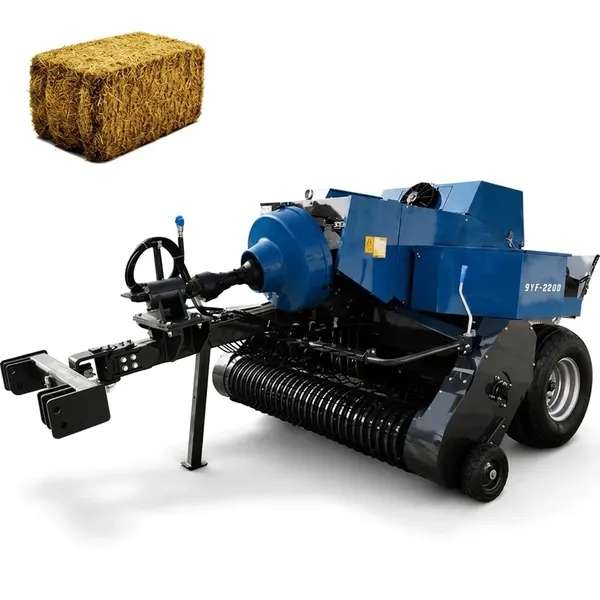
In the retail horse hay market — farm stands, feed stores, direct buyer pickup — bale appearance at the point of purchase determines buying decisions as much as species composition and moisture. A bale with square corners, a firm dense structure, clean rope ties with trimmed ends and consistent dimensions presents as high-quality product even before the buyer opens the bale. The dual D-type knotter system on all 9YF models produces clean, symmetrical ties that give the finished bale a neat presentation. Rope ends should be trimmed cleanly by the knife blade — ragged ends from a worn blade or incorrect tension signal a maintenance issue and reduce the visual appeal of otherwise good-quality hay.
Hay Moisture Targets: Why Horse Hay Must Be Drier Than Livestock Hay
14–17% Moisture — The Horse Hay Target Window
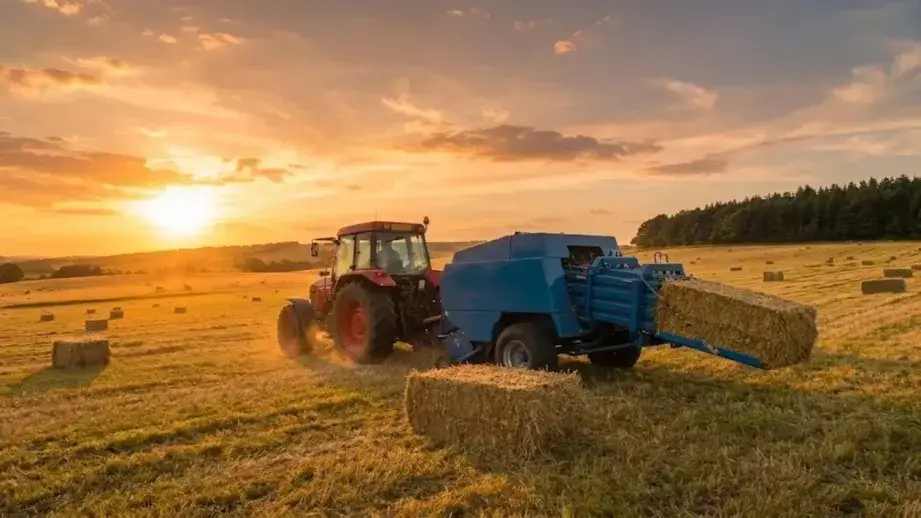
Horse hay is typically baled at a lower moisture target than commodity cattle or sheep hay. The reasons are practical: horse hay frequently goes into barn or tack room storage for 30–180 days before being consumed, and the confined ventilation of those spaces means a bale with 19–20% moisture at the time of baling will heat and mold in storage at a rate that would be less problematic in a well-ventilated round bale stack. Horse hay producers targeting the direct sale market work to a 14–17% moisture window at baling, accepting some field loss from overcuring rather than the market risk of delivering a hot lot.
Practically, this means waiting until the afternoon or early evening of the second or third day after mowing before baling, even if the surface appears dry by midday. Windrow core moisture — measured with a probe-style moisture meter pushed into the center of the windrow — is the correct measurement to use. Surface dryness consistently misleads: a windrow can be 14% at the surface and 22% at the core in the same field after the same drying period.
Testing Moisture Before Baling
A probe-type hay moisture meter (not a surface contact meter) is the correct tool for this. Push the probe into the center of the windrow at multiple points across the field and record readings. Do not bale until the windrow core reads consistently below 18% across representative sampling points. For operations selling directly to horse buyers, document moisture testing and share readings with buyers — this builds trust and reduces disputes about hot bale lots.
Dust and Soil Contamination: The Most Overlooked Quality Factor
Why Dust Matters for Horses More Than Other Livestock
Fine particulate dust in hay is the primary environmental trigger for recurrent airway obstruction in horses — a respiratory condition previously known as heaves. Horses are significantly more sensitive to airborne dust than cattle, sheep or pigs because of their anatomy and breathing pattern. A horse that develops recurrent airway obstruction typically requires soaking hay in water before feeding to suppress dust, which is inconvenient and time-consuming for stable staff. Horse buyers who are aware of this condition look for low-dust hay as a preventive measure even for horses not currently showing respiratory symptoms.
Dust in hay has two primary sources: fine soil particles picked up during the baling pass (especially in fields with surface soil contact at the pickup) and naturally occurring fine chaff and spore particles from the crop itself. Both sources contribute to the total airborne dust load when the bale is opened and shaken apart for feeding.
Soil Ash Content as a Measurable Quality Indicator
Analytical forage laboratories report ash content as a standard component of hay analysis. Ash content — the residue remaining after sample combustion — reflects the mineral load in the hay, which in field-baled products consists primarily of soil particles. A hay sample with ash content above 10–12% of dry matter (in a grass or alfalfa sample that would naturally have 6–8% ash from plant minerals alone) indicates measurable soil contamination from the baling process. Horse buyers at commercial boarding facilities who submit forage to laboratories occasionally flag this number. A producer using a dust-removal fan system on the baler can demonstrate lower ash content from the same field compared to direct-compression machines — a documentable quality advantage.
How the Negative-Pressure Fan Changes Bale Cleanliness
What the Fan Does to the Crop Stream
The 9YFS-2.2 square baler is equipped with a dedicated negative-pressure fan unit that operates between the pickup and the shredder stage. As crop material moves through the fan zone, negative air pressure draws fine particles — dust, soil granules, fine chaff — out of the material stream and through a clean windrow outlet. The heavier crop material (leaf and stem) continues into the shredder and compression stages essentially unchanged in volume. The result is bales that contain measurably less fine particulate matter than direct-compression machines from the same field and the same windrow.
The magnitude of the improvement depends on field conditions. In sandy-soil fields where surface soil splash during baling is significant, the ash content reduction from fan cleaning can be 2–4 percentage points of dry matter — clearly visible in analytical comparison. In low-dust conditions with well-established grass sod, the difference is smaller but still measurable in laboratory analysis. For horse hay operations where even marginal dust reduction translates to premium pricing or preferred supplier status with boarding facilities, the fan improvement provides return beyond its cost.

Alfalfa vs Grass Hay in Small Square Format
What Horse Buyers Want from Each Species
- High protein (18–22% CP) and energy density
- First and second cut preferred — lower ADF/NDF, higher digestibility
- Target moisture: 14–16% for small square storage
- Bale weight: 22–32kg in 460×360mm format at standard density
- Market: performance horses, lactating mares, growing youngstock
Quality risk: Late-cut or stemmy alfalfa in large-diameter stems compresses unevenly without shredding — the 9YF-2200S shredder improves density in thick-stemmed late-season cuts.
- Lower protein (8–14% CP) — appropriate for easy keepers and ponies
- Timothy, orchardgrass and bermuda most preferred species
- Target moisture: 14–18% — slightly wider window than alfalfa
- Bale weight: 18–28kg in 460×360mm format at standard density
- Market: pleasure horses, ponies, maintenance feeding, blended diets
Quality advantage: Grass hay in small square format is well-matched to the hobby horse market — lightweight enough for individual horse owners to handle, affordable per bale relative to alfalfa.
Barn and Tack Room Storage: Where Small Square Format Wins
Storage Configurations Round Bales Cannot Match
Horse barn design has historically assumed small square bale hay storage because the format predates large round bales in the equine industry. Hay lofts with ceiling heights of 2–3m accommodate small square bale stacks of 6–9 layers without difficulty. The same space will hold one layer of 1.4m round bales with no usable overhead height. A well-stacked small square bale inventory in a standard 20×30ft hay room can hold 800–1,200 bales — a 6–8 week supply for a 20-horse operation — in a space where round bale storage would hold perhaps 30–40 bales with equipment access corridors.
Tack room hay storage — a common practice at small equestrian properties — is entirely a small square bale phenomenon. A tack room adjacent to the stall block can hold a 3–5 day supply of small square bales, eliminating daily trips to a remote hay barn. This is not a convenience available in round bale format at any reasonable bale size.
Pricing Small Square Horse Hay: Market Rates and Premium Opportunities
Premium Over Commodity Hay Prices
Small square horse hay in the U.S. consistently trades at a 20–60% premium over comparable round bale hay in the same species and quality class. The premium reflects the handling convenience, format preference and quality standards that the equine market requires and is willing to pay for. In high-demand equine markets — California, Texas, Florida, the Northeast, Colorado and other states with large pleasure horse populations — premium grass hay and alfalfa in small square format can command $8–18 per bale for quality product during peak demand periods.
Producers who document their quality — moisture at baling, hay analysis results, clean field history — and who deliver consistently clean, tight-tied bales build premium buyer relationships that insulate them from commodity price swings. A boarding stable that has a reliable source of 15% moisture, low-dust timothy hay in clean 22kg bales at predictable delivery will pay above market price to maintain that supply relationship.
Direct Sale vs Feed Store Channels
Direct sale to horse owners and boarding stables typically returns the highest per-bale price but requires relationship management, delivery logistics and consistent supply quality. Feed store supply offers volume and reduced relationship overhead but returns a lower per-bale price with retailer margin removed. The most sustainable horse hay businesses typically operate both channels — direct sale for premium lots and regular buyers, feed store supply for consistent base volume. Both channels require the small square format, and both reward consistent quality over time.
Which 9YF Square Baler Is Best for Horse Hay Production?
PTO Driveline and Gearbox Reference for Square Baler Setup
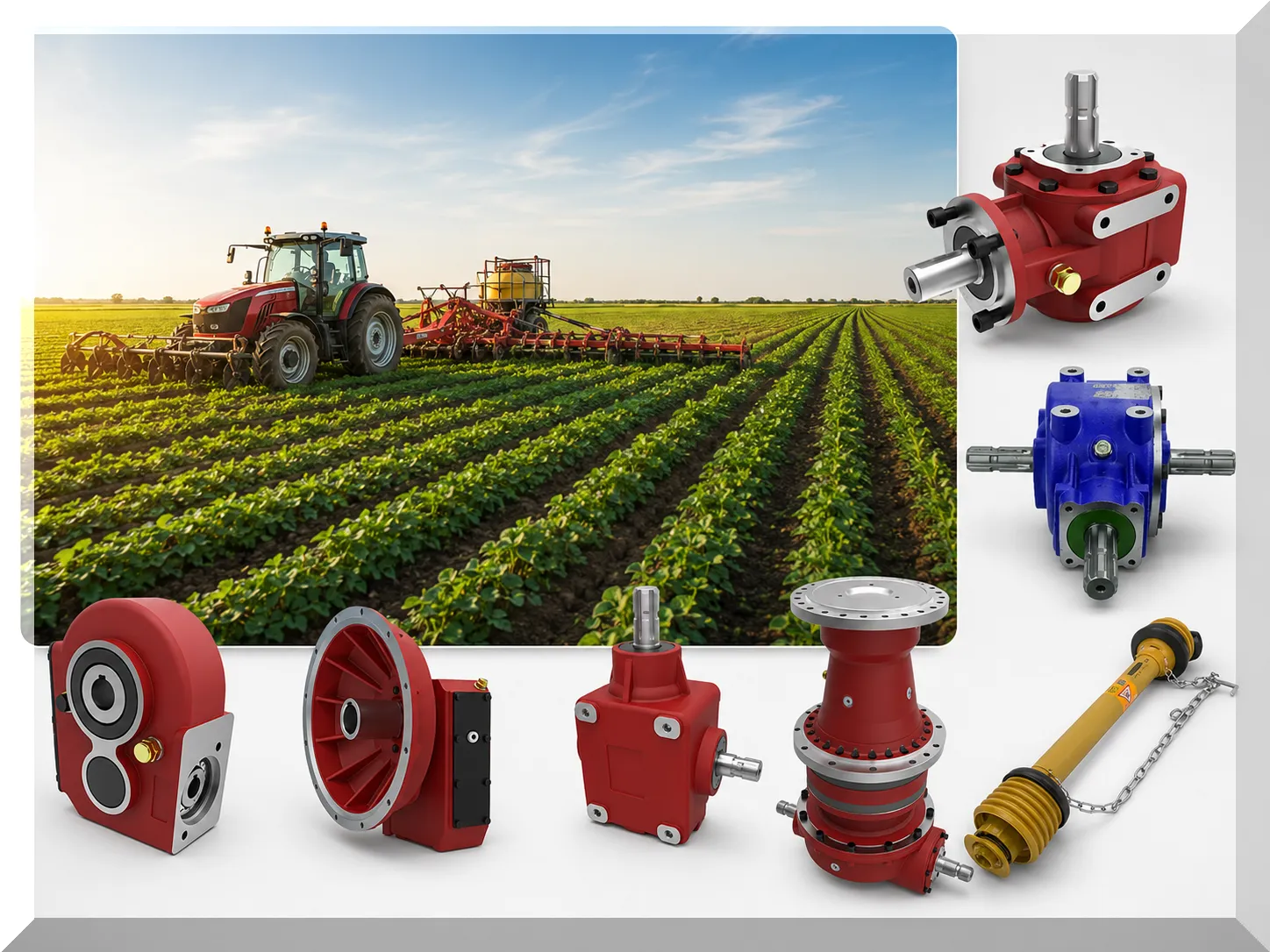
Gearbox torque ratings, PTO shaft dimensions and coupling standards for the 40–140HP range: Especificações da caixa de engrenagens agrícola e do eixo da tomada de força (TDF)
PTO driveshaft length and CV joint angle specifications are equally important — an incorrectly sized shaft places shock loads on the baler gearbox during field turns. Driveshaft specifications for horse hay baler applications are covered in the Guia de dimensionamento do eixo de transmissão da tomada de força e da junta homocinética.
Frequently Asked Questions — Small Square Hay Bales for Horse Farms
Ready to Produce Horse-Market Quality Small Square Hay?
From the compact 9YF-1700 for small equestrian properties to the fan-equipped 9YFS-2.2 for premium horse hay markets — tell us your tractor HP, hay species and acreage and we will recommend the right model.
America Ever-Power Forage Baler Equipment INC. · 1401 21st ST STE R, Sacramento, CA 95811
Editor: Cxm


