Por que o enfardamento não é opcional para a silagem de qualidade?
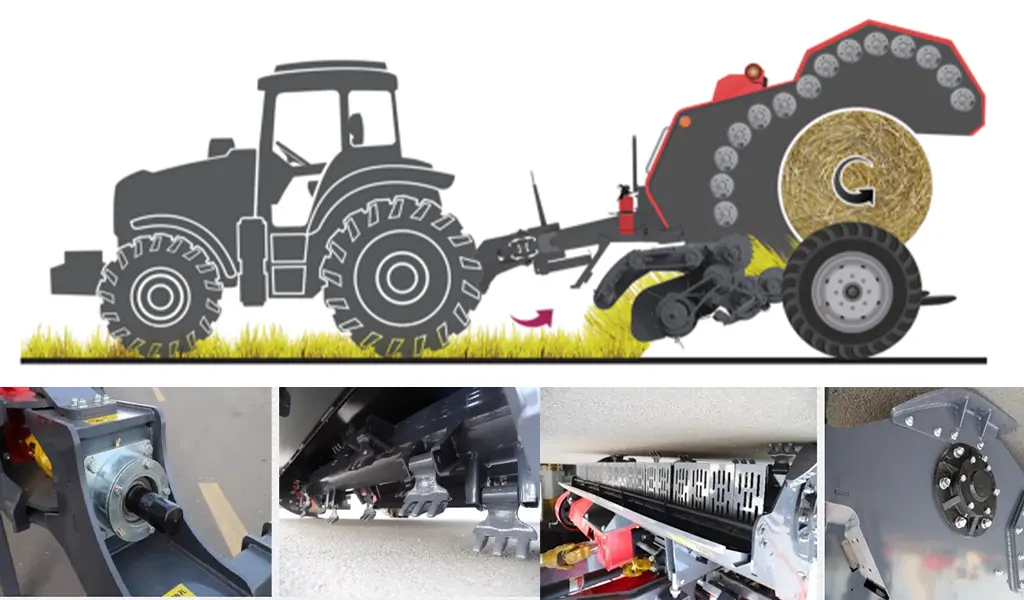
A física da conservação da silagem é simples: bactérias anaeróbicas produzem ácido lático, reduzindo o pH para 4,0 a 4,5, ponto em que praticamente todos os microrganismos deteriorantes cessam sua atividade. Esse processo requer um ambiente selado e livre de oxigênio. Sem um ambiente selado, a silagem não se deteriora. embaladora de fardos redondosO oxigênio penetra continuamente na camada externa do fardo, permitindo que bactérias aeróbicas, fungos e leveduras consumam a fração mais digerível da colheita — os carboidratos solúveis em água (CSA) — antes que o processo anaeróbico possa se estabelecer.
A consequência nutricional é direta e mensurável. A deterioração aeróbica metaboliza seletivamente os carboidratos solúveis em água (CSA) — a mesma fração que determina os índices de valor nutricional (IV) e a densidade energética em uma análise de forragem. Fardos que permanecem sem lacre por 30 minutos ou mais em condições de calor perdem uma quantidade mensurável de seus CSA antes da aplicação da primeira camada de filme stretch. Essa perda é permanente e não é recuperada por embalagens subsequentes — mesmo com o uso de lacre adequado. seleção de enfardadeira A vedação rápida e eficiente determina, em conjunto, quanta energia da sua colheita chega ao cocho.
As melhores práticas para a qualidade da fermentação inicial são abordadas em nosso guia de qualidade da silagemO presente artigo se concentra especificamente em como os equipamentos de embalagem e a seleção do filme interagem com essas práticas.
Especificações do filme stretch: espessura, classe do estabilizador UV e taxa de pré-estiramento.
Filme stretch para um embaladora de fardos redondos máquina de enfardamento de silagem é especificada por três parâmetros independentes — espessura, classe de estabilizador UV e taxa de pré-estiramento — cada um independente dos outros e cada um afetando um aspecto diferente da proteção do fardo.
| Parâmetro |
Especificação padrão |
Especificações Econômicas |
O que você sacrifica na economia |
| Espessura do filme |
25 µm |
22–23 µm |
Menor resistência à perfuração; rasga-se mais facilmente em caules afiados e em contato com rochas. |
| classe de estabilizador UV |
Classe 2 (18 meses) |
Classe 1 (12 meses) |
Esbranquiçamento e microfissuras na película após 12 meses — infiltração de oxigênio antes da alimentação do fardo; força uma alimentação mais rápida. |
| Proporção de pré-estiramento |
55–65% |
70–75% |
Maior cobertura por rolo (menor custo por fardo), porém com camada aplicada mais fina; maior risco de falhas na cobertura sob variação de tensão. |
| Cor do filme |
Branco (climas quentes) |
Preto (climas frios) |
O branco reflete o calor solar (evitando o superaquecimento da superfície); o preto absorve calor para acelerar a fermentação em condições frias — ambas as opções são “corretas” para cada região. |
As especificações da película são definidas uma única vez por pedido de rolo e não podem ser alteradas no meio da temporada sem a troca da película. Para qualquer fardo armazenado ao ar livre por mais de 10 meses, encomende película com proteção UV Classe 2 como padrão.
Configurações de sobreposição e número de camadas: o que os números de cobertura do filme realmente significam.
O configuração de sobreposição do enfardador — expressa como a porcentagem de cada tira de filme que se sobrepõe à tira anterior — determina diretamente quantas camadas de filme cobrem cada ponto da superfície do fardo. Esse número protege contra a infiltração de oxigênio em qualquer ponto de ruptura. Compreender a geometria da cobertura ajuda a explicar por que a recomendação de número mínimo de camadas não é arbitrária.
Geometria da cobertura do filme — Camadas em cada ponto da superfície do fardo
Configuração de sobreposição 50%
← potencial
zona de lacuna
Cada ponto abordado por 2 camadas
Possibilidade de zonas de folga nas bordas da tira.
Adequado para: armazenamento por menos de 8 meses
Configuração de sobreposição 70%
Cada ponto abordado por 3–4 camadas
Sem zonas de folga em nenhuma orientação.
Adequado para: armazenamento de 12 a 24 meses
Contagem de camadas por duração de armazenamento — Recomendações de pesquisa
4 camadas
Padrão mínimo
Armazenamento por até 8 meses
5 camadas
terreno de risco moderado
Armazenamento: 8 a 12 meses
6 camadas
Campos rochosos / pássaros
Armazenamento: 12 a 24 meses
A implicação prática da contagem de camadas: quando ocorre uma ruptura — uma perfuração por pedra, uma bicada de pássaro ou um arranhão por prego de manuseio — a infiltração de oxigênio através de um fardo de 2 camadas chega ao centro do fardo em poucas horas. Em um fardo de 4 camadas, a mesma ruptura leva dias para atingir a zona interna de fermentação. Em um fardo de 6 camadas, uma pequena perfuração pode se selar parcialmente devido à tensão de estiramento das camadas adjacentes antes de atingir a zona anaeróbica. Mais camadas não substituem o manejo cuidadoso do local, mas são a principal defesa mecânica contra a entrada acidental de oxigênio durante uma longa temporada de armazenamento.
Envolvedora rebocada versus enfardadeira-envolvedora em linha: a decisão do tempo de selagem
A escolha entre um trailer máquina de enfardamento de silagem E a combinação integrada de enfardadeira e embaladora é fundamentalmente uma questão de quanto tempo decorre entre a formação do fardo e a selagem do filme — e qual o custo desse tempo decorrido em termos de qualidade da fermentação e produtividade no campo.
Tempo decorrido entre a ejeção do fardo e o selamento com filme plástico — Comparação da sequência operacional
⚠ Embalador de Reboque — Máquina Separada
Passo 1
Formas de fardo
+ ejeta
0 min
→
Etapa 2
Carregar em
manipulador/reboque
+5–15 min
→
Etapa 3
Dirija-se a
invólucro
+10–30 min
→
Passo 4
Posição em
invólucro
+3–8 min
→
Película selada
20–60+ min
após enfardar
Janela aeróbica aberta
✔ Enfardadeira-embaladora em linha (9YCM-850)
Passo 1
Formas de fardo
na câmara
0 min
→
Etapa 2
Transferência automática
para embrulhar
+30–60 segundos
→
Etapa 3
Envoltório de filme
ciclo
+90–120 segundos
→
Película selada
3–4 min
após enfardar
Janela aeróbica fechada
A lacuna de 15 a 60 minutos no fluxo de trabalho da enfardadeira de arrasto não é apenas um inconveniente — é um risco quantificado de fermentação. Pesquisas com silagem de feno de alta umidade (acima de 55% de umidade) mostram que populações de bactérias aeróbicas podem se estabelecer significativamente nos primeiros 30 minutos de exposição do fardo. Essas populações estabelecidas competem com as bactérias do ácido lático durante a fase inicial da fermentação, exigindo maior consumo de açúcar antes que o pH atinja o limite de conservação de 4,0 a 4,5 — resultando em maiores perdas de matéria seca e menor qualidade final da fermentação.
Para operações onde o arrasto embalador de fardos Se a opção mais prática for o volume menor, o investimento em equipamentos já existentes ou os terrenos muito irregulares para operação em linha, a estratégia de mitigação consiste em posicionar a enfardadeira rebocada o mais próximo possível da operação de enfardamento — idealmente no mesmo campo — e enfardar em lotes de 3 a 5 fardos no máximo, antes que o primeiro fardo ultrapasse o tempo aceitável de exposição ao ar livre. A combinação enfardadeira-envolvedora de silagem 9YCM-850 elimina completamente esse risco de sincronização, integrando o ciclo de envolvimento à sequência de enfardamento, sem qualquer manuseio intermediário.
Falhas comuns de enrolamento: identificação, causa raiz e prevenção.
Os três mais frequentes embalador de fardos Cada falha na aplicação apresenta uma assinatura visual distinta, uma causa mecânica específica e um ajuste preventivo. Identificar a falha precocemente — idealmente nos primeiros 5 fardos de um novo campo ou safra — evita que toda a pilha de fardos fique comprometida.
Como fica?
Rasgo linear reto ou irregular que aparece em uma ou mais camadas, geralmente no ombro do fardo ou onde a embalagem faz a transição da face plana para o lado curvo.
Causas principais
Hastes pontiagudas da colheita saindo da superfície do fardo; temperatura do filme abaixo de 5°C (o filme frio torna-se quebradiço); taxa de pré-estiramento definida muito alta para a qualidade atual do filme.
Prevenção
Deixe os rolos de filme atingirem 10°C antes de usar em manhãs frias; reduza o pré-estiramento em 5% se o rasgo persistir; inspecione a superfície do fardo em busca de hastes salientes antes de envolvê-lo.
Como fica?
Cortes radiais que se espalham a partir de um único ponto central na superfície do fardo — como um padrão de estrela ou asterisco. Geralmente encontrados na face plana da extremidade do fardo ou no quadrante superior.
Causas principais
Um objeto pontiagudo embutido (fragmento de rocha, resíduo de colheita pontiagudo, ponta de parafuso) perfura o filme quando o braço da embaladora passa sob tensão. O padrão radial é criado pela tensão no filme que se espalha a partir do ponto de perfuração único.
Prevenção
O manejo de detritos no campo é o principal controle; adicione uma camada extra de cobertura em terrenos rochosos; se cortes em forma de estrela aparecerem com frequência, inspecione a câmara da enfardadeira em busca de peças metálicas embutidas que possam estar repetindo o padrão.
Como fica?
Um dos lados do fardo apresenta película visivelmente mais solta ou mais fina do que o outro; rugas ou bolsas soltas em uma das faces; película irregular quando pressionada manualmente sobre a superfície do fardo.
Causas principais
Braço de embalagem desalinhado em relação à sua posição central; rolos de tensão desgastados ou vitrificados, proporcionando pré-estiramento irregular ao longo da largura do filme; rolo de filme carregado fora do centro, criando alimentação excêntrica.
Prevenção
Verifique o alinhamento do centro do braço da embaladora no início de cada temporada, usando uma fita métrica a partir do centro do fardo; substitua os rolos de tensão a cada 2 ou 3 temporadas; certifique-se de que o núcleo do filme esteja totalmente encaixado no suporte antes de iniciar.
Nossa enfardadeira-embaladora de silagem 9YCM-850: Especificações e Configuração
O Enfardadeira-envolvedora de silagem 9YCM-850 É uma unidade combinada integrada que sequencia a formação do fardo e o envolvimento com filme em uma operação contínua, sem intervenção do operador entre as etapas. O sistema de envolvimento acionado por tomada de força (TDF) utiliza um par de braços dispensadores de filme rotativos que orbitam o fardo após a transferência automática da câmara de enfardamento — o mesmo caixa de engrenagens de acionamento agrícola Arquitetura utilizada em projetos de enfardadeiras comerciais para sincronizar a velocidade de rotação do braço com o diâmetro do fardo e a quantidade de camadas desejada.
Tamanho do fardo
Diâmetro: 850 mm (câmara fixa)
Largura de filme compatível: 500–750 mm
Configuração de contagem de camadas
Ajustável de 4 a 8 camadas
Configuração padrão: 6 camadas com sobreposição de 50%
Requisito de PTO (folga remunerada)
Tomada de força de 540 RPM
Trator: ≥45 kW (60 HP) contínuos
Compatibilidade do filme
Filme extensível padrão de 25 µm
Pré-estiramento: 55–70% ajustável
Capacidade de processamento
Ciclo de enfardamento e selagem: 3 a 4 minutos
Capacidade de produção: até 35–50 fardos/dia
Montagem
unidade combinada rebocada
Engate de três pontos categoria II, um trator
Perguntas frequentes: Seleção de enfardadeira para fardos redondos
Quantos rolos de filme eu preciso por temporada?+
Um rolo padrão de filme stretch de 25 µm, com 500 mm de largura e 1.500 m de comprimento, com sobreposição de 50% e 6 camadas, cobre aproximadamente de 12 a 16 fardos de 850 mm de diâmetro. Com sobreposição de 70% e 6 camadas, o mesmo rolo cobre de 8 a 11 fardos. Para planejamento: divida a quantidade prevista de fardos pelo número de fardos por rolo na configuração de sobreposição desejada e adicione 10% para perdas e custos iniciais. Exemplo: 200 fardos por temporada com 6 camadas e sobreposição de 55% requerem aproximadamente de 14 a 17 rolos. Os rolos de filme podem ser armazenados por 12 a 18 meses em local fresco e sombreado, longe da luz UV direta, portanto, encomendar em quantidade no início da temporada é prático.
Posso usar filme stretch de marca genérica mais barato no modelo 9YCM-850?+
A enfardadeira é compatível com qualquer rolo de filme stretch padrão de 500 mm com núcleo enrolado. O principal requisito técnico é que a resistência mínima à perfuração e as propriedades de aderência do filme atendam às demandas da aplicação — e não às especificações de uma marca. O risco com filmes sem classificação ou de custo muito baixo é o conteúdo inconsistente de estabilizador UV (levando à degradação prematura das camadas externas) e o comportamento irregular do pré-estiramento (causando cobertura desigual). Se usar filme sem marca, enrole de 3 a 5 fardos de teste e inspecione a cobertura após 24 horas — procure por zonas soltas, tensão inconsistente e quaisquer sinais de deformação do filme nas bordas de sobreposição. Um filme que custa $8 a menos por rolo, mas causa a perda de 2 fardos por safra devido à cobertura inconsistente, custa muito mais do que a economia obtida.
Por quanto tempo os fardos embalados podem ser armazenados ao ar livre antes que a qualidade se degrade?+
Com película UV Classe 2 (classificação de 18 meses), 6 camadas de cobertura e sem danos físicos à película, devidamente embalada. fardo redondo Os fardos mantêm sua qualidade de fermentação anaeróbica por 12 a 18 meses em condições normais de exposição ao ar livre nas regiões norte e central dos EUA. No sudoeste ou em outras regiões com alto índice UV, mesmo o filme de Classe 2 pode apresentar degradação superficial acelerada após 14 meses. Para armazenamento por mais de 18 meses, utilize filme UV de Classe 3 e adicione uma barreira física (lona, galpão) sobre a pilha durante o segundo verão. A qualidade da fermentação dentro de um fardo intacto não se degrada com o tempo — o pH do ambiente permanece estável indefinidamente após estar totalmente estabelecido. Todas as perdas de qualidade após o enfardamento são causadas por falhas no filme, e não pela continuidade da atividade de fermentação.
Devo embalar os fardos na beira do campo ou transportá-los primeiro para um local central de embalagem?+
Para feno ensilado e silagem com umidade acima de 50%: enfarde na borda do campo, ponto final. O custo em termos de qualidade do transporte de fardos com alta umidade para um local central antes do enfardamento supera consistentemente a economia logística. Para feno ensilado mais seco, na faixa de umidade de 45 a 55%, um curto transporte de 10 a 15 minutos até um local central de enfardamento no mesmo campo ou em uma via próxima é aceitável — a janela de risco aeróbico é maior em umidades mais baixas. Para fardos de feno seco que estão sendo enfardados exclusivamente para preservação da matéria seca em armazenamento ao ar livre (umidade abaixo de 25%), o enfardamento em local central é perfeitamente aceitável, visto que a ausência de fermentação ativa significa que não há janela biológica sensível ao tempo em risco.
Quais são os sinais de que um fardo embalado foi comprometido?+
Sinais visuais de fardos comprometidos: estufamento da película (produção de gás devido à fermentação secundária interna), rasgos visíveis na película ou furos com descoloração irradiando a partir da ruptura, qualquer fardo que tenha perdido sua forma esférica compacta e desenvolvido uma base achatada (pode indicar produção interna de gás ou colapso devido à deterioração). Ao ser aberto, um fardo comprometido terá um forte odor de ácido butírico (cheiro de manteiga rançosa) em vez do agradável odor ácido de ácido lático da silagem de boa qualidade. O pH de uma amostra de superfície geralmente estará acima de 5,0 em um fardo comprometido, em comparação com 4,0 a 4,5 em material íntegro. O mofo na camada externa imediatamente abaixo da película é a confirmação final da deterioração aeróbica. A silagem contaminada por mofo não deve ser fornecida a cavalos ou animais reprodutores, independentemente da profundidade do dano aparente.
Vale a pena adicionar um inoculante ao usar uma combinação de enfardadeira e embaladora?+
Com uma enfardadeira-embaladora combinada que sela o fardo em 3 a 4 minutos, as condições de fermentação já são ótimas — a selagem rápida proporciona às bactérias láticas naturalmente presentes um início anaeróbico limpo, com mínima competição aeróbica. Nessa situação, um inoculante agrega mais valor quando: (1) a umidade da cultura está acima de 65% (silagem com alta umidade, onde as populações nativas de BAL podem ser baixas em relação à carga de carboidratos); (2) a cultura é alfafa ou outra leguminosa com teor de açúcar naturalmente mais baixo, onde as bactérias do inoculante proporcionam competição adicional contra Clostridia; ou (3) o objetivo é a estabilidade aeróbica por um longo período de fornecimento, caso em que um inoculante heterofermentativo (produtor de ácido acético) é benéfico. Para silagem de gramíneas bem condicionada, com umidade entre 55 e 65%, embalada com uma unidade combinada, o inoculante agrega pouco valor adicional. Consulte nosso guia de inoculantes para silagem, que será lançado em breve, para obter a análise completa de custo-benefício.
Equipamentos para enfardamento de silagem — Armazém na Califórnia
Enfardadeira-embaladora 9YCM-850, fornecimento de filme plástico e equipamentos para silagem — tudo de uma única fonte americana.
Nossa equipe da Califórnia combina com embaladora de fardos redondos A seleção é feita de acordo com o volume do seu fardo, a duração do programa de ensilagem e as condições de armazenamento. A compatibilidade do filme é confirmada antes do envio. Envio no mesmo dia para rolos de filme e peças de reposição para ensiladoras durante a temporada de ensilagem.
✔ 9YCM-850 Em estoque
Enfardadeira-embaladora combinada, armazém CA
✔ Fornecimento de Filmes
UV Classe 2 de 25 µm, envio no mesmo dia.
✔ Planejamento de Programas
Número de camadas e quantidade de filme confirmados
Receba uma recomendação de wrapper
Editor: Cxm