
Uma enfardadeira de fardos redondos que produz 1.500 fardos por temporada sem apresentar problemas não é uma questão de sorte — é resultado da detecção precoce de peças de desgaste, do estoque das peças de reposição mais frequentes na fazenda e da adoção de um cronograma de inspeções rigoroso que identifica as peças que precisam ser substituídas com antecedência suficiente para que seja possível agir antes que o problema se torne uma falha em campo. A matriz de 15 itens abaixo abrange todas as peças de desgaste de alta frequência em uma enfardadeira de fardos redondos comercial com câmara de correia, com indicadores específicos de substituição que eliminam as dúvidas na tomada de decisões durante a inspeção.
Por que a substituição planejada custa menos do que o reparo reativo?
O reparo reativo — esperar até que um componente falhe e então providenciar a peça sob pressão de tempo — é quase sempre mais caro do que a substituição planejada. O custo total de um reparo reativo inclui a própria peça (frequentemente comprada a preços premium de entrega expressa), o custo da mão de obra e o custo do tempo de inatividade: feno no campo que secou além da umidade necessária para enfardamento, operações de clientes atrasadas em serviços de enfardamento terceirizados e o efeito cumulativo do clima que deteriora a safra durante o período de reparo. Um conjunto de correias substituído após 12.000 fardos durante uma manutenção programada fora de temporada custa de $800 a $1.500. A mesma correia substituída como um reparo emergencial em agosto, com frete expresso de peças e um dia de perda de capacidade de enfardamento a $15 por fardo, custa de $2.000 a mais de $4.000 em impacto econômico total.
A solução consiste em um sistema de inspeção documentado, vinculado a marcos de contagem de fardos e verificações sazonais, com o suporte de um estoque de peças de reposição na fazenda para os itens de maior risco de falha. lista de verificação de manutenção sazonal Fornece a estrutura do cronograma de inspeção; a matriz abaixo apresenta os critérios específicos de substituição para cada componente.
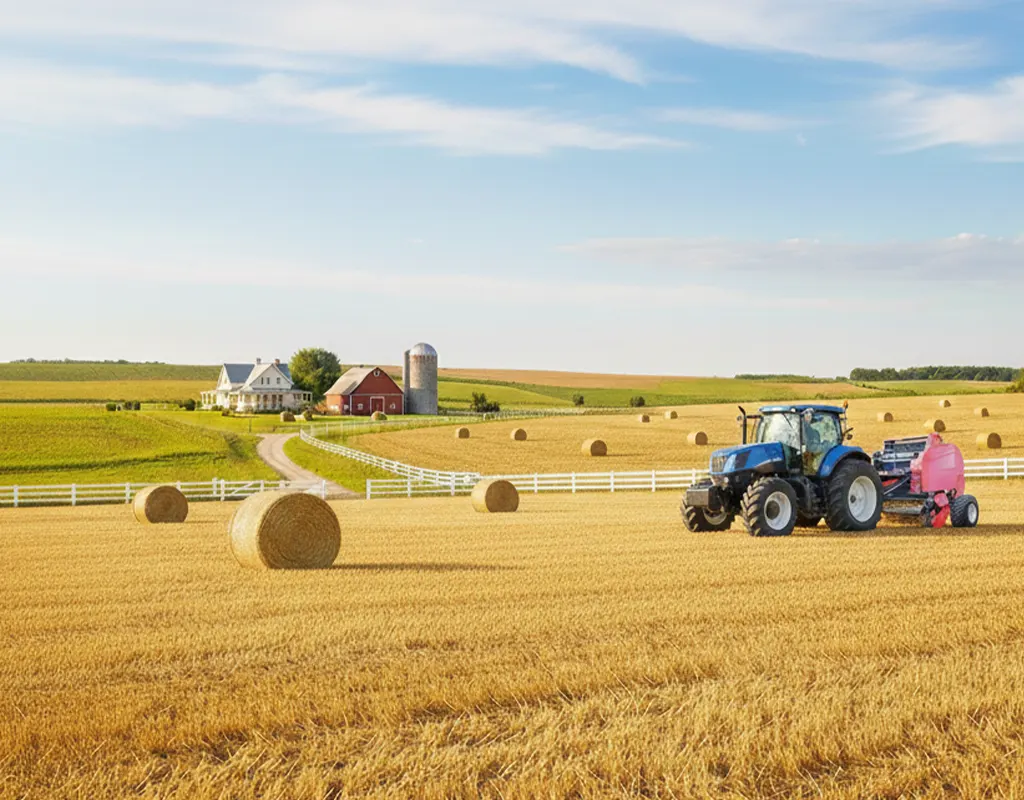
Matriz de Substituição de Peças de Desgaste com 15 Itens
| Peça de desgaste | Inspecione quando | Substituir gatilho | Intervalo típico (fardos) |
Recomendação de ações |
|---|---|---|---|---|
| Correias para enfardadeira (conjunto completo) | Pré-temporada; após 8.000 fardos | Profundidade do terminal inferior a 4 mm OU fissuras na base do terminal OU falha na emenda | 10.000–18.000 | Faça o pedido com uma temporada de antecedência. |
| Dentes de coleta (aço mola) | Pré-temporada; meio da temporada | Perfil endireitado para menos de 30° em relação à barra; ponta encurtada; rachado na base. | 12.000–25.000 | Mantenha uma barra cheia de reserva. |
| Faca para enrolar rede / barra de corte | A cada 1.500 fardos; após o congestionamento da rede | Arredondamento visível das bordas; a rede não corta com precisão; a faca está torta ou com entalhes. | 3.000–6.000 | Guarde 2 facas de reserva. |
| Molas de tensão da correia | Pré-temporada; após a temporada de alta densidade | Comprimento livre reduzido em relação ao modelo 15% novo; travamento da bobina sob carga de tensão máxima | 15.000–25.000 | Guarde 1 conjunto de reserva. |
| Rolamentos do carretel de captação | Pré-temporada; após colisão com rocha | Folga radial detectável; atrito ou aspereza na rotação; vazamento na vedação | 20.000–35.000 | Ordem quando a reprodução for detectada |
| Vedações do cilindro hidráulico da porta traseira | Pré-temporada; qualquer desvio observado | Vazamento na vedação da haste; cilindro fecha sozinho sob carga; óleo hidráulico com aspecto leitoso. | Conforme necessário; inspecionar anualmente. | Guarde 1 kit de vedação |
| Juntas universais da linha de transmissão da tomada de força | Pré-temporada; evento pós-impacto | Folga radial detectável nas tampas das juntas universais; manchas de ferrugem nas superfícies das tampas. | Equivalente a 10.000–20.000 horas. | Guarde 1 conjunto de reserva. |
| Corrente(s) de transmissão principal | Pré-temporada; meio da temporada no trecho 3% | Alongamento da corrente acima de 3% do passo nominal; dentes da roda dentada com gancho visíveis | 15.000–25.000 | Guarde 1 pedaço de sobra. |
| Óleo da caixa de velocidades (transmissão principal) | Anualmente; após evento de entrada de água | Troca anual, independentemente da aparência; trocar imediatamente se estiver leitoso/metálico. | Anual/sazonal | Mantenha 1 quantidade de enchimento sazonal |
| Placas extratoras / guias de corte | Pré-temporada; após o tamponamento da entrada de ar | Borda desgastada a um perfil inferior ao original 50%; dobrada ou rachada por obstrução. | 20.000–40.000 | Pedido quando detectado desgaste |
| Sensor de envoltório de rede / sensores de monitoramento | Pré-temporada; quaisquer códigos de aviso | Leituras falsas; avisos do monitor não correlacionados com o estado real da máquina. | Condicional — inspecionar anualmente | Guarde 1 de cada tipo. |
| roletes/guias guia para enrolamento de rede | Pré-temporada; após o bloqueio da rede | Sulcos superficiais com mais de 2 mm de profundidade; ponto plano no rolo; rotação rígida do rolamento. | 20.000–35.000 | Ordem em que o defeito é detectado |
| Rolos para câmara de fardos (aço) | A cada 3 estações; após vibração anormal | Mancha plana visível; sulcos superficiais com mais de 4 mm de profundidade; rugosidade do rolamento. | 40.000–80.000 | Ordem quando os defeitos forem detectados |
| Pneus (transporte de enfardadeira) | Anualmente; antes da temporada de transporte rodoviário. | Rachaduras na lateral do pneu; banda de rodagem abaixo do mínimo legal; vazamento lento que não responde à inflação. | 8 a 15 temporadas | Substituir quando condenado |
| Conjunto de facas pré-cortadas (se equipado) | A cada 1.500 fardos; após a ingestão de rochas | Arredondamento visível nas bordas dos cantos; danos por lascas; folga na barra de cisalhamento superior a 0,8 mm. | 3.000–6.000 | Mantenha um conjunto completo de facas sobressalentes. |
Os intervalos representam a operação comercial típica em culturas de feno normais. Operações com palha, silagem ou solos com alto teor de sílica apresentam intervalos mais curtos em todas as peças de contato abrasivo (correias, dentes, facas de pré-corte). Os intervalos de contagem de fardos são estimativas baseadas na experiência média com enfardadeiras comerciais — confirme as especificações do fabricante no manual do operador para intervalos específicos do modelo.
Como montar seu estoque de peças de reposição na fazenda
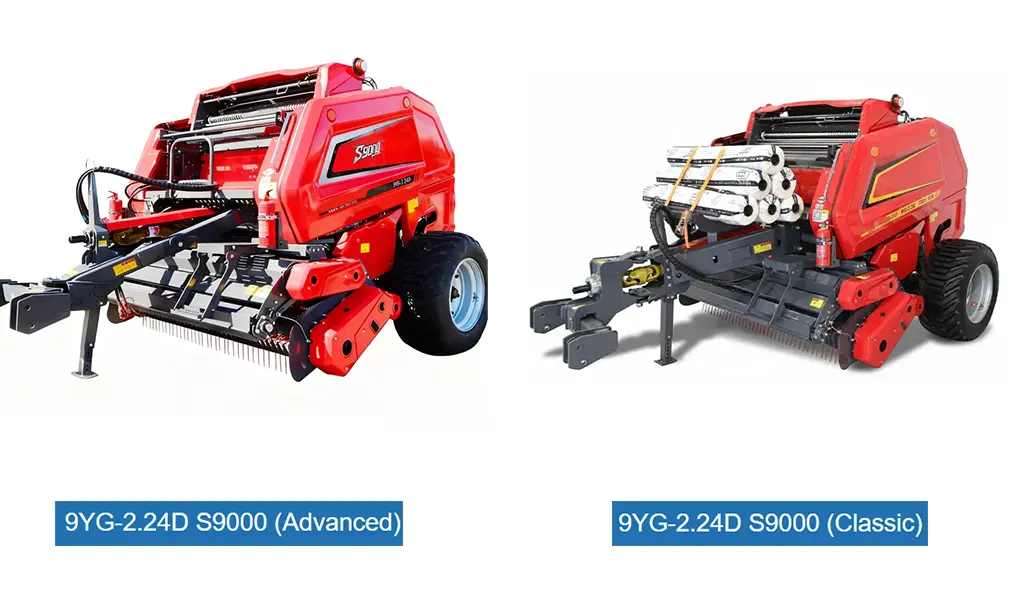
A coluna de recomendação de estoque na matriz identifica quais peças valem a pena manter na fazenda e quais devem ser encomendadas somente quando a inspeção revelar um problema. Os itens de estoque prioritários na fazenda são:
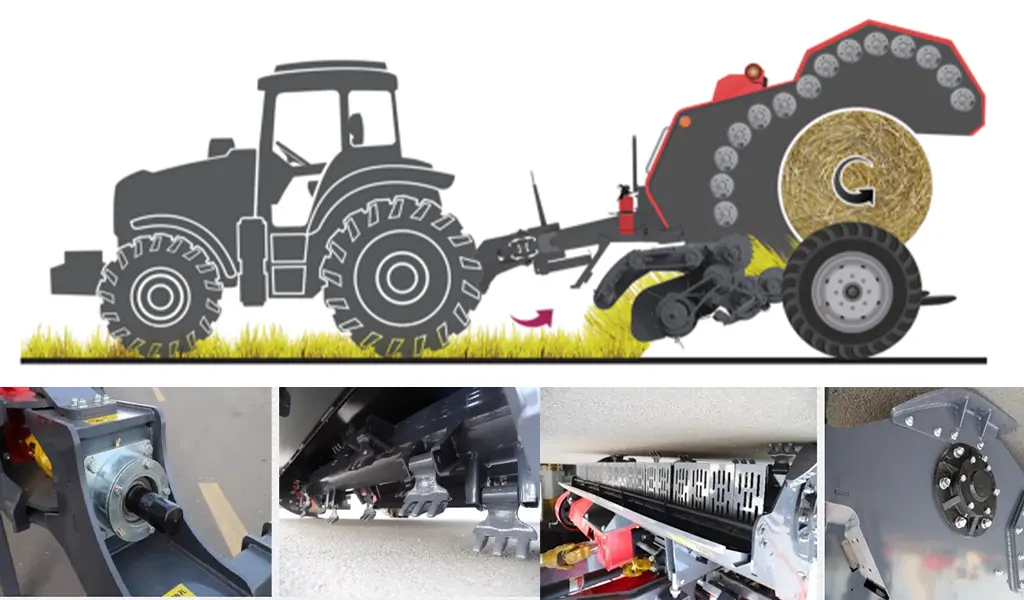
Facas para enrolar rede (2 sobressalentes) — A falha da rede de amarração no meio do fardo é a avaria mais prejudicial à operação no campo, pois interrompe completamente o ciclo de enfardamento e o fardo precisa ser ejetado parcialmente desamarrado. Uma lâmina sobressalente, que pode ser instalada em 10 minutos na borda do campo, é essencial em qualquer operação comercial de enfardamento. A lâmina é pequena, barata e a peça de reposição de emergência mais frequentemente necessária.
Uma barra completa de dentes de coleta — A perda de dentes devido ao contato com rochas é imprevisível e a substituição na beira do campo leva apenas alguns minutos. Ter uma barra sobressalente permite o reparo imediato de dentes perdidos ou tortos no campo, sem a necessidade de retornar à fazenda. Com preços entre $40 e $80 para uma barra sobressalente completa de dentes de mola, este é um dos itens de seguro mais econômicos do estoque de peças.
Óleo hidráulico e conexões para cilindro da porta traseira — Pequenos vazamentos nas vedações podem ser controlados ao longo da temporada com verificações regulares do nível de óleo; uma falha completa na vedação do cilindro exige manutenção imediata. Ter o óleo hidráulico com a especificação correta e um kit básico de acessórios permite completar o nível do óleo no local, caso o vazamento nas vedações aumente durante o dia.
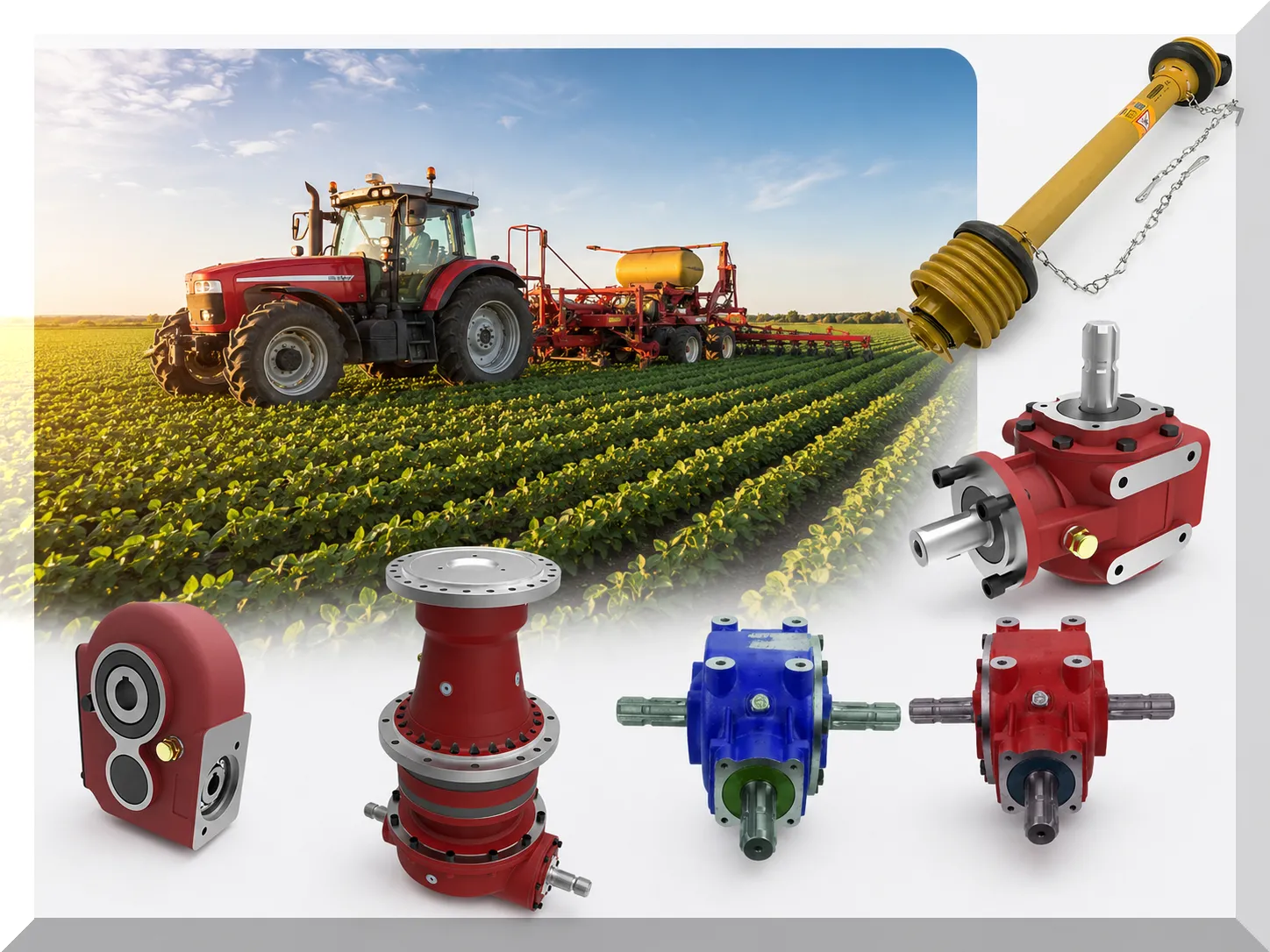
Para o nosso guia de solução de problemas Para obter informações sobre como diagnosticar os problemas mais comuns em enfardadeiras no campo, consulte a estrutura de sintomas e causas, juntamente com esta matriz de substituição, para uma referência completa de diagnóstico e manutenção. componentes de transmissão de caixa de engrenagens e tomada de força (TDF) agrícolas Nossos modelos de enfardadeiras redondas estão estocados em nosso armazém na Califórnia; o despacho no mesmo dia para pedidos feitos antes das 14h (horário do Pacífico) minimiza o risco de atrasos na entrega de peças durante a temporada de enfardamento.
Perguntas frequentes
Correias, dentes, lâminas para redes de pesca e peças de engrenagens — Envio no mesmo dia para pedidos feitos antes das 14h (horário do Pacífico).
As peças de desgaste de alta frequência para todos os modelos da nossa linha de enfardadeiras de fardos redondos estão em estoque em Sacramento para envio no mesmo dia. Informe-nos o modelo e a peça que você precisa — nossa equipe confirma a especificação e envia no mesmo dia se o pedido for feito antes das 14h (horário do Pacífico).
Editor: Cxm


