Specialty Crop Harvest Guide

Dry Bean Mechanical Harvest: Pulling Timing, Shatter Prevention, and Equipment Selection for U.S. Bean Growers

The harvest window for kidney, pinto, navy, and black beans is 5 to 10 days. Miss the optimal pull timing or use an equipment setup that generates excessive shatter, and the financial impact is immediate and measurable. This guide covers the decisions that determine your harvest loss rate.

Get a Puller Recommendation

Kidney bean puller and dry bean harvest in the U.S. is a two-machine operation: first a bean puller that lifts the plant from the ground, deposits it in a windrow, and leaves it to field-dry; then a combine pickup that threshes the dry windrow. The bean puller step is where 60 to 80 percent of mechanical harvest losses occur. Pod shatter from incorrect pulling depth, working outside the optimal moisture window, or ground speed too high on a rough field — each of these loss events happens at the puller pass, not at the combine. Getting the 芸豆拔取器 selection, timing, and operation right is the highest-leverage intervention available in a dry bean harvest program.

The Commercial Case for Mechanical Bean Pulling: Labor, Speed, and Harvest Window Economics
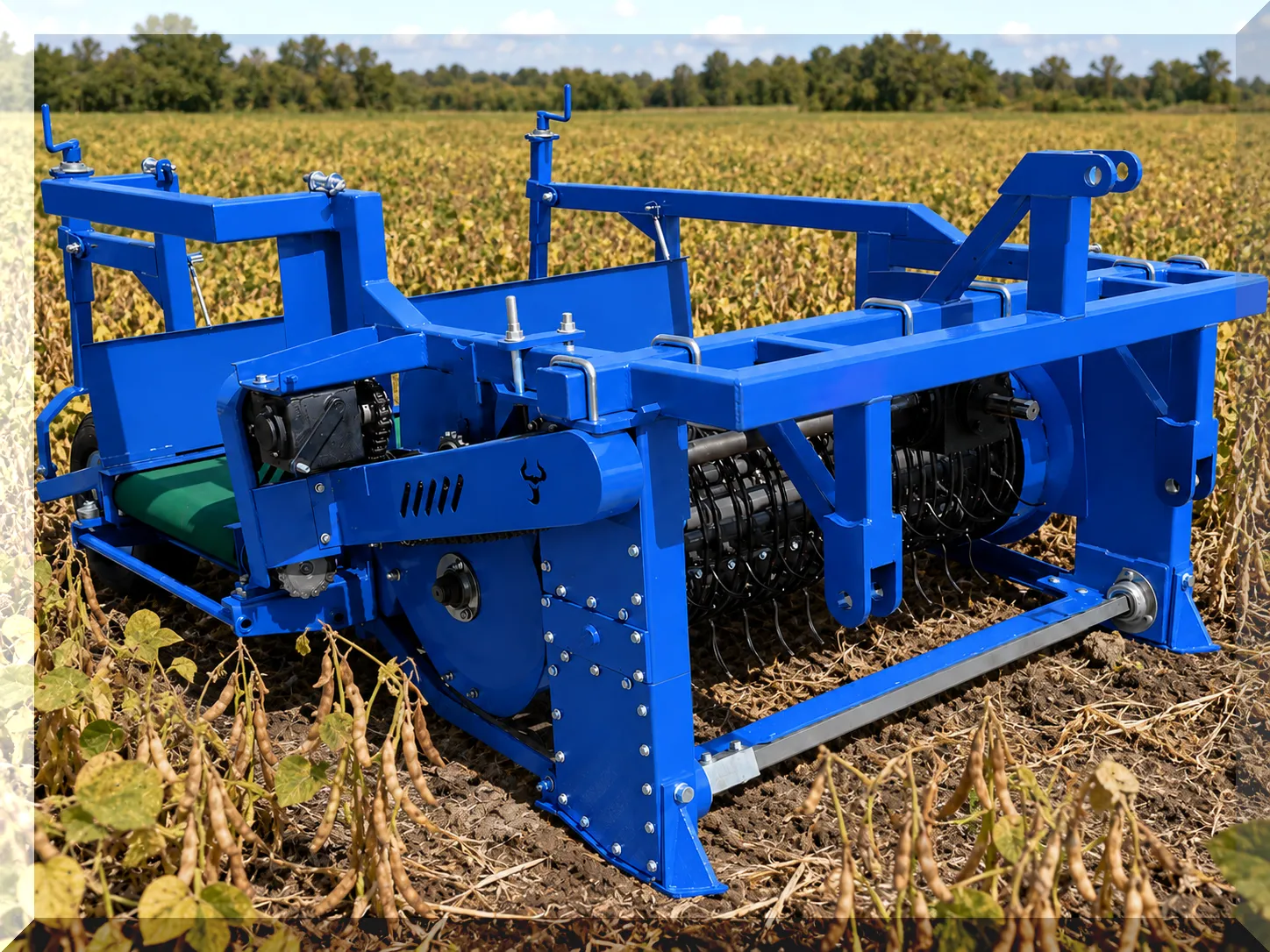
kidney bean puller machine field application — mechanical bean pulling for dry bean harvest efficiency

The comparison between hand pulling and 芸豆拔取器 mechanical harvest is not primarily about the cost per acre in isolation — it is about what each approach does to your effective harvest window. A typical dry bean harvest window from optimal pull timing to the point where pod shatter becomes economically significant is 5 to 10 days, depending on weather conditions. After this window, every day adds roughly 1 to 3% additional shatter loss to the remaining uncut acreage from natural drying and weathering cycles.

Harvest Cost and Pace — 100-Acre Kidney Bean Program
Hand Pulling
$120–180
per acre
0.2–0.4 acres/person/day
100 acres needs 40–50 person-days
Harvest spans 2–3 weeks
Fields pulled late are outside optimal moisture window — shatter losses 5–15%
2-Row Mechanical Puller
$18–30
per acre
12–20 acres/day (1 operator)
100 acres in 5–8 days
All acreage pulled within optimal window
Suited for 50–200 acre programs
4-Row Mechanical Puller
$10–18
per acre
25–40 acres/day (1 operator)
100 acres in 2.5–4 days
Full program in optimal window with weather buffer
Best economics at 200–500 acres/season

Cost estimates include equipment amortization, fuel, and operator time at $22/hr. Hand-pulling rates are regional averages for the U.S. northern Great Plains bean belt. Actual costs vary by field size, row spacing, and regional labor market.

Harvest window math: On a 300-acre program, a 2-row puller at 15 acres/day takes 20 days to complete — 2 to 3× longer than the typical harvest window. A 4-row puller at 30 acres/day finishes in 10 days, inside most harvest windows. For programs above 200 acres, the row-count decision is fundamentally a harvest window decision, not a cost-per-acre decision.

When to Pull: Pod Moisture, Visual Maturity Cues, and the Shatter Risk Window

Pulling timing is the single most controllable variable affecting shatter loss. The target pod wall moisture is 14 to 18% — the window where the pod wall is dry enough to be pulled cleanly without sticking together, but flexible enough that the suture seams do not split open from tine impact or handling. Outside this window in either direction, harvest losses increase substantially.

Pod Maturity Stages — Color Progression and Pulling Recommendation
🟢
第一阶段
Full Green
Pod moisture
>50%
DO NOT
PULL
🟡
第二阶段
Yellow-Green
Pod moisture
35–50%
TOO WET
等待
OPTIMAL
🟤
第三阶段
Tan / Buff
Pod moisture
14–22%
PULL NOW
Low shatter
🟫
第四阶段
Light Brown
Pod moisture
10–14%
MARGINAL
Pull quickly
第五阶段
Dark Brown
Pod moisture
<10%
HIGH SHATTER
Pull AM only

Visual assessment: pull when at least 70–80% of pods on the field show Stage 3 (tan/buff) coloration. Lower-node pods set first and will reach Stage 3 before upper-node pods — this natural variation is normal. Do not wait for 100% Stage 3; upper pods will be in Stage 2–3 range when lower pods are already Stage 4–5.

Morning Dew Advantage and Weather-Window Strategy

In Stage 4 (below 14% pod moisture), the morning dew period provides a brief moisture advantage — ambient overnight dew raises pod surface moisture by 2 to 4 percentage points temporarily, restoring some flexibility to the suture. Pulling during the dew window (7:00 to 9:30 AM on most fall mornings before the dew burns off) is the standard practice for reducing shatter when fields are at Stage 4 or when unexpected overnight drying has pushed pods below the target moisture window.

Never pull during or immediately after rainfall on Stage 3 or later pods. Wet pods that are at or near the natural moisture threshold absorb surface water rapidly and swell the seed within the pod — when the pod then dries back (typically within 4 to 8 hours in warm sun), the pod wall contracts while the seed remains temporarily enlarged, creating lateral pressure on the suture seams. This wet-dry cycle produces the highest shatter events of the season and can cause 5 to 12% additional loss on any field pulled within 24 hours of a rain event at late-stage moisture.

How a Spring-Tine Bean Puller Works: Share Depth, Tine Geometry, and Windrow Formation
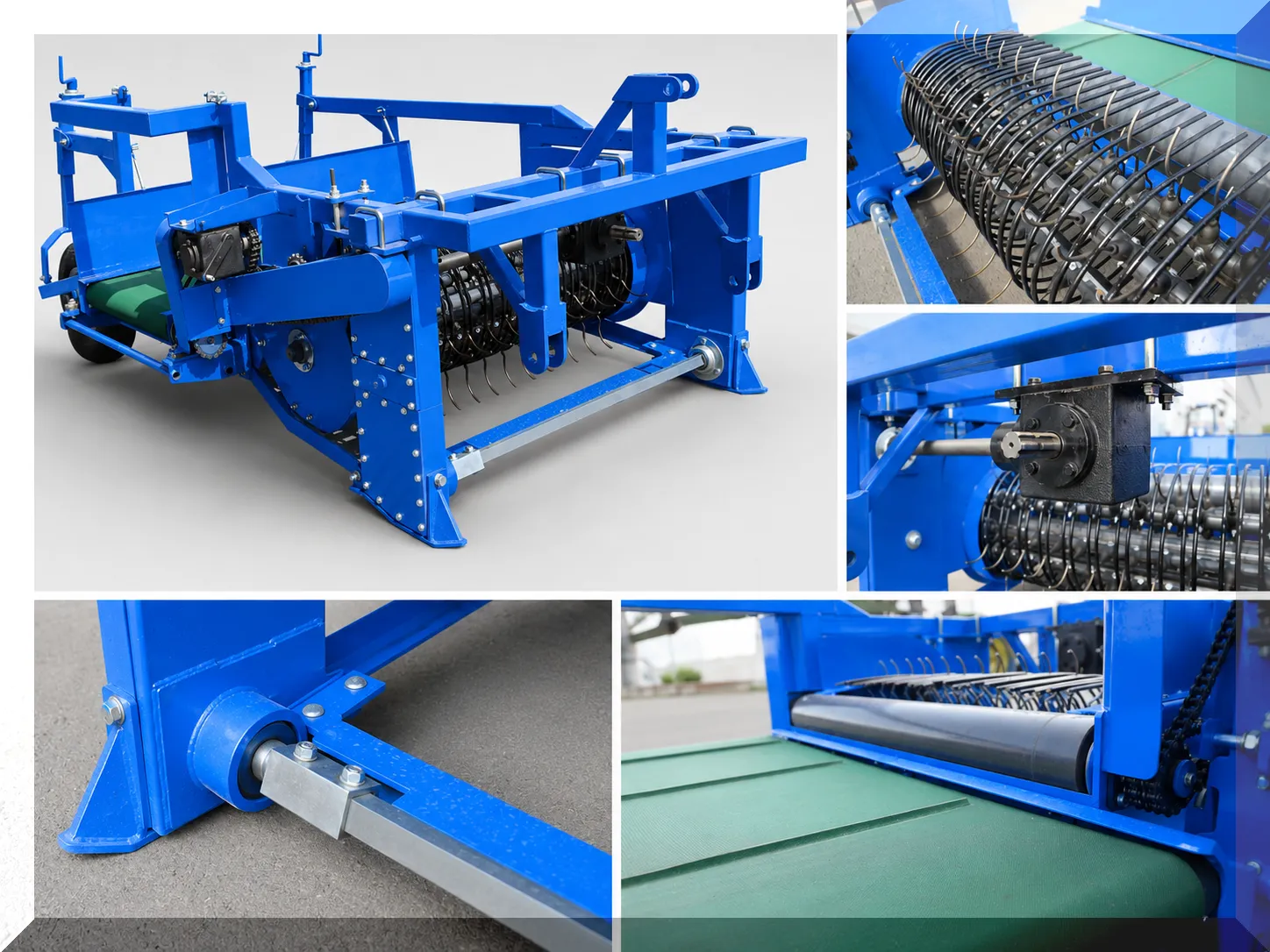
kidney bean puller detail — spring tine share mechanism, penetration depth, and windrow formation for dry bean harvest

A spring-tine 芸豆拔取器 operates on a simple but precision-critical mechanical principle: a V-shaped blade (the share) penetrates the soil below the taproot, severing the root system from below without disturbing the plants above ground, while a set of spring-steel tines lifts and guides the freed plant onto a conveyor that deposits it in a windrow. The effectiveness of the system depends entirely on two adjustable parameters: share penetration depth and tine height above the soil surface.

Bean Puller Share Penetration — Cross-Section View

🌱 Bean plants standing
Root system intact, taproot extending 3–5 inches below surface

▼ Share cuts here — 2 to 3 inch depth
Below taproot crown; above majority of root mass

✗ Too shallow: root not fully severed → plant tears → losses
✗ Too deep: excess soil in windrow → combine wear

Soil surface

Tine Geometry and Shatter Rate: The Engineering Connection

The spring-steel tines above the share do two things: they prevent the severed plant from falling back to the ground after the share passes, and they convey the plant laterally toward the central windrow formation zone. The tine angle, spring tension, and height above the soil determine how aggressively the tines contact the plant. Tines set too high above the soil ride over low-set pods (the first-formed, largest, and most valuable pods) rather than catching them. Tines set too close to the soil catch and roll pods that have already fallen to the ground during the growing season, adding field trash to the windrow.

On 4-row and larger models, the windrow-forming conveyor is a rolling-cage design driven by a compact 农业驱动变速箱 from the tractor’s rear PTO. The gearbox converts 540 rpm PTO rotation to the cage’s lower rotational speed while maintaining torque adequate to handle the plant volume from multiple rows simultaneously. Conveyor speed relative to ground speed is the key parameter: too fast, and plants are thrown forward and shattered against the leading tine bank; too slow, and plants pile up and are crushed rather than conveyed.

Row Count vs Acreage: How to Choose the Right Model for Your Program

The primary selection parameter for a 芸豆拔取器 is not working width — it is the combination of acres per season and the harvest window available for your region. The row count determines daily productivity, which determines whether your entire program can be completed within the optimal harvest window each year.

模型 Row Count Daily Capacity Optimal Acres/Season Min. Tractor HP 最适合
4BYH-1.3 2 rows 12–20 ac/day 50–200 ac ≥35 HP (25 kW) Small farm, contract pulling secondary machine, first mechanical puller
4BYH-2.6 4 rows 25–40 ac/day 100–500 英亩 ≥50 HP (37 kW) Mid-size commercial dry bean operations; standard Michigan, Minnesota row spacing
4BYQ-2.6 4 rows (front) 25–40 ac/day 100–500 英亩 ≥50 HP (37 kW) Contour rows, raised beds, irregular field layouts — front-mount line-of-sight advantage
4BYH-3.25 5 rows 35–55 ac/day 200–700 ac ≥60 HP (44 kW) Growing commercial programs; step-up from 4-row when harvest window is the constraint
4BYHD-3.9 6 rows 50–75 ac/day 300–1,200 ac ≥75 HP (55 kW) Large commercial and custom harvest operations; flagship model with highest daily output

Daily capacity assumes 30-inch row spacing, 7–8 working hours per day, and 80% field efficiency. Actual output varies with field shape, row length, and soil conditions. See our complete kidney bean puller lineup page for detailed specifications.

Front-Mount vs Rear-Mount: The Line-of-Sight Decision

kidney bean puller front mount vs rear mount comparison — line of sight and field layout for dry bean harvest

The mechanical difference between front-mount and rear-mount bean pullers is not performance in a field test under ideal conditions — both designs produce equivalent shatter losses and windrow quality on perfectly aligned, flat fields. The difference is what happens in the 20 to 30% of fields that are not perfectly aligned, perfectly flat, or planted in perfectly straight rows.

Front-Mount (4BYQ series)
Operator sees the share enter each row
Direct line-of-sight from cab to share position — steer by watching the tool, not the tractor
Essential for contour-planted rows, curved field layouts, and raised-bed or ridge-till production systems
Significantly reduces row-miss rate on fields with irregular row alignment from planting
Requires front three-point hitch or front mounting frame on tractor
PTO routing to front mount adds complexity vs rear configuration
Rear-Mount (4BYH series)
Standard configuration, simpler setup
Standard three-point hitch rear mount — attaches to any compatible tractor without additional frame or PTO routing
Optimal for flat, rectangular fields with straight GPS-guided rows
Full model range from 2-row to 6-row available in rear-mount configuration
Operator steers by watching tractor front wheels relative to rows — indirect alignment
Row-miss rates higher on curved or irregular field layouts without GPS auto-steer
Decision rule: If more than 20% of your bean acreage is on contour-planted slopes, raised beds, or fields planted without GPS guidance, front-mount is the correct choice. If all your acreage is flat, rectangular, and GPS-guided, rear-mount provides equivalent performance at lower setup complexity.

Why U.S. Bean Growers Choose foragebaler.com for Their Pulling Equipment
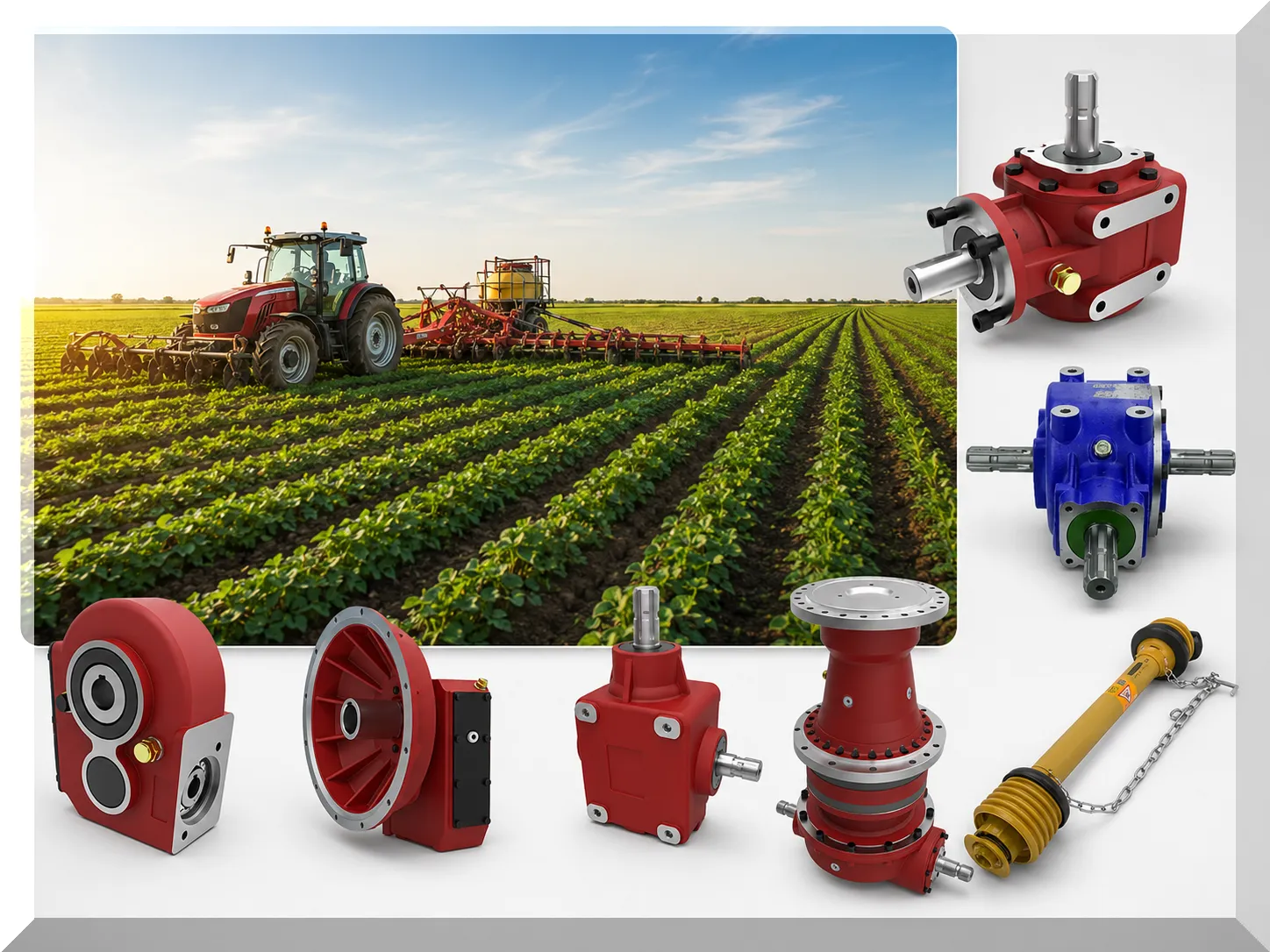
kidney bean puller PTO drive and gearbox — bean puller drive mechanism and system components
  • U.S. Warehouse — Same-Day Parts. Spring tines, share blades, conveyor components, and drive gearbox assemblies in-stock year-round. Orders before 2:00 PM Pacific ship same business day. No waiting weeks for parts during the critical 5-to-10-day harvest window.
  • Row Spacing Confirmation Before Shipping. We confirm your row spacing (22-inch, 28-inch, 30-inch) against the model’s factory setting before the puller ships — the most common installation issue on first-time bean puller purchases.
  • Tractor Compatibility Verified. Three-point hitch category, HP rating at PTO, and front hitch requirements (for front-mount models) confirmed from your tractor model before any order ships.
  • Complete Lineup, One Supplier. From the 2-row 4BYH-1.3 to the 6-row 4BYHD-3.9, all five models in our 芸豆拉拔器阵容 are in-stock at the California warehouse with parts support for the full harvest season.

Frequently Asked Questions: Dry Bean Mechanical Harvest

What row spacing do U.S. dry bean growers typically use, and do I need a custom puller?+
The most common 芸豆拔取器 row spacing in the U.S. Great Plains and Upper Midwest is 28 to 30 inches (71 to 76 cm). Michigan navy bean production traditionally uses 28-inch rows; pinto and kidney bean programs in Nebraska and Colorado typically use 30 inches. Our models are factory-set for 30-inch spacing and can be adjusted at installation to 28-inch or 22-inch spacing by relocating the row units along the toolbar. Confirm your row spacing when ordering — we set and verify spacing before shipping to ensure correct row unit alignment on your first day of harvest. Non-standard spacings (below 22 inches or above 36 inches) require consultation before ordering.
Can I use a kidney bean puller on pinto beans, navy beans, and black beans?+
Yes — a kidney bean puller works on all dry bean types that are direct-harvest (pull-and-windrow) crops. The pulling mechanism is the same regardless of bean variety; what varies is the optimal pod moisture window. Pinto beans are generally slightly more shatter-resistant than navy beans at the same moisture, and both are more tolerant than kidney beans, which have larger, heavier pods that create more lever-arm stress on the suture at low moisture. Adjust pulling timing toward the higher end of the 14 to 18% window for kidney and cranberry beans; the lower end is acceptable for pinto and navy. Soybean harvest also uses pulling equipment, but the operating parameters differ — consult our team if you have a soybean application requirement.
How do I set the share depth for my field conditions?+
Start at 2 to 2.5 inches below the soil surface for initial setup. After the first 50 feet of operation, stop and inspect the pulled plants: (1) Is the taproot cleanly severed with a fresh cut, or is it torn or frayed? A torn root indicates the share is passing too shallow and the root is being ripped rather than cut. (2) Is there significant soil clumped in the windrow from the share zone? If yes, the share is running too deep. (3) Are any plants left standing with broken stems rather than being fully pulled? These were either missed by the share or the stem broke above the share zone due to inadequate depth. Adjust in 0.5-inch increments and repeat the inspection until pulled plants show clean root cuts, minimal soil in windrow, and no standing residual plants.
What ground speed should I use for kidney bean pulling?+
The standard operating range for a 芸豆拔取器 is 3 to 5 km/h (2 to 3 mph). Above 5 km/h, plants enter the share zone faster than the tines can gently lift and convey them — this causes plants to be struck by tines rather than caught, which generates both pod shatter and plant stacking in the windrow rather than uniform flow. On firm, even fields with straight rows and moderate plant populations, the upper end of this range (4 to 5 km/h) is appropriate. On irregular terrain, wet or loose soil, or fields with high plant population and dense biomass, operate at 3 to 4 km/h. Unlike hay raking where faster speed is often possible, bean pulling is inherently a slow-speed precision operation — the plant volume per unit time is the limiting factor, not tractor power.
How long after pulling should I leave windrows before combining?+
Windrows should reach 14 to 16% seed moisture before combining — typically 5 to 10 days after pulling under normal fall weather conditions in the northern bean belt. Do not combine when the windrow is still visibly green or when the pods crack open reluctantly under hand pressure. Combining too early (above 18% seed moisture) produces seed-to-seed abrasion damage and staining in the thresher, which downgrades the marketable yield. Combining too late (below 12% seed moisture) increases thresher shatter, especially on warm afternoons when bean pods are at their most brittle. For timing: test seed hardness by biting a sample — the seed should break with a clean snap, not compress softly (too wet) and not shatter into fragments (too dry). If rain interrupts the field-dry period, wait until the windrow returns to target moisture before combining.
What maintenance does a bean puller require between seasons?+
Kidney bean pullers are mechanically simple — the primary annual maintenance items are: (1) Spring tine inspection and replacement. Tines wear at the tip from soil contact and crack at the root from fatigue. Inspect all tines before each season and replace any showing visible cracking or tip wear beyond 10 mm from new. (2) Share blade inspection. The V-shaped share can be sharpened or replaced when the cutting edge becomes rounded. A dull share tears roots rather than cuts cleanly, increasing plant losses. (3) Conveyor chain or cage bearing lubrication. (4) Row unit pivot points: grease all swivel points with NLGI-2 multi-purpose grease. The entire pre-season service typically takes 1 to 2 hours on a 4-row model. Replacement tines, share blades, and conveyor parts ship same-day from our California warehouse for pre-season orders placed before the September harvest season begins.

Get a Kidney Bean Puller Recommendation for Your Operation
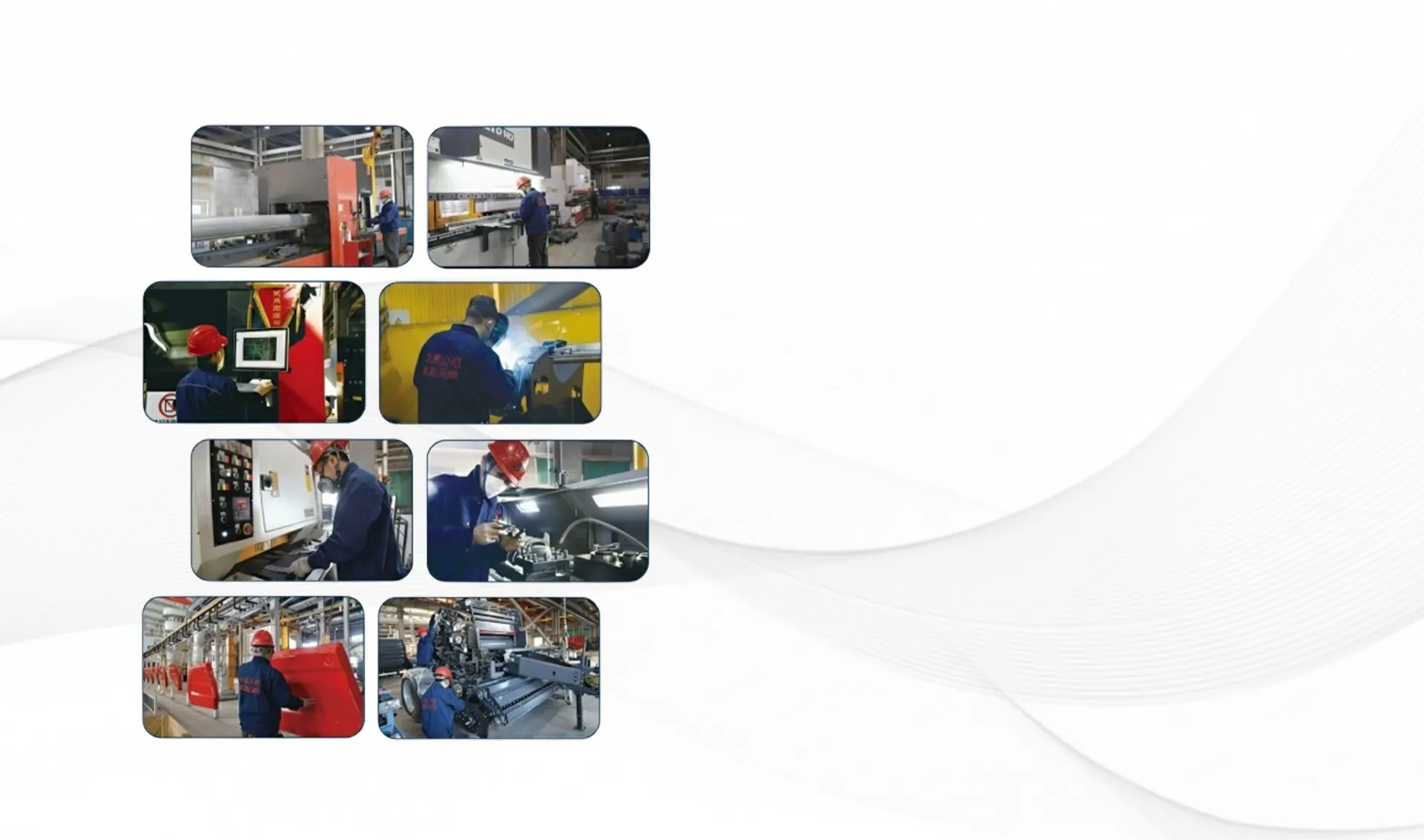
foragebaler.com U.S. support for kidney bean puller equipment — 2-row to 6-row dry bean harvest machine lineup

Dry Bean Harvest Equipment — California Warehouse

Tell Us Your Acres, Row Spacing, and Tractor — We’ll Confirm the Right Model

Kidney bean puller row spacing confirmed, HP verified, three-point hitch category checked — before your kidney bean puller ships. Same-day parts dispatch during harvest season from our California warehouse. Full 2-row to 6-row lineup, front-mount and rear-mount configurations in stock.

✔ 5-Model Lineup
2-row to 6-row, front & rear
✔ Row Spacing Pre-Set
22, 28, or 30-inch confirmed
✔ Same-Day Harvest Parts
Tines, shares, conveyor parts

美国永动力饲料打包机设备有限公司 | 加利福尼亚州萨克拉门托市第21街1401号R室,邮编:95811

Get a Puller Recommendation

编辑:Cxm