
चुनना गोल बेलर कृषि उपकरणों का चुनाव करते समय, अगर आप गलत चुनाव करते हैं तो अगले 10 से 15 वर्षों तक आपके द्वारा उत्पादित प्रत्येक गठ्ठे पर आपको भारी नुकसान उठाना पड़ सकता है। यदि गठ्ठा आपके ट्रैक्टर के लिए छोटा है, तो घनत्व और दैनिक उत्पादन में कमी आएगी; यदि गठ्ठा आपके खेत के लिए बड़ा है, तो बचत के माध्यम से प्रारंभिक लागत कभी वसूल नहीं हो पाएगी। यह खरीदार मार्गदर्शिका चार ऐसे कारकों पर प्रकाश डालती है जो विनिर्देशों की उलझन को दूर करते हैं — ताकि आप विक्रेता की सिफारिश पर खरीदने के बजाय अपने खेत, अपने ट्रैक्टर और अपनी आगे की कार्यप्रणाली के लिए उपयुक्त मॉडल की पहचान कर सकें।
समय के साथ इस निर्णय का प्रभाव क्यों बढ़ता जाता है?
अधिकांश उपकरण संबंधी निर्णय सुधारे जा सकते हैं। यदि आप गलत स्प्रेयर या स्प्रेडर खरीद लेते हैं, तो आप उसमें कुछ बदलाव करते हैं, एक सीज़न के लिए उसका उपयोग करते हैं और फिर उसे बदल देते हैं। गोल बेलर मशीनें अलग-अलग होती हैं। इस सीज़न में आप अपने ट्रैक्टर पर जो मशीन लगाएंगे, वह अगले 800 से 1200 ऑपरेटिंग घंटों तक आपकी घास की गांठें बनाएगी - यानी सामान्य व्यावसायिक गति से लगभग 8 से 12 साल तक, या छोटे ऑपरेशनों में इससे भी अधिक समय तक। परिचालन में हर तरह की गड़बड़ी उस पूरी सेवा अवधि के दौरान उत्पादित हर गांठ पर दोहराई जाएगी।
सबसे महंगी खामियां कोई अचानक होने वाली विफलताएं नहीं होतीं। ये चुपचाप होने वाले, धीरे-धीरे होने वाले नुकसान होते हैं: जैसे कि एक बेलर जो इष्टतम घनत्व से थोड़ा नीचे चलता है क्योंकि ट्रैक्टर मुश्किल से न्यूनतम एचपी सीमा को पार कर पाता है, या एक साइलेज प्रोग्राम में फिक्स्ड-चैंबर मशीन जहां कटाई के बीच नमी की मात्रा 15 प्रतिशत तक ऊपर-नीचे होती रहती है। ये समस्याएं पहले सीजन में सामने नहीं आतीं। ये दूसरे और तीसरे साल में दिखाई देती हैं - एलिवेटर सैंपल स्कोर में ठहराव आने पर, चारे की बर्बादी की मात्रा लगातार अधिक रहने पर, या उस सप्ताह के मध्य में बेल्ट के खराब होने पर जब काउंटी के सभी खेत एक साथ कटाई के लिए तैयार होते हैं।
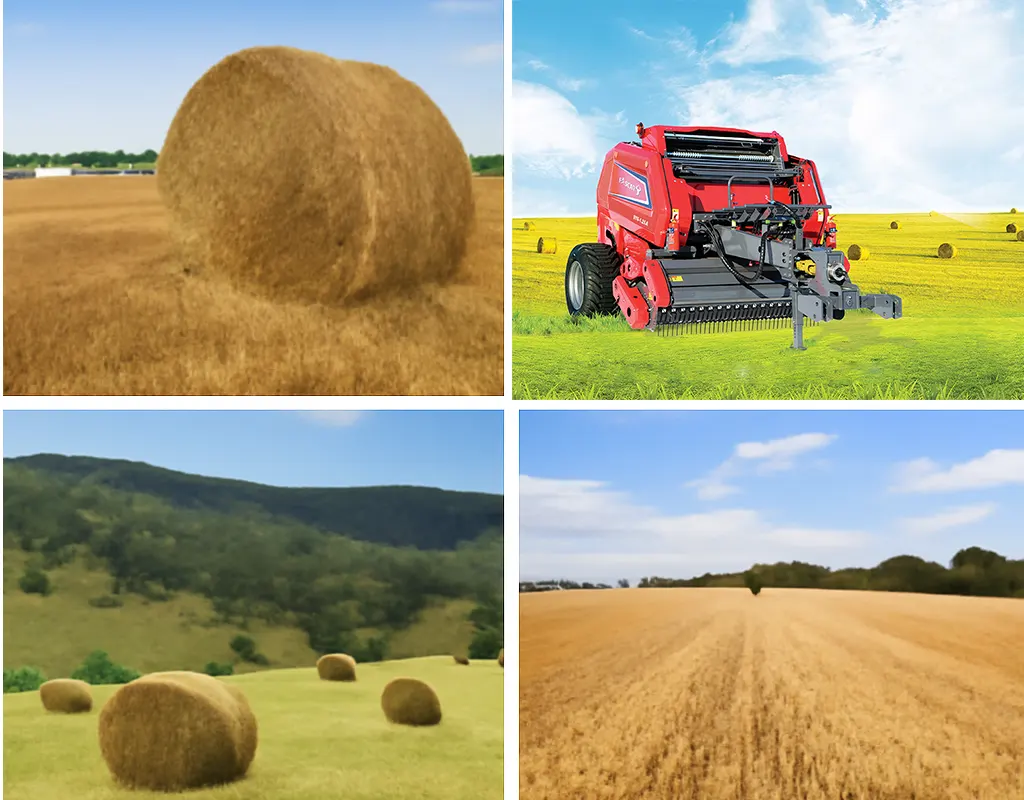
आपके खेत के लिए सही बेलर का आकार निर्धारित करने वाले चार कारक
किसी भी विशिष्ट मॉडल की तुलना करने से पहले, चार चरों पर अपनी स्थिति स्पष्ट करें। आपके उत्तरों का प्रतिच्छेदन सीधे उस मशीन वर्ग की ओर इशारा करता है जो आपके संचालन के लिए उपयुक्त है — और उन मॉडलों को खारिज करता है जो डेटा शीट पर आकर्षक दिखते हैं लेकिन आपके क्षेत्र में खराब प्रदर्शन करेंगे।
ट्रैक्टर एचपी
सबसे बड़ी बाधा। बेलर की स्पेसिफिकेशन शीट पर न्यूनतम HP रेटिंग एक न्यूनतम सीमा है, लक्ष्य नहीं। किसी भी उपकरण को उसकी निर्धारित न्यूनतम क्षमता पर चलाने का मतलब है कि ट्रैक्टर पर अधिकतम निरंतर भार है - यह बेल तो बनाएगा, लेकिन जमीनी गति और दैनिक उत्पादन मशीन की निर्धारित क्षमता से कम रहेंगे, और इंजन और ड्राइवलाइन के घंटे अपेक्षित गति से अधिक तेजी से बढ़ेंगे।
वार्षिक रकबा
आपकी वार्षिक कृषि भूमि यह निर्धारित करती है कि कॉम्पैक्ट, मिड-रेंज या कमर्शियल क्लास की मशीन आपके लिए लागत-लाभदायक साबित होगी या नहीं। उत्पादकता बेलर के आकार के साथ बढ़ती है, लेकिन पूंजी लागत भी उसी अनुपात में बढ़ती है। इस सटीक गणना और केवल इस सीज़न की नहीं बल्कि 5 वर्षों की वृद्धि को ध्यान में रखते हुए, यह तय करना ज़रूरी है कि कौन सी मशीन तीसरे वर्ष में अपनी लागत वसूल कर लेगी और कौन सी आठवें वर्ष में।
फसल का प्रकार
सूखी अल्फाल्फा, घास साइलेज, मक्के के डंठल और देशी घास, प्रत्येक प्रकार की फसल के लिए पिकअप, चैम्बर और बाइंडिंग सिस्टम की अलग-अलग आवश्यकताएँ होती हैं। 65–75% जल सामग्री वाले उच्च-नमी वाले साइलेज के लिए 14–18% जल सामग्री वाले सूखे घास की तुलना में अलग चैम्बर ज्यामिति और बाइंडिंग गति की आवश्यकता होती है। चैम्बर का प्रकार चुनने से पहले अपनी मुख्य फसल निर्दिष्ट करें — इससे मशीन का पूरा वर्ग निर्धारित होता है।
गांठ का अंतिम उपयोग
प्रतिदिन 200 दुधारू गायों को चारा खिलाना, किसी पशु गोदाम को बेचना, या विभिन्न ग्राहकों के लिए विशेष रूप से गांठें बनाना - इन सभी के लिए गांठों के आकार और घनत्व में भिन्नता आवश्यक होती है। एक डेयरी कंपनी 4×5 आकार की गांठ चाहती है जो एक ही दिन में खुल जाए और बिना किसी बाहरी हिस्से के खराब हुए तैयार हो जाए। वहीं, निर्यात करने वाला खरीदार प्रति टन कंटेनर माल ढुलाई लागत को कम करने के लिए प्रति गांठ अधिकतम घनत्व चाहता है।
फिक्स्ड चैंबर बनाम वेरिएबल चैंबर: बेलर खरीदारों को विभाजित करने वाला निर्णय
डीलर अक्सर वेरिएबल-चैंबर मॉडल को बढ़ावा देते हुए फिक्स्ड-चैंबर बेलर को एंट्री-लेवल मॉडल बताते हैं। लेकिन यह सोच असलियत से परे है। फिक्स्ड-चैंबर मशीनें वेरिएबल-चैंबर मशीनों की तुलना में अलग-अलग घनत्व वाली घास में भी अधिक एक समान बेल का आकार बनाती हैं। साथ ही, जहां सूखी घास की बेलिंग की जाती है और नमी की मात्रा निश्चित होती है, वहां ये मशीनें प्रति डॉलर मशीन की लागत के हिसाब से बेहतर बेल एकरूपता प्रदान करती हैं। वेरिएबल-चैंबर मशीनें तब बेहतर साबित होती हैं जब नमी की मात्रा हर कटाई में बदलती रहती है - ठीक यही स्थिति उच्च नमी वाले घास साइलेज प्रोग्राम या एक ही मशीन पर एक ही मौसम में मक्के के डंठल, घास और अल्फाल्फा की बहु-फसली खेती में होती है।
| कारक | स्थिर कक्ष | परिवर्तनीय कक्ष |
|---|---|---|
| गठ्ठे का व्यास | कक्ष की ज्यामिति द्वारा निर्धारित | ऑपरेटर-समायोज्य |
| गांठ के आकार में एकरूपता | पवनचक्कियों के पार उत्कृष्ट | अच्छा — नमी के अनुसार बदलता रहता है |
| रखरखाव की जटिलता | निचला | उच्चतर (विस्तार तंत्र) |
| साइलेज (> 55% नमी) | कार्यात्मक | पसंदीदा |
| सूखी घास (< 20% नमी) | पसंदीदा | अच्छा |
| बहु-फसली लचीलापन | लिमिटेड | उच्च |
| मशीन की लागत (श्रेणी के सापेक्ष) | निचला | उच्च |
फील्ड नोट: यदि आपका फार्म एक ही प्रकार की फसल उगाता है और उसमें नमी का स्तर पूर्वानुमानित रहता है — जैसे कि अल्फाल्फा घास का फार्म या सीआरपी देशी घास का फार्म — तो सही आकार की फिक्स्ड-चैंबर मशीन बेल की एकरूपता और जीवनकाल रखरखाव लागत के मामले में वेरिएबल-चैंबर मॉडल से बेहतर प्रदर्शन करेगी। यदि आप मई में साइलेज, जुलाई में सूखी घास और अक्टूबर में मक्के के डंठल एक ही बेलर से काटते हैं, तो वेरिएबल-चैंबर मशीन की कीमत उचित साबित होती है।
क्षेत्रफल और शक्ति श्रेणियों के आधार पर मशीन का चयन: अपनी वार्षिक मात्रा के अनुसार मशीन का आकार निर्धारित करना
सबसे सरल नियम: आपका चारा बेलर आपके पूरे साल के चारे के क्षेत्रफल को कटाई के ऐसे समय में पूरा करने में सक्षम होना चाहिए जिससे मौसम के जोखिम को नियंत्रित किया जा सके। उत्तरी अमेरिका के अल्फाल्फा क्षेत्र में, पहली कटाई के लिए यह समय सीमा 5 से 8 दिन की होती है। दक्षिण-पूर्व में, यह समय सीमा कम हो सकती है। नीचे दी गई तालिका में वार्षिक क्षेत्रफल को उस मशीन श्रेणी से दर्शाया गया है जो उस मात्रा को आसानी से संभाल सकती है - बिना आपके पूरे काम को एक सप्ताह के मौसम के जोखिम में डाले।
| वार्षिक रकबा | ट्रैक्टर एचपी | मशीन वर्ग | ऑपरेशन प्रोफ़ाइल |
|---|---|---|---|
| 50-200 एकड़ | 40–65 एचपी | कॉम्पैक्ट 1.0सी | विविध प्रकार के फार्म, घोड़े और छोटे पशुधन पालन, शौकिया घास उत्पादक, कॉम्पैक्ट ट्रैक्टरों का बेड़ा |
| 150-400 एकड़ | 60–100 एचपी | मध्य श्रेणी 1.25 / 1.25ए | अमेरिका में व्यावसायिक रूप से घास उत्पादन करने वाले किसानों का सबसे आम वर्ग। यह मध्यम क्षेत्रफल में तीन बार अल्फाल्फा या दो बार घास की कटाई की व्यवस्था को बिना कटाई के दबाव के संभालता है। |
| 400–800+ एकड़ | 100–150+ एचपी | कमर्शियल 2.24डी | बड़े डेयरी चारा फार्म, वाणिज्यिक पुनर्विक्रय संचालन और कस्टम बेलिंग ठेकेदार। इस श्रेणी में उत्पादकता लगभग 350-400 एकड़ वार्षिक भूमि से अधिक की पूंजी लागत को उचित ठहराती है। |
गांठ का व्यास: आपके आगे के उपयोग से क्या निर्धारित होता है
गठ्ठे के व्यास को गौण मानकर नज़रअंदाज़ कर दिया जाता है - जबकि ऐसा नहीं है। एक डेयरी जो प्रतिदिन 300 गायों को अल्फाल्फा साइलेज खिलाती है, उसे ऐसे गठ्ठे की आवश्यकता होती है जिसे गायें खोलने के 24 से 36 घंटों के भीतर खा लें। 1,200 किलोग्राम का 5×6 गठ्ठा बहुत बड़ा होता है; खुला हुआ हिस्सा गर्म हो जाता है और पूरी तरह से खाए जाने से पहले ही शुष्क पदार्थ खो देता है। उसी डेयरी के लिए 600 से 700 किलोग्राम का 4×5 गठ्ठा उपयुक्त होता है - ऐसा आकार जो एक ही बार खिलाने के चक्र में वायुजनित अपक्षय को सीमित करता है। कंटेनर भरकर चारा खरीदने वाला निर्यातक खरीदार इसके विपरीत चाहता है: प्रति गठ्ठे अधिकतम घनत्व ताकि प्रति टन उत्पाद की माल ढुलाई लागत कम से कम हो।
कस्टम बेलिंग ठेकेदारों को एक तीसरी तरह की समस्या का सामना करना पड़ता है: ग्राहक खेतों में अलग-अलग बेलर ब्रांड और लोडर उपकरण होते हैं, इसलिए ठेकेदार की मशीन को ऐसा बेल बनाना होता है जो ग्राहक के मौजूदा सेटअप के साथ काम करे। ठेकेदारों के लिए, 1.0 और 1.5 मीटर व्यास के आउटपुट के बीच समायोजित होने वाली वेरिएबल-चैंबर मशीनें हर मौसम में नए सिरे से समाधान खोजने की आवश्यकता के बिना ग्राहक के उपकरणों के अनुरूप लचीलापन प्रदान करती हैं।
नेट रैप बनाम ट्विन: बाइंडिंग सिस्टम और इसकी वास्तविक परिचालन लागत
बंधन प्रक्रिया का निर्णय आमतौर पर सामग्री लागत की तुलना के रूप में लिया जाता है - नेट रैप फिल्म प्रति रोल बनाम बेलर ट्विन प्रति रोल। इस विश्लेषण में एक अधिक महत्वपूर्ण कारक छूट जाता है: प्रति गठ्ठा चक्र समय। नेट रैप पूरी गठ्ठा की चौड़ाई में 2.5 से 3 ओवरलैपिंग पास में 25 से 35 सेकंड में एक पूर्ण बंधन चक्र पूरा कर लेता है, जिससे गठ्ठा की बाहरी सतह का 80 से 90 प्रतिशत भाग कवर हो जाता है। वहीं, चार धागों वाली ट्विन से 60 से 90 सेकंड लगते हैं और धागों के बीच गठ्ठा की बाहरी सतह का 80 से 85 प्रतिशत भाग मौसम के संपर्क में आ जाता है।
नेट रैप
रस्सी
प्रतिदिन 100 गांठों के उत्पादन पर, 30 सेकंड के नेट रैप चक्र और 75 सेकंड के ट्विन चक्र के बीच का अंतर प्रतिदिन एक घंटे से अधिक का अतिरिक्त बाइंडिंग समय प्रदान करता है - यानी पूरे तीन कटाई के मौसम में लगभग 10 से 12 अतिरिक्त फील्ड डे। अमेरिका के अधिकांश व्यावसायिक घास उत्पादक मुख्य रूप से इस चक्र समय के लाभ के कारण नेट रैप का उपयोग करने लगे हैं, और मौसम से सुरक्षा का लाभ उत्पादकता के गणितीय गणना के अतिरिक्त एक अतिरिक्त लाभ है।
पिकअप सिस्टम: आपके ऑपरेशन के लिए टाइन, चौड़ाई और विंडरो का मिलान
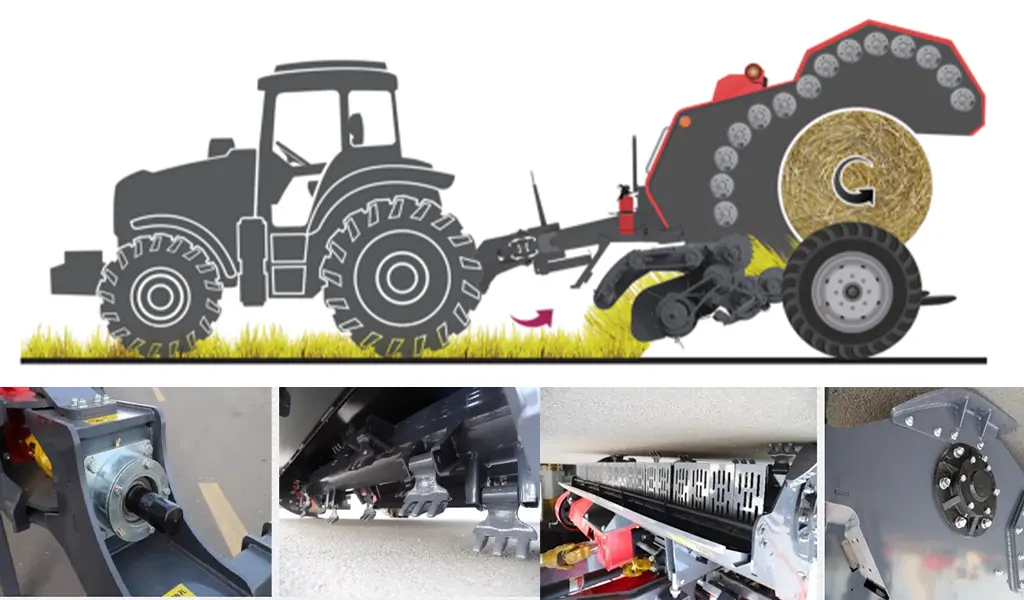
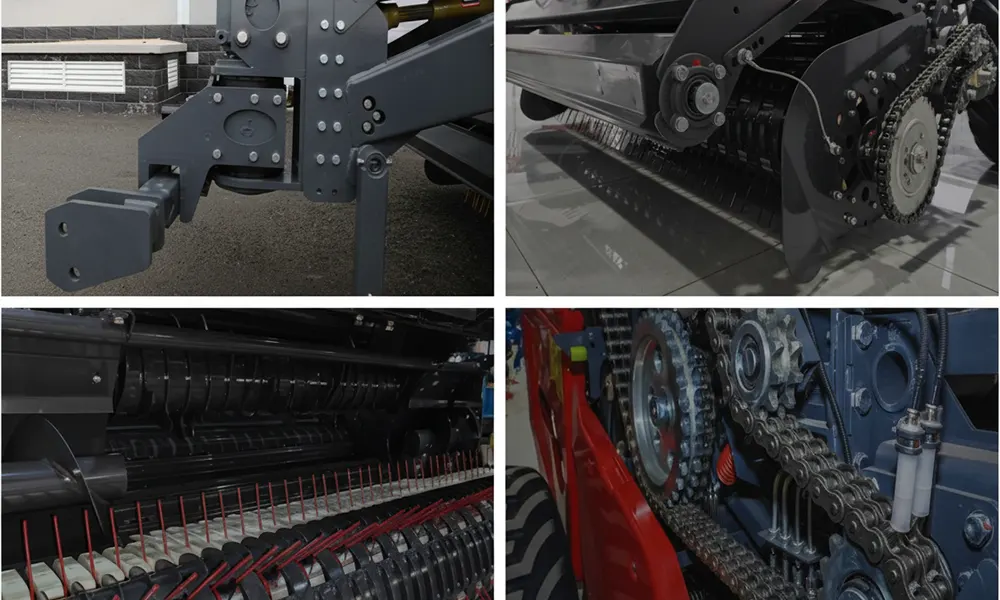
पिकअप वह घटक है जिसका आपके विंडरो से सबसे सीधा संपर्क होता है और जो गांठों के आकार की एकरूपता पर सबसे अधिक प्रभाव डालता है। स्प्रिंग-टाइन पिकअप सिस्टम - जो हमारे संपूर्ण उत्पाद श्रृंखला में उपयोग किए जाते हैं - उलझी हुई, भारी और असमान विंडरो को बिना आपस में टकराए संभाल लेते हैं क्योंकि टाइन की ज्यामिति किनारे से खींचने के बजाय नीचे से उठाती है। इससे प्रत्येक पास में पूरी पिकअप चौड़ाई में विंडरो का घनत्व बना रहता है, जो विभिन्न खेत की स्थितियों में एक समान गांठ निर्माण का यांत्रिक आधार है।
विंडरो आउटपुट के अनुसार पिकअप की चौड़ाई का मिलान करना
यदि आपका रेक लगातार ऐसी पंक्ति बनाता है जो चारा बेलर की निर्धारित पिकअप चौड़ाई से अधिक चौड़ी होती है, तो हर बार गुजरने पर हेडर के बाहरी किनारों पर फसल जमा हो जाती है। 200 एकड़ के खेत में 40 मीटर के अंतराल पर, जो सामग्री पिकअप से छूट जाती है, वह प्रति कटाई उपज में उल्लेखनीय कमी का कारण बनती है - यह कमी चुपचाप और अदृश्य रूप से दिखाई देती है, जब तक कि आप बेलर के गुजरने के बाद साफ-सुथरे खेत में मशीन के पीछे न चलें। यह उन कम चर्चित कारणों में से एक है कि रेक सेटअप पर विचार किए बिना बेलर खरीदना दीर्घकालिक समस्याओं का कारण क्यों बनता है।
हमारा घास इकट्ठा करने वाले रेक की कतार इसमें टो किए जाने वाले क्षैतिज रेक और फिंगर-व्हील मॉडल दोनों शामिल हैं, जिनकी कार्य चौड़ाई 9 से 12 मीटर तक है। अपने रेक की विंडरो आउटपुट चौड़ाई को अपने बेलर के पिकअप विनिर्देश से मिलाना - न कि इसके विपरीत - प्रत्येक खेत में पहली पंक्ति से लेकर अंतिम पंक्ति तक एक समान बेल का आकार सुनिश्चित करता है।
पीटीओ ड्राइवशाफ्ट और ओवरलोड सुरक्षा
ओवरलोड क्लच में पीटीओ ड्राइव गियरबॉक्स फील्ड में अधिकांश बेलिंग मशीनों में क्लच स्लिप टॉर्क सबसे कम ध्यान दिया जाने वाला कंपोनेंट है। यह निर्धारित करता है कि ड्राइवलाइन कब डिस्कनेक्ट होगी ताकि गियरबॉक्स को अचानक लोड बढ़ने से बचाया जा सके — उदाहरण के लिए, जब पिकअप पूरी गति से भारी विंडरो में किसी घनी गांठ से टकराता है। बहुत ढीला सेट किया गया क्लच सामान्य लोड के तहत लगातार स्लिप करता रहता है, जिससे बेल चैंबर की प्रभावी पीटीओ पावर कम हो जाती है। बहुत टाइट सेट किया गया क्लच ओवरलोड की स्थिति में गियरबॉक्स तक टॉर्क को कई गुना बढ़ा देता है, जिससे गियर का घिसाव तेज हो जाता है और अंततः सीजन के बीच में ही दांत टूट जाते हैं। प्रत्येक सीजन की शुरुआत में स्लिप टॉर्क की जांच करें और उसे रीसेट करें — यह 15 मिनट का काम है जो घंटों के अनियोजित डाउनटाइम को रोकता है।
हमारे राउंड बेलर लाइनअप: तीन ऑपरेशन श्रेणियों में पांच मॉडल
हमारे प्रत्येक मॉडल पूर्ण राउंड बेलर रेंज इसमें स्प्रिंग-टाइन पिकअप, 540 आरपीएम पीटीओ ड्राइव और रियर थ्री-पॉइंट हिच अटैचमेंट का उपयोग किया गया है। मॉडलों के बीच अंतर चैम्बर के प्रकार, बेल के आकार की क्षमता, आवश्यक बिजली और व्यावसायिक क्षेत्र में प्रत्येक मशीन द्वारा विश्वसनीय रूप से प्राप्त घनत्व में है। नीचे दी गई तालिका को प्रारंभिक फ़िल्टर के रूप में उपयोग करें - यह आपके विकल्पों को दो या तीन मॉडलों तक सीमित कर देगा, और हमारी अमेरिकी टीम आपके ट्रैक्टर मॉडल और वार्षिक क्षेत्रफल के आधार पर सही विकल्प की पुष्टि कर सकती है।
| नमूना | कक्ष | गठ्ठी का आकार (व्यास × चौड़ाई) | एचपी आवश्यक | वार्षिक एकड़ | के लिए सर्वश्रेष्ठ |
|---|---|---|---|---|---|
| 9YG-1.0C | तय | 1.0 × 1.0 मीटर | ≥ 40 एचपी | 50–200 | छोटे विविध कृषि फार्म, पशुपालन के शौक, कॉम्पैक्ट ट्रैक्टरों का बेड़ा |
| 9YG-1.25 | तय | 1.25 × 1.25 मीटर | 60–80 एचपी | 150–350 | लगातार सूखी घास की आपूर्ति, एकल फसल वाले खेत, विश्वसनीय मध्यम श्रेणी की उत्पादकता |
| 9YG-1.25A | चर | 0.9–1.5 × 1.25 मीटर | 75–100 एचपी | 200–500 | बहुफसली, साइलेज विकल्प, परिचालन क्षेत्र बढ़ाने की योजना बना रहे हैं |
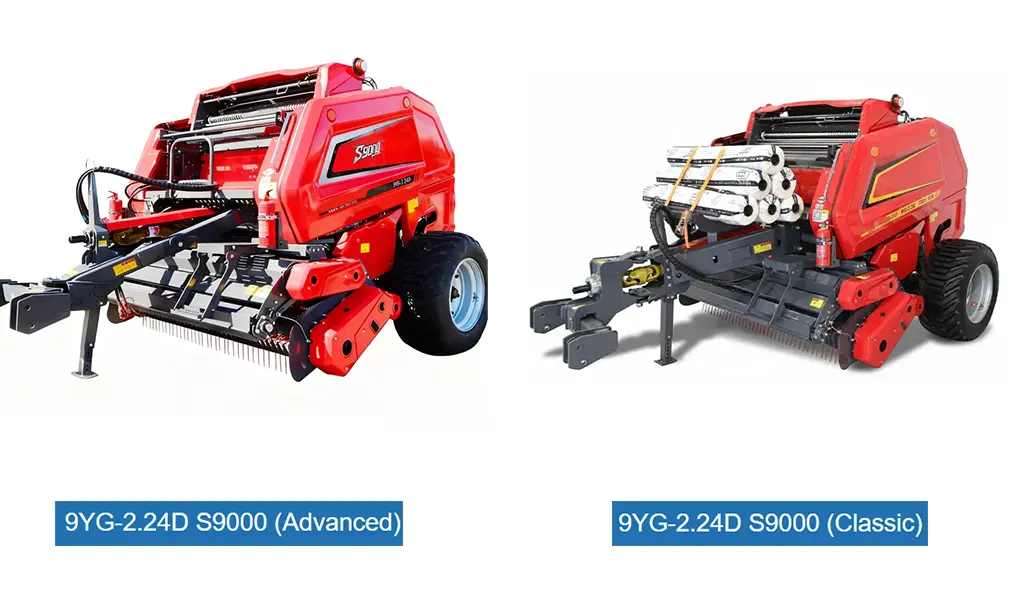
| 9YG-2.24D बेस / क्लासिक |
चर | 2.24 × 1.25 मीटर तक | 100–130 एचपी | 400–800 | वाणिज्यिक डेयरी चारा, चारे का पुनर्विक्रय, कस्टम बेलिंग ठेकेदार |
| 9YG-2.24D अल्ट्रा | चर | 2.24 × 1.25 मीटर तक | 120–150+ एचपी | 600–1,200+ | उच्च मात्रा वाले वाणिज्यिक, निर्यात घास कार्यक्रम, बड़े साइलेज ठेकेदार |
अक्सर पूछे जाने वाले प्रश्न: राउंड बेलर का चयन
व्यक्तिगत राउंड बेलर की सिफारिश प्राप्त करें
हमें अपने ट्रैक्टर, वार्षिक क्षेत्रफल (एकल एकड़ में) और मुख्य फसल के बारे में बताएं — हम आपके लिए उपयुक्त मॉडल का चयन करेंगे।
कैलिफ़ोर्निया स्थित हमारी टीम शिपमेंट से पहले आपके ट्रैक्टर के मॉडल और सीरियल नंबर के आधार पर उसकी अनुकूलता (एचपी, हिच श्रेणी, रियर पीटीओ आउटपुट) की पुष्टि करती है। प्रत्येक ऑर्डर के साथ फैक्ट्री से सीधे मूल्य, ISO 9001 गुणवत्ता प्रमाण पत्र, सेक्शन 179 इनवॉइस पैकेज और उसी सीज़न में पार्ट्स सपोर्ट शामिल है।
अमेरिका एवर-पावर फोरेज बेलर इक्विपमेंट इंक. | 1401 21वीं स्ट्रीट, सैक्रामेंटो, कैलिफोर्निया 95811
संपादक: सीएक्सएम


