
Cara Kerja Pengawet Jerami: Menghambat Panas dan Jamur
Ketika jerami dibal di atas kadar air 18%, aktivitas mikroba — jamur dan bakteri — mulai mengonsumsi kandungan karbohidrat dan protein jerami dalam proses pemanasan aerobik. Pemanasan biologis ini meningkatkan suhu inti jerami, memicu reaksi Maillard yang secara permanen mengikat protein ke material dinding sel, sehingga protein tersebut tidak tersedia secara nutrisi. Jerami juga kehilangan bahan kering melalui respirasi dan dapat mengembangkan titik panas yang melebihi 160°F dalam kasus yang parah — menciptakan risiko kebakaran saat penyimpanan.
Asam propionat dan pengawet asam organik menghambat populasi mikroba yang mendorong proses ini. Asam propionat—bahan aktif dalam sebagian besar pengawet jerami komersial—memiliki sifat antijamur dan antibakteri yang kuat pada konsentrasi yang diterapkan selama pengemasan jerami. Ketika didistribusikan secara merata ke seluruh massa jerami, asam propionat menekan perkecambahan jamur dan mengurangi respirasi bakteri hingga tingkat yang mencegah pemanasan signifikan bahkan pada tingkat kelembapan yang jika tidak akan menyebabkan penurunan kualitas yang parah.
Asam Propionat vs Asam Organik yang Dibuffer: Perbandingan Formulasi
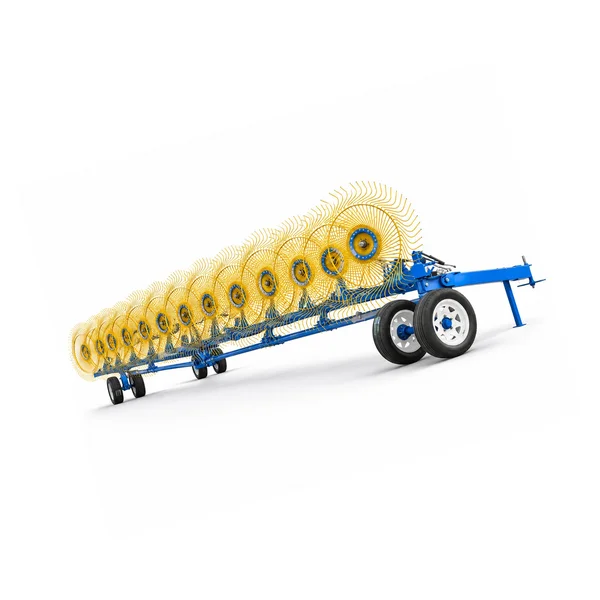
Senyawa penghambat aktif dalam hampir semua pengawet jerami komersial adalah asam propionat, tetapi produk-produk tersebut sangat bervariasi dalam bentuk asam ini — asam propionat murni, amonium propionat (dengan penyangga), atau campuran beberapa asam organik. Formulasi tersebut memengaruhi keamanan penanganan, kompatibilitas peralatan, efektivitas pada tingkat kelembaban tinggi, dan biaya per ton yang diolah.
Asam propionat murni atau mendekati murni (konsentrasi 80–99%). Aktivitas antijamur terkuat per satuan volume — membutuhkan laju aplikasi terendah untuk mencapai penghambatan. Bahaya penanganan yang signifikan — korosif terhadap kulit, mata, dan peralatan logam. Membutuhkan peralatan penyemprotan dari baja tahan karat atau polietilen densitas tinggi. Biaya per unit efektif lebih rendah daripada produk yang di-buffer. Korosi peralatan adalah kelemahan operasional utama; setiap semprotan yang bocor ke mesin pengepak atau peralatan di sekitarnya menyebabkan kerusakan korosi yang cepat.
Asam propionat dinetralkan dengan amonia untuk membentuk amonium propionat — bentuk garam yang berwujud cair pada suhu ruang. Jauh lebih aman untuk ditangani (tidak korosif dalam bentuk encer), kompatibel dengan peralatan semprot standar, dan jauh kurang korosif terhadap komponen logam mesin pengepak jerami. Konsentrasi asam propionat efektif per liter lebih rendah daripada asam murni, sehingga membutuhkan volume aplikasi yang lebih tinggi. Biaya per ton yang diolah lebih tinggi daripada asam murni, tetapi manfaat penanganan dan perlindungan peralatan membenarkan biaya tambahan tersebut untuk sebagian besar operasi skala pertanian.
| Jenis produk | Tingkat aplikasi (kelembapan 18–20%) | Perkiraan biaya/ton yang diolah | Persyaratan peralatan |
|---|---|---|---|
| Asam propionat murni | 2–4 pon/ton | $5–$8 | Pompa, selang, dan nozel berbahan baja tahan karat atau HDPE saja. |
| Amonium propionat (60%) | 4–8 pon/ton | $8–$13 | Peralatan semprot poli standar dapat diterima. |
| Campuran multi-asam | 4–6 pon/ton | $10–$16 | Sesuai label produk — biasanya peralatan semprot standar |
Tingkat Aplikasi berdasarkan Tingkat Kelembapan: Hubungan Dosis-Respons Kritis
Efektivitas pengawet bergantung pada dosis — semakin tinggi kadar air jerami, semakin banyak asam yang dibutuhkan untuk mencapai penghambatan karena ada lebih banyak air untuk menetralkan asam dan lebih banyak aktivitas mikroba yang perlu ditekan. Menggunakan tingkat aplikasi kadar air rendah pada jerami dengan kadar air tinggi menghasilkan penghambatan parsial: beberapa pemanasan ditekan, tetapi perlakuan tersebut tidak sepenuhnya mencegah penurunan kualitas. Ini adalah kesalahan lapangan yang paling umum dengan pengawet jerami.
| Kelembapan jerami | Tingkat aplikasi | Perkiraan biaya/ton | Hasil yang diharapkan |
|---|---|---|---|
| 15–18% (rentang kering ideal) | Tidak diperlukan | $0 | Tidak ada risiko pemanasan — simpan tanpa perawatan. |
| 18–20% | 4–5 pon/ton | $8–$10 | Pemanasan sepenuhnya ditekan dengan aplikasi yang benar. |
| 20–25% | 6–8 pon/ton | $12–$16 | Pemanasan berkurang secara signifikan; sedikit pemanasan mungkin masih tersisa pada tingkat kelembapan tertinggi. |
| >25% kelembapan | Tidak disarankan | — | Perlakuan tidak mencukupi di atas 25% — tunda pengemasan atau pertimbangkan opsi silase. |
Sistem Pendistribusian: Jenis, Kalibrasi, dan Masalah Umum
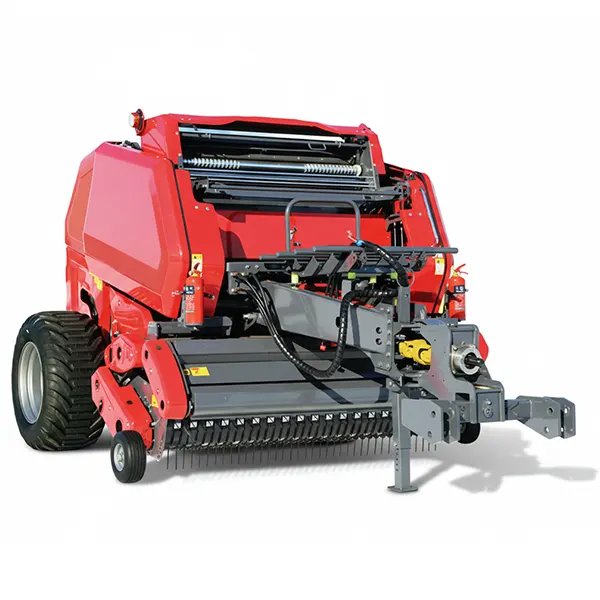
Sistem penyemprotan mengaplikasikan pengawet pada jerami di zona pengambilan mesin pengepak saat tumpukan jerami memasuki mesin. Agar pengawet efektif, pengawet harus terdistribusi secara merata di seluruh massa jerami — terkonsentrasi di satu zona dan tidak ada di zona lain menghasilkan penghambatan yang tidak merata, dengan bagian yang tidak diberi pengawet tetap menghasilkan panas. Kalibrasi sistem penyemprotan adalah langkah yang paling sering diabaikan dalam program pengawetan jerami.
Laju aplikasi secara otomatis menyesuaikan dengan kecepatan maju — perjalanan yang lebih cepat berarti lebih banyak hasil panen per menit yang masuk ke mesin pengepak, dan pompa penggerak tanah memberikan pengawet secara proporsional lebih banyak. Ini adalah pendekatan yang paling akurat karena mempertahankan laju konstan per ton terlepas dari variasi kecepatan. Sebagian besar sistem pengawet mesin pengepak OEM dan aftermarket menggunakan penggerak tanah. Kalibrasi dengan mengukur keluaran pompa aktual per meter perjalanan dan membandingkannya dengan laju target per ton hasil panen.
Pompa listrik menghasilkan laju aliran konstan tanpa memperhatikan kecepatan maju. Ketika kecepatan pengemasan jerami konsisten dan kepadatan tumpukan jerami konsisten, sistem laju konstan sudah memadai. Pada tumpukan jerami dengan kepadatan yang bervariasi atau lahan di mana kecepatan lapangan bervariasi, pengiriman laju konstan menghasilkan aplikasi berlebihan pada tumpukan jerami tipis (terlalu banyak pengawet per ton tanaman) dan aplikasi kurang pada tumpukan jerami padat (terlalu sedikit per ton). Paling baik digunakan dengan manajemen kecepatan yang konsisten dan kepadatan tumpukan jerami yang konsisten.
Perhitungan laju aplikasi didasarkan pada volume tangki yang digunakan dibandingkan dengan perkiraan total tonase yang dihasilkan, bukan dari pengukuran laju aliran langsung. Jika perkiraan hasil lapangan meleset sebesar 20%, maka laju aplikasi juga akan meleset dengan jumlah yang sama — menghasilkan perlakuan kurang (terjadi pemanasan) atau perlakuan berlebih (biaya lebih tinggi, potensi penurunan daya cerna akibat konsentrasi asam yang berlebihan pada jerami).
2. Ukur volume cairan yang dikumpulkan (ml). Konversi ke pon: asam propionat/amonium propionat = sekitar 8,3–8,8 pon/galon tergantung pada konsentrasi.
3. Perkirakan hasil panen per 50 kaki: Berat tumpukan per kaki (diukur dari sampel) × 50 kaki = pon hasil panen dalam tumpukan sepanjang 50 kaki.
4. Hitung jumlah pengawet dalam pon per ton: (lbs pengawet per 50 kaki ÷ lbs tanaman per 50 kaki) × 2.000 = lbs/ton tingkat aplikasi.
5. Sesuaikan langkah atau kecepatan pompa untuk mencapai target lbs/ton untuk tingkat kelembapan jerami yang terukur.
Aspek Ekonomi: Biaya Pengobatan vs Biaya Kehilangan Akibat Diabetes Melitus
Alasan finansial untuk penggunaan pengawet jerami cukup jelas: bandingkan biaya perawatan per ton dengan biaya kehilangan bahan kering (DM) dan kualitas yang dicegah oleh perawatan tersebut. Perawatan secara finansial dapat dibenarkan ketika kehilangan kualitas tanpa perawatan melebihi biaya perawatan — yang hampir selalu terjadi pada alfalfa dengan kadar air di atas 20%, dan sering terjadi pada jerami rumput premium di atas 18%.
Kerusakan akibat panas mengurangi RFV sebesar 20–30 poin → mutu turun dari Premium menjadi Baik → penurunan harga ~$30/ton. Kehilangan DM akibat pemanasan: tambahan ~8%. Pada bal 800 lb: kehilangan DM 64 lbs × ($220/2.000) = $7.04/bal Nilai DM yang hilang. Kualitas total + kehilangan DM: ~$14/bal
Pemanasan ditekan. Kualitas terjaga. Biaya perawatan: 6 lbs/ton × 0,4 ton per bal = 2,4 lbs bahan pengawet. Dengan harga produk $2/lb = $4.80/bal Biaya perawatan. Pemanasan dicegah. Kualitas tetap terjaga pada tingkat Premium.
$14.00 kualitas/kerugian DM yang dicegah − $4.80 biaya pengobatan = $9.20/bal keuntungan bersih untuk pengolahanDengan pengolahan 500 bal per musim: $4.600 keuntungan bersih dari program pengawetan.
Nilai yang tertera adalah nilai ilustratif berdasarkan harga jerami dan kadar air yang disebutkan. Lakukan perhitungan yang sama dengan nilai jerami dan biaya perawatan aktual Anda untuk memastikan kelayakan ekonomi untuk situasi spesifik Anda.
Data kehilangan bahan kering (DM) penyimpanan yang mendukung perbandingan ini — termasuk tingkat kehilangan DM akibat kerusakan panas dibandingkan dengan jerami yang disimpan dengan benar — terdapat di panduan penyimpanan bal bundarSeluruh keputusan manajemen kualitas jerami, mulai dari pemotongan hingga penyimpanan yang menentukan mutu akhir dan nilai pasar, terdapat dalam... panduan cara meningkatkan kualitas jeramiSpesifikasi PTO dan sistem penggerak untuk mesin pemotong dan pengondisi jerami pada peralatan produksi jerami terdapat di Spesifikasi komponen gearbox pertanian dan sistem penggerak PTO..
Alternatif yang Disetujui Organik dan Antimikroba Alami
Pengawet asam propionat konvensional tidak disetujui untuk digunakan dalam produksi jerami organik bersertifikat berdasarkan aturan USDA NOP. Produsen organik yang perlu memperpanjang jangka waktu pengemasan jerami mereka memiliki beberapa pilihan yang menggunakan antimikroba yang diizinkan atau pendekatan pengelolaan fisik daripada asam sintetis yang dilarang.
Beberapa campuran asam organik yang diformulasikan dari sumber alami yang disetujui (asam asetat/berbasis cuka, asam laktat, asam format dari sumber alami) terdaftar di OMRI dan sesuai dengan NOP. Efektivitasnya bervariasi — sebagian besar produk yang disetujui untuk pertanian organik memberikan penghambatan yang memadai pada kadar air 18–21% tetapi kurang efektif di atas 22% dibandingkan asam propionat konvensional. Verifikasi daftar OMRI dan persetujuan sertifikasi sebelum aplikasi pertama pada lahan organik.
Inokulan bakteri (galur Lactobacillus) dapat diaplikasikan pada jerami saat pengemasan untuk menciptakan penghambatan kompetitif — bakteri yang dimasukkan bersaing dengan jamur dan bakteri yang tidak diinginkan untuk mendapatkan substrat. Hasil penelitian lebih bervariasi daripada perlakuan asam; efikasi lebih tinggi pada jerami dengan kadar air di atas 20% di mana keunggulan kompetitif inokulan lebih besar. Beberapa produk inokulan yang terdaftar di OMRI disetujui untuk penggunaan organik — pastikan status sertifikasi dengan lembaga sertifikasi Anda sebelum digunakan.
Jika tidak ada bahan pengawet yang disetujui atau efektif untuk tingkat kelembapan yang ada, alternatifnya adalah: menunda pengemasan hingga kelembapan turun ke kisaran aman (di bawah 18% untuk jerami yang disimpan tanpa perlakuan); mengemas pada kelembapan menengah (20–22%) dan menyebarkan bal dalam penyimpanan luar ruangan satu lapis dengan celah sirkulasi udara untuk memungkinkan pengeringan berkelanjutan; atau mengalihkan bahan yang terlalu basah untuk dikemas menjadi silase dengan pembungkus film daripada jerami kering.
Keselamatan Peralatan dan Manajemen Korosi untuk Pendistribusian Asam
Asam propionat dan pengawet asam organik bersifat korosif terhadap logam tertentu dan memerlukan pengelolaan peralatan yang cermat untuk mencegah kerusakan pada mesin pengepak dan sistem pengeluaran. Asam propionat murni sangat agresif — bahkan kontak singkat dengan komponen logam besi menyebabkan karat permukaan dalam hitungan jam, dan paparan berulang tanpa pembilasan menghasilkan korosi lubang pada permukaan yang terkena.
Bilas seluruh sirkuit pengeluaran dengan air bersih di akhir setiap hari operasi — tangki, pompa, selang, dan nosel. Alirkan air bilas melalui seluruh sirkuit hingga air jernih keluar dari nosel. Kegagalan membilas memungkinkan asam untuk tetap berada di sirkuit semalaman, menyebabkan korosi pada bagian dalam pompa dan mengikis lubang nosel. Pembilasan selama 5 menit di akhir hari mencegah kerusakan korosi yang membutuhkan waktu berjam-jam untuk diperbaiki. Untuk sistem asam propionat murni, lanjutkan pembilasan dengan minyak mineral setelah pembilasan air untuk melapisi sirkuit dengan lapisan pelindung korosi.
Asam propionat murni (konsentrasi di atas 20%): semua komponen yang bersentuhan dengan cairan harus terbuat dari baja tahan karat (lebih disukai grade 316), HDPE, atau karet Viton. Jangan gunakan fitting baja karbon standar, komponen galvanis, atau kuningan — semuanya akan cepat berkorosi jika bersentuhan dengan asam propionat pekat. Amonium propionat (produk yang di-buffer): komponen HDPE, polipropilen, dan PVC dapat diterima. Selang karet standar kurang memadai — gunakan selang poliuretan atau HDPE yang diperkuat untuk daya tahan dengan produk asam yang di-buffer.
Pertanyaan yang Sering Diajukan (FAQ) tentang Pengawet Jerami
Dapatkan Panduan Sistem Pengawet dan Mesin Pengepak untuk Situasi Kelembapan Anda
Beri tahu kami tanaman utama Anda, kisaran kadar air pengemasan yang umum, dan sistem pendistribusian yang Anda gunakan. Kami akan mengkonfirmasi tingkat perawatan yang tepat untuk kondisi Anda dan konfigurasi pendistribusian yang memberikan cakupan konsisten di seluruh lebar pengambilan mesin pengemas jerami Anda.
Editor: Cxm


