
Mengapa Teff Memiliki Keunggulan Struktural NSC Dibandingkan Semua Tanaman Hay Umum Lainnya?
Teff (Eragrostis tefTeff (Teff) adalah rumput tahunan musim hangat yang berasal dari dataran tinggi Ethiopia, tempat rumput ini telah dibudidayakan untuk biji-bijian selama ribuan tahun. Dalam produksi jerami di AS, teff memasuki pasar sebagai tanaman khusus untuk pasar kuda pada tahun 2000-an dan terus berkembang pesat sepanjang tahun 2010-an dan 2020-an karena prevalensi sindrom metabolik kuda (EMS) dan kuda dengan disregulasi insulin pada populasi kuda domestik telah menciptakan permintaan yang konsisten untuk jerami dengan kandungan NSC yang rendah secara konsisten. Alasan mengapa teff menduduki posisi ini secara konsisten bersifat struktural, bukan hanya bergantung pada manajemen.
| Spesies jerami | Kisaran tipikal NSC | NSC dalam kondisi stres | Apakah aman untuk kuda EMS? | CP pada tahap jerami |
|---|---|---|---|---|
| Rumput teff | 5–10% | 6–12% | Biasanya ✓ | 8–15% |
| Rumput Bermuda | 6–14% | 8–18% | Biasanya, uji dulu. | 8–14% |
| Timotius | 8–18% | 12–26% | Membutuhkan pengujian | 7–11% |
| Rumput kebun | 10–20% | 14–28% | Membutuhkan pengujian | 10–15% |
| Alfalfa | 8–16% | 10–20% | Dengan pengujian; masalah Ca:P | 18–24% |
Kandungan NSC rendah pada teff bukanlah semata-mata hasil pengelolaan—melainkan konsekuensi dari jalur fotosintesis C4 spesies ini dan pola alokasi karbon metabolismenya. Sebagai rumput musim hangat yang berasal dari dataran tinggi Ethiopia, teff berevolusi dalam kondisi yang menghambat akumulasi fruktan (karbohidrat larut air) dalam jumlah besar di jaringannya. Teff tidak mengakumulasi fruktan seperti halnya rumput musim dingin selama stres dingin atau pertumbuhan musim semi yang cepat, dan kadar NSC alaminya lebih rendah daripada rumput musim hangat lainnya pada tahap pertumbuhan yang setara. Ini berarti bahwa operator yang mengelola jerami teff tidak perlu secara obsesif mengatur waktu pemotongan ke periode NSC rendah yang sempit—tanaman ini secara inheren memiliki kandungan NSC yang lebih rendah di seluruh rentang panennya, memberikan fleksibilitas pengelolaan yang lebih besar daripada spesies lain sekaligus menghasilkan produk yang dapat dibeli dengan percaya diri oleh pemilik kuda yang memiliki masalah metabolisme.
Pemilihan Varietas Teff: Apa yang Tersedia dan Apa Artinya bagi Produksi
Keragaman varietas teff dalam produksi jerami di AS lebih sederhana daripada yang diperkirakan banyak produsen — dan kurang terdiferensiasi dalam hal kualitas pakan dibandingkan dengan seleksi varietas untuk rumput abadi. Penelitian dari universitas negeri secara konsisten menunjukkan bahwa pengelolaan (waktu pemotongan, tinggi pemotongan, kesuburan) memiliki dampak lebih besar pada kualitas jerami teff daripada seleksi varietas di sebagian besar lingkungan produksi AS. Diferensiasi varietas utama adalah antara tipe yang lebih cepat matang dan yang lebih lambat matang, yang memengaruhi panjang produksi musiman dan kemampuan adaptasi regional.
Benih teff yang paling banyak tersedia di saluran pasokan pertanian AS. Konsisten secara agronomis di seluruh wilayah produksi. Terdokumentasi dengan baik dalam penelitian penyuluhan. Kualitas jerami pada tahap pembentukan bulir biasanya CP 10–14%, NSC 6–10%. Cocok untuk 2–3 kali panen per musim di sebagian besar wilayah produksi AS. Ini adalah titik awal yang tepat untuk petani teff tahun pertama — data kinerja tersedia, rantai pasokan telah mapan, dan tingkat penanaman telah dikarakterisasi dengan baik.
Mencapai tahap pembentukan malai 5–10 hari lebih awal daripada Tiffany, memungkinkan pemanenan pertama lebih awal dan berpotensi pemanenan tambahan di akhir musim di wilayah utara di mana musim tanam lebih pendek. Data uji coba universitas AS terbatas dibandingkan dengan Tiffany. Hasil panen per pemanenan biasanya 10–15% lebih rendah daripada jenis standar. Paling cocok untuk petani di wilayah utara (Colorado, Nebraska, Iowa, Illinois utara) di mana panjang musim tanam membatasi total produksi dari jenis yang matang lebih lambat.
Varietas teff berduri cokelat dengan kandungan lignin yang lebih rendah telah menunjukkan potensi dalam uji coba terbatas untuk peningkatan daya cerna, tetapi hingga tahun 2025–2026 belum ada benih teff BMR yang tersedia secara komersial yang didistribusikan di pasar jerami AS dalam skala besar. Jangan samakan klaim pemasaran untuk benih teff "khusus" tertentu dengan genetika BMR yang telah divalidasi secara komersial — mintalah data uji coba universitas sebelum membayar harga benih premium untuk varietas yang mengklaim pengurangan lignin atau peningkatan daya cerna yang tidak didukung oleh uji coba lapangan yang berulang.
Penanaman Teff: Tingkat Penyemaian, Waktu Penanaman, dan 30 Hari Pertama yang Kritis
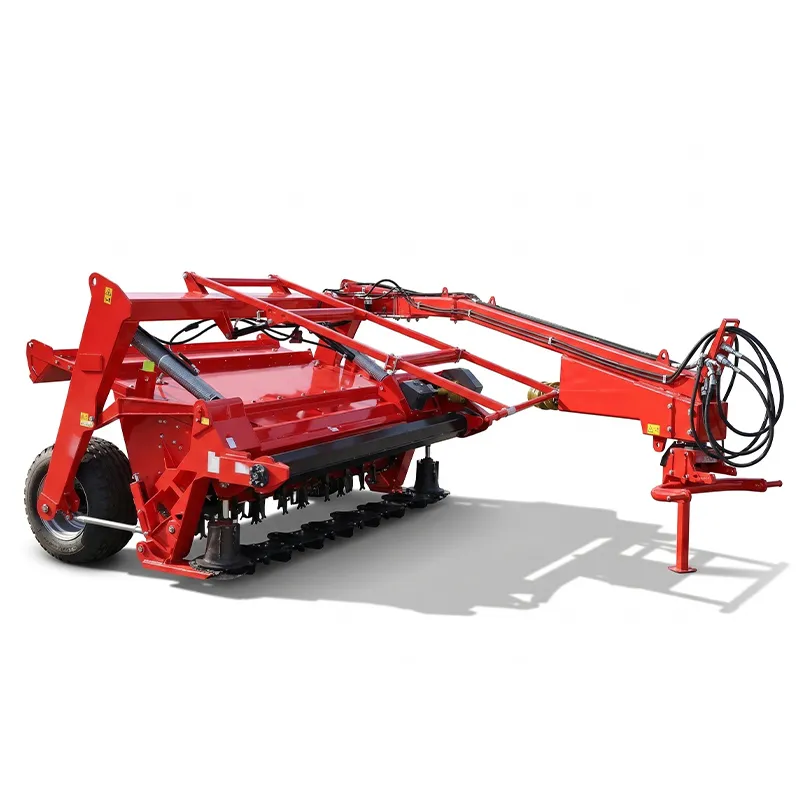
Penanaman teff merupakan aspek yang paling menantang secara teknis dalam produksi jerami teff bagi petani yang terbiasa menanam tanaman dengan biji berukuran lebih besar. Dengan sekitar 1,3 juta biji per pon, biji teff cukup halus untuk dituang melalui wadah garam — yang berarti alat penanam biji standar yang dikalibrasi untuk alfalfa atau biji rumput akan menabur teff secara berlebihan, dan satu kali kesalahan kalibrasi dapat menabur lima kali lipat dari laju penaburan yang diinginkan, membuang benih yang mahal dan menghasilkan tegakan yang terlalu tebal yang roboh sebelum dipanen pertama kali.
Tingkat penyemaian target: 0,25–0,5 pon benih hidup murni (PLS) per acreBanyak rekomendasi penyuluhan menyebutkan 0,5–1,0 lb/acre sebagai kisaran yang lebih luas, tetapi batas bawahnya umumnya memadai dan lebih ekonomis dengan benih yang harganya $3–$6/lb. Pada 0,5 lb/acre, Anda menaburkan sekitar 650.000 benih per acre — lebih dari cukup untuk pertumbuhan yang kompetitif jika perkecambahan dan kondisi lahan tanam baik.
Suhu tanah minimum: 65°F (bukan suhu udara — suhu tanah pada kedalaman 2 inci). Ini biasanya berarti penyemaian tidak dilakukan lebih awal dari akhir Mei di sebagian besar wilayah Midwest dan Great Plains, dan pertengahan Juni di negara bagian bagian utara. Pada suhu tanah di bawah 65°F, perkecambahan tidak menentu dan lambat, memungkinkan bibit gulma muncul lebih dulu daripada teff dan mendominasi tegakan sebelum teff dapat menutup kanopi.
Kedalaman penanaman: maksimum ¼ inci. Benih teff tidak dapat berkecambah dari kedalaman lebih dari ½ inci. Kontak tanah yang padat sangat penting — lakukan pemadatan tanah dengan rol atau alat pemadat setelah penyemaian. Penyemaian secara acak diikuti dengan pemadatan tanah efektif pada lahan yang lebih kecil di mana alat tanam presisi tidak tersedia, asalkan curah hujan atau irigasi terjadi dalam 3–5 hari setelah penyemaian.
Waktu Pemotongan: Musim Pemotongan 2 Kali vs 3 Kali dan Kualitas pada Setiap Tahap
Jadwal panen teff ditentukan oleh dua faktor yang saling berinteraksi: waktu dari penyemaian hingga panen pertama (biasanya 45–60 hari tergantung pada suhu dan varietas), dan interval pertumbuhan kembali antara panen berikutnya (25–35 hari). Di sebagian besar wilayah produksi AS, tanggal penyemaian 20 Mei–1 Juni menghasilkan panen pertama pada pertengahan Juli dan memungkinkan dua panen berikutnya pada bulan Agustus dan September sebelum risiko embun beku menghentikan pertumbuhan — total tiga panen. Penyemaian yang lebih lambat (pertengahan Juni) mungkin hanya memungkinkan dua panen. Di wilayah Selatan yang dalam (zona 8+), empat panen dimungkinkan dari penyemaian akhir April.
Pengeringan Teff: Tanaman Jerami Komersial yang Paling Cepat Kering — dan Jendela Waktu Pengeringan yang Paling Sempit
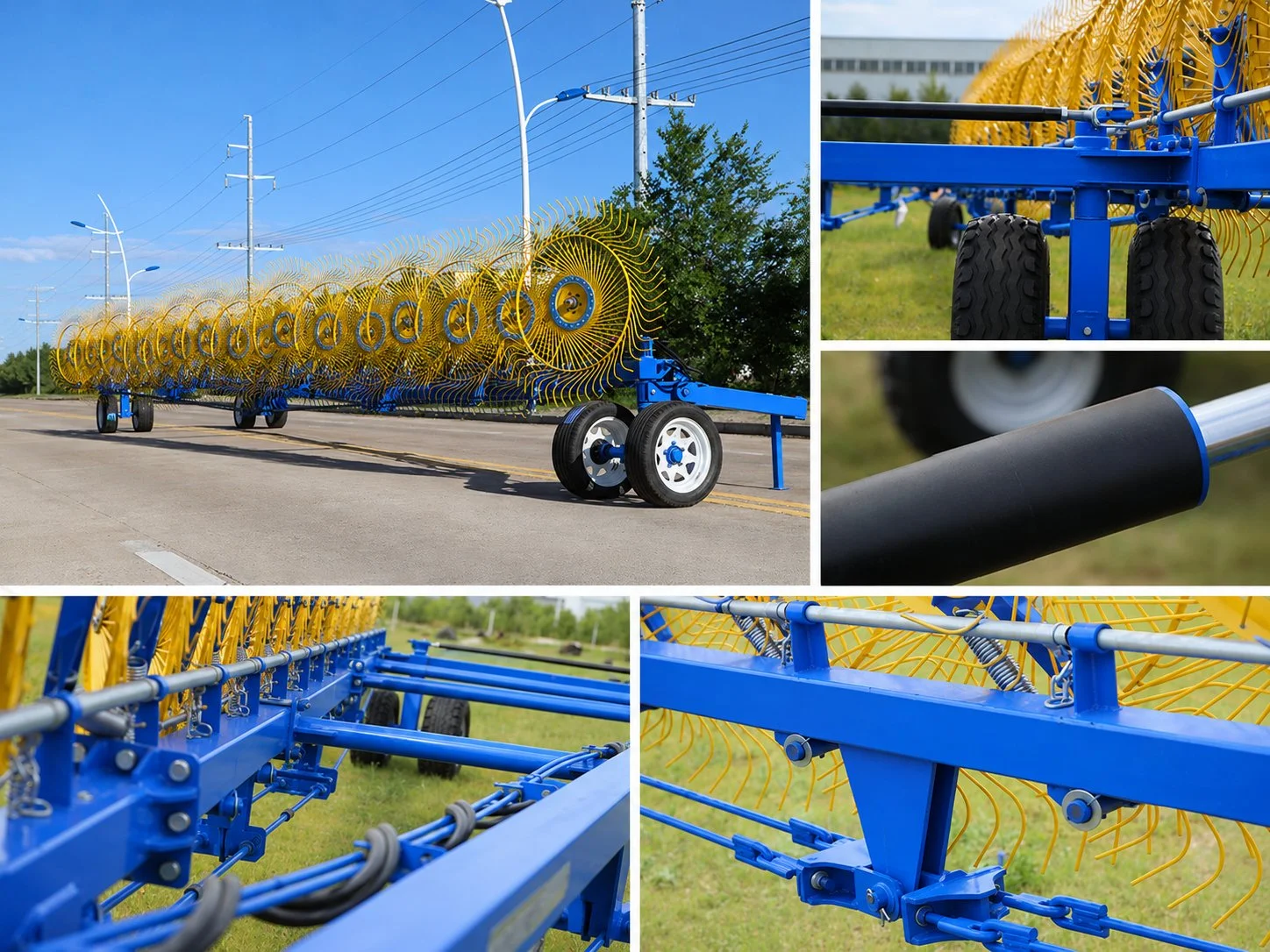
Batang teff yang sangat halus—terhalus dari semua tanaman jerami yang diproduksi secara komersial—menciptakan sebuah paradoks: karakteristik yang sama yang membuat jerami menjadi lembut, enak, dan disukai kuda juga membuatnya mengering dengan sangat cepat dan hancur berantakan ketika dibal dalam keadaan terlalu kering. Memahami perilaku pengeringan ini adalah pengetahuan operasional terpenting bagi produsen jerami teff yang sebelumnya hanya bekerja dengan alfalfa atau rumput bermuda.
Pada 4 jam setelah pemotongan: 35–45%
Pada 8 jam setelah pemotongan: 22–30%
Pada 14–18 jam setelah pemotongan: 14–17% (jendela pengemasan)
Pada 20–22 jam setelah pemotongan: 10–12% (terlalu kering, risiko daun rontok)
Setelah 24 jam lebih pasca pemotongan: <10% (jangan dibal)
Pengeringan dengan alat perata (tedding) justru kontraproduktif untuk teff dalam sebagian besar kondisi. Karena teff mengering sangat cepat, material mencapai ambang batas kerapuhan kritis (di bawah kadar air 18%) sebelum sebagian besar operator biasanya mempertimbangkan pengeringan dengan alat perata—pada titik ini, pengadukan dengan alat perata menyebabkan fragmentasi batang dan pecahnya daun yang parah, bukannya meningkatkan sirkulasi udara. Jika pengeringan dengan alat perata benar-benar diperlukan (tumpukan padat dalam kondisi lembap), lakukan pengeringan dalam waktu 1–2 jam setelah pemotongan saat material masih lentur. Setelah 4 jam pasca pemotongan, batang sudah sebagian kering dan pengeringan dengan kecepatan alat perata yang umum menyebabkan penurunan kualitas.
Pengaturan Mesin Pengepak Bal untuk Teff: Mengapa Pengaturan Alfalfa Anda Salah untuk Tanaman Ini
Batang teff yang halus dan kepadatan curah yang rendah menciptakan tantangan pengemasan yang berlawanan dengan rumput bermuda atau jerami jagung: tumpukan jerami terlihat besar dan tebal tetapi beratnya relatif ringan per kaki kubik, menyebabkan sensor kepadatan dan sistem pegas mesin pengemas merespons secara tidak tepat jika diatur untuk tanaman yang lebih padat. Operator yang memasuki tumpukan jerami teff dengan pengaturan alfalfa biasanya menghasilkan bal jerami yang tampak berukuran tepat tetapi kurang berat dan rapuh secara struktural — bal jerami yang akan berubah bentuk selama penyimpanan dan lapisan luarnya akan terkelupas pada minggu pertama.
Tingkatkan tegangan pegas kepadatan 15–25% di atas pengaturan alfalfa
Batang teff yang halus relatif mudah dikompresi tetapi tidak memiliki ikatan struktural yang menahan daun alfalfa dalam massa yang padat. Untuk mencapai kepadatan bal yang memadai — menargetkan 8–10 pon per kaki kubik, yang untuk bal 4×5 menghasilkan 500–628 pon — membutuhkan tegangan pegas yang lebih tinggi daripada volume bal alfalfa yang sama. Sinyal kepadatan berbasis berat pada mesin pengepres bal akan aktif lebih awal untuk teff karena material tersebut terkompresi terhadap dinding rol tanpa mencapai kepadatan sebenarnya — tegangan pegas tambahan mengoreksi hal ini dengan menuntut kompresi aktual yang lebih besar sebelum bal diizinkan untuk mengembang hingga diameter penuh.
Gunakan bal jerami ukuran 4x4, bukan 4x5 atau 5x5.
Bal jerami teff berukuran 4x4 yang dipadatkan dengan baik memiliki berat 400–550 lbs — mudah ditangani di kandang kuda tanpa menggunakan skid loader, yang merupakan profil pembeli yang tepat untuk jerami teff premium. Bal jerami teff berukuran 5x5 dengan kepadatan yang setara memiliki berat 800–900 lbs, yang tidak jauh lebih berat dan membutuhkan lebih banyak peralatan untuk memindahkannya di kandang. Peternakan kuda yang merupakan pasar utama untuk jerami teff hampir selalu lebih menyukai bal yang lebih kecil; ukuran 4x4 sangat sesuai dengan peralatan dan manajemen mereka.
Pembungkus jaring adalah hal yang wajib untuk teff.
Balok teff yang dibungkus dengan tali secara struktural rentan dibandingkan balok alfalfa atau rumput bermuda. Batang-batang halusnya memberikan sedikit struktur internal untuk menahan kompresi lokal pada posisi tali, menyebabkan balok membentuk bentuk seperti tong atau kacang dalam minggu pertama penyimpanan karena material di antara ikatan tali bergeser ke luar. Pembungkus jaring memberikan penahan terus menerus di seluruh keliling balok, menjaga bentuk balok dan mencegah pengelupasan lapisan luar yang membuat balok teff yang dibungkus tali menjadi masalah penyimpanan. Untuk mesin pengepak jerami bundar Digunakan dalam produksi teff, pastikan bahwa sistem pembungkus jaring dapat menerapkan lapisan pembungkus yang memadai (minimal 2 lapisan tumpang tindih penuh disarankan untuk tanaman berbatang tipis).
Kurangi kecepatan masuk untuk barisan teff.
Teff pada tahap pembentukan bulir penuh dengan kadar air yang cukup (16–18%) menghasilkan barisan yang relatif berat dan padat — lebih padat per kaki daripada yang diperkirakan berdasarkan berat batang individu tanaman yang rendah, karena batang-batang halus tersebut saling menempel rapat. Memasuki barisan ini dengan kecepatan alfalfa normal (5–6 mph) dapat membebani alat pengumpul dan menyebabkan material terlipat di atas ujung gigi daripada terangkat dengan bersih. Masuki barisan teff dengan kecepatan 3–4 mph dan pantau dengan cermat keterlibatan gigi pengumpul selama beberapa lintasan pertama. Spesifikasi sistem penggerak PTO yang memengaruhi kecepatan penggerak pengumpul pada berbagai kecepatan tanah terdapat pada Spesifikasi komponen gearbox pertanian dan sistem penggerak PTO..
Pengujian dan Dokumentasi NSC: Standar Pasar Kuda yang Membenarkan Penetapan Harga Premium
Premi pasar untuk jerami teff—yang dapat mencapai 2–3 kali lipat harga jerami timothy dengan kualitas setara—sepenuhnya didukung oleh dokumentasi NSC yang diberikan oleh uji pakan ternak. Tanpa uji yang secara khusus mencakup nilai WSC dan Pati, penjual tidak memiliki dasar terdokumentasi untuk klaim NSC, dan pembeli kuda dengan kuda metabolik tidak memiliki dasar terdokumentasi untuk pembelian mereka. Uji ini bukan pilihan untuk penetapan harga premium; ini adalah seluruh justifikasi untuk perbedaan harga tersebut.
- Kadar air (pada saat pengambilan sampel)
- Protein kasar (CP)
- ADF dan NDF (indikator daya cerna)
- WSC — karbohidrat yang larut dalam air
- Pati (NSC = WSC + Pati)
- Energi yang dapat dicerna kuda (DE) — gunakan formula untuk kuda, bukan untuk sapi.
- Kandungan abu (indikator kontaminasi tanah)
Ambil sampel setiap lot secara terpisah — jangan gabungkan sampel dari pemotongan yang berbeda, ladang yang berbeda, atau tanggal pemotongan yang berbeda. NSC dapat bervariasi 3–5 poin persentase antar lot dari ladang yang sama yang dipotong dua minggu terpisah. Gunakan alat pengambil sampel inti jerami untuk mengambil 20+ inti yang didistribusikan secara acak di seluruh lot, gabungkan menjadi satu sampel, dan kirimkan dalam waktu 48 jam dalam keadaan dingin. Panduan interpretasi uji hijauan — termasuk cara membaca nilai WSC dan Pati serta menghitung NSC — ada di Panduan hasil analisis hijauan dan uji jerami.
Saluran Pemasaran dan Penetapan Harga: Siapa yang Membayar Berapa untuk Jerami Teff yang Terdokumentasi
Jerami teff pada dasarnya memiliki dua kategori pasar: pembeli jerami kuda yang menghargai dokumentasi NSC rendah, dan semua orang lainnya. Pasar "semua orang lainnya" — ternak sapi, ternak umum, penjualan komoditas — membayar jerami teff sama dengan jerami rumput berkualitas setara, yang tidak menghasilkan keuntungan dari kompleksitas pengelolaan dan biaya penanaman tahunan yang dibutuhkan teff. Kasus ekonomi untuk produksi teff sepenuhnya bergantung pada akses ke pasar kuda dengan harga premium. Jika wilayah Anda memiliki kepadatan pasar kuda yang tidak mencukupi untuk menjual teff dengan harga $150+/ton, maka ekonomi jerami teff tidak akan menguntungkan.
| Jenis pembeli | Kisaran harga per ton | Dokumen yang dibutuhkan | Catatan |
|---|---|---|---|
| Pemilik kuda dengan EMS/laminitis | $180–$230 | Tes NSC diperlukan | Sebagian besar bersedia membayar premi tertinggi; seringkali akan menandatangani kontrak reguler jika kualitasnya konsisten. |
| Kandang kuda yang melayani kuda dengan masalah metabolisme. | $160–$210 | Tes NSC + konsistensi lot | Pembeli dalam jumlah besar; konsistensi harga per lot lebih penting daripada harga per lot. |
| Pemilik kuda pada umumnya (yang mudah dirawat) | $130–$175 | Tes bermanfaat tetapi tidak wajib. | Membayar untuk merek teff, bukan secara khusus untuk dokumentasi NSC. |
| Peternakan/komoditas umum | $60–$90 | Tidak ada | Pasar ini tidak membenarkan ekonomi produksi teff — hindari sebagai saluran utama. |
Protokol penyimpanan yang menjaga kualitas jerami teff tetap optimal sepanjang siklus penjualan — mempertahankan warna hijau, meminimalkan kehilangan lapisan luar, dan melindungi keakuratan uji pakan ternak dari satu lot hingga penjualan — terdapat dalam Panduan penyimpanan jerami bundar dan kehilangan bahan kering..
Ekonomi Jerami Teff: Kapan Biaya Penanaman Tahunan Layak Dilakukan
Kendala ekonomi mendasar dari jerami teff — dan alasan mengapa tanaman ini tetap menjadi tanaman khusus dan bukan pengganti rumput bermuda atau timothy dalam produksi komersial — adalah karena tanaman ini merupakan tanaman tahunan yang harus ditanam kembali setiap tahun. Tidak seperti alfalfa (produktif selama 5–8 tahun) atau rumput bermuda (10–15 tahun), seluruh investasi penanaman teff dilakukan untuk produksi satu musim dan harus diulang dengan biaya yang sama pada tahun berikutnya.
Persiapan lahan tanam: $30–$55
Operasi penyemaian: $12–$20
Pupuk (minimal — teff dengan input rendah): $20–$45
Memotong, merapikan, membalut (3 kali pemotongan): $75–$120
Pengujian (3 lot di $25): $75
Tanah (sewa atau biaya peluang): $60–$150
Total biaya: $275–$465/acre
Teff secara ekonomi dapat dibenarkan jika: (a) Anda memiliki hubungan pasar kuda yang mapan yang secara konsisten membayar $160+/ton, (b) wilayah Anda kekurangan alternatif jerami rendah NSC yang andal (teff mungkin satu-satunya pilihan rendah NSC yang konsisten di wilayah lembap di mana NSC rumput bermuda bervariasi), atau (c) Anda menggunakan teff untuk mendiversifikasi risiko produksi bersama tanaman jerami tahunan daripada sebagai monokultur utama. Operasi yang memproduksi teff bersama rumput bermuda atau alfalfa menggunakan fleksibilitas tahunan teff untuk menanggapi permintaan pasar tanpa harus mengalokasikan lahan tegakan tahunan ke satu tingkat kualitas saja.
Pertanyaan yang Sering Diajukan (FAQ) tentang Jerami Rumput Teff
Dapatkan Pengaturan Baler untuk Produksi Jerami Rumput Teff
Beri tahu kami ukuran bal jerami yang Anda targetkan, jumlah pemotongan yang direncanakan, dan target pasar (pembeli kuda EMS, kandang penitipan kuda, atau pasar kuda umum). Kami akan mengkonfirmasi penyesuaian pegas kepadatan, konfigurasi pembungkus jaring, dan pengaturan kecepatan pengambilan yang menghasilkan bal jerami teff yang konsisten dan layak jual dari sistem produksi Anda.
Editor: Cxm


