
La Sezione 179 del Codice Tributario statunitense è una delle disposizioni più favorevoli agli agricoltori nel diritto tributario degli Stati Uniti. Consente alle aziende di dedurre l'intero costo di acquisto di attrezzature idonee, tra cui presse per fieno, falciatrici, rastrelli, spandifieno e altre attrezzature per la lavorazione del foraggio, nell'anno in cui l'attrezzatura viene messa in servizio, anziché recuperare tale costo secondo il piano di ammortamento MACRS di 7 anni che si applicherebbe altrimenti. Per gli agricoltori e i contoterzisti che finanziano l'acquisto di attrezzature, questa deduzione anticipata può generare un risparmio fiscale immediato che riduce di fatto il costo netto, al netto del finanziamento, delle nuove attrezzature nell'anno di acquisto.
Cos'è la Sezione 179 e perché è importante per gli acquirenti di attrezzature
Senza la Sezione 179, una pressa da $45.000 acquistata nel 2026 verrebbe ammortizzata secondo il piano MACRS di 7 anni: circa $6.400 nel primo anno, $11.000 nel secondo anno, $7.900 nel terzo anno e così via. L'intero costo di $45.000 viene infine recuperato, ma il beneficio fiscale è distribuito su 7 anni, fornendo piccole detrazioni in ciascuno di questi anni anziché una grande detrazione nell'anno di acquisto.
La Sezione 179 consente all'agricoltore di scegliere di dedurre interamente i 1.000 dollari di ammortamento nel primo anno. Se l'azienda agricola rientra nella fascia di reddito federale 241.000, la deduzione immediata di 45.000 dollari di ammortamento genera un risparmio fiscale di 10.800 dollari nell'anno di acquisto, somma che altrimenti sarebbe dovuta ad aprile. Il compromesso è che non saranno disponibili ulteriori deduzioni per ammortamento dal secondo al settimo anno, poiché l'intero costo base è stato dedotto nel primo anno. Il beneficio fiscale totale per tutta la durata di vita dell'attrezzatura è lo stesso in entrambi i casi: la Sezione 179 sposta semplicemente la maggior parte di tale beneficio nel primo anno, quando il flusso di cassa in uscita per l'attrezzatura è maggiore.
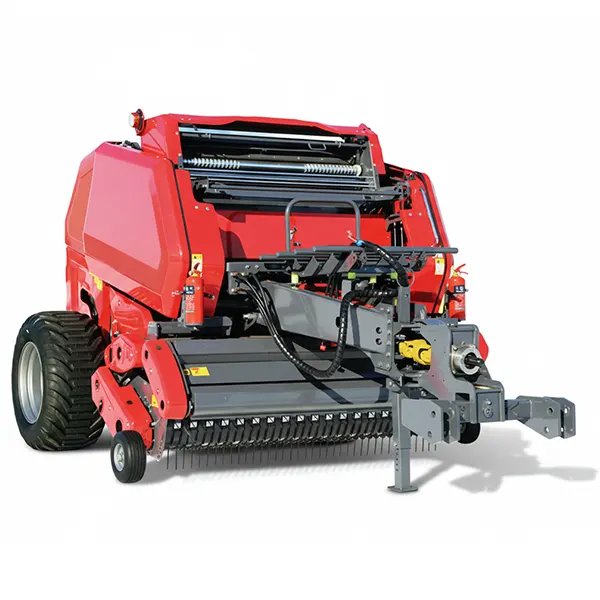
Quali attrezzature per la fienagione e la raccolta del foraggio sono ammissibili ai sensi della Sezione 179 nel 2026?
La maggior parte dei beni mobili materiali utilizzati in un'attività agricola rientra nell'ambito di applicazione della Sezione 179. Per le attività di fienagione e foraggiamento, ciò include:
Le presse rotonde, le presse quadrate di grandi dimensioni e le combinazioni pressa-avvolgitrice per insilato utilizzate nell'attività agricola sono considerate beni di cui alla Sezione 179. Anche le falciatrici a dischi, le falciatrici a barra, le falciatrici-condizionatrici, i rastrelli per fieno, gli spandifieno e i trasportatori di balle sono considerati beni mobili materiali utilizzati in agricoltura.
Anche le raccoglitrici di fagioli, i trituratori di foraggio e altre attrezzature specializzate per le colture sono ammissibili se utilizzate in un'azienda agricola a scopo di lucro. Le attrezzature devono essere nuove o usate: sia le attrezzature nuove che quelle di seconda mano sono ammissibili per la Sezione 179 (a differenza dell'ammortamento accelerato, che ha regole specifiche per i beni usati).
Le condizioni di ammissibilità sono: il bene è un bene mobile materiale; è utilizzato per scopi aziendali per una percentuale superiore a quella prevista dalla sezione 50%; è messo in servizio durante l'anno fiscale; e l'azienda ha un reddito imponibile sufficiente ad assorbire la detrazione. La soglia di utilizzo aziendale prevista dalla sezione 50% significa che le attrezzature utilizzate in parte per scopi personali (come un trattore occasionalmente utilizzato per la rimozione della neve a scopo personale) possono beneficiare della detrazione solo in base alla percentuale di utilizzo aziendale.
Limiti e norme sull'ammortamento accelerato previsti dalla Sezione 179 per il 2026
Il limite di deduzione previsto dalla Sezione 179 per l'anno fiscale 2026 è di 1.220.000 dollari (indicizzato rispetto alla base di 500.000 dollari per l'inflazione). Ciò significa che un'azienda agricola può dedurre fino a 1.220.000 dollari di attrezzature ammissibili in un singolo anno fiscale ai sensi della Sezione 179, nel rispetto del limite di reddito d'impresa. La riduzione graduale inizia a 3.050.000 dollari di beni ammissibili totali messi in servizio, il che significa che la deduzione si riduce di un dollaro per ogni dollaro una volta che il totale delle attrezzature messe in servizio supera tale soglia in un anno. Per la maggior parte delle singole aziende agricole che acquistano da una a diverse attrezzature, nessuno dei due limiti rappresenta un vincolo pratico.
Il limite al reddito d'impresa è il vincolo principale per molte piccole aziende agricole: la Sezione 179 non consente di generare una perdita operativa netta. Se la tua azienda agricola ha un reddito imponibile di 30.000 dollari e acquisti una pressa per balle da 45.000 dollari, puoi dedurre 30.000 dollari ai sensi della Sezione 179 (assorbendo completamente il reddito imponibile), ma devi riportare i restanti 15.000 dollari agli anni successivi. Questo si distingue dall'ammortamento accelerato, che può creare o aumentare una perdita operativa netta ed essere riportato indietro o in avanti.
L'ammortamento accelerato nel 2026 si applica al 40% della base rettificata dopo l'applicazione della Sezione 179 (in calo rispetto al 60% del 2024 e in graduale diminuzione annuale fino a 0% nel 2027 secondo la normativa vigente). L'ammortamento accelerato si applica alla base rimanente dopo l'applicazione della Sezione 179 e si applica automaticamente a meno che l'azienda non scelga di non applicarlo. La combinazione della Sezione 179 e dell'ammortamento accelerato consente alla maggior parte delle aziende agricole di dedurre 80% o più del costo di un nuovo acquisto di attrezzature nell'anno di acquisto, secondo le attuali norme del 2026.
Esempi pratici: Costo al netto delle imposte per tre diversi livelli di prezzo delle apparecchiature
I tre scenari seguenti illustrano come la deduzione accelerata prevista dalla Sezione 179 e dal regime 40% si combinino per ridurre il costo effettivo delle attrezzature per la fienagione nell'anno fiscale 2026. Tutti gli scenari presuppongono un'aliquota fiscale effettiva combinata federale e statale pari a quella prevista dal regime 24% e un reddito d'impresa sufficiente ad assorbire interamente la deduzione prevista dalla Sezione 179.
| Fase di calcolo | Scenario A Pressa compatta $20.000 |
Scenario B Pressa di fascia media $45.000 |
Scenario C Sistema completo $85.000 |
|---|---|---|---|
| Prezzo di acquisto dell'attrezzatura | $20,000 | $45,000 | $85,000 |
| Detrazione ai sensi della Sezione 179 (opzione di adesione completa) | $20,000 | $45,000 | $85,000 |
| Risparmio fiscale con l'aliquota effettiva 24% | $4,800 | $10,800 | $20,400 |
| costo netto delle attrezzature al netto delle imposte | $15,200 | $34,200 | $64,600 |
| Riduzione effettiva del prezzo | 24% | 24% | 24% |
Si presume l'applicazione integrale della Sezione 179 per le attrezzature aziendali 100% con un reddito aziendale sufficiente ad assorbire la deduzione. L'aliquota effettiva combinata 24% è a scopo illustrativo: il risparmio fiscale effettivo dipende dall'aliquota marginale, dalla conformità dello stato alla Sezione 179 e dalla struttura aziendale. L'interazione con l'ammortamento accelerato non è mostrata sopra (applicabile alla base residua se non si applica integralmente la Sezione 179). Consultare un consulente fiscale per la propria situazione specifica.
In pratica, il concetto è semplice: con un'aliquota fiscale effettiva combinata federale e statale del 24%, la Sezione 179 riduce il costo netto delle attrezzature per la fienagione di circa $0,24 per ogni $1,00 speso. Per le fasce di reddito più elevate (dal 28 al 32%), il risparmio è proporzionalmente maggiore. Questa riduzione effettiva del prezzo è il motivo per cui molti produttori di fieno programmano gli acquisti di attrezzature importanti negli anni con un reddito imponibile più elevato: maggiore è l'aliquota marginale, più vantaggiosa è la deduzione immediata.
Pianifica l'acquisto delle attrezzature per ottenere la massima detrazione fiscale.

Il requisito temporale per la Sezione 179 è che l'attrezzatura deve essere messa in servizio, ovvero disponibile per l'uso nell'attività aziendale, durante l'anno fiscale per il quale si richiede la detrazione. Per un'azienda agricola con anno solare, ciò significa che l'attrezzatura acquistata e ricevuta entro il 31 dicembre dell'anno dà diritto alla detrazione per quell'anno, anche se la prima stagione di utilizzo inizia nell'anno successivo. Un ordine effettuato a novembre con consegna confermata entro il 31 dicembre soddisfa, nella maggior parte dei casi, il requisito di messa in servizio per quell'anno fiscale.
L'acquisto di attrezzature a fine anno per anticipare le detrazioni previste dalla Sezione 179 negli anni di reddito più elevato è una pratica standard di pianificazione fiscale agricola. Se prevedete un reddito agricolo significativamente più alto nel 2026 rispetto al 2027, a causa di prezzi dei raccolti più elevati, una stagione di pressatura a contratto particolarmente favorevole o la vendita di un terreno, acquistare attrezzature prima del 31 dicembre e optare per la Sezione 179 massimizza il valore di tale detrazione quando l'aliquota marginale è più alta.
Vale anche la strategia opposta: se si prevede un anno in perdita o un reddito significativamente inferiore, posticipare l'acquisto di un'attrezzatura all'anno successivo consente di mantenere la detrazione per un anno in cui si dispone di un reddito da compensare. La Sezione 179 non può generare una perdita operativa netta: la detrazione è limitata al reddito imponibile, quindi un acquisto in un anno con reddito prossimo allo zero o in perdita produce un valore fiscale immediato inferiore rispetto allo stesso acquisto in un anno con reddito elevato.
Combinazione della Sezione 179 con il finanziamento agricolo
Uno degli aspetti più vantaggiosi dal punto di vista fiscale della Sezione 179 è che le attrezzature finanziate si qualificano per intero nell'anno di acquisto. Se finanziate una pressa da 45.000 dollari con un acconto di 5.000 dollari e un prestito per attrezzature di 4 anni per i restanti 40.000 dollari, potete comunque optare per la Sezione 179 sull'intero importo di 45.000 dollari nell'anno di acquisto, e non solo sull'acconto di 5.000 dollari. Il risparmio fiscale di 10.800 dollari (al tasso di interesse di 241) si realizza immediatamente, mentre l'esborso di cassa dei restanti 40.000 dollari viene ripartito su 4 anni di rate del prestito.
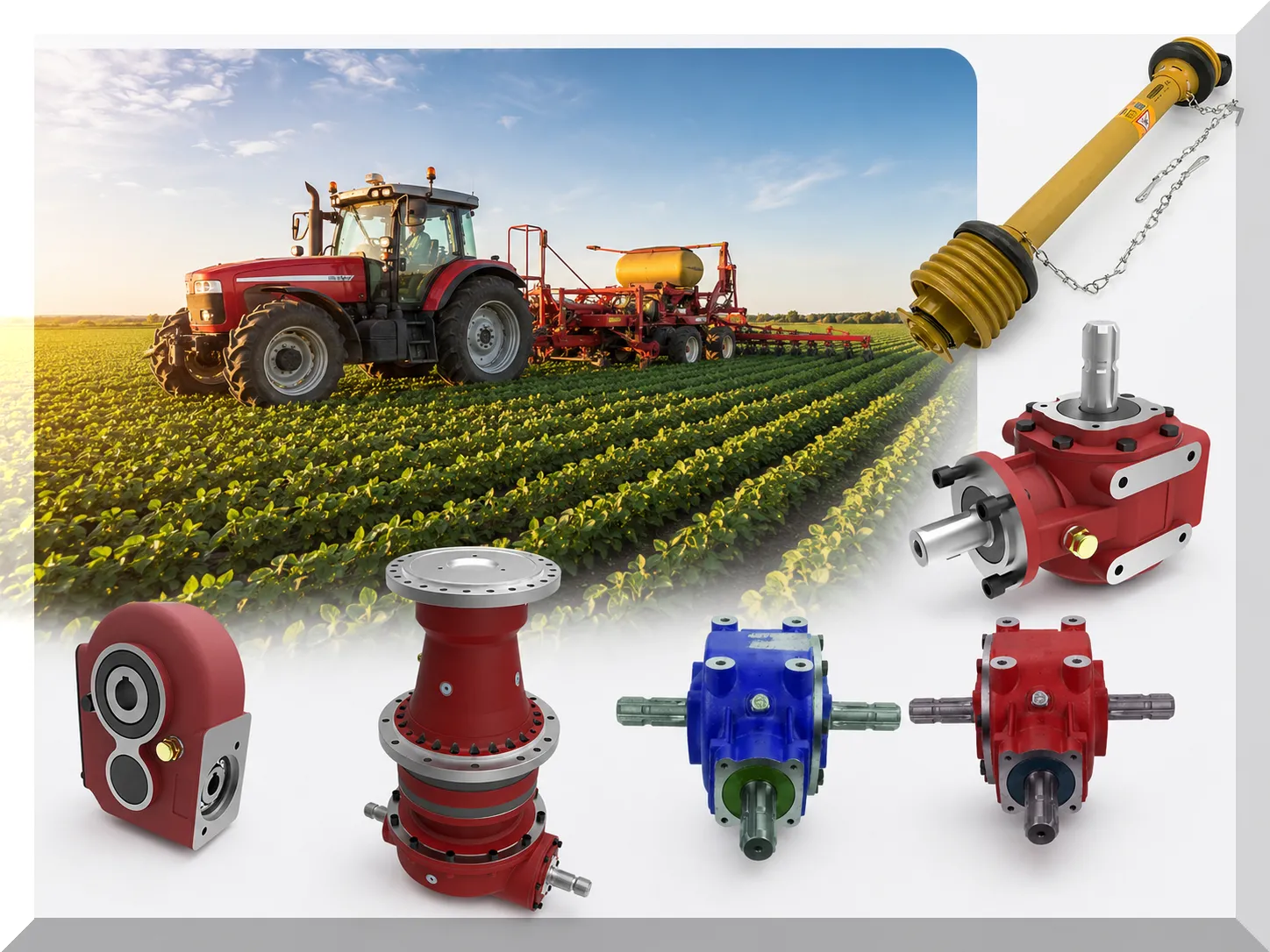
Questa combinazione — deduzione immediata completa su un acquisto finanziato — è la struttura che genera il profilo di flusso di cassa più favorevole per gli acquisti di attrezzature. Il costo netto al netto delle imposte nel primo anno è pari all'acconto più le rate del prestito del primo anno meno il risparmio fiscale. In molti casi, questo rende il costo effettivo in contanti del primo anno di una nuova attrezzatura significativamente inferiore a quanto suggerito dal prezzo di acquisto. Riduttori e apparecchiature di trasmissione agricole che fa parte del sistema di pressatura si qualifica anche separatamente come proprietà personale materiale ammissibile ai sensi della Sezione 179 nella maggior parte degli scenari di acquisto dei componenti.
Documentazione richiesta per una richiesta ai sensi della Sezione 179
La Sezione 179 si esercita tramite il Modulo IRS 4562 (Ammortamento e deprezzamento), da allegare al Modulo 1040 Allegato F (per le ditte individuali) o al Modulo 1065/1120 (per le società di persone o le società di capitali). I documenti richiesti a supporto dell'esercizio dell'opzione prevista dalla Sezione 179 per le attrezzature agricole sono i seguenti:
Una fattura d'acquisto o un atto di vendita che riporti la descrizione dell'attrezzatura, il prezzo d'acquisto, la data d'acquisto e le informazioni sul venditore. Per le attrezzature acquistate, si tratta della fattura commerciale standard che accompagna qualsiasi acquisto di attrezzature: non è richiesta ulteriore documentazione oltre a quella normalmente fornita dal venditore. Prova dell'uso aziendale: per le attrezzature agricole utilizzate presso un indirizzo aziendale, questa prova è generalmente evidente e supportata dai registri del reddito aziendale (Allegato F) che mostrano l'utilizzo di attrezzature per fieno e foraggio da parte dell'azienda. Per le attrezzature con un utilizzo misto personale e aziendale, un registro contemporaneo delle ore di utilizzo aziendale e personale supporta la percentuale di utilizzo aziendale dichiarata.
Per gli acquisti di attrezzature effettuati presso la nostra azienda, forniamo una fattura commerciale standard con la descrizione dell'attrezzatura, il numero di telaio (VIN) o di serie, il prezzo di acquisto e la data di acquisto: tutte le informazioni necessarie per supportare l'opzione prevista dalla Sezione 179 nella dichiarazione dei redditi. La documentazione relativa alla Sezione 179 è inclusa in ogni ordine senza costi aggiuntivi.
Sfoglia la nostra gamma di rotopresse per visualizzare i modelli disponibili con specifiche e prezzi che il vostro consulente fiscale potrà utilizzare per una pianificazione anticipata ai sensi della Sezione 179 prima che la decisione di acquisto sia definitiva.

Domande frequenti

La documentazione relativa alla Sezione 179 è inclusa in ogni ordine di apparecchiature.
Ogni acquisto di attrezzature dalla nostra azienda è accompagnato da una fattura commerciale contenente tutte le informazioni necessarie al vostro commercialista per supportare l'opzione prevista dalla Sezione 179: descrizione dell'attrezzatura, numero di serie, prezzo di acquisto e data di consegna. I prezzi di fabbrica, senza ricarichi da parte dei rivenditori, significano che una quota maggiore del prezzo di acquisto è destinata al costo deducibile dell'attrezzatura e una quota minore al margine dell'intermediario.
America Ever-Power Forage Baler Equipment INC. | 1401 21st ST STE R, Sacramento, CA 95811
Redattore: Cxm


