
La pressatura della paglia, che sia di grano, orzo, stocchi di mais o avena, con una pressa rotopressa configurata per la produzione di fieno richiede una serie di regolazioni specifiche. Le proprietà fisiche della paglia sono fondamentalmente diverse da quelle del fieno: minore densità apparente, maggiore contenuto di silice, maggiore fragilità e assenza di coesione tra i singoli steli. Lavorare la paglia con una pressa configurata per il fieno produce balle a bassa densità che si deformano durante lo stoccaggio, riempiono la camera in modo non uniforme e possono causare intasamenti del raccoglitore che interrompono la pressatura nel momento peggiore. Le regolazioni sono semplici una volta compreso il motivo per cui sono necessarie.
Perché la paglia si comporta in modo diverso nella camera di pressatura
Gli steli di fieno hanno un contenuto di umidità naturale (anche con un'umidità da 15 a 201 TP5T, ideale per la pressatura), flessibilità e un certo grado di coesione tra gli steli: si uniscono e si legano tra loro durante la formazione della balla, consentendo lo sviluppo di un nucleo compatto e denso fin dal primo materiale che entra nella camera di pressatura. La paglia, invece, è stata essiccata sul campo fino a raggiungere un'umidità da 8 a 121 TP5T, risultando fragile e rigida anziché flessibile, e non presenta praticamente alcuna coesione naturale tra gli steli. I singoli steli di paglia non si incastrano come quelli di fieno, ma si dispongono in strati paralleli anziché avvolgersi l'uno intorno all'altro.
La conseguenza pratica è che i nuclei delle balle di paglia si formano in modo lasco e non raggiungono la densità di una balla di fieno alla stessa pressione della camera di pressatura. Per compensare, la pressatura della paglia richiede una pressione della camera di pressatura più elevata (maggiore tensione del nastro o maggiore compressione dei rulli), una velocità di avanzamento inferiore per consentire l'accumulo di una maggiore quantità di materiale per ciclo di pressatura e un maggior numero di passaggi della rete per mantenere unita la balla, meno coesa, e proteggerla dalla pressione del trasporto e dell'impilamento. L'elevato contenuto di silice della paglia accelera inoltre l'usura del nastro e dei denti di raccolta rispetto al fieno d'erba: un fattore che incide sui costi di manutenzione e che dovrebbe essere considerato nella valutazione economica della pressatura regolare della paglia su una macchina dedicata al fieno.
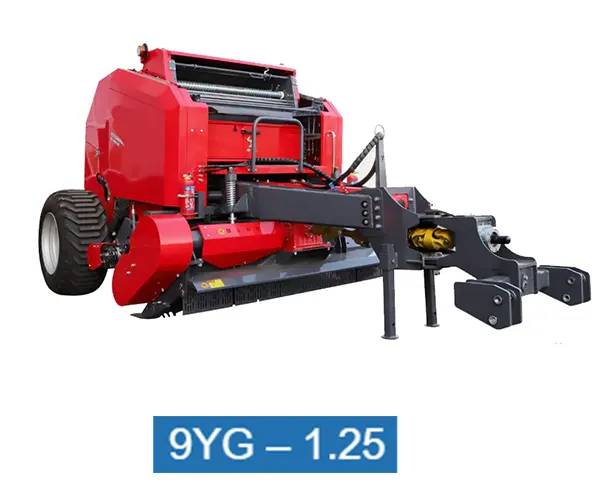
Impostazioni della pressa per paglia o per fieno: la tabella di regolazione completa
| Parametro | Paglia di grano | Stocchi di mais | Fieno misto (di riferimento) |
|---|---|---|---|
| velocità al suolo | 6–9 km/h | 5–8 km/h | 8–14 km/h |
| velocità PTO | Standard 540 giri/min | Standard 540 giri/min | Standard 540 giri/min |
| pressione della camera / tensione della cinghia | Alto — aumentare di 20–30% rispetto all'impostazione fieno | Alto — aumento 25–40% | Impostazione degli standard |
| Obiettivo di densità delle balle | 120–150 kg/m³ | 100–130 kg/m³ | 170–220 kg/m³ |
| Passaggi di avvolgimento della rete | 2–3 passaggi (aumentare di 1 passaggio rispetto al fieno) | 2–3 passaggi | 1-2 passaggi standard |
| Altezza di prelievo | Alzare di 10–15 mm rispetto all'impostazione per il fieno | Alzare di 15–20 mm; preferibile utilizzare denti distanziati. | Spazio libero standard di 25-50 mm |
Le regolazioni sono punti di partenza; la messa a punto si basa sui risultati della formazione delle balle nelle prime 5 balle di ogni campo. La densità delle balle di paglia varia significativamente con l'altezza delle stoppie della mietitrebbia, il tempo trascorso dalla raccolta (la fragilità della paglia aumenta con il prolungato tempo di asciugatura del campo) e la ridistribuzione della densità delle andane dovuta al vento. Guida alla scelta della rete per la copertura Copre la selezione del peso della pellicola e del grado di protezione UV per le applicazioni su paglia.
Gestione della raccolta: prevenire l'intasamento delle andane di paglia a bassa densità
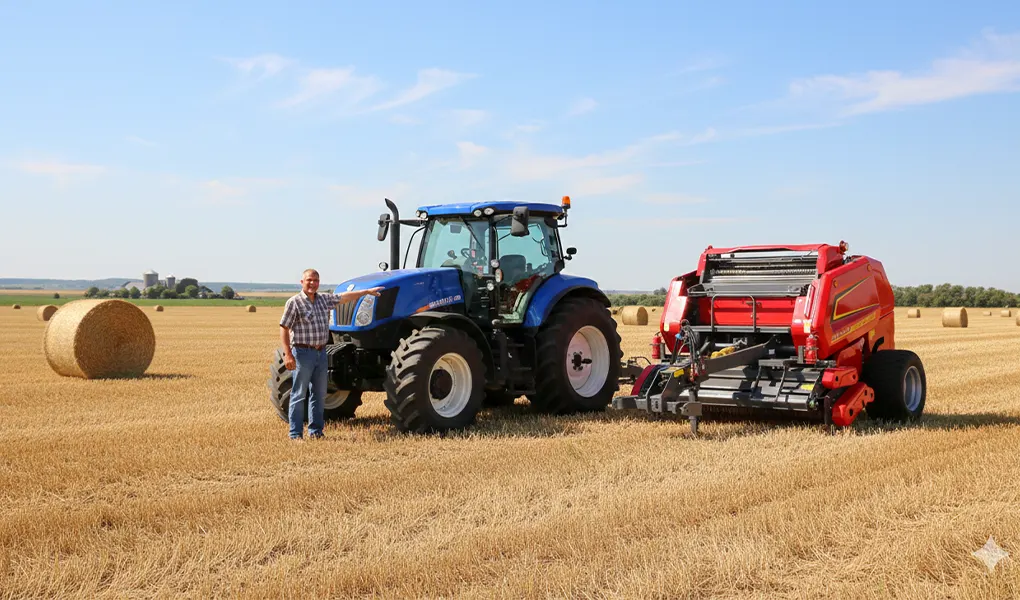
Il problema operativo più comune nella pressatura della paglia è l'intasamento del raccoglitore, ovvero l'accumulo di paglia davanti al rullo di raccolta anziché un flusso continuo nella zona di alimentazione. L'intasamento si verifica perché l'andana leggera e piatta non fornisce una massa di paglia uniforme ai denti alla velocità necessaria per un riempimento regolare della camera. Due regolazioni operative prevengono la maggior parte degli intasamenti:
Innanzitutto, aumenta la velocità del rullo di raccolta rispetto alla velocità di avanzamento: la velocità periferica del rullo dovrebbe essere da 20 a 30% superiore alla velocità di avanzamento sulla paglia, rispetto a 10-20% sul fieno. La maggiore velocità relativa dei denti aiuta a raccogliere in modo più efficace la paglia leggera e sparsa prima che possa ridistribuirsi davanti al raccoglitore. In secondo luogo, mantieni un'altezza di contatto del raccoglitore maggiore sulle andane di paglia rispetto a quelle di fieno: le andane di paglia sono in genere più piatte e basse di quelle di fieno, e un raccoglitore impostato per l'altezza di contatto con il fieno taglierà la superficie del campo e raccoglierà terra, aumentando drasticamente il contenuto di ceneri nelle balle e riducendo il valore di mercato.
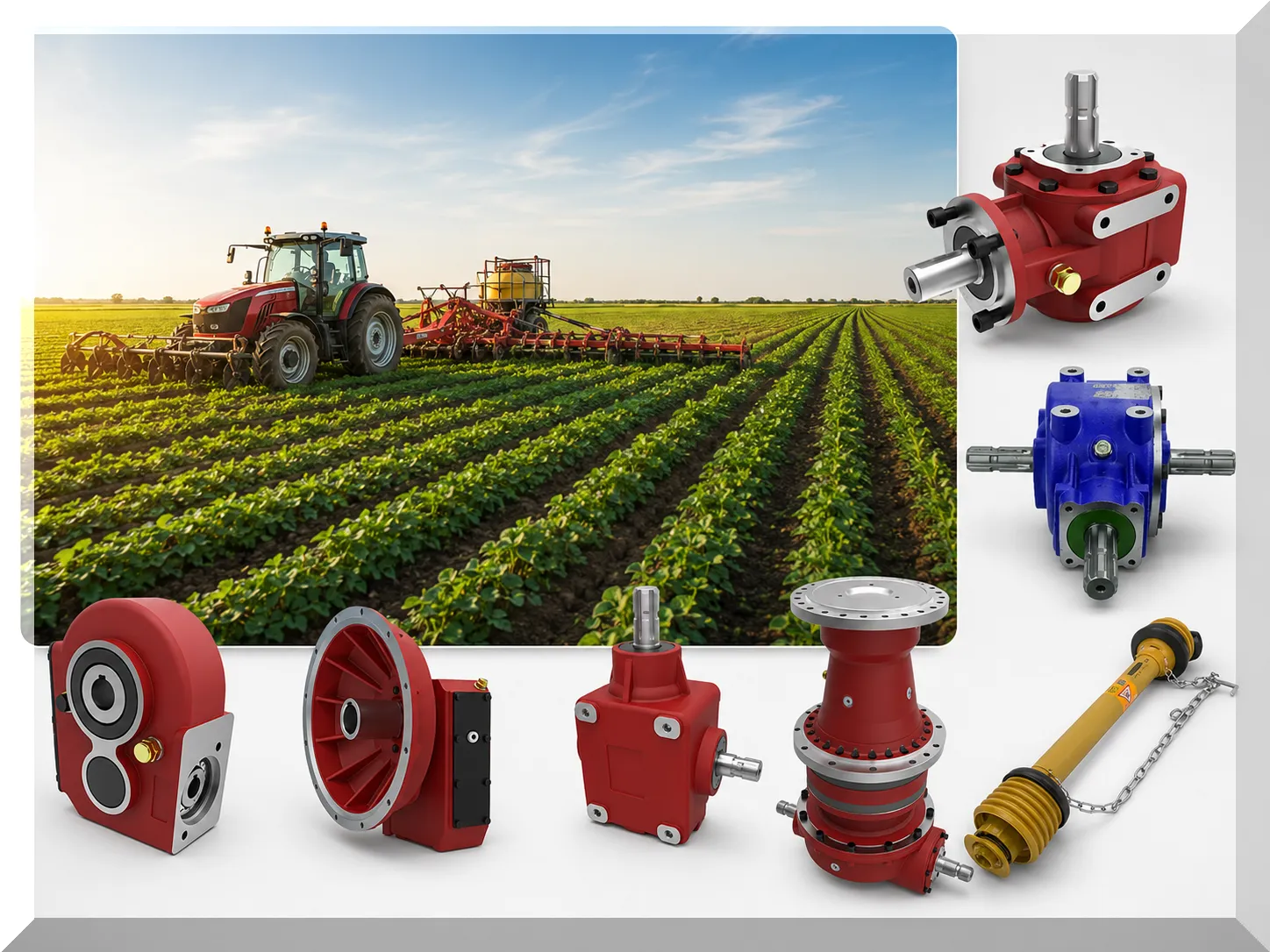
IL Pressa per balle base 9YG-2.24D S9000 abbinato a una tensione della cinghia e a impostazioni di altezza di raccolta appropriate, gestisce la paglia di grano in modo efficiente alle velocità operative descritte sopra. Componenti della trasmissione e del cambio della presa di forza agricola A causa del maggiore carico di abrasione da silice sui componenti delle presse utilizzate regolarmente per la paglia, a metà stagione è opportuno controllare che le presse non presentino un'usura eccessiva, soprattutto in presenza di paglia.
Canali di mercato e parametri di riferimento dei prezzi della paglia nel 2026
I prezzi della paglia sul mercato sono aumentati considerevolmente in diverse regioni degli Stati Uniti nel periodo compreso tra il 2023 e il 2025, trainati da una forte domanda in tre principali canali di mercato:
La paglia per lettiera è il principale mercato interno. Gli allevamenti di bovini da latte e pollame utilizzano grandi quantità di paglia per la lettiera delle stalle a stabulazione libera e per i sistemi di lettiera. La paglia di grano in buone condizioni (bassa umidità, basso contenuto di ceneri, assenza di muffa) spunta in genere prezzi da $40 a $90 per tonnellata in azienda nel Midwest e nell'Upper Midwest, con prezzi più elevati nelle aree in cui la produzione locale è limitata e i costi di trasporto sono alti. La specifica qualitativa chiave per la paglia da lettiera è il basso contenuto di ceneri: la paglia imballata all'altezza di galleggiamento corretta senza scavo superficiale spunta prezzi superiori da $10 a $20 per tonnellata rispetto alle balle ad alto contenuto di ceneri nella maggior parte dei rapporti di vendita diretta con i produttori di latte.
Le balle di paglia per il controllo dell'erosione e la costruzione di strade rappresentano un mercato di nicchia che paga prezzi elevati in specifiche aree geografiche. Le specifiche dei dipartimenti stradali e dei cantieri edili spesso richiedono paglia certificata priva di erbe infestanti con densità da 100 a 180 libbre/balla, un prezzo superiore rispetto alla paglia da lettiera standard che può raggiungere da $0.15 a $0.25 per libbra per il prodotto certificato. L'accesso a questo mercato richiede in genere la registrazione presso un dipartimento statale dei trasporti o dell'agricoltura e il rispetto di specifici standard di umidità e densità.
I mercati di esportazione del fieno, principalmente Giappone e Corea, richiedono sempre più spesso la paglia di grano come integratore alimentare per il bestiame. La paglia di grano statunitense esportata verso i mercati asiatici per l'alimentazione del bestiame ha un prezzo compreso tra 120 e 180 £ per tonnellata metrica FOB porto della costa occidentale per un prodotto di qualità superiore che soddisfa i requisiti di certificazione fitosanitaria. Si tratta di un mercato che richiede qualità costante, conformità alle certificazioni e specifiche di formato delle balle (in genere balle quadrate di grandi dimensioni per ottimizzare il carico dei container), ma per le grandi aziende produttrici di paglia di grano negli Stati Uniti occidentali, il sovrapprezzo rispetto ai prezzi della lettiera nazionale può giustificare i costi aggiuntivi di movimentazione e certificazione.
Il compromesso del carbonio nel suolo: quanta paglia si può rimuovere?
La rimozione della paglia riduce la sostanza organica restituita al suolo dopo il raccolto, un fattore che incide sulla salute del suolo a lungo termine e, sempre più spesso, sul rispetto dei requisiti dei programmi di colture di copertura e di salute del suolo nelle aziende agricole iscritte ai programmi di conservazione del suolo dell'USDA. Le ricerche condotte dalle università nelle regioni del Corn Belt e del Wheat Belt dimostrano costantemente che la rimozione continua della paglia senza un adeguato apporto di sostanza organica accelera il declino della sostanza organica del suolo, in particolare nei terreni a tessitura leggera.
Una regola pratica empirica derivante dalla ricerca di divulgazione agricola del Midwest e delle Grandi Pianure: la rimozione di 50 l/5 tonnellate di residui colturali (imballando un'andana sì e una no, anziché tutte) mantiene un contenuto di sostanza organica pressoché stabile nella maggior parte dei terreni, se combinata con un sistema di lavorazione minima. La rimozione di 100 l/5 tonnellate di residui su terreni con un basso livello di sostanza organica di base (inferiore a 2,5 l/5 tonnellate di sostanza organica) e senza un programma di colture di copertura rischia di accelerare sensibilmente il declino della sostanza organica entro 5-7 stagioni. Per le aziende agricole con terreni ad alto contenuto di sostanza organica (superiore a 4,0 l/5 tonnellate) e con rotazioni di colture di copertura consolidate, la rimozione completa della paglia può essere economicamente e agronomicamente giustificabile. Prima di adottare la rimozione completa dei residui come pratica a lungo termine, si consiglia di consultare lo specialista del suolo del servizio di divulgazione agricola statale.
Domande frequenti
Configurare una rotopressa per programmi di pressatura di paglia, residui colturali o miscele di fieno e paglia.
Il nostro team statunitense conferma il modello corretto, le specifiche di tensione della cinghia e la configurazione di raccolta in base al volume di paglia e al mercato di riferimento, verificando la disponibilità dei ricambi dal nostro magazzino in California prima della spedizione di qualsiasi ordine.
Redattore: Cxm


