
Why Alfalfa Demands More Precision Than Any Other Hay Crop
Alfalfa is not simply green hay — it is a protein-dense legume that changes nutritional composition rapidly in the days around bloom, loses 40–60% of its leaf content under harsh handling, and builds mold within 24 hours of being baled at even slightly elevated moisture. Every decision from cutting day to bale delivery either preserves or destroys the value that the plant accumulated during the growing season.
The market consequences are direct. Premium first-cut alfalfa baled correctly and sold to horse buyers returns $10–18 per bale. The same alfalfa baled late at the wrong moisture, with significant leaf loss, returns perhaps $5–8 per bale into cattle hay channels — or is refused outright by quality-conscious equine buyers. The production steps below are not guidelines; they are the management practices that separate premium-grade product from commodity hay.
Step 1: Cutting Stage — When to Mow for Maximum Value
The 10% Bloom Rule and Why It Exists
The most widely used cutting guideline for alfalfa is the 10% bloom stage — mow when approximately one in ten plants in the field shows an open flower. At this growth stage, alfalfa stem cell walls have not yet fully lignified, the leaf-to-stem ratio is at its seasonal peak and the crude protein content typically sits at 18–22% of dry matter. Waiting for 50% or full bloom reduces crude protein by 3–5 percentage points and increases ADF and NDF values, both of which lower the energy value and palatability of the hay for horses and dairy cows.
For the horse market and export market to Japan or Korea, cutting at or before 10% bloom is the standard that premium buyers apply. For general cattle hay, cutting at 25–30% bloom is acceptable and slightly improves yield per acre at the cost of quality. Most growers producing for the equine or export market find that the per-acre yield loss from early cutting (typically 5–10% compared to full-bloom yield) is more than offset by the per-tonne price premium from the higher quality.
Cutting by Region and Season
| Production Region | First Cut Timing | Cuts Per Year | Key Consideration |
|---|---|---|---|
| California / Arizona (irrigated) | March–April | 8–11 cuts | Summer heat accelerates curing; afternoon baling window often very short |
| Pacific Northwest (WA / OR) | May–June | 3–4 cuts | Export market premium; stricter moisture and ash standards from Japanese buyers |
| Great Plains (KS / NE / SD) | May–June | 3–4 cuts | Wind aids curing; risk of hail damage during curing period |
| Upper Midwest (WI / MN / MI) | June | 2–3 cuts | Shorter season; high first-cut yields; humidity management critical for quality |
Step 2: Conditioning — Speed Curing Without Crushing Leaves
Why Conditioning Matters for Alfalfa
Alfalfa stems have a waxy cuticle that significantly slows moisture loss compared to the leaves. In unconditioned alfalfa, stems can retain 25% moisture while adjacent leaves are already at 12% — the baling window determined by stem moisture is several hours narrower than the leaf moisture reading would suggest. Conditioning — mechanically crimping or crushing the stem during the mowing pass — breaks the waxy cuticle and allows stem moisture to escape at a rate much closer to leaf moisture, widening the practical baling window.
Crimper conditioners (intermeshing rollers with rubber or steel ribs) are the most common type for alfalfa and produce moderate stem conditioning with minimal leaf damage at normal operating speeds. Crusher conditioners (smooth or grooved rollers at higher pressure) provide more aggressive conditioning — faster curing — but cause more leaf loss in very dry, late-afternoon conditions when alfalfa leaves are at maximum brittleness. For premium horse and export hay where leaf retention is critical, running the conditioner at appropriate roller gap settings and avoiding mowing when leaves are overly dry reduces the leaf loss cost of conditioning.
The No-Conditioning Debate
Some premium alfalfa producers targeting the highest-end show-horse market deliberately cut without conditioning to achieve maximum leaf retention. Without conditioning, curing takes 1–2 additional days, which increases weather risk. The trade-off — more leaves vs less weather exposure time vs more weather exposure time — depends on the local forecast reliability and the per-bale price premium from maximum-leaf hay. In regions with very reliable dry periods (Central Valley CA, Southwest irrigated desert), no-conditioning is more viable than in humid or weather-variable regions.
Step 3: Curing — The Timeline from Mowing to Baling
Curing Time by Season and Condition
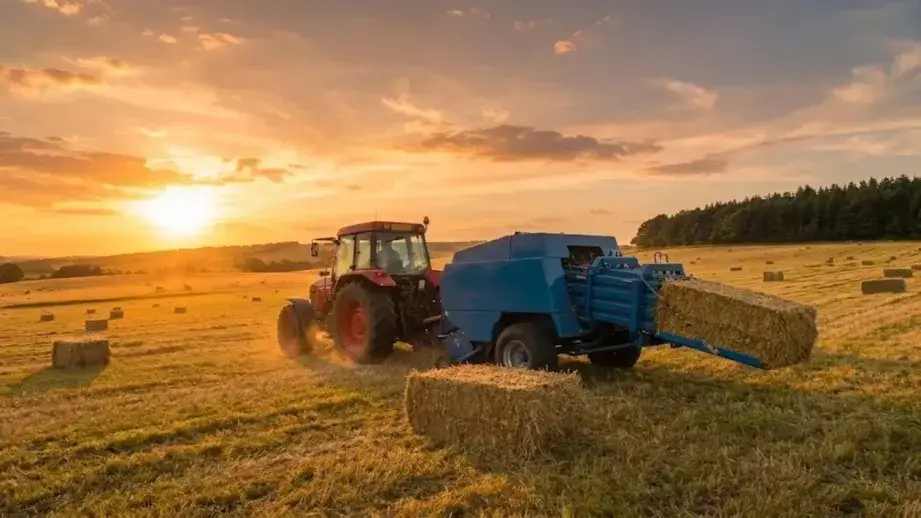
Alfalfa curing time is not fixed — it varies with temperature, relative humidity, solar radiation, wind speed and windrow density. In ideal conditions (30°C+, low humidity, full sun, good airflow), conditioned alfalfa can reach baling moisture in 2–3 days. In cooler, cloudy or humid conditions, 4–6 days is more typical. The single most important rule: do not bale by calendar — bale by moisture measurement.
30°C+, low humidity (<50% RH), full sun, light breeze. Conditioned alfalfa in a wide windrow. Test moisture daily from Day 2.
22–30°C, moderate humidity (50–65% RH), partial cloud cover. Most productive alfalfa regions during peak season. Begin testing from afternoon of Day 3.
Below 20°C, high humidity (>70% RH), overcast or light rain events. Northern production or early/late season. Test morning and afternoon from Day 4.
Raking Timing and Leaf Loss
Rake alfalfa in the morning before leaves reach maximum dryness — the moisture present in the early morning makes leaves pliable rather than brittle, significantly reducing the leaf shatter that occurs when dry leaves contact rake tines. In hot-weather regions where morning moisture burns off quickly, an early morning start (06:00–09:00) for raking is often the difference between 5% leaf loss and 15% leaf loss. Never rake in the afternoon on hot days when alfalfa leaves are at their most brittle — the protein loss from shattered leaves is irreversible.
Step 4: Moisture Testing — The Only Decision Point That Cannot Be Skipped
Target: 14–17% for Small Square Bales
The target moisture for alfalfa destined for small square bales in covered barn storage is 14–17%. Below 14%, excessive leaf shatter during baling reduces protein yield and bale weight. Above 17%, spontaneous heating begins within 48 hours in dense small square bale stacks — above 55°C, Maillard reactions bind protein in a form that horses and ruminants cannot digest. Above 70°C, the stack is a fire risk.
Measure windrow core moisture — not surface moisture — using a probe-type hay moisture meter pushed 15–20cm into the windrow at multiple points across the field. Surface readings consistently underestimate core moisture in alfalfa by 3–6 percentage points in warm-weather conditions. A windrow that reads 16% at the surface may be 20–22% at the core. Always use the highest reading from representative core measurements as your go or no-go decision point.
What Happens at Each Moisture Level
| Umidade na enfardagem | Outcome in Storage | Consequência de mercado |
|---|---|---|
| 12–14% | Stable, no heating. May be over-dry. | Excess leaf loss at baling reduces CP. Lightweight bales may disappoint buyers on weight. |
| 14–17% | Ideal. Bales stabilise within 2–3 weeks. No heating risk in covered storage. | Premium horse and export grade. Maximum leaf retention. Commands full market price. |
| 17–20% | Moderate heating within 48–72 hours. Protein binding begins above 55°C. | Risk of buyer rejection on delivery. Reduced nutritional value from heat damage. |
| Above 20% | Severe heating or mold within 24–48 hours. Possible fire risk above 70°C. | Rejected by all premium markets. Potential total loss of the lot. |
Step 5: Baler Settings for Alfalfa — By Market
Setting by Market Destination
Late-Cut Alfalfa and the Shredder Advantage
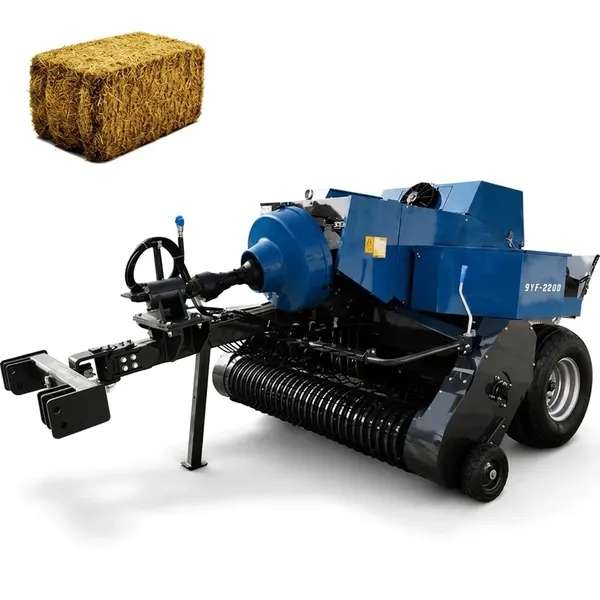
Third and fourth cut alfalfa stems are thicker and more woody than first or second cut. In a standard spring-tooth baler without a shredder, late-cut alfalfa compresses with more internal void space — the thick stems bridge across the bale chamber cross-section rather than packing uniformly. The result is bales that are 10–15% lighter per unit length at the same plunger setting as first-cut hay. The single-stage shredder on the 9YF-2200S breaks these stems before compression, producing more uniform packing and consistent bale weight from all cutting stages throughout the season.
Step 6: Leaf Retention — Protecting Your Protein Content
Why Every 1% of Leaf Loss Costs You Money
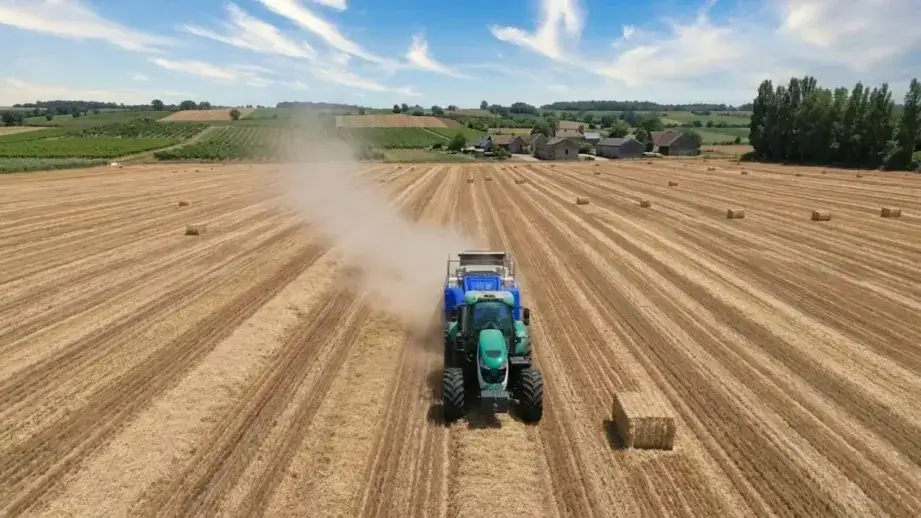
Alfalfa leaves contain 70–75% of the crude protein in the plant. When leaves shatter and fall into the field during raking or baling, the protein content of the remaining bale decreases proportionally. A 10% leaf loss from the plant total reduces crude protein in the bale by approximately 6–7 percentage points — from 20% to 13–14%. This is the difference between horse-quality premium hay and commodity livestock hay.
Leaf loss occurs at multiple points: mowing, conditioning, raking, tedding and baling each contribute. The largest single loss point in most operations is raking — particularly afternoon raking in dry conditions. Setting the raking schedule for the morning and using a side-delivery or merge rake rather than a rotary rake typically reduces total leaf loss by 5–8 percentage points in alfalfa.
Baler pickup speed also affects leaf loss. A pickup running faster than necessary for the windrow volume agitates the material more than needed, causing leaf shatter at the tine contact points. Set pickup speed to the minimum that provides complete windrow recovery — not to the maximum available on the machine.
Step 7: Hay Analysis — Documenting Quality to Command Premium Prices

What to Test and When
Submit one composite forage sample per cutting per field to an accredited laboratory. Collect 15–20 core samples from representative bales across the lot using a hay probe (not a grab sample from the bale end — this gives a non-representative surface reading). Mix the cores, fill a sample bag and submit within 48 hours of collection. Most accredited labs return results within 3–5 business days at a cost of $20–40 per sample.
The standard analysis panel for alfalfa includes: moisture, crude protein (CP), acid detergent fibre (ADF), neutral detergent fibre (NDF), relative forage quality (RFQ), total digestible nutrients (TDN) and ash. For export to Japan or Korea, request the extended panel that includes potassium, nitrates and sometimes mycotoxin screening — Japanese buyers frequently specify these tests in purchase contracts.
Using Analysis Results in Pricing
A hay analysis certificate attached to a delivery invoice or displayed at a farm stand transforms your hay from an undifferentiated commodity into a documented product. Boarding stable managers and feed store buyers who receive analysis results consistently order from the same supplier rather than shopping each season — because the data allows them to plan rations predictably. For direct sales to horse owners, attaching a laminated analysis card to a representative bale from each cutting allows the buyer to read the protein and ADF numbers during pickup. Buyers who understand forage nutrition will pay a measurable premium for this documentation.
The Cutting-to-Baling Timeline: A Practical Reference
| Day | Activity | Key Action / Check |
|---|---|---|
| Dia 0 | Mowing with conditioner | Cut at 10% bloom. Set roller gap correctly. Avoid late afternoon mow if humidity will rise overnight. |
| Dia 1 | Tedding (optional) | Spread windrows if dense. Avoid tedding in afternoon heat with dry leaves — leaf shatter risk is maximum at this stage. |
| Dia 2 | Raking (early morning) | Rake before 10:00. First moisture probe test afternoon. Target below 20% core before raking. |
| Dia 3 | Moisture check + baling decision | Test windrow core multiple times. If below 17%, bale in afternoon. If 17–20%, wait one more half-day. Above 20% — wait. |
| Day 3–4 | Baling (afternoon window) | Start 13:00–14:00. Weigh 10 calibration bales. Stop before dew fall in evening. Target 14–17% moisture. |
| Day 4+ | Storage and delivery | Bring bales into covered storage within 24 hours of baling. Submit forage sample. Document moisture and weight per lot. |
PTO and Driveline Reference for Alfalfa Baling
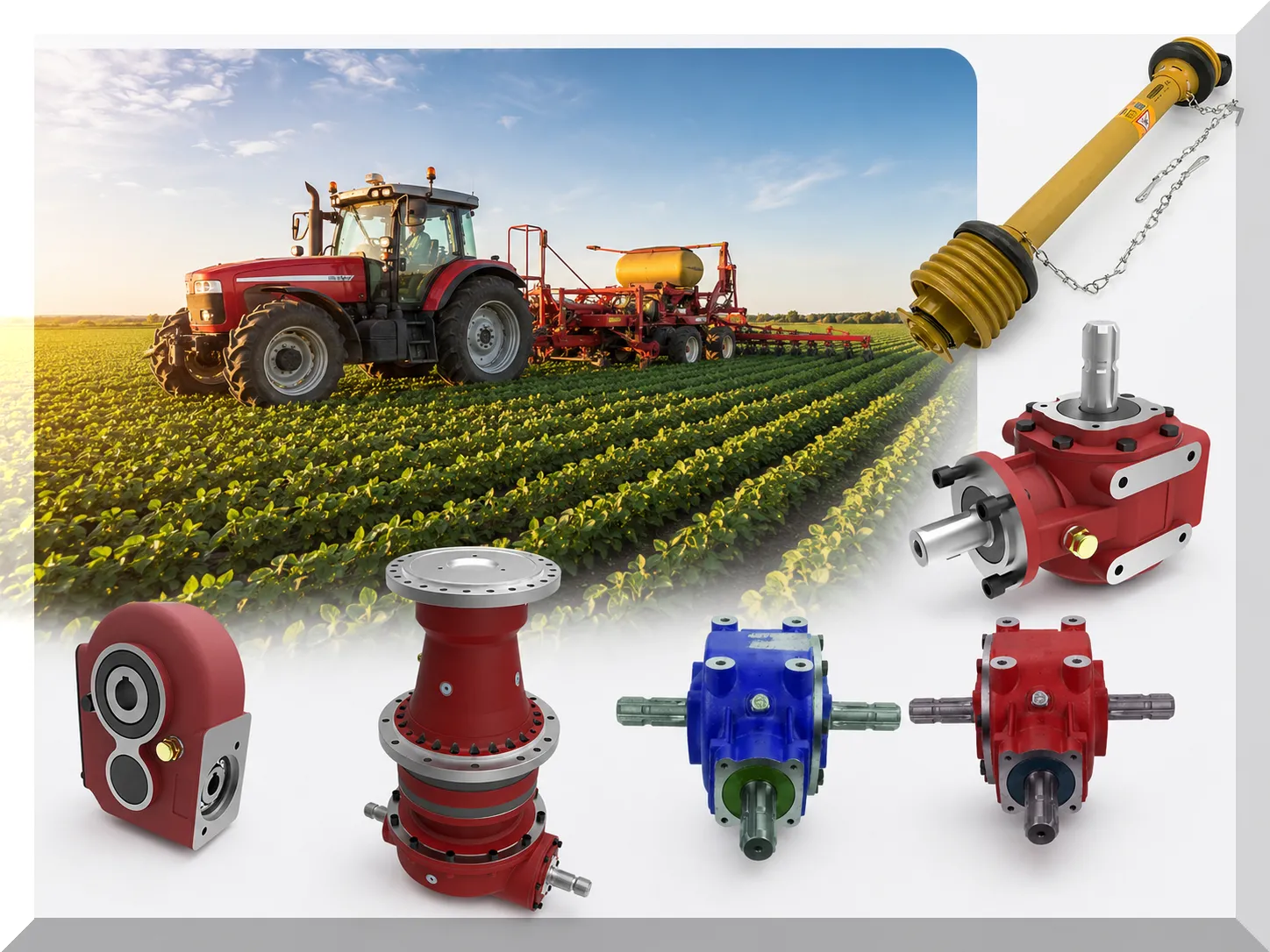
Gearbox torque ratings and PTO shaft standards for all alfalfa baling power classes: Especificações da caixa de engrenagens agrícola e do eixo da tomada de força (TDF)
Alfalfa baling in humid conditions or with shredder-equipped models places higher sustained PTO loads than standard hay. Correct driveshaft length and CV joint specifications protect the gearbox at these sustained loads. Full specifications: Guia de dimensionamento do eixo de transmissão da tomada de força e da junta homocinética.
Frequently Asked Questions — Baling Alfalfa Hay
Produce Premium Alfalfa Hay With the Right Equipment
From the compact 9YF-1700 for small equestrian properties to the fan-equipped 9YFS-2.2 for export-grade production — tell us your alfalfa acreage, target market and tractor HP and we will recommend the right model for your operation.
America Ever-Power Forage Baler Equipment INC. · 1401 21st ST STE R, Sacramento, CA 95811


